

The demand for effective vaping detection technology has surged across the United Kingdom, driven by increasing concerns about youth vaping and the need to maintain compliant, healthy environments in schools, offices, and public spaces. A vape detector UK solution provides organisations with the tools needed to identify vaping incidents in real time, enabling swift intervention and supporting broader health and safety initiatives. Understanding how these systems work, their applications, and what features to prioritise can help decision makers select the most appropriate technology for their specific needs.
Understanding Vape Detection Technology
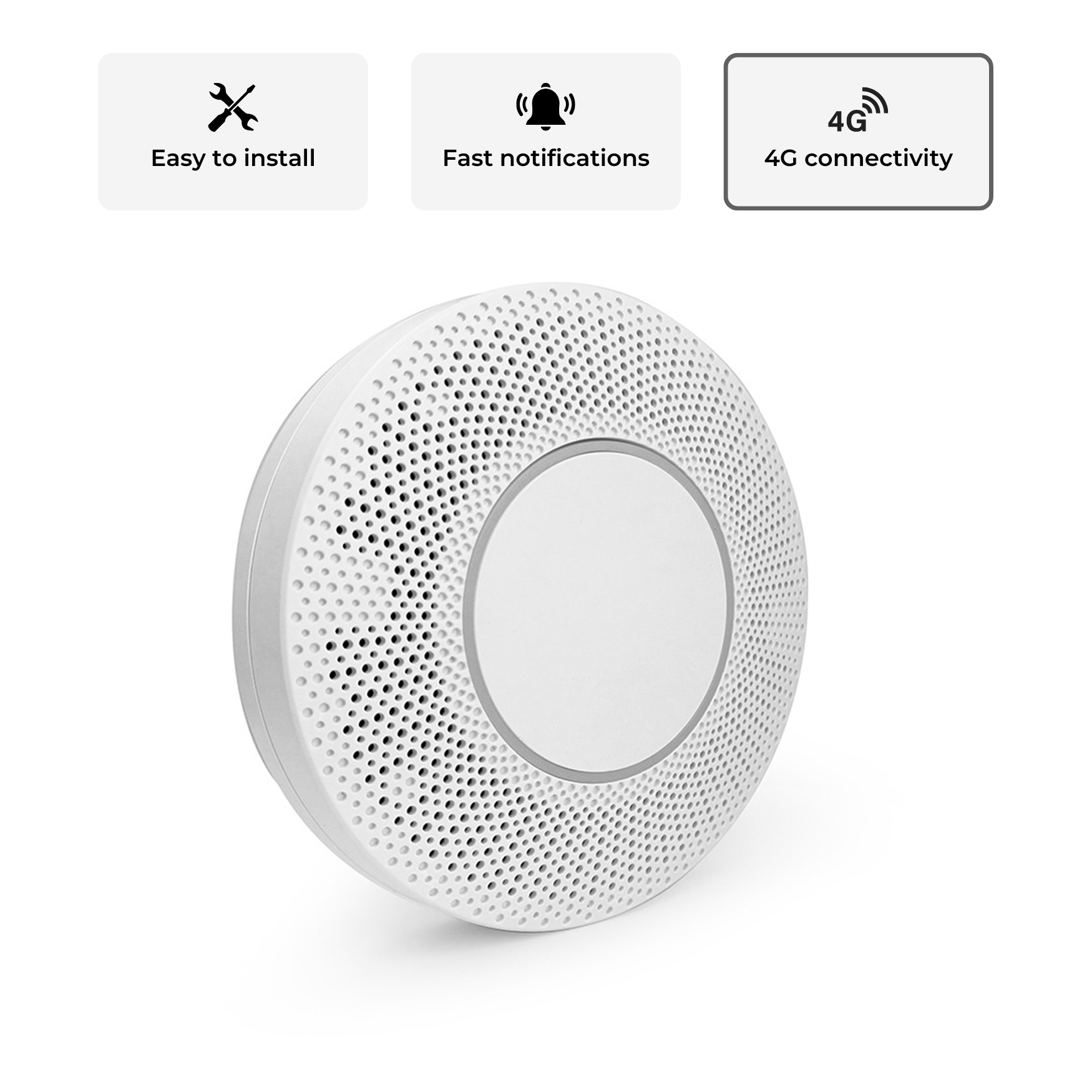
Vape detectors represent a significant advancement in environmental monitoring, combining sophisticated sensor arrays with intelligent software to identify the unique chemical signatures produced by e-cigarettes. Unlike traditional smoke detectors that respond primarily to particulate matter from combustion, modern vape detector UK systems analyse air quality across multiple parameters simultaneously.
The core technology relies on sensors that detect volatile organic compounds (VOCs), particulate matter concentrations, and specific chemical markers associated with vaping aerosols. When someone uses an e-cigarette indoors, the device heats a liquid containing propylene glycol, vegetable glycerin, flavourings, and often nicotine. This process creates a distinctive aerosol that contains identifiable chemical compounds.
How Detection Systems Identify Vaping
Advanced vape detectors employ multi-point sensing technology to differentiate between vaping aerosols and other airborne substances. The sensors continuously monitor baseline air quality levels and can detect deviations that indicate vaping activity. This technological advancement in vape detection has proven essential for public health initiatives across the UK.

Key detection capabilities include:
- VOC analysis to identify propylene glycol and vegetable glycerin vapours
- Particulate matter monitoring to detect aerosol density changes
- Chemical fingerprinting to distinguish vaping from other activities
- Baseline calibration to reduce false positives in varying environments
The sophistication of current generation detectors means they can operate effectively in environments with variable air quality, from well-ventilated offices to more challenging spaces like school toilets where detection is most needed.
Applications Across Different Sectors
The versatility of vape detector UK technology has led to widespread adoption across multiple sectors, each with unique requirements and challenges. Educational institutions represent the largest market segment, but commercial offices, healthcare facilities, and leisure venues increasingly recognise the value these systems provide.
Educational Environments
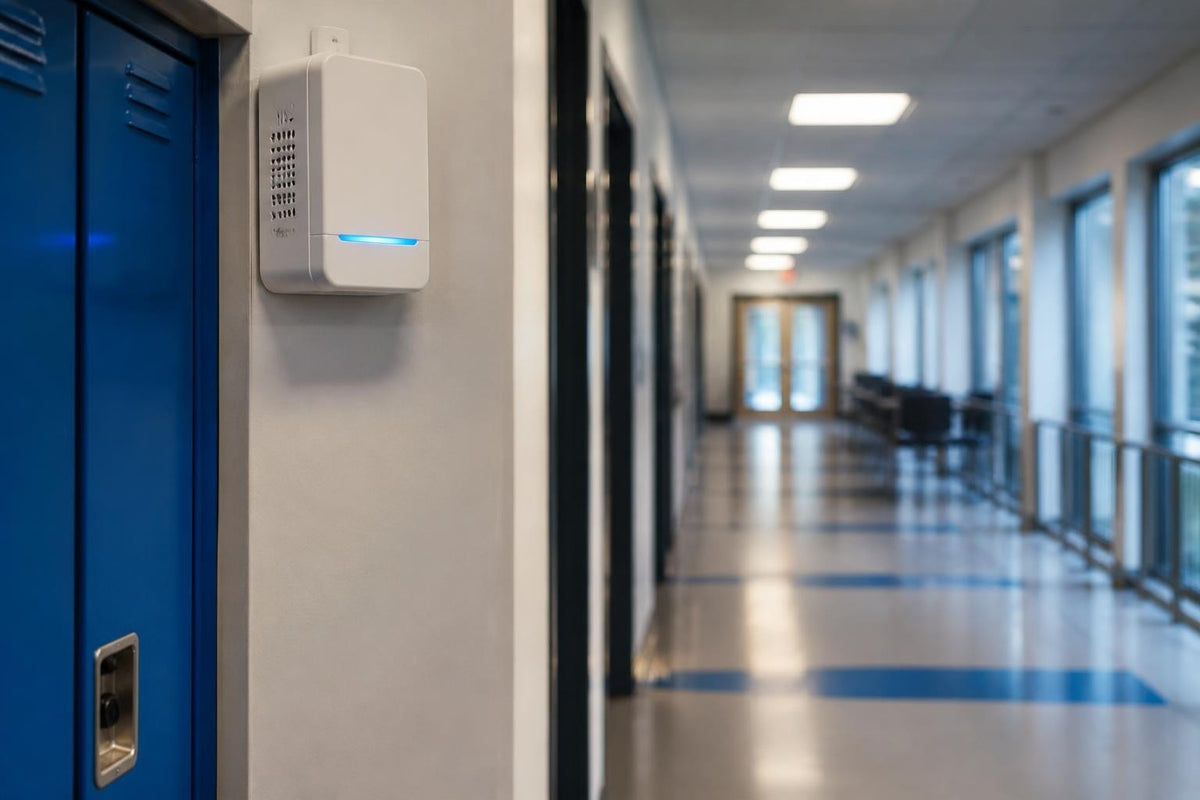
Schools and colleges face particular challenges with student vaping, especially in areas with limited supervision such as toilets, changing rooms, and isolated corridors. Vape detectors for education have become essential tools for safeguarding teams working to reduce vaping incidents whilst maintaining a supportive rather than punitive approach.
Implementation in schools typically focuses on high-risk areas where traditional supervision proves difficult. The real-time alert capabilities enable staff to respond immediately, creating opportunities for intervention and support conversations with students who may be developing nicotine dependencies.
| Environment Type | Primary Benefits | Typical Installation Points |
|---|---|---|
| Secondary Schools | Early intervention, deterrent effect | Toilets, changing rooms, stairwells |
| Colleges | Compliance monitoring, health support | Social areas, enclosed spaces |
| Primary Schools | Staff area monitoring, policy enforcement | Staff facilities, storage areas |
Workplace Implementation
Commercial offices and corporate environments deploy vape detectors to maintain air quality standards, support wellbeing initiatives, and ensure compliance with workplace vaping policies. Many organisations have extended their smoking policies to include vaping, recognising that whilst potentially less harmful than traditional cigarettes, vaping still introduces chemicals into shared air spaces.
Office environments benefit from discreet installation options that integrate with existing building management systems. The data collected helps facilities managers understand usage patterns and optimise ventilation systems accordingly.
Key Features to Consider
Selecting an appropriate vape detector UK system requires careful evaluation of technical specifications, integration capabilities, and ongoing support requirements. The market offers various options with differing feature sets and price points.
Essential Technical Specifications
Modern detection systems should provide comprehensive monitoring beyond basic vaping detection. Multi-functional sensors that also monitor air quality parameters like carbon dioxide, temperature, and humidity deliver greater value and support broader environmental monitoring objectives. The integration of CO2 monitoring alongside vaping detection helps schools maintain optimal learning environments.
Core capabilities to evaluate include:
- Detection accuracy and sensitivity levels
- Response time from detection to alert generation
- Integration with existing security or facilities systems
- Data logging and reporting functionality
- Alert customisation and escalation protocols
The best systems provide configurable sensitivity settings to account for environmental variations whilst maintaining reliable detection performance. False positive rates should be minimal, as excessive false alarms undermine staff confidence and lead to alert fatigue.
Alert and Notification Systems
Real-time notification capabilities determine how effectively organisations can respond to vaping incidents. Advanced vape detector UK platforms offer multiple alert channels including mobile app notifications, email alerts, integration with security systems, and visual indicators on administrative dashboards.
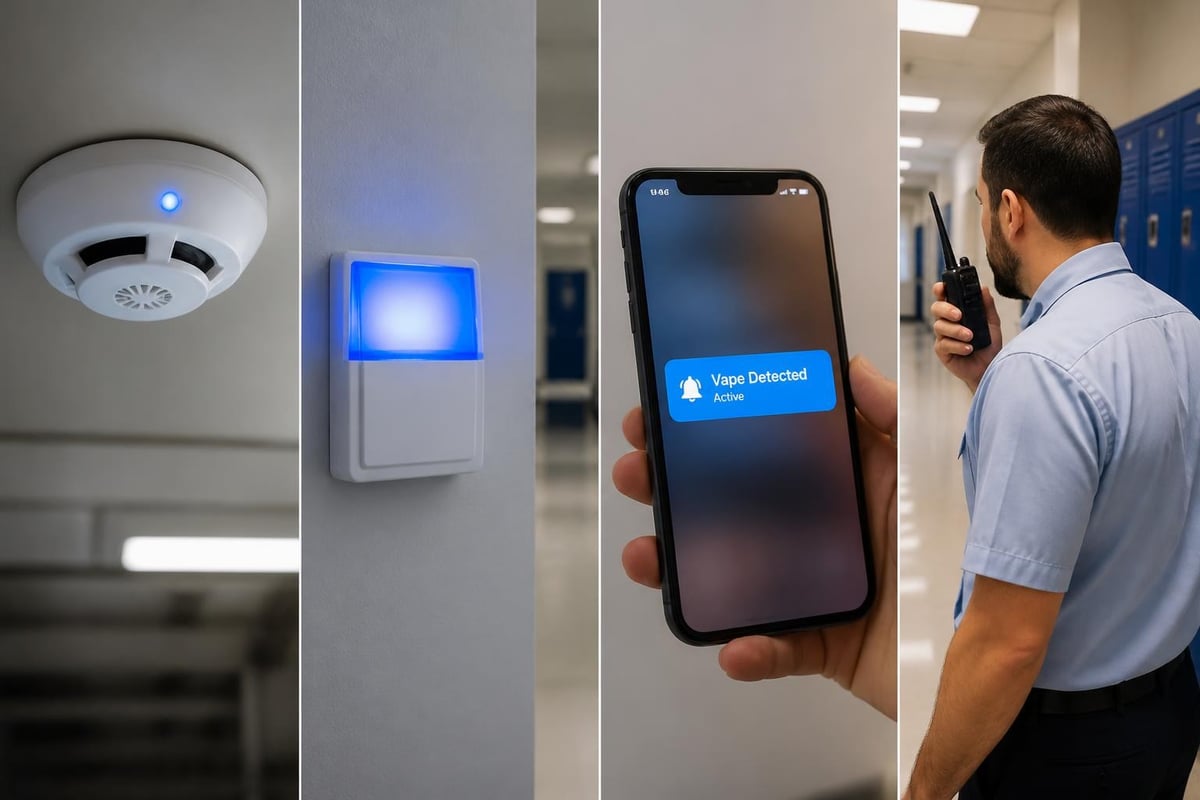
Notification systems should allow for customised recipient lists based on time of day, location, and alert type. For example, during school hours, alerts might route to designated safeguarding leads, whilst evening detections in office buildings could notify security personnel or facilities managers.
Installation and Maintenance Considerations
Successful deployment of vaping detection technology depends on proper installation planning and ongoing maintenance protocols. The physical installation process typically proves straightforward, but optimal placement requires understanding of air flow patterns, typical usage areas, and potential sources of interference.
Strategic Placement Guidelines
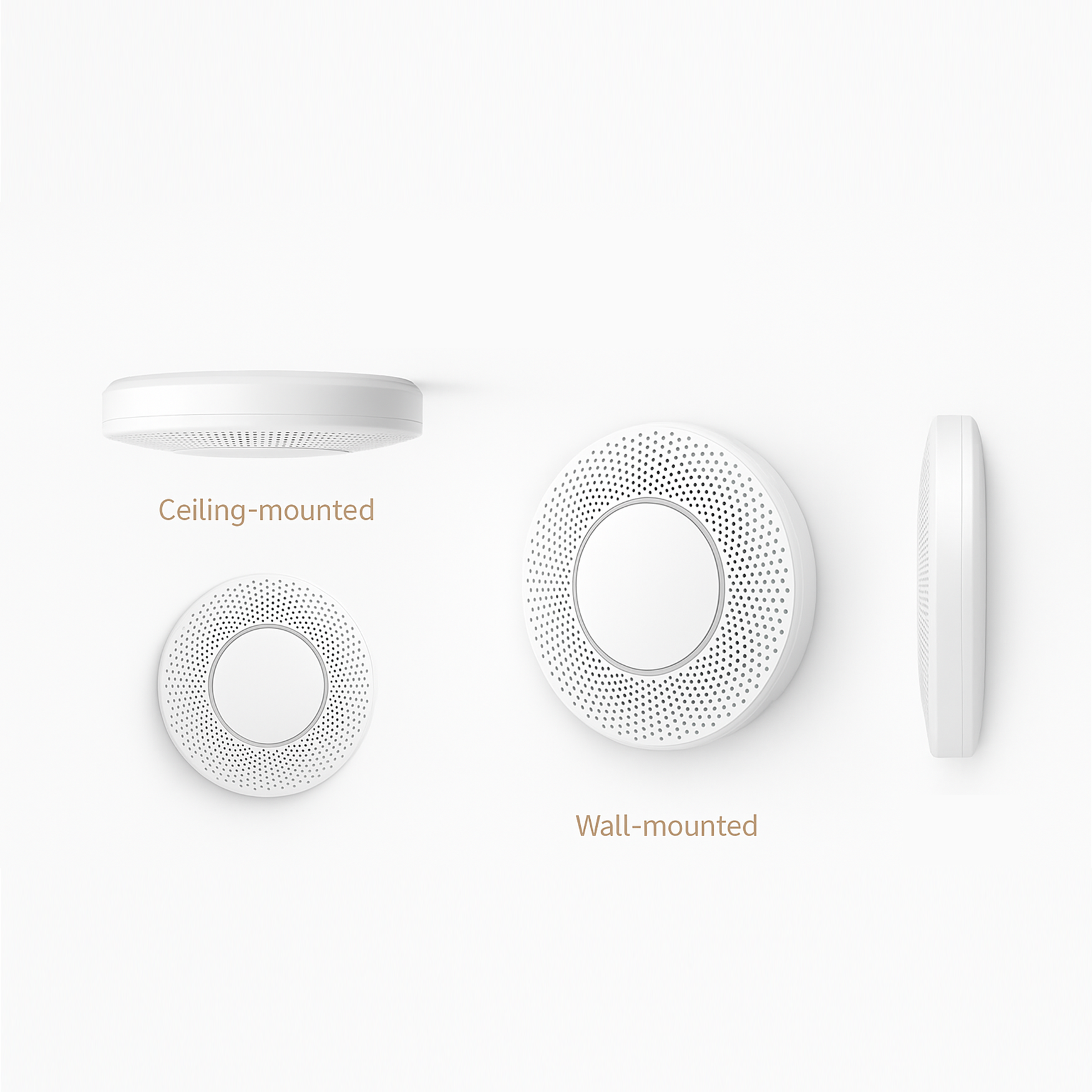
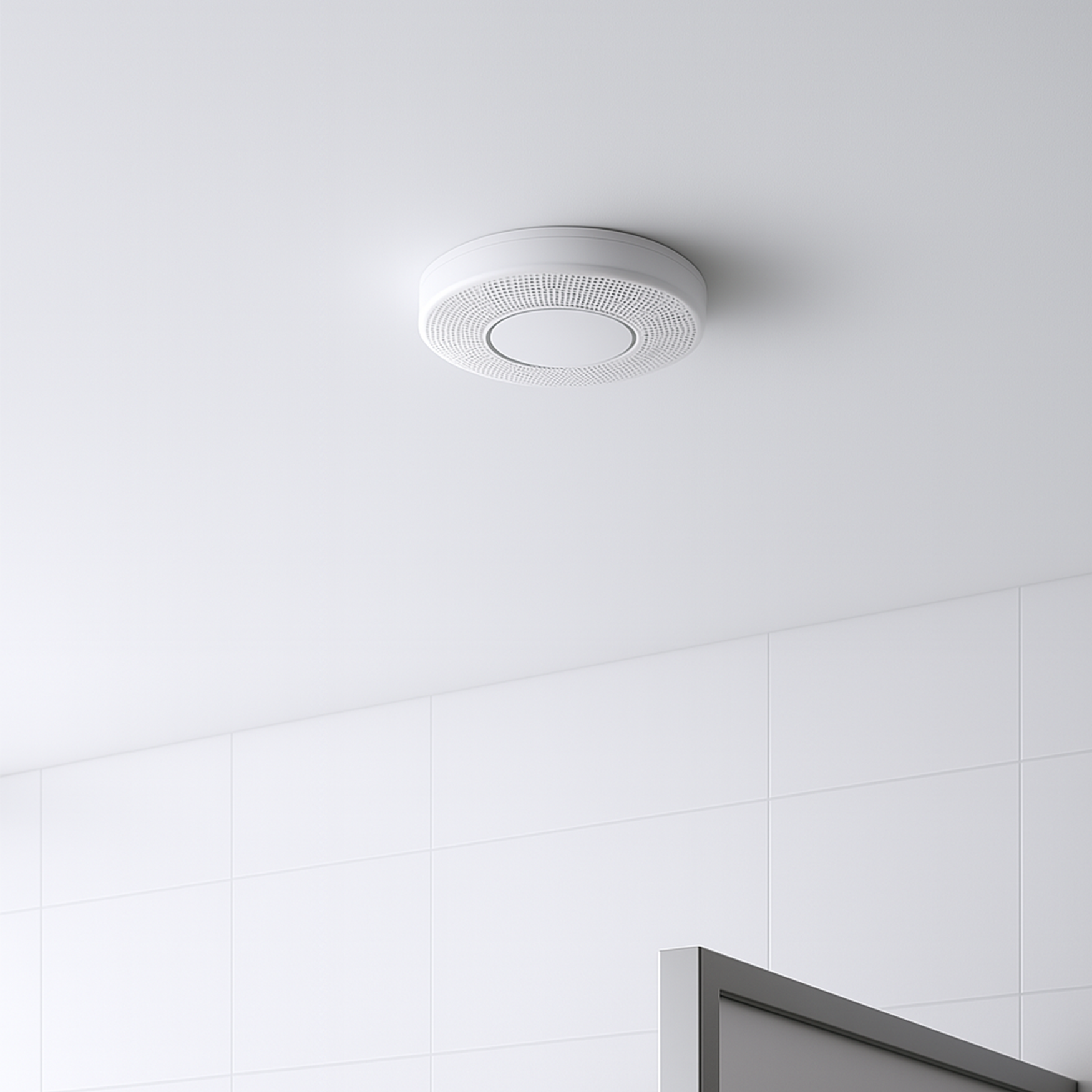
Detector positioning significantly impacts system effectiveness. Ceiling mounted units work well in most applications, benefiting from natural air movement patterns that carry vaping aerosols upward. However, in spaces with high ceilings or complex ventilation systems, alternative mounting positions may prove more effective.
Installation teams should consider:
- Proximity to areas where vaping typically occurs
- Air flow patterns and ventilation system impacts
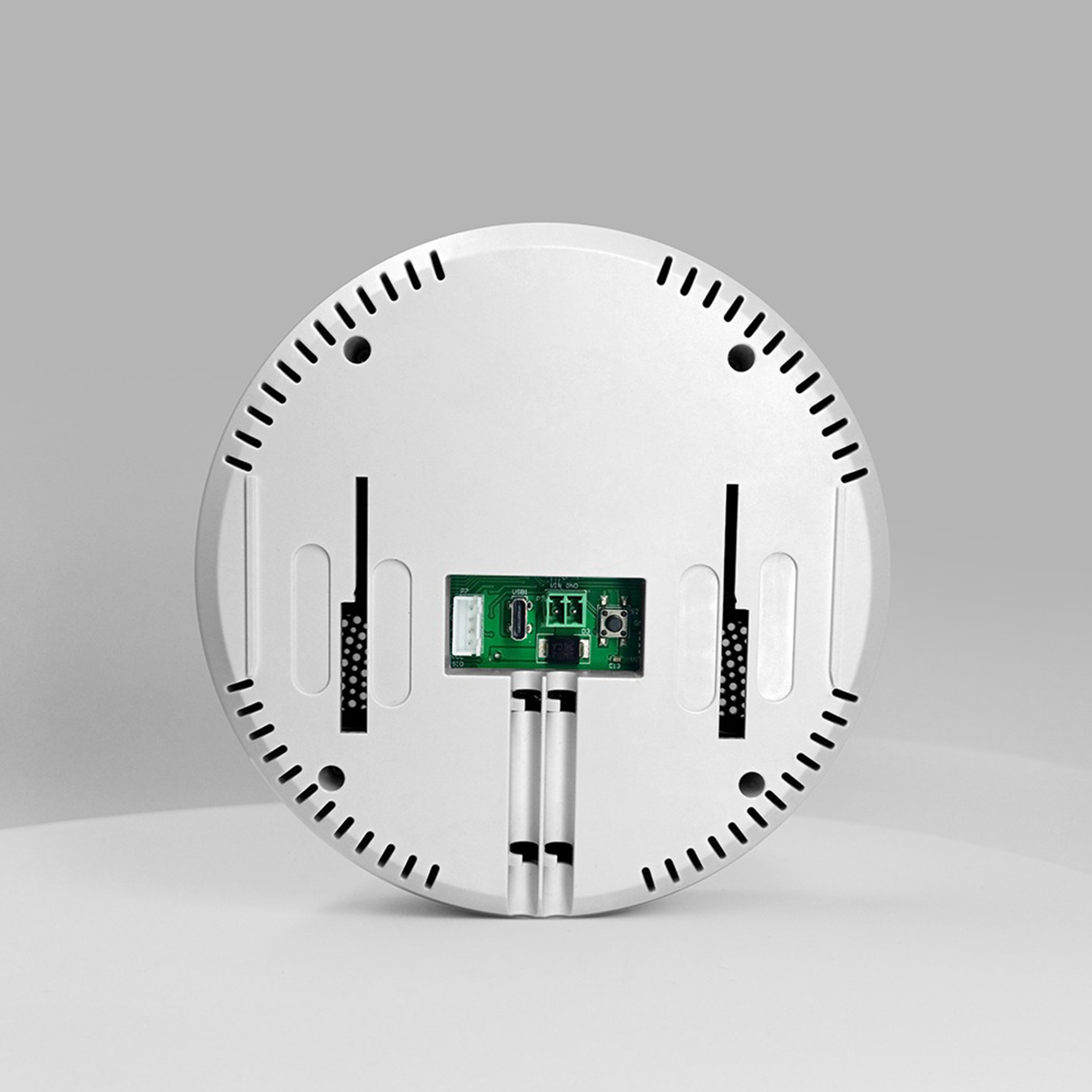
- Power supply accessibility and networking requirements
- Environmental factors like humidity and temperature extremes
- Privacy considerations and data protection compliance
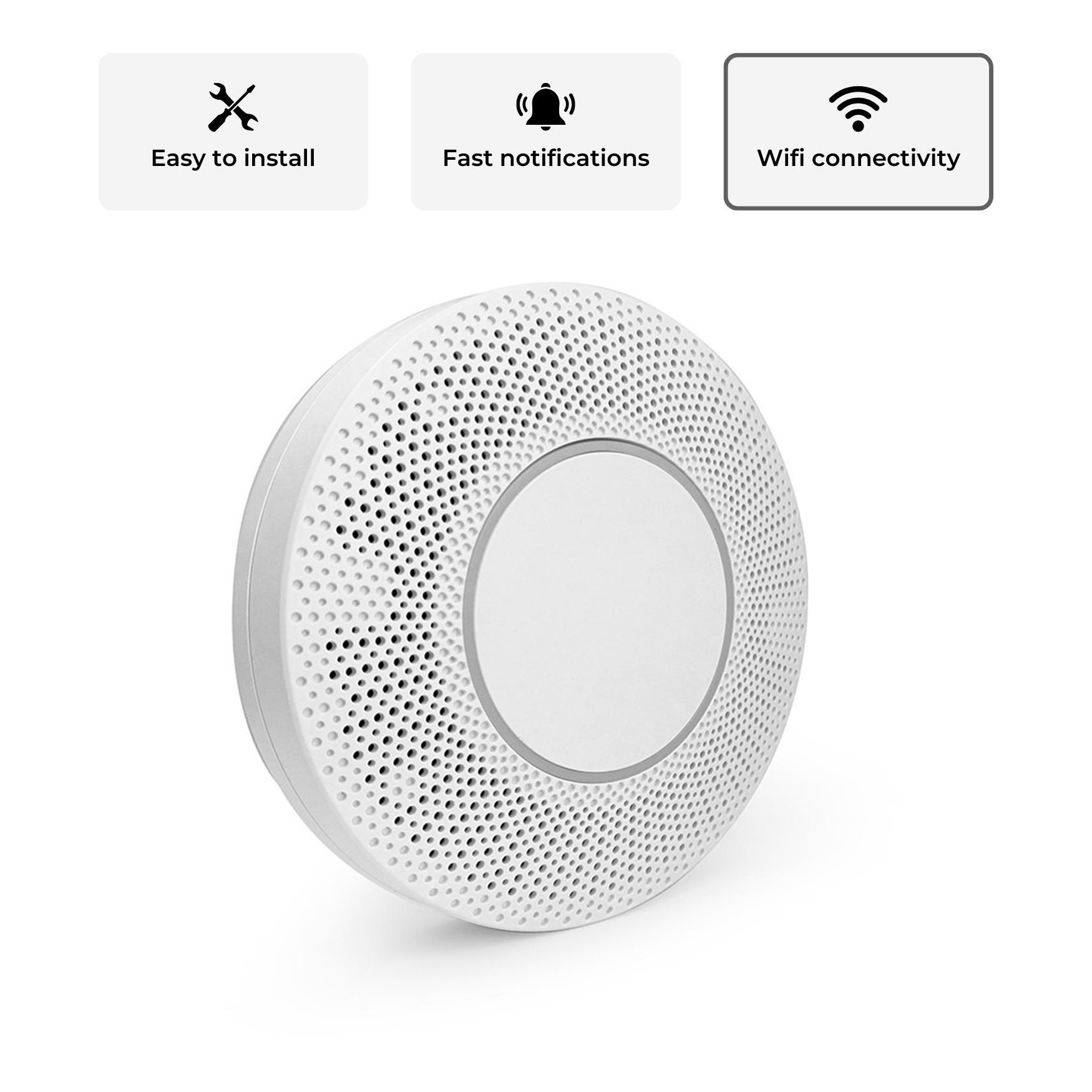
The Vape Detection System offers flexible installation options suitable for various building types and layouts. Professional installation ensures optimal sensor positioning and proper integration with notification systems, maximising detection accuracy whilst minimising false alerts.

Maintenance Requirements
Most modern vape detector UK systems require minimal ongoing maintenance, but regular attention ensures continued optimal performance. Sensor calibration typically occurs automatically, with systems conducting self-checks and adjusting baseline readings to account for seasonal variations or environmental changes.
Recommended maintenance activities include quarterly visual inspections, annual professional servicing, firmware updates as released by manufacturers, and periodic testing to verify alert delivery systems. Documentation of maintenance activities supports compliance audits and helps identify any declining performance trends before they impact effectiveness.
Regulatory and Compliance Landscape
The regulatory environment surrounding vaping detection continues to evolve as authorities respond to growing evidence about the health effects of e-cigarettes and the need for effective monitoring in public spaces. Whilst vaping detection systems themselves face no specific regulatory requirements in the UK, their use intersects with various legal frameworks.
Data Protection Considerations
Organisations deploying vape detectors must consider General Data Protection Regulation (GDPR) implications, particularly regarding how detection events are recorded, who has access to incident data, and how long records are retained. Systems that capture audio or visual information alongside chemical detection face additional scrutiny and typically require explicit notification to building occupants.
Best practice involves clear signage indicating the presence of detection systems, documented policies explaining how detection data will be used, defined retention periods aligned with legitimate organisational needs, and access controls limiting who can view incident reports.
| Compliance Area | Key Requirements | Implementation Steps |
|---|---|---|
| Data Protection | GDPR compliance, privacy impact assessments | Document data flows, implement access controls |
| Health & Safety | Duty of care obligations, wellbeing policies | Integrate with existing safety frameworks |
| Employment Law | Reasonable workplace monitoring | Consult staff, communicate policies clearly |
Effectiveness and Impact Measurement
Organisations investing in vape detector UK technology naturally seek evidence of impact and return on investment. Measuring effectiveness requires establishing baseline metrics before installation and tracking relevant indicators over time.
Key Performance Indicators
Quantifiable metrics help demonstrate the value of detection systems and support decisions about expanding coverage or adjusting response protocols. Schools often track the number of vaping incidents detected, response times to alerts, student support referrals initiated following detections, and survey data about perceived safety and air quality.
Commercial organisations might focus on compliance rates with vaping policies, air quality measurements in monitored versus unmonitored spaces, facilities management responsiveness, and employee feedback regarding workplace environment quality.
The most sophisticated implementations combine quantitative detection data with qualitative feedback from staff and users. This holistic approach provides deeper insights into how detection systems influence behaviour, support intervention efforts, and contribute to broader organisational objectives around health, safety, and wellbeing.
Behavioural Impact
Beyond immediate detection capabilities, vape detector UK systems create a deterrent effect that reduces overall vaping incidents. The knowledge that vaping can be detected and will trigger immediate responses influences behaviour, particularly in environments like schools where students weigh the risks of being caught.
However, research suggests detection technology works best when combined with education, support services, and clear, fairly enforced policies. Technology alone cannot solve vaping issues; it must form part of a comprehensive approach that addresses underlying behaviours and provides pathways for individuals struggling with nicotine dependence.
Cost Considerations and Budget Planning
Financial planning for vape detection implementation involves evaluating both initial capital costs and ongoing operational expenses. Prices vary significantly based on system sophistication, number of units required, installation complexity, and subscription services for cloud-based monitoring platforms.
Initial Investment Requirements
Entry-level systems suitable for small installations might cost several hundred pounds per unit, whilst enterprise-grade solutions with advanced analytics and integration capabilities can exceed £1,000 per detector. Most organisations require multiple units to achieve adequate coverage, with schools typically installing between 10 and 50 detectors depending on building size and layout.
Installation costs add to the overall investment, though many systems offer straightforward mounting that facilities teams can handle internally. Professional installation ensures optimal placement and proper configuration but adds labour costs to the project budget.
Budget components typically include:
- Detector hardware units
- Installation and configuration services
- Network infrastructure upgrades if needed
- Cloud platform subscriptions for remote monitoring
- Training for staff responsible for responding to alerts
- Ongoing maintenance and calibration services
Return on Investment Analysis
Calculating ROI for vape detection technology requires considering both direct cost savings and broader organisational benefits that may be harder to quantify. Schools might evaluate reduced disciplinary incidents, improved air quality supporting better learning outcomes, and decreased cleaning and maintenance costs in areas where vaping previously occurred frequently.
Workplaces can factor in improved employee wellbeing metrics, reduced facilities management time addressing vaping complaints, and enhanced compliance with health and safety obligations. The deterrent effect often reduces incidents by 60-80% within the first few months, creating measurable improvements that justify the investment.
Integration with Broader Safety Systems
Modern vape detector UK solutions increasingly function as components within comprehensive building management and safety ecosystems rather than standalone devices. Integration capabilities enhance value by consolidating monitoring functions and streamlining response protocols.
System Interoperability
Leading detection platforms offer APIs and standard protocols enabling integration with existing security systems, building automation platforms, and facilities management software. This interoperability allows organisations to create unified dashboards displaying air quality, security, and environmental data in consolidated views.
Integration possibilities include linking alerts to video surveillance systems for incident verification, triggering ventilation system adjustments when air quality thresholds are exceeded, incorporating detection data into broader safety reporting frameworks, and automating workflows that initiate support referrals following repeated detections.
The ability to integrate with existing infrastructure reduces the operational burden of managing multiple disconnected systems whilst providing richer contextual information that supports more effective responses.

Future Developments in Detection Technology
The vape detection industry continues advancing rapidly, with manufacturers developing more sophisticated sensors, improved analytics capabilities, and enhanced integration options. Understanding emerging trends helps organisations make forward-looking investment decisions that maintain relevance as technology evolves.
Artificial Intelligence and Machine Learning
Next generation vape detector UK systems increasingly incorporate AI algorithms that improve detection accuracy over time by learning typical environmental patterns and refining chemical signature recognition. Machine learning enables systems to distinguish between vaping and similar activities with greater precision, reducing false positives whilst maintaining sensitivity to actual incidents.
Predictive analytics represent another frontier, with advanced platforms beginning to identify patterns that suggest increased vaping risk. By analysing historical detection data alongside other variables like time of day, weather conditions, and occupancy patterns, systems can alert administrators to heightened risk periods requiring additional vigilance.
Enhanced Sensor Capabilities
Sensor technology continues improving, with newer models detecting broader ranges of substances and providing more detailed compositional analysis of detected aerosols. Some systems now identify specific flavour profiles or chemical markers associated with particular vaping products, information that can inform targeted education efforts and support conversations.
Multi-modal sensors that combine chemical detection with sound analysis and thermal imaging create redundancy that further improves accuracy. These sophisticated approaches reduce dependence on any single detection method whilst providing richer data about detected incidents.
Implementing effective vaping detection technology requires careful evaluation of organisational needs, thorough comparison of available systems, and commitment to integrating detection capabilities within broader health and safety frameworks. Whether your focus centres on educational environments, workplace compliance, or public space management, the right vape detector UK solution provides valuable insights whilst supporting intervention and education efforts. Vape Guardian specialises in advanced detection systems tailored to UK organisations, offering comprehensive support from initial consultation through installation, training, and ongoing optimisation. Explore how intelligent detection technology can enhance your environment and support your wellbeing objectives.


Share:
Wireless Vape Detector: Complete Guide for UK Institutions
School Bathroom Monitoring System: Safety & Privacy Guide