
Vaping in shared spaces is becoming an urgent concern, with recent studies showing a sharp rise in reported incidents. As more schools, offices, and venues look for effective ways to monitor and control this issue, the need for reliable solutions has never been greater. This vape detector review guide offers expert, up-to-date advice to help you choose the best detection technology for 2026. Inside, you will find a market overview, must-have features, product comparisons, installation tips, compliance essentials, and expert recommendations. Take control of your environment and make confident, future-proof decisions with trusted guidance.
The 2026 Vape Detector Market: Trends and Challenges
The vape detector review landscape in 2026 reflects a rapidly changing world. As vaping habits evolve, organisations face new hurdles in detection and prevention. Addressing these challenges requires an in-depth understanding of user behaviours, technology, and compliance standards.
Evolving Vaping Behaviours and Detection Needs
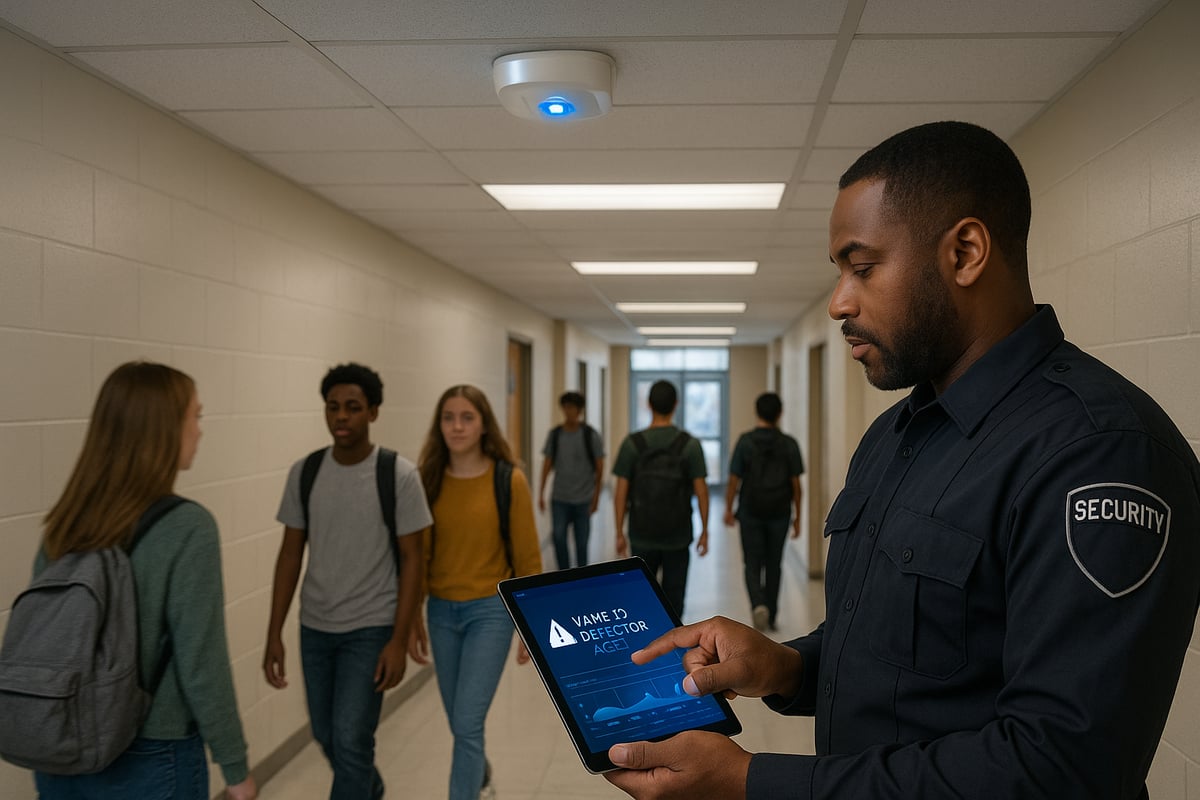
Recent years have seen a surge in youth vaping, with e-cigarette devices becoming more compact and harder to detect. Schools, offices, and leisure venues are all reporting increased indoor vaping incidents. According to 2025 studies, there has been an 18 percent rise in such cases, putting pressure on administrators to find reliable solutions.
Emerging substances complicate the situation further. THC and synthetic cannabinoids now appear in vaping devices, challenging traditional detectors. A thorough vape detector review must consider these changing behaviours and the growing demand for detection in varied environments. Facility managers are seeking systems that address both nicotine and other substances, ensuring comprehensive coverage.
Technological Advancements in Vape Detection
The vape detector review process increasingly highlights the role of technology. AI-powered sensors and machine learning algorithms are now central to improving accuracy. These advancements enable detectors to distinguish between harmless vapours and actual vaping incidents, reducing the risk of false positives.
Real-time air quality monitoring has become standard in leading systems. Multi-sensor arrays now provide comprehensive detection of multiple substances. Advanced algorithms constantly adapt to environmental changes, making detection both precise and reliable. These technological leaps are shaping the future of vape detection, offering much-needed reassurance to decision-makers.
Regulatory and Compliance Pressures
Regulatory scrutiny is intensifying across the UK and EU. New laws demand higher indoor air quality standards, and non-compliance can lead to significant legal consequences for public buildings. As outlined in many vape detector review discussions, these systems are now integral to supporting compliance.
Organisations must ensure that their vape detection technology aligns with current regulations. This includes maintaining accurate records, demonstrating effective policy enforcement, and responding promptly to incidents. Vape detectors serve as both a deterrent and a tool for meeting statutory obligations, reducing the risk of penalties.
Market Growth and Key Players
The market for vape detection solutions is expected to grow significantly by 2026. Industry forecasts predict a sharp rise in demand, driven by innovation and stricter compliance requirements. Major manufacturers are investing in research and development, focusing on service quality and system integration.
For those seeking a comprehensive vape detector review, it is essential to compare offerings from leading brands. The competitive landscape is shifting, with providers differentiating themselves through smarter technologies and dedicated support. According to the Global Vape Detector Market Growth 2026-2032, this sector is on track for sustained expansion, with new entrants and established players vying for market share.
Key Features to Look for in Vape Detectors
Selecting the right technology is crucial for any vape detector review. The market in 2026 is packed with advanced options, but not all are created equal. Understanding the essential features will help you make a future-proof investment. Here, we break down the must-have capabilities to consider for optimal performance in diverse environments.
Detection Capabilities and Substance Range
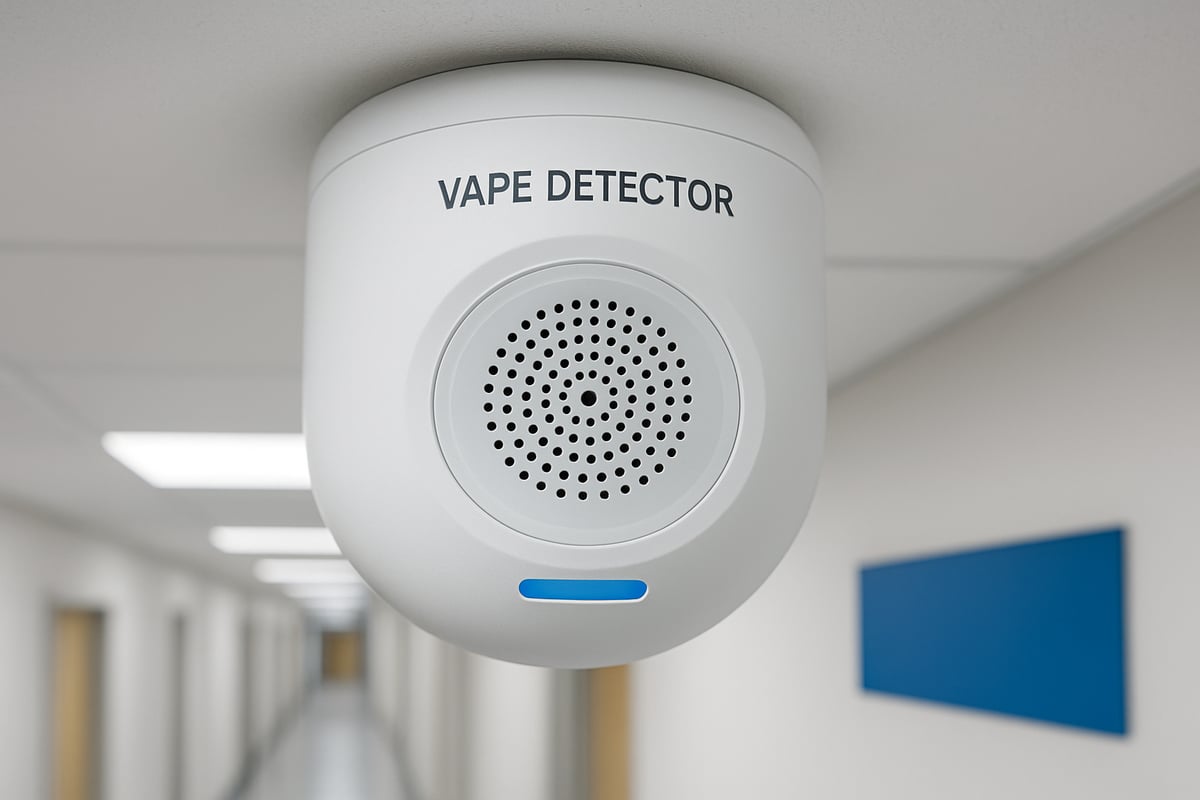
A comprehensive vape detector review should always start with detection range. Modern detectors must identify a variety of substances including nicotine, THC, and synthetic cannabinoids. This ensures coverage against traditional e-cigarettes as well as emerging substances that are harder to spot.
- Multi-substance detection is vital for schools and public venues.
- Sensitivity levels should be adjustable for different environments.
- Advanced sensors can distinguish between vaping and harmless aerosols.
Consider the needs of your setting. For example, a school may require broader detection to address youth vaping trends, while an office might focus on nicotine. Always check the detector’s substance library and update options to stay ahead of new threats.
Accuracy and False Alarm Reduction
In any vape detector review, accuracy is a key differentiator. False positives can reduce trust in the system and disrupt operations. Leading devices now employ AI-driven algorithms and self-learning systems to enhance reliability.
- AI and machine learning reduce false alerts by up to 80 percent.
- Regular calibration maintains high accuracy over time.
- Self-learning detectors adapt to changing air quality patterns.
Comparing vape detection systems is essential for identifying which solutions offer the best balance between sensitivity and specificity. Explore Comparing vape detection systems to see how top products stack up on accuracy and innovation.
Real-Time Alerts and Reporting
A standout vape detector review must highlight real-time alert capabilities. Fast notifications allow immediate action, reducing the impact of vaping incidents. Look for devices that offer a range of notification options tailored to your environment.
- Instant alerts via app, email, or dashboard.
- Customisable thresholds for different user groups.
- Historical reporting for trend analysis.
For example, office managers can respond instantly to alerts, ensuring compliance and safety. Real-time data also supports transparent communication with staff and stakeholders.
Installation and Integration
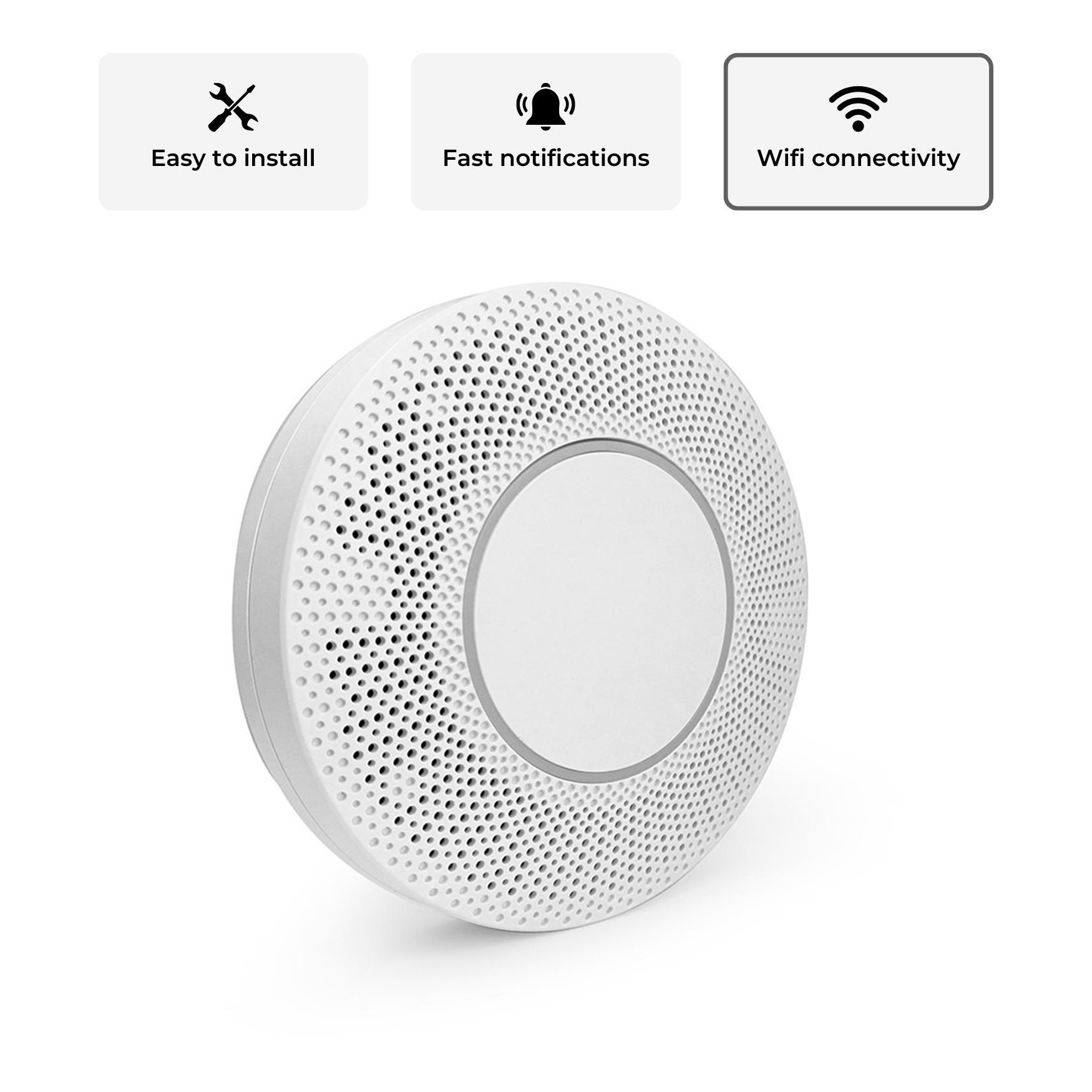
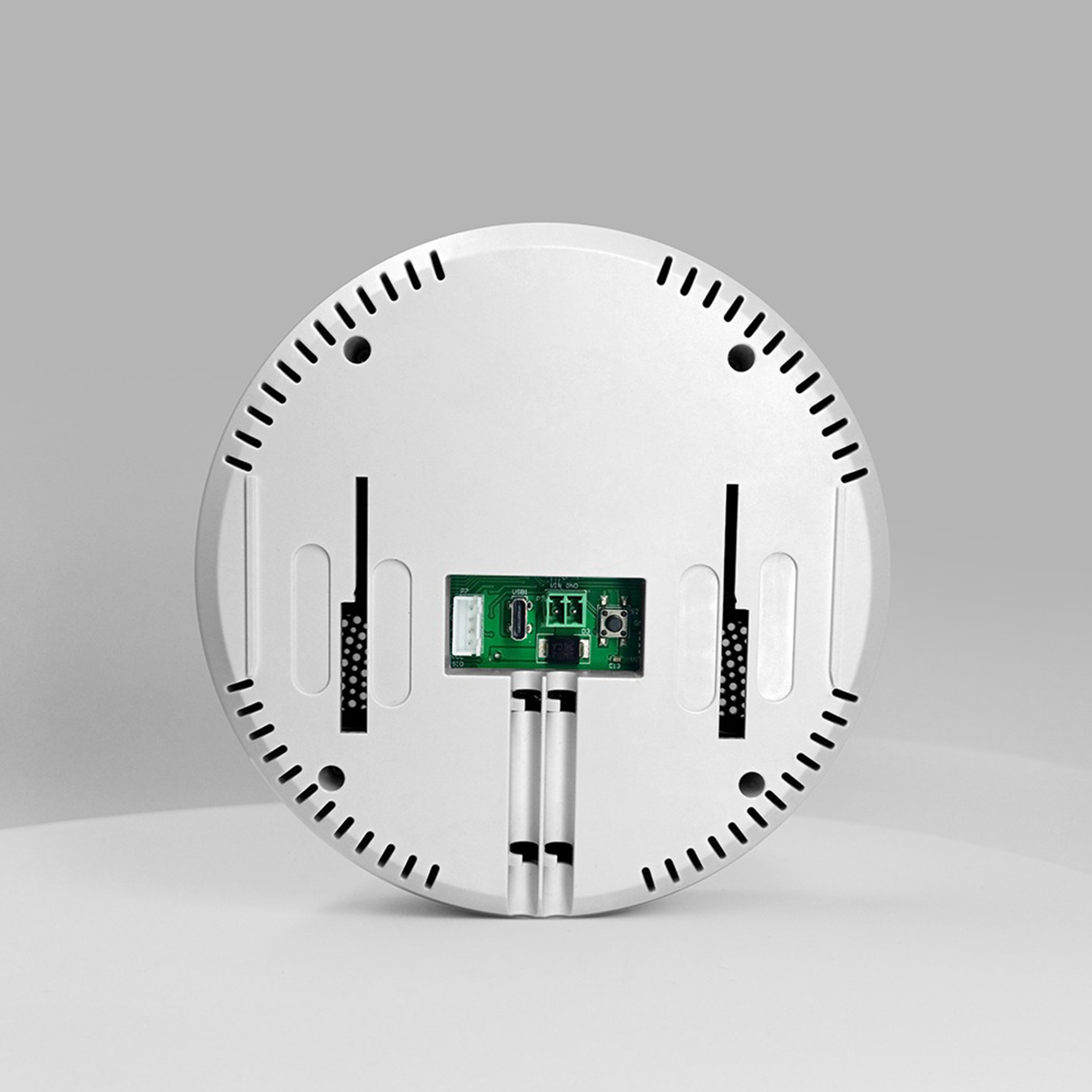
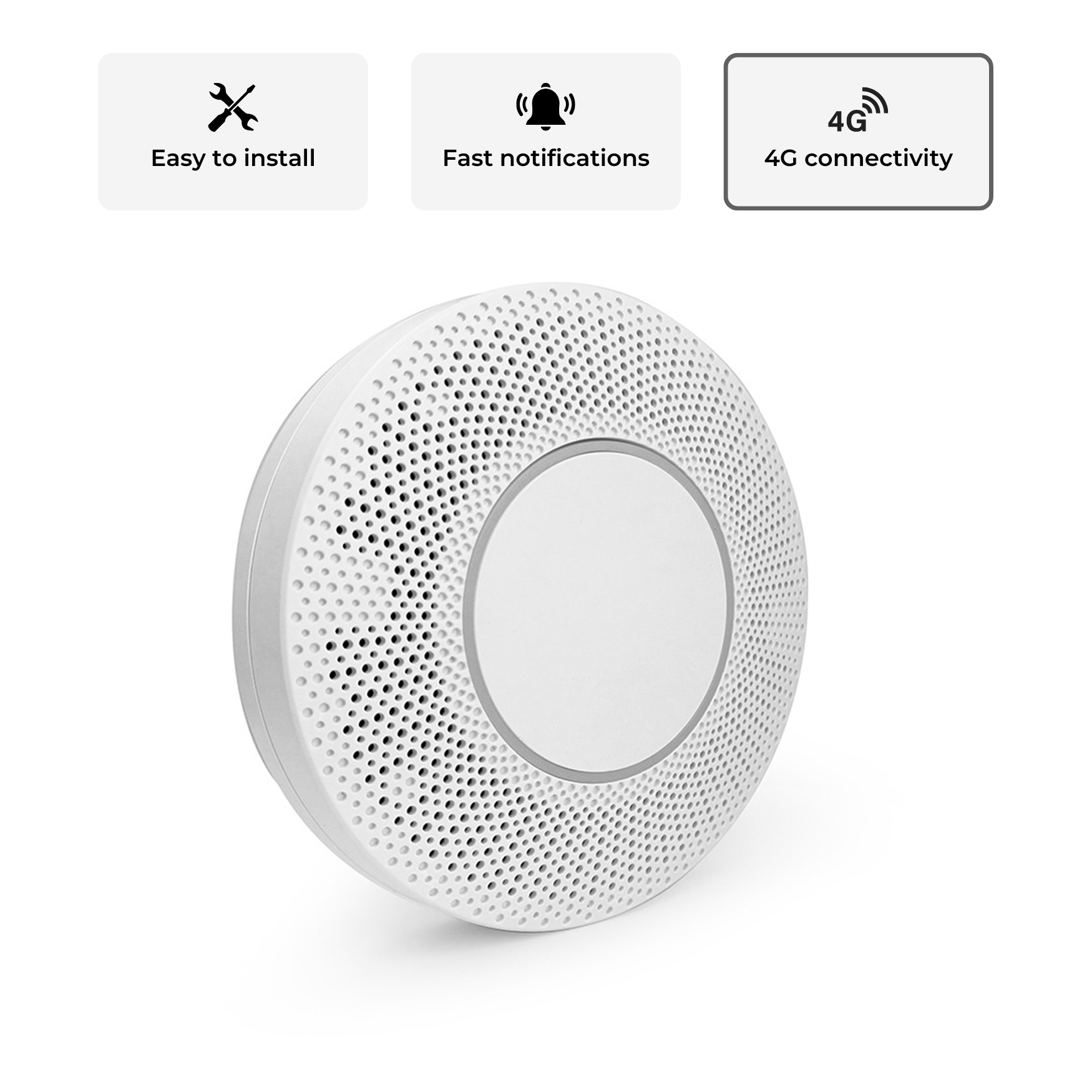
Ease of installation and system integration are often overlooked in a vape detector review, yet they have a direct impact on long-term use. Decide between wired or wireless models based on your facility’s needs.
- Wireless models offer flexible placement and minimal disruption.
- Compatibility with security or building management systems is crucial.
- Ongoing maintenance should be straightforward and cost-effective.
Consider the resources available for installation and the importance of seamless integration with existing infrastructure. Proper planning ensures optimal coverage and future scalability.
User Interface and Data Analytics
Data-driven management is central to any thorough vape detector review. A user-friendly interface and robust analytics tools allow facility managers to monitor, report, and improve policies.
- Centralised dashboards simplify real-time monitoring.
- Custom reports help identify patterns and hotspots.
- Exportable data supports compliance audits.
Facility managers benefit from visual tools that make it easy to interpret trends and refine response strategies. Historical data analysis can also support broader health and safety initiatives.
Durability and Environmental Suitability
The final aspect to consider in a vape detector review is durability. Devices must withstand high-traffic areas, potential tampering, and environmental stressors.
- Tamper-resistant casings protect against vandalism.
- Devices should operate reliably in varied temperatures and humidity.
- Suitability for sensitive settings like schools or hospitals is essential.
Selecting a detector built for your environment ensures consistent performance and long-term value. Always verify certifications and real-world test results before making a commitment.
Vape Detector Reviews: Top Products for 2026
Choosing an effective vape detector solution is critical as vaping incidents continue to rise across various environments. This vape detector review section provides a comprehensive analysis of the top devices available in 2026, focusing on detection accuracy, user experience, and real-world performance.
This guide helps you navigate a rapidly evolving market, empowering you to select technology that meets your needs and ensures compliance.
Leading Vape Detection Solutions
The 2026 market offers a variety of vape detectors, each claiming unique strengths. This vape detector review compares the five most respected solutions, assessing their detection range, accuracy, price, and support.
| Product | Detection Range | Substance Types | Accuracy | Price Range | Support Quality |
|---|---|---|---|---|---|
| Vape Guardian Pro | 50 sqm | Nicotine, THC, synthetics | 98% | £££ | Excellent |
| FlySense FS300 | 40 sqm | Nicotine, THC | 96% | ££ | Good |
| Halo Smart Sensor 3.0 | 60 sqm | Nicotine, THC, VOCs | 97% | ££££ | Very Good |
| AirGuard Sentinel | 45 sqm | Nicotine, synthetics | 94% | ££ | Good |
| PureAir Detect Plus | 35 sqm | Nicotine | 92% | £ | Basic |
Let us break down each product in this vape detector review:
Vape Guardian Pro
- Pros: Advanced AI, multi-substance detection, real-time alerts, robust dashboard, UK-based support
- Cons: Higher initial cost
- User feedback: Praised for reliability and customisable reporting
FlySense FS300
- Pros: Fast installation, good detection rate, affordable
- Cons: Limited analytics, basic alert options
- User feedback: Appreciated by schools for ease of use
Halo Smart Sensor 3.0
- Pros: Broad detection, integrates with security systems, strong analytics
- Cons: Premium price point
- User feedback: Popular in large venues for scalability
AirGuard Sentinel
- Pros: Tamper-resistant, good for synthetic cannabinoids
- Cons: Smaller coverage area
- User feedback: Effective in high-risk zones
PureAir Detect Plus
- Pros: Budget-friendly, simple setup
- Cons: Limited to nicotine, basic features
- User feedback: Favoured in small offices
This vape detector review demonstrates that selecting the right device depends on your environment, required substance detection, and budget.
Performance in Real-World Settings
A vape detector review is incomplete without examining real-world outcomes. Across schools, offices, and leisure centres, advanced vape detectors have shown measurable impact.
In schools, the introduction of AI-powered detectors led to a 70 percent drop in vaping incidents within two months. Office managers report a safer and more professional environment, with real-time alerts enabling immediate response. Leisure centres benefit from enhanced air quality and improved visitor feedback.
User testimonials highlight the importance of device reliability and low false alarm rates. Facility managers emphasise the value of detailed reporting, which supports policy enforcement and compliance. For example, one secondary school in Manchester documented a 60 percent decrease in disciplinary cases within a single term after installing multi-sensor detectors.
To explore more in-depth performance data and user experiences, see the Vape Guardian case studies, which provide detailed results from diverse sectors.
This vape detector review confirms that investment in modern technology delivers real benefits, both in incident reduction and organisational confidence.
Value for Money and Customer Support
Assessing value for money is essential in any vape detector review. Leading brands offer a range of warranty options, trial periods, and refund policies to support risk-free adoption.
For instance, Vape Guardian Pro includes a 100-day money-back guarantee and comprehensive training resources. FlySense FS300 provides a one-year warranty and responsive technical support. Halo Smart Sensor 3.0 offers on-site onboarding and extended service contracts, ensuring peace of mind for large institutions.
Customer support quality can make a significant difference in long-term satisfaction. Organisations report smoother implementation and ongoing success when manufacturers provide dedicated support teams and regular software updates. Training sessions and easy-to-access documentation also help staff maximise the system’s effectiveness.
In summary, this vape detector review highlights that the best solutions combine robust detection with strong customer service, clear warranties, and practical training resources.
Vape Guardian: Advanced Vape Detection and Air Quality Monitoring
Vape Guardian stands out as a comprehensive solution for vape detection and air quality management in 2026. Its AI-powered technology ensures precise identification of nicotine, THC, and synthetic cannabinoids, reducing false positives and increasing reliability. Real-time alerts are delivered to staff via app or dashboard, enabling swift action in any environment.
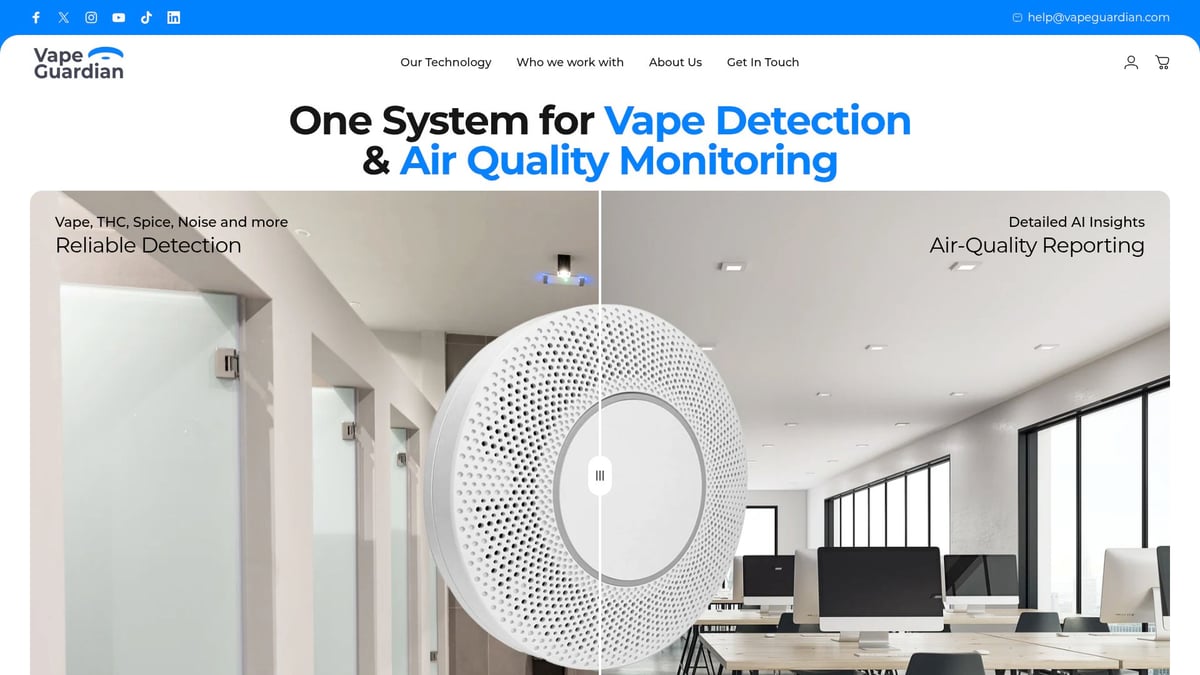
What sets Vape Guardian apart is its proven impact: customers report up to a 95 percent reduction in vaping incidents within five weeks of installation. The system is designed for seamless integration with existing security infrastructure, making it suitable for schools, leisure venues, and offices alike.
Vape Guardian offers a free trial and a 100-day money-back guarantee, providing organisations with risk-free adoption. Clients benefit from a UK-based support team and extensive educational resources, ensuring ongoing success. Trusted by hundreds of institutions, Vape Guardian delivers future-proof vape detection technology and measurable results.
Step-by-Step Guide: Selecting and Installing a Vape Detector
Choosing and installing the right vape detection system can feel overwhelming. This step-by-step approach simplifies the process, ensuring you select the most effective solution for your needs. Whether you are a school administrator, office manager, or facilities lead, following these steps will help you make an informed decision based on the latest vape detector review insights.
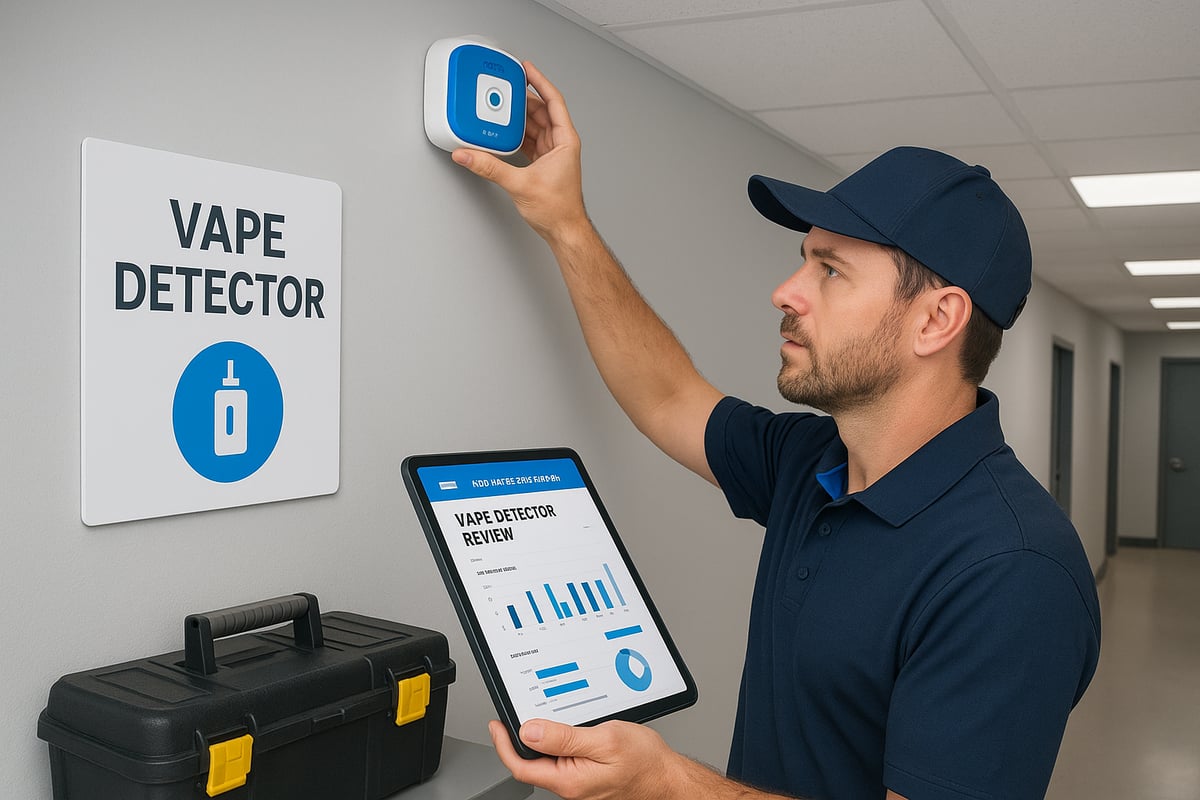
Step 1: Assess Your Environment and Detection Needs
Begin by evaluating your specific environment. Identify areas where vaping incidents are most likely to occur, such as bathrooms, corridors, or staff rooms. Consider the types of substances you need to detect, including nicotine, THC, or synthetic cannabinoids.
Review the demographic of users in your facility. Are you protecting young students, office professionals, or the general public? Compliance requirements may differ, so research relevant regulations in your sector. A thorough vape detector review of your environment sets the foundation for a targeted solution.
Step 2: Compare Features and Solutions
Once your needs are clear, compare available products based on detection accuracy, alert systems, and integration options. Look for devices with proven performance, such as AI-powered sensors and real-time reporting.
Check for product certifications and ensure compliance with current standards. Use comparison tables to evaluate sensitivity, false alarm rates, and compatibility with existing systems. A comprehensive vape detector review at this stage helps you identify the best match for your specific requirements.
Step 3: Plan Installation and Integration
Map out optimal locations for device placement to maximise coverage. Consider high-risk zones and potential blind spots. Decide between wired or wireless solutions based on building infrastructure and future scalability.
Coordinate with IT or facility management teams to ensure seamless integration with current security or building management systems. A careful vape detector review of the installation plan ensures effective monitoring and long-term reliability.
Step 4: Test and Calibrate the System
After installation, conduct thorough testing to confirm sensitivity and accuracy. Simulate vaping incidents to verify detection capabilities and adjust thresholds as needed to minimise false positives.
Establish a routine for regular maintenance and software updates. Document all test results for compliance and future reference. Consistent vape detector review during calibration helps maintain optimal performance and reliability.
Step 5: Train Staff and Establish Response Protocols
Effective detection relies on well-trained staff and clear response protocols. Develop step-by-step procedures for responding to alerts, including escalation paths and documentation requirements.
Provide regular training sessions and raise awareness about vaping risks and policies. For comprehensive guidance, refer to Vape detector best practices to support your team. Ongoing vape detector review of incident reports and staff feedback will help refine your approach over time.
Vape Detector Compliance and Best Practice Guidelines
Staying compliant with vaping regulations is critical for any organisation considering a vape detector review. As the regulatory landscape evolves, understanding best practice guidelines ensures both legal protection and a safer environment. This section explores essential compliance aspects, policy development, and ongoing system improvement.
Legal Requirements and Regulatory Standards
The UK and EU have introduced stricter air quality and vaping regulations, requiring organisations to install reliable detection systems. Regulatory standards now specify mandatory monitoring in schools, offices, and public venues. Facility managers are responsible for maintaining compliance through proper documentation and timely reporting of incidents.
Non-compliance can result in significant penalties, including fines and legal action. A thorough vape detector review helps identify whether your current system meets these evolving standards. For those seeking further context on regulatory trends, 2026 E-Cigarette Market Trends offers valuable insights into the broader compliance landscape.
Clear documentation, incident logs, and regular audits are essential. Accurate record-keeping supports not only legal compliance but also internal policy enforcement.
Policy Development and Implementation
Successful vape detector review processes begin with robust policy creation. Clear no-vaping policies should be communicated to all building users. Facility leaders must ensure staff and visitors understand the consequences of vaping violations and the role of detection technology.
Effective communication strategies may include signage, digital reminders, and regular staff briefings. In educational settings, school-wide awareness campaigns are vital. For tailored support, organisations can explore vape detectors for education, offering guidance and technology designed specifically for schools and colleges.
To reinforce policy, establish a clear reporting chain and response protocol. This approach ensures swift action when a detection alert is triggered, enhancing both compliance and safety.
Ongoing Monitoring and Improvement
Vape detector review is not a one-off task. Ongoing monitoring and system evaluation are vital for sustained compliance. Regular audits help verify that detection devices function optimally and that policies remain effective.
Facility managers should schedule periodic training sessions for staff to keep response protocols fresh. Analysing incident data allows for targeted improvements, such as adjusting detection thresholds or updating communication strategies.
As vaping trends shift, updating policies and detection technology is essential. Leveraging analytics from your system will ensure a proactive, rather than reactive, approach to maintaining compliance and protecting your environment.
Expert Insights and Future Directions for Vape Detection
The vape detector review landscape is evolving rapidly as technology and regulatory demands advance. Staying ahead requires a deep understanding of innovations, expert strategies for future-proofing, and an awareness of challenges faced by organisations across various sectors.
Emerging Technologies and Innovations
Vape detection technology is entering a new era powered by artificial intelligence and machine learning. Modern systems now use multi-sensor arrays to distinguish between vapour, smoke, and other airborne particles with remarkable precision.
A leading example is the FlySense® FS300 Vape Detector, which integrates advanced sensors and real-time data analytics to provide instant alerts and comprehensive reporting. This type of system represents the cutting edge in the vape detector review market, helping organisations respond swiftly to incidents.
Innovations are not limited to detection accuracy. Predictive analytics and integration with building management systems allow facilities to proactively manage air quality and security. As vaping devices become more discreet, detection solutions are adapting with self-learning algorithms and improved environmental sensitivity.
Expert Recommendations for 2026 and Beyond
Experts in the vape detector review field advise organisations to prioritise flexibility and scalability when selecting detection solutions. Investing in systems with regular firmware updates and modular components ensures ongoing compatibility with emerging vaping trends and substances.
Key recommendations include:
- Choose devices with proven AI-driven false alarm reduction.
- Ensure compatibility with existing security and IT infrastructure.
- Opt for products with comprehensive support, including training and analytics.
Balancing privacy concerns with the need for safety is crucial. Experts suggest clear policies and transparent communication with stakeholders to foster trust and compliance. Ongoing staff education and regular system audits help maintain high detection standards as technology and regulations evolve.
Anticipated Challenges and Solutions
The vape detector review process must consider the growing sophistication of vaping devices and substances. New products, such as those containing synthetic cannabinoids, present detection challenges due to their subtle emission profiles.
False positives remain a critical issue, but advancements like adaptive algorithms and robust calibration protocols are helping reduce unnecessary alerts. Security is another concern, with tampering risks requiring innovative solutions. Research in Inter-detector Differential Fuzz Testing for Tamper Detection highlights how advanced testing methods can enhance system reliability and prevent malicious interference.
Ongoing collaboration between manufacturers, regulatory bodies, and end-users is essential for staying ahead of emerging threats and maintaining the integrity of detection systems.
Industry Perspectives and Case Examples
Industry leaders report significant reductions in vaping incidents following the installation of advanced detectors. For instance, one school district saw a 60 percent drop in reported cases within two months of upgrading their system, as highlighted in recent vape detector review studies.
Facility managers value the ability to access real-time data and historical analytics, empowering them to identify patterns and refine policies. Case studies from leisure centres and offices demonstrate that a combination of technology, clear protocols, and user training leads to sustained improvements in air quality and compliance.
As organisations share their experiences and best practices, the collective knowledge base continues to expand, driving future innovations and setting new benchmarks for the vape detector review industry.
As we've explored, keeping up with the latest vape detection technology is essential for creating safer spaces—whether that's in schools, workplaces, or leisure facilities. With new vaping trends and tighter regulations emerging each year, choosing the right solution can make all the difference in staying compliant and protecting those in your care. If you're ready to take the next step or have specific questions about your building's needs, I encourage you to talk to our team and protect your building today. We're here to help you find the most effective, future-proof approach.




Share:
Cloud Based Vape Detector: Complete Guide 2026
Vaping Policy for Schools: A Complete Implementation Guide