
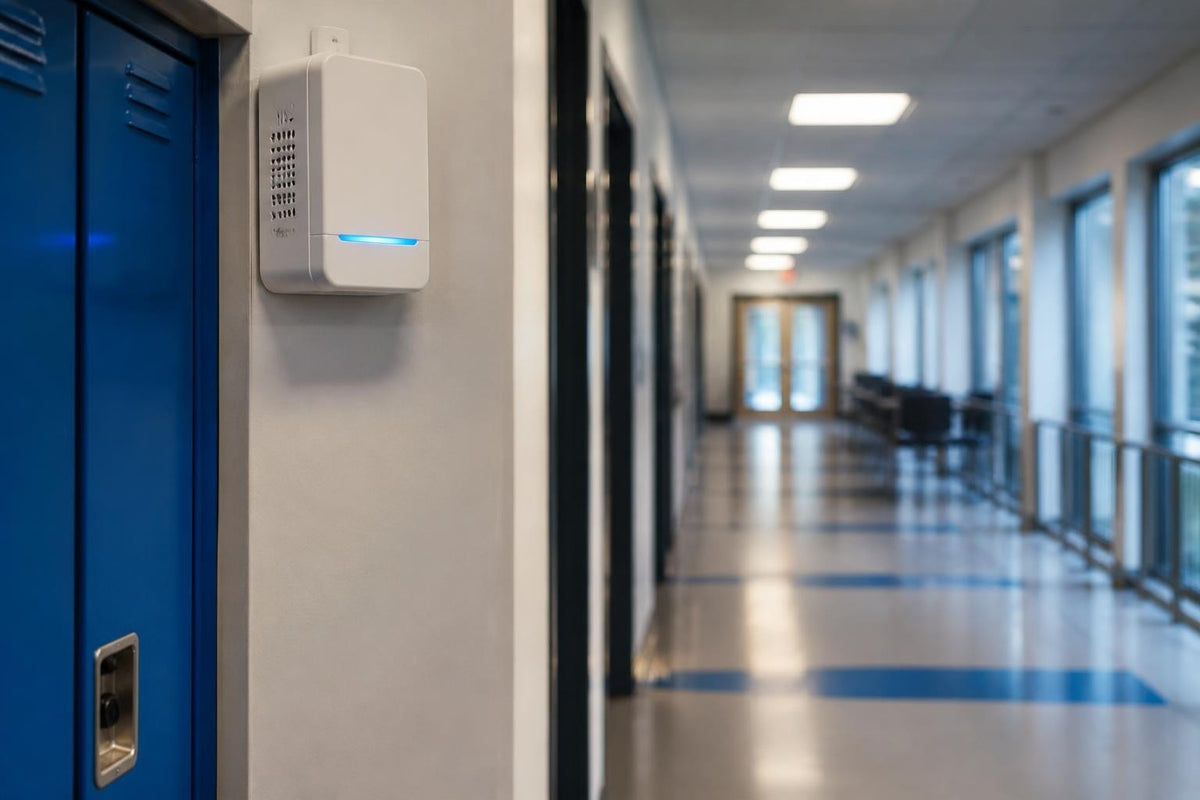
Understanding the financial investment required for vape detection technology is essential for schools, offices, and leisure facilities planning to implement monitoring systems in 2026. The vape detector cost encompasses more than just the initial hardware purchase, extending to installation, software subscriptions, maintenance, and ongoing operational expenses. This comprehensive guide explores every aspect of pricing to help decision makers budget accurately and select solutions that deliver genuine value whilst maintaining safer environments.
Initial Hardware Investment
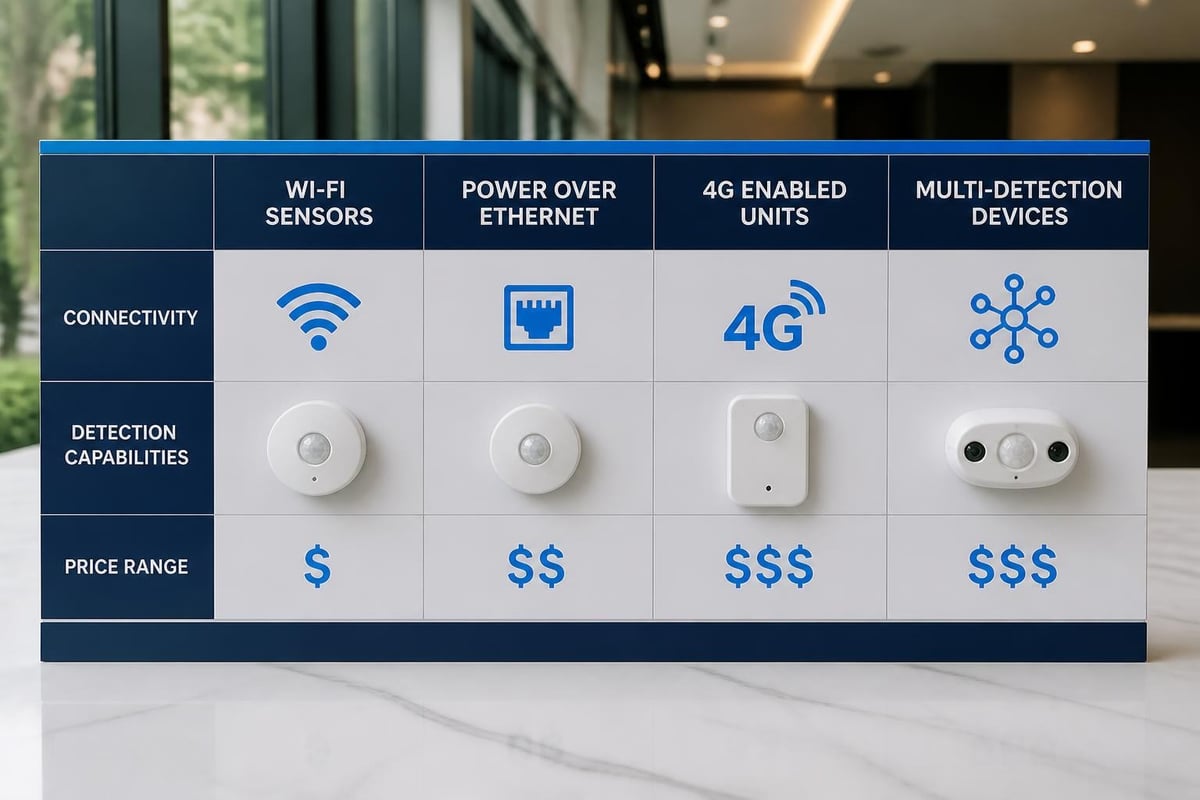
The foundation of any vape detector cost analysis begins with the physical sensors themselves. Current market pricing in 2026 reflects significant variation based on connectivity options, detection capabilities, and manufacturer specifications.
Standard pricing tiers typically include:
- Basic Wi-Fi enabled sensors: £199 to £349 per unit
- Power over Ethernet models: £349 to £499 per device
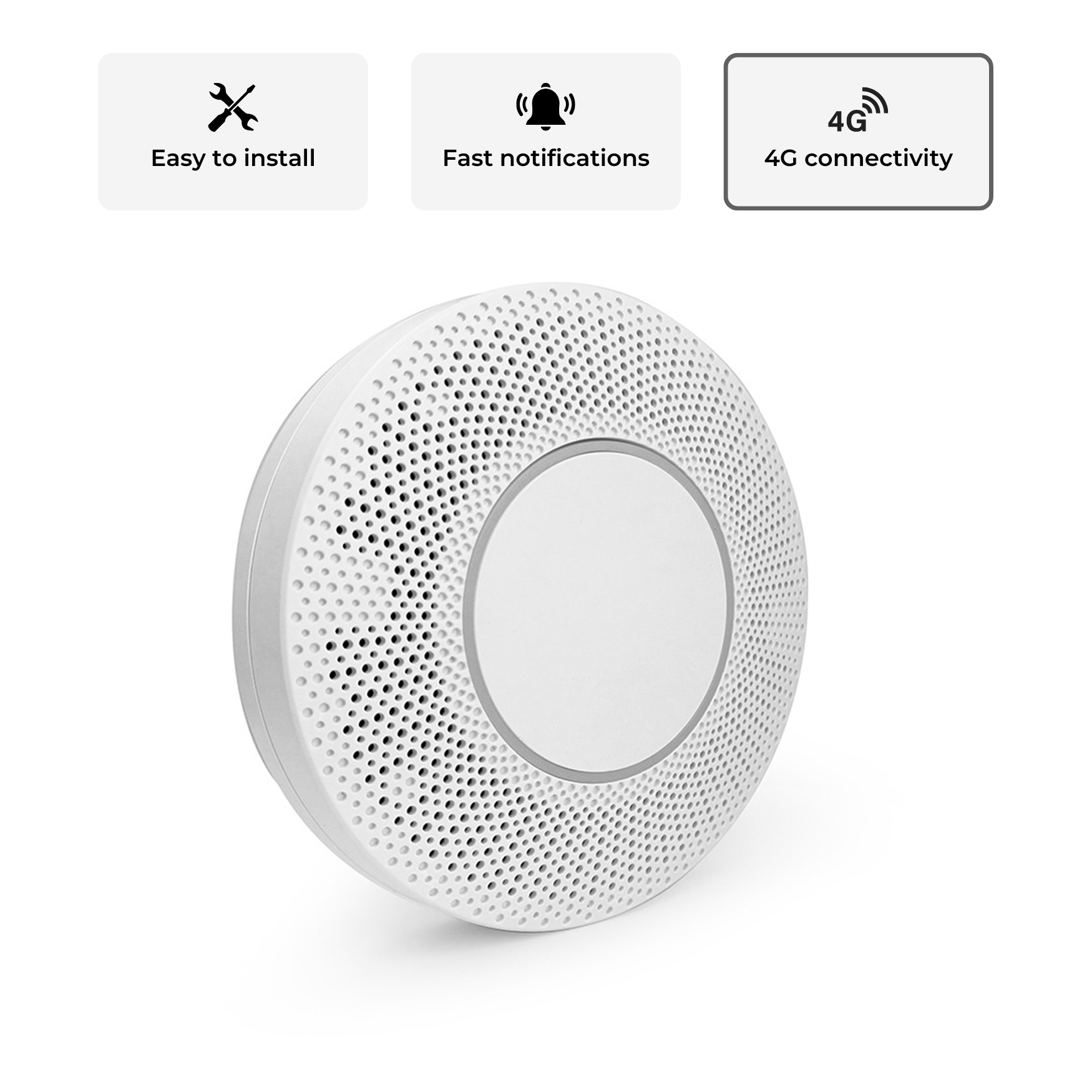
- 4G enabled sensors for remote locations: £299 to £449 each
- Advanced multi-detection units: £399 to £599 per sensor
Power over Ethernet sensors often command premium pricing due to their reliability and integration with existing network infrastructure. The Vape Guardian PoE sensor offers enterprise-grade detection at £399, providing both wired stability and Wi-Fi fallback capabilities for uninterrupted monitoring.
Hardware Specifications Impact on Pricing
Detection technology sophistication directly influences unit costs. Basic sensors identify vape aerosols through particulate matter detection, whilst advanced models incorporate chemical analysis, sound detection for anti-social behaviour, and air quality monitoring. Multi-sensor arrays that detect THC, nicotine, and other substances typically cost 30 to 50 percent more than single-purpose devices.
| Sensor Type | Price Range | Key Features | Best For |
|---|---|---|---|
| Wi-Fi Only | £199-£349 | Basic vape detection, cloud connectivity | Schools with strong Wi-Fi |
| PoE + Wi-Fi | £349-£499 | Dual connectivity, higher reliability | Large facilities, critical areas |
| 4G Enabled | £299-£449 | Independent connectivity, remote deployment | Areas without network access |
| Multi-Detection | £399-£599 | Vape, THC, behaviour, air quality | Comprehensive monitoring needs |
Installation and Deployment Expenses
Beyond hardware acquisition, installation represents a significant component of total vape detector cost. Professional installation ensures optimal sensor placement, proper network configuration, and compliance with facility requirements.
Professional electrician rates in the UK average £40 to £80 per hour, with typical sensor installations requiring one to three hours per device depending on complexity. A straightforward Wi-Fi sensor in an accessible location might cost £100 to £150 for installation, whilst PoE sensors requiring cable runs and network integration can reach £250 to £400 per unit.
Schools deploying multiple sensors often negotiate package pricing. Reports indicate that districts have used settlement funds to cover both equipment and installation costs, with per-bathroom installations averaging £800 to £1,500 including hardware and labour.
Self-Installation Considerations
Some organisations opt for self-installation to reduce costs. Wi-Fi and 4G sensors designed for simplified deployment can be installed by facilities staff with basic technical knowledge. This approach reduces vape detector cost by £100 to £300 per unit but requires internal time investment and technical capability.
Self-installation requirements typically include:
- Network configuration access and credentials
- Mounting hardware and appropriate tools
- Understanding of optimal placement for detection coverage
- Ability to troubleshoot connectivity issues
- Compliance verification with building codes
Software Subscription and Platform Costs
Modern vape detection systems rely on cloud platforms for real-time alerting, data analytics, and incident management. Software subscriptions constitute an ongoing vape detector cost that organisations must budget annually or monthly.
Monthly subscription models range from £9.99 to £29.99 per sensor, depending on features and support levels. Annual prepayment often provides 10 to 20 percent discounts. Enterprise packages for facilities with ten or more sensors may offer tiered pricing with reduced per-unit costs.
Platform features directly affect subscription pricing. Basic packages provide real-time alerts and simple reporting, whilst premium tiers include advanced analytics, integration with existing safety systems, custom alert routing, and dedicated support. Schools implementing vape detection for education often require reporting features that track incidents over time and demonstrate policy effectiveness.
| Subscription Tier | Monthly Cost | Annual Cost | Key Features |
|---|---|---|---|
| Basic | £9.99-£14.99 | £100-£150 | Real-time alerts, basic reporting |
| Standard | £14.99-£19.99 | £150-£200 | Advanced analytics, custom alerts |
| Premium | £19.99-£29.99 | £200-£300 | Full integration, priority support, custom reporting |
Understanding how platforms handle data storage, alert management, and user access proves essential when evaluating total vape detector cost over multi-year deployments.

Total Cost of Ownership Calculations
Evaluating vape detector cost requires examining the complete financial picture across the expected system lifespan. A comprehensive total cost of ownership analysis incorporates hardware, installation, subscriptions, maintenance, and replacement considerations.
Three-Year Ownership Example
Consider a secondary school installing twenty sensors across toilets, changing rooms, and other monitored spaces:
Initial Year Costs:
- Hardware (20 sensors at £349): £6,980
- Professional installation (20 units at £200): £4,000
- Software subscriptions (20 sensors at £19.99/month): £4,798
- Year One Total: £15,778
Years Two and Three:
- Software subscriptions annually: £4,798 per year
- Maintenance and support: £500 per year
- Annual Recurring: £5,298
Three-Year Total Cost of Ownership: £26,374 Per-Sensor Three-Year Cost: £1,319
This calculation demonstrates that subscription and operational costs exceed initial hardware investment over typical deployment periods. Understanding these ongoing expenses helps organisations budget appropriately and avoid unexpected financial strain.
Maintenance and Support Considerations
Reliable operation requires periodic maintenance, sensor calibration, and technical support. Whilst modern vape detectors are designed for minimal intervention, organisations should budget for occasional service needs.
Typical maintenance expenses include:
- Sensor cleaning and calibration: £50 to £100 per unit annually
- Battery replacement for backup power: £20 to £40 every two years
- Network connectivity troubleshooting: £0 to £200 annually
- Firmware updates and system optimisation: Often included in subscriptions
Premium support packages may add £5 to £10 per sensor monthly but provide faster response times, guaranteed uptime, and proactive system monitoring. For facilities where continuous operation is critical, these enhanced support options can justify their additional vape detector cost through reduced downtime and faster incident resolution.
Funding Sources and Budget Strategies
Schools and educational institutions face unique budgeting challenges when implementing vape detection systems. Guidance from educational authorities notes that various funding mechanisms can offset vape detector cost, making implementation more accessible.
Available Funding Options
Safeguarding budgets, health and wellbeing allocations, and facilities improvement grants often permit vape detection expenditures. Some schools have successfully argued that these systems fall under duty of care obligations, justifying funding from general operational budgets.
Multi-academy trusts can achieve economies of scale through bulk purchasing, reducing per-unit costs by 15 to 25 percent. Shared service agreements across trust schools further distribute software subscription expenses and support costs.
Recent reporting highlights how schools have used dedicated funding to deploy comprehensive detection systems, with some districts investing tens of thousands of pounds in equipment and installation. These investments reflect growing recognition that prevention and early intervention justify the vape detector cost through reduced health impacts and improved compliance.
The Vape Detection System provides schools with comprehensive hardware and software that addresses vaping, drug use, and anti-social behaviour through integrated monitoring, helping institutions maximise value from their detection investment.


Comparative Cost Analysis
When evaluating vape detector cost against alternatives, organisations should consider the expense of not implementing detection systems. The financial and reputational costs of unaddressed vaping incidents often exceed detection system investment.
Costs of inadequate vaping prevention include:
- Staff time investigating incidents: 5 to 10 hours weekly at £25-£40 per hour
- Cleaning and remediation of vaping damage: £500 to £2,000 annually
- Potential legal liability and duty of care failures: Incalculable
- Student health impacts and associated support needs: Significant long-term costs
Research on indoor air quality monitoring in educational settings demonstrates that comprehensive sensor deployments provide data supporting broader health and safety initiatives, multiplying return on investment beyond vaping detection alone.
Alternative approaches such as increased staff supervision or physical modifications to facilities typically cost more whilst proving less effective. A single additional staff member for bathroom monitoring costs £25,000 to £35,000 annually in salary and benefits, far exceeding typical vape detector cost for comprehensive coverage.
Scaling Considerations for Different Facilities
The appropriate vape detector cost varies significantly based on facility type, size, and monitoring requirements. A small primary school needs different coverage than a large leisure centre or corporate office.
Small Educational Facilities (1-500 pupils)
- Typical requirement: 5 to 10 sensors
- Hardware investment: £1,500 to £4,000
- Annual software costs: £600 to £2,400
- Total first-year cost: £2,500 to £7,000
Medium to Large Schools (500-2,000 pupils)
- Typical requirement: 15 to 40 sensors
- Hardware investment: £5,000 to £16,000
- Annual software costs: £1,800 to £9,600
- Total first-year cost: £8,000 to £30,000
Leisure and Commercial Facilities
- Typical requirement: 10 to 30 sensors
- Hardware investment: £3,500 to £12,000
- Annual software costs: £1,200 to £7,200
- Total first-year cost: £5,500 to £22,000
Understanding coverage requirements helps organisations right-size their deployments. Over-deployment wastes resources, whilst insufficient coverage creates monitoring gaps that reduce system effectiveness.
Hidden Costs and Budget Surprises
Experienced procurement professionals anticipate expenses beyond obvious hardware and software components. Several often-overlooked factors can substantially increase total vape detector cost.
Network infrastructure upgrades may be necessary to support sensor deployment. Older buildings with limited Wi-Fi coverage require access point additions costing £200 to £500 each. PoE sensors need network switches with sufficient Power over Ethernet ports, potentially requiring £500 to £2,000 in networking equipment.
Policy development and staff training represent soft costs that organisations should budget. Developing response protocols, training staff on alert handling, and establishing escalation procedures require 20 to 40 hours of administrative and leadership time valued at £500 to £1,500.
Case studies examining large-scale sensor deployment reveal that successful implementations allocate resources for change management, stakeholder communication, and continuous improvement processes that optimise detection system value over time.
Potential hidden costs include:
- Network infrastructure enhancements: £500 to £5,000
- Additional electrical work for PoE installations: £300 to £2,000
- Policy development and legal review: £500 to £2,000
- Staff training and awareness programmes: £300 to £1,500
- Integration with existing safety systems: £0 to £3,000
Procurement Best Practices
Strategic purchasing reduces vape detector cost whilst ensuring quality and reliability. Organisations should follow structured procurement processes that evaluate total value rather than focusing solely on initial price.
Request detailed quotations that itemise all costs including hardware, installation, software subscriptions, training, and ongoing support. Compare offerings on feature parity, ensuring quoted systems provide equivalent detection capabilities and platform features.
Trial programmes allow organisations to evaluate detection systems before committing to full deployment. Testing sensors in representative locations reveals performance characteristics and identifies any compatibility issues with existing infrastructure. Many providers offer trial periods that permit hands-on evaluation without long-term commitment.
Procurement Checklist
- Define coverage requirements and detection priorities
- Assess network infrastructure and connectivity options
- Request itemised quotations from multiple providers
- Evaluate total cost of ownership over three to five years
- Verify compliance with relevant safety and data protection requirements
- Negotiate package pricing for multi-unit deployments
- Clarify warranty coverage and support response times
- Establish performance metrics and review procedures
Long-Term Value Proposition
While initial vape detector cost may appear substantial, the long-term value delivered through effective vaping prevention, improved air quality, and enhanced safety culture justifies the investment for most organisations.
Quantifiable benefits include reduced cleaning and maintenance costs, decreased staff time addressing vaping incidents, and improved compliance with UK vaping laws and institutional policies. Less tangible but equally important advantages include enhanced student wellbeing, improved facility reputation, and demonstrated duty of care commitment.
Schools implementing comprehensive detection systems report 60 to 80 percent reductions in vaping incidents within the first year. This behaviour change multiplies system value far beyond simple cost accounting, creating healthier environments that support learning and development.
The integration of vape detection with broader air quality monitoring provides additional value streams. Sensors that track particulate matter, humidity, temperature, and CO2 levels support ventilation optimisation, energy efficiency, and general health monitoring initiatives.
When considering whether vape detector cost represents good value, organisations should evaluate the question: "What is the cost of not implementing effective detection?" For most educational institutions and facilities with youth populations, the answer clearly supports investment in proven detection technology.
Just as schools invest in other educational support tools like G3MS, which provides AI-powered intervention for students needing additional academic support, vape detection systems represent targeted investment in student wellbeing and behavioural support infrastructure. Both technology categories aim to identify needs early and enable appropriate intervention before problems escalate.
System Scalability and Future Proofing
Smart vape detector cost planning accounts for future expansion and evolving detection requirements. Systems designed for easy scaling reduce long-term expenses by avoiding complete replacements when needs change.
Cloud-based platforms with modular pricing allow organisations to add sensors incrementally as budgets permit or needs expand. This flexibility proves particularly valuable for growing schools or facilities undergoing phased renovations.
Technology evolution continues improving detection capabilities whilst maintaining backward compatibility. Investing in systems from established providers ensures access to firmware updates, new features, and long-term platform support that protect initial investments.
Public health research on vape detector effectiveness emphasises the importance of implementation quality over pure technology specifications. Proper placement, clear policies, consistent response procedures, and ongoing evaluation determine system success more than hardware sophistication alone.
Return on Investment Metrics
Sophisticated organisations establish clear metrics for evaluating vape detector cost against delivered benefits. Tracking incident rates, response times, resolution outcomes, and broader environmental quality indicators provides data supporting investment decisions.
Key performance indicators include:
- Vaping incident frequency (monthly trend analysis)
- Alert accuracy and false positive rates
- Average response time to detected incidents
- Resolution effectiveness and repeat incident rates
- Air quality measurements and ventilation performance
- Staff time savings compared to manual monitoring
- Student and staff satisfaction with facility environment
Establishing baseline measurements before system deployment enables accurate before-and-after comparisons. Most organisations see measurable improvements within three to six months, with optimal results emerging after twelve months of consistent operation and policy enforcement.
Understanding the complete picture of vape detector cost enables informed decisions that balance budget constraints with safety requirements and long-term value. From initial hardware investment through ongoing subscriptions and support, comprehensive cost analysis ensures organisations deploy systems that deliver reliable detection and meaningful environmental improvements. Vape Guardian provides advanced detection technology with transparent pricing and dedicated UK-based support, helping schools, offices, and leisure facilities create safer environments through proven vaping detection solutions.



Share:
Vaping Policy for Schools: A Complete Implementation Guide