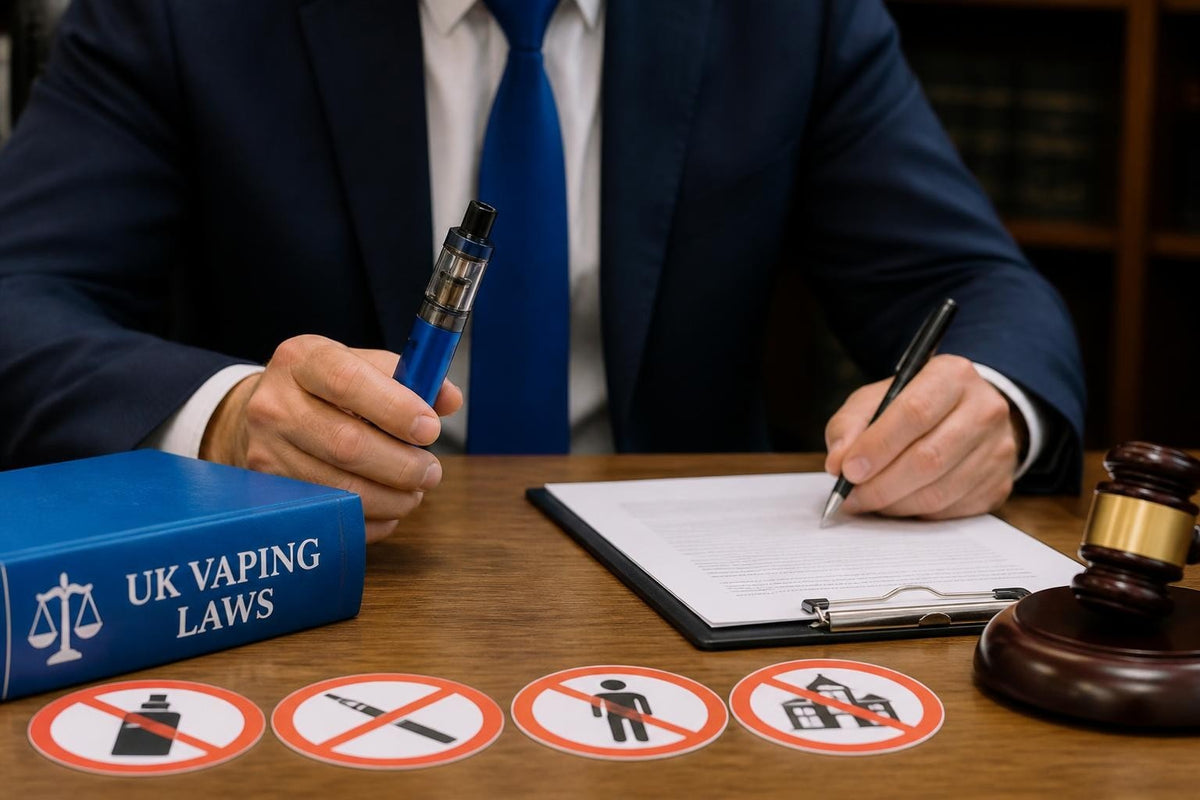
The regulatory landscape governing vaping in the United Kingdom has undergone significant transformation over recent years, with 2026 marking a pivotal moment for businesses, educational institutions, and public venues. Understanding uk vaping laws is no longer optional for organisations responsible for maintaining safe, compliant environments. From comprehensive advertising restrictions to disposable vape prohibitions and evolving retail licensing requirements, the framework demands attention from anyone managing spaces where young people gather or employees work. This guide examines the current state of uk vaping laws, explains how enforcement operates across different settings, and clarifies what organisations must do to remain compliant whilst protecting those in their care.
The Current Legislative Framework for Vaping
UK vaping laws operate through a complex web of regulations spanning consumer protection, advertising standards, age restrictions, and environmental concerns. The foundation rests on the Tobacco and Related Products Regulations 2016, which established baseline requirements for nicotine content, packaging standards, and notification procedures for manufacturers.
Recent developments have substantially expanded this framework. The Tobacco and Vapes Bill introduced sweeping changes that affect how vapes are sold, marketed, and used in public settings. These measures address long standing concerns about youth access and environmental impact whilst maintaining vaping as a legitimate smoking cessation tool.
Age Verification and Sales Restrictions
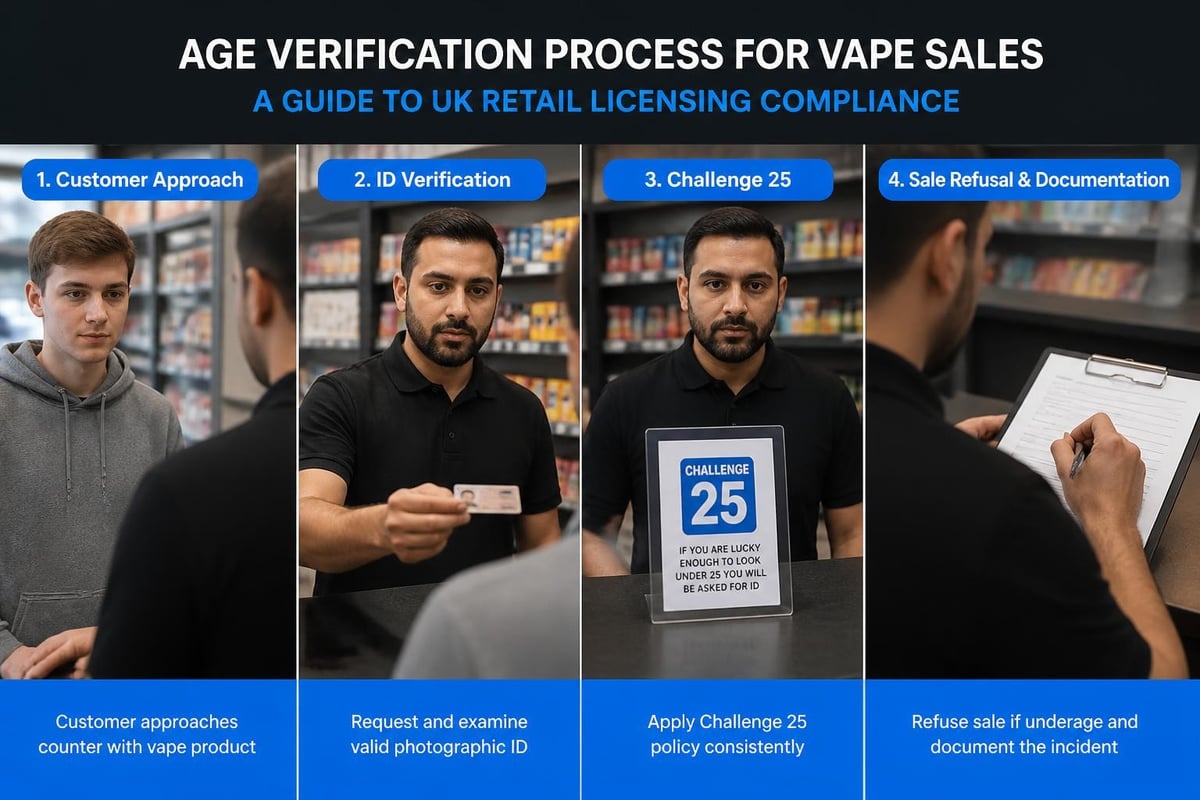
The sale of vaping products to anyone under 18 years remains strictly prohibited under uk vaping laws. Retailers face substantial penalties for non compliance, including fines up to £2,500 and potential criminal prosecution for repeated offences.
Key retail requirements include:
- Verifying age through approved identification methods (passport, driving licence, PASS accredited cards)
- Refusing proxy sales where an adult purchases on behalf of a minor
- Maintaining staff training records on age verification procedures
- Implementing Challenge 25 policies as standard practice
- Recording refused sales in compliance logs
The introduction of a retail licensing scheme represents a fundamental shift in how the UK regulates vape sales. Similar to alcohol licensing, this system requires retailers to obtain formal permission before selling vaping products, creating a traceable framework for enforcement and compliance monitoring.
Product Standards and Notification Requirements
Manufacturers and importers must comply with stringent technical standards under uk vaping laws. The Medicines and Healthcare products Regulatory Agency (MHRA) oversees product compliance, though most consumer vaping products fall outside the medicinal licensing pathway explained in the MHRA's licensing guidance.
| Requirement | Standard | Enforcement Body |
|---|---|---|
| Maximum nicotine concentration | 20mg/ml | MHRA |
| Maximum tank/cartridge volume | 2ml | Trading Standards |
| Maximum refill container size | 10ml | Trading Standards |
| Child resistant packaging | Mandatory | Local authorities |
| Health warnings | 30% of packaging surface | MHRA |
| Notification before market entry | 6 months advance | MHRA |
These technical requirements ensure product safety whilst limiting appeal to young people. Flavour restrictions, particularly those targeting youth appeal through sweet or cartoon themed branding, form part of ongoing regulatory tightening.
Advertising and Marketing Restrictions
Understanding advertising limitations represents a critical compliance area under uk vaping laws. The Advertising Standards Authority enforces strict rules about where, how, and to whom vaping products may be promoted.
The ASA's comprehensive briefing on vape advertising outlines detailed restrictions that go far beyond simple age gating. Advertisers must avoid content that might appeal to young people through design, imagery, personalities, or placement.
Media Placement and Content Rules
Television advertising for vaping products is permitted but heavily regulated. Advertisements cannot appear during programmes commissioned for, principally directed at, or likely to appeal particularly to audiences below 18 years.
Prohibited advertising elements include:
- Use of anyone who appears under 25 years in promotional material
- References to youth culture, music festivals, or educational settings
- Cartoon characters, youth oriented imagery, or gaming references
- Claims that vaping enhances social success or attractiveness
- Association with alcohol consumption or risky behaviour
Digital advertising faces additional scrutiny. Social media campaigns must implement robust age verification, avoiding platforms or features predominantly used by under 18s. The ASA's vaping topic hub provides numerous examples of enforcement actions against non compliant campaigns.
Print advertising in publications read primarily by young people is explicitly prohibited under uk vaping laws. This includes school magazines, youth oriented entertainment publications, and general interest magazines where more than 25% of the readership is under 18 years.

The Disposable Vape Ban and Environmental Regulations
One of the most significant recent changes to uk vaping laws concerns disposable vaping products. The Environmental Protection (Single use Vapes) Regulations 2024 introduced comprehensive restrictions addressing environmental and youth access concerns.
From June 2025, the sale of disposable vapes is prohibited throughout England, with similar measures enacted across Scotland, Wales, and Northern Ireland. This ban specifically targets single use devices that cannot be recharged or refilled, which have become particularly popular among young people.
Implementation and Compliance Timeline
Retailers had a transitional period to clear existing stock and pivot business models towards refillable devices. The regulations include specific provisions for:
- Defining what constitutes a "disposable" versus "rechargeable" device
- Setting battery capacity thresholds that trigger classification
- Requiring retailers to accept returns of old stock for proper disposal
- Establishing waste electrical and electronic equipment (WEEE) compliance for all vaping products
- Creating manufacturer responsibility for end of life product management
Educational institutions and workplaces managing vaping detection in schools have welcomed these measures, as disposable devices posed particular enforcement challenges due to their small size, low cost, and ease of concealment.
The environmental rationale for the ban is substantial. Disposable vapes contain lithium batteries and electronic components that, when improperly disposed, contribute to electronic waste and pose fire risks in waste processing facilities. The UK discarded approximately 5 million disposable vapes weekly before the ban, representing significant resource waste and environmental harm.
Public Space Restrictions and Workplace Policies
UK vaping laws treat vaping differently from smoking in public spaces, creating nuanced compliance requirements for venue operators and employers. Unlike tobacco smoking, which faces comprehensive bans in enclosed public spaces and workplaces, vaping is not prohibited by national legislation in most settings.
However, organisations retain the right (and often the responsibility) to restrict vaping on their premises. Schools, hospitals, and public transport operators commonly prohibit vaping alongside smoking, even though not legally required to do so.
Educational Settings and Youth Protection
Schools face particular pressures regarding vaping enforcement. Although uk vaping laws prohibit sales to minors, preventing use on school premises requires institutional policies backed by detection and disciplinary measures.
Many educational institutions now implement comprehensive approaches that combine:
- Clear anti vaping policies within student behaviour codes
- Staff training on identification and intervention techniques
- Parent and student education about health risks and legal consequences
- Technology solutions that detect vaping in real time
Senior leadership teams increasingly recognise that policy alone proves insufficient without enforcement capability. Detection systems provide objective evidence of vaping incidents, supporting disciplinary processes whilst protecting staff from accusations of bias or inconsistent application of rules.
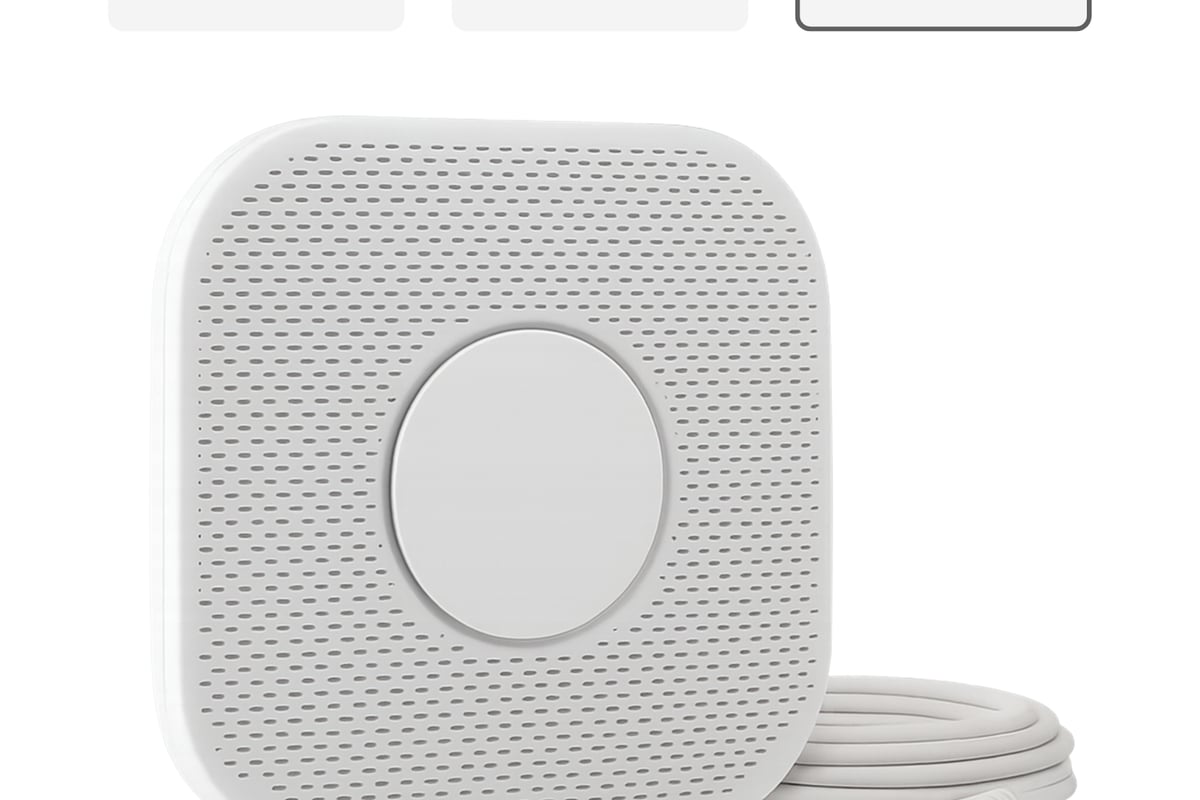
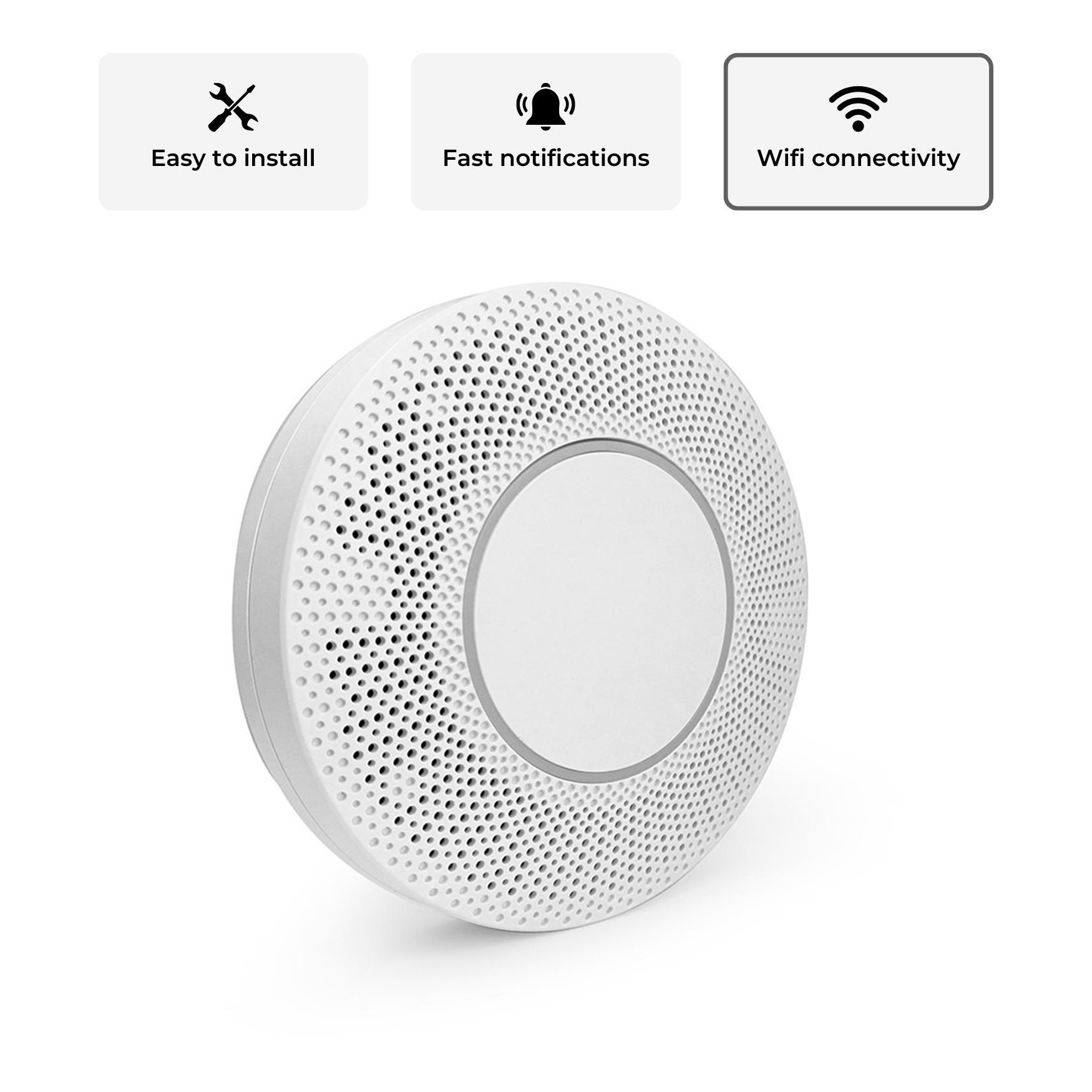
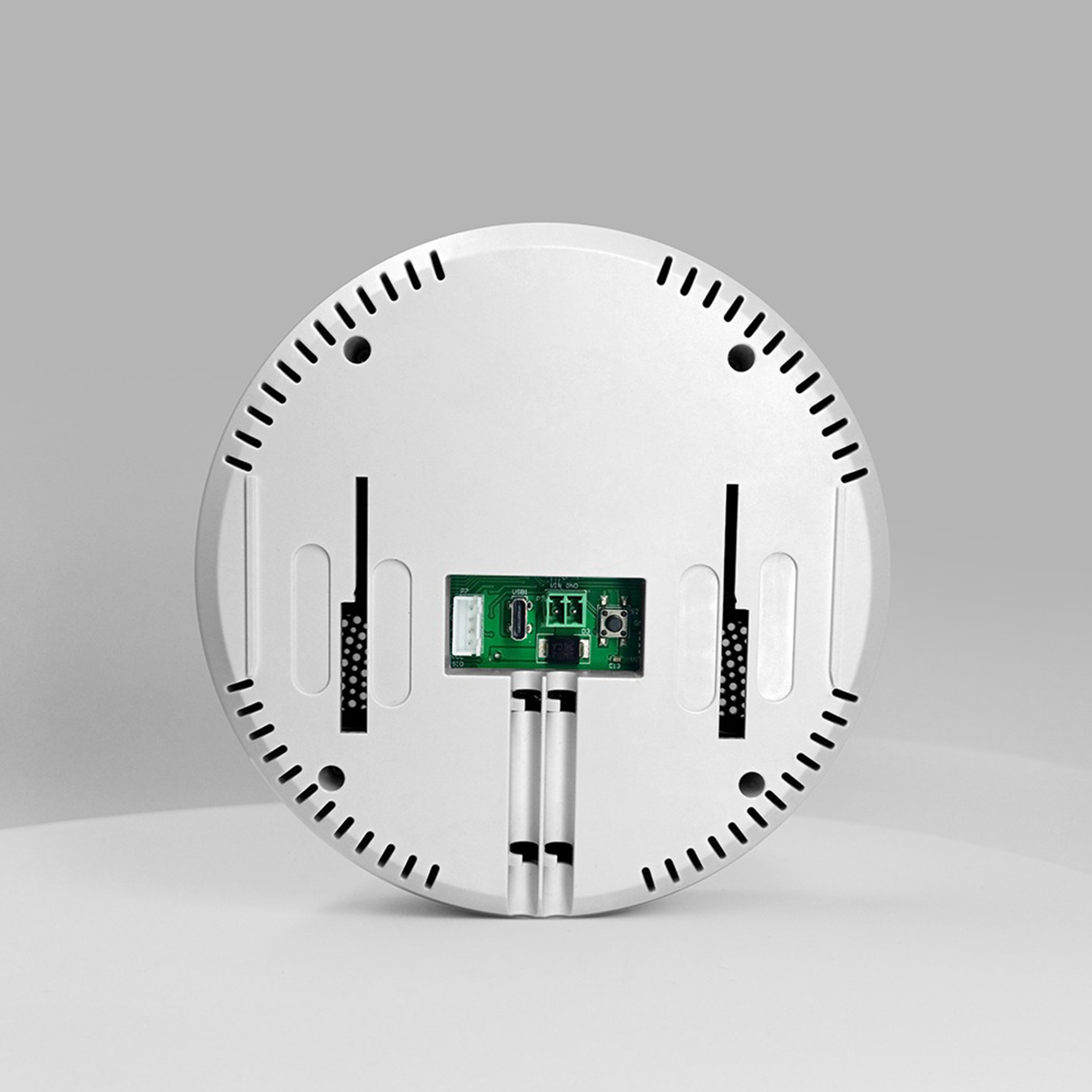
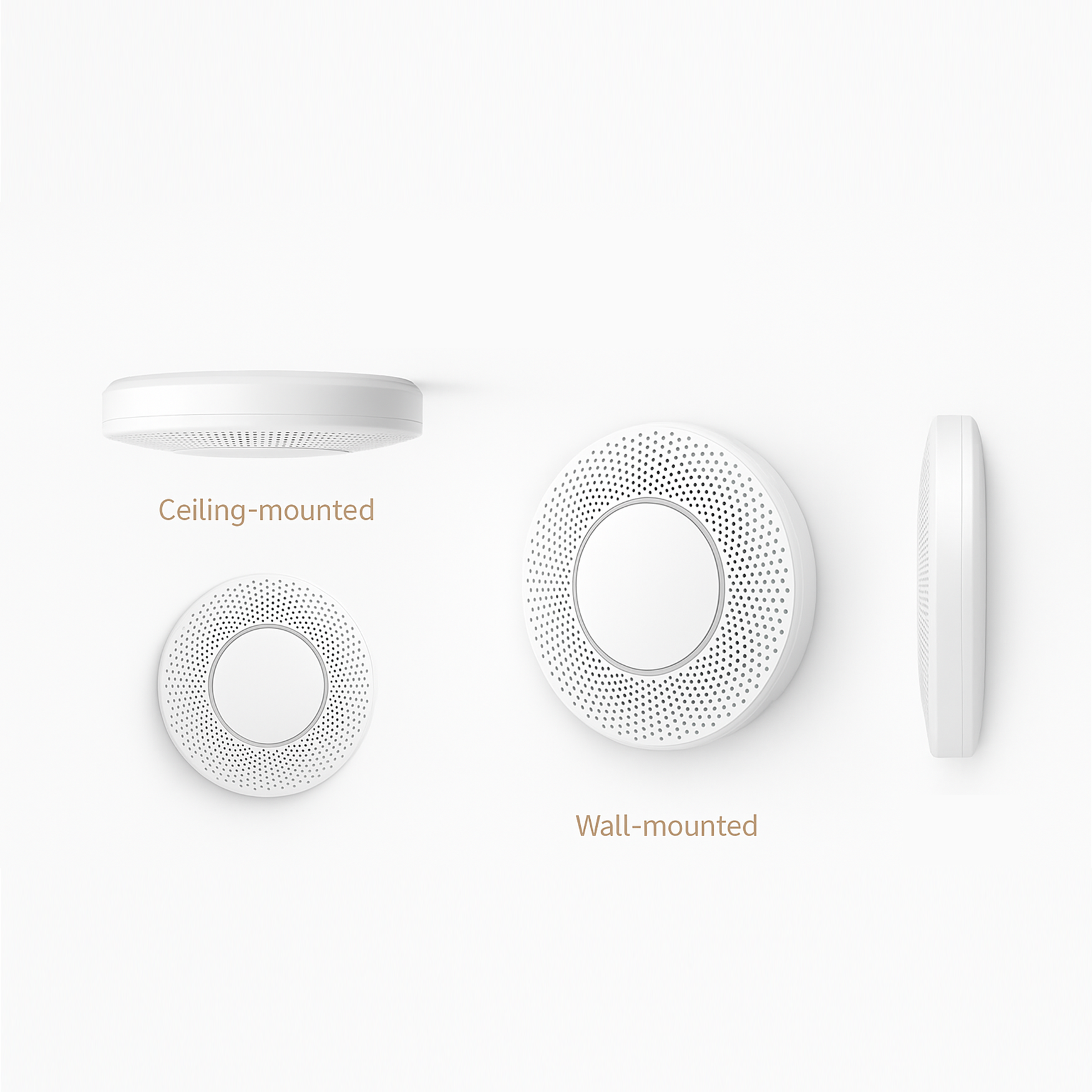
The Vape Detection System offers schools and other venues a comprehensive monitoring solution that identifies vaping incidents in real time, alerting designated staff immediately. These systems detect not only vape aerosols but also other substances and anti social behaviour, creating safer environments whilst supporting compliance with institutional policies and safeguarding responsibilities.
Workplace Vaping Policies
Employers must navigate uk vaping laws whilst balancing employee preferences, health and safety obligations, and operational requirements. Whilst no law prohibits vaping in workplaces (except where specific regulations apply, such as in vehicles used for work purposes carrying children), most organisations establish clear policies.
| Policy Approach | Implementation | Considerations |
|---|---|---|
| Total prohibition | Treat as smoking | Simplest to enforce, may impact recruitment |
| Designated areas | Outdoor vaping zones | Balances access with non user protection |
| Risk assessment based | Vary by workspace type | Addresses specific hazards (clean rooms, healthcare) |
| Case by case | Manager discretion | Flexible but inconsistent |
Health and safety legislation requires employers to protect workers from substance exposure. Although vaping aerosol contains fewer harmful chemicals than tobacco smoke, it is not harmless. Organisations working with vulnerable populations, operating in healthcare settings, or managing environments where air quality affects product quality typically implement strict prohibitions.
Enforcement, Penalties and Compliance Monitoring
Understanding how uk vaping laws are enforced helps organisations avoid violations and implement effective compliance programmes. Responsibility for enforcement is distributed across multiple agencies, each focusing on specific aspects of the regulatory framework.
Regulatory Enforcement Bodies
Trading Standards officers handle most retail compliance, including age verification, product standards, and advertising at point of sale. They conduct test purchasing operations, respond to complaints, and can issue fixed penalty notices or pursue prosecutions for serious or repeated breaches.
The MHRA focuses on product safety, conducting market surveillance to identify non compliant devices or e liquids. Products failing to meet technical standards face removal from sale, with manufacturers potentially facing prosecution.
Penalty structure for common violations:
- Under age sale (first offence): £2,500 fine
- Under age sale (repeated): Unlimited fine and up to six months imprisonment
- Non compliant product sale: £5,000 fine per product line
- Advertising Standards Code breach: Mandated correction, removal, and potential sanctions
- Proxy purchase for minors: £2,500 fine
The Advertising Standards Authority operates a complaints based system supplemented by proactive monitoring. Whilst the ASA cannot impose fines directly, non compliant advertisers face reputational damage, required corrections, and potential referral to legal enforcement if violations continue.
Local authorities play crucial roles in enforcement, particularly regarding environmental aspects of uk vaping laws. The disposable vape ban enforcement sits primarily with environmental health officers, who can issue fixed penalty notices and pursue prosecutions for continued sales of prohibited products.
Compliance Best Practices for Organisations
Organisations subject to uk vaping laws benefit from structured compliance approaches that go beyond minimum legal requirements. Proactive systems reduce violation risks whilst demonstrating due diligence if issues arise.
Effective compliance programmes typically include:
- Regular staff training covering current regulations, identification techniques, and escalation procedures
- Documentation systems that record policy communications, incidents, and enforcement actions
- Technology integration such as age verification systems for retailers or detection systems for venues
- Policy review cycles ensuring procedures reflect regulatory changes
- Stakeholder communication keeping employees, students, or customers informed of expectations
Educational institutions managing safeguarding responsibilities find that multi academy trusts benefit from standardised approaches across member schools, ensuring consistent application of policies whilst sharing resources for training and technology investment.
Public Health Perspective and Harm Reduction
UK vaping laws reflect a distinctive public health approach that recognises vaping as significantly less harmful than smoking whilst remaining cautious about unintended consequences, particularly youth uptake.
The NHS position on vaping for smoking cessation explicitly supports use of e cigarettes as quitting aids for adult smokers. This evidence based stance contrasts with more restrictive approaches in some jurisdictions, though the UK maintains vigilance against youth marketing and access.
Balancing Access and Protection
The regulatory framework attempts to maintain vaping availability for adult smokers seeking less harmful alternatives whilst preventing youth experimentation and nicotine addiction among non smokers. This balance shapes specific policy choices within uk vaping laws.
Flavour availability illustrates this tension. Adults transitioning from smoking often prefer flavours that distance them from tobacco taste, yet these same flavours may attract young people who have never smoked. Current regulations permit diverse flavours but restrict marketing that emphasises youth appeal.
The WHO's position on tobacco harm reduction offers international context, noting concerns about industry tactics and the need for robust regulation even within harm reduction frameworks. UK policy incorporates these cautions whilst maintaining pragmatic recognition of vaping's role in reducing smoking related harm.
Future Developments and Emerging Issues
UK vaping laws continue evolving as evidence accumulates and new challenges emerge. Several areas face likely regulatory attention in coming years, affecting compliance requirements for businesses and institutions.
Nicotine Content and Strength Restrictions
Discussions continue about whether current nicotine concentration limits (20mg/ml) appropriately balance effectiveness for smoking cessation against addiction risk. Some public health advocates argue for lower limits, whilst others note that inadequate nicotine delivery may reduce effectiveness for heavily dependent smokers.
Vaping in Healthcare Settings
The role of vaping in NHS settings generates ongoing debate. Whilst recognising vaping's harm reduction potential, healthcare facilities must balance patient choice against protecting non users from aerosol exposure and maintaining professional environments.
Technology and Enforcement Evolution
Detection technology advances create new enforcement possibilities for venues managing vaping restrictions. Schools, offices, and leisure facilities increasingly deploy sensors that identify vaping incidents in real time, supporting policy enforcement whilst gathering data on usage patterns.
Questions about privacy, data protection, and proportionate responses accompany these technological solutions. Organisations implementing detection systems must ensure GDPR compliance, transparent communication about monitoring, and appropriate use of generated data.
The environmental sustainability of vaping products beyond disposables attracts increasing attention. Extended producer responsibility schemes, recycling infrastructure, and circular economy approaches may shape future iterations of uk vaping laws, creating new compliance obligations for manufacturers and retailers.
UK vaping laws in 2026 represent a sophisticated regulatory framework balancing public health, youth protection, and environmental sustainability. Organisations managing spaces where vaping may occur must understand their compliance obligations and implement robust systems to enforce policies effectively. Vape Guardian supports schools, offices, and leisure venues through advanced detection technology that identifies vaping incidents in real time, providing the evidence and alerts needed to maintain compliant, safe environments whilst supporting your duty of care responsibilities.




Share:
Cigarette Smoke Detection: Technology & Best Practices
School Bathroom Vaping: Detection, Prevention & Solutions