
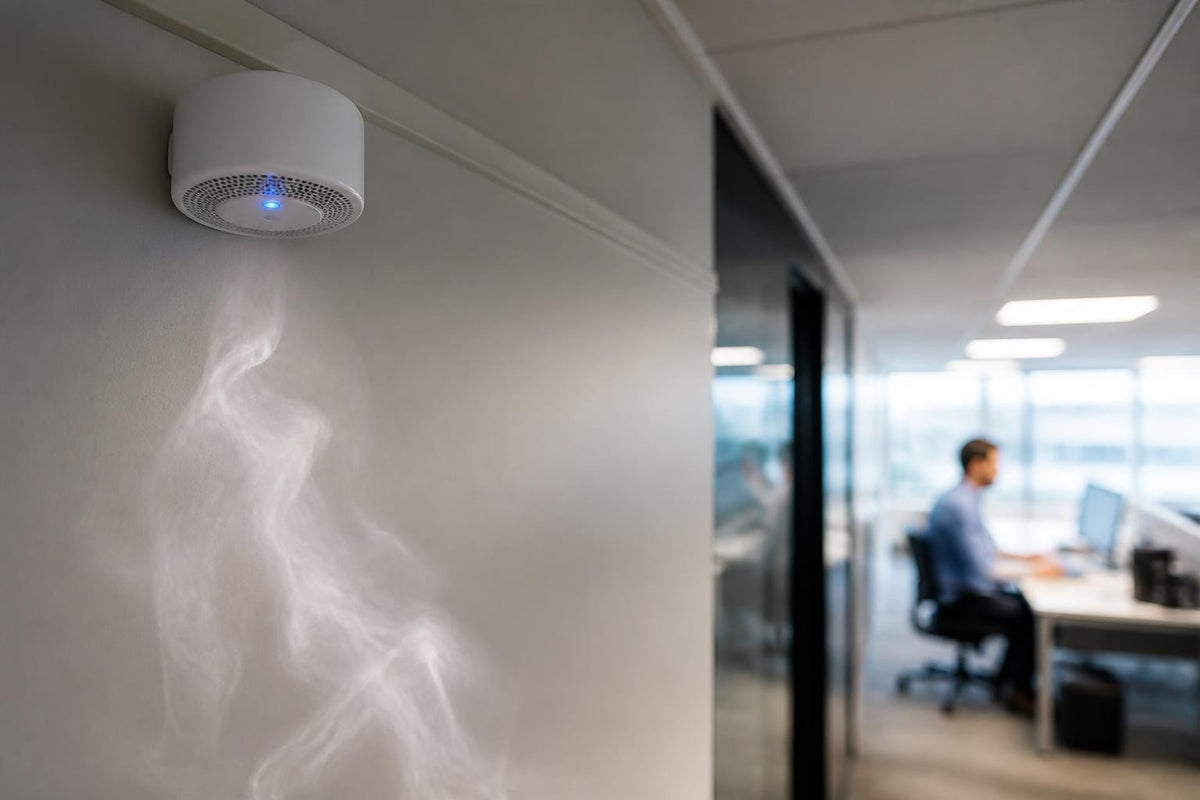
Cigarette smoke detection has evolved from simple household fire alarms into sophisticated environmental monitoring systems that protect public health and ensure regulatory compliance. As workplaces, educational institutions, and leisure facilities face mounting pressure to maintain smoke-free environments, the technology underpinning cigarette smoke detection has become increasingly precise, capable of distinguishing tobacco smoke from harmless aerosols whilst providing actionable intelligence to facility managers. Understanding how these systems work and where they deliver the greatest value is essential for any organisation committed to indoor air quality in 2026.
The Science Behind Cigarette Smoke Detection
Cigarette smoke is a complex aerosol containing thousands of chemical compounds, particulate matter, and volatile organic compounds (VOCs). Detection systems exploit this chemical fingerprint to identify tobacco smoke with high specificity.
Modern cigarette smoke detection relies on three primary sensing technologies. Optical sensors measure light scattering caused by smoke particles suspended in air, whilst electrochemical sensors respond to specific gases such as carbon monoxide and nitrogen oxides present in tobacco combustion. The third approach uses metal oxide semiconductor sensors that change electrical resistance when exposed to tobacco smoke constituents.
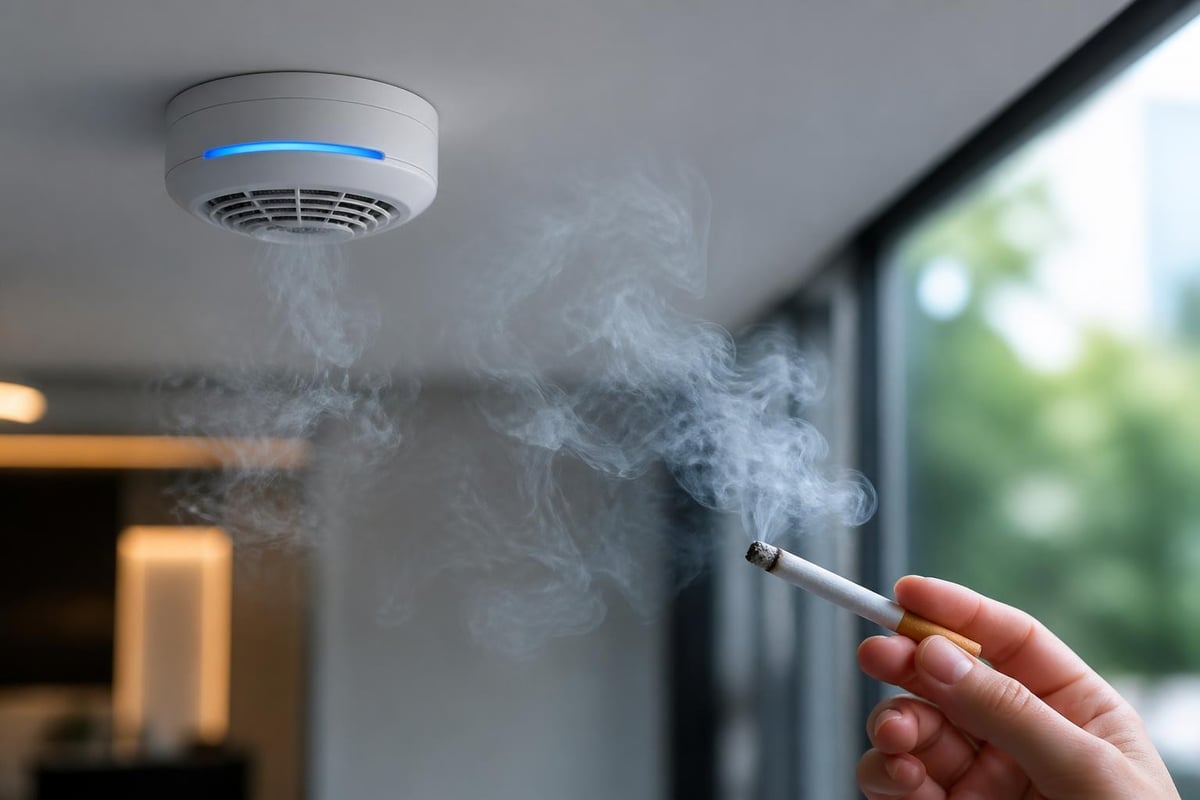
Recent advances in metal oxide semiconductor technology have enabled room-temperature gas sensors with unprecedented sensitivity, reducing power consumption whilst improving detection accuracy. These sensors can now differentiate cigarette smoke from cooking aerosols or water vapour, a critical capability for reducing false alarms.
Multi-Modal Detection Approaches
Relying on a single sensing modality often leads to false positives. Modern cigarette smoke detection systems therefore employ multi-modal architectures that cross-reference data from several sensors.
A typical implementation combines:
- Particulate sensors monitoring PM2.5 and PM10 concentrations
- VOC sensors detecting benzene, toluene, and formaldehyde
- Temperature and humidity sensors providing environmental context
- Air quality indices calculating composite scores from multiple inputs
This layered approach dramatically improves specificity. When a particulate spike coincides with elevated VOC readings characteristic of tobacco, the system confidently identifies cigarette smoke rather than triggering on harmless cooking fumes.
Health Imperatives Driving Cigarette Smoke Detection
The World Health Organization documents extensive evidence that secondhand smoke exposure causes serious cardiovascular and respiratory disease, including heart disease and lung cancer in non-smoking adults. Even brief exposure impairs vascular function, whilst chronic exposure in children increases the risk of sudden infant death syndrome, acute respiratory infections, and asthma.
These health risks create legal and ethical obligations for employers, school administrators, and facility managers. In the UK, smoke-free legislation prohibits smoking in virtually all enclosed public places and workplaces, making effective cigarette smoke detection not merely a health measure but a compliance necessity.
Quantifying Indoor Air Quality
Cigarette smoke detection systems provide the data needed to quantify indoor air quality objectively. Traditional compliance approaches rely on visual inspections and complaint-driven enforcement, both of which are reactive and incomplete.
| Detection Method | Response Time | Coverage | Evidence Quality |
|---|---|---|---|
| Visual inspection | Hours to days | Partial | Anecdotal |
| Complaint-based | Variable | Incident-only | Subjective |
| Sensor networks | Real-time | Comprehensive | Quantitative |
Automated cigarette smoke detection enables proactive intervention. When sensors detect tobacco smoke in a monitored area, facility managers receive instant alerts, allowing them to address violations immediately rather than discovering evidence hours later.
Implementation Strategies for Different Environments
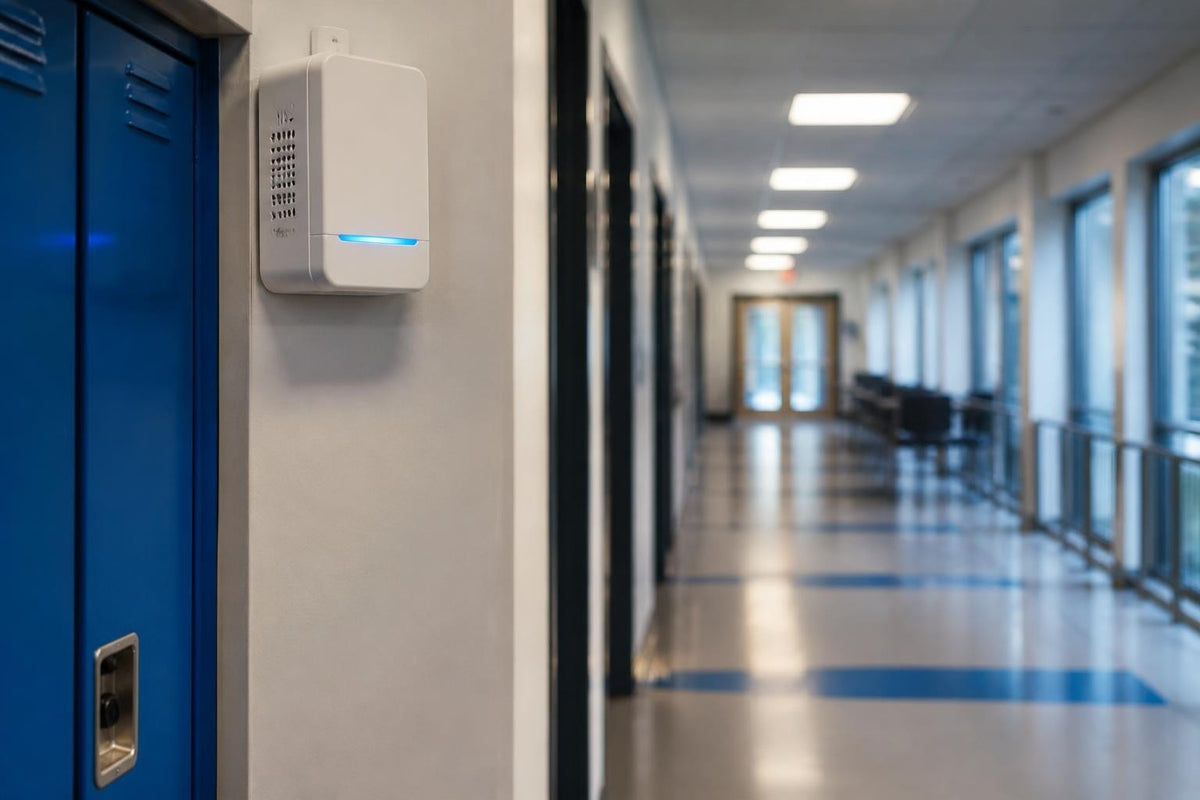
Effective cigarette smoke detection requires tailored deployment strategies. A secondary school faces different challenges than a corporate office or leisure facility, and sensor placement must reflect usage patterns, architectural constraints, and regulatory requirements.
Educational Institutions
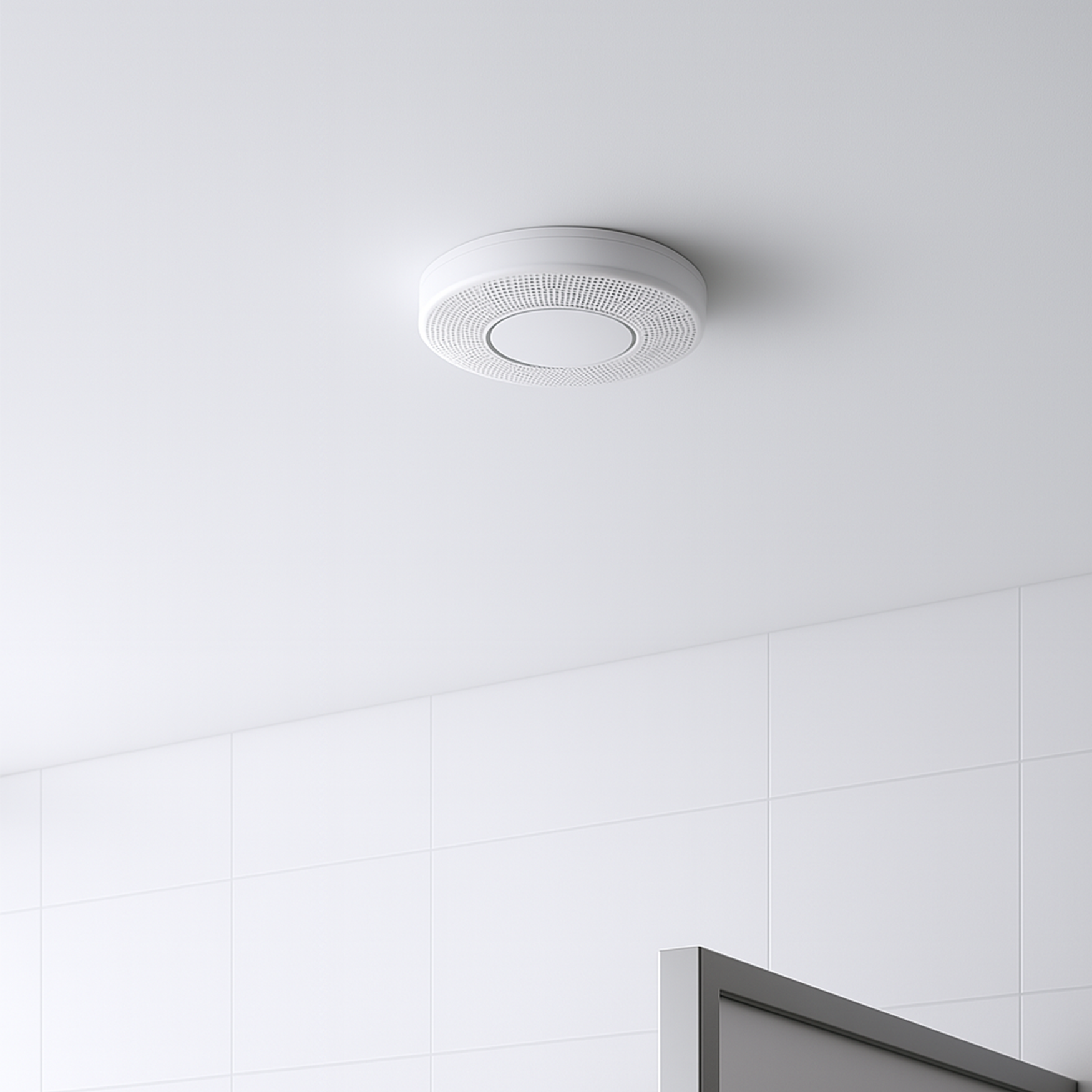
Schools and colleges present unique cigarette smoke detection challenges. Underage vaping and smoking remain persistent problems, with students often attempting to smoke in toilets, changing rooms, and other areas with limited supervision.
For schools, cigarette smoke detection should prioritise:
- Toilet facilities where the majority of smoking incidents occur
- Changing rooms and sports facilities with periodic supervision gaps
- Secluded outdoor areas near building entrances or bike shelters
- Integration with existing security infrastructure for coordinated response
Many schools implementing cigarette smoke detection report a 60-80% reduction in smoking incidents within the first term, as students quickly learn that violations trigger immediate alerts.

Workplace Environments
Corporate offices and industrial facilities face different cigarette smoke detection requirements. Whilst legal liability and employee wellbeing remain paramount, workplace deployments must also consider employee privacy expectations and industrial relations.
Office cigarette smoke detection typically focuses on:
- Stairwells and emergency exits where employees may smoke
- Shared facilities including toilets and break rooms
- Ventilation system monitoring to detect smoke entering HVAC systems
- Outdoor designated smoking areas to ensure compliance with distance requirements
In workplaces, transparent communication about cigarette smoke detection is essential. Employees who understand that monitoring protects their health and ensures compliance are far more likely to support the initiative than those who perceive surveillance.
Advanced Detection Capabilities and Machine Learning
The frontier of cigarette smoke detection increasingly incorporates machine learning and artificial intelligence. Multimodal deep learning architectures can fuse data from visual cameras, audio sensors, and environmental monitors to detect smoking events with remarkable accuracy.
These AI-enhanced systems learn to recognise patterns associated with smoking behaviour. A sudden increase in particulate matter coinciding with specific VOC signatures and loitering behaviour captured on video creates a high-confidence smoking detection event.
Audio-Based Detection Approaches
Emerging research demonstrates that acoustic smartphone methods can detect smoking behaviour through characteristic sounds: lighter clicks, inhalation, and exhalation patterns. Whilst these approaches currently focus on personal health applications, they suggest future directions for non-invasive cigarette smoke detection in public spaces.
Audio detection offers several advantages:
- No visual privacy concerns
- Lower infrastructure costs than video systems
- Ability to detect smoking before smoke disperses
- Minimal maintenance requirements
However, acoustic detection currently lacks the specificity of chemical sensors and works best as a complementary technology rather than a standalone solution.
Addressing False Alarms and Nuisance Triggers
The credibility of any cigarette smoke detection system depends on minimising false alarms. Recent smoke alarm standards acknowledge that conventional detectors still struggle with nuisance aerosols, triggering on cooking fumes whilst occasionally missing actual fires.
Purpose-built cigarette smoke detection systems outperform traditional smoke alarms by incorporating chemical specificity. Tobacco smoke contains distinctive markers absent from cooking aerosols or water vapour.
Key strategies for reducing false positives:
- Multi-sensor fusion requiring agreement from multiple detection modalities
- Baseline learning algorithms that establish normal environmental patterns
- Adjustable sensitivity thresholds calibrated to specific environments
- Integration with occupancy sensors to weight detections based on human presence
Sophisticated systems also employ temporal analysis, requiring sustained detection over several seconds rather than triggering on momentary spikes. This approach filters out brief aerosol bursts from cleaning products or personal care items.
Integration with Broader Air Quality Monitoring
Cigarette smoke detection delivers maximum value when integrated into comprehensive air quality monitoring systems. The same sensors that identify tobacco smoke also track VOCs, particulate matter, carbon dioxide, temperature, and humidity.
This holistic approach provides facilities with actionable intelligence beyond smoking violations. Poor ventilation, elevated CO₂ levels, and excessive humidity all impact occupant health and comfort. Understanding how vaping and smoking affect indoor air quality helps organisations address the full spectrum of environmental health risks.
| Air Quality Parameter | Health Impact | Detection Method |
|---|---|---|
| PM2.5 particulates | Respiratory disease | Optical scattering |
| VOCs | Eye/respiratory irritation | Semiconductor sensors |
| Carbon monoxide | Impaired oxygen transport | Electrochemical cells |
| Carbon dioxide | Cognitive impairment | NDIR sensors |
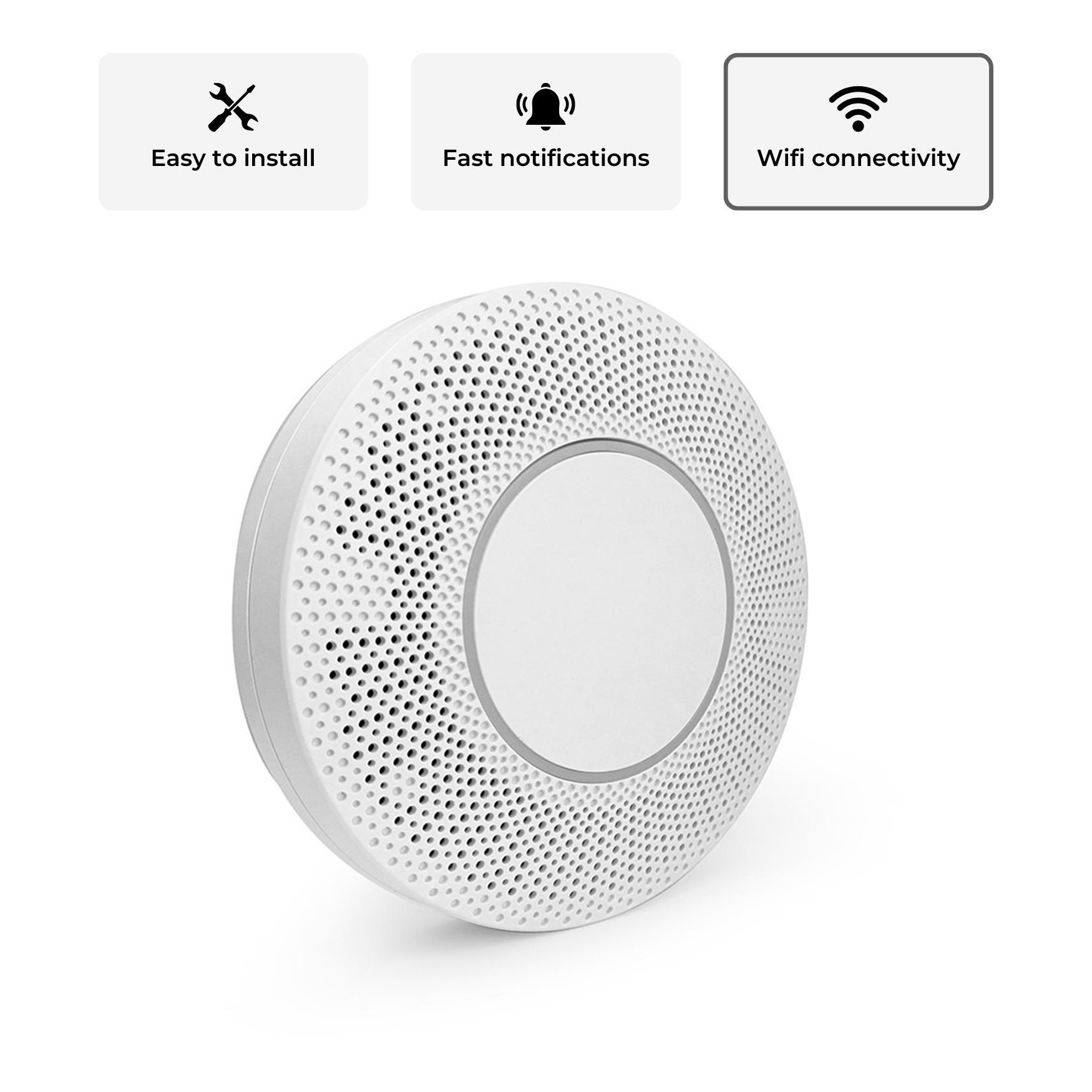
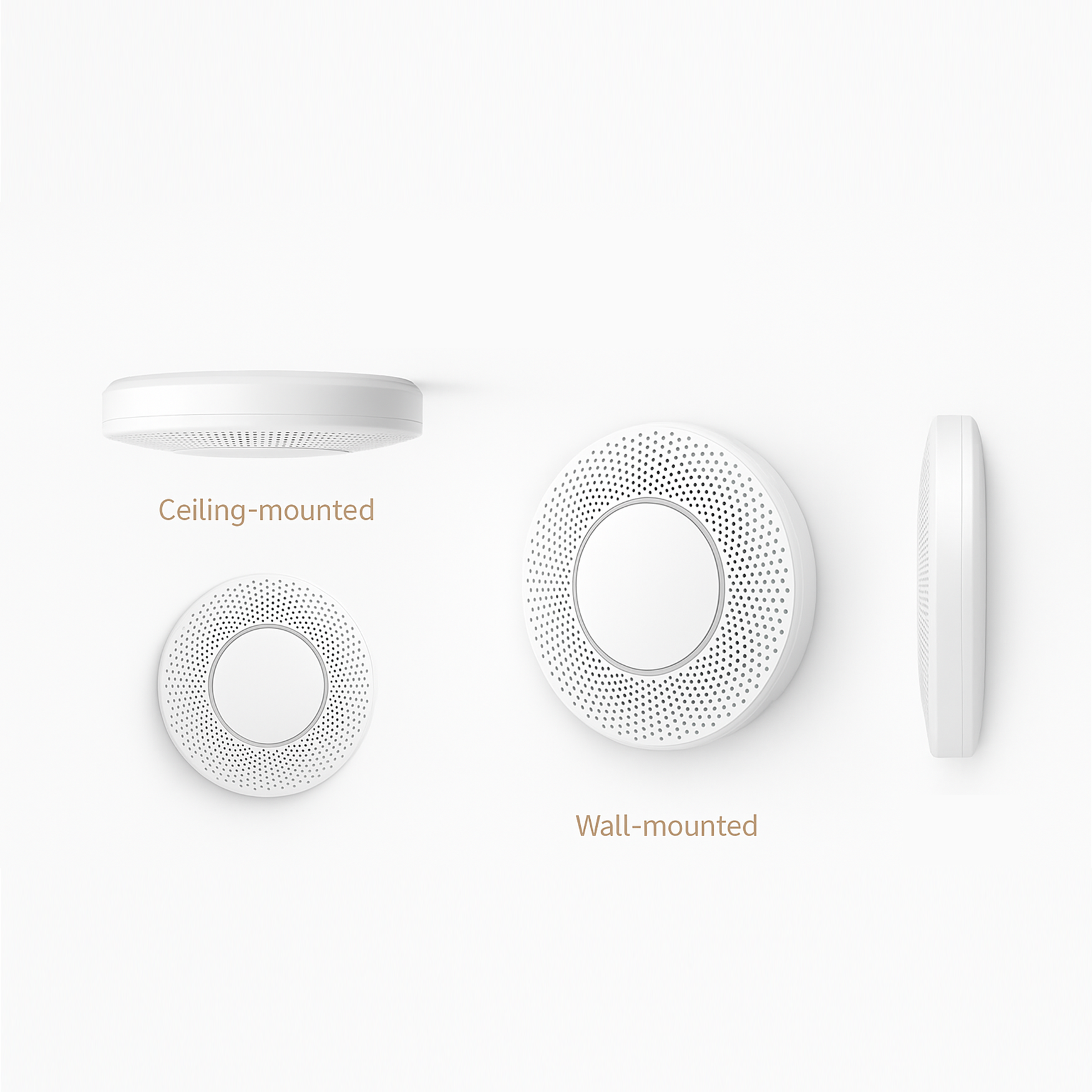
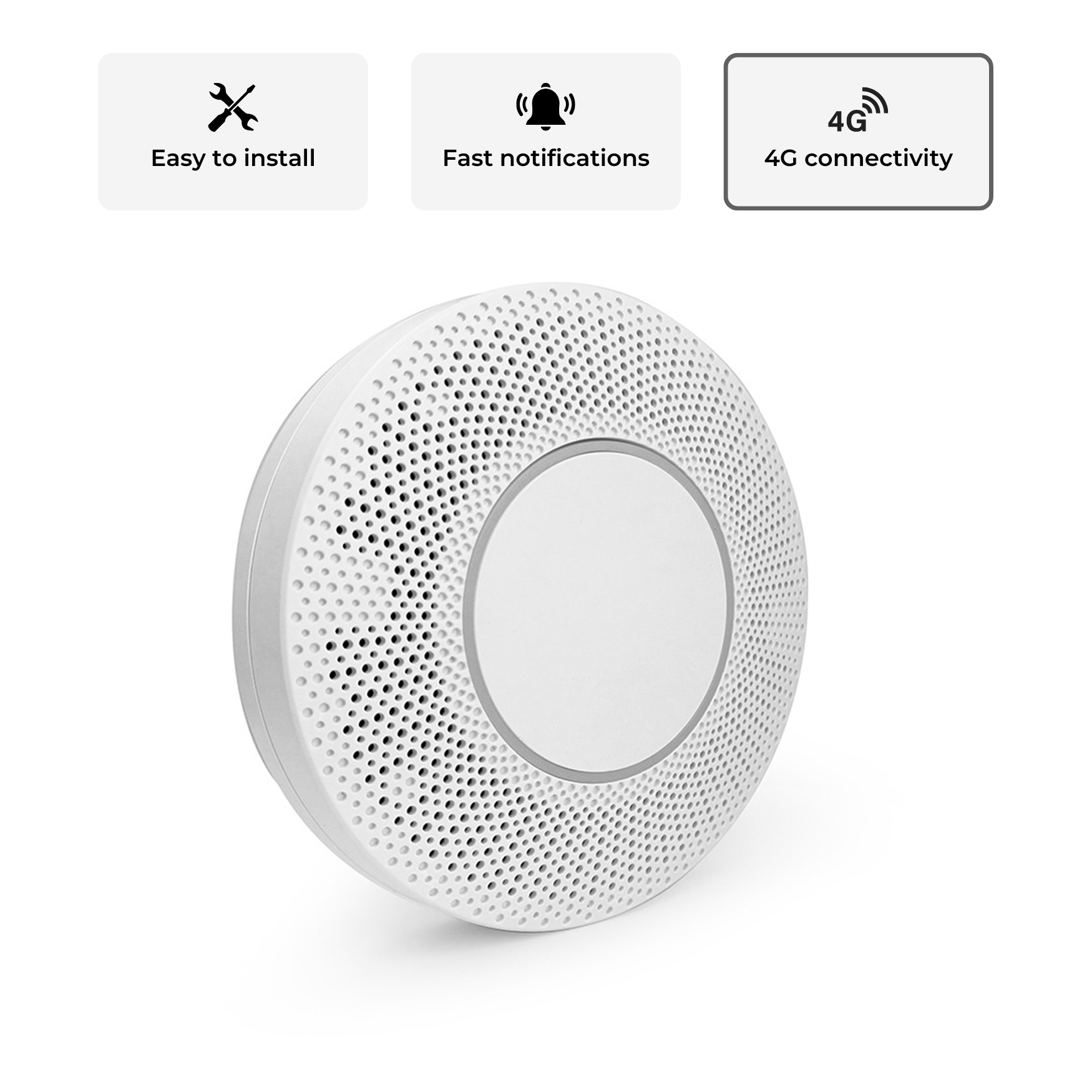
Modern systems like the Vape Detection System exemplify this integrated approach, combining cigarette smoke detection with vape detection and broader air quality monitoring. Such systems provide facilities with a unified platform for environmental health management rather than requiring separate installations for different monitoring needs.

Data Analytics and Long-Term Trends
Beyond real-time alerts, cigarette smoke detection systems generate valuable longitudinal data. Facility managers can identify patterns: which areas experience the most violations, what times of day see peak activity, and how interventions affect behaviour over time.
This analytical capability transforms cigarette smoke detection from a reactive enforcement tool into a strategic asset for policy development. Schools can demonstrate the effectiveness of educational programmes by tracking smoking incident trends. Employers can quantify the return on investment from smoke-free workplace initiatives through reduced absenteeism and healthcare costs.
Regulatory Compliance and Documentation
Cigarette smoke detection systems provide the documentation needed to demonstrate regulatory compliance. When inspectors or legal challenges require proof that a facility maintained smoke-free standards, sensor data offers objective evidence that subjective observation cannot match.
In 2026, UK regulations around vaping and smoking in public spaces continue to evolve, placing greater emphasis on measurable outcomes rather than policy statements alone. Organisations that implement robust cigarette smoke detection can demonstrate compliance through:
- Continuous monitoring data showing air quality maintenance
- Incident logs documenting violations and responses
- Trend analysis proving policy effectiveness over time
- Audit trails for every detection event and management action
This documentation proves particularly valuable in industries with strict health and safety requirements or when defending against litigation related to secondhand smoke exposure.
Privacy Considerations and Ethical Deployment
Cigarette smoke detection intersects with privacy concerns, particularly when deployed in toilets or other semi-private spaces. Organisations must balance health and compliance objectives against individual privacy rights.
Best practices for ethical deployment include:
- Chemical sensors only, avoiding video surveillance in private areas
- Transparent policies communicated to all occupants
- Data retention limits and access controls
- Regular privacy impact assessments
- Clear escalation procedures that respect dignity
Focusing on air quality data rather than individual identification helps maintain privacy whilst achieving monitoring objectives. When a sensor detects cigarette smoke, the alert indicates location and time but need not identify specific individuals, allowing management response without intrusive surveillance.
Cost Considerations and Return on Investment
Cigarette smoke detection requires upfront investment in sensors, installation, and ongoing monitoring infrastructure. However, the costs of not monitoring often exceed implementation expenses.
Organisations face multiple costs from undetected smoking:
- Health insurance premium increases from secondhand smoke exposure
- Property damage from cigarette burns and smoke staining
- Fire risk from improper cigarette disposal
- Legal liability for failing to maintain smoke-free environments
- Reduced property values in buildings with persistent smoke odours
Understanding vape detector costs and ROI helps organisations evaluate whether detection systems deliver value. Most facilities report positive returns within 18-24 months through reduced property damage, lower insurance costs, and avoided legal expenses.
Scalability and Phased Implementation
Budget-conscious organisations can implement cigarette smoke detection in phases, starting with highest-risk areas and expanding coverage as benefits become apparent. This approach allows testing and refinement before committing to building-wide deployment.
A typical phased approach prioritises:
- Areas with highest violation history
- Spaces with greatest legal liability exposure
- Locations with valuable property requiring protection
- Zones where secondhand smoke affects vulnerable populations
Future Directions in Cigarette Smoke Detection Technology
The trajectory of cigarette smoke detection points toward greater integration, intelligence, and miniaturisation. Emerging technologies will enable detection capabilities unimaginable a decade ago.
Anticipated developments include:
- Nanosensors embedded in building materials for ubiquitous monitoring
- AI prediction models identifying conditions that precede smoking events
- Blockchain verification creating tamper-proof compliance records
- Personal exposure monitoring through wearable air quality sensors
- Quantum sensing achieving parts-per-trillion detection sensitivity
These advances will make cigarette smoke detection more accurate, affordable, and comprehensive whilst reducing the infrastructure burden. The trend toward smart buildings will incorporate air quality monitoring, including cigarette smoke detection, as standard rather than optional features.
Integration with Building Management Systems
Future cigarette smoke detection will seamlessly integrate with broader building management systems (BMS), sharing data with HVAC controls, security systems, and occupancy management platforms. When sensors detect cigarette smoke, automated responses could include:
- Increasing ventilation in affected zones
- Alerting security personnel through existing communication systems
- Adjusting access controls to prevent re-entry to violation areas
- Generating reports for compliance documentation
- Triggering educational messaging on digital signage
This level of integration transforms cigarette smoke detection from an isolated monitoring function into a core building intelligence capability.
Selecting the Right Detection System
Organisations evaluating cigarette smoke detection systems should prioritise several key criteria. Not all solutions deliver equivalent performance, and understanding critical differentiators prevents costly mistakes.
Essential selection criteria:
| Criterion | Why It Matters | Questions to Ask |
|---|---|---|
| Detection specificity | Reduces false alarms | Can it distinguish tobacco from other aerosols? |
| Response time | Enables intervention | How quickly does it alert after detection? |
| Coverage area | Determines sensor quantity | What area does each sensor monitor? |
| Integration capability | Leverages existing infrastructure | Does it work with current security/BMS? |
| Support and maintenance | Ensures long-term reliability | What ongoing costs and support are included? |
Organisations should also evaluate vendors on their track record, particularly in similar environments. A system proven in schools may require adaptation for industrial settings, and vice versa.
For facilities concerned about both traditional smoking and emerging challenges, comprehensive detection technology that addresses cigarettes, vapes, and other air quality concerns delivers better value than single-purpose solutions.
Cigarette smoke detection has matured into an essential technology for organisations committed to indoor air quality, regulatory compliance, and occupant health. By combining advanced sensors, intelligent analytics, and thoughtful deployment strategies, facilities can create genuinely smoke-free environments backed by objective evidence rather than policy statements alone. Vape Guardian provides comprehensive detection solutions that protect schools, workplaces, and leisure facilities from cigarette smoke, vaping, and broader air quality threats, delivering real-time alerts and long-term trend data that empower proactive environmental health management.


Share:
Vape Smoke Alarm: Detection, Triggers & Prevention Guide
UK Vaping Laws: Complete 2026 Guide for Businesses