
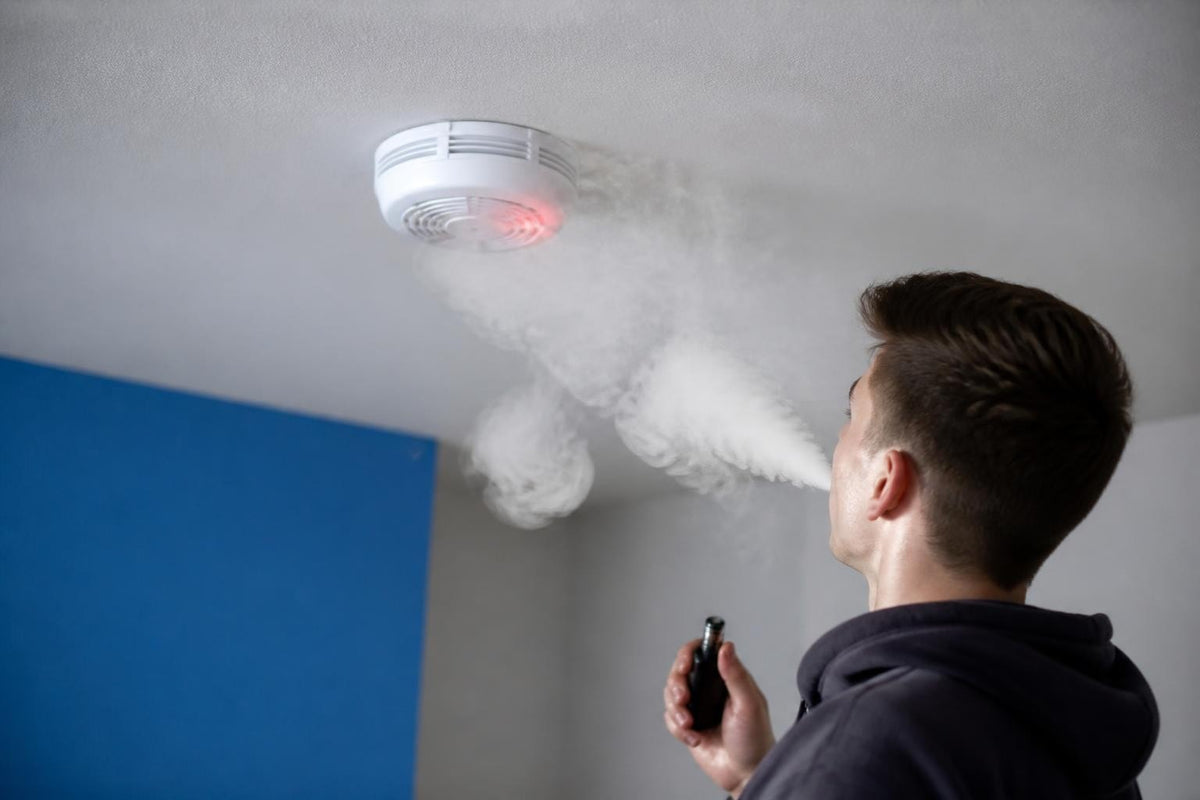
The intersection of vaping technology and fire safety systems has created unexpected challenges for facilities managers, educators, and property owners across the United Kingdom. Understanding the relationship between vape smoke alarm triggers and effective detection strategies is essential for maintaining compliance, safety, and indoor air quality. This comprehensive guide explores how conventional smoke detectors respond to vaping aerosol, the science behind false alarms, and why purpose-built vape detection systems offer superior monitoring capabilities for modern environments.
Understanding Vape Smoke Alarm Sensitivity
Traditional smoke alarms were engineered to detect combustion particles from fires, not the aerosol clouds produced by electronic cigarettes. The fundamental challenge lies in how these devices interpret airborne particles.
Most smoke detectors fall into two categories:
- Ionisation alarms that detect invisible particles from fast-burning fires
- Photoelectric sensors that respond to visible smoke particles
- Dual-sensor models combining both technologies for comprehensive protection
Vaping produces a dense aerosol containing propylene glycol, vegetable glycerin, and various flavouring compounds. When this vapour enters a smoke detector's sensing chamber, it can mimic the particle signatures that trigger fire alarms, particularly in photoelectric models. Recent research from NIST demonstrates that newer smoke alarm standards attempt to balance fire detection sensitivity with reduced nuisance alarms, but vape aerosol remains a persistent trigger.
The Science Behind Detector Activation
Photoelectric smoke alarms function by projecting a light beam within a detection chamber. When smoke or aerosol particles scatter this light onto a sensor, the alarm activates. Vaping clouds, particularly those from high-wattage devices or sub-ohm setups, generate sufficient particle density to scatter light just as smoke would.
The concentration threshold varies significantly. A single exhale in close proximity to a detector rarely triggers an alarm, but repeated vaping in confined spaces accumulates aerosol particles. Bathroom stalls, small offices, and storage rooms present the highest risk for vape smoke alarm activation.
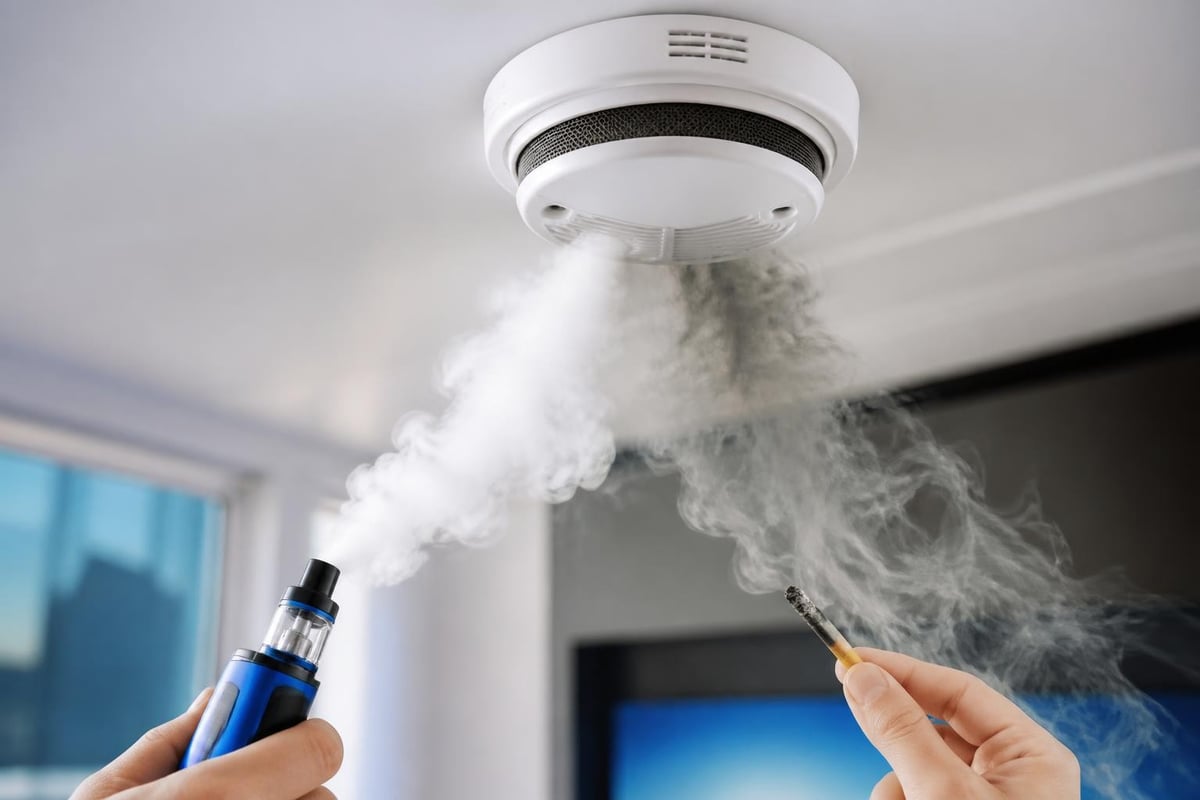
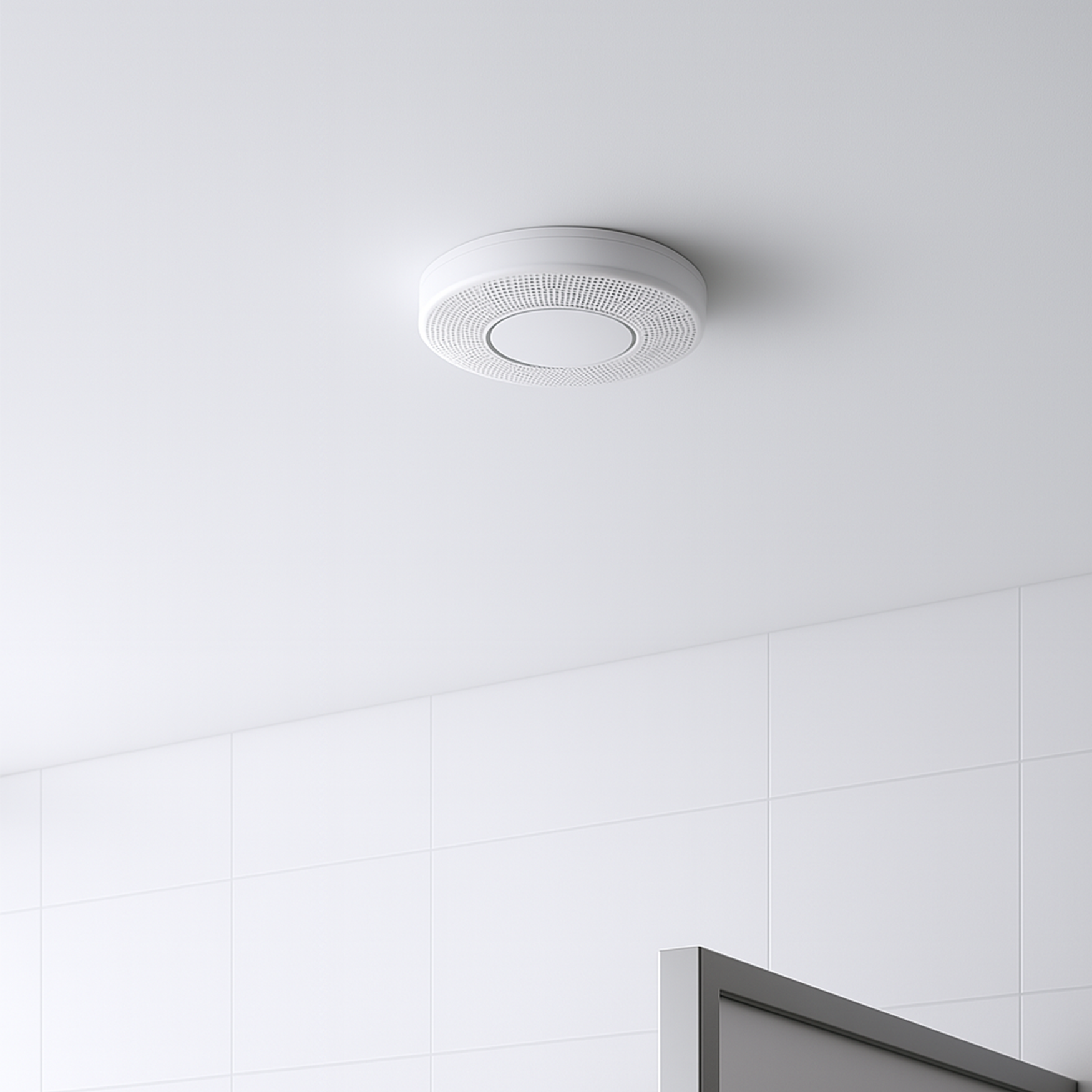
Temperature also plays a role. Warm vapour rises naturally, carrying particles directly into ceiling-mounted detectors. In contrast, cooler ambient air may disperse the aerosol before it reaches sufficient concentration to trigger sensors.
Factors Influencing Vape Smoke Alarm Triggers
Multiple variables determine whether vaping will activate a conventional smoke detector. Understanding these factors helps facilities managers assess risk and implement appropriate controls.
| Factor | Impact Level | Explanation |
|---|---|---|
| Device wattage | High | Higher wattage produces denser clouds with more particles |
| VG/PG ratio | Medium | Higher VG creates thicker, more visible vapour |
| Proximity to detector | High | Distance reduces particle concentration at sensor |
| Room ventilation | High | Air circulation disperses aerosol before accumulation |
| Detector age/sensitivity | Medium | Older detectors may have different threshold settings |
The composition of vaping liquid significantly affects detector response. High vegetable glycerin formulations produce substantially more visible vapour than propylene glycol-based liquids. Sub-ohm vaping devices, popular among experienced users, generate clouds large enough to fill small rooms within seconds.
Detector placement according to updated UL 217 standards also influences sensitivity. Modern installation guidelines recommend specific distances from HVAC vents and air returns to reduce nuisance alarms, yet these same placements can create vape aerosol accumulation zones.
Environmental Conditions and Detection
Humidity levels interact with vaping aerosol in unexpected ways. High humidity environments cause vapour particles to remain suspended longer, increasing the likelihood of detector activation. Conversely, dry conditions may cause rapid evaporation, dispersing particles before they reach problematic concentrations.
Enclosed spaces without mechanical ventilation present the greatest challenge. School toilets, hotel rooms, and changing facilities commonly experience vape smoke alarm incidents because aerosol cannot dissipate naturally.
Traditional Detection Limitations for Vaping Compliance
Relying on conventional smoke alarms to monitor vaping creates significant operational challenges. These devices were never designed for compliance monitoring or behaviour detection.
Key limitations include:
- No differentiation between fire smoke and vape aerosol
- High false alarm rates that reduce emergency response credibility
- Inability to identify specific substances or users
- No data logging for compliance documentation
- Delayed notification compared to real-time monitoring systems
When a smoke detector activates due to vaping, facility managers face a dilemma. The alarm requires investigation, yet may represent no actual fire risk. Repeated false alarms can lead to alarm fatigue, where genuine emergencies receive slower responses. For schools concerned about vaping, this creates an unsustainable situation that undermines both safety and discipline protocols.
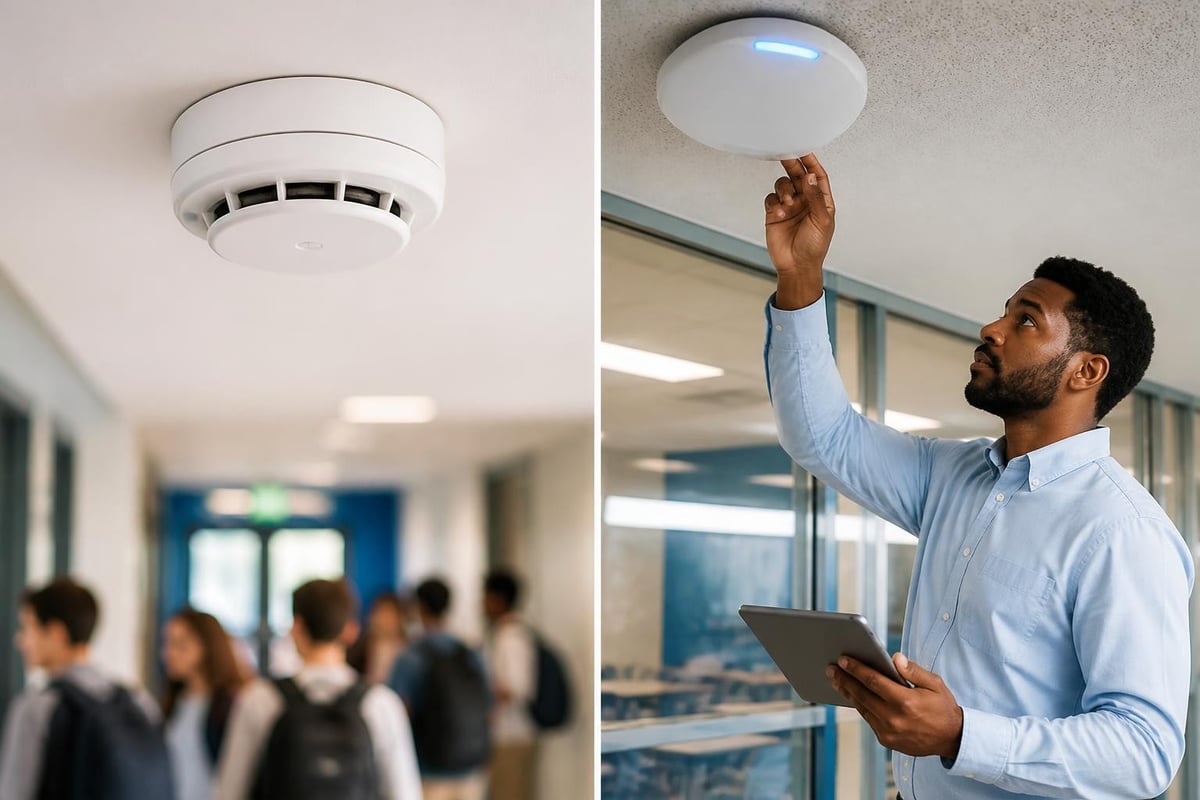
Furthermore, smoke alarms provide no actionable intelligence. They cannot distinguish between a student vaping in a toilet versus someone using a steam device for medical purposes. They offer no timestamps, no substance analysis, and no integration with facility management systems.
The Cost of False Alarms
Fire brigade callouts for false alarms carry substantial costs. In commercial settings, each incident may incur fees exceeding £500, alongside productivity losses from building evacuations. Educational institutions face additional complications, including disrupted lessons and potential safeguarding concerns when students congregate outside unexpectedly.
Documentation requirements for regulatory compliance add further complexity. Facilities must log all alarm activations, investigate causes, and demonstrate due diligence. Traditional vape smoke alarm incidents create paperwork burdens without providing evidence of who violated policies or when.
Purpose-Built Vape Detection Solutions
Modern vape detection technology addresses the fundamental limitations of conventional smoke alarms through specialised sensors and intelligent analytics. These systems detect vaping aerosol specifically, without the false alarm issues plaguing traditional detectors.
Advanced solutions employ multi-sensor arrays that analyse air quality indicators beyond simple particle detection:
- Chemical signature recognition identifying specific compounds in vape aerosol
- Particle size analysis distinguishing vape particles from smoke or dust
- Sound pattern detection recognising exhalation behaviours associated with vaping
- Temperature and humidity monitoring providing environmental context
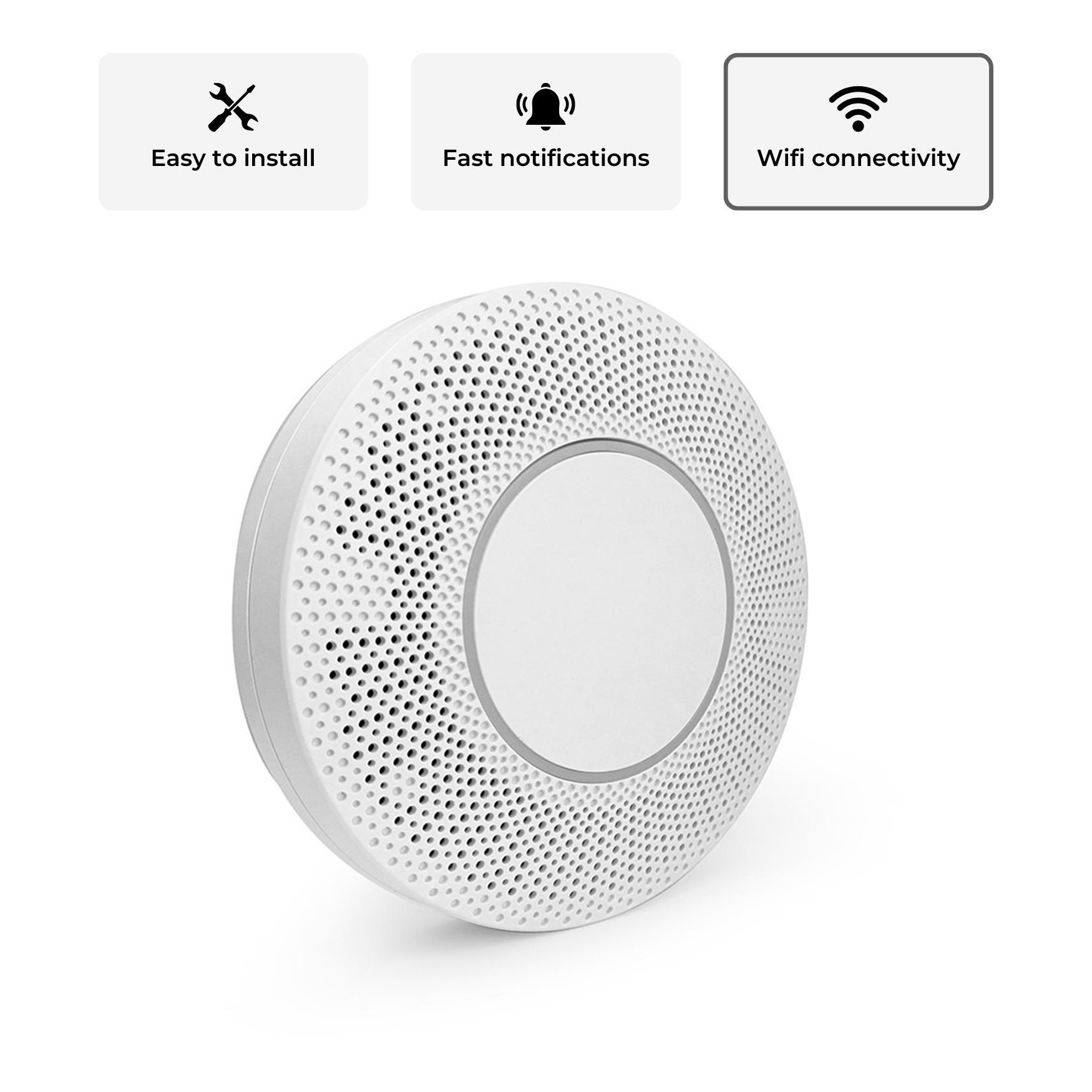
- Network connectivity enabling real-time alerts and data analytics
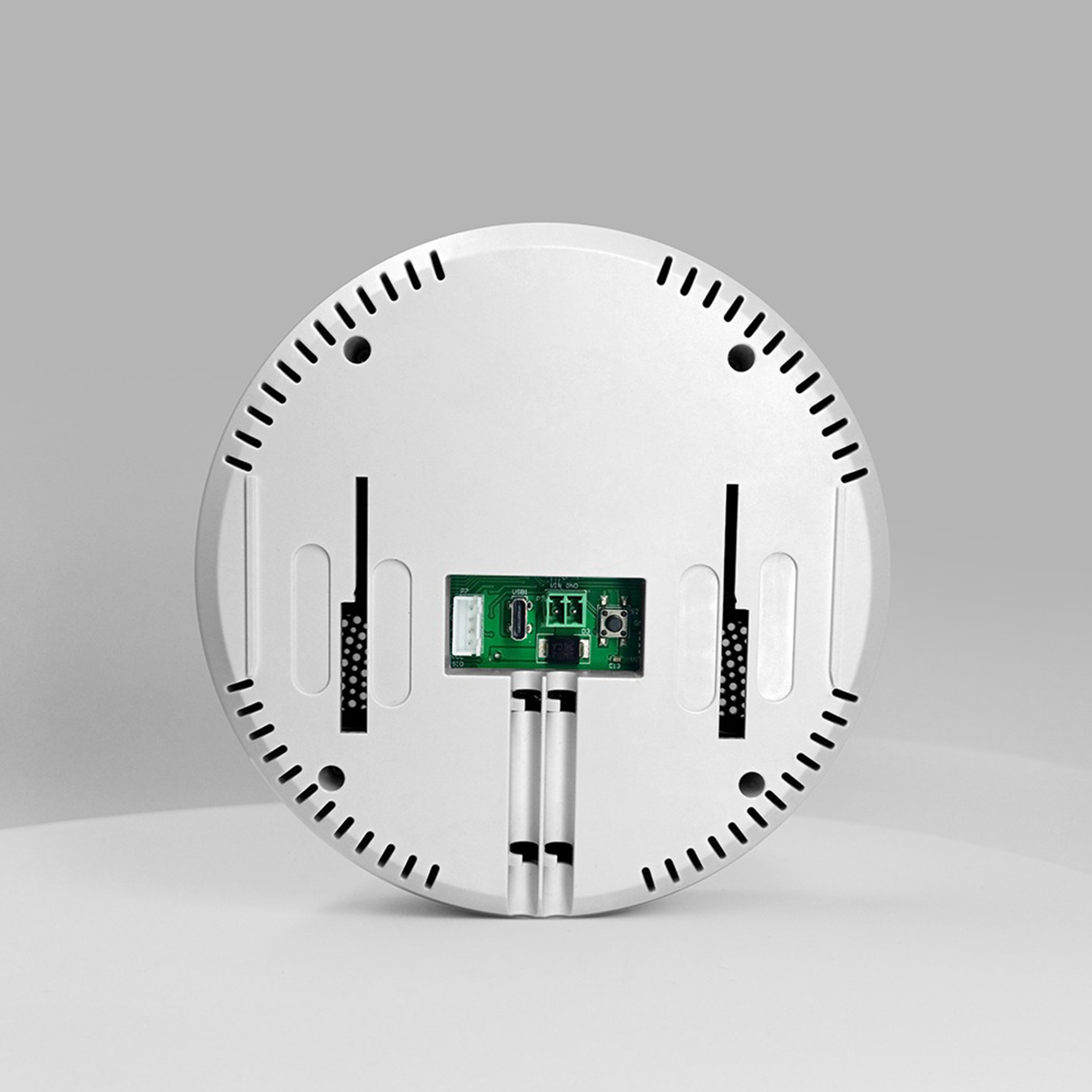
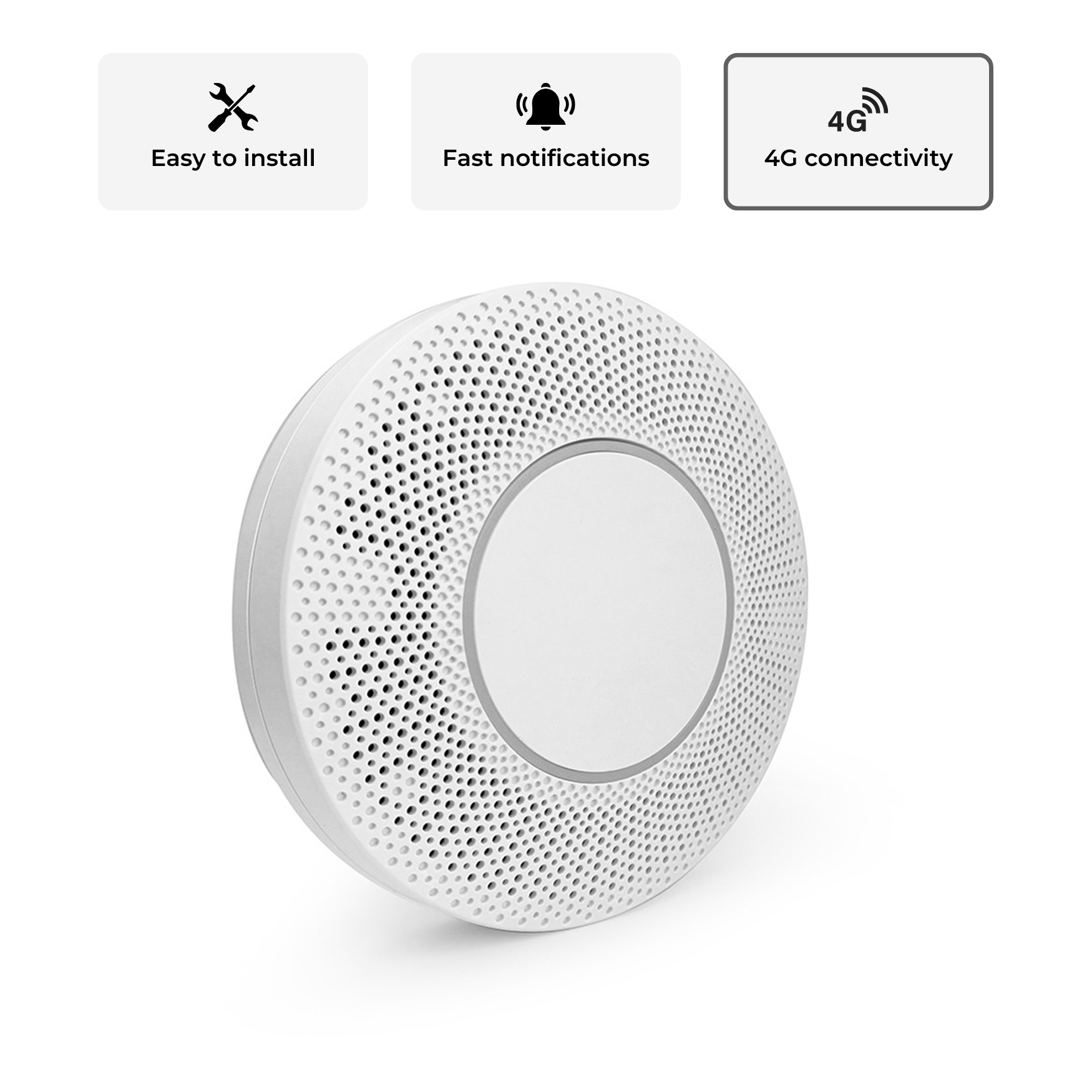
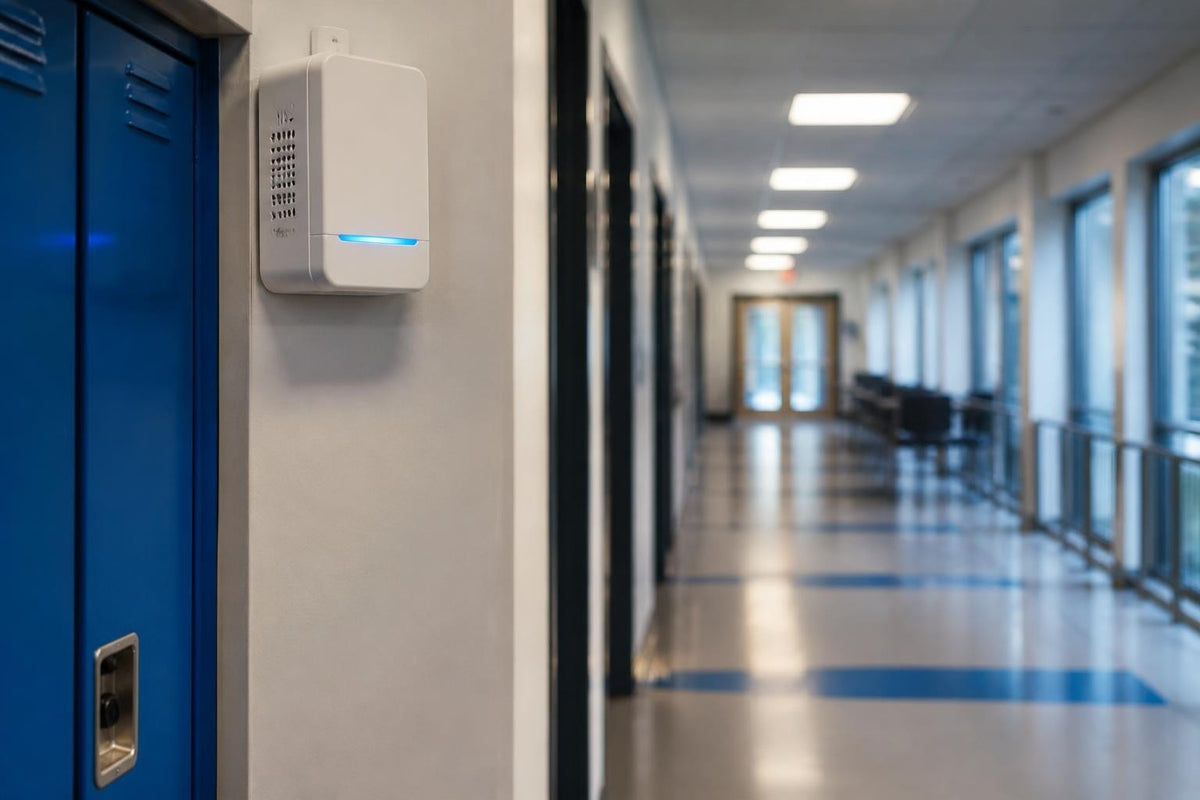
The Vape Detection System exemplifies this approach, combining sophisticated sensors with intelligent software to identify vaping, drug use, and anti-social behaviour whilst minimising false positives. Unlike conventional smoke alarms, these systems provide immediate alerts to designated staff, complete with location data and timestamp information for compliance records.

Installation typically focuses on high-risk areas: school toilets, office break rooms, hotel bathrooms, and other spaces where privacy concerns prevent camera surveillance yet vaping incidents occur frequently. The discrete nature of modern sensors allows deployment without altering room aesthetics or creating an overtly punitive atmosphere.
Integration and Intelligence Capabilities
Contemporary vape detection platforms offer features impossible with standard smoke alarms. Cloud-based dashboards aggregate data across multiple locations, revealing patterns and trends. Administrators can identify repeat offence locations, peak incident times, and seasonal variations.
| Feature | Traditional Smoke Alarm | Dedicated Vape Detector |
|---|---|---|
| Substance identification | None | Vape, THC, methamphetamine |
| Alert specificity | Generic alarm | Targeted SMS/email to staff |
| Data retention | None | Cloud storage with analytics |
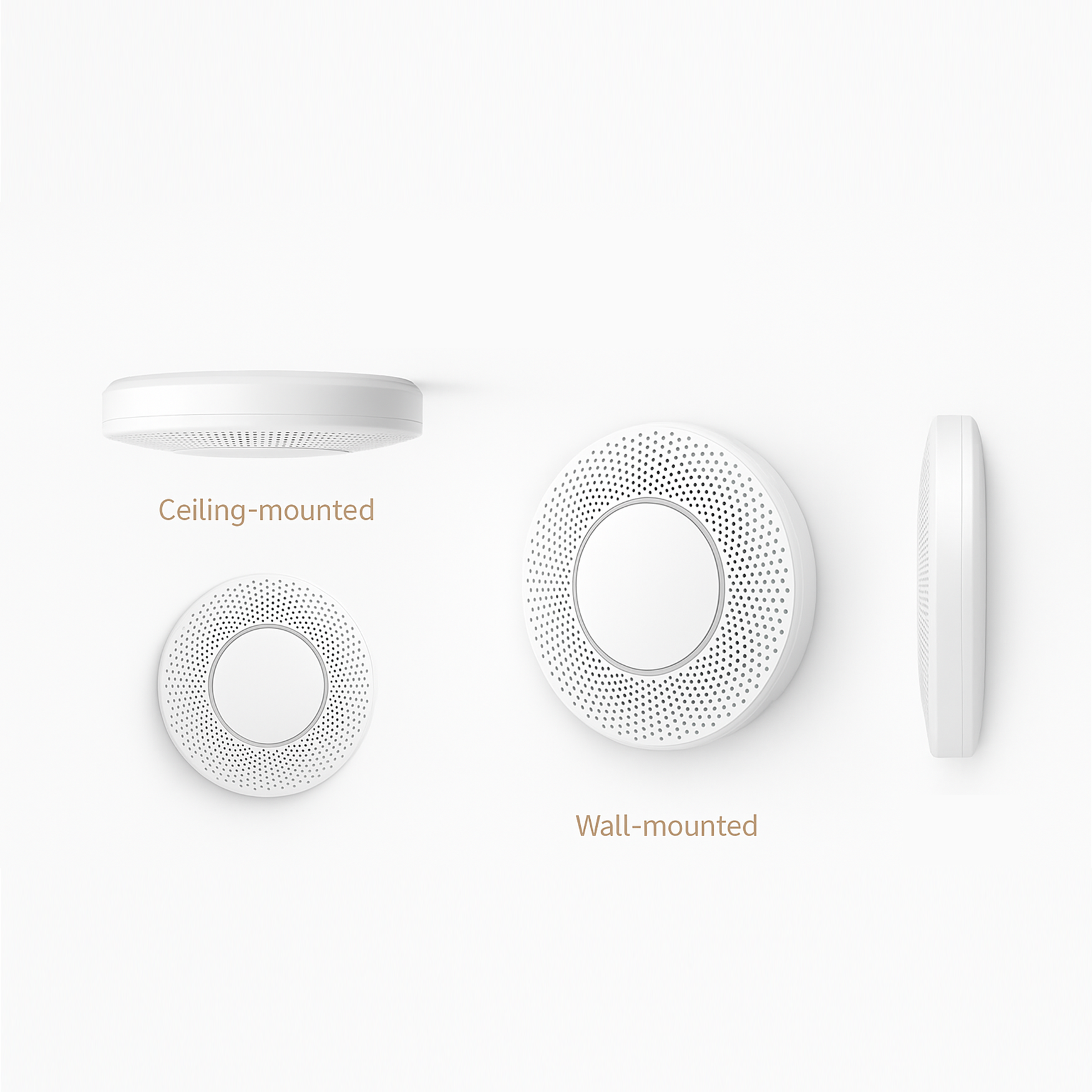
| Installation flexibility | Ceiling mount required | Wall or ceiling options |
| Integration capability | Standalone only | API connectivity available |
These systems support proactive intervention rather than reactive punishment. Early detection allows staff to address vaping before it becomes habitual, supporting behaviour modification programmes and compliance education.
Implementation Strategies for Facilities
Deploying effective vape detection requires strategic planning beyond simple hardware installation. Successful programmes balance technology with policy, education, and consistent enforcement.
Best practice implementation includes:
- Conducting risk assessments to identify high-probability locations
- Establishing clear policies communicated to all stakeholders
- Training staff on appropriate response protocols
- Integrating detection systems with existing facility management platforms
- Regular review of incident data to optimise sensor placement
Educational settings benefit from involving multiple stakeholders. Multi-academy trusts require coordination across sites, whilst individual schools must align detection strategies with safeguarding responsibilities. The designated safeguarding lead plays a crucial role in ensuring vape detection supports student welfare rather than purely disciplinary objectives.
Balancing Detection with Privacy
Vape detection technology raises legitimate privacy considerations. Unlike smoke alarms which function purely for safety, dedicated vape detectors actively monitor behaviour. Transparent communication about detection capabilities, data usage, and privacy protections builds trust and compliance.
Facilities should clearly signage areas under vape detection monitoring, outline data retention policies, and explain how information will be used. Most jurisdictions require notification that monitoring occurs, even in spaces without visual surveillance expectations.
Modern sensors incorporate privacy protections, detecting substances and sounds without recording conversations or capturing images. This distinction separates vape detection from surveillance cameras, allowing deployment in changing rooms and toilets where visual monitoring would be inappropriate.
Indoor Air Quality and Health Considerations
Beyond compliance and policy enforcement, vape smoke alarm concerns connect to broader indoor air quality management. The EPA has documented concerns regarding secondhand exposure to electronic cigarette aerosol, particularly in enclosed environments.
Conventional smoke detectors offer no air quality data. They activate only when particle concentrations reach alarm thresholds, providing no information about exposure levels below that point. This binary response fails to address cumulative exposure or long-term air quality degradation.
Purpose-built systems monitor air quality continuously, tracking both acute incidents and ambient conditions. Administrators gain visibility into environmental health metrics, supporting duty of care obligations and workplace health requirements. Schools can demonstrate to parents that they actively monitor and control vaping exposure, whilst offices provide employees with healthier indoor environments.
Ventilation and Aerosol Management
Understanding how vaping aerosol behaves in different ventilation configurations helps optimise detection placement and reduce vape smoke alarm incidents. Positive pressure systems that supply filtered air may dilute aerosol concentrations, whilst negative pressure bathrooms can accumulate particles near ceiling-mounted detectors.
Research presented at IEEE conferences has explored alternative detection approaches, including computer vision systems, though these raise additional privacy concerns unsuitable for most facility applications. Multi-sensor approaches remain the most practical balance between effectiveness and privacy protection.
Responding to Vape Detection Alerts
Technology alone cannot solve vaping compliance challenges. Effective response protocols transform detection data into behaviour change and safer environments.
Staff training should address:
- Immediate response procedures upon receiving alerts
- Documentation requirements for compliance records
- Student welfare considerations and safeguarding protocols
- Escalation pathways for repeated violations
- Communication templates for parent/guardian notification
The speed of response directly influences deterrence effectiveness. When students recognise that vaping triggers immediate staff intervention, the behaviour becomes less attractive. Conversely, delayed or inconsistent responses undermine detection systems and enable continued violations.
Guidance for handling vaping alerts emphasises balancing swift intervention with appropriate support. Young people vaping often require education about health risks and assistance with cessation rather than purely punitive measures. Effective programmes combine detection technology with comprehensive support structures.
Data-Driven Policy Refinement
Regular analysis of vape detection data enables continuous improvement of prevention strategies. Facilities can identify whether incidents cluster at specific times, locations, or circumstances, allowing targeted interventions.
Seasonal patterns often emerge, with increased incidents around exam periods or following school holidays. Understanding these trends supports proactive measures, such as enhanced supervision or targeted awareness campaigns during high-risk periods.
Legal and Regulatory Compliance
Vape detection systems support compliance with evolving regulations governing indoor vaping. The UK continues expanding restrictions on where vaping is permitted, with many facilities now treating vaping identically to smoking for policy purposes.
Traditional smoke alarms provide no compliance evidence. When incidents occur, facilities have no documentation beyond anecdotal reports. Purpose-built detection systems generate timestamped records with location data, supporting enforcement actions and demonstrating due diligence to regulatory bodies.
Educational institutions face particular scrutiny regarding safeguarding and health responsibilities. Headteachers managing vaping concerns require reliable data to justify interventions, communicate with parents, and demonstrate to governors that effective controls exist. Detection systems provide this evidence base whilst supporting pastoral care objectives.
Future Regulatory Developments
As understanding of vaping health impacts evolves, regulatory frameworks continue adapting. The environmental and health implications of disposable vapes suggest further restrictions may emerge, increasing the importance of robust detection and compliance capabilities.
Facilities investing in comprehensive vape detection infrastructure position themselves ahead of regulatory changes rather than scrambling to respond retrospectively. Forward-thinking organisations recognise that today's voluntary best practices often become tomorrow's mandatory requirements.
Managing vape smoke alarm challenges requires moving beyond reliance on conventional fire detection systems toward purpose-built solutions that provide accurate identification, real-time alerts, and comprehensive compliance data. By understanding how vaping aerosol interacts with different detector technologies and implementing sophisticated monitoring systems, facilities create safer, healthier environments whilst maintaining appropriate privacy protections. Vape Guardian specialises in advanced vaping detection technology designed specifically for UK schools, offices, and leisure facilities, offering reliable sensors, intelligent analytics, and dedicated support to help organisations effectively address vaping concerns whilst supporting broader air quality and safeguarding objectives.


Share:
Vaping Sensors in Bathrooms: Complete 2026 Guide
Cigarette Smoke Detection: Technology & Best Practices