
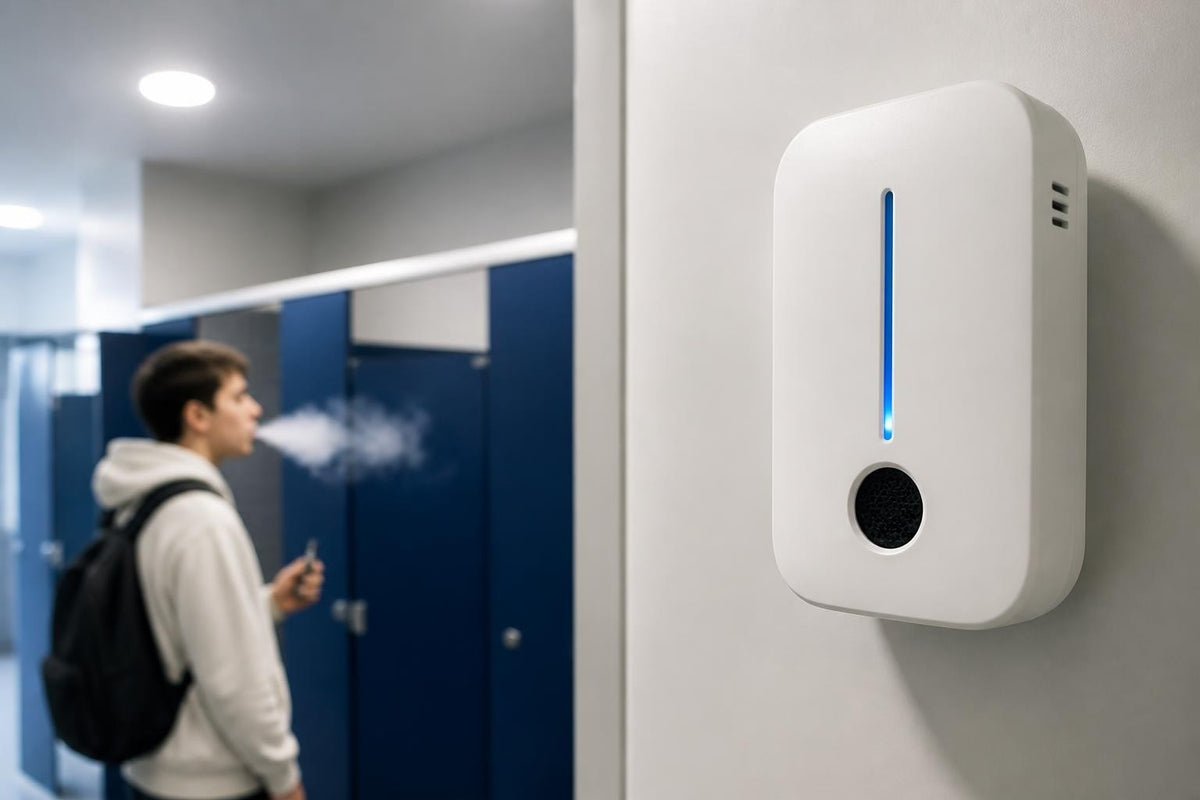
Bathrooms have emerged as the primary location for concealed vaping in schools, offices, and public facilities across the United Kingdom. The enclosed nature of these spaces, combined with limited supervision and natural ventilation challenges, creates an environment where students and employees feel emboldened to use e-cigarettes without detection. Installing vaping sensors in bathrooms has become an essential strategy for institutions seeking to enforce policies, protect air quality, and create healthier environments. These advanced monitoring systems use sophisticated detection methods to identify vaping activity in real time, enabling swift intervention whilst maintaining privacy and dignity for all users.
Understanding Vaping Detection Technology
Modern vaping sensors employ multi-sensor arrays that detect the unique chemical and physical signatures associated with e-cigarette aerosols. Unlike smoke detectors, which respond primarily to combustion particles, vaping sensors in bathrooms must identify the glycerol and propylene glycol base liquids that vaporise at lower temperatures. These devices typically combine particulate matter sensors, volatile organic compound (VOC) detectors, and sometimes humidity monitors to distinguish vaping events from legitimate bathroom activities such as aerosol deodorants or hair spray.
The detection process relies on identifying patterns rather than single threshold breaches. When someone vapes in a bathroom, the sensor records a rapid spike in fine particles (PM2.5), a characteristic increase in specific VOC signatures, and often a subtle humidity change. Research into electrochemical nicotine sensors has demonstrated that trace nicotine detection remains challenging but possible with properly calibrated equipment. By analysing these multiple data streams simultaneously, sensors can differentiate between vaping and other aerosol sources with remarkable accuracy.
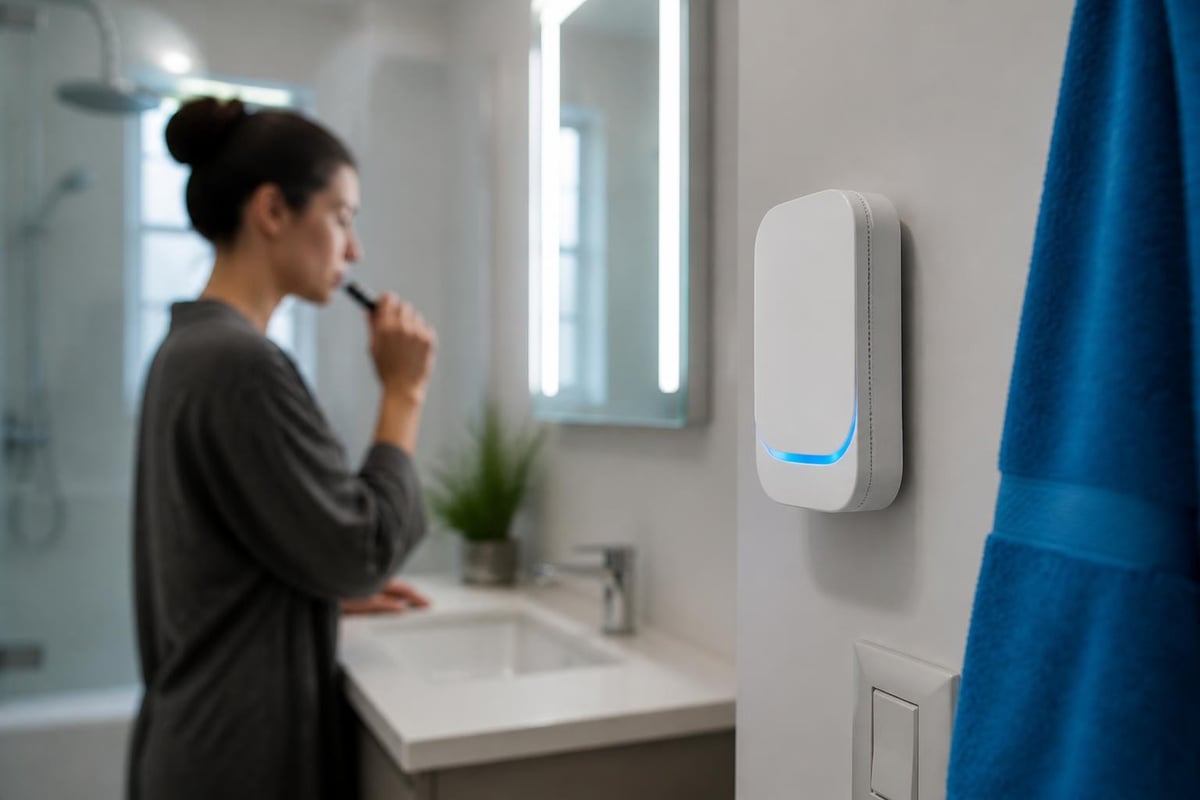
Key Components of Detection Systems
Particulate Matter Sensors
These measure airborne particles in the 0.3 to 2.5 micrometre range, the size typical of vape aerosols. The sensors can detect concentration changes within seconds of someone exhaling vapour.
VOC Detection Arrays
Volatile organic compound sensors identify the sweet, fruity, or chemical signatures present in flavoured vape liquids. These sensors are calibrated to recognise common vaping compounds whilst ignoring typical bathroom odours.
Environmental Baselines
Advanced systems establish normal environmental parameters for each installation location, adapting to seasonal variations and facility-specific patterns. This baseline learning reduces false positives significantly.
| Sensor Type | Detection Range | Response Time | Primary Function |
|---|---|---|---|
| Particulate Matter | 0.3-10 µm | 5-10 seconds | Aerosol density measurement |
| VOC Array | 0-1000 ppb | 15-30 seconds | Chemical signature identification |
| Humidity | 0-100% RH | 10-20 seconds | Environmental context |
| Temperature | -10 to 60°C | Continuous | Baseline correction |
Strategic Placement in Bathroom Facilities
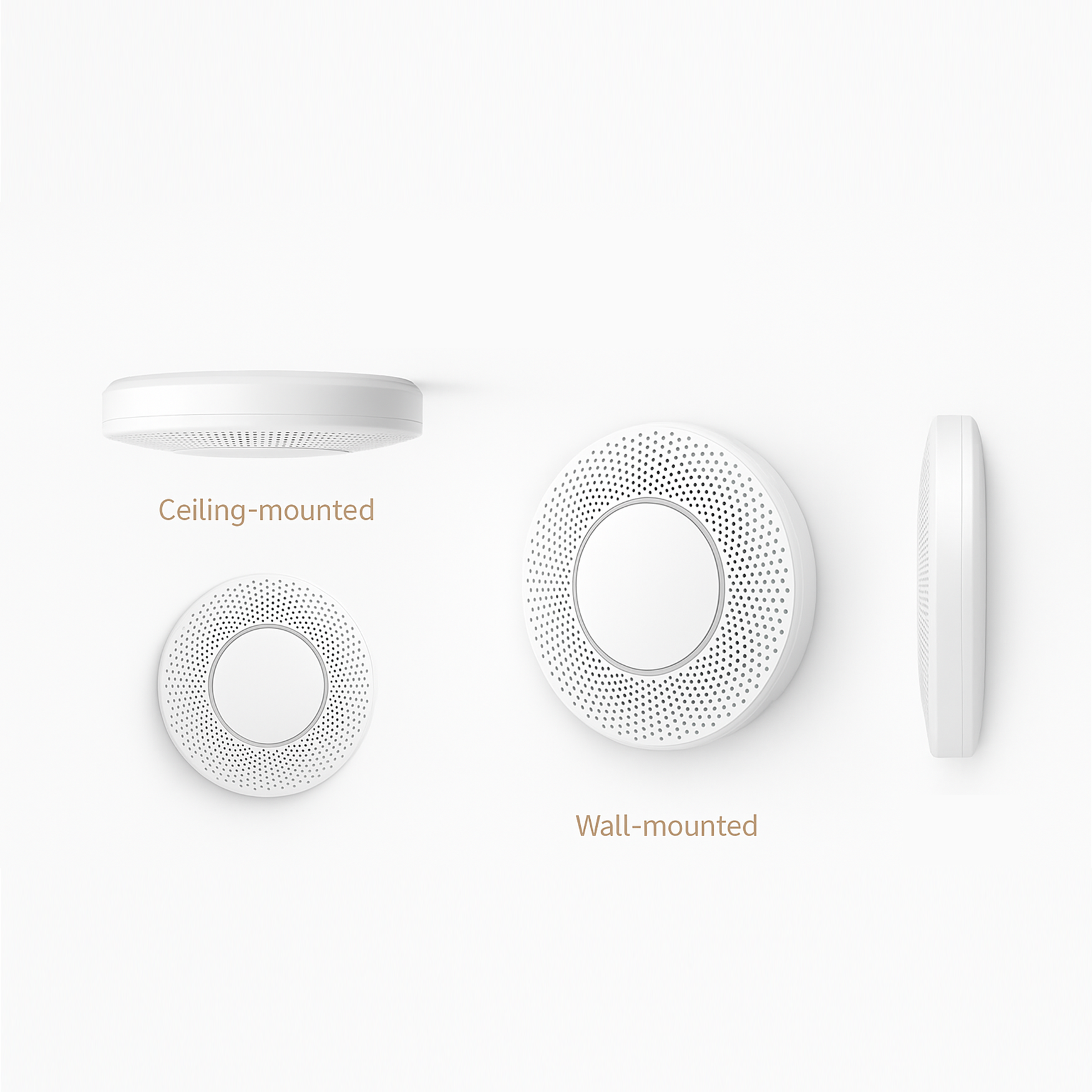
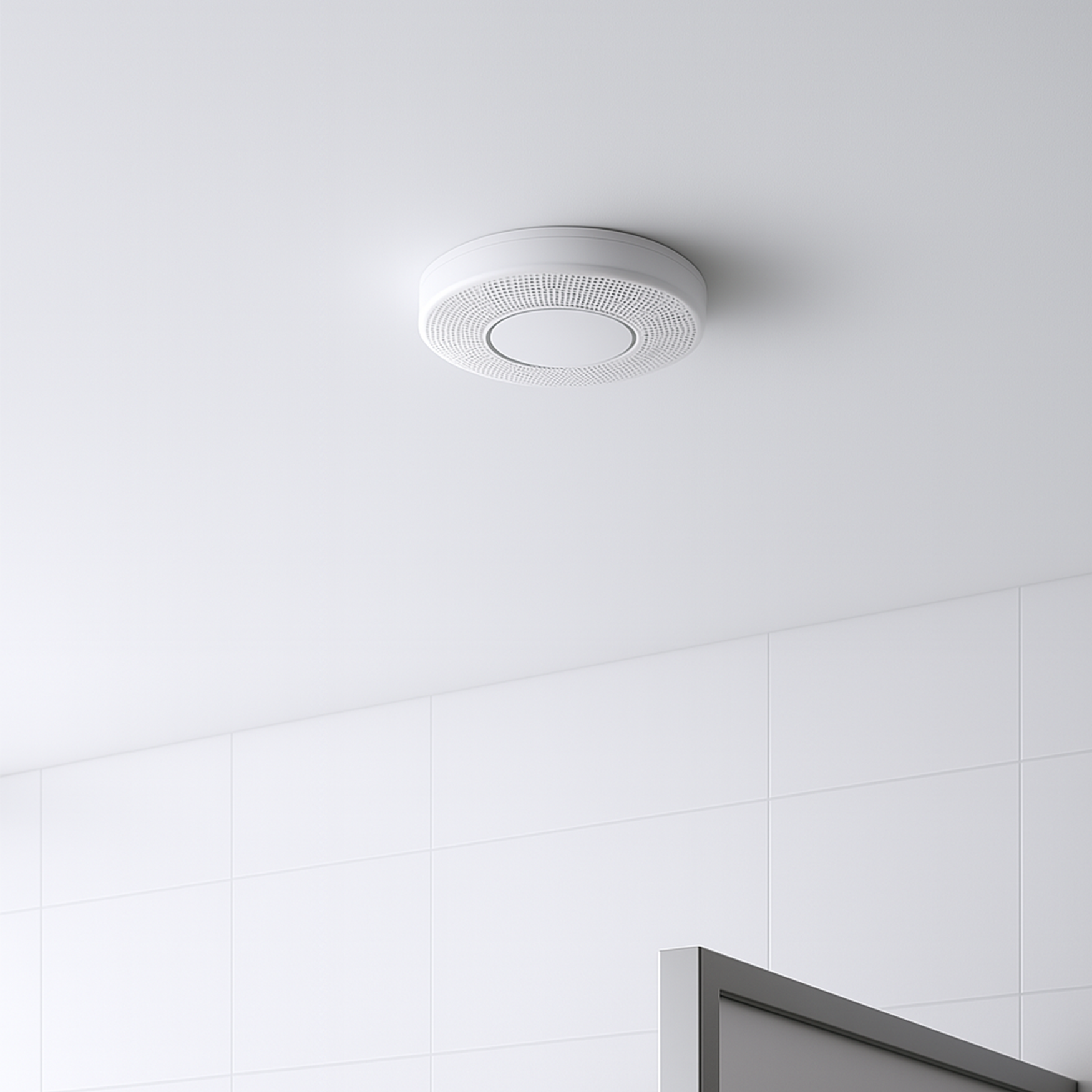
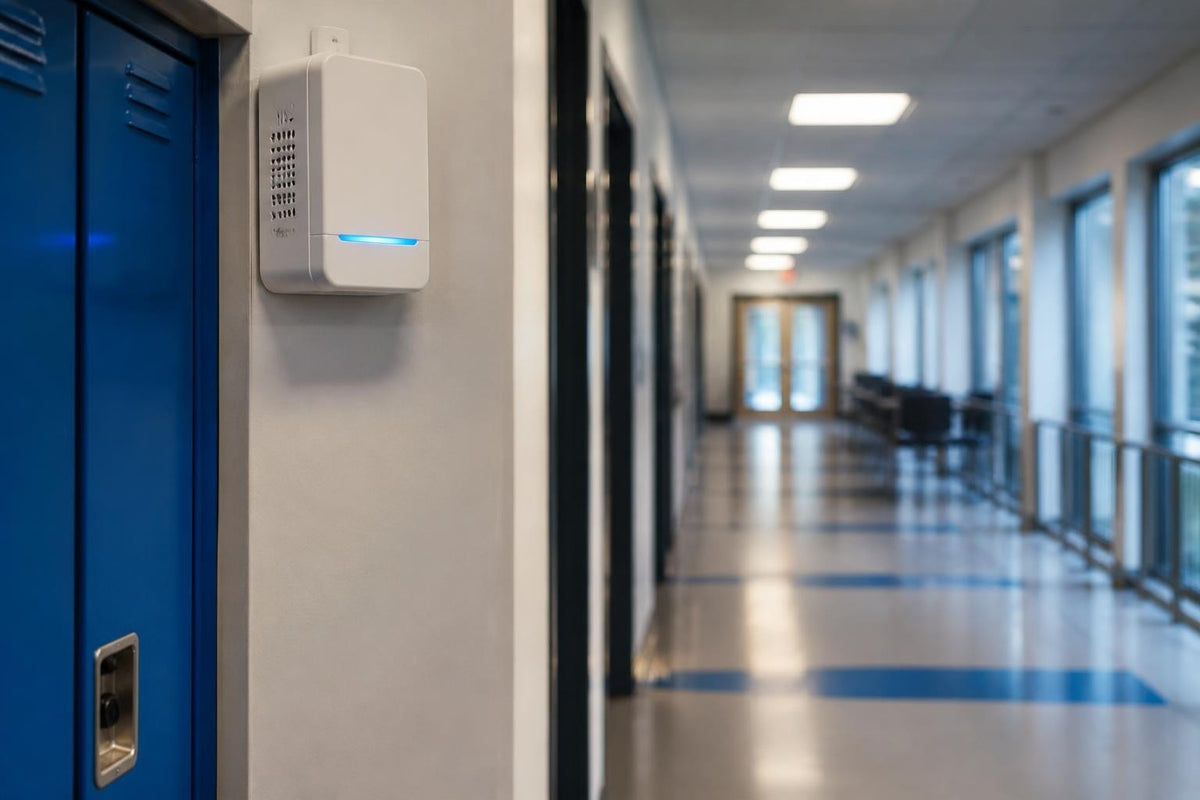
Effective deployment of vaping sensors in bathrooms requires careful consideration of airflow patterns, privacy requirements, and coverage needs. Most institutions install one sensor per bathroom facility, positioning the device on the ceiling or high on a wall to maximise air sampling whilst remaining tamper-resistant. The enclosed nature of bathrooms actually aids detection, as vapour concentrations build more rapidly than in open spaces.
Ceiling-mounted installations offer several advantages. They place sensors away from intentional interference, ensure even air sampling across the room, and avoid the humidity gradients that exist near floor level. For larger facilities with multiple stalls, central placement captures aerosols regardless of which stall is used. Field studies of multi-sensor air monitoring in school restrooms have demonstrated that a single well-positioned sensor can effectively monitor facilities serving dozens of daily users.
Ventilation systems significantly influence sensor performance and placement strategy. Bathrooms with mechanical exhaust fans experience faster aerosol dispersal, which might suggest positioning sensors near exhaust grilles to catch vapour before it's removed. However, this approach risks missing detection events if the fan activates quickly. Most experts recommend placing sensors in areas of slower air movement where vapour concentrations peak before dissipating.
Installation Best Practices
- Position sensors at least 2.5 metres above floor level to avoid tampering
- Install away from exterior doors where outdoor air might dilute readings
- Ensure sensors are not directly above urinals or toilets where humidity spikes occur
- Mount devices securely using tamper-proof fasteners
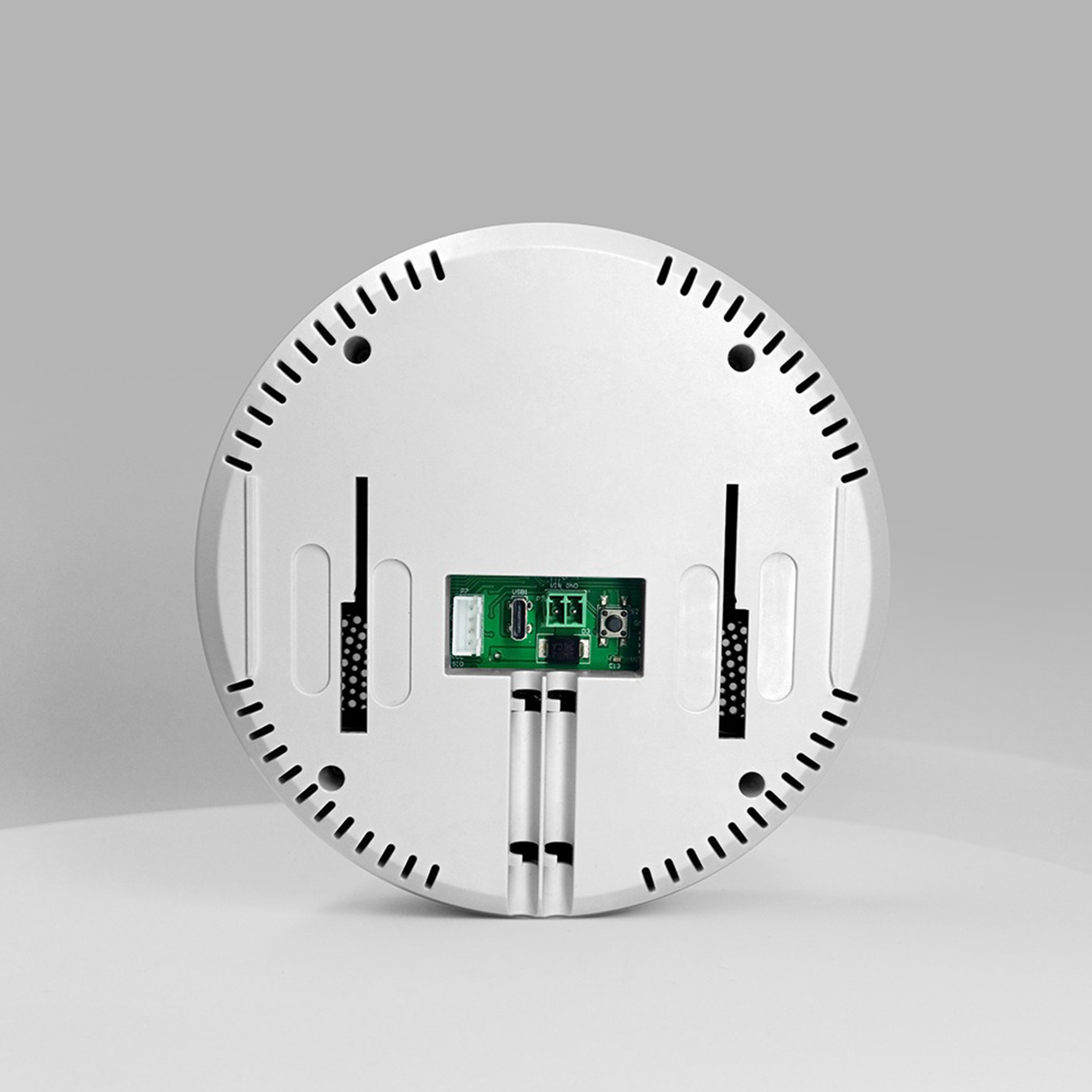
- Verify adequate wireless connectivity before finalising placement
Alert Management and Response Protocols
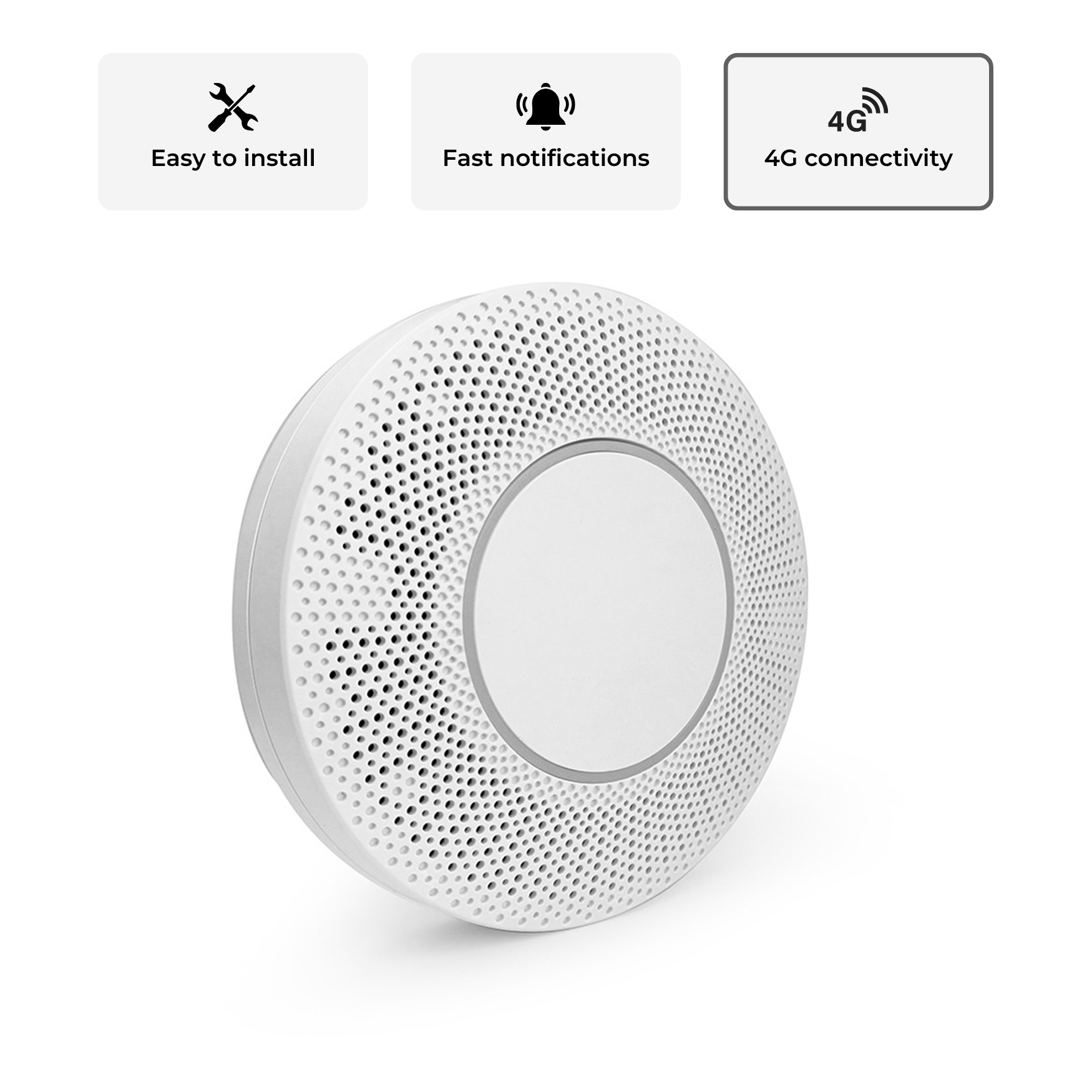
When vaping sensors in bathrooms detect an event, they typically transmit real-time alerts to designated staff members via mobile applications, email, or SMS. The speed and discretion of these notifications enable schools and offices to respond appropriately without creating disruptive confrontations. Modern systems timestamp events, record environmental data, and can even integrate with existing security or building management systems.
Response protocols should balance swift intervention with respect for privacy and due process. Many institutions adopt a tiered approach where first-time alerts prompt a general staff presence near the bathroom rather than immediate confrontation. This visible deterrent often proves sufficient whilst avoiding accusations of surveillance overreach. Understanding privacy concerns around vaping detection has become essential as these technologies proliferate across educational settings.
For schools managing vaping incidents, clear policies that incorporate sensor alerts as part of broader health and safety frameworks prove most effective. Senior leadership teams should establish procedures that treat alerts as opportunities for education and support rather than purely punitive measures. This approach aligns with contemporary understanding of nicotine addiction whilst maintaining necessary boundaries.

The Vape Detection System exemplifies modern approaches to alert management, combining immediate notifications with comprehensive data logging that helps administrators identify patterns and allocate resources effectively. Real-time detection coupled with intelligent analytics transforms reactive policing into proactive environment management.

Addressing False Positives and System Limitations
No detection technology achieves perfect accuracy, and vaping sensors in bathrooms must contend with numerous potential false positive sources. Aerosol deodorants, body sprays, hair products, and even steam from hot water can trigger sensors if thresholds are set too sensitively. Conversely, overly conservative settings might miss genuine vaping events, particularly if users exhale into clothing or bags to reduce aerosol dispersal.
Modern systems address this challenge through machine learning algorithms that analyse event signatures over time. A genuine vaping event typically shows a characteristic rise time, peak concentration, and decay pattern that differs from a quick spray of deodorant. By examining these temporal patterns alongside chemical signatures, advanced sensors achieve detection rates exceeding 95% whilst maintaining false positive rates below 5%.
Common False Positive Triggers
- Aerosol personal care products (hairspray, deodorant)
- Cleaning chemicals used during maintenance
- Steam from very hot water or showers
- Outdoor air intrusion carrying pollution or smoke
- Sensor contamination from dust or cleaning products
Environmental factors also influence performance. Humidity extremes can affect sensor calibration, whilst temperature variations change how quickly aerosols disperse. ASHRAE guidance on ventilation and contaminant removal provides essential context for understanding how building systems influence aerosol behaviour and sensor readings. Regular calibration and maintenance ensure sensors adapt to seasonal changes and maintain reliable performance throughout their operational life.
Integration with Broader Air Quality Monitoring
Vaping sensors in bathrooms increasingly form part of comprehensive indoor air quality (IAQ) monitoring programmes rather than standalone security measures. This integrated approach provides valuable data on ventilation effectiveness, identifies potential mould or humidity problems, and ensures facilities meet health and safety standards. By monitoring carbon dioxide, particulates, and VOCs continuously, institutions gain insights into overall environmental quality whilst maintaining vaping detection capabilities.
The shift towards IAQ integration reflects growing recognition that indoor air quality affects cognitive performance, health outcomes, and general wellbeing. Schools implementing comprehensive monitoring often discover ventilation inadequacies, cleaning product issues, or other air quality challenges alongside vaping incidents. This broader perspective helps justify the investment in sensor technology beyond purely disciplinary applications.
| Monitoring Parameter | Health Relevance | Vaping Detection Role |
|---|---|---|
| PM2.5/PM10 | Respiratory health | Primary vaping indicator |
| CO₂ levels | Ventilation adequacy | Occupancy correlation |
| Total VOCs | Chemical exposure | Vaping liquid signatures |
| Humidity | Mould risk | Detection context |
| Temperature | Thermal comfort | Baseline calibration |
ASHRAE position documents on indoor air quality emphasise that effective IAQ management requires continuous monitoring, appropriate ventilation rates, and source control measures. Vaping sensors contribute to all three elements, detecting a significant indoor pollutant source whilst providing data that informs ventilation system operation.
Policy Considerations and Ethical Frameworks
Deploying vaping sensors in bathrooms raises legitimate questions about privacy, surveillance, and the appropriate balance between monitoring and trust. Educational institutions particularly must navigate these concerns carefully, engaging students, parents, and staff in discussions about why detection technology serves broader health and safety objectives. Transparency about what sensors detect, how data is used, and who receives alerts builds trust and acceptance.
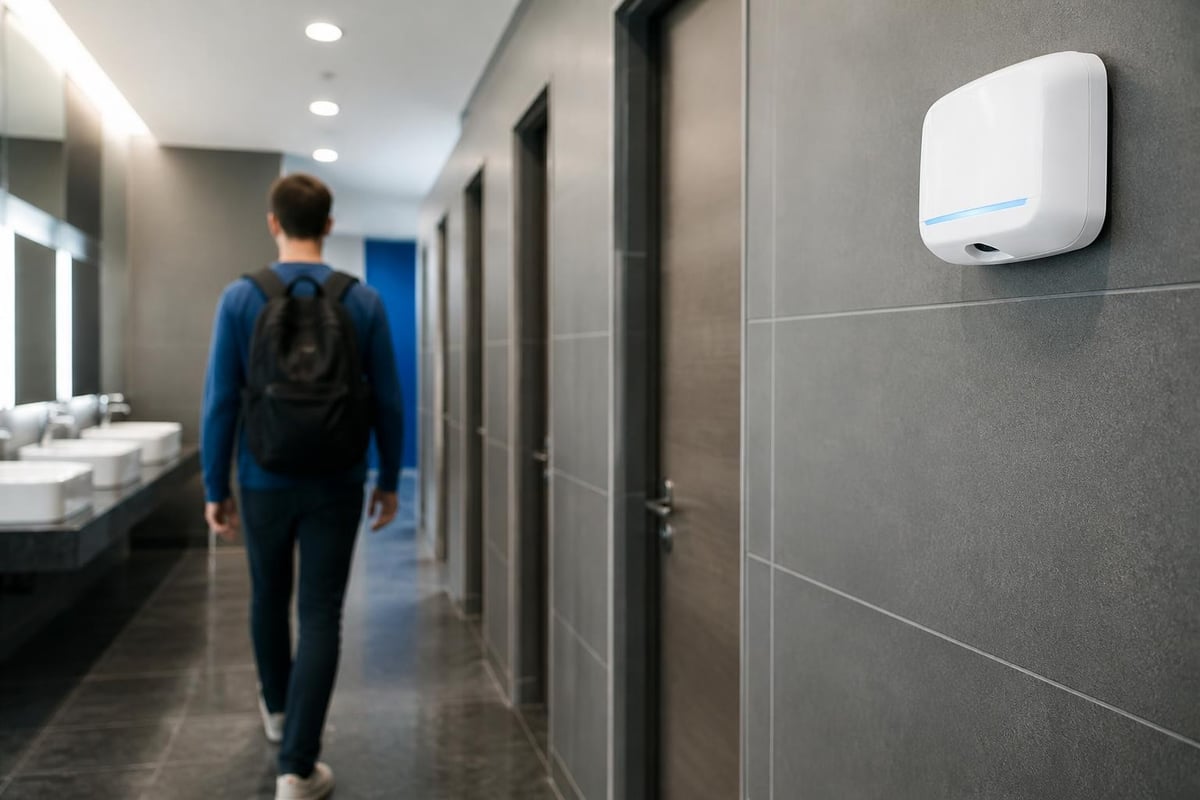
Guidance from education authorities typically recommends that schools clearly communicate detection capabilities, ensure sensors do not record audio or video, limit data access to essential personnel, and incorporate alerts into supportive intervention frameworks rather than purely punitive systems. These principles apply equally to workplace installations, where employee privacy rights demand careful consideration.
Some critics argue that technological solutions avoid addressing root causes of youth vaping or workplace policy violations. Whilst sensors alone cannot solve cultural or behavioural challenges, they provide objective data that helps institutions understand problem scale and intervention effectiveness. State toolkits examining vape detector implementation acknowledge both benefits and limitations, recommending sensors as one component of comprehensive programmes that include education, support services, and clear policies.
Implementing Ethical Detection Programmes
Transparency Requirements
Clearly post signage indicating that bathrooms have air quality monitoring. Specify that sensors detect vapour and chemicals but not sound or images.
Data Protection Measures
Limit alert access to essential staff only. Avoid storing personally identifiable information. Regularly purge historical data beyond what's needed for pattern analysis.
Educational Integration
Use detection events as opportunities for health education rather than immediate punishment. Connect students with cessation resources and support.
Regular Review
Periodically assess whether detection technology achieves intended outcomes and adjust policies based on effectiveness data.
Practical Implementation Challenges
Institutions considering vaping sensors in bathrooms often encounter practical hurdles beyond technology selection and placement. Budget constraints, wireless connectivity limitations, maintenance requirements, and staff training all influence implementation success. Schools particularly may struggle with funding priorities that pit detection technology against direct educational resources.
Wireless connectivity deserves special attention, as many bathroom locations have challenging signal conditions due to concrete construction, metal fixtures, and distance from access points. Sensors require reliable connectivity to transmit real-time alerts, making pre-installation site surveys essential. Some systems offer cellular backup options that ensure functionality even if Wi-Fi proves unreliable.
Maintenance protocols should include regular sensor inspection, filter cleaning where applicable, calibration verification, and battery replacement for backup power systems. Many institutions assign these tasks to facilities teams already responsible for bathroom maintenance, ensuring sensors receive attention during routine checks. Manufacturer support and local service availability also factor into total cost of ownership calculations.
Staff training extends beyond technical installation to encompass alert interpretation, response protocols, and student interaction procedures. Resources for headteachers emphasise that effective implementation requires school-wide understanding of detection systems, not just administrator knowledge. Teachers, support staff, and even students benefit from education about why monitoring exists and how it protects community health.
Evidence Base and Effectiveness Research
Academic research into vaping sensor effectiveness continues to evolve as technologies mature and deployment becomes more widespread. Early studies focused primarily on technical detection capabilities, establishing that sensors could reliably identify vaping events under laboratory conditions. More recent field research examines real-world performance, user behaviour changes, and overall impact on vaping rates within monitored facilities.
Evidence suggests that visible detection technology creates deterrent effects even beyond technical capabilities. Students aware that bathrooms have vaping sensors report reduced willingness to vape at school, regardless of whether they understand exactly how detection works. This psychological deterrent complements direct detection, creating layered protection against policy violations.
Longitudinal studies tracking vaping incident rates before and after sensor installation generally show initial sharp declines followed by stabilisation at lower rates than pre-installation baselines. Some facilities report displacement effects where vaping moves from bathrooms to other locations, highlighting that sensors work best as part of comprehensive approaches addressing all potential vaping locations.
Alternative and Complementary Approaches
Whilst vaping sensors in bathrooms provide technological solutions, institutions should consider complementary strategies that address behavioural, educational, and environmental factors. Enhanced supervision, improved ventilation, health education programmes, and supportive intervention frameworks all contribute to reducing vaping incidents. The most effective approaches combine technology with human engagement and policy clarity.
Environmental design modifications can reduce bathroom vaping opportunities without sensor technology. Removing doors from stall areas (whilst maintaining privacy screens), improving lighting, and increasing natural sightlines all create environments less conducive to concealed vaping. However, these architectural changes may prove impractical in existing facilities or raise their own privacy concerns.
Educational programmes that help young people understand vaping health risks, nicotine addiction mechanisms, and industry marketing tactics complement detection technology by addressing motivation rather than just opportunity. Understanding disposable vape regulations provides context for broader policy environments that shape youth attitudes and access.
Comprehensive Prevention Strategies
- Education programmes: Age-appropriate health curriculum addressing vaping risks
- Peer support: Student-led initiatives that create anti-vaping culture
- Cessation resources: Accessible support for those seeking to quit
- Policy clarity: Clear, consistently enforced rules with graduated consequences
- Technology integration: Sensors as one tool within broader strategy
- Environmental modification: Design changes reducing concealment opportunities
- Family engagement: Parent education and home-school communication
Future Developments in Detection Technology
The next generation of vaping sensors in bathrooms will likely incorporate artificial intelligence for improved pattern recognition, expanded chemical libraries for broader substance detection, and integration with building automation systems for optimised ventilation response. Some manufacturers are developing sensors that can distinguish between different vaping product types, potentially identifying THC vaping versus nicotine e-cigarettes based on aerosol composition.
Enhanced connectivity through Internet of Things (IoT) platforms will enable sensors to communicate with other building systems, adjusting ventilation rates automatically when vaping is detected or coordinating with access control systems to provide additional context about facility usage patterns. Privacy-preserving analytics will allow institutions to understand trends without compromising individual privacy, using aggregated data to inform policy decisions.
Miniaturisation and improved power efficiency will make sensors less obtrusive and easier to install in retrofit applications. Solar-powered or energy-harvesting sensors may eliminate wiring requirements entirely, whilst improved battery technology extends operational life between maintenance intervals. These advances will reduce total cost of ownership and expand viable installation locations beyond traditional bathroom settings.
Vaping sensors in bathrooms represent a practical, evidence-based approach to detecting and deterring e-cigarette use in schools, offices, and public facilities where supervision proves challenging. By combining sophisticated detection technology with thoughtful implementation, clear policies, and supportive interventions, institutions can create healthier environments whilst respecting privacy and dignity. Vape Guardian offers advanced detection solutions designed specifically for UK environments, providing reliable monitoring, real-time alerts, and comprehensive support to help your organisation address vaping challenges effectively and maintain the safe, healthy spaces your community deserves.


Share:
Vaping Detector for Home: Protection & Peace of Mind
Vape Smoke Alarm: Detection, Triggers & Prevention Guide