
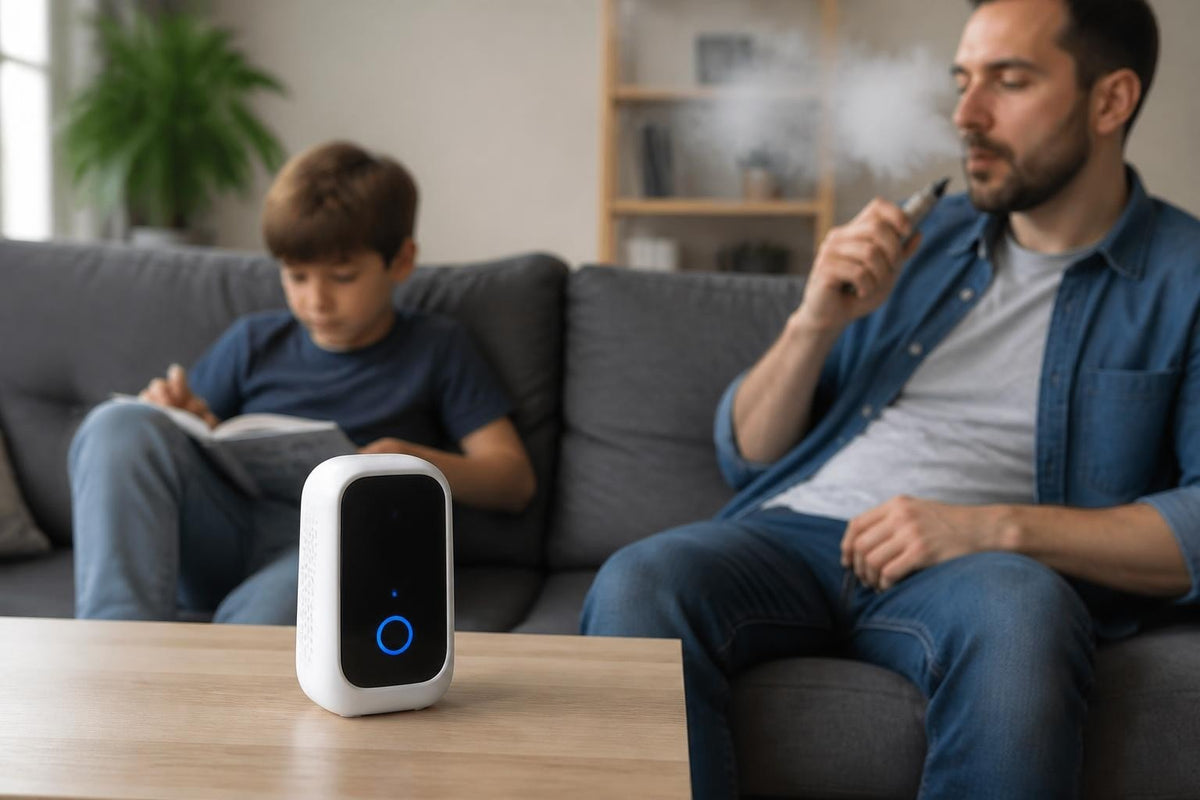
The rise of vaping has brought new challenges to maintaining healthy indoor environments, particularly in residential settings where families seek safe, clean air. While many homeowners focus on traditional smoke detection, vaping presents a unique set of concerns that require specialised monitoring solutions. A vaping detector for home use offers parents, landlords, and property managers the ability to monitor air quality, detect vaping incidents, and maintain smoke free policies within their living spaces. Understanding how these detection systems work and why they matter is essential for anyone concerned about indoor air quality and family wellbeing.
Understanding the Need for Home Vaping Detection
Modern electronic cigarettes produce aerosols that contain numerous chemicals and particulates, many of which can linger in indoor environments long after the vaping occurs. Unlike traditional cigarette smoke, vaping aerosols are often odourless or carry pleasant scents that mask their presence, making detection without proper equipment nearly impossible.
The health implications of secondhand exposure to vaping aerosols extend beyond immediate respiratory concerns. According to the World Health Organization's research on e-cigarettes, aerosols from electronic nicotine delivery systems contain harmful substances that pose risks to bystanders. These particulates settle on surfaces, become absorbed into fabrics, and can be re released into the air over time, creating persistent exposure risks.
Why Traditional Smoke Detectors Fall Short
Standard smoke alarms respond to different triggers than vaping aerosols:
- Conventional detectors use ionisation or photoelectric sensors designed for combustion particles
- Vaping produces water vapour and fine particulates that bypass traditional detection thresholds
- E-cigarette aerosols disperse quickly without triggering smoke alarm sensitivity levels
- Many devices contain optical sensors calibrated for burning materials rather than vaporised liquids
A vaping detector for home environments uses advanced sensor technology specifically calibrated to identify the unique chemical signatures and particulate patterns produced by electronic cigarettes. This targeted approach ensures accurate detection whilst minimising false alarms from cooking, steam, or other household activities.
Key Features of Residential Vaping Detection Systems
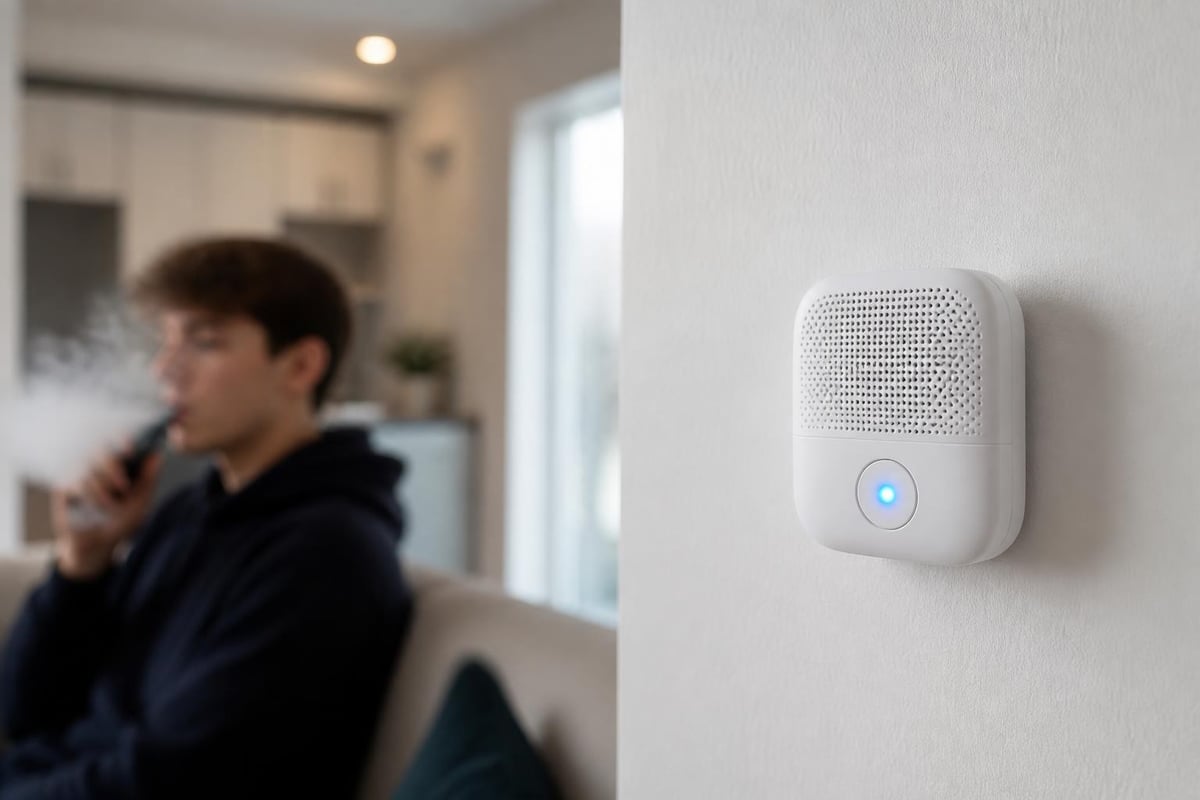
Selecting the right vaping detector for home installation requires understanding the core capabilities that distinguish effective systems from basic air quality monitors. Modern detection technology has evolved significantly, offering homeowners sophisticated yet user friendly solutions.
| Feature | Benefit | Application |
|---|---|---|
| Multi-sensor array | Detects multiple indicators simultaneously | Reduces false positives, increases accuracy |
| Real-time alerts | Immediate notification via smartphone | Enables prompt intervention |
| Air quality monitoring | Tracks particulate matter and VOCs | Provides comprehensive environmental data |
| Tamper detection | Identifies attempts to disable sensors | Maintains system integrity |
| Data logging | Records detection events with timestamps | Creates accountability and pattern analysis |
Advanced Sensor Technology
The most effective systems employ combinations of particulate sensors, chemical detectors, and environmental monitors. These integrated solutions can distinguish between vaping aerosols and ordinary household activities by analysing multiple data points simultaneously.
Particulate matter sensors measure the size and concentration of airborne particles, whilst volatile organic compound (VOC) detectors identify the chemical signatures present in e-liquid vapours. When these readings occur together in specific patterns, the system triggers an alert indicating vaping activity.
Temperature and humidity sensors add another layer of accuracy. Vaping often creates localised changes in these environmental factors that, combined with particulate and chemical readings, confirm detection events with high confidence levels.
Installation Considerations for Home Environments
Proper placement of a vaping detector for home use significantly impacts detection effectiveness. Unlike smoke alarms that follow standardised positioning requirements, vaping detectors benefit from strategic placement based on usage patterns and room configurations.
Optimal Location Selection
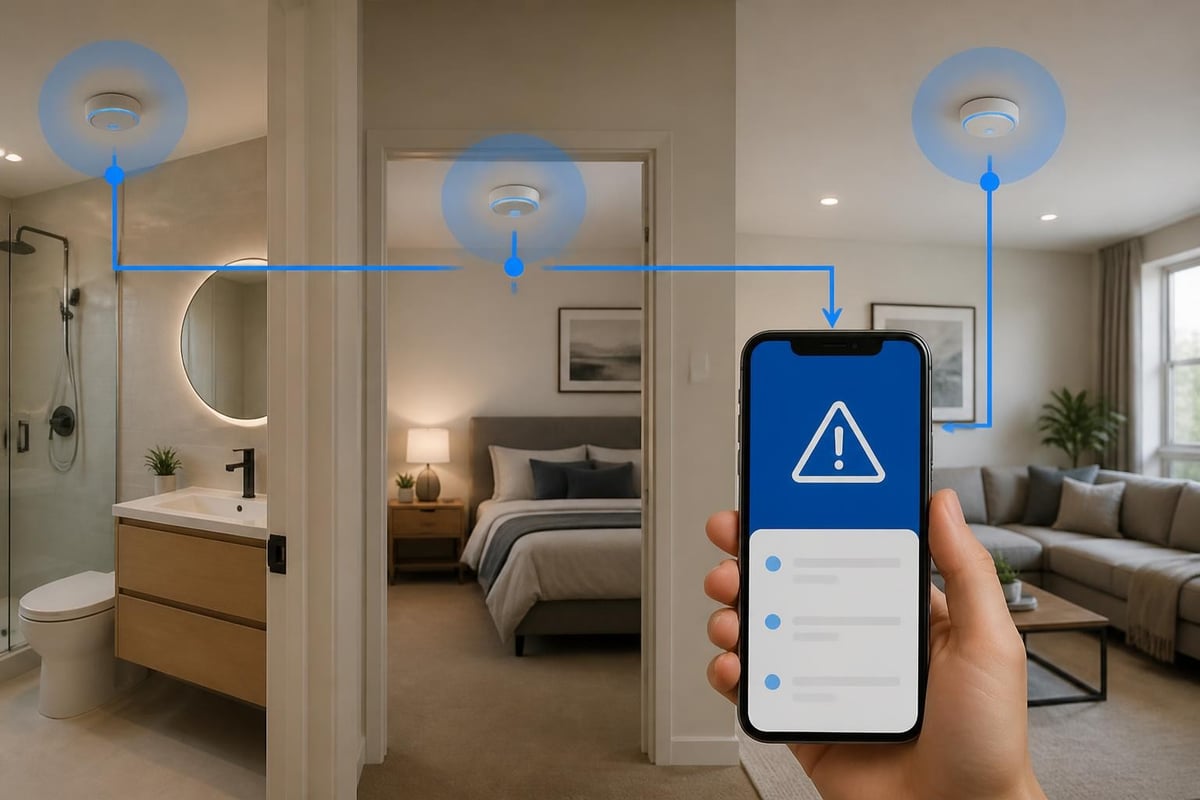
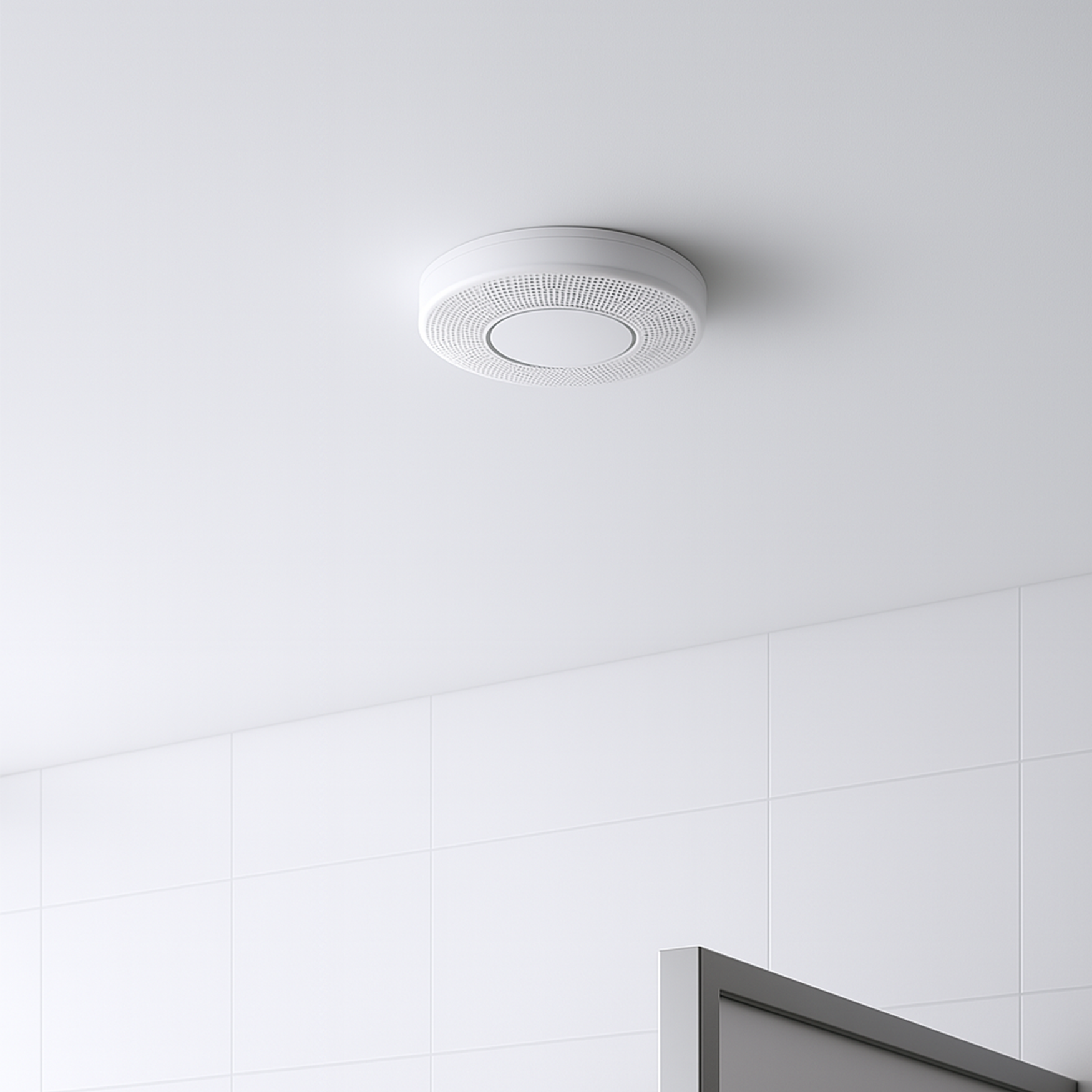
High traffic areas where individuals might attempt discreet vaping provide ideal monitoring points. Bathrooms, bedrooms, and enclosed spaces where air circulation is limited tend to concentrate vaping aerosols, making detection easier and more reliable.
Recommended installation locations include:
- Ensuite bathrooms and powder rooms
- Teenage bedrooms and study areas
- Basement recreation spaces
- Garages and workshop areas
- Guest rooms and rental properties
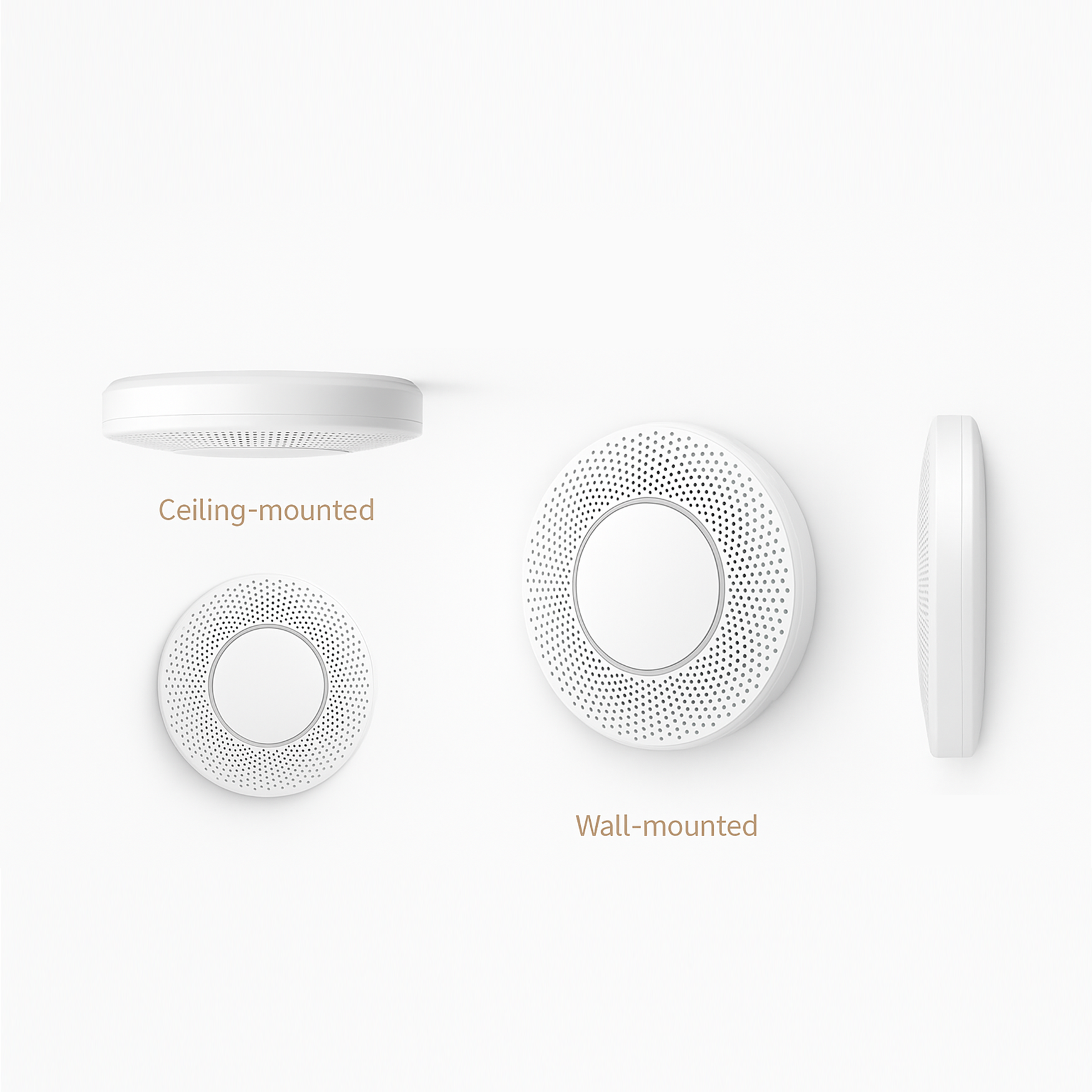
Ceiling mounted installations generally provide the best coverage, as vaping aerosols rise and disperse throughout the upper portions of rooms. However, wall mounted units positioned at breathing height can detect aerosols more quickly in some configurations, particularly in rooms with high ceilings or strong ventilation.
Connectivity and Integration
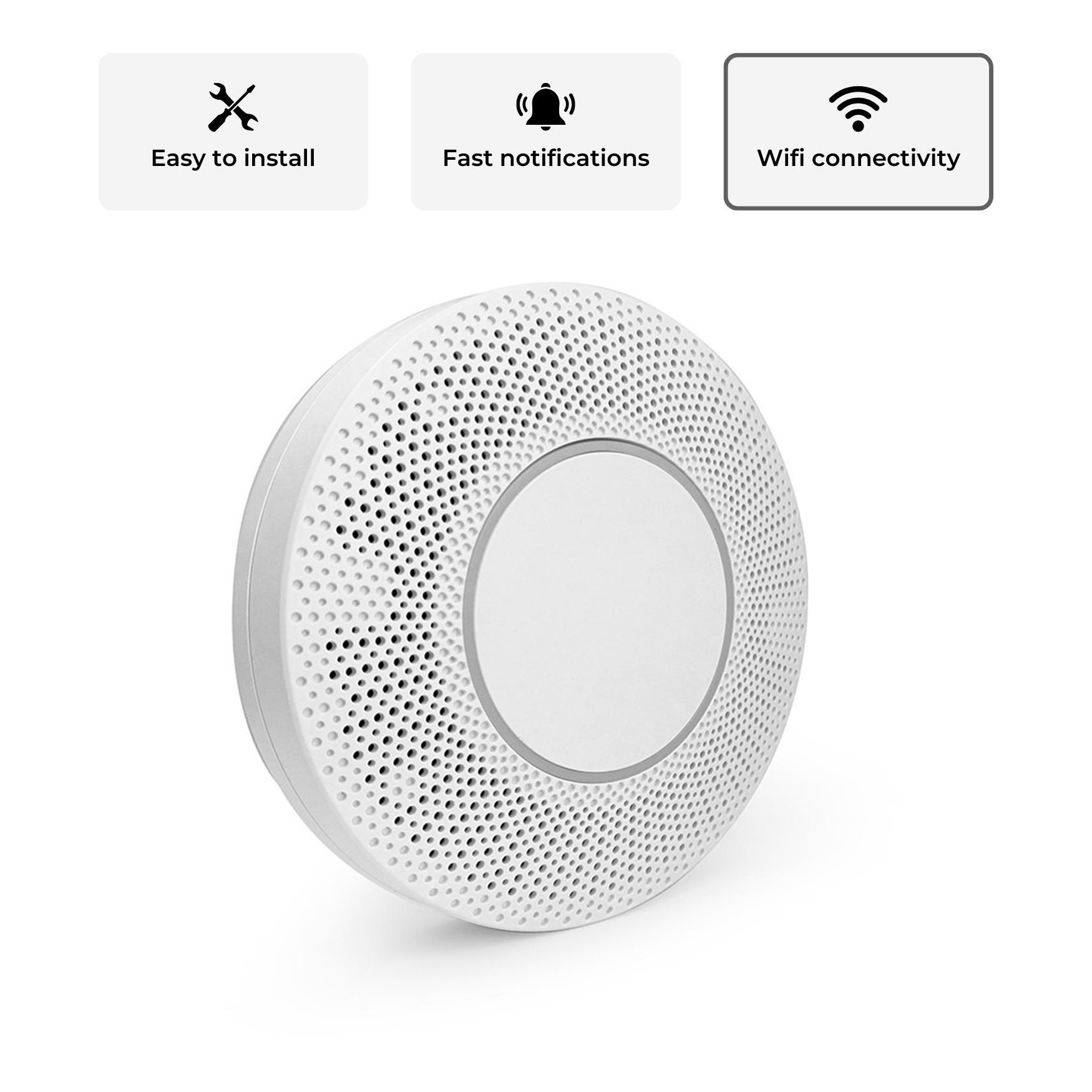
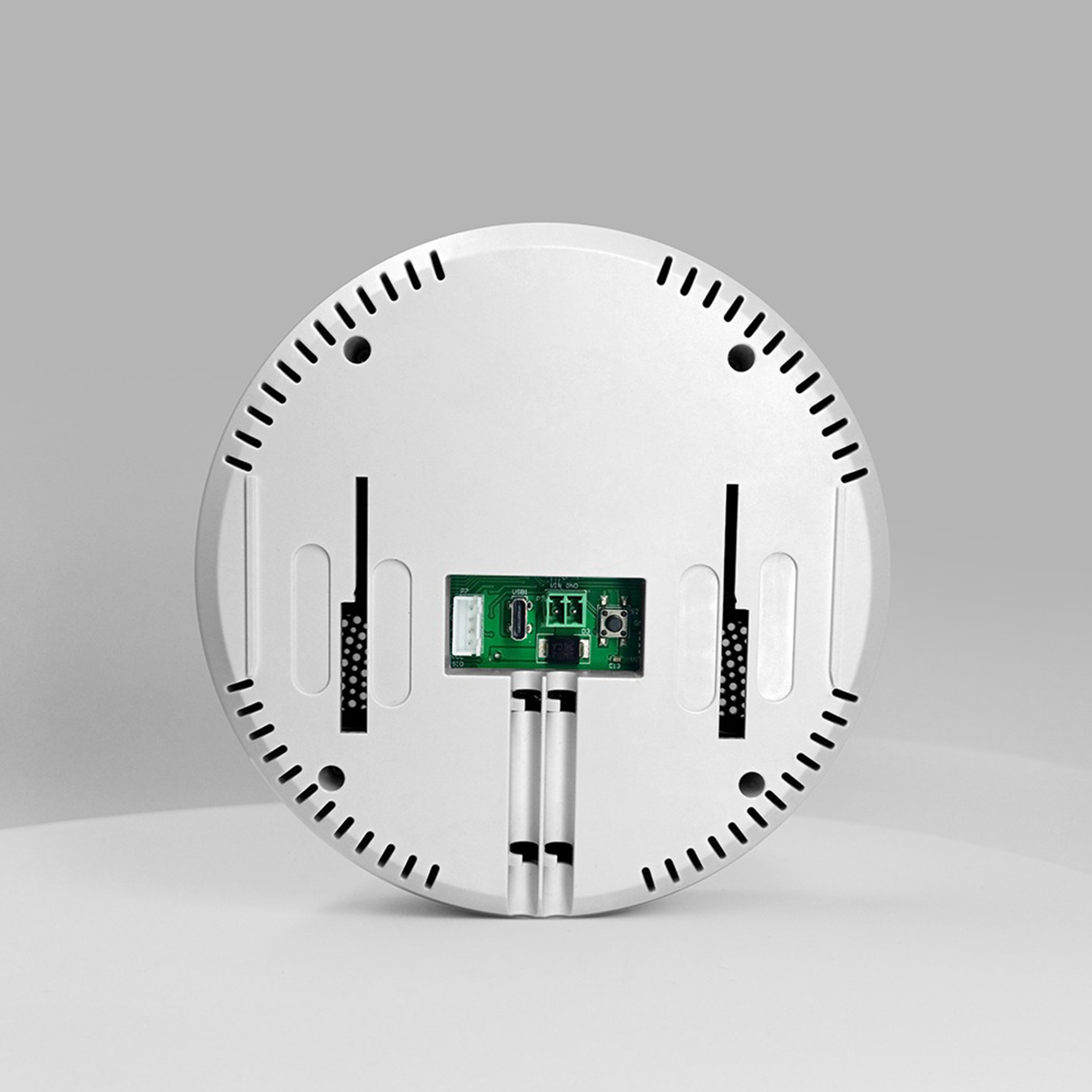
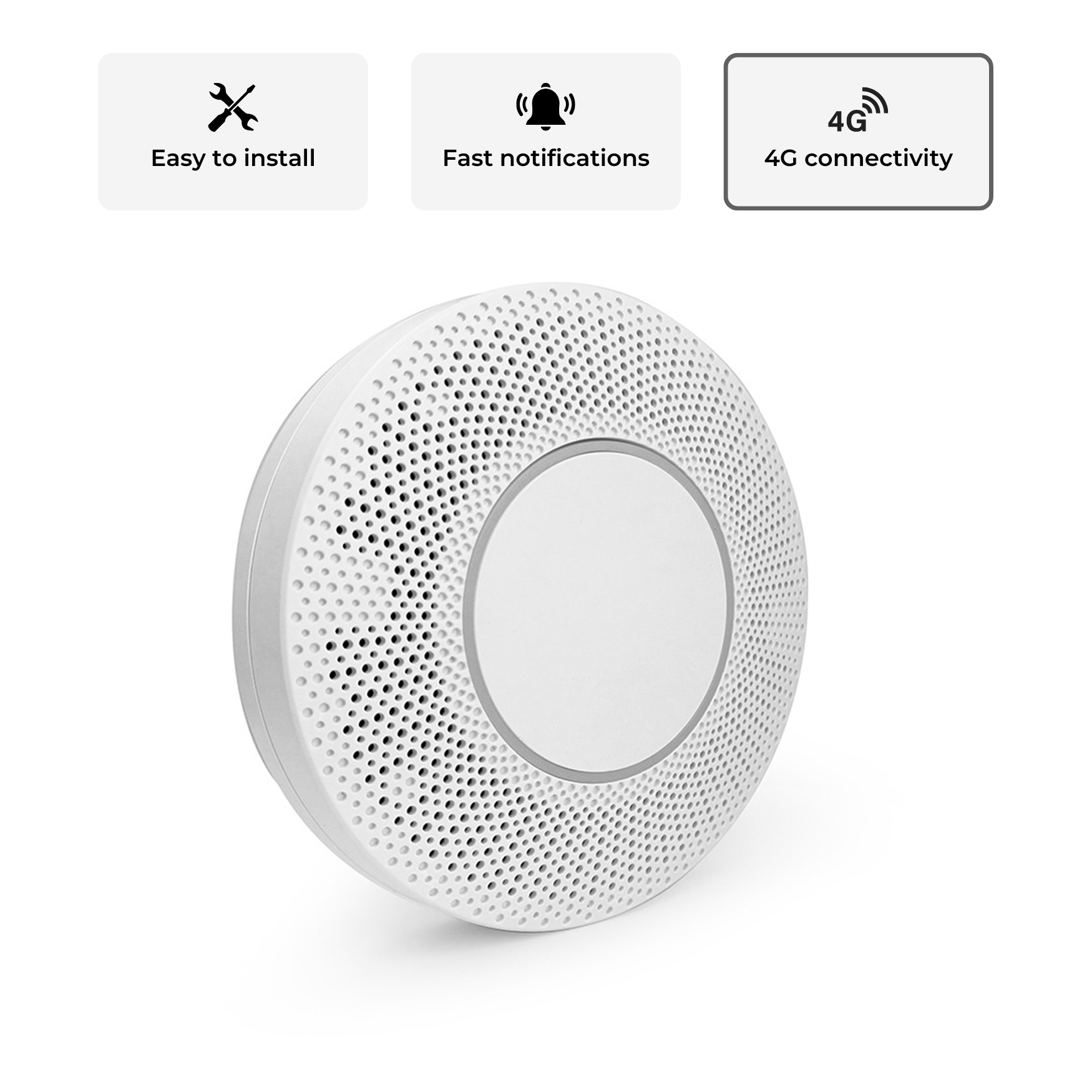
Modern vaping detection systems offer various connectivity options to suit different home networks and user preferences. WiFi enabled devices integrate seamlessly with existing smart home systems, whilst 4G equipped units provide reliable monitoring even in locations with limited internet access.
The Vape Detection System represents a comprehensive approach to monitoring, combining hardware sensors with cloud based software platforms that deliver real time alerts and detailed analytics. These integrated solutions enable homeowners to monitor multiple locations simultaneously through a single dashboard interface.

Health and Safety Benefits for Families
Installing a vaping detector for home protection extends beyond simple rule enforcement. These systems contribute to healthier indoor environments by providing objective data about air quality and exposure risks that might otherwise go unnoticed.
Protecting Vulnerable Household Members
Children, elderly relatives, and individuals with respiratory conditions face heightened risks from secondhand exposure to vaping aerosols. The EPA guidance on electronic cigarette aerosols highlights how indoor air quality deteriorates when e-cigarettes are used in enclosed spaces, emphasising the importance of monitoring and mitigation.
Immediate health protection includes:
- Reduced exposure to nicotine and harmful chemicals
- Lower particulate matter concentrations in breathing zones
- Decreased surface contamination on furniture and belongings
- Improved overall indoor air quality metrics
- Enhanced respiratory health for all occupants
Detection systems enable proactive ventilation and cleaning responses when vaping occurs, minimising the duration and intensity of exposure for everyone in the household. Real time alerts allow immediate action, such as increasing air circulation or relocating vulnerable family members until air quality normalises.
Supporting Teen Health and Accountability
For parents concerned about adolescent vaping, detection technology provides objective evidence rather than confrontational searching or accusations. This approach maintains trust whilst establishing clear boundaries and consequences for breaking household rules.
Data from detection systems can facilitate constructive conversations about vaping risks, peer pressure, and healthier decision making. Rather than punitive measures alone, the technology supports educational interventions backed by concrete information about behaviour patterns and frequency.
Privacy, Legal, and Ethical Considerations
Implementing a vaping detector for home monitoring raises important questions about privacy expectations, particularly when minors or tenants are involved. Balancing safety objectives with individual rights requires thoughtful policies and transparent communication.
Residential Privacy Standards
Homeowners possess broad authority to monitor their properties, but best practices suggest informing all residents about detection systems before installation. Clear communication about monitoring locations, alert procedures, and consequences establishes fair expectations.
Establishing monitoring policies involves:
- Documenting detection system locations and capabilities
- Explaining alert notification procedures
- Defining response protocols for different violation scenarios
- Creating age appropriate conversations with children
- Reviewing policies periodically as circumstances change
For rental properties, landlords should consult local regulations regarding monitoring technology and tenant notification requirements. Some jurisdictions require explicit lease provisions addressing surveillance equipment, even when focused solely on smoke free policy enforcement.
Data Security and Access Controls
Detection systems that collect and transmit data require robust security measures to protect household information. Encrypted communications, secure cloud storage, and restricted access credentials prevent unauthorised individuals from viewing monitoring data or receiving alerts.
Parents should consider which household members receive notifications and what access levels different users require. Some systems allow tiered permissions, enabling parents to receive full data whilst other adults might receive only critical alerts.
Choosing the Right System for Your Home
The market offers numerous vaping detection options ranging from basic single sensor units to comprehensive air quality monitoring platforms. Evaluating your specific needs, budget constraints, and technical capabilities helps narrow the selection to systems that deliver appropriate functionality.
System Comparison Criteria
| Criteria | Entry Level | Mid Range | Premium |
|---|---|---|---|
| Detection accuracy | Single sensor, higher false positives | Dual sensors, improved accuracy | Multi-sensor array, exceptional precision |
| Connectivity | WiFi only | WiFi with backup options | WiFi, 4G, multiple protocols |
| Alert options | Email notifications | Email, SMS, app push | Full suite plus voice calls |
| Coverage area | Single room | Multiple rooms | Whole property |
| Data analytics | Basic event logs | Historical trends | Comprehensive reporting |
| Price range | £100-£200 | £200-£400 | £400+ per unit |
Budget considerations should account for:
- Initial hardware purchase costs
- Ongoing subscription fees for cloud services
- Installation expenses if professional setup is required
- Replacement sensor modules and maintenance
- Expansion costs for additional coverage areas
Vape Guardian's solutions, detailed at their main website, demonstrate how professional grade detection technology has become accessible for residential applications, offering the same reliability found in educational and commercial settings.
Technical Requirements and Setup
Most modern vaping detectors for home use feature simplified installation processes designed for non technical users. However, understanding basic requirements ensures smooth deployment and optimal performance.
Pre-installation preparation includes:
- Verifying WiFi signal strength in installation locations
- Confirming mobile device compatibility with monitoring apps
- Creating user accounts and configuring notification preferences
- Testing alert delivery across different communication channels
- Establishing baseline air quality readings before active monitoring
Systems with professional installation options provide added assurance that sensors are positioned correctly and calibrated properly. This service particularly benefits homeowners unfamiliar with smart home technology or those installing multiple units across large properties.

Maintenance and Long Term Performance
Sustaining effective detection requires regular maintenance and periodic system reviews. Like any monitoring technology, vaping detectors for home use need attention to maintain accuracy and reliability over time.
Routine Maintenance Schedule
Monthly tasks include:
- Verifying alert delivery functionality
- Checking battery levels and power connections
- Reviewing recent detection logs for patterns
- Testing sensor responsiveness with aerosol test equipment
- Updating firmware when new versions release
Quarterly activities involve:
- Deep cleaning sensor housings to remove accumulated dust
- Calibrating sensors according to manufacturer specifications
- Reviewing coverage adequacy as household layouts change
- Assessing whether additional units would improve monitoring
- Updating user access permissions and notification settings
Sensor modules typically require replacement every 12 to 24 months depending on environmental conditions and usage intensity. Manufacturers provide replacement schedules and indicators when sensor performance degrades below acceptable thresholds.
Real World Applications and Success Stories
Understanding how other homeowners implement vaping detection technology provides practical insights for those considering similar systems. Whilst specific circumstances vary, common patterns emerge across different household types.
Multi Generational Households
Families with elderly relatives or grandparents living in the home find vaping detectors particularly valuable for monitoring caregiver behaviour and ensuring smoke free environments for vulnerable residents. Detection systems provide peace of mind when family members cannot personally supervise all areas constantly.
Rental Property Management
Landlords enforcing smoke free lease provisions use detection technology to verify compliance without intrusive inspections. Objective data from monitoring systems supports lease enforcement whilst respecting tenant privacy in their living spaces.
Blended Family Situations
Households with teenagers from different families benefit from consistent, impartial monitoring that treats all young people equally. Detection systems remove potential accusations of favouritism whilst maintaining uniform standards across the entire household.
For educational contexts, resources like those found on Vape Guardian's education hub offer insights into comprehensive approaches that combine detection technology with educational programmes.
Integration with Broader Home Safety Systems
A vaping detector for home installation works most effectively when integrated into comprehensive safety and monitoring ecosystems. Modern smart home platforms enable coordination between various sensors and response systems.
Smart Home Compatibility
Leading detection systems offer compatibility with major smart home platforms, allowing vaping alerts to trigger automated responses such as activating ventilation fans, adjusting air purifier settings, or logging incidents in centralised home management applications.
Integration possibilities include:
- Linking to HVAC systems for automatic air exchange
- Coordinating with air purifiers for enhanced filtration
- Recording events in home security system logs
- Triggering indoor camera recordings in monitored areas
- Sending alerts to multiple family member devices simultaneously
This interconnected approach creates layered protection that responds automatically to detection events whilst maintaining records for subsequent review and discussion.
Emergency Response Protocols
Whilst vaping detection primarily addresses health and policy compliance, systems can contribute to emergency preparedness by monitoring air quality indicators associated with other hazards. Sudden spikes in particulate matter or VOC levels might indicate problems beyond vaping that require immediate attention.
Establishing clear response protocols ensures everyone understands appropriate actions when alerts occur. Different alert types might trigger varied responses, from simple ventilation increases to direct conversations with the individuals involved.
Future Developments in Home Vaping Detection
Technology continues advancing rapidly, with next generation vaping detectors for home use incorporating artificial intelligence, improved sensor accuracy, and expanded monitoring capabilities. Understanding emerging trends helps homeowners make informed decisions about system investments.
Artificial Intelligence and Machine Learning
Future systems will employ AI algorithms that learn household patterns, distinguish between residents, and provide predictive analytics about likely vaping incidents. These capabilities reduce false positives whilst offering insights into behavioural trends that inform intervention strategies.
Anticipated developments include:
- Pattern recognition identifying specific individuals based on vaping signatures
- Predictive alerts warning about high risk times or situations
- Automated reporting summaries highlighting trends and changes
- Integration with health tracking platforms monitoring respiratory wellness
- Enhanced chemical identification specifying exact substances detected
Miniaturisation and Aesthetic Design
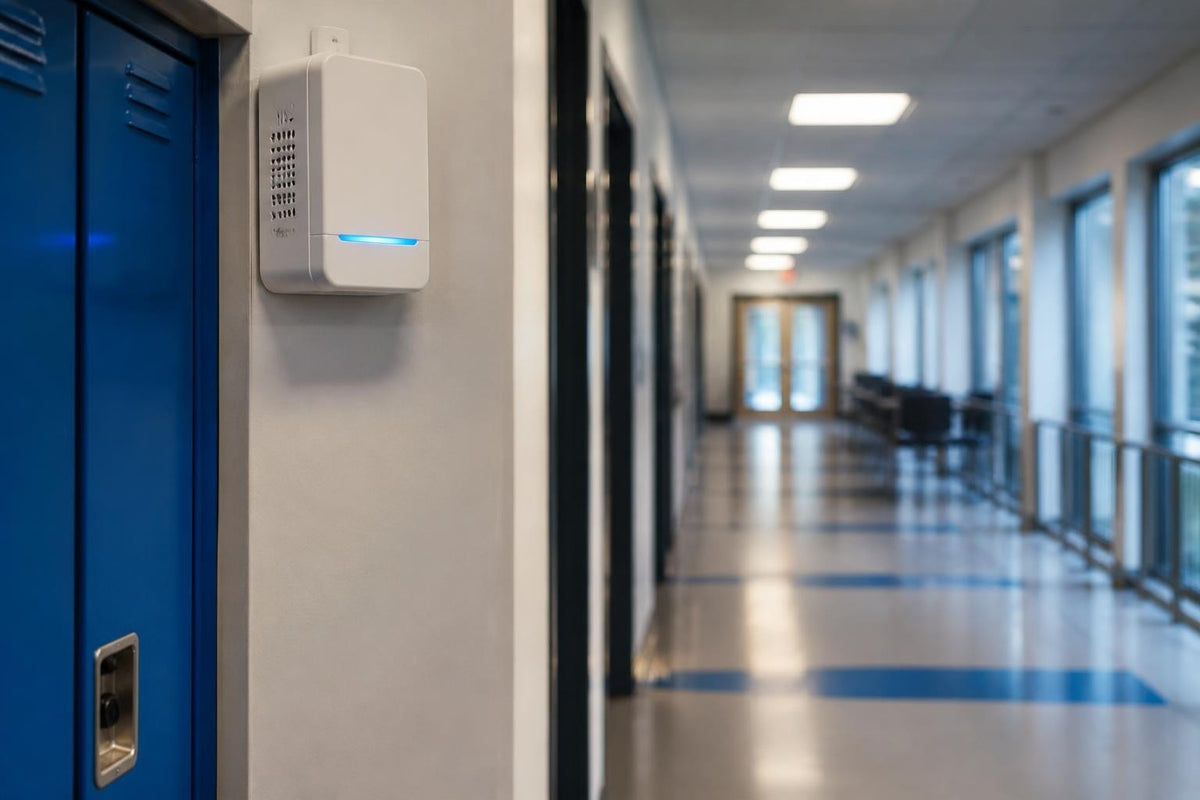
As technology shrinks and becomes less conspicuous, future detectors will blend seamlessly into home décor whilst maintaining or improving detection capabilities. Discreet designs reduce the institutional appearance of monitoring equipment, making systems more acceptable in residential settings.
Manufacturers increasingly recognise that homeowners prioritise aesthetics alongside functionality, leading to detection units that resemble standard home automation devices rather than obvious surveillance equipment.
Cost Benefit Analysis for Homeowners
Evaluating whether to invest in a vaping detector for home protection involves weighing financial costs against health benefits, policy enforcement value, and peace of mind. This analysis varies based on household circumstances and priorities.
Quantifiable Benefits
Financial advantages include:
- Reduced cleaning costs from minimised surface contamination
- Lower HVAC maintenance from decreased particulate buildup
- Potential insurance premium reductions for smoke free properties
- Preserved property values through better air quality maintenance
- Avoided health costs from reduced secondhand exposure
For landlords, detection systems help avoid costly disputes over smoking violation charges and provide documentation supporting security deposit deductions when lease violations occur.
Intangible Value Considerations
Beyond financial metrics, vaping detection offers substantial intangible benefits. Parents gain confidence that household rules are being respected, whilst all residents benefit from improved air quality that might not have obvious immediate effects but contributes to long term health.
The educational value of objective data cannot be overstated. Rather than subjective assessments or accusations, detection systems provide factual information that supports constructive conversations about health choices and personal responsibility.
Information from resources like Vape Guardian's insights on vaping bans contextualises home detection efforts within broader public health initiatives and regulatory frameworks.
Addressing Common Concerns and Misconceptions
Homeowners considering vaping detection technology often express reservations based on misunderstandings about system capabilities, limitations, and appropriate applications. Addressing these concerns directly helps individuals make informed decisions.
False Positive Rates
Modern systems demonstrate remarkably low false positive rates when properly installed and maintained. Multi-sensor approaches virtually eliminate alerts from cooking, showering, or other normal household activities that might briefly affect individual sensor readings.
Privacy and Trust Issues
Some parents worry that monitoring technology damages trust with teenagers or creates adversarial relationships. However, transparent implementation with clear communication often strengthens accountability whilst maintaining respectful boundaries.
Technical Complexity
Whilst early detection systems required technical expertise, current generation devices feature intuitive setup processes and user friendly mobile applications. Most homeowners successfully install and operate systems without professional assistance.
Effectiveness Questions
Sceptics sometimes question whether detection technology truly prevents vaping or merely identifies it after the fact. The reality lies between these extremes, as detection serves both deterrent and enforcement functions whilst providing data supporting educational interventions.
Protecting your home environment from vaping aerosols requires reliable detection technology that provides accurate, real time monitoring alongside comprehensive air quality insights. Whether you're a parent concerned about teenage vaping, a landlord enforcing smoke free policies, or simply someone committed to maintaining healthy indoor air, modern detection systems deliver the visibility and control necessary for effective environmental management. Vape Guardian specialises in advanced detection solutions that bring professional grade monitoring capabilities to residential settings, offering UK homeowners the same reliable technology trusted by schools and businesses nationwide.


Share:
Vaping Detectors: Advanced Technology for Safer Environments
Vaping Sensors in Bathrooms: Complete 2026 Guide