

The rise in vaping across the United Kingdom has created significant challenges for facility managers, educators, and business owners who need to maintain safe, compliant indoor environments. As traditional smoke detectors fail to recognise vape aerosols, organisations have turned to specialised technology designed specifically to identify these substances. Modern vaping detectors represent a sophisticated approach to environmental monitoring, combining air quality sensors with intelligent alert systems to address this growing concern in real time.
Understanding Vaping Detection Technology
Vaping detectors function through a combination of advanced sensors that analyse the chemical composition of indoor air. Unlike conventional smoke alarms that respond primarily to particulate matter from combustion, these devices identify the unique signatures of vape aerosols, including propylene glycol, vegetable glycerin, and nicotine particles.
The technology relies on electrochemical sensors, particulate matter detection, and in some cases, volatile organic compound (VOC) analysis. When someone uses a vaping device, they release a distinct aerosol cloud containing specific chemical markers. Research published in advanced electrochemical and biosensor methods demonstrates the technical capabilities of modern nicotine detection systems, which can identify these substances at very low concentrations.
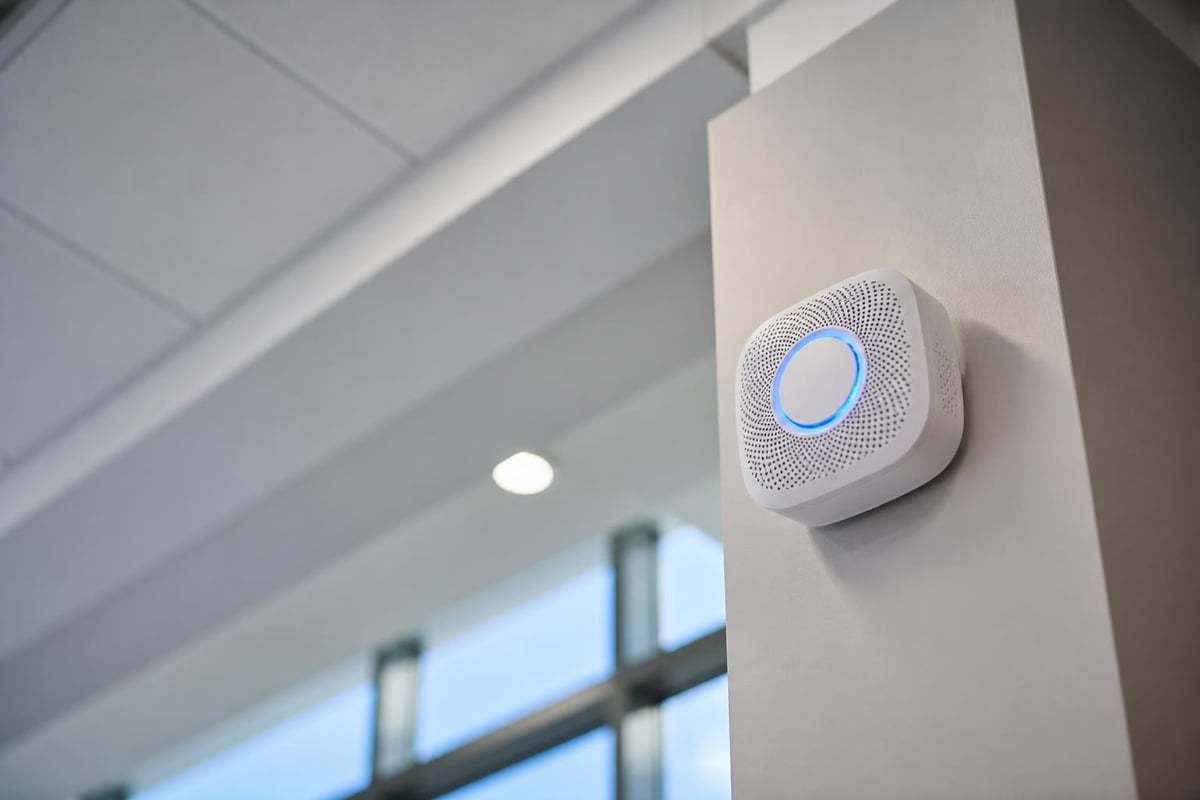
Multi Sensor Integration
Today's most effective systems incorporate multiple detection methods simultaneously. This multi sensor approach reduces false positives whilst increasing accuracy across different environments and vaping products.
Key sensor types include:
- Particulate matter sensors that measure aerosol density
- Chemical sensors calibrated for vaping specific compounds
- Air quality monitors tracking overall environmental changes
- Temperature and humidity sensors providing context for readings
The integration of these technologies creates a comprehensive monitoring solution. A Public Health Ontario evidence brief reviewing detector effectiveness notes that multi sensor systems demonstrate higher reliability than single method approaches, particularly in complex indoor environments.
Strategic Placement and Coverage
Effective deployment of vaping detectors requires careful consideration of airflow patterns, room usage, and potential detection blind spots. Installation location significantly impacts both detection speed and accuracy, making strategic placement a critical component of any monitoring programme.
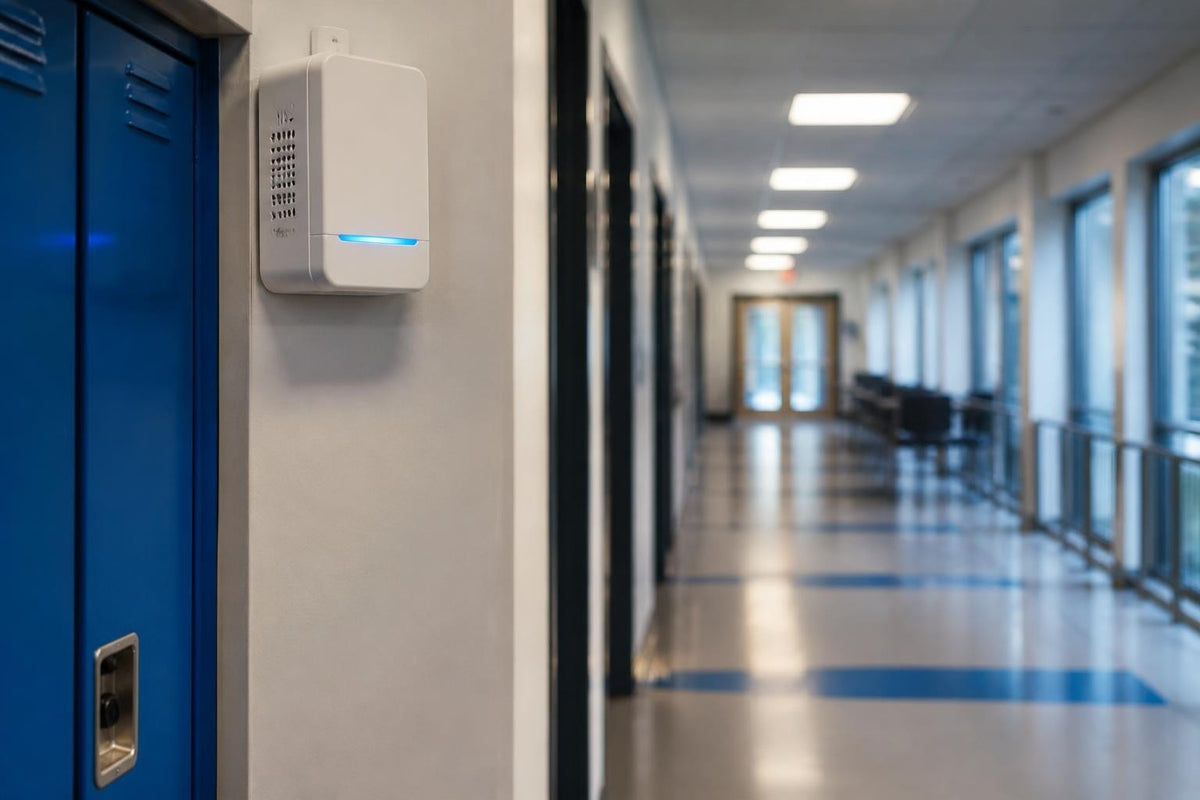
Educational facilities typically focus on toilet facilities, changing rooms, and other areas with limited supervision. These private spaces represent the most common locations for unauthorised vaping, making them logical priorities for sensor deployment. The ASHRAE guidance on indoor air quality provides valuable insights into aerosol behaviour and ventilation patterns that inform optimal detector positioning.
Coverage Considerations
| Environment Type | Recommended Coverage | Priority Locations |
|---|---|---|
| Secondary Schools | One detector per 100m² | Toilets, changing rooms, corridors |
| Office Buildings | One detector per 150m² | Meeting rooms, toilets, break areas |
| Leisure Facilities | One detector per 120m² | Changing rooms, toilets, private areas |
| Retail Spaces | One detector per 200m² | Toilets, storage areas, staff rooms |
The table above provides general guidance, though specific requirements vary based on ventilation systems, ceiling heights, and usage patterns. Vaping detectors for education environments often require denser coverage than commercial settings due to higher risk factors and safeguarding responsibilities.
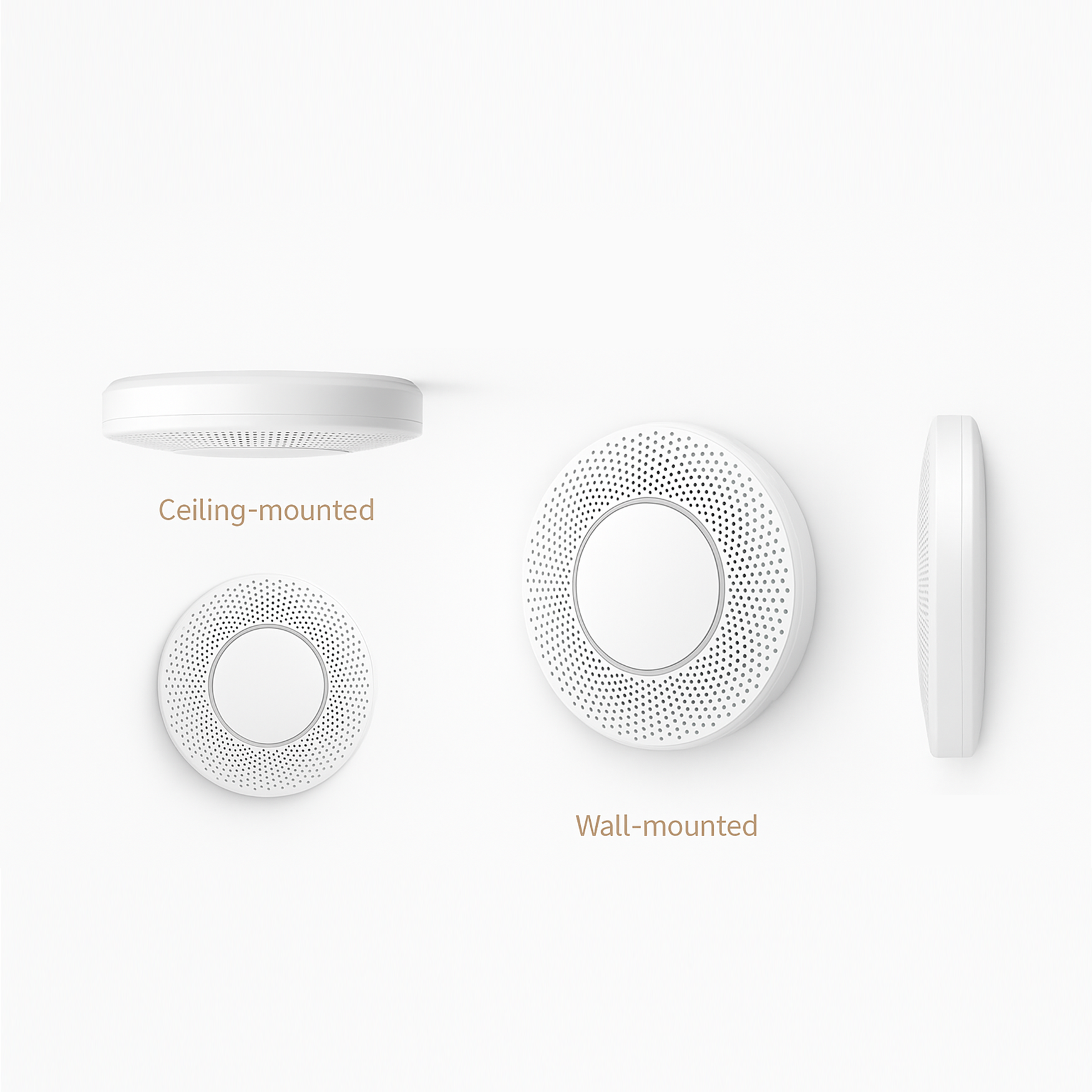
Ceiling mounted installations typically perform better than wall mounted alternatives, as vape aerosols rise with warm air before dispersing. However, in spaces with aggressive ventilation systems, positioning near air returns may compromise detection capabilities.
Real Time Alert Systems and Response Protocols
The value of vaping detectors extends beyond simple detection; these systems excel in their ability to notify relevant personnel immediately when incidents occur. Real time alerts enable swift intervention, transforming passive monitoring into active behaviour management.
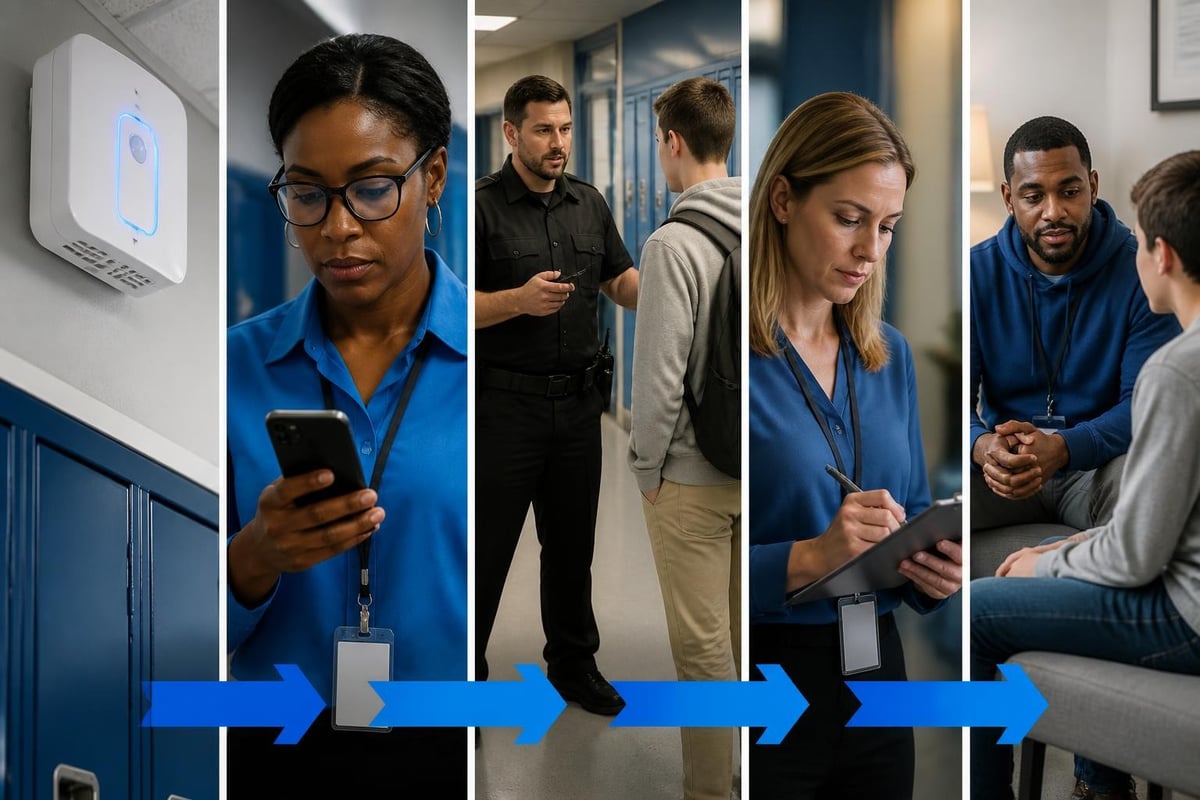
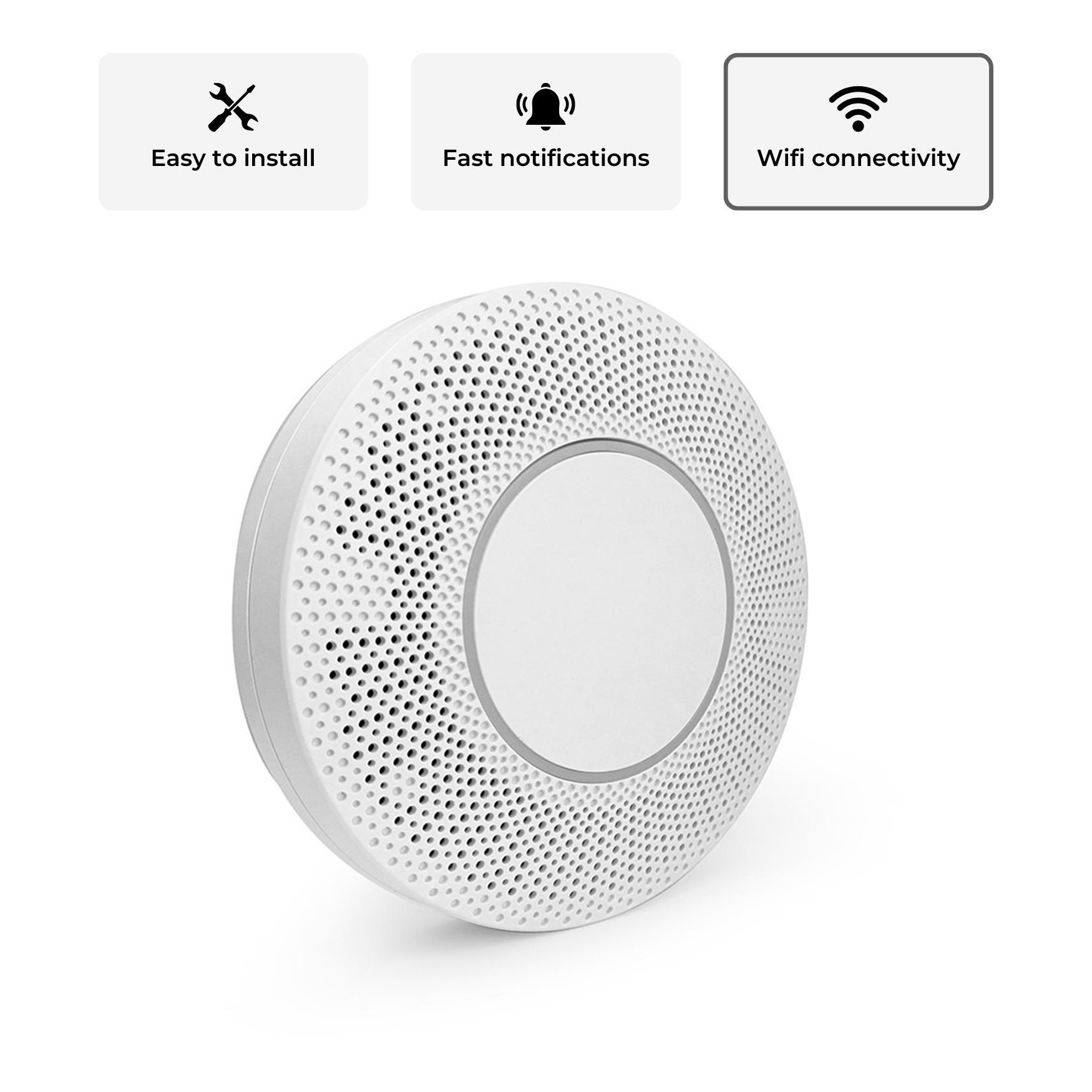
Modern vaping detectors connect to centralised management platforms that distribute alerts through multiple channels. Staff members receive notifications via email, SMS, mobile applications, or integration with existing building management systems. This multi channel approach ensures that appropriate personnel can respond quickly, regardless of their location within the facility.
A peer reviewed study evaluating real time aerosol based detection in schools found that immediate notification systems reduced repeat vaping incidents by enabling consistent, timely responses. The research emphasised that technology alone cannot solve behavioural issues; however, when combined with clear policies and supportive interventions, detection systems contribute to measurable improvements.
Implementing Effective Response Procedures
Organisations that achieve the best outcomes establish clear protocols before deploying vaping detectors. Staff training, escalation procedures, and documentation processes all contribute to effective incident management.
Essential protocol elements:
- Immediate verification by designated staff members
- Student or employee welfare checks as appropriate
- Incident documentation for pattern analysis
- Proportionate consequences aligned with policy
- Follow up support addressing underlying behaviours
Best practice for handling vaping alerts emphasises the importance of balancing enforcement with education, particularly in educational settings where behaviour change represents the ultimate goal.
Privacy Considerations and Ethical Implementation
The deployment of vaping detectors raises important questions about privacy, surveillance, and the balance between safety and individual rights. Organisations must navigate these considerations thoughtfully, particularly in educational environments where young people's privacy rights require special protection.
Modern vaping detectors monitor air quality rather than individuals, an important distinction that differentiates them from video surveillance. These devices detect chemical signatures in the environment without identifying specific people or recording visual information. However, concerns about school surveillance have prompted important discussions about transparency, consent, and proportionality.
The Electronic Frontier Foundation's primer on student privacy highlights key principles that apply equally to environmental monitoring systems. Whilst their focus addresses digital devices, the underlying privacy framework remains relevant for any technology deployed in educational settings.
Building Trust Through Transparency
Successful implementation programmes share several characteristics that promote acceptance and trust amongst stakeholders:
- Clear communication about what detectors monitor and why
- Published policies explaining response procedures
- Regular reporting on programme effectiveness
- Stakeholder involvement in policy development
- Data protection measures safeguarding collected information
Vape Guardian works closely with organisations to develop implementation strategies that respect privacy whilst maintaining effective monitoring capabilities. Their approach emphasises transparency and proportionate responses that align with each organisation's values and culture.
Integration with Broader Safety Initiatives
Vaping detectors function most effectively when integrated into comprehensive health and safety programmes rather than operating as standalone solutions. This holistic approach recognises that environmental monitoring supports, rather than replaces, education, policy development, and supportive interventions.
In educational settings, detector deployment often accompanies expanded vaping education programmes, updated behaviour policies, and enhanced student support services. Schools implementing vaping detection typically see better outcomes when they combine technology with age appropriate education about health risks and decision making.
The Vape Detection System from Vape Guardian goes beyond simple vaping detection, also identifying drug use and anti social behaviour through its advanced sensor array. This multi threat capability supports safeguarding efforts more broadly, providing facilities managers and educators with comprehensive environmental awareness.

| Integration Area | Complementary Initiatives | Expected Outcomes |
|---|---|---|
| Student Wellbeing | Counselling services, peer support | Reduced vaping initiation |
| Policy Framework | Clear consequences, restorative approaches | Consistent enforcement |
| Staff Training | Response protocols, safeguarding awareness | Effective intervention |
| Family Engagement | Parent education, communication channels | Home school partnership |
Creating a Culture of Health
The most successful programmes view vaping detectors as tools that enable cultural change rather than purely enforcement mechanisms. When organisations communicate their commitment to health and wellbeing alongside detection capabilities, they create environments where compliance stems from shared values rather than fear of consequences.
Office environments deploying vaping detectors often tie implementation to broader workplace wellbeing initiatives. Similarly, leisure and retail facilities position detection systems within customer experience and regulatory compliance frameworks that emphasise creating pleasant, safe environments for all users.
Technical Specifications and Performance Metrics
Understanding the technical capabilities of vaping detectors helps organisations select appropriate systems for their specific needs. Key performance indicators include detection speed, sensitivity thresholds, false positive rates, and environmental adaptability.
Detection speed measures how quickly a system identifies vaping activity after aerosol release. Leading systems detect incidents within seconds, enabling near immediate response. However, extremely fast detection times can increase false positives in environments with other aerosol sources, requiring careful calibration.
Sensitivity thresholds determine the minimum aerosol concentration that triggers alerts. Higher sensitivity catches more incidents but may respond to non vaping sources such as body sprays or cleaning products. Lower sensitivity reduces false positives but risks missing some vaping events, particularly in well ventilated spaces.
Environmental Adaptability
Different environments present unique challenges for vaping detectors. High humidity environments like swimming pool changing rooms require sensors designed to distinguish vaping aerosols from water vapour. Temperature extremes, whether from heating systems or outdoor access points, can affect sensor performance and require appropriate calibration.
Environmental factors affecting detector performance:
- Ventilation rates influencing aerosol dispersal
- Humidity levels potentially triggering false readings
- Temperature fluctuations affecting sensor accuracy
- Existing air quality issues from cleaning products or building materials
- Physical obstructions blocking aerosol flow to sensors
Modern systems incorporate sophisticated algorithms that analyse multiple data streams simultaneously, distinguishing genuine vaping events from environmental noise. Machine learning capabilities enable some detectors to improve accuracy over time as they learn the specific characteristics of their deployment environment.
Maintenance and Ongoing Management
Like any monitoring technology, vaping detectors require regular maintenance to ensure continued accuracy and reliability. Proactive maintenance schedules prevent sensor drift, extend equipment lifespan, and maintain detection confidence levels.
Sensor calibration represents the most critical maintenance activity. Over time, electrochemical sensors may become less sensitive or develop bias toward particular compounds. Manufacturers typically recommend calibration intervals ranging from quarterly to annually, depending on usage intensity and environmental conditions.
Physical cleaning removes accumulated dust and residue that can interfere with air sampling. Filter replacement, when applicable, ensures adequate airflow through detection chambers. Battery checks for wireless units prevent communication failures that could leave areas unmonitored.
System Administration and Data Management
- Regular firmware updates incorporating performance improvements
- Alert threshold reviews based on incident patterns
- False positive analysis identifying needed adjustments
- Coverage assessments ensuring all priority areas remain monitored
- Staff training refreshers maintaining response effectiveness
Setting up sensors represents only the beginning of effective detector management. Ongoing administration ensures systems continue delivering value throughout their operational life. Data collected by vaping detectors provides insights into usage patterns, helping organisations refine both placement strategies and intervention approaches.
Cost Benefit Analysis for Organisations
Investment in vaping detectors requires justification through both quantifiable returns and qualitative benefits. Financial analysis considers hardware costs, installation expenses, ongoing maintenance, and staff time against reductions in incident management, improved compliance, and enhanced reputation.
Direct costs include detector units, network infrastructure, installation labour, and annual service agreements. Organisations deploying comprehensive coverage across multiple buildings face substantial initial investment, though costs per monitored area decrease with scale.
Indirect benefits often exceed direct financial returns. Educational institutions report improved staff confidence, reduced confrontational incidents, and better relationships with students when detection removes the need for constant supervision. Businesses cite enhanced workplace culture and reduced liability exposure as valuable outcomes.
| Cost Category | Typical Range (per detector) | Frequency |
|---|---|---|
| Hardware Unit | £400 to £800 | One time |
| Installation | £100 to £300 | One time |
| Annual Monitoring | £80 to £200 | Annual |
| Maintenance | £50 to £150 | Annual |
Return on investment calculations should account for reduced staff time spent investigating incidents, decreased property damage from unauthorised activities, and improved compliance with health and safety regulations. Multi academy trusts implementing vaping detectors across their estate often negotiate volume pricing that significantly improves cost effectiveness.
Future Developments in Vaping Detection
The vaping detector market continues evolving rapidly as manufacturers respond to changing vaping products, emerging substances, and user demands for enhanced capabilities. Next generation systems promise improved accuracy, expanded detection capabilities, and deeper integration with building management platforms.
Artificial intelligence and machine learning represent significant development areas. These technologies enable detectors to distinguish between vaping products more precisely, potentially identifying specific device types or substance categories. Pattern recognition algorithms can identify repeat users based on timing and location data, supporting targeted interventions without identifying individuals directly.
Expanded substance detection capabilities address concerns about devices used for cannabis vaping or other controlled substances. Whilst current vaping detectors primarily identify nicotine based products, emerging sensors can detect THC and other compounds, providing facilities managers with broader awareness of environmental risks.
Anticipated technological advances:
- Improved selectivity reducing false positives further
- Longer battery life for wireless deployments
- Enhanced connectivity supporting building wide integration
- Predictive analytics identifying high risk periods and locations
- Miniaturisation enabling discreet installation
The competitive landscape continues attracting investment as demand grows across educational, commercial, and leisure sectors. However, organisations should prioritise proven systems with demonstrated reliability over cutting edge features that lack real world validation.
Regulatory Landscape and Compliance Requirements
Vaping regulations continue evolving across the United Kingdom, creating compliance obligations that vaping detectors help organisations meet. Whilst vaping itself remains legal for adults, specific restrictions apply in certain environments, particularly those involving children or vulnerable populations.
Educational institutions operate under safeguarding frameworks that require reasonable steps to prevent harmful behaviours on school premises. Vaping detectors support these obligations by providing evidence of proactive monitoring and timely intervention capabilities. Senior leadership teams implementing detection systems demonstrate their commitment to student welfare and regulatory compliance.
Workplace health and safety regulations require employers to maintain safe environments free from hazardous substances. Whilst vaping aerosols present lower risks than cigarette smoke, they still affect indoor air quality and may trigger respiratory issues in sensitive individuals. Detection systems provide documentation of monitoring efforts that support compliance during audits or investigations.
Organisations deploying vaping detectors must also comply with data protection regulations. The information collected (timestamps, locations, chemical readings) may constitute personal data under certain circumstances, requiring appropriate handling, storage, and retention policies. Working with providers who understand these requirements, such as Vape Guardian's approach to data protection, helps ensure compliant implementation.
Selecting the Right Detection System
Choosing appropriate vaping detectors requires careful evaluation of organisational needs, environmental characteristics, and available resources. No single system suits every application; successful deployment depends on matching technology capabilities to specific requirements.
Coverage area represents a fundamental consideration. Large facilities require either numerous individual units or systems with extended detection ranges. Network infrastructure availability influences whether wired or wireless solutions prove more practical. Existing building management systems may offer integration opportunities that enhance functionality whilst reducing complexity.
Support and service quality differentiate providers significantly. Responsive technical support, comprehensive training, and reliable maintenance services ensure systems deliver sustained value. UK based providers offer advantages including local expertise, faster response times, and familiarity with British educational and regulatory contexts.
Evaluation Criteria Checklist
- Detection accuracy and false positive rates
- Response time from aerosol release to alert
- Alert distribution methods and customisation options
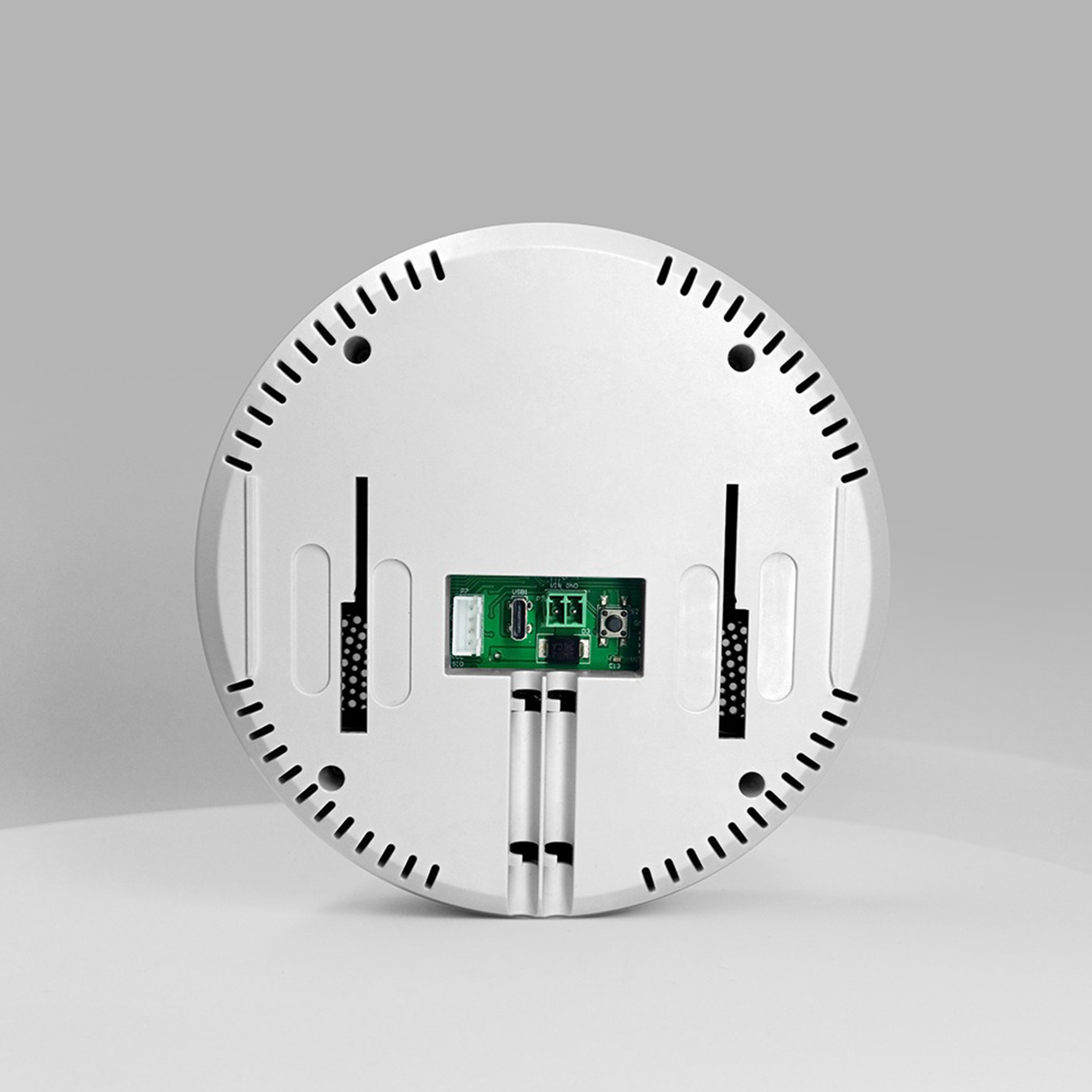
- Installation requirements and physical footprint
- Power options (mains, battery, or hybrid)
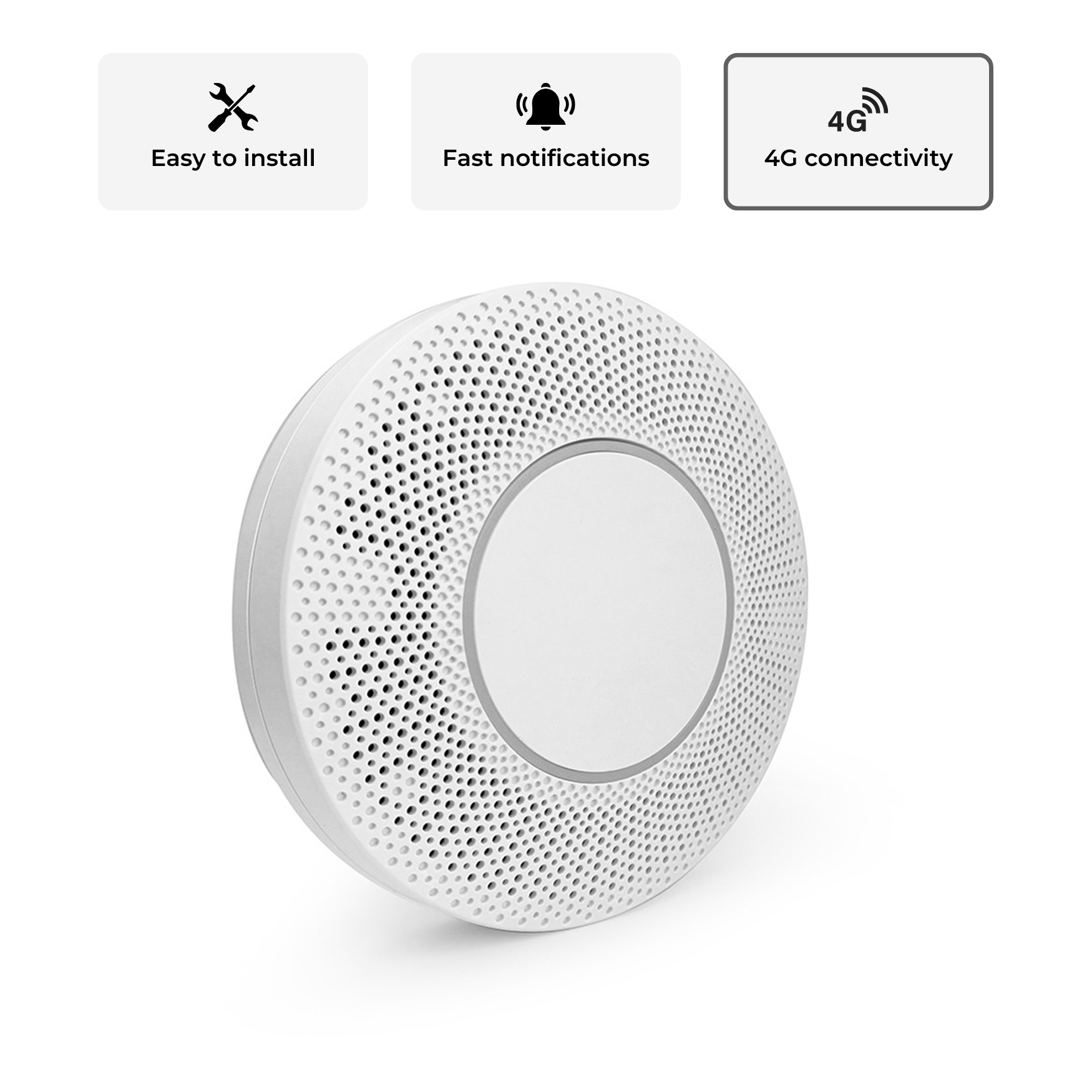
- Network connectivity (WiFi, cellular, or wired)
- Management platform usability and features
- Training and support availability
- Warranty terms and service level agreements
- Total cost of ownership over expected lifespan
Comparing different vape detectors and sensors helps organisations identify solutions that align with their priorities. Requesting demonstrations or trial periods provides valuable hands on evaluation opportunities before committing to large scale deployment.
Vaping detectors represent sophisticated environmental monitoring tools that help organisations create safer, healthier indoor environments whilst supporting compliance and safeguarding obligations. By combining advanced sensor technology with intelligent alert systems and thoughtful implementation strategies, these devices address growing concerns about vaping in schools, workplaces, and public spaces. Vape Guardian provides comprehensive detection solutions backed by expert support, helping UK organisations implement effective monitoring programmes that protect occupants whilst respecting privacy and promoting positive behaviour change.



Share:
Vaping in School: A Complete Guide for UK Educators
Vaping Detector for Home: Protection & Peace of Mind