
The prevalence of vaping in school settings has surged dramatically across the United Kingdom, creating unprecedented challenges for educators, safeguarding leads, and school administrators. Once considered a niche issue, vaping among students now represents one of the most pressing behavioural and health concerns facing educational institutions in 2026. This shift has forced schools to reassess their detection capabilities, update their behaviour policies, and invest in technology that can identify incidents before they escalate. Understanding the scope of this challenge and implementing comprehensive solutions has become essential for maintaining safe, compliant learning environments.
The Scale of Vaping in School Environments
Recent data reveals that vaping in school is no longer confined to older secondary students or isolated incidents. Educators report encountering vaping across all year groups, with some primary schools now facing challenges previously associated only with secondary institutions. Research documenting educators' perspectives highlights that teachers increasingly describe vaping as "everywhere," noting incidents in toilets, changing rooms, corridors, and even classrooms.
The normalisation of vaping among young people stems from multiple factors:
- Aggressive marketing tactics targeting youth demographics
- Appealing flavours designed to attract younger users
- Compact, easily concealed devices that resemble everyday items
- Peer influence and social media promotion
- Limited understanding of long-term health consequences
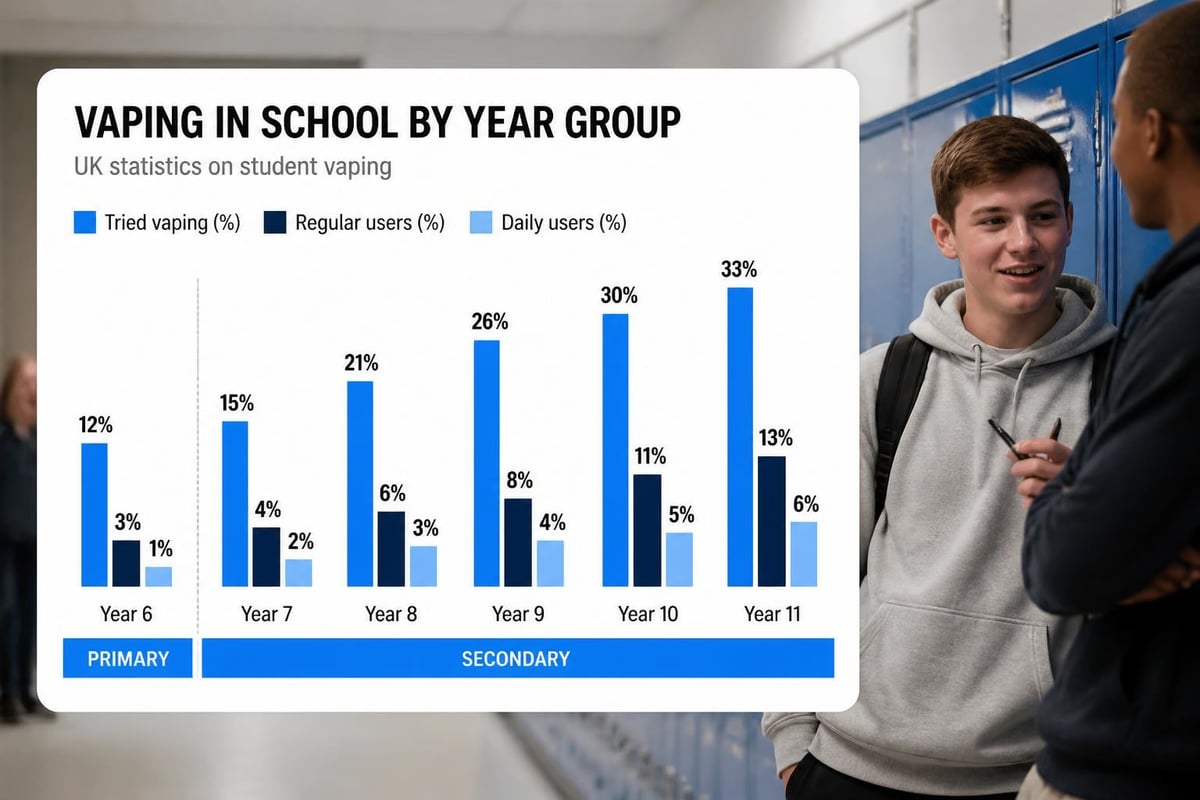
Schools now face the dual challenge of detecting incidents whilst simultaneously educating students about health risks. Traditional supervision methods prove insufficient when devices can be disguised as pens, USB drives, or other innocuous objects. This reality has driven many institutions to explore technological solutions that complement human oversight.
Common Concealment Strategies
Students employ increasingly sophisticated methods to vape undetected during school hours. Understanding these tactics helps schools develop more effective detection and prevention strategies.
| Concealment Method | Description | Detection Challenge |
|---|---|---|
| Toilet cubicles | Primary vaping location due to privacy | Limited adult supervision in these spaces |
| Sleeve/jumper exhale | Exhaling vapour into clothing to dissipate | No visible cloud in open air |
| "Ghosting" | Holding vapour until fully absorbed | Eliminates visible evidence |
| Disguised devices | Vapes resembling watches, highlighters, inhalers | Difficult to identify during visual checks |
| Group cover | Multiple students creating distractions | Divides staff attention |
The sophistication of these methods underscores why relying solely on staff vigilance creates an incomplete safeguarding framework. Schools require multi-layered approaches that combine policy, education, detection technology, and consistent enforcement.
Health and Educational Impact
The consequences of unchecked vaping in school extend far beyond simple rule violations. Health professionals have documented concerning patterns among young vapers, including nicotine addiction, respiratory issues, and potential impacts on brain development during critical adolescent years.
Educational outcomes suffer when vaping becomes prevalent. Students who vape regularly demonstrate:
- Increased absenteeism from class and school overall
- Reduced concentration during lessons
- Higher rates of disciplinary incidents related to vaping and other behaviours
- Academic performance decline correlated with regular nicotine use
- Social pressures that distract from learning objectives
The World Health Organization has highlighted how industry tactics specifically target younger generations, creating public health concerns that schools must address through comprehensive prevention strategies.
The Nicotine Dependency Cycle
Young people who begin vaping often underestimate the addictive nature of nicotine. Within weeks of regular use, students may develop dependencies that manifest as:
- Increased frequency of vaping throughout the day
- Difficulty concentrating without nicotine
- Irritability and mood changes when unable to vape
- Escalating nicotine concentrations in chosen products
- Continued use despite awareness of negative consequences
Clinical trials examining cessation programmes demonstrate that adolescents face unique challenges in quitting, requiring tailored interventions that account for developmental factors and peer influences.

Policy Frameworks and Legal Considerations
Effective responses to vaping in school begin with robust policy frameworks that clearly articulate expectations, consequences, and support mechanisms. Schools must balance disciplinary measures with safeguarding responsibilities, recognising that many young vapers require intervention rather than purely punitive responses.
Essential Policy Components
Comprehensive vaping policies should address multiple dimensions:
Prevention and Education
- Age-appropriate curriculum content about vaping risks
- Regular assemblies and awareness campaigns
- Parent and carer engagement programmes
- Clear communication of rules and expectations
Detection and Response
- Staff training on identifying vaping incidents
- Technological detection systems in high-risk areas
- Consistent enforcement procedures
- Graduated consequences for repeat offences
Support and Intervention
- Referral pathways for students showing signs of dependency
- Partnership with health services and cessation programmes
- Pastoral care integration for affected students
- Monitoring and follow-up protocols
The Campaign for Tobacco-Free Kids provides detailed guidance on policy development, offering checklists that schools can adapt to their specific contexts and student populations.
Technological Solutions for Detection
Traditional monitoring approaches struggle to identify vaping in school with sufficient speed and accuracy. This limitation has driven adoption of dedicated detection technology that alerts staff to incidents in real-time, enabling swift intervention before situations escalate.
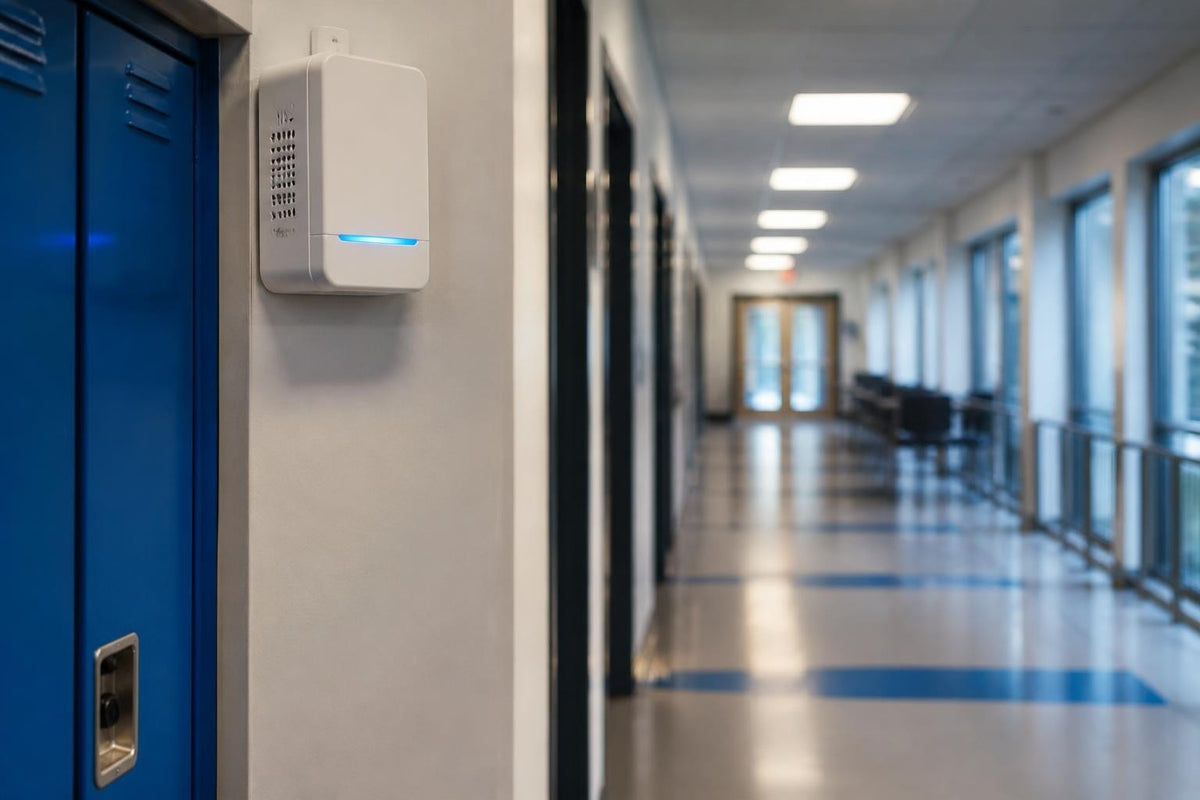
Modern vape detection systems analyse air quality continuously, identifying chemical signatures associated with vaping whilst distinguishing them from other airborne substances. These systems integrate with existing school infrastructure, providing alerts through multiple channels to ensure appropriate staff receive notifications immediately.
For schools implementing vape detection technology, the benefits extend beyond simple incident detection. The presence of sensors creates a deterrent effect, whilst data analytics help identify patterns and inform targeted interventions. Schools report significant reductions in vaping incidents following installation, often within the first term of operation.

Implementation Considerations
Schools evaluating detection technology should assess several factors:
- Coverage areas: Which locations experience highest incident rates
- Alert routing: How notifications reach appropriate staff members
- Integration: Compatibility with existing behaviour management systems
- Privacy: Compliance with data protection requirements
- Maintenance: Ongoing support and sensor calibration needs
| Feature | Benefit | Implementation Priority |
|---|---|---|
| Real-time alerts | Immediate staff response | High |
| Pattern analytics | Identify repeat offenders and high-risk times | Medium |
| Multi-substance detection | Comprehensive monitoring beyond vaping | High |
| Tamper alerts | Prevent student interference with sensors | Medium |
| Historical reporting | Evidence for policy review and parent meetings | Low |
Successful implementation requires consultation with multiple stakeholders, including IT teams, safeguarding leads, and facilities managers. The best practice guidance for handling alerts emphasises the importance of clear protocols that balance swift response with appropriate safeguarding considerations.
Staff Training and Response Protocols
Technology alone cannot address vaping in school effectively. Staff require training to recognise signs of vaping, respond appropriately to incidents, and support students who may be struggling with nicotine dependency.
Recognition and Response Training
Educators should understand:
- Physical indicators of recent vaping (sweet smells, visible vapour, coughing)
- Common vaping device types and concealment methods
- Appropriate language for addressing incidents with students
- When to involve safeguarding teams versus handling situations independently
- Documentation requirements for behaviour records
Response protocols should differentiate between first-time experimental use and established patterns of regular vaping. Whilst consistent consequences remain important, schools increasingly recognise that punitive measures alone rarely address underlying issues driving student vaping.
Creating Supportive Intervention Pathways
Students caught vaping in school often benefit from interventions that combine:
- Educational components explaining health risks and legal considerations
- Pastoral support addressing peer pressure and wellbeing factors
- Parent engagement ensuring consistent messages at home and school
- Monitoring arrangements providing accountability and encouragement
- Referrals to specialist services when dependency concerns arise
The Alliance for a Healthier Generation offers comprehensive resources including curriculum materials and staff training modules that schools can integrate into their professional development programmes.
Engaging Parents and the Wider Community
Addressing vaping in school requires partnership between educational institutions and families. Parents often lack awareness of how prevalent vaping has become or may not recognise signs that their children are using these products.
Schools should develop communication strategies that:
- Inform parents about the scale of youth vaping and specific school concerns
- Provide guidance on identifying vaping devices and recognising use
- Explain school policies and expected parent support
- Offer resources for conversations about vaping at home
- Create opportunities for questions and collaborative problem-solving
Regular updates through newsletters, parent evenings, and dedicated workshops help maintain awareness and ensure families understand their role in prevention efforts. Some schools establish parent working groups focused on vaping and substance use, creating advocates who can support broader community engagement.
Community Partnerships
Effective vaping prevention extends beyond school gates. Partnerships with local health services, youth organisations, and community groups amplify messaging and provide additional support resources.
Schools benefit from establishing relationships with:
- NHS smoking cessation services offering youth-specific programmes
- Public health teams providing education resources and data
- Local police providing input on legal aspects and enforcement
- Youth workers who can engage students in informal settings
- Retailers willing to refuse sales to young people and report concerns
These partnerships create a comprehensive support network that reinforces consistent messages across multiple touchpoints in young people's lives.

Measuring Effectiveness and Continuous Improvement
Schools implementing comprehensive responses to vaping in school should establish metrics for evaluating effectiveness and identifying areas requiring adjustment. Data-driven approaches enable evidence-based refinement of policies and interventions.
Key Performance Indicators
Relevant metrics include:
- Number of vaping incidents detected over time
- Repeat offence rates among identified students
- Student survey responses about vaping prevalence and attitudes
- Parent feedback on communication effectiveness
- Staff confidence levels in addressing vaping issues
- Referral rates to support services and subsequent outcomes
Regular analysis of these indicators reveals whether interventions achieve desired impacts or require modification. Schools should review vaping-related data termly, involving stakeholders in interpreting findings and recommending adjustments.
| Metric | Baseline (Term 1) | Current (Term 3) | Target | Status |
|---|---|---|---|---|
| Detected incidents | 47 | 23 | <25 | On track |
| Repeat offenders | 12 | 4 | <5 | Achieved |
| Student awareness (survey %) | 63% | 89% | >85% | Achieved |
| Parent engagement events | 2 | 5 | 4+ per term | Exceeded |
Documentation of progress supports budget requests for ongoing technology investment, staff training, and programme expansion. It also provides evidence when responding to governing body enquiries or inspections.
Future Challenges and Emerging Trends
The landscape of vaping in school continues evolving as manufacturers introduce new products and young people adapt their behaviours. Schools must remain vigilant and adaptable to address emerging challenges effectively.
Product Innovation and Evasion
Manufacturers regularly release devices designed to evade detection, including:
- Smaller, more easily concealed form factors
- Products with reduced vapour output
- Devices integrated into everyday items (jewellery, clothing accessories)
- Flavourless or odourless formulations
- Disposable products requiring no maintenance or charging
Staying informed about product trends helps schools anticipate new challenges and adjust detection strategies accordingly. Professional networks and sector organisations provide valuable intelligence-sharing opportunities.
Regulatory Developments
Legislative changes in the UK may impact how schools address vaping in school. Potential developments include:
- Stricter age verification requirements for retail sales
- Flavour restrictions or bans on youth-appealing variants
- Enhanced enforcement powers for schools and local authorities
- Mandatory reporting requirements for incidents
- Funding allocations for prevention and detection programmes
Schools should monitor policy developments through sector updates from organisations representing educational institutions and maintain flexibility to implement new requirements efficiently.
The role of headteachers and senior leadership teams remains crucial in navigating these changes whilst maintaining focus on student wellbeing and educational outcomes.
Building a Culture of Compliance and Wellbeing
Long-term success in addressing vaping in school depends on creating cultures where students genuinely understand risks and make informed choices, rather than simply avoiding detection. This cultural shift requires sustained effort across multiple dimensions.
Schools achieving this transformation typically demonstrate:
- Consistent messaging from all staff about expectations and reasons
- Student voice integration in policy development and awareness campaigns
- Positive reinforcement recognising students who resist peer pressure
- Accessible support for those struggling with dependency or peer influences
- Transparent communication about incidents and school responses
Peer education programmes prove particularly effective, with students often more receptive to messages from contemporaries than adults. Training student ambassadors to lead awareness initiatives creates authentic voices that resonate with their peers whilst developing leadership skills.
Role-Specific Guidance
Different staff members play distinct roles in comprehensive vaping prevention. Role-specific resources help each stakeholder understand their responsibilities and access relevant tools:
- Designated safeguarding leads coordinate responses and manage referrals
- IT managers ensure detection systems integrate with school infrastructure
- Teachers maintain vigilance and deliver curriculum content
- Finance teams evaluate costs and identify funding sources
- Governing bodies provide strategic oversight and policy approval
Clarity about these roles prevents gaps in coverage whilst avoiding duplication of effort.
Addressing vaping in school requires comprehensive strategies combining education, policy enforcement, technological detection, and genuine support for affected students. Schools that implement multi-layered approaches tailored to their specific contexts consistently achieve better outcomes than those relying on single interventions. For institutions seeking to enhance their detection capabilities and create safer learning environments, Vape Guardian provides proven technology and dedicated support that empowers educators to respond swiftly and effectively to vaping incidents whilst focusing on their core educational mission.







Share:
Nicotine Air Detector: Complete Guide to Detection Tech
Vaping Detectors: Advanced Technology for Safer Environments