
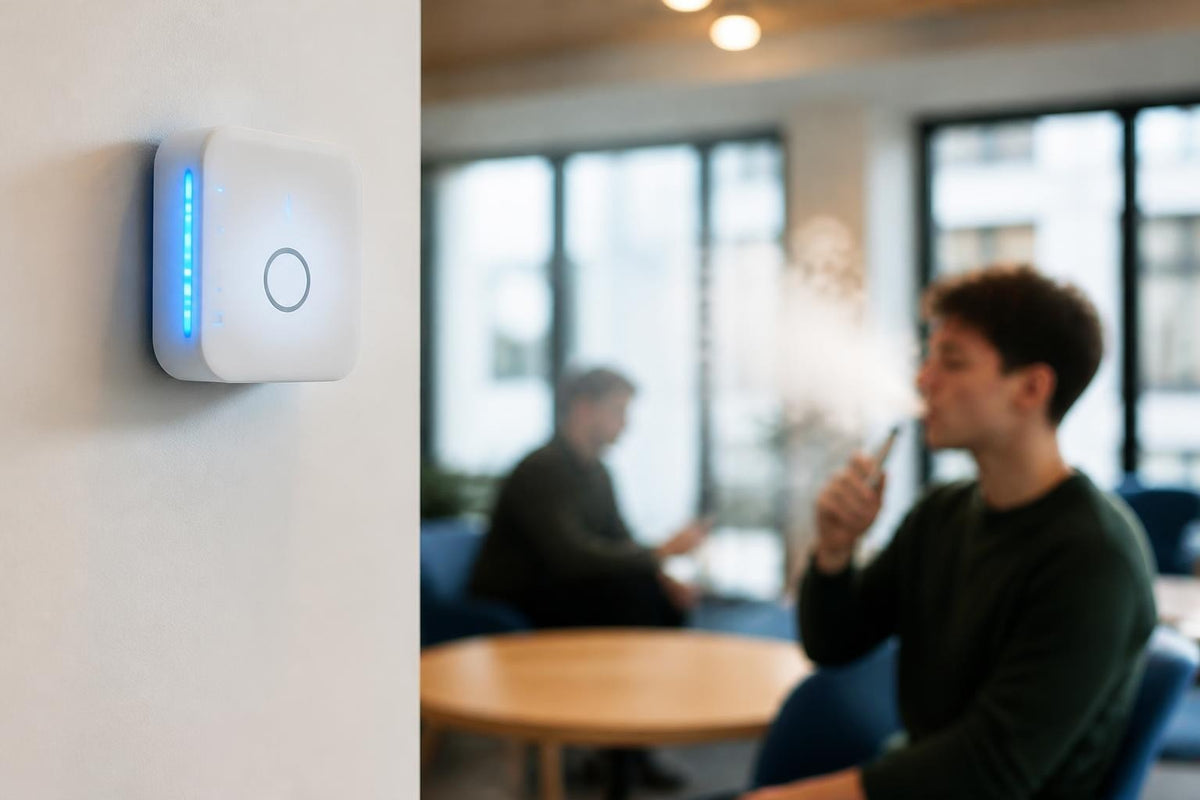
The growing prevalence of vaping in enclosed spaces has created an urgent need for reliable detection technology. A nicotine air detector represents a sophisticated solution to this modern challenge, combining advanced sensor technology with real-time monitoring capabilities to identify the presence of nicotine vapour in indoor environments. As organisations across the UK seek to maintain healthy, compliant spaces, understanding how these devices work and their practical applications has become increasingly important for facility managers, school administrators, and workplace health officers.
Understanding Nicotine Air Detection Technology
A nicotine air detector operates through several distinct technological approaches, each designed to identify the chemical signatures and particulate matter associated with vaping activity. These devices have evolved significantly since early smoke detectors, now incorporating sophisticated sensor arrays that can differentiate between various airborne substances.
Chemical Sensing Methods
The most advanced nicotine air detector systems employ electrochemical sensors specifically calibrated to recognise nicotine molecules in the air. Recent research into emerging functional materials for electrochemical nicotine sensors has revealed promising developments in detection sensitivity and selectivity. These sensors function by detecting the unique electrochemical signature of nicotine, allowing for precise identification even at low concentrations.
Key chemical detection approaches include:
- Electrochemical oxidation of nicotine molecules
- Molecular imprinting techniques for selective binding
- Surface-enhanced spectroscopic methods
- Catalytic reaction-based sensing
Metal oxide semiconductor sensors represent another chemical detection method, changing electrical resistance when exposed to volatile organic compounds commonly found in vaping aerosols. The specificity of these sensors continues to improve as materials science advances.
Particulate Matter Detection
Many modern systems combine chemical sensing with particulate matter monitoring. Vaping produces aerosol particles typically ranging from 0.1 to 2.5 micrometres in diameter, which can be detected through optical particle counters and laser-based sensors.
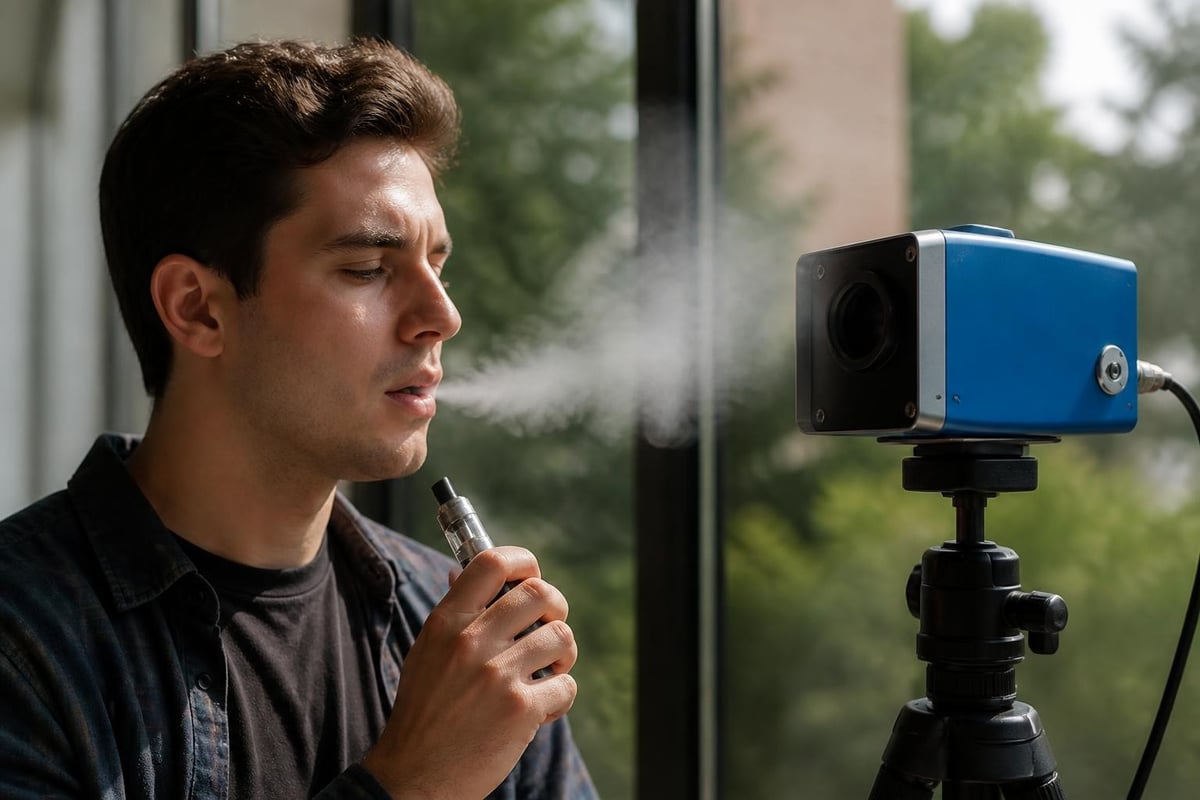
The EPA's guidance on secondhand electronic cigarette aerosol underscores the importance of monitoring these particles, as they can persist in indoor environments and affect air quality. A nicotine air detector incorporating PM2.5 sensors can provide comprehensive data on both the chemical and physical components of vaping activity.
Applications in Educational Settings
Schools have become primary deployment sites for nicotine air detector technology, particularly in response to the epidemic of youth vaping that has emerged over recent years. Educational institutions face unique challenges in monitoring private spaces whilst maintaining student dignity and safety.
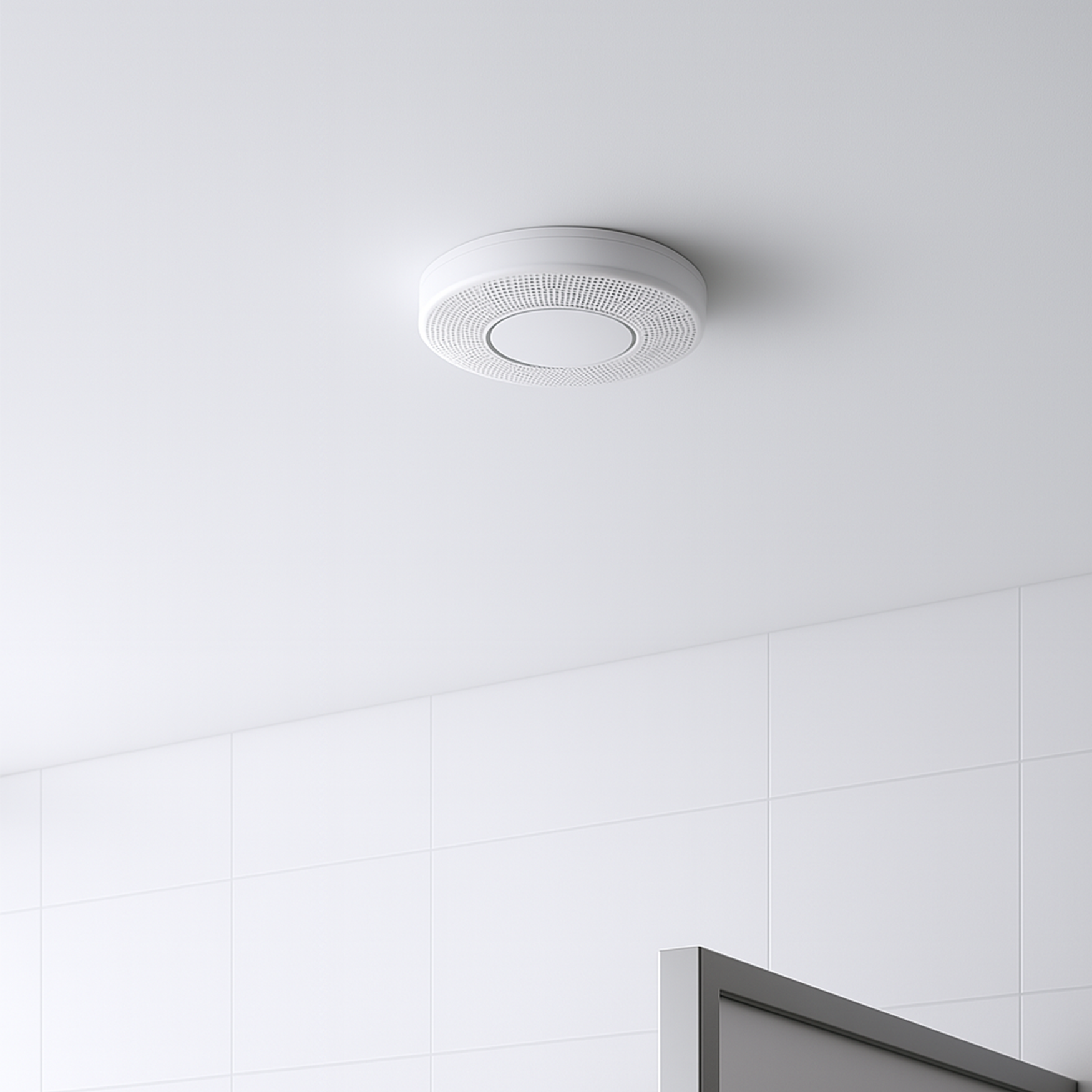
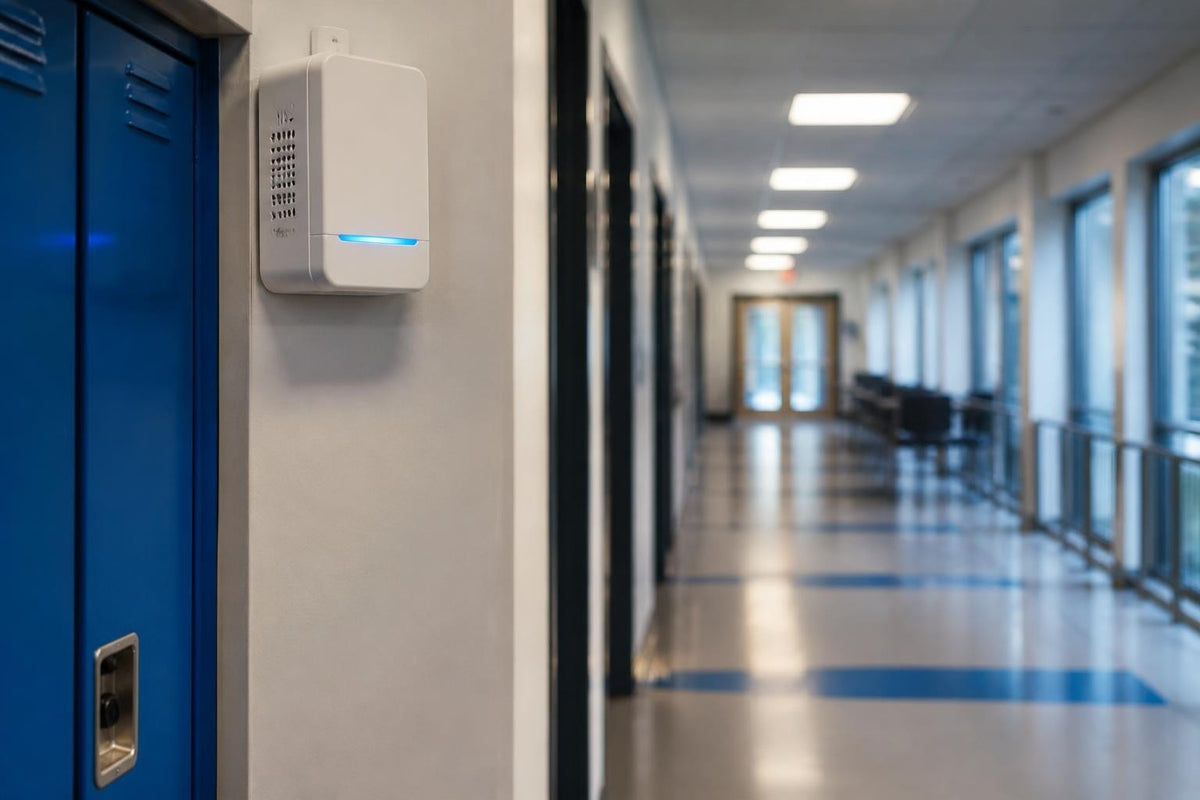
Underage vaping in schools has reached concerning levels, with many institutions struggling to enforce policies effectively. A well-positioned nicotine air detector system provides discreet yet effective monitoring, typically installed in toilets, changing rooms, and other areas where direct supervision proves impractical.
Implementation Strategies for Schools
| Location Type | Detection Priority | Response Protocol |
|---|---|---|
| Toilet facilities | High sensitivity | Immediate alert to staff |
| Changing rooms | Moderate sensitivity | Timed verification checks |
| Common areas | Lower threshold | Trend monitoring |
| Corridors | Environmental baseline | Pattern analysis |
Schools implementing these systems report significant reductions in vaping incidents. A recent study on deploying smart aerosol monitoring in schools examined real-time detection strategies and found that integrated sensor networks reduced vaping events by up to 67% within the first academic term.
The Vape Detection System represents a comprehensive approach to this challenge, combining multiple sensor technologies with intelligent alert systems designed specifically for educational environments. These integrated solutions detect not only vaping activity but also other concerning behaviours, providing schools with a multipurpose safety tool.

Beyond simple detection, effective school programmes require clear policies and appropriate responses. Understanding how to stop vaping at school involves combining technological solutions with educational initiatives and supportive intervention strategies.
Workplace and Commercial Applications
Corporate environments and commercial facilities increasingly recognise the value of nicotine air detector technology for maintaining air quality standards and ensuring compliance with smoke-free policies. The workplace context differs from educational settings in both legal considerations and stakeholder expectations.
Legal and Compliance Considerations
In 2026, UK employment law continues to evolve regarding vaping in the workplace. Whilst vaping is not included in smoke-free legislation in the same manner as traditional tobacco, employers retain the right to prohibit it on their premises. A nicotine air detector provides objective evidence for policy enforcement without requiring intrusive supervision.
Workplace implementation benefits include:
- Objective policy enforcement evidence
- Reduced health insurance premiums through air quality verification
- Enhanced employee wellbeing through cleaner air
- Protection against liability claims related to secondhand exposure
The hidden health risks of vaping in offices extend beyond the immediate user, affecting colleagues through aerosol exposure. Professional environments benefit from monitoring systems that maintain discretion whilst ensuring compliance.
Technical Specifications and Performance Metrics
Selecting an appropriate nicotine air detector requires understanding key technical specifications and performance characteristics. Not all systems offer equivalent capabilities, and matching technology to specific environmental needs ensures optimal results.
Sensitivity and Selectivity
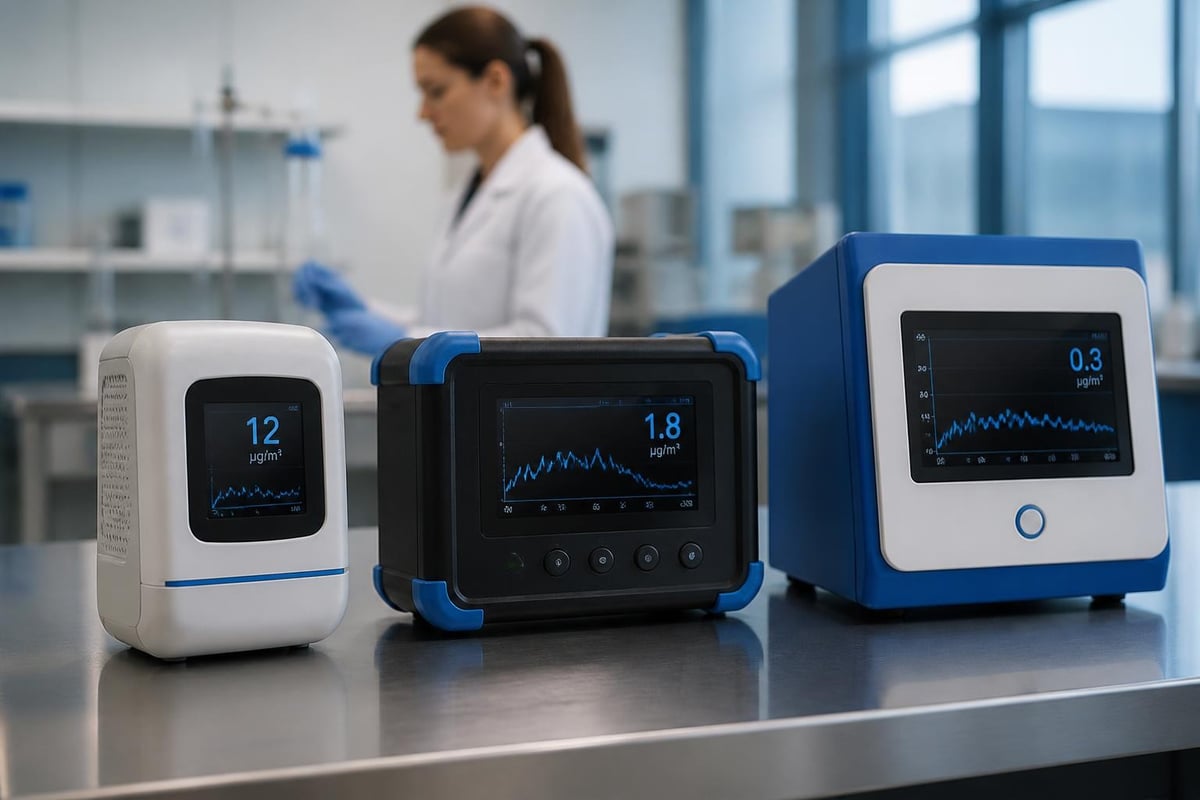
Detection sensitivity refers to the minimum concentration of nicotine or related compounds that a device can reliably identify. Modern systems typically achieve detection thresholds between 0.05 and 0.5 micrograms per cubic metre, though environmental conditions affect performance.
Selectivity describes the device's ability to distinguish nicotine from other airborne substances. High selectivity reduces false positives from perfumes, cleaning products, or other volatile organic compounds that share similar molecular weights.
| Specification | Entry Level | Professional | Research Grade |
|---|---|---|---|
| Nicotine sensitivity | 0.5 µg/m³ | 0.1 µg/m³ | 0.01 µg/m³ |
| Response time | 60-90 seconds | 30-45 seconds | 10-20 seconds |
| False positive rate | <5% | <2% | <0.5% |
| Calibration interval | Monthly | Quarterly | Bi-annually |
Environmental Factors Affecting Performance
A nicotine air detector's performance varies based on temperature, humidity, air circulation patterns, and background pollutant levels. Devices installed near ventilation outlets may require higher sensitivity settings to compensate for dilution effects, whilst those in enclosed spaces with poor air circulation can operate at standard thresholds.
Temperature stability proves particularly important. Most professional systems maintain accuracy across temperatures from 0°C to 40°C, though extreme conditions may require specialised housing. Humidity levels above 85% can affect some electrochemical sensors, necessitating periodic recalibration in environments such as changing rooms or indoor swimming facilities.
Integration with Building Management Systems
Modern nicotine air detector installations increasingly integrate with broader building management and environmental monitoring platforms. This integration enables coordinated responses and comprehensive data analysis across multiple air quality parameters.
Data Analytics and Reporting
Advanced systems collect continuous data streams that reveal usage patterns, high-risk periods, and compliance trends over time. This information supports evidence-based policy development and resource allocation. For instance, detection events concentrated at specific times suggest targeted supervision or educational interventions during those periods.
Real-time alerts can route to different staff members based on location, time, and event severity. A nicotine air detector in a school toilet might alert the nearest supervisor during lesson changes, whilst overnight events in a commercial building could trigger security protocols.
Understanding PM2.5 air quality reports helps organisations interpret the broader context of detection events and assess overall indoor environmental health. Particulate matter data complements chemical detection, providing a complete picture of air quality status.
System Architecture and Connectivity
Professional installations typically employ networked sensor arrays connected through wired Ethernet or wireless protocols. Cloud-based platforms enable remote monitoring and management, allowing facility managers to oversee multiple buildings from centralised dashboards.
Essential integration features include:
- RESTful API access for third-party system connections
- MQTT protocol support for IoT ecosystems
- Webhook triggers for custom alert routing
- CSV and JSON data export for compliance documentation
- Role-based access controls for privacy protection
The technology behind modern vape detection has matured considerably, now offering enterprise-grade reliability and security features comparable to other critical building systems.
Maintenance and Calibration Requirements
Ensuring long-term accuracy from a nicotine air detector demands regular maintenance and calibration procedures. Neglected systems gradually lose sensitivity and selectivity, compromising detection reliability and potentially creating compliance gaps.
Routine Maintenance Protocols
Most manufacturers recommend quarterly inspections covering sensor cleanliness, optical component alignment, and filter replacement where applicable. Electrochemical sensors have finite operational lifespans, typically requiring replacement every 12 to 24 months depending on exposure levels and environmental conditions.
Calibration involves exposing the detector to known concentrations of nicotine or surrogate compounds to verify accuracy across the measurement range. Professional calibration services use certified reference materials and controlled test chambers to ensure traceability to national standards.
Documentation of all maintenance and calibration activities supports compliance audits and helps organisations demonstrate due diligence in maintaining safe environments. Digital maintenance logs integrated with the detection system provide automated reminders and historical records.
Cost Considerations and Return on Investment
Investment in nicotine air detector technology involves both upfront capital expenditure and ongoing operational costs. Understanding the complete financial picture enables organisations to make informed procurement decisions and accurately assess return on investment.
Initial and Recurring Costs
Purchase prices for professional systems range from £400 to £1,200 per sensor unit, with installation costs adding approximately 15% to 25% of hardware costs. Comprehensive solutions including cloud platforms, mobile applications, and professional monitoring services operate on subscription models typically ranging from £15 to £40 per sensor monthly.
The vape detector cost breakdown reveals that total cost of ownership over five years includes hardware, installation, subscriptions, maintenance, and periodic sensor replacement. Organisations should budget approximately 125% to 150% of initial hardware costs for the complete five-year ownership period.
Quantifying Benefits
Return on investment calculations consider both direct cost savings and indirect benefits. Schools report reduced cleaning costs, decreased property damage, and lower staff time spent on disciplinary investigations following nicotine air detector deployment. Commercial facilities document improved air quality metrics, enhanced brand reputation, and reduced liability exposure.
Measurable ROI factors include:
- Reduced supervision labour requirements
- Decreased facility damage and cleaning costs
- Lower health and safety incident rates
- Improved compliance audit outcomes
- Enhanced occupant satisfaction scores
Many organisations achieve positive ROI within 18 to 24 months of deployment, particularly when systems prevent costly incidents or support successful policy enforcement that might otherwise require extensive manual monitoring.
Privacy and Ethical Considerations
Deploying a nicotine air detector raises important questions about privacy, consent, and proportionate response. Organisations must balance legitimate safety and compliance objectives against individual privacy rights and ethical monitoring practices.
Legal Framework in the UK
Current UK data protection legislation applies to environmental monitoring systems that could identify individuals through location data or usage patterns. Whilst a nicotine air detector itself does not capture personal images or biometric data, timestamp and location information from detection events may constitute personal data under GDPR when combined with other information sources such as access control systems.
Best practice includes clear signage informing occupants of monitoring systems, privacy impact assessments before deployment, and data retention policies limiting storage to the minimum period necessary for legitimate purposes. Most organisations retain raw detection data for 30 to 90 days, with aggregated trend data stored longer for compliance reporting.
Transparency in how detection events trigger responses proves equally important. Automatic alerts should route through appropriate channels, and disciplinary processes should maintain proportionality, using detection events as one input within broader behaviour management frameworks.
Future Developments in Detection Technology
The field of nicotine air detector technology continues to advance rapidly, with several promising developments likely to enhance capabilities and reduce costs over the coming years. Understanding these trends helps organisations plan for system upgrades and emerging opportunities.
Artificial Intelligence and Machine Learning
Next-generation systems increasingly incorporate AI algorithms that learn normal environmental baselines and distinguish genuine vaping events from false positives with greater accuracy. Machine learning models trained on thousands of detection events can identify subtle pattern differences that fixed-threshold systems miss.
Predictive analytics represent another frontier, using historical data to forecast high-risk periods and suggest proactive interventions. Schools might receive alerts that specific locations show elevated risk based on day-of-week patterns or seasonal trends, enabling targeted prevention efforts.
Miniaturisation and Cost Reduction
Advances in sensor manufacturing and materials science continue to reduce the size and cost of detection components. This trend enables wider deployment, with organisations potentially monitoring more locations at lower cost. Miniaturised sensors also permit discreet installation in challenging environments where larger units prove impractical.
The WHO's technical guidance on tobacco product regulation discusses regulatory approaches to nicotine monitoring, suggesting that widespread deployment of reliable detection technology may influence future policy development and enforcement strategies.
Selecting the Right System for Your Needs
Organisations face numerous options when procuring a nicotine air detector, ranging from standalone units to comprehensive networked systems. Matching technology to specific requirements ensures optimal performance and value.
Assessment Framework
Begin by conducting a thorough site assessment identifying high-priority monitoring locations, environmental conditions affecting sensor performance, and existing infrastructure available for integration. This assessment should consider both current needs and anticipated future requirements as organisational policies or facility usage patterns evolve.
Key selection criteria include:
- Detection sensitivity appropriate to application requirements
- Integration capabilities with existing systems
- Scalability for future expansion
- Vendor support and maintenance services
- Compliance with relevant standards and certifications
- Total cost of ownership over expected system lifespan
Request demonstration units or pilot programmes before committing to large-scale deployment. Real-world testing in your specific environment reveals practical considerations that specification sheets may not capture, including false positive rates, ease of maintenance, and user interface intuitiveness.
For organisations uncertain whether vape detectors work effectively in bathrooms, examining case studies and independent evaluations provides valuable insights into practical performance across different installation contexts.
Complementary Strategies for Comprehensive Vape Prevention
Whilst a nicotine air detector provides powerful technological support, the most effective programmes combine detection with education, policy development, and supportive intervention. Technology alone cannot address the complex social and psychological factors driving vaping behaviour.
Policy Development
Clear, well-communicated policies establish expectations and consequences before detection events occur. Schools benefit from creating comprehensive vape-free policies that address prevention, detection, and response in coordinated fashion. Effective policies include stakeholder input from students, staff, and parents, ensuring buy-in and practical enforceability.
Workplaces should similarly develop explicit policies addressing where vaping is prohibited, how policies will be enforced, and what support resources are available for employees seeking to quit. Framing policies around health and safety rather than punishment tends to generate better compliance and less resistance.
Educational Initiatives
Understanding the facts about e-cigarettes and vaping empowers individuals to make informed choices about their behaviour. Evidence-based education programmes that address both health risks and social influences prove more effective than scare tactics or purely prohibitionist messaging.
Recent research highlighting that vaping acts as a gateway to smoking for one in three teens provides compelling messaging for prevention programmes targeting young people. Combining this information with practical support and healthy alternative behaviours creates comprehensive prevention approaches.
Understanding nicotine air detector technology and its applications enables organisations to make informed decisions about protecting indoor air quality and supporting healthy, compliant environments. Whether deployed in schools, workplaces, or leisure facilities, these systems provide objective monitoring that complements broader prevention and policy efforts. Vape Guardian offers advanced detection solutions specifically designed for UK organisations, combining reliable sensor technology with dedicated support to help you create safer spaces and effectively address vaping challenges in your facility.


Share:
Vaping Detectors for Bathrooms: A Complete 2026 Guide
Vaping in School: A Complete Guide for UK Educators