
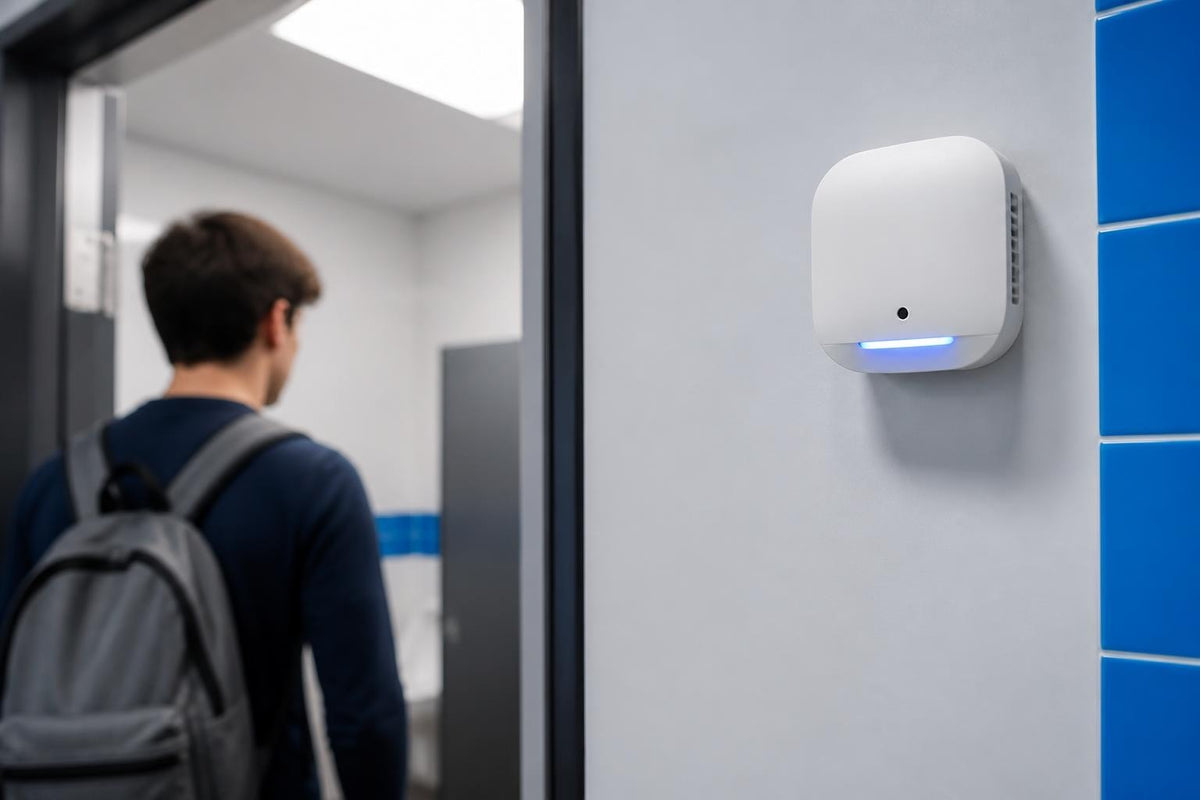
Bathrooms have become ground zero for unauthorised vaping in schools, offices, and leisure facilities across the United Kingdom. The enclosed nature of these spaces, combined with limited supervision, creates the perfect environment for individuals to vape undetected. As organisations seek effective solutions to this growing challenge, vaping detectors for bathrooms have emerged as a critical tool for maintaining healthy, compliant environments. These sophisticated sensors leverage advanced technology to identify vaping incidents without compromising privacy, offering real time alerts that enable swift intervention and meaningful behaviour change.
Understanding the Need for Bathroom Vaping Detection
The prevalence of vaping in bathrooms stems from a simple calculation: privacy plus ventilation equals perceived safety from detection. Students and employees alike have recognised that traditional supervision methods fall short in these spaces.
Why Bathrooms Attract Vaping Activity
Research indicates that over 70% of school vaping incidents occur in toilet facilities. The reasons are straightforward:
- Restricted access zones where staff supervision is limited by privacy regulations
- Existing ventilation systems that users believe will disperse aerosol evidence
- Multiple stalls providing individual privacy and escape routes
- Brief, unsupervised periods during class transitions or work breaks
Research examining bathroom safety and surveillance highlights how these factors combine to create persistent monitoring challenges for safeguarding teams.
The health impacts of secondhand vaping exposure extend beyond the individual user. E-cigarette aerosols contain particulate matter, volatile organic compounds, and potentially harmful substances that accumulate in poorly ventilated spaces. Bathroom users who do not vape themselves may still experience exposure to these airborne contaminants.
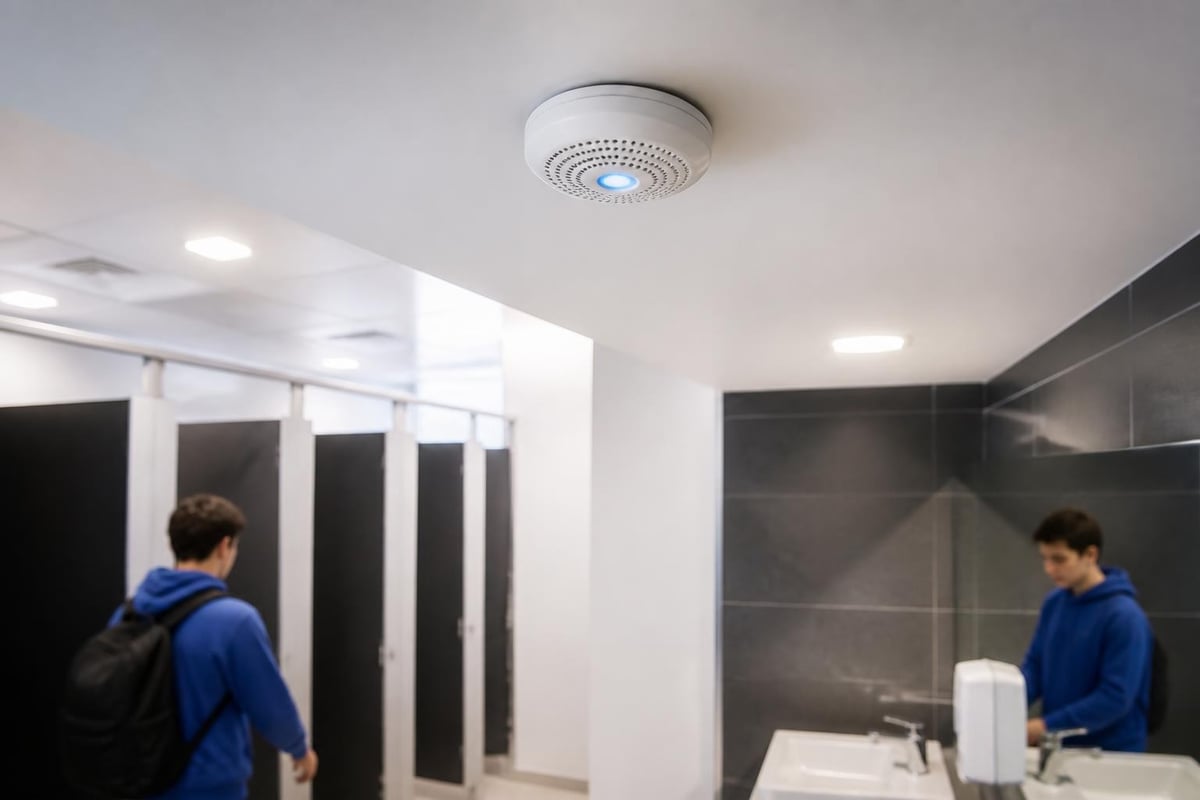
The Compliance and Duty of Care Imperative
Schools face statutory obligations under safeguarding frameworks to protect students from harmful behaviours. Employers similarly carry health and safety responsibilities for workplace environments. When vaping occurs regularly in bathrooms, organisations risk:
- Regulatory non-compliance with smoke free and drug free policies
- Normalisation of substance use among young people or staff
- Air quality degradation affecting vulnerable individuals
- Potential liability if harm occurs from undetected drug vaping
Traditional approaches such as increased patrols or scheduled checks prove ineffective and resource intensive. Many institutions have found that understanding how to stop vaping at school requires technological solutions that complement educational interventions.
How Vaping Detectors for Bathrooms Actually Work
Modern vaping detectors for bathrooms employ sophisticated sensor arrays that distinguish vaping aerosols from normal bathroom activities. Understanding the underlying technology helps organisations make informed purchasing decisions.
Sensor Technology and Detection Mechanisms
Most advanced systems utilise multiple detection methods working in concert. The principles behind particulate detection provide the foundation, but vaping detection requires greater specificity.
| Detection Method | What It Measures | Why It Matters |
|---|---|---|
| Particulate sensors | PM2.5 and PM10 aerosol particles | E-cigarettes generate distinctive particle signatures |
| Chemical sensors | Volatile organic compounds (VOCs) | Detect propylene glycol and vegetable glycerin vapours |
| Sound analytics | Audio patterns and decibel levels | Identify vaping device activation and potential bullying |
| Humidity monitoring | Rapid moisture level changes | Aerosol release causes measurable humidity spikes |
The combination approach matters. A humidity spike alone might indicate shower use. Particulate elevation could result from aerosol deodorant. VOC detection might trigger from cleaning products. When sensors detect multiple concurrent signatures matching vaping profiles, false positive rates drop dramatically.
Studies on aerosol characterisation reveal why detection remains challenging: particle sizes vary between devices, flavourings alter chemical signatures, and user behaviour affects aerosol dispersion patterns. Quality vaping detectors for bathrooms account for this variability through machine learning algorithms trained on thousands of vaping incidents.
Privacy Preserving Design Elements
The bathroom environment demands heightened privacy sensitivity. Effective systems achieve detection without surveillance:
- No cameras or visual recording capabilities whatsoever
- Audio analysis without storage – patterns detected, recordings immediately discarded
- Encrypted data transmission protecting incident metadata
- Location identification only – sensors report which bathroom, not which individual
Guidance on school surveillance technology emphasises the importance of these privacy safeguards, particularly in educational settings where students have reasonable expectations of privacy.
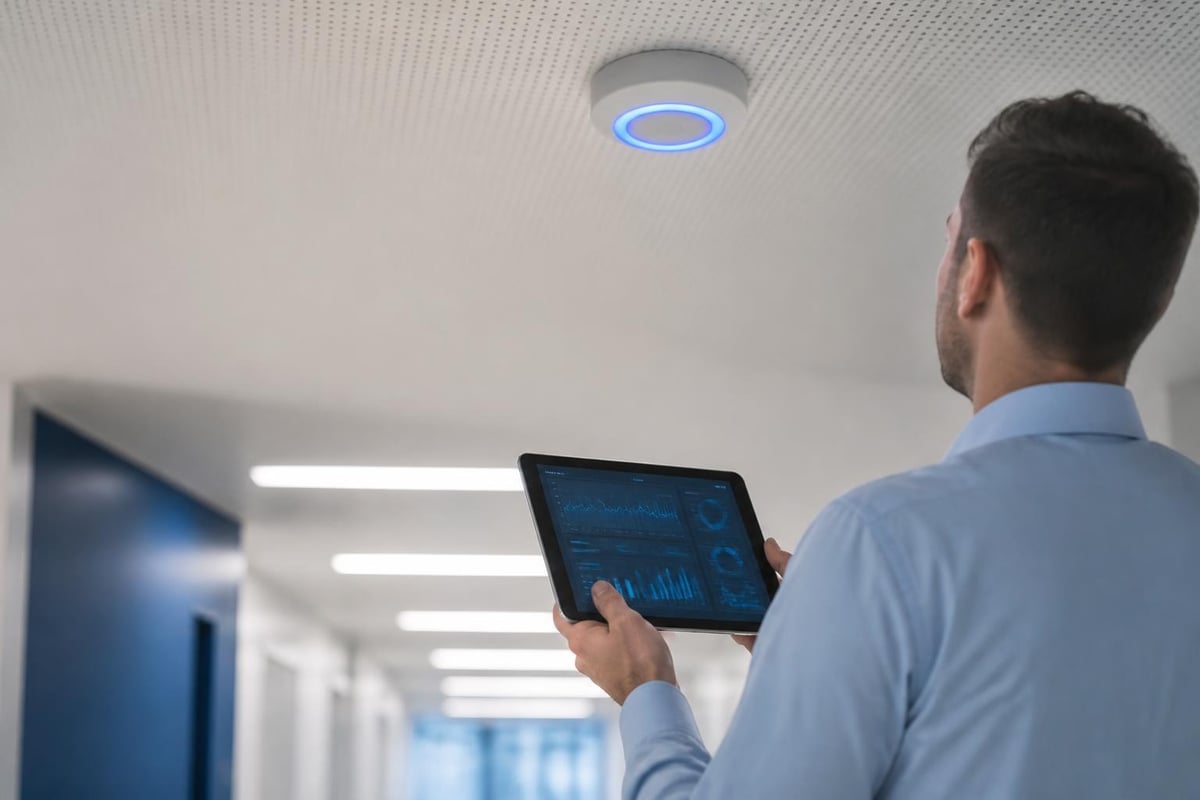
Strategic Deployment in Different Environments
Vaping detectors for bathrooms require thoughtful placement and configuration. Deployment strategies vary significantly across sectors.
School and College Settings
Educational institutions typically install sensors in every bathroom, changing room, and private space where supervision proves difficult. Research on IoT enabled vape detection in schools demonstrates that comprehensive coverage yields the strongest deterrent effect.
Key deployment considerations include:
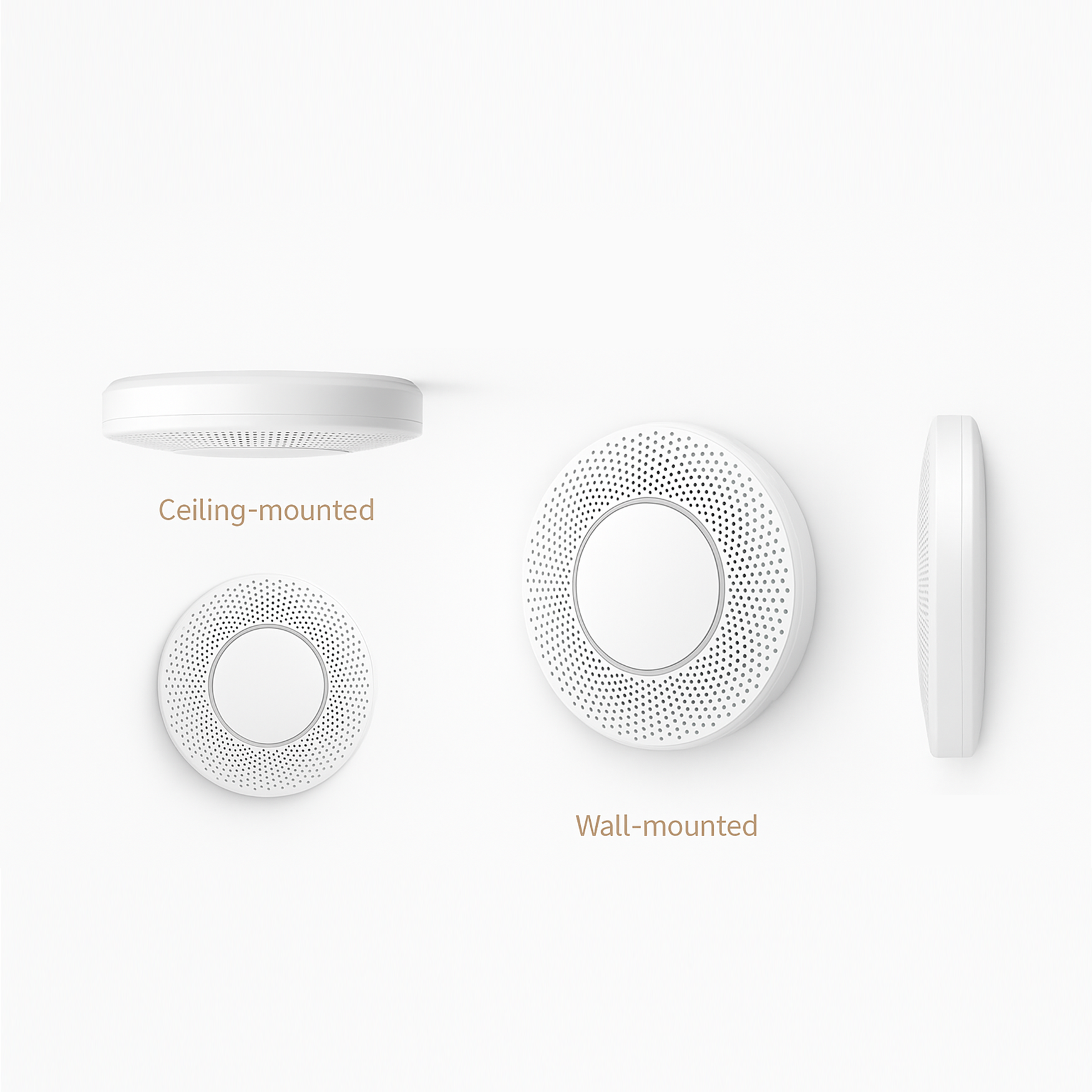
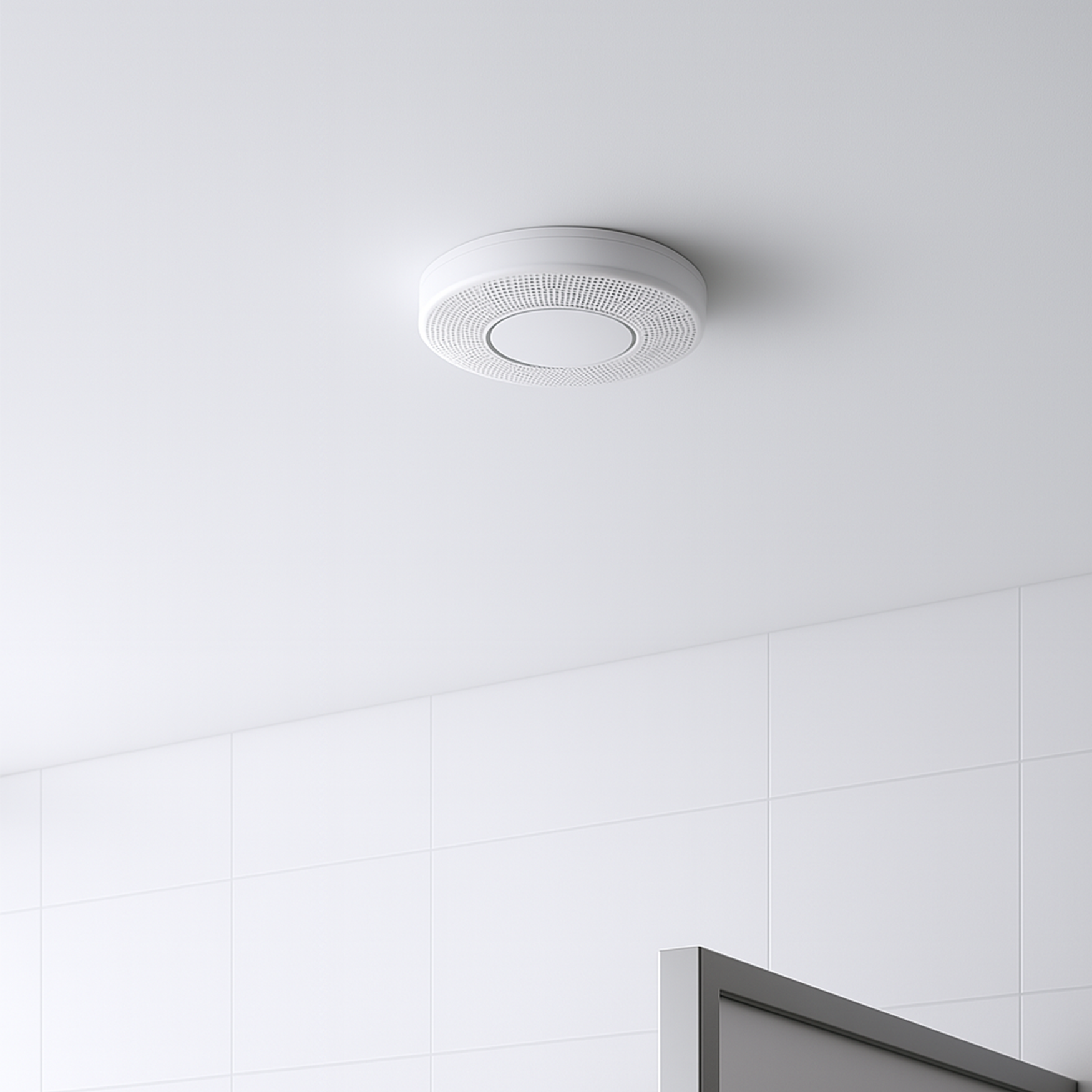
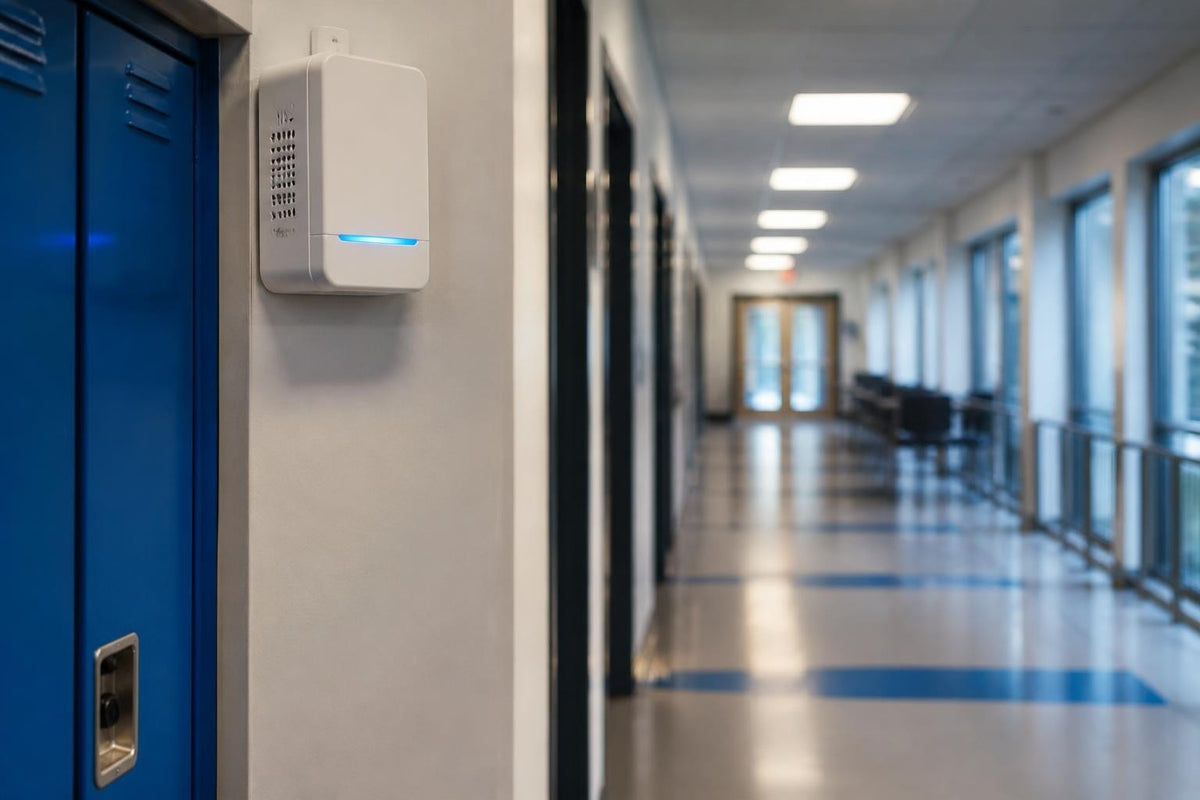
- Positioning sensors away from hand dryers and ventilation outlets
- Integrating alerts with existing behaviour management systems
- Training designated responders to handle alerts promptly
- Communicating the technology's presence to create deterrence
- Establishing clear consequence frameworks for detected incidents
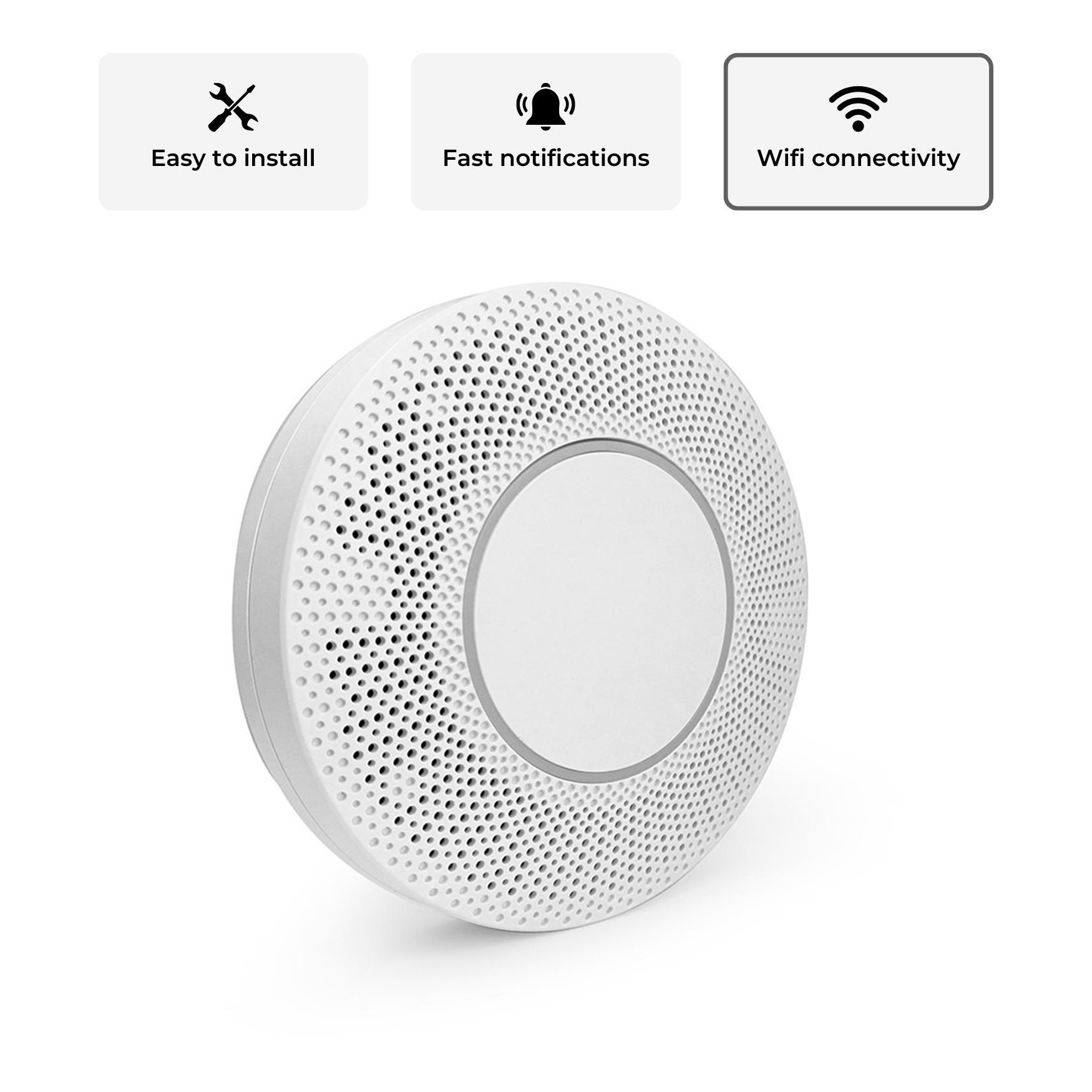
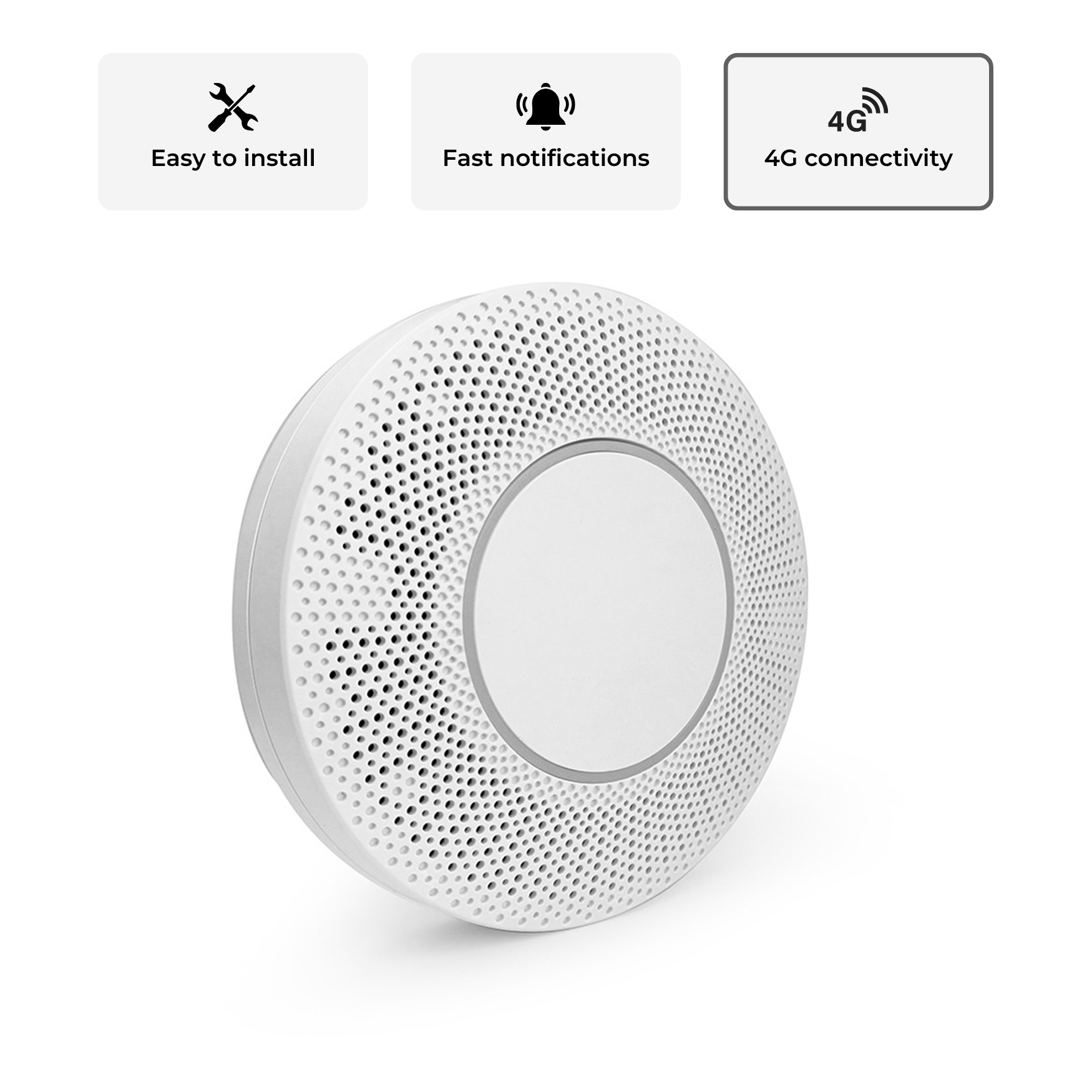
Many schools find that exploring comprehensive vape detection solutions enables them to address both student safety and compliance requirements simultaneously. The Vape Detection System exemplifies how modern hardware and software work together, providing real time alerts when vaping, drug use, or anti social behaviour occurs in monitored spaces.
Workplace and Commercial Deployments
Offices, leisure centres, and hospitality venues face different challenges. Workplace vaping often occurs during breaks, with employees testing boundaries of smoke free policies.
Effective workplace deployment focuses on:
- High traffic bathrooms near break areas and smoking designated zones
- Executive facilities where policy violations may go unreported
- Customer facing areas in gyms, hotels, and entertainment venues
- Compliance documentation supporting health and safety audits
The monitoring approach often emphasises education over punishment. When improving office air quality becomes the primary goal, detection data informs ventilation improvements and policy refinements rather than solely disciplinary action.
Healthcare and Specialist Facilities
Mental health units, rehabilitation centres, and specialist schools present unique requirements. These environments may house individuals with substance dependencies or behavioural challenges.
Detection in these settings must balance therapeutic relationships with safety imperatives. Sensors provide objective data that supports care plans without undermining trust between staff and service users.
Technical Performance Metrics That Matter
Not all vaping detectors for bathrooms perform equally. Understanding key specifications helps organisations separate marketing claims from genuine capability.
Sensitivity and Selectivity Trade offs
Sensitivity refers to the minimum aerosol concentration required to trigger detection. Selectivity describes the system's ability to distinguish vaping from other aerosol sources.
| Performance Metric | Industry Standard | Premium Systems | Why It Matters |
|---|---|---|---|
| Detection time | 15-30 seconds | 5-10 seconds | Faster alerts enable quicker intervention |
| False positive rate | <5% monthly | <1% monthly | Excessive false alarms undermine staff confidence |
| THC detection | Not included | Included | Critical for identifying drug vaping vs nicotine |
| Coverage area | 100-150 sq ft | 200-300 sq ft | Determines sensor quantity needed |
Methods for generating and measuring aerosols in controlled testing environments help manufacturers validate these specifications. Organisations should request third party verification rather than accepting manufacturer claims alone.
Integration and Alert Management
Real world performance depends heavily on how systems integrate with existing infrastructure:
- Network connectivity – WiFi, cellular, or hardwired Ethernet options
- Alert routing – SMS, email, dashboard notifications, or building management system integration
- Historical reporting – Trend analysis, hotspot identification, compliance documentation
- Maintenance indicators – Self diagnostics, sensor health monitoring, calibration reminders
The difference between a sensor and a comprehensive vape detection system lies in this integration layer. Standalone devices that simply flash lights when triggered provide minimal value compared to networked solutions that route alerts to designated responders and generate actionable intelligence.
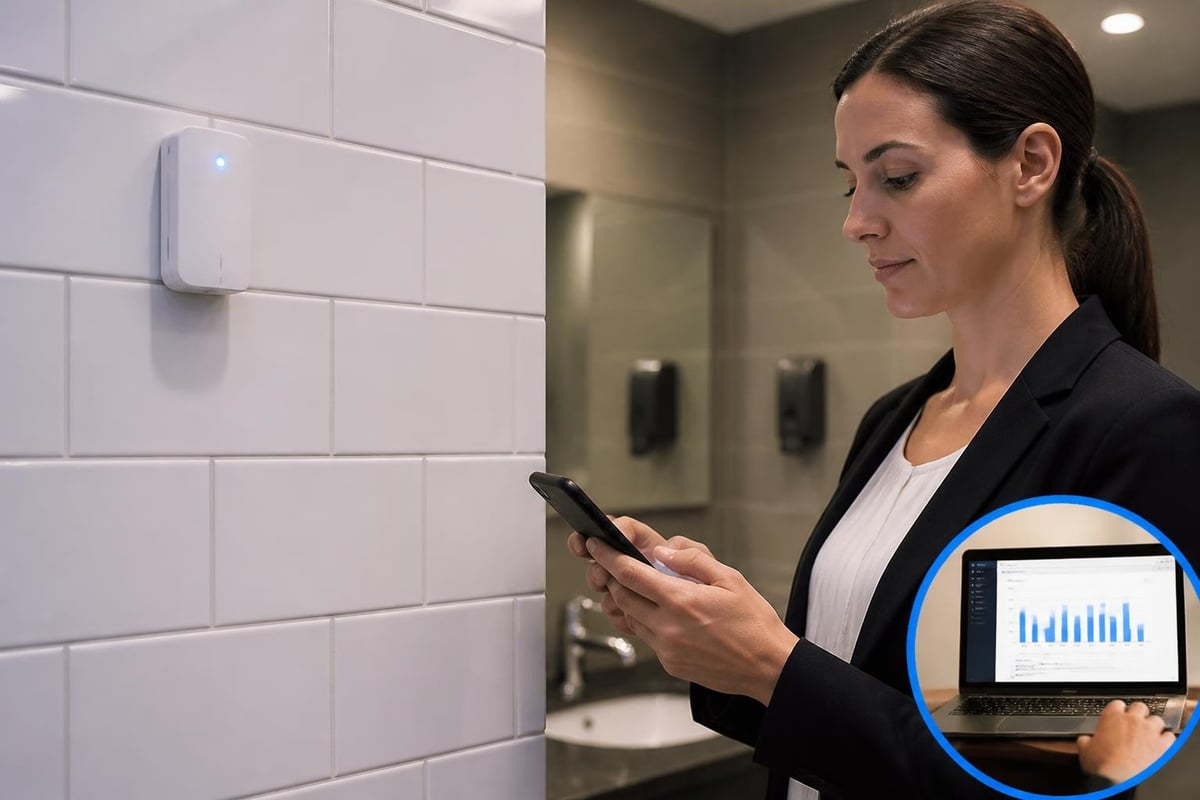
Legal and Ethical Implementation Frameworks
Deploying vaping detectors for bathrooms raises important questions about surveillance, privacy, and proportionality. Organisations must navigate these considerations carefully.
Privacy Impact Assessments
Under GDPR and UK data protection law, monitoring technologies require privacy impact assessments. These evaluations must address:
- Legitimate interests justifying the processing of detection data
- Proportionality of monitoring relative to alternative interventions
- Data minimisation ensuring only necessary information is captured
- Rights of individuals to understand how monitoring affects them
Practical guidance on bathroom safety and privacy emphasises transparent communication. Signage informing users that air quality monitoring occurs, without detailing specific technologies, satisfies both legal obligations and ethical standards.
The key distinction: monitoring air quality and environmental conditions differs fundamentally from surveilling individuals. Quality systems detect what happens in a space, not who does it.
Balancing Deterrence and Investigation
Organisations must decide whether sensor deployment aims primarily to deter vaping or to identify individuals for intervention. This philosophical choice shapes implementation:
Deterrence focused approaches:
- Publicise sensor presence widely
- Emphasise health and safety rationale
- Use detection data for environmental improvements
- Minimise individual consequences for first incidents
Investigation focused approaches:
- Deploy sensors discreetly
- Correlate detection timestamps with access logs
- Prioritise identifying persistent offenders
- Implement progressive disciplinary responses
Most organisations find that a balanced vape free policy combining education, deterrence, and targeted intervention yields optimal results. Schools particularly benefit from positioning sensors as safeguarding tools rather than punishment mechanisms.
Financial Considerations and Return on Investment
Budget holders reasonably question whether vaping detectors for bathrooms justify their cost. A comprehensive ROI analysis considers both quantifiable savings and less tangible benefits.
Direct and Indirect Cost Factors
| Cost Category | Typical Range (per sensor) | Frequency |
|---|---|---|
| Hardware purchase | £800-£1,500 | One time |
| Installation (professional) | £150-£400 | One time |
| Subscription/monitoring | £200-£500 | Annual |
| Maintenance/calibration | £50-£150 | Annual |
A typical secondary school with 15 bathrooms might invest £15,000-£25,000 for comprehensive coverage including installation and first year monitoring. Understanding the complete cost breakdown and ROI helps organisations budget appropriately.
Quantifiable Benefits
Return on investment manifests through multiple channels:
Facilities savings:
- Reduced deep cleaning frequency from vaping residue
- Lower HVAC filter replacement costs
- Decreased bathroom damage from congregation and anti social behaviour
Staff efficiency:
- Elimination of patrol time dedicated to bathroom checks
- Faster incident response reducing investigation hours
- Automated compliance documentation for inspections
Health and safety value:
- Reduced exposure to secondhand aerosols
- Earlier intervention in drug vaping incidents
- Improved air quality metrics supporting wellbeing initiatives
Many schools report that detection systems pay for themselves within 18-24 months through staff time savings alone. The broader benefits around safeguarding and behaviour management amplify this value significantly.
Overcoming Implementation Challenges
Real world deployments reveal common obstacles that organisations should anticipate and plan for.
Technical Infrastructure Requirements
Vaping detectors for bathrooms require reliable network connectivity. Buildings with poor WiFi coverage in bathroom areas may need:
- Mesh network extensions or additional access points
- Cellular enabled sensors with ongoing data plans
- Hardwired Ethernet connections (most reliable but installation intensive)
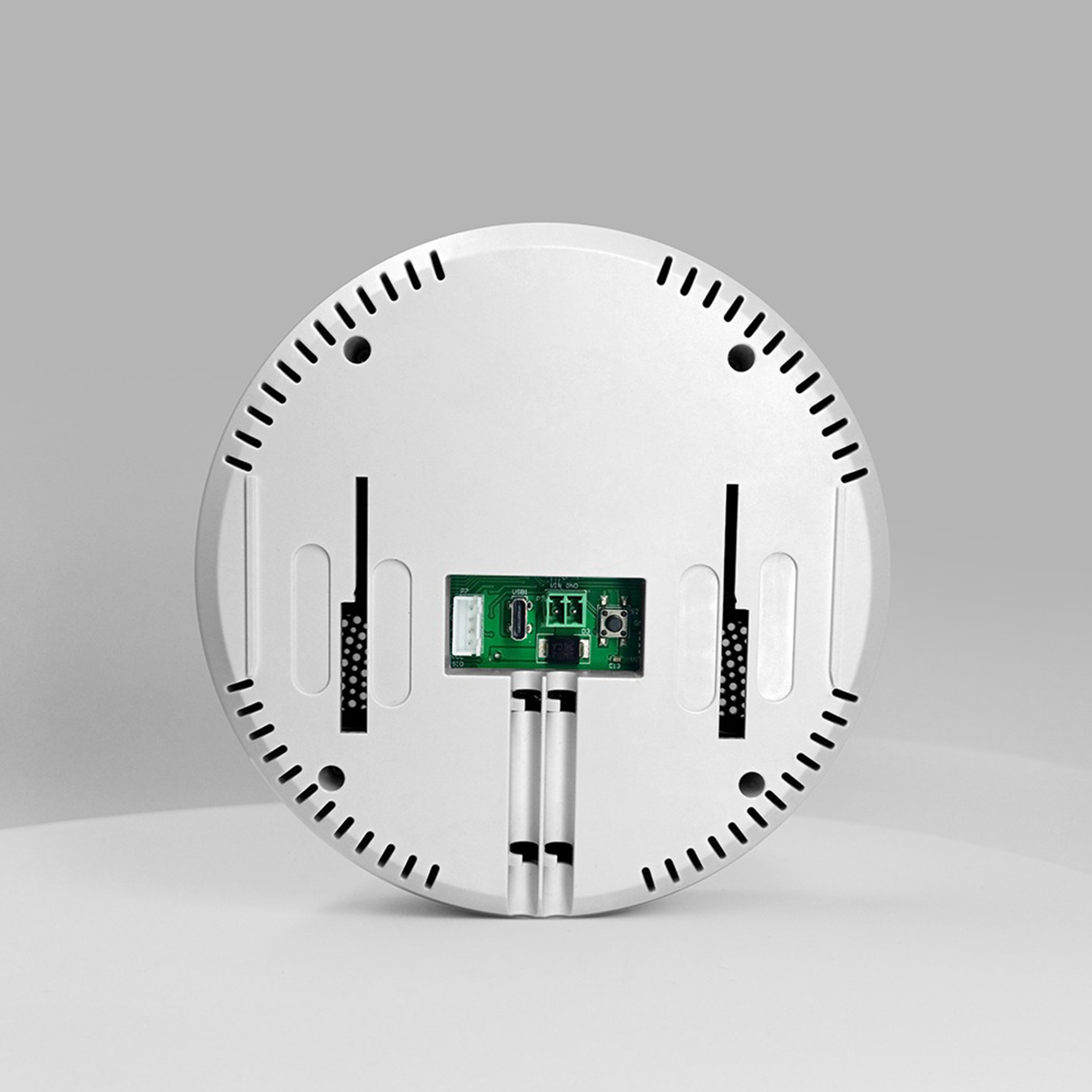
Power supply presents another consideration. Battery powered sensors offer installation flexibility but require regular replacement. Mains powered units eliminate battery concerns but necessitate electrical work and compliance with bathroom electrical regulations.
Staff Training and Response Protocols
Technology alone achieves little without trained responders. Effective programmes include:
- Alert acknowledgment procedures so incidents do not go unaddressed
- Investigation approaches that maintain student dignity whilst gathering facts
- Documentation standards creating audit trails for safeguarding reviews
- Escalation pathways for repeat offenders or serious incidents
- Privacy protocols ensuring detection data is handled confidentially
Schools often designate specific pastoral or safeguarding leads as primary responders, with site teams as backup. Clear protocols prevent confusion when alerts arrive during busy periods.
Managing Student and Staff Perceptions
Initial rollout frequently triggers privacy concerns, particularly from students and parents unfamiliar with the technology. Proactive communication addressing common questions reduces resistance:
- Explaining the privacy preserving design (no cameras, no individual tracking)
- Highlighting the health rationale around secondhand exposure
- Demonstrating how detection supports rather than replaces education
- Sharing data on incident trends without identifying individuals
Many institutions find that concerns dissipate quickly once stakeholders understand that sensors monitor environmental conditions rather than people. Transparency about what data is collected and how it is used builds trust.
Future Developments in Detection Technology
The vaping detection sector continues evolving rapidly. Organisations investing today should consider emerging capabilities that may influence future upgrades or expansions.
Enhanced Chemical Specificity
Current generation sensors detect vaping generally but struggle to differentiate nicotine from THC or other substances without laboratory analysis. Next generation systems promise:
- Real time substance identification distinguishing nicotine, cannabis, and synthetic cannabinoids
- Concentration quantification measuring exposure levels for health assessments
- Multi substance detection in environments where various vaping products are used
This chemical specificity proves particularly valuable in settings addressing drug vaping alongside nicotine use, enabling proportionate responses to different substance categories.
Artificial Intelligence and Pattern Recognition
Machine learning algorithms trained on extensive datasets improve detection accuracy continuously. Emerging applications include:
- Predictive analytics identifying times and locations at highest risk
- Behavioural pattern recognition spotting coordinated vaping groups
- Anomaly detection flagging unusual activity for investigation
- Integration with broader building management and security systems
Schools implementing comprehensive anti vaping technology benefit from these AI enhancements, which reduce false positives whilst catching more sophisticated evasion attempts.
Broader Air Quality and Wellbeing Monitoring
Leading manufacturers position vaping detection within comprehensive environmental monitoring ecosystems. Future systems will likely:
- Track broader PM2.5 air quality metrics alongside vaping incidents
- Monitor carbon dioxide, temperature, and humidity for occupant comfort
- Detect other concerning activities including bullying through sound analytics
- Generate wellbeing dashboards for facilities managers and safeguarding leads
This convergence transforms sensors from single purpose tools into multi functional environmental monitoring platforms, improving ROI and strategic value.
Best Practice Implementation Roadmap
Organisations considering vaping detectors for bathrooms benefit from structured deployment approaches. A phased roadmap reduces risk whilst building internal capability.
Phase One: Assessment and Planning
Week 1-2:
- Conduct incident audit identifying vaping hotspots
- Survey bathroom layouts and technical infrastructure
- Assess privacy impact and develop mitigation strategies
- Define success metrics and ROI expectations
Week 3-4:
- Engage stakeholders including staff, students/employees, and governors/directors
- Draft implementation policy addressing detection, response, and data handling
- Develop communication materials for transparent rollout
- Finalise budget and procurement approach
Phase Two: Pilot Deployment
Month 2:
- Install sensors in 2-3 highest risk bathrooms
- Configure alert routing and test response protocols
- Train designated responders on investigation procedures
- Monitor performance and gather feedback
Month 3:
- Analyse pilot data for false positive rates and detection effectiveness
- Refine alert thresholds and response procedures
- Document lessons learned and system optimisations
- Make go/no go decision on full deployment
Phase Three: Full Implementation
Month 4-5:
- Install remaining sensors across all target locations
- Launch stakeholder communication campaign
- Establish regular reporting cadence for leadership
- Integrate detection data into behaviour management systems
Month 6 onwards:
- Conduct quarterly reviews of incident trends and system performance
- Optimise sensor placement based on hotspot evolution
- Update training as staff turnover occurs
- Plan for maintenance, calibration, and eventual replacement cycles
This structured approach, combined with resources like those available through Vape Guardian's educational content, helps organisations avoid common pitfalls whilst maximising detection effectiveness.
Vaping detectors for bathrooms represent a proven, privacy respecting solution to one of the most persistent safeguarding challenges facing schools and workplaces today. By combining advanced sensor technology with thoughtful implementation frameworks, organisations create environments where health, safety, and compliance objectives align seamlessly. Whether you are addressing student vaping in schools, maintaining smoke free workplaces, or protecting vulnerable populations in specialist settings, Vape Guardian provides the technology, expertise, and support needed to transform bathroom monitoring from an intractable problem into a manageable, evidence based process.


Share:
Vaping Detectors for Schools: A 2026 Implementation Guide
Nicotine Air Detector: Complete Guide to Detection Tech