

Modern indoor environments present unique challenges for health and safety management. As buildings become more energy efficient and sealed, the need for effective co2 and air quality monitoring has never been more critical. Understanding the science behind indoor air quality, combined with practical implementation strategies, enables organisations to create healthier, more productive spaces whilst meeting regulatory compliance requirements.
Understanding Carbon Dioxide as a Ventilation Indicator
Carbon dioxide monitoring serves as a reliable proxy for overall ventilation effectiveness in occupied spaces. When people breathe, they consume oxygen and exhale CO2, creating a measurable increase in indoor concentration levels. ASHRAE's position document clarifies that whilst CO2 itself is not typically harmful at indoor concentrations, elevated levels indicate inadequate fresh air supply.
Baseline CO2 Concentrations and Thresholds
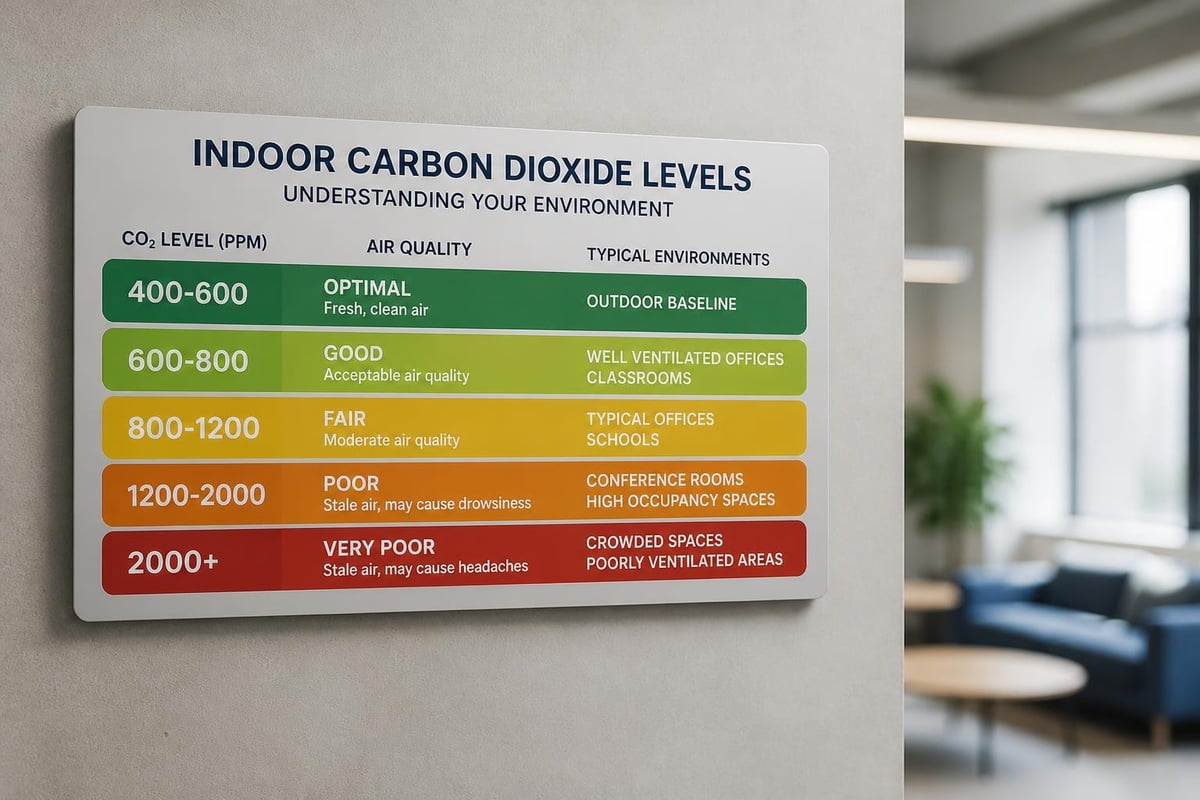
Outdoor ambient air typically contains approximately 420 parts per million (ppm) of carbon dioxide. Indoor spaces should ideally maintain levels below 1,000 ppm during occupied periods, though acceptable thresholds vary by application and building type.
Common CO2 threshold guidelines include:
- 800 ppm: Optimal for enhanced cognitive performance
- 1,000 ppm: General office and commercial space target
- 1,500 ppm: Maximum acceptable for schools under many regulations
- 2,000 ppm: Upper limit before occupant complaints typically increase
Values exceeding these benchmarks suggest insufficient ventilation rates or overcrowding. However, CO2 monitoring alone does not detect all air quality problems, making comprehensive co2 and air quality monitoring solutions essential for complete environmental oversight.
Comprehensive Air Quality Parameters Beyond CO2
Whilst carbon dioxide provides valuable ventilation insights, modern co2 and air quality monitoring systems track multiple parameters simultaneously. A holistic approach captures the full spectrum of indoor environmental factors affecting occupant health and comfort.
Critical Air Quality Metrics
Temperature and relative humidity directly influence thermal comfort and pathogen transmission rates. Maintaining 40 to 60 percent relative humidity helps reduce airborne virus viability whilst preventing mould growth and material degradation.
Particulate matter (PM2.5 and PM10) consists of microscopic particles from combustion, outdoor pollution infiltration, and indoor activities. These particles penetrate deep into respiratory systems, making continuous monitoring essential in urban locations and high traffic areas.
Volatile organic compounds (VOCs) emanate from building materials, cleaning products, furnishings, and human activities. Total VOC levels indicate chemical air quality and potential irritant exposure. The EPA's guidance on indoor air quality explains how various pollutants interact to affect overall environmental quality.
| Parameter | Typical Range | Health Significance | Monitoring Frequency |
|---|---|---|---|
| CO2 | 400-1,000 ppm | Ventilation proxy | Continuous |
| PM2.5 | 0-12 μg/m³ | Respiratory health | Continuous |
| VOCs | 0-500 ppb | Chemical exposure | Continuous |
| Humidity | 40-60% RH | Comfort, pathogens | Every 5-10 minutes |
| Temperature | 19-23°C | Thermal comfort | Every 5-10 minutes |
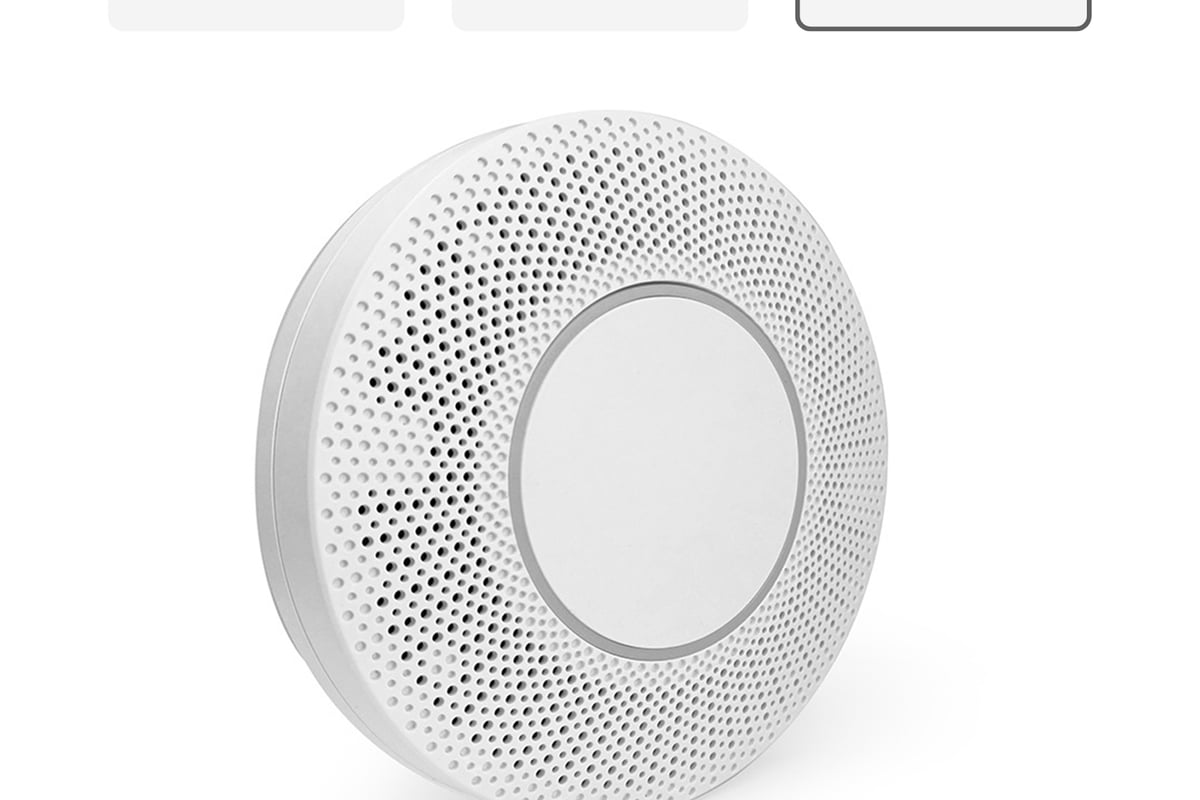
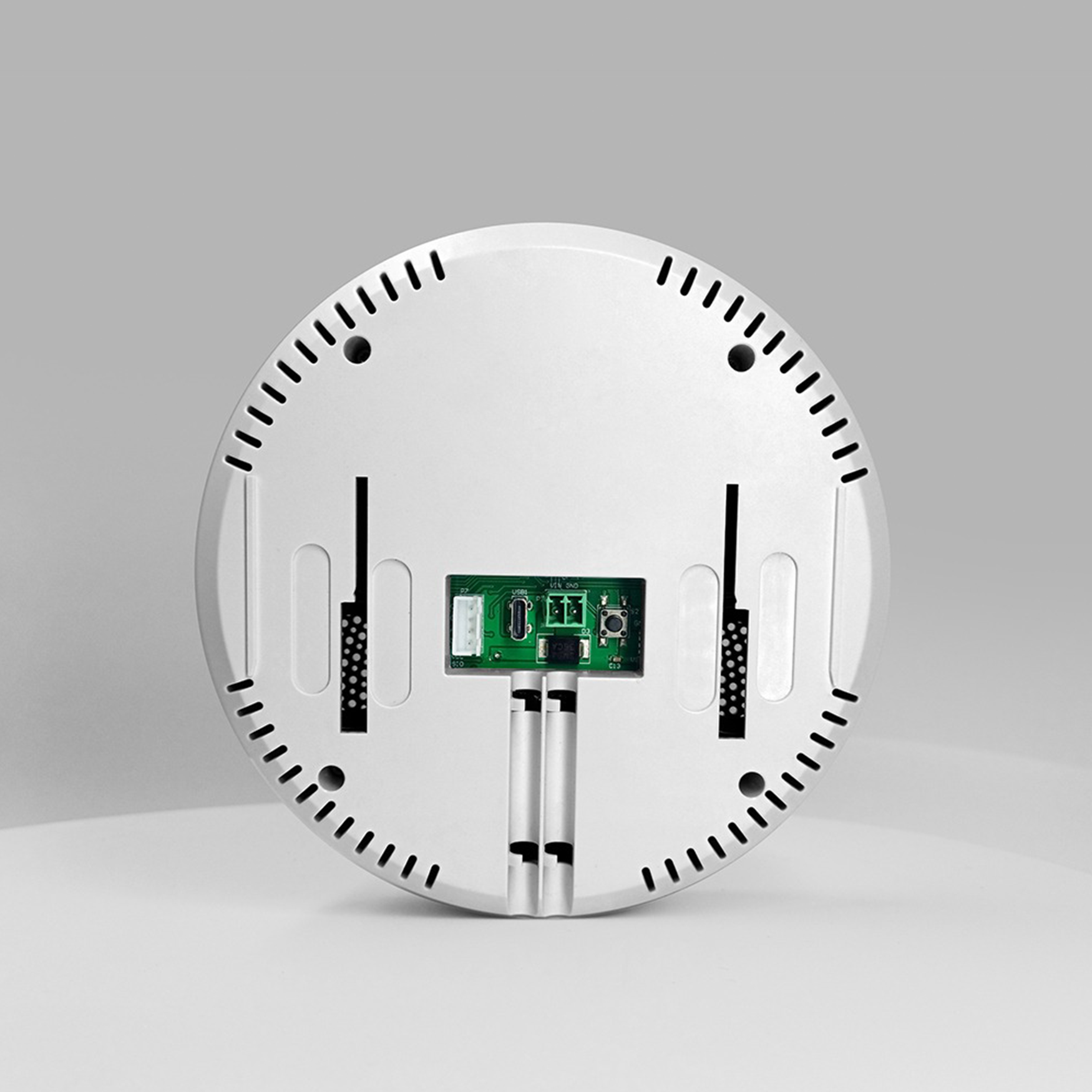
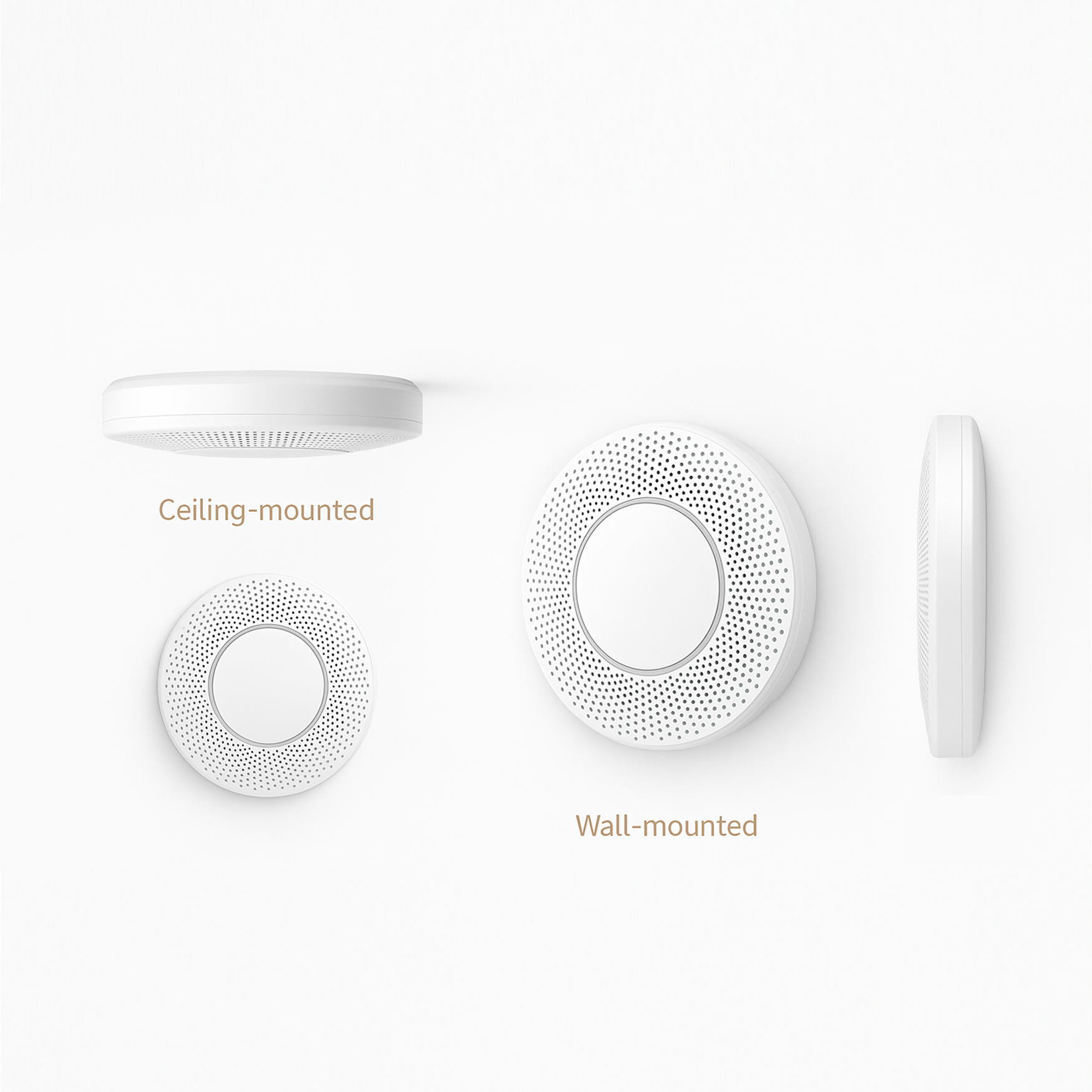
Modern facilities increasingly require detection of specific substances beyond traditional parameters. Vape Guardian's smart sensor technology addresses this need by identifying vaping substances and other concerning behaviours whilst simultaneously monitoring core air quality metrics, providing comprehensive environmental oversight in educational and commercial settings.
Selecting Appropriate Monitoring Technologies
The co2 and air quality monitoring market offers diverse solutions ranging from basic single parameter devices to sophisticated multi sensor platforms. Understanding technical specifications and deployment requirements ensures optimal system selection for specific applications.
Sensor Technology Classifications
Non dispersive infrared (NDIR) sensors represent the gold standard for CO2 measurement. These optical devices measure gas concentration by detecting infrared absorption at specific wavelengths, providing accurate, stable readings with minimal drift over time.
Electrochemical sensors detect specific gases through chemical reactions generating measurable electrical signals. These excel at detecting particular pollutants but require periodic replacement due to limited operational lifespans.
Photoionisation detectors (PID) measure VOC concentrations by ionising organic compounds under ultraviolet light. They offer broad spectrum detection but cannot identify specific chemical compounds without additional analysis.
Evaluation criteria for monitoring systems:
- Accuracy specifications: Verify stated precision against calibration standards
- Response time: Faster detection enables quicker intervention
- Calibration requirements: Consider maintenance burden and ongoing costs
- Integration capabilities: Ensure compatibility with building management systems
- Data accessibility: Real time alerts and historical trend analysis features
The EPA's review of low cost air pollution monitors provides valuable context on capability trade offs between consumer grade and professional monitoring equipment. Organisations must balance budget constraints against performance requirements and regulatory compliance needs.
Connectivity and Data Management
Modern co2 and air quality monitoring solutions leverage WiFi, cellular, and Power over Ethernet connectivity for seamless data transmission. Cloud based platforms aggregate readings from distributed sensor networks, enabling centralised monitoring across multiple locations and generating actionable insights through analytics dashboards.
Data logging capabilities preserve historical records for compliance documentation and trend identification. Advanced systems employ machine learning algorithms to predict ventilation needs based on occupancy patterns, weather conditions, and historical air quality data.
Strategic Deployment and Installation Considerations
Proper sensor placement fundamentally determines monitoring system effectiveness. Even the most sophisticated co2 and air quality monitoring equipment produces misleading data when incorrectly positioned within a space.
Optimal Sensor Positioning
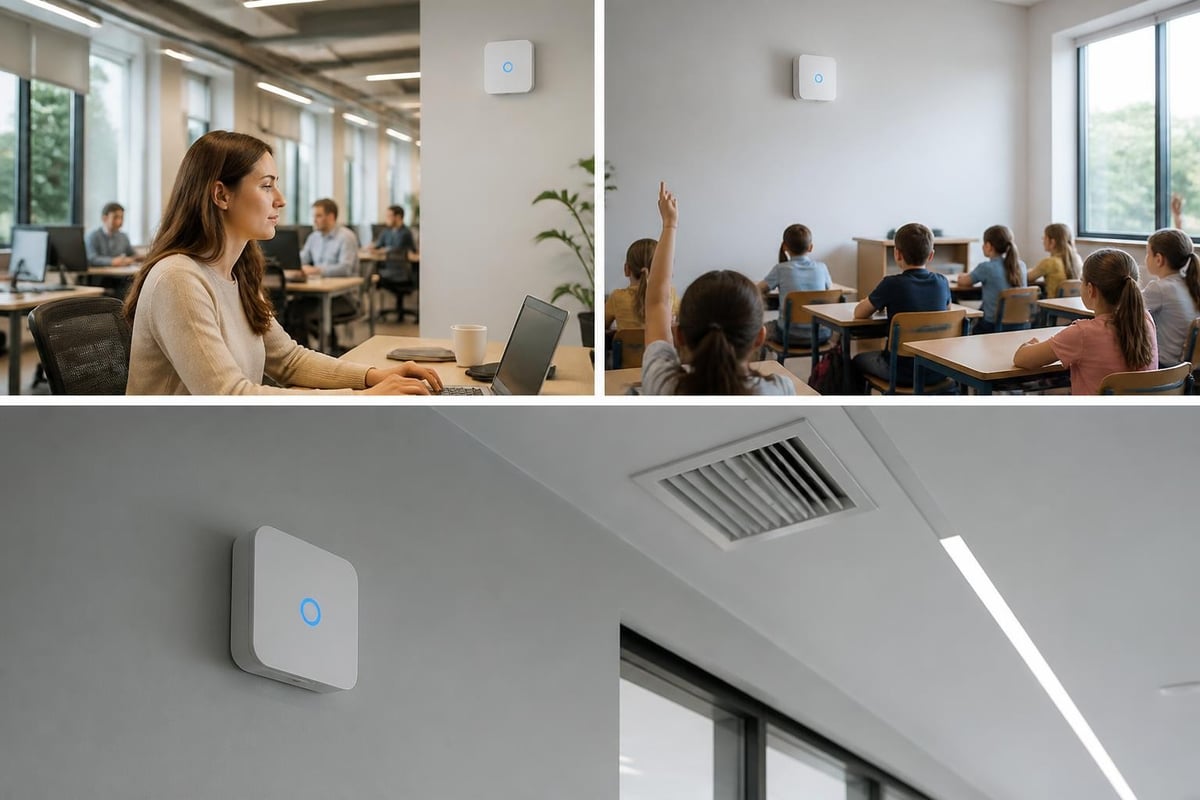
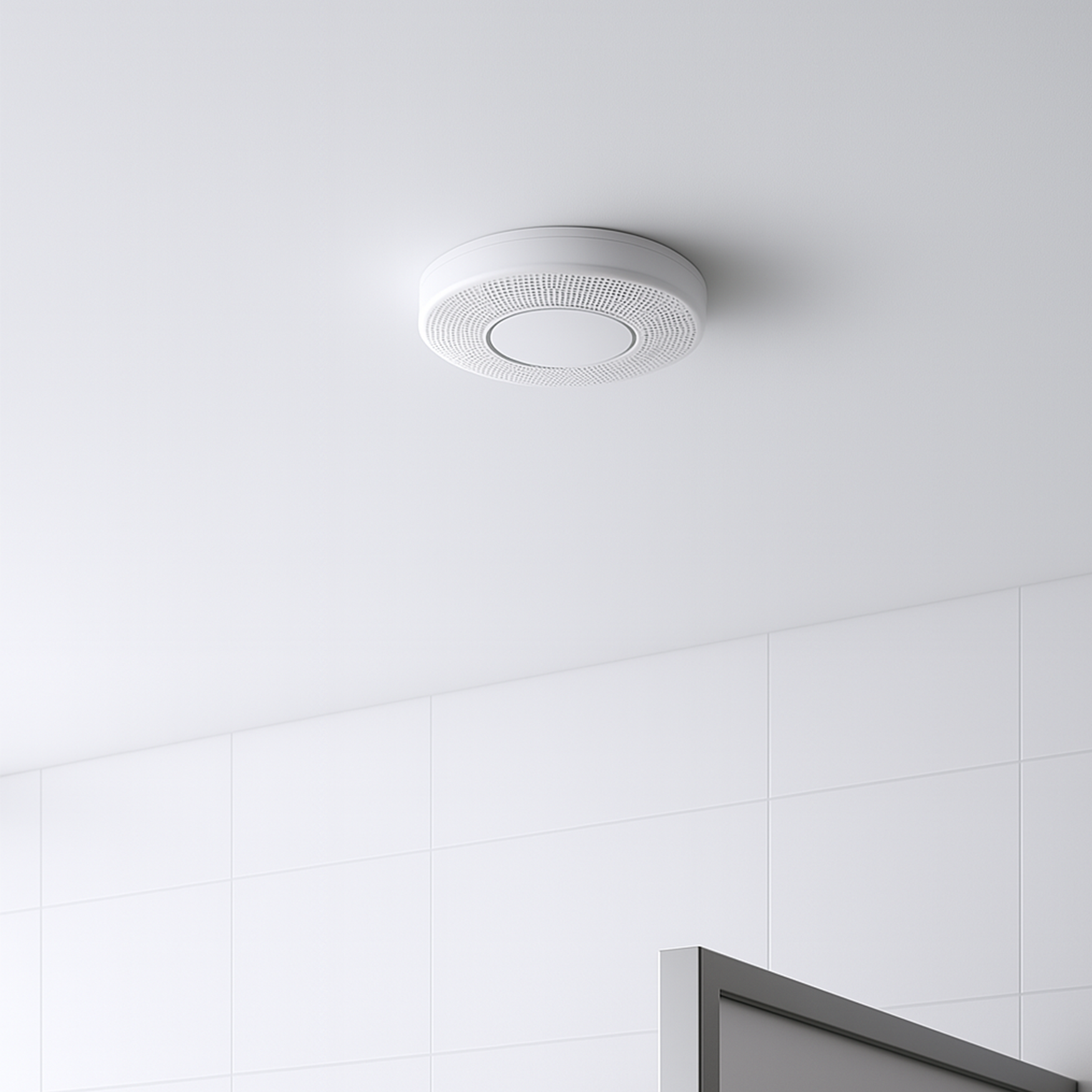
Mount sensors at breathing zone height, typically 1.2 to 1.8 metres above floor level, where occupants actually experience air quality conditions. Avoid placement near windows, doors, ventilation grilles, or direct heat sources that create unrepresentative microclimates.
In classrooms and office environments, position sensors away from direct human breath to prevent temporary spikes skewing averaged readings. Central locations with good air circulation provide representative samples of overall room conditions.
Installation best practices include:
- Avoid direct sunlight exposure affecting temperature sensors
- Ensure unobstructed airflow around sensor intakes
- Position away from chemical storage or cleaning product areas
- Consider occupancy density when determining sensor quantity
- Document exact locations for future maintenance and troubleshooting
Large open plan spaces may require multiple sensors to capture spatial variation in air quality. The U.S. Department of Energy's ventilation assessment guide provides detailed protocols for multi point measurement strategies in complex building layouts.
Calibration and Maintenance Protocols
Regular calibration maintains measurement accuracy over operational lifespans. NDIR CO2 sensors typically require annual calibration against known reference gases, though some models feature automatic baseline correction using minimum outdoor air readings.
Research published in PubMed Central on low cost CO2 sensor performance demonstrates the importance of field validation and co location testing procedures. Comparing new sensors against calibrated reference instruments identifies individual device biases before widespread deployment.
Establish documented maintenance schedules covering sensor cleaning, filter replacement where applicable, and periodic accuracy verification. This systematic approach prevents data quality degradation and ensures continued regulatory compliance.
Application Specific Implementation Strategies
Different building types present unique challenges requiring tailored co2 and air quality monitoring approaches. Educational institutions, commercial offices, leisure facilities, and healthcare settings each demand customised strategies aligned with occupancy patterns, compliance requirements, and operational constraints.
Educational Environments
Schools face particular challenges due to high occupancy densities, variable schedules, and diverse activity types. Vape Guardian's solutions for education address both traditional air quality concerns and emerging challenges like underage vaping in restrooms and changing facilities.
Classroom monitoring should capture baseline conditions during unoccupied periods, occupied instruction time, and transitions between classes. This comprehensive data reveals ventilation system performance and identifies spaces requiring enhanced fresh air delivery.
Educational facility priorities:
- Real time alerts enabling immediate intervention
- Historical data supporting facilities planning decisions
- Integration with existing building management infrastructure
- Tamper resistant designs preventing student interference
- Privacy compliant monitoring avoiding audio or video recording
Commercial and Office Settings
Modern office environments increasingly recognise air quality's impact on productivity, cognitive performance, and employee wellbeing. Studies demonstrate measurable improvements in decision making speed and accuracy when CO2 concentrations remain below 800 ppm compared to typical office levels of 1,200 ppm or higher.
Meeting rooms and conference spaces warrant particular attention due to high temporary occupancy generating rapid CO2 accumulation. Demand controlled ventilation systems use real time monitoring data to automatically adjust fresh air intake, optimising energy efficiency whilst maintaining healthy conditions.
Leisure and Retail Applications
Gyms, restaurants, bars, and retail spaces present unique monitoring challenges. Physical activity increases metabolic CO2 production rates, necessitating higher ventilation rates than sedentary office work. Vape Guardian's leisure and retail solutions provide specialised monitoring addressing both air quality and substance detection requirements in these dynamic environments.
Temperature and humidity control become critical in fitness facilities where improper conditions impair performance and increase heat stress risks. Comprehensive co2 and air quality monitoring enables proactive environmental management maintaining comfortable, safe conditions.
Interpreting Data and Implementing Corrective Actions
Collecting air quality data provides value only when translated into actionable interventions. Establishing clear thresholds, alert protocols, and response procedures ensures monitoring systems drive meaningful environmental improvements rather than generating ignored alarms.
Developing Response Frameworks
Create tiered alert systems triggering escalating responses as readings exceed progressive thresholds. Initial warnings at 1,000 ppm CO2 might prompt HVAC system checks, whilst levels above 1,500 ppm could mandate immediate occupancy reductions or enhanced ventilation activation.
Document standard operating procedures specifying responsible parties, communication channels, and intervention timelines for each alert category. Regular training ensures staff understand their roles and can implement corrective actions efficiently.
| Alert Level | CO2 Threshold | Immediate Actions | Follow Up Required |
|---|---|---|---|
| Advisory | 800-1,000 ppm | Monitor trends | Review if persistent |
| Warning | 1,000-1,500 ppm | Increase ventilation | Investigate causes |
| Critical | >1,500 ppm | Reduce occupancy | Facilities assessment |
| Emergency | >2,000 ppm | Evacuate if needed | Full system audit |
Long Term Trend Analysis
Beyond immediate alerts, historical data reveals patterns informing strategic improvements. Seasonal variations, occupancy correlations, and time of day trends identify systemic issues requiring capital investment rather than operational adjustments.
Analysing co2 and air quality monitoring data alongside attendance records, weather conditions, and energy consumption generates insights optimising ventilation schedules and identifying underperforming equipment. This evidence based approach justifies infrastructure upgrades and demonstrates return on investment through improved occupant outcomes.
Regulatory Compliance and Standards Landscape
Understanding applicable regulations ensures co2 and air quality monitoring systems meet legal requirements whilst supporting broader organisational health and safety obligations. The regulatory environment continues evolving as scientific evidence strengthens links between indoor air quality and health outcomes.
UK Building Standards and Guidance
Building Regulations Approved Document F specifies ventilation requirements for various building types, establishing minimum fresh air delivery rates based on floor area and occupancy. Whilst not mandating continuous monitoring, demonstrating compliance increasingly requires documented air quality data rather than design assumptions alone.
The Health and Safety Executive provides workplace exposure limits for numerous substances, though typical indoor air quality parameters fall below these industrial hygiene thresholds. Employers maintain general duty of care obligations to provide healthy working environments, which comprehensive monitoring helps demonstrate.
International Standards Framework
ISO 16000 series standards establish protocols for indoor air sampling, analysis, and assessment methodologies. These voluntary standards provide recognised frameworks for quality assurance programmes and inter laboratory comparability.
WELL Building Standard and RESET Air certification programmes specify continuous co2 and air quality monitoring as core requirements for achieving occupant health focused building ratings. These voluntary frameworks drive market adoption of monitoring technologies beyond minimum regulatory compliance.
Key compliance documentation requirements:
- Sensor calibration certificates and maintenance records
- Historical data logs with timestamp integrity
- Alert response documentation and resolution tracking
- Periodic third party verification reports
- Integration with overall building performance metrics
Emerging Technologies and Future Developments
The co2 and air quality monitoring sector continues advancing rapidly, with emerging technologies promising enhanced capabilities, reduced costs, and improved accessibility. Understanding development trajectories helps organisations make informed investment decisions balancing current needs against future compatibility.
Miniaturisation and Cost Reduction
Solid state sensor technologies leverage semiconductor manufacturing processes, dramatically reducing size and production costs whilst maintaining measurement accuracy. These developments enable sensor integration into previously impractical applications and support dense monitoring networks capturing fine grained spatial variations.
Machine learning algorithms compensate for sensor drift and environmental interference, extending operational lifespans and reducing calibration frequency requirements. Intelligent systems learn baseline patterns, automatically identifying anomalies warranting investigation even when absolute values remain within acceptable ranges.
Integration with Building Automation
Modern building management systems increasingly incorporate air quality data alongside traditional parameters like temperature and lighting. This holistic integration enables sophisticated control strategies optimising multiple objectives simultaneously, balancing energy efficiency, occupant comfort, and health outcomes.
Predictive algorithms anticipate ventilation needs based on scheduled occupancy, historical patterns, and weather forecasts. Pre conditioning spaces before occupation improves initial conditions whilst avoiding continuous over ventilation of unoccupied areas.
Future capability developments include:
- Artificial intelligence identifying pollution sources and recommending targeted interventions
- Blockchain verified data chains ensuring measurement integrity for compliance purposes
- Personal exposure monitoring integrating fixed infrastructure with wearable devices
- Real time outdoor air quality data informing intake filtration and ventilation strategies
- Automated reporting generating regulatory submissions without manual data compilation
The convergence of air quality monitoring with other safety systems creates opportunities for comprehensive facility management platforms. Exploring Vape Guardian's technology demonstrates how specialised detection capabilities integrate with broader environmental monitoring, addressing multiple safety concerns through unified infrastructure.
Cost Benefit Analysis and Return on Investment
Implementing comprehensive co2 and air quality monitoring represents a significant investment requiring careful financial justification. Understanding both direct costs and quantifiable benefits enables evidence based decision making and secures necessary organisational support.
Direct Implementation Costs
Initial capital expenditure includes sensor hardware, installation labour, network infrastructure, and software platform subscriptions. Entry level systems monitoring basic parameters in limited locations may cost several hundred pounds, whilst enterprise deployments across multiple facilities reach tens of thousands.
Typical cost components:
- Sensor hardware: £100 to £500 per unit depending on capabilities
- Installation: £50 to £200 per sensor for basic mounting and connectivity
- Software platforms: £10 to £50 per sensor monthly subscription
- Ongoing calibration: £25 to £100 per sensor annually
- Support and training: Variable based on organisational requirements
Ongoing operational costs include sensor calibration, consumable replacement, software subscriptions, and staff time managing the system. Accurate total cost of ownership projections spanning equipment lifecycles inform realistic budgeting and prevent unexpected expenditure.
Quantifiable Benefits and Savings
Energy efficiency improvements represent the most directly measurable financial return. Demand controlled ventilation optimises fresh air delivery, reducing heating and cooling loads whilst maintaining healthy conditions. Studies document 10 to 30 percent HVAC energy savings in buildings deploying CO2 based ventilation control.
Productivity enhancements, whilst harder to quantify precisely, demonstrate substantial value. Research correlates improved air quality with reduced sick leave, enhanced cognitive performance, and increased work output. Even modest improvements across large workforces generate significant economic value exceeding monitoring system costs.
Regulatory compliance and liability reduction provide additional, if less tangible, benefits. Documented air quality management demonstrates duty of care, potentially reducing insurance premiums and limiting exposure in health related litigation.
Effective co2 and air quality monitoring creates healthier, safer, and more productive indoor environments whilst supporting regulatory compliance and operational efficiency. By selecting appropriate technologies, implementing strategic deployment plans, and establishing clear response protocols, organisations transform environmental data into meaningful improvements benefiting all occupants. Vape Guardian combines advanced air quality monitoring with specialised vaping and substance detection, providing comprehensive solutions for schools, offices, and leisure facilities committed to creating genuinely safe environments throughout the UK.

Share:
Best Vape Detector 2025: Complete Guide & Reviews