
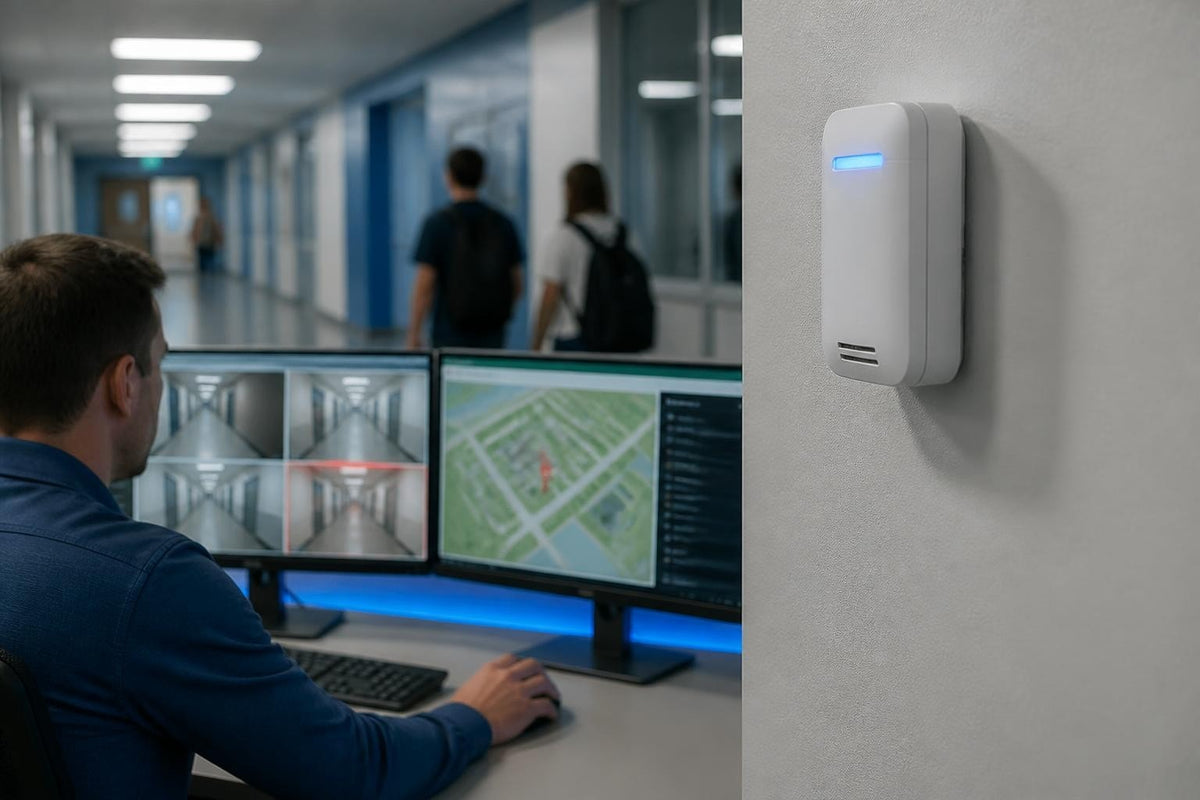
The proliferation of vaping in schools, offices, and public spaces has created an urgent need for sophisticated monitoring technology. An award winning vape detection system represents the pinnacle of this technology, combining advanced sensor arrays, machine learning algorithms, and real-time alert mechanisms to identify vaping incidents before they escalate. These systems have evolved significantly since their introduction, earning recognition from safety authorities, educational institutions, and commercial facilities worldwide. As organisations seek to maintain healthier environments whilst respecting privacy considerations, understanding what distinguishes award winning solutions from basic monitoring equipment has become essential for facility managers, school administrators, and health and safety professionals.
The Technology Behind Award Winning Detection
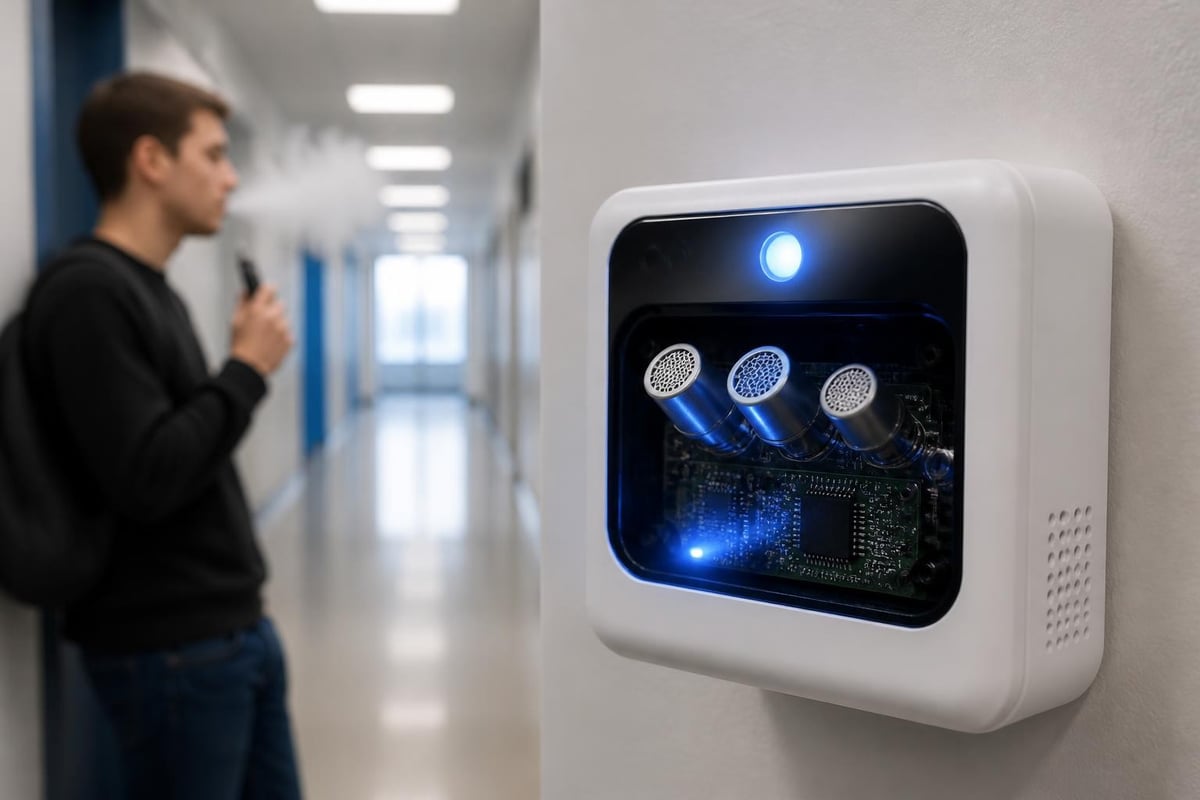
Modern vape detection technology operates through a sophisticated blend of environmental sensing and analytical processing. Unlike simple smoke detectors, an award winning vape detection system employs multiple detection modalities to identify the unique signatures of vaping aerosols with exceptional accuracy.
Multi-Spectral Sensor Arrays
The foundation of effective vape detection lies in its ability to differentiate vaping aerosols from other airborne particles. Research into multi-spectral optical sensors has demonstrated that size-binned particulate measurement combined with machine learning can achieve real-time identification of e-cigarette aerosols with remarkable precision.
Key sensor technologies include:
- Particulate matter sensors measuring PM2.5 and PM10 concentrations
- Volatile organic compound (VOC) detection for identifying chemical signatures
- Temperature and humidity monitoring to establish baseline environmental conditions
- Sound detection capabilities for identifying tamper attempts or unauthorised behaviour
- Air quality metrics that assess overall environmental health
These sensors work in concert to create a comprehensive picture of environmental conditions. When a vaping event occurs, the system recognises the distinctive pattern: a sudden spike in particulate matter coinciding with specific VOC signatures that match known vaping products.
Machine Learning and Pattern Recognition
Award winning systems distinguish themselves through sophisticated algorithmic processing. Rather than simply triggering on any particulate increase, these platforms learn to recognise the specific temporal and chemical patterns associated with vaping.
The machine learning models are trained on extensive datasets representing:
- Various vaping device types and e-liquid formulations
- Environmental variations across different seasons and climates
- Common false positive sources (cooking, cleaning products, perfumes)
- Different room sizes and ventilation characteristics
This training enables the system to maintain high sensitivity whilst minimising false alarms, a critical balance for maintaining staff confidence and operational efficiency.
Deployment Strategies for Maximum Effectiveness
Strategic placement and configuration determine whether a vape detection system delivers meaningful results or becomes another underutilised technology investment. Evidence from longitudinal studies evaluating IoT-enabled aerosol detection at school scale demonstrates that deployment strategy significantly impacts both detection rates and policy compliance outcomes.
Coverage Planning and Sensor Positioning
| Location Type | Recommended Coverage | Priority Areas |
|---|---|---|
| Toilet facilities | 100% (all cubicles/stalls) | Every enclosed space |
| Changing rooms | Full coverage | Private alcoves, shower areas |
| Stairwells | One per floor minimum | Dead zones, corners |
| Common areas | Strategic high-traffic points | Near exits, gathering spots |
| Offices | Manager discretion | Private offices, meeting rooms |
Effective deployment requires understanding airflow patterns and user behaviour. In educational settings, toilets remain the primary concern, accounting for over 70% of reported vaping incidents. However, changing rooms, isolated corridors, and outdoor covered areas also require attention.
The Vape Detection System approach combines hardware sensors with intelligent software that adapts to the specific characteristics of each installation environment, ensuring consistent performance across diverse facility types.

Network Infrastructure Considerations
An award winning vape detection system requires reliable connectivity to deliver real-time alerts and centralised monitoring. Modern vape detectors typically offer multiple connectivity options to accommodate varying infrastructure capabilities.
Connectivity options include:
- Power over Ethernet (PoE) for maximum reliability and simplified installation
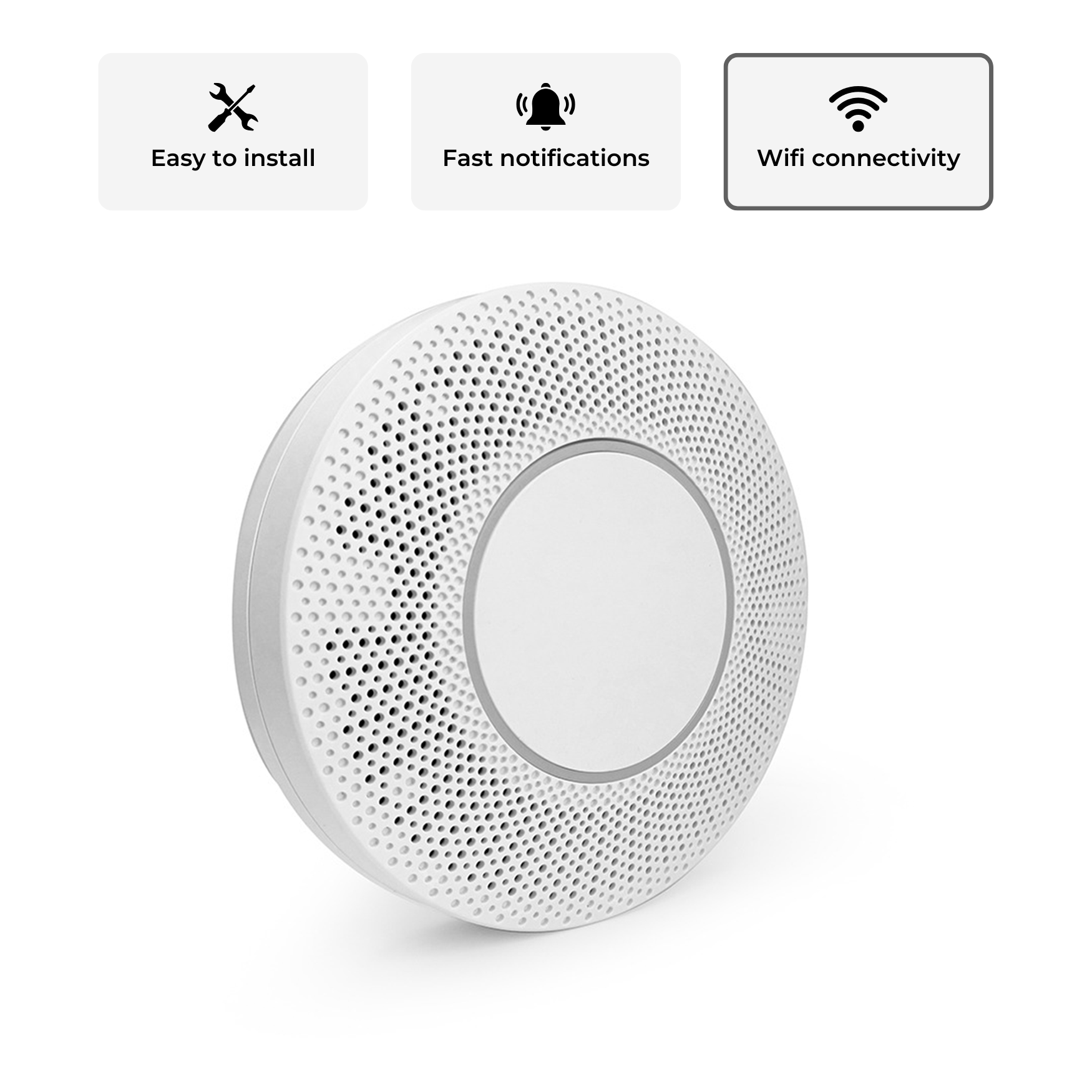
- Wi-Fi integration for retrofit applications in existing buildings
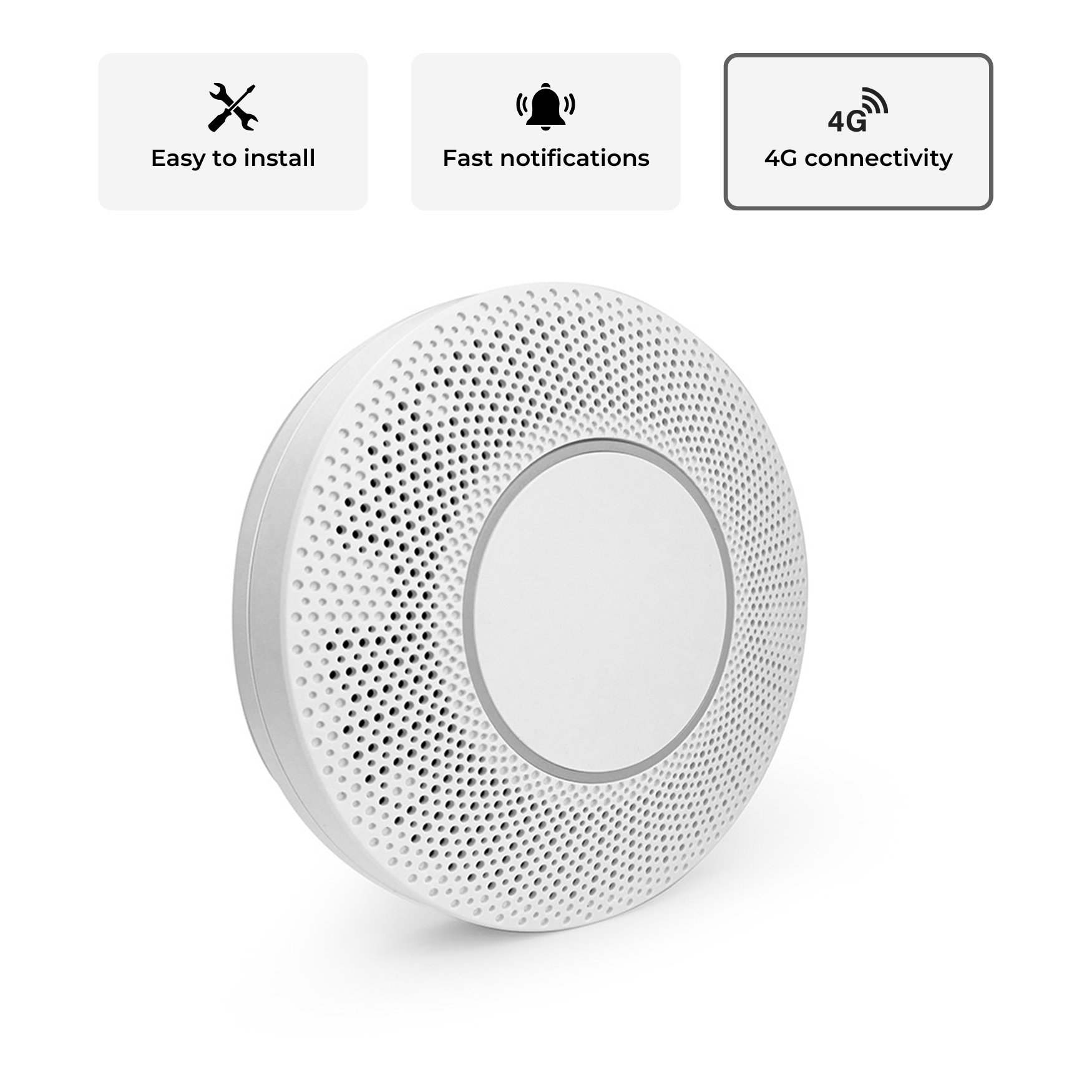
- 4G cellular backup ensuring continuous operation during network interruptions
- Hybrid configurations combining primary and fallback communication paths
Network planning should account for potential interference from building materials, distance from access points, and bandwidth requirements for alert transmission and software updates. The most sophisticated systems provide automatic failover between connection types, ensuring no gaps in monitoring coverage.
Privacy Considerations and Regulatory Compliance
Deploying monitoring technology in schools, workplaces, and public spaces necessarily raises privacy questions. Award winning solutions balance effective detection with respect for individual privacy through thoughtful design choices.
Privacy-Preserving Design Elements
Unlike camera-based surveillance, modern vape detection operates without capturing personally identifiable information. The sensors measure environmental conditions and chemical signatures rather than recording images or identifying specific individuals.
Privacy-focused features include:
- Environmental sensing only (no cameras or audio recording)
- Anonymised alert data that indicates location and time, not identity
- Configurable retention periods for detection events
- Role-based access controls limiting who can view alert data
- Transparent disclosure to building occupants about monitoring presence
Guidance for school leaders emphasises the importance of clear policies governing technology use, transparent communication with stakeholders, and robust data governance frameworks.
Legal and Policy Frameworks
Organisations implementing detection systems must navigate various regulatory requirements depending on their jurisdiction and sector. In educational settings, child protection obligations intersect with privacy rights, requiring careful policy development.
Best practice implementation includes:
- Conducting privacy impact assessments before deployment
- Developing clear acceptable use policies for students and staff
- Establishing escalation procedures for responding to alerts
- Creating transparent communication materials for parents and stakeholders
- Implementing data retention schedules aligned with legal requirements
- Training staff on appropriate response protocols
The education-specific deployment guidance addresses these considerations comprehensively, ensuring institutions can maintain safety whilst upholding their duty of care and privacy obligations.
Integration with Broader Safety Ecosystems
An award winning vape detection system functions most effectively when integrated within a comprehensive safety and compliance framework. Standalone technology rarely achieves optimal results without supporting processes and educational initiatives.

Alert Management and Response Protocols
The value of detection lies not in the alert itself but in the organisational response it triggers. Effective systems provide configurable alert routing that ensures the right personnel receive notifications based on time, location, and severity.
| Alert Type | Primary Recipient | Response Timeline | Escalation Path |
|---|---|---|---|
| First detection | On-site security/supervisor | Immediate | Pastoral care after 5 min |
| Repeat offence (same location) | Senior management | Within 2 minutes | Safeguarding team |
| Tampering attempt | Facilities team | Immediate | Security review |
| Air quality threshold | Health & safety officer | Within 30 minutes | Environmental assessment |
Sophisticated platforms enable customisation of these workflows, accounting for staffing patterns, facility layouts, and organisational priorities. Integration with existing communication systems (email, SMS, push notifications) ensures alerts reach responsible parties regardless of their location.
Educational and Intervention Components
Detection technology works most effectively alongside educational initiatives that address the root causes of vaping behaviour. Dedicated vaping education programmes provide evidence-based curricula that help young people understand health risks and make informed choices.
The most comprehensive approaches combine:
- Structured educational modules delivered to all students
- Targeted intervention for individuals identified through detection alerts
- Parent and guardian engagement programmes
- Staff training on having supportive conversations about vaping
- Clear, consistently applied consequences for policy violations
This multi-layered strategy transforms vape detection from purely punitive enforcement into a component of broader health and wellbeing support.
Measuring Success and Return on Investment
Organisations investing in an award winning vape detection system require clear metrics to evaluate effectiveness and demonstrate value. Unlike many safety technologies where success means nothing happens, detection systems generate measurable data that can inform strategy and justify continued investment.
Quantitative Performance Indicators
Effective measurement frameworks track multiple dimensions of system performance and organisational impact. Key metrics include detection accuracy, response effectiveness, and behavioural change over time.
Primary performance metrics:
- Detection rate (confirmed vaping incidents identified versus total estimated incidents)
- False positive rate (incorrect alerts versus total alerts)
- Mean time to response (interval between alert and staff intervention)
- Repeat offence rate (individuals generating multiple alerts)
- Air quality improvement (baseline versus post-implementation measurements)
- Maintenance downtime (sensor availability and reliability)
Longitudinal tracking reveals trends that justify investment and guide optimisation. Organisations typically observe initial spike in detected incidents followed by gradual decline as deterrent effect takes hold and behaviour changes.
Qualitative Impact Assessment
Beyond numerical metrics, successful implementations generate qualitative benefits that contribute to organisational culture and stakeholder confidence.
Staff frequently report:
- Reduced time spent on manual monitoring and enforcement patrols
- Increased confidence in maintaining safe, compliant environments
- Enhanced ability to support students struggling with vaping dependency
- Improved air quality and reduced maintenance issues from vaping residue
- Stronger relationships with parents through transparent communication
These softer benefits, whilst harder to quantify, often prove equally valuable in securing ongoing organisational commitment and budget allocation.
Advanced Features Distinguishing Award Winning Systems
The market offers numerous vape detection products, but award winning systems incorporate advanced capabilities that elevate performance and usability beyond basic functionality.
Tamper Detection and Self-Monitoring
Sophisticated systems protect themselves from interference through multiple redundancy and monitoring mechanisms. When individuals attempt to disable or obscure sensors, the system generates immediate alerts and maintains forensic records.
Anti-tamper features include:
- Acoustic monitoring detecting unusual sounds (covering sensors, physical damage)
- Enclosure integrity sensors identifying attempts to open or remove devices
- Environmental anomaly detection recognising when sensors are blocked
- Continuous self-diagnostics reporting sensor health to central management
- Backup power supplies maintaining operation during deliberate disconnection
These capabilities ensure monitoring remains effective even when determined individuals attempt circumvention, maintaining deterrent effect and operational reliability.
Multi-Hazard Detection Capabilities
Leading platforms extend beyond vaping to identify additional environmental and behavioural concerns. This multi-purpose functionality increases return on investment whilst addressing broader safety priorities.
| Detection Capability | Application | Operational Benefit |
|---|---|---|
| THC/cannabis vapour | Drug policy enforcement | Identifies illegal substance use |
| Aggressive behaviour (sound patterns) | Anti-social behaviour prevention | Early intervention in bullying, fights |
| Chemical vapours | Safety hazard identification | Detects cleaning product misuse, inhalants |
| Elevated CO₂ | Occupancy and ventilation monitoring | Optimises HVAC, ensures air quality |
| Abnormal noise levels | Security and wellbeing | Identifies distress, unauthorised access |
This convergence of capabilities positions vape detection infrastructure as foundational to comprehensive facility safety rather than a single-purpose investment.
Analytics and Reporting Dashboards
Award winning platforms provide sophisticated analytics that transform raw detection data into actionable intelligence. Cloud-based dashboards enable stakeholders to understand patterns, identify trends, and make evidence-based policy decisions.
Reporting features typically include:
- Real-time facility-wide monitoring showing all sensor status and recent alerts
- Historical trend analysis revealing temporal patterns (time of day, day of week)
- Heatmapping identifying locations with highest incident concentration
- Comparative benchmarking against similar facilities or industry standards
- Automated report generation for governance, compliance, and stakeholder communication
- Export capabilities for integration with existing data systems
These analytical capabilities enable continuous improvement, helping organisations refine placement strategies, adjust response protocols, and demonstrate regulatory compliance.
Implementation Best Practices from Award Winning Deployments
Organisations achieving exceptional results with vape detection share common implementation approaches that maximise technology effectiveness whilst maintaining positive organisational culture.
Stakeholder Engagement and Communication
Successful rollouts begin with transparent communication to all affected parties well before installation. This proactive engagement builds trust, manages expectations, and reduces resistance.
Effective communication strategies include:
- Pre-implementation consultations with staff, student representatives, and parents
- Clear policy documentation explaining monitoring rationale and privacy protections
- Visual signage throughout monitored areas informing occupants of detection presence
- Regular updates on system performance and outcomes
- Open forums for questions and concerns
Specific guidance for different educational roles helps ensure all stakeholders understand their responsibilities and the support available to them.
Phased Deployment Approach
Rather than attempting facility-wide implementation simultaneously, successful organisations often adopt phased rollouts that enable learning and optimisation.
- Pilot phase: Install sensors in 2-3 high-priority locations
- Evaluation period: Monitor performance, gather feedback, refine protocols (4-6 weeks)
- Optimisation: Adjust alert thresholds, response workflows based on pilot learnings
- Expansion: Extend coverage to additional locations in priority sequence
- Full deployment: Complete installation across all planned locations
- Continuous improvement: Regular review and enhancement of system and processes
This approach reduces implementation risk, builds organisational capability gradually, and demonstrates value before major investment commitment.
Staff Training and Capability Development
Technology alone cannot deliver results without properly trained personnel who understand both system operation and appropriate response to alerts. Comprehensive training programmes address technical, procedural, and interpersonal dimensions.
Training should cover:
- System operation and alert interpretation
- Response protocols and escalation procedures
- Supportive conversation techniques for discussing vaping with young people
- Privacy obligations and data handling requirements
- Maintenance procedures and troubleshooting
- Documentation and record-keeping standards
Dedicated resources for senior leadership teams ensure strategic alignment between technology deployment and broader organisational objectives.
Future Developments in Detection Technology
The vape detection field continues evolving rapidly, with emerging technologies promising enhanced accuracy, expanded capabilities, and simplified deployment. Understanding development trajectories helps organisations make future-proof investment decisions.
Advanced Sensing Modalities
Research into alternative detection approaches explores novel sensing techniques including magnetic polarizability measurements that could identify vaping devices themselves rather than relying solely on aerosol detection. These complementary technologies may enable preventive intervention before vaping occurs.
Emerging sensor capabilities include:
- Spectroscopic analysis providing detailed chemical composition of detected aerosols
- Ultraviolet fluorescence detection identifying specific vaping product markers
- Artificial intelligence edge processing enabling sensor-level decision making
- Quantum sensing technologies offering unprecedented sensitivity and specificity
- Integration with building management systems for automated ventilation response
Enhanced Analytics and Predictive Capabilities
Future systems will likely incorporate predictive analytics that forecast likely vaping incidents based on historical patterns, enabling proactive intervention rather than purely reactive response.
Anticipated developments include:
- Behavioural pattern recognition identifying at-risk individuals or locations
- Predictive maintenance algorithms optimising sensor servicing schedules
- Automated policy recommendation based on detection patterns and outcomes
- Integration with wellness platforms connecting detection to support services
- Cross-facility analytics enabling sector-wide benchmarking and best practice sharing
These advances will transform vape detection from incident response tool to strategic health and safety asset.
Award winning vape detection systems represent a proven, privacy-respecting approach to maintaining healthier environments whilst supporting compliance objectives. By combining sophisticated sensor technology, intelligent analytics, and thoughtful deployment strategies, these platforms deliver measurable results that justify investment and support organisational wellbeing goals. Vape Guardian provides advanced detection solutions specifically designed for schools, offices, and leisure facilities, backed by dedicated support and proven performance across diverse UK installations. Whether you're addressing an immediate vaping concern or building comprehensive environmental safety infrastructure, exploring how modern detection technology can support your specific requirements represents a valuable next step.



Share:
CO2 and Air Quality Monitoring: Complete Guide 2026