
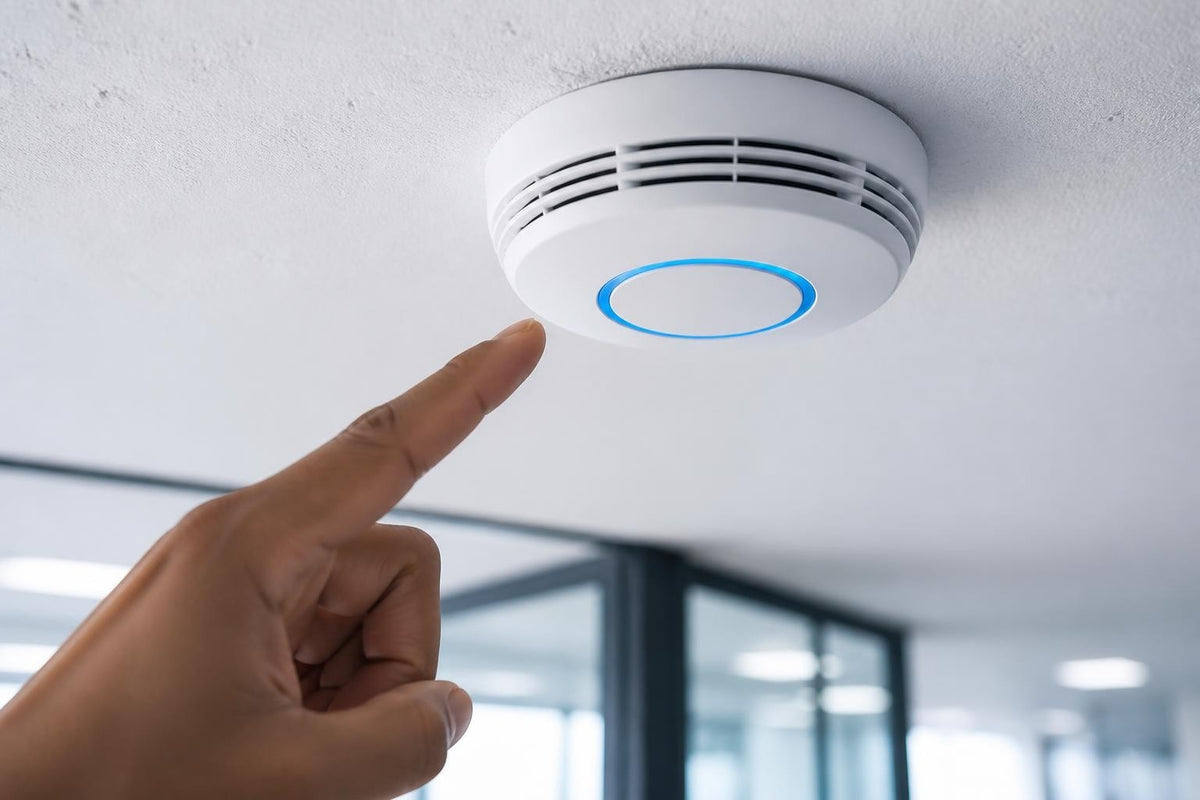
Selecting the best vape detector 2025 system requires careful evaluation of technology, reliability, and practical deployment considerations. As vaping incidents continue to rise in schools, offices, and public spaces across the UK, facility managers and safeguarding teams are increasingly turning to detection technology to maintain compliance and protect occupants. The market has evolved significantly, with modern sensors offering sophisticated particulate monitoring, real-time alerts, and comprehensive data analytics that go far beyond simple smoke detection. Understanding which features truly matter and how different technologies perform in real-world conditions is essential for making an informed investment that delivers lasting results.
Understanding Vape Detection Technology in 2026
Modern vape detection systems rely on multiple sensing technologies working in concert to identify aerosol particles and chemical signatures unique to vaping devices. The best vape detector 2025 solutions employ particulate matter sensors that measure PM2.5 concentrations, detecting the fine aerosol droplets produced when someone exhales vapour. These sensors can distinguish between normal air quality fluctuations and the distinct particulate spike created by vaping activity.

Advanced systems incorporate multiple detection parameters simultaneously. Rather than relying on a single metric, leading devices monitor particulate levels, volatile organic compounds, temperature changes, and humidity shifts. This multi-modal approach significantly reduces false positives whilst maintaining high sensitivity to actual vaping events.
The science behind particulate detection is well established. Research on photometric monitoring and particulate measurement demonstrates how sensors can accurately infer vaping behaviour from aerosol characteristics. Modern systems sample air continuously, establishing baseline readings for each location and triggering alerts when particulate concentrations exceed predetermined thresholds.
Key Technologies Compared
Different sensing technologies offer distinct advantages:
- Particulate Matter (PM2.5) Sensors: Detect aerosol droplets in real-time, highly effective for all vaping types
- VOC (Volatile Organic Compound) Sensors: Identify chemical signatures from vape liquids and additives
- Multi-Spectrum Analysis: Combines multiple detection methods for comprehensive coverage
- Sound Detection: Supplementary technology that can identify characteristic vaping device sounds
| Technology Type | Detection Speed | False Positive Rate | Coverage Area | Maintenance Needs |
|---|---|---|---|---|
| PM2.5 Sensors | 1-3 seconds | Very Low | 100-150 m² | Minimal |
| VOC Sensors | 3-8 seconds | Low | 80-120 m² | Moderate |
| Multi-Modal | 1-5 seconds | Extremely Low | 120-180 m² | Minimal |
| Sound-Based | Instant | Moderate | 50-80 m² | Low |
The best vape detector 2025 systems prioritise particulate monitoring as the primary detection method, with supplementary sensors providing additional confirmation and context.
Essential Features for School and Office Deployment
When evaluating detection systems for educational or workplace environments, certain features prove indispensable for effective operation and regulatory compliance. Real-time alerting capabilities stand at the forefront, enabling immediate response to incidents whilst they occur rather than discovering them hours later through log reviews.
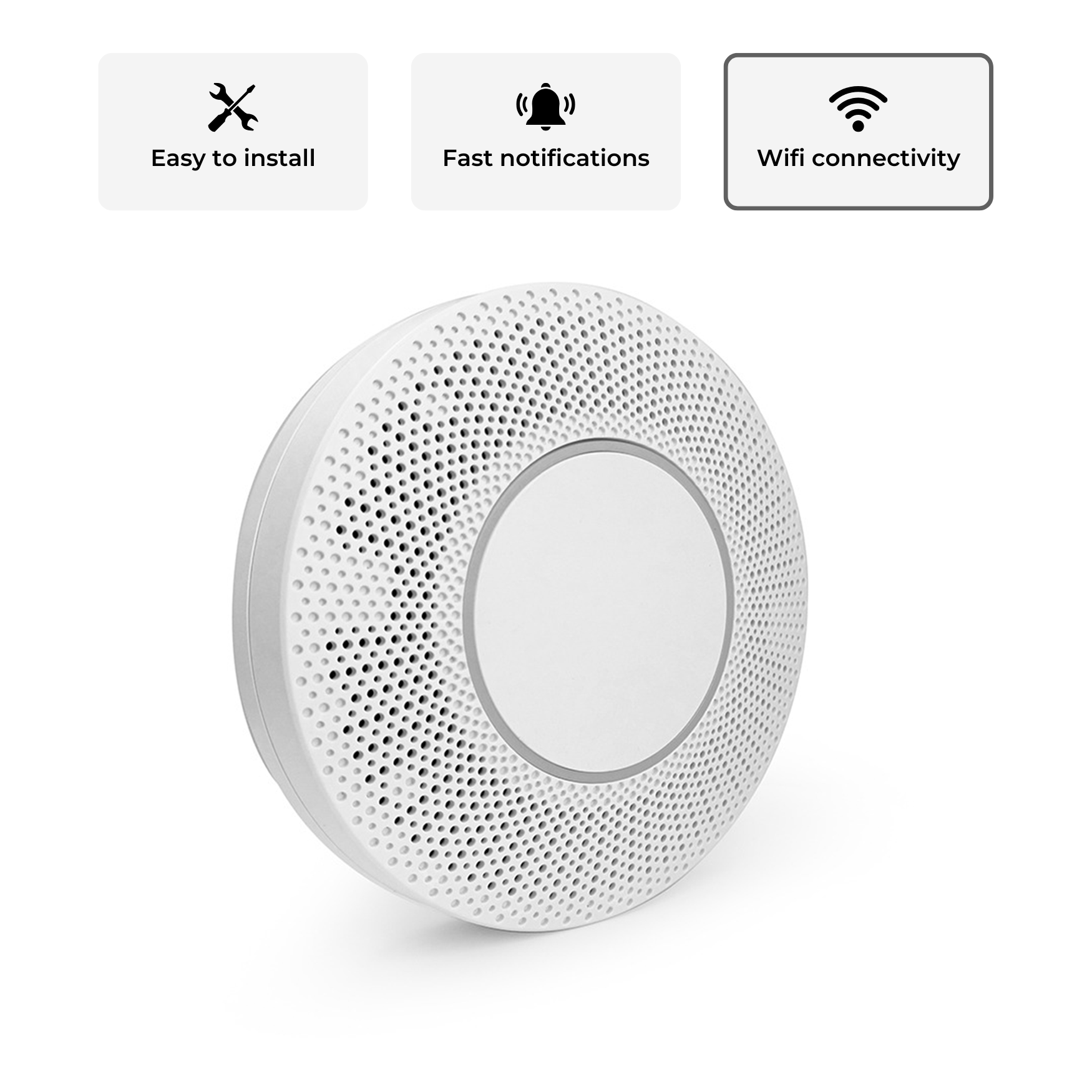
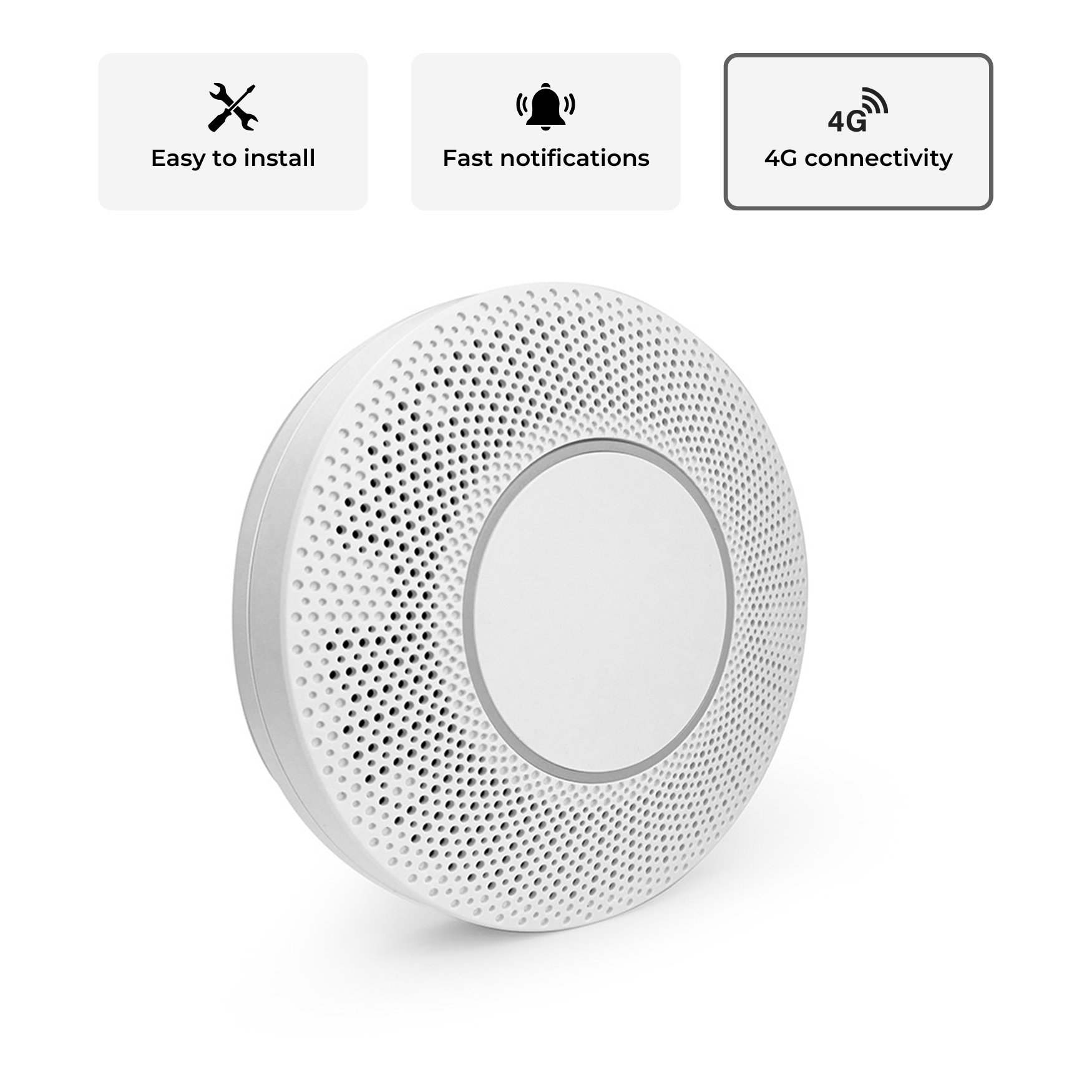
Integration with existing infrastructure determines how seamlessly a detection system fits into your facility management ecosystem. The best vape detector 2025 solutions offer multiple connectivity options including Wi-Fi, cellular, and Power over Ethernet configurations. This flexibility ensures reliable operation regardless of building layout or network availability.
Schools particularly benefit from systems that provide comprehensive monitoring solutions for tackling vaping incidents. Data logging and reporting capabilities enable administrators to identify patterns, assess the scope of vaping activity, and measure the effectiveness of intervention programmes over time.
Critical Deployment Features
Effective systems must deliver:
- Tamper Detection: Alerts when sensors are covered, disabled, or physically interfered with
- Environmental Resilience: Operates reliably in high-humidity bathrooms and temperature-variable spaces
- Scalable Management: Single dashboard control for multiple sensors across multiple sites
- Customisable Alert Protocols: Different notification methods for different severity levels or locations
- Privacy Compliance: Detection without cameras or audio recording, respecting GDPR requirements
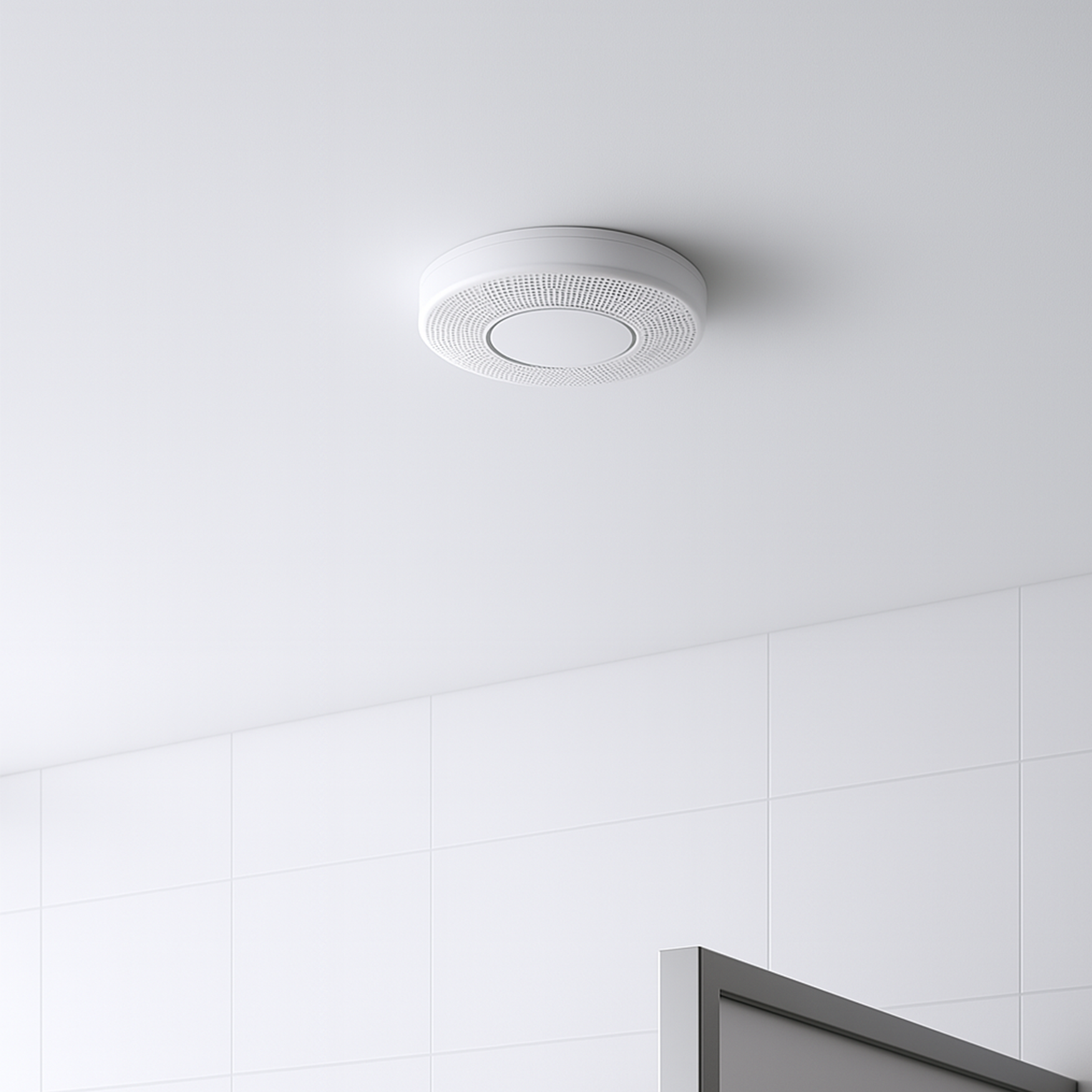
Understanding the practical considerations when deploying vape detectors in bathrooms helps ensure sensors perform optimally in these high-risk areas. Mounting location, ventilation patterns, and cleaning protocols all influence detection accuracy and system longevity.
The best systems provide granular control over sensitivity thresholds, allowing administrators to calibrate detectors for specific room characteristics and usage patterns. A busy changing room requires different settings than a private toilet cubicle.
Evaluating Detection Accuracy and False Positive Rates
Detection accuracy represents the single most important performance metric when selecting vaping detection technology. Systems that generate frequent false alarms quickly lose credibility with staff and students, undermining enforcement efforts and wasting administrative resources. Conversely, sensors that miss genuine vaping incidents fail to deliver on their core purpose.
Studies examining vape detector effectiveness in educational settings reveal significant variation in real-world performance across different technologies and deployment scenarios. The best vape detector 2025 systems demonstrate detection rates exceeding 95% for genuine vaping events whilst maintaining false positive rates below 2% when properly calibrated.
Environmental factors substantially influence detection accuracy. High-traffic areas with variable occupancy, bathrooms with steam from showers, and spaces with strong cleaning chemical use all present challenges that sensors must navigate without generating spurious alerts.
Performance Testing Methodology
Rigorous evaluation protocols, similar to those used for smoke and carbon monoxide detector testing, should inform your assessment of vape detection systems. Look for manufacturers who provide:
- Third-party laboratory testing results with standardised vaping simulation protocols
- Field trial data from operational deployments in similar environments
- Statistical analysis of detection rates, false positives, and missed events
- Environmental tolerance specifications for humidity, temperature, and air movement
The best performers combine sensitive particulate detection with intelligent algorithms that analyse event patterns rather than reacting to single threshold exceedances. This approach dramatically reduces false alarms from sources like aerosol deodorants, hairspray, or steam whilst maintaining high detection rates for actual vaping.
Calibration requirements also separate professional-grade systems from basic sensors. Quality detectors allow administrators to fine-tune sensitivity based on observed performance, seasonal environmental changes, and evolving usage patterns.
Installation Considerations and Technical Requirements
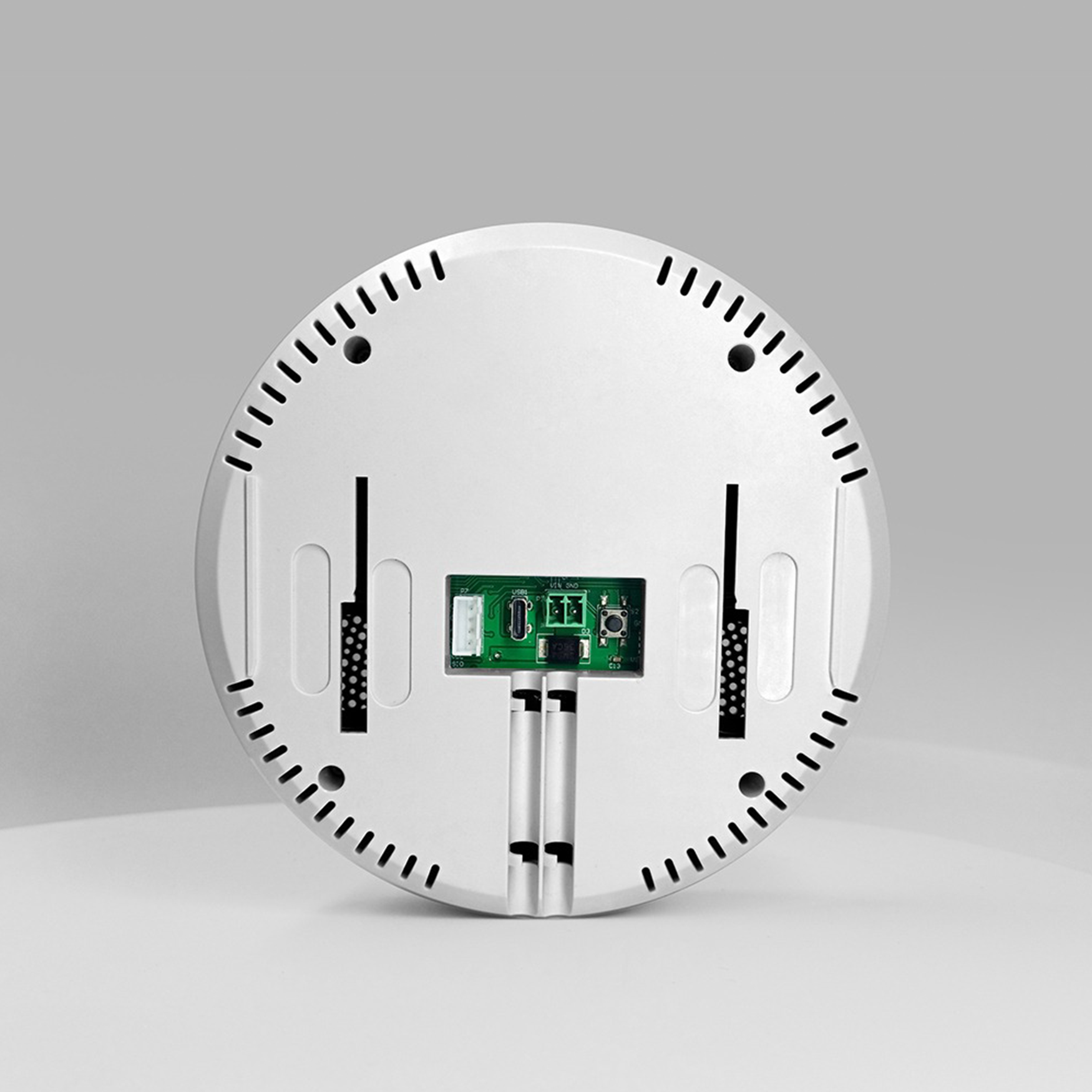
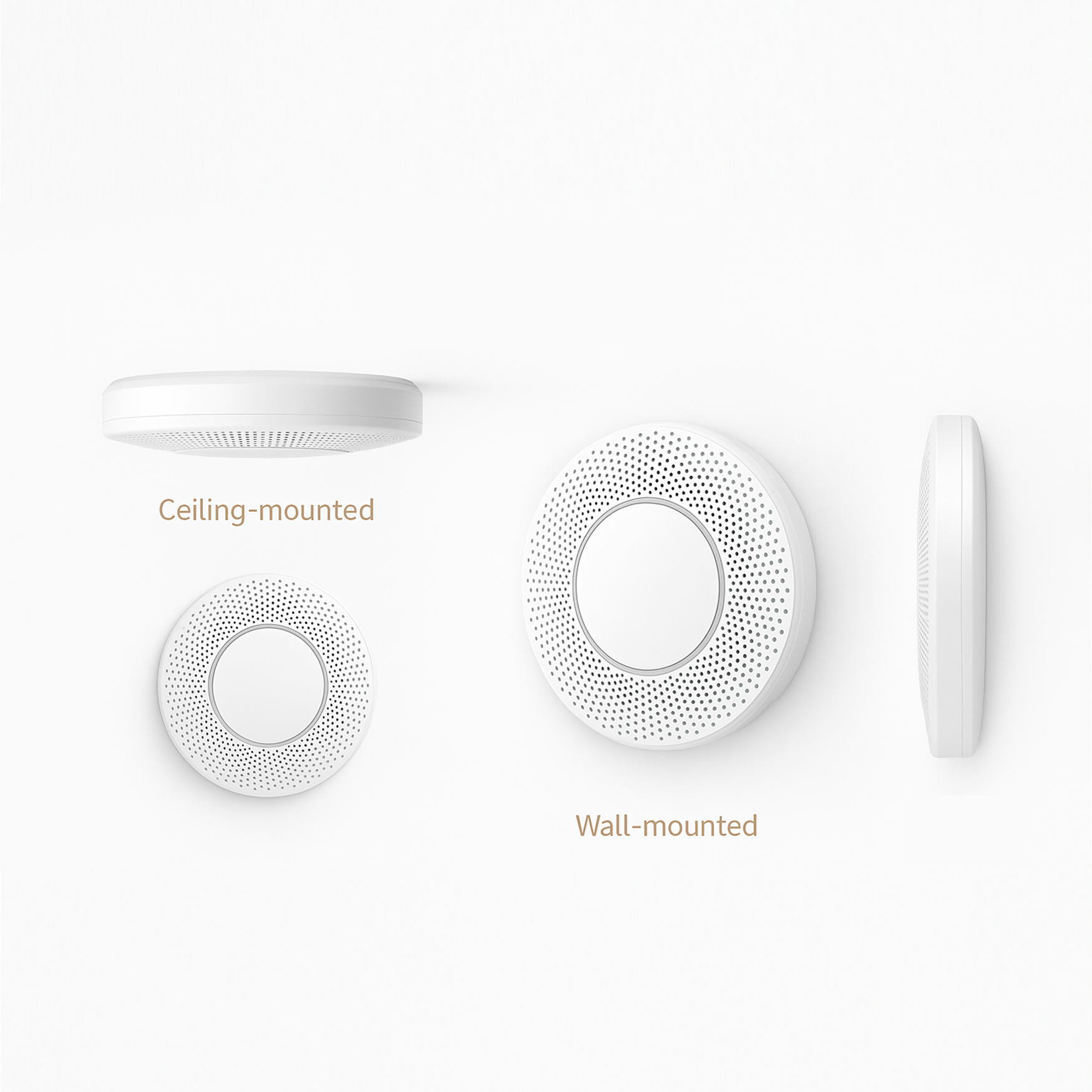
Physical installation requirements significantly impact total deployment costs and system reliability. The best vape detector 2025 solutions offer flexible mounting options that accommodate diverse building layouts, ceiling heights, and architectural constraints without compromising detection performance.
Power delivery represents a critical planning consideration. PoE (Power over Ethernet) sensors simplify installation in buildings with structured cabling, eliminating the need for separate electrical work or battery maintenance. Wi-Fi and cellular-enabled devices provide installation flexibility in spaces without network infrastructure but require either battery replacement protocols or mains power connections.

Mounting height affects detection efficacy. Sensors installed too high may miss low-level vaping activity or be affected by thermal stratification that prevents aerosol particles from reaching detection zones. Conversely, mounting devices too low increases tampering risk and exposure to cleaning chemicals.
The smart sensor technology approach addresses these challenges through optimised sensor design that maximises coverage whilst minimising installation complexity. Professional systems include mounting templates, cable management solutions, and clear installation guidance that reduces deployment time and ensures consistent performance across all units.
Technical Infrastructure Requirements
Before procurement, verify your facility meets these prerequisites:
| Requirement | Wi-Fi Sensors | Cellular Sensors | PoE Sensors |
|---|---|---|---|
| Network connectivity | WPA2 Wi-Fi | Mobile signal | Cat5e/Cat6 cabling |
| Power source | Mains or battery | Mains or battery | PoE switch (802.3af) |
| Internet bandwidth | 50 Kbps per sensor | Included in cellular | 50 Kbps per sensor |
| IT security clearance | Firewall configuration | Not required | VLAN configuration |
| Ongoing connectivity cost | Included in software | £3/month per sensor | Included in software |
Understanding these requirements prevents deployment delays and ensures sensors operate reliably from day one.
Software Platforms and Alert Management
The software platform controlling your detection network determines how effectively you can respond to incidents, analyse trends, and demonstrate compliance. The best vape detector 2025 systems provide intuitive dashboards that present actionable intelligence rather than overwhelming administrators with raw data streams.
Alert routing capabilities enable appropriate escalation based on location, time, and incident severity. A single vaping detection in a bathroom during school hours might trigger a notification to nearby staff members, whilst repeated incidents in the same location could automatically escalate to senior leadership. Flexible notification methods including email, SMS, push notifications, and integration with existing safety systems ensure alerts reach the right people promptly.
Comprehensive reporting transforms detection data into strategic insights. Quality platforms offer:
- Heatmaps showing vaping hotspots across your facility
- Trend analysis revealing temporal patterns and intervention effectiveness
- Automated compliance reports for governors, trustees, or regulatory bodies
- Integration with existing student information systems and behaviour tracking
The air quality monitoring capabilities built into leading systems provide additional value beyond vaping detection. Continuous PM2.5 monitoring helps facilities demonstrate healthy indoor environments and identify broader air quality issues that affect occupant wellbeing.
User access controls ensure appropriate staff members receive relevant information whilst maintaining confidentiality. Teachers might access real-time alerts for their assigned areas, whilst facility managers view system-wide analytics and senior leaders receive summary reports demonstrating policy effectiveness.
Real-World Performance and Case Studies
Theoretical specifications matter far less than proven performance in operational environments. Case studies from schools implementing vape detectors provide valuable insights into practical effectiveness, user acceptance, and behavioural impact beyond simple detection metrics.
Evidence from UK deployments demonstrates that visible detection systems create deterrent effects that reduce vaping frequency even before the first incident is detected. Students aware of monitoring technology often choose not to vape on school premises, recognising the certainty of detection and consequences.
The best vape detector 2025 systems deliver measurable improvements within weeks of installation. Schools typically report 40-60% reductions in bathroom vaping incidents during the first term, with continued improvements as students adjust behaviour and intervention programmes address underlying issues. Understanding the hidden costs of allowing vaping helps justify the investment in detection technology.

Workplace deployments demonstrate similar effectiveness. Offices implementing vaping detection in bathrooms and break areas report improved air quality, reduced conflicts between vaping and non-vaping staff, and clearer enforcement of workplace policies. The health risks associated with workplace vaping make detection systems an important component of occupational health strategies.
Cost Analysis and Return on Investment
Financial considerations extend beyond initial hardware costs to encompass installation, software subscriptions, ongoing maintenance, and staff time for system management and incident response. The best vape detector 2025 solutions deliver compelling value through reduced staffing requirements for bathroom monitoring, decreased property damage from unauthorised vaping, and improved safety outcomes.
A comprehensive cost breakdown for vape detector deployment reveals total cost of ownership over typical three to five year deployment periods. Whilst budget systems may appear attractive based on purchase price alone, professional-grade solutions often deliver lower total costs through superior reliability, minimal maintenance needs, and included software updates.
Monthly software fees fund ongoing development, cloud infrastructure, and technical support that keeps systems operating effectively. These subscription costs typically range from £15 to £25 per sensor monthly, with volume discounts available for larger deployments. Cellular connectivity adds approximately £3 per sensor monthly but eliminates Wi-Fi infrastructure requirements.
Investment Comparison
| System Component | Budget Solutions | Professional Systems | Premium Features |
|---|---|---|---|
| Hardware per sensor | £150-£200 | £220-£280 | £300-£400 |
| Software monthly | £10-£15/sensor | £18-£24/sensor | £25-£35/sensor |
| Installation complexity | DIY or basic | Professional recommended | Professional required |
| False positive rate | 5-10% | 1-3% | <1% |
| Warranty period | 1 year | 2-3 years | 3-5 years |
Schools typically deploy 10 to 20 sensors depending on size and layout, with bathrooms, changing rooms, and other high-risk areas receiving priority coverage. A typical secondary school investment ranges from £3,000 to £6,000 for initial hardware plus £200 to £400 monthly for software and connectivity.
For facilities seeking to evaluate the technology before full deployment, Vape Guardian offers a free 30-day trial allowing schools and businesses to assess performance in their specific environment without financial commitment.

Regulatory Compliance and Policy Integration
Vaping detection technology serves as an enforcement mechanism for institutional policies and helps organisations demonstrate compliance with health and safety obligations. The best vape detector 2025 systems generate audit trails and documentation that support regulatory requirements whilst respecting privacy legislation including GDPR.
Schools must navigate complex legal frameworks around student supervision, safeguarding duties, and behaviour management. Detection systems that monitor air quality and particulate levels without recording images or audio align with privacy principles whilst fulfilling safeguarding responsibilities. Current UK school vaping laws clarify institutional authority to implement detection technology as part of behaviour policies.
Workplace deployments require clear policy communication to staff about monitoring systems, their purpose, and how detection data will be used. Transparent implementation that prioritises health and safety rather than punitive enforcement typically receives broader acceptance and proves more effective at changing behaviour.
Integration with existing behaviour management systems, incident reporting platforms, and student support services ensures detection events trigger appropriate interventions rather than simply documenting rule violations. The most successful programmes couple technology with education, support services, and clear consequences that address underlying issues driving vaping behaviour.
Policy Documentation Requirements
Effective implementation requires:
- Clear written policies explaining detection technology, its purpose, and coverage areas
- Communication with students, staff, parents, and relevant stakeholders before installation
- Defined response protocols for different incident types and severity levels
- Privacy impact assessments documenting GDPR compliance measures
- Regular policy reviews incorporating lessons learned and changing regulatory requirements
Public health guidance on vape detector effectiveness provides evidence-based recommendations for maximising detection technology impact whilst addressing implementation challenges and ethical considerations.
Vendor Selection Criteria and Due Diligence
Choosing the right technology partner matters as much as selecting the correct hardware. The best vape detector 2025 systems come from established vendors with proven track records, responsive technical support, and commitment to ongoing development that keeps pace with evolving vaping technologies and user needs.
Evaluate vendors across multiple dimensions:
- Market presence and longevity: Established companies with multi-year operating histories demonstrate stability
- UK-based support: Local technical assistance in appropriate time zones with understanding of British regulations
- Customer references: Testimonials and case studies from similar organisations in comparable deployment scenarios
- Technical documentation: Comprehensive installation guides, API documentation, and troubleshooting resources
- Update frequency: Regular firmware and software improvements addressing bugs and adding features
- Warranty terms: Comprehensive coverage including hardware replacement, technical support, and performance guarantees
Indoor air quality standards from organisations like ASHRAE provide context for evaluating sensor specifications and performance claims. Vendors should articulate how their technology aligns with recognised air quality monitoring principles.
Request demonstration units or trial deployments in your actual environment before committing to full-scale implementation. The best vendors encourage hands-on evaluation and provide sample data showing typical alert patterns, dashboard functionality, and reporting capabilities.
Multi-Site Management and Scalability
Organisations operating multiple locations require detection systems that scale efficiently without proportional increases in administrative overhead. The best vape detector 2025 platforms offer centralised management interfaces that provide unified visibility across all sites whilst enabling local administrators to manage their specific locations.
Cloud-based architectures eliminate on-premises server requirements and ensure consistent software versions across all sensors regardless of location. Single sign-on integration with existing identity management systems simplifies user administration and maintains security standards.
Bulk configuration tools enable rapid deployment of consistent settings across multiple sensors, with override capabilities for locations requiring customised parameters. Template-based alert routing ensures appropriate staff members receive notifications for each site without manually configuring every sensor individually.
Consolidated reporting aggregates data across multiple locations, revealing system-wide patterns whilst preserving drill-down capabilities to examine specific sites or individual sensors. Multi-academy trusts, retail chains, and organisations with distributed facilities particularly benefit from this hierarchical data structure.
The technology supporting anti-vaping initiatives continues advancing rapidly, with leading vendors regularly releasing enhanced algorithms, expanded integration options, and new analytical capabilities that existing customers receive through software updates.
Maintenance Requirements and Long-Term Operation
Sustainable detection programmes require minimal ongoing maintenance whilst maintaining consistent performance over multi-year deployments. The best vape detector 2025 systems employ solid-state sensors without moving parts or consumable filters that require regular replacement.
Quarterly system checks verify sensor operation, confirm alert delivery, and review detection patterns for anomalies suggesting miscalibration or environmental changes affecting performance. Many platforms include automated health monitoring that alerts administrators to sensor issues before they impact detection capability.
Software updates deliver security patches, algorithm improvements, and new features automatically without requiring manual intervention. Cloud-managed systems eliminate the need for on-site technical staff to maintain detection infrastructure.
Battery-powered sensors require replacement every six to eighteen months depending on usage patterns, alert frequency, and environmental conditions. PoE and mains-powered units eliminate battery maintenance entirely, reducing long-term operational costs and ensuring continuous operation.
Physical cleaning varies by location. Sensors in high-dust environments or areas with regular aerosol spray use may benefit from quarterly cleaning to maintain optimal air sampling, whilst devices in typical office or classroom settings require minimal intervention beyond annual inspection.
Vendor technical support responsiveness determines how quickly issues get resolved when they occur. Quality providers offer multiple support channels including phone, email, and online chat with knowledgeable staff who understand both the technology and typical deployment challenges.
Selecting the best vape detector 2025 system requires balancing detection accuracy, deployment flexibility, software capabilities, and total cost of ownership against your specific facility needs and regulatory requirements. The most effective solutions combine proven particulate sensing technology, intelligent alert management, and comprehensive reporting within systems designed for long-term reliable operation. Vape Guardian provides advanced vaping detection and air quality monitoring solutions specifically engineered for UK schools, offices, and leisure facilities, with responsive local support and a proven track record helping organisations create safer, healthier environments whilst maintaining compliance with evolving regulations and safeguarding obligations.



Share:
Vaping Risks UK: Health, Legal & Safety Guide 2026
CO2 and Air Quality Monitoring: Complete Guide 2026