

The landscape of vaping risks UK has evolved dramatically since e-cigarettes first appeared on British high streets. What began as a smoking cessation tool has transformed into a public health debate touching schools, workplaces, and healthcare settings across the nation. Understanding the full spectrum of these risks requires examining not just the immediate health impacts, but also the regulatory framework, environmental factors, and long-term consequences that are only now beginning to emerge through rigorous research.
Understanding the Health Impacts of Vaping
The conversation around vaping risks UK often centres on respiratory health, and for good reason. Recent evidence has shown that whilst e-cigarettes may be less harmful than traditional tobacco, they are far from risk-free.
Respiratory System Effects
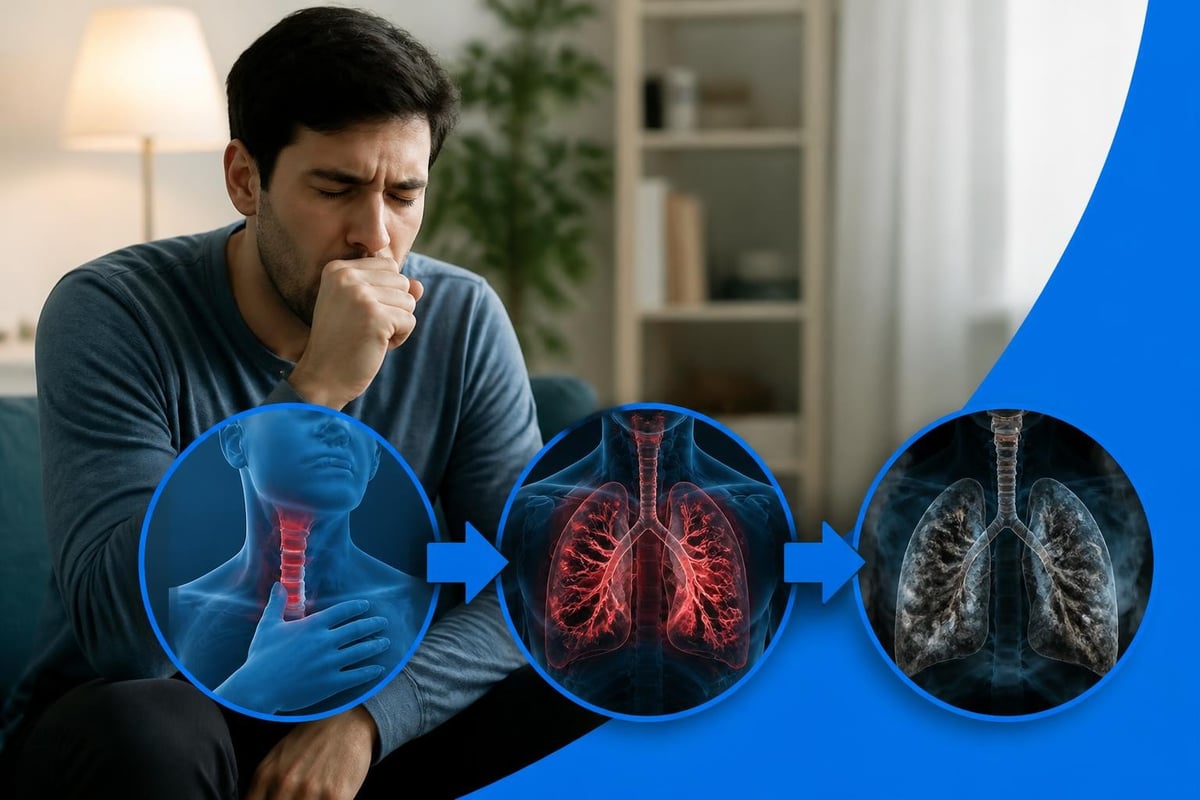
A systematic review examining respiratory health outcomes found significant associations between vaping and increased respiratory symptoms, including chronic cough, wheezing, and bronchitis-like conditions. The aerosol produced by e-cigarettes contains ultrafine particles that penetrate deep into lung tissue, creating inflammation that can persist long after cessation.
Key respiratory concerns include:
- Chronic obstructive pulmonary disease (COPD) development
- Asthma exacerbation in existing sufferers
- Inflammatory responses in previously healthy lungs
- Reduced lung function over time
- Increased susceptibility to respiratory infections
The Royal College of Physicians' 2024 report on e-cigarettes and harm reduction acknowledges that whilst vaping is substantially less harmful than smoking, the long-term effects remain under investigation. This cautious optimism reflects the reality that ten years of widespread vaping is insufficient to fully understand lifetime risks.
Cardiovascular and Metabolic Consequences
Beyond the lungs, vaping risks UK extend to cardiovascular health. Nicotine delivery through e-cigarettes produces immediate increases in heart rate and blood pressure, creating strain on the cardiovascular system.
| Cardiovascular Risk | Mechanism | Potential Outcome |
|---|---|---|
| Blood pressure elevation | Nicotine-induced vasoconstriction | Hypertension development |
| Heart rate increase | Sympathetic nervous system activation | Arrhythmia risk |
| Arterial stiffness | Endothelial dysfunction | Atherosclerosis progression |
| Thrombosis risk | Platelet activation | Stroke or heart attack |
The NHS guidance on using e-cigarettes to stop smoking balances these concerns against the significantly greater risks of continued tobacco use. For current smokers, switching to vaping represents harm reduction. For non-smokers, especially young people, initiating vaping introduces unnecessary cardiovascular strain.
Chemical Exposure and Toxicity
The chemical composition of e-liquids presents another dimension of vaping risks UK. Whilst regulation has improved product standards, numerous concerning substances remain present in vapour.
Harmful substances commonly detected:
- Formaldehyde – Known carcinogen produced when e-liquids overheat
- Acrolein – Toxic substance causing lung irritation
- Diacetyl – Linked to "popcorn lung" (bronchiolitis obliterans)
- Heavy metals – Including nickel, tin, and lead from heating elements
- Volatile organic compounds – Various compounds with unknown long-term effects
The Tobacco and Related Products Regulations 2016 sets limits on nicotine content and requires safety testing, but enforcement remains challenging. The regulations mandate that e-liquids must not contain more than 20mg/ml of nicotine, yet the diversity of products on the market makes comprehensive monitoring difficult.
Youth Vaping: A Growing Public Health Crisis
Perhaps the most alarming aspect of vaping risks UK concerns the rapid uptake among young people. What was intended as a harm reduction tool for adult smokers has become an entry point to nicotine addiction for adolescents.
Prevalence Among Young People
Data from comprehensive evidence updates on nicotine vaping in England reveals concerning trends. Youth vaping has increased substantially, with regular use among 11 to 17 year olds rising year on year. The appeal of flavoured products, discreet devices, and social media marketing has created a perfect storm for youth uptake.
In educational settings, helping schools tackle vaping has become a daily challenge. Toilets, changing rooms, and hidden corners become vaping hotspots, creating enforcement difficulties for staff and normalising the behaviour among peer groups.
Developmental Risks for Adolescents
The adolescent brain remains in development until approximately age 25, making it particularly vulnerable to nicotine exposure. Vaping risks UK for young people include:
- Cognitive impairment – Reduced attention span, memory, and learning capacity
- Addiction susceptibility – Heightened vulnerability to nicotine dependence
- Gateway effect – Increased likelihood of transitioning to tobacco or other substances
- Mental health impacts – Links to anxiety and depression
- Behavioural changes – Impulsivity and risk-taking behaviours
Research increasingly shows that vaping is a gateway to smoking for 1 in 3 teens, contradicting the narrative that vaping prevents tobacco uptake. This reversal of harm reduction logic represents one of the most troubling developments in public health policy.
School Enforcement Challenges
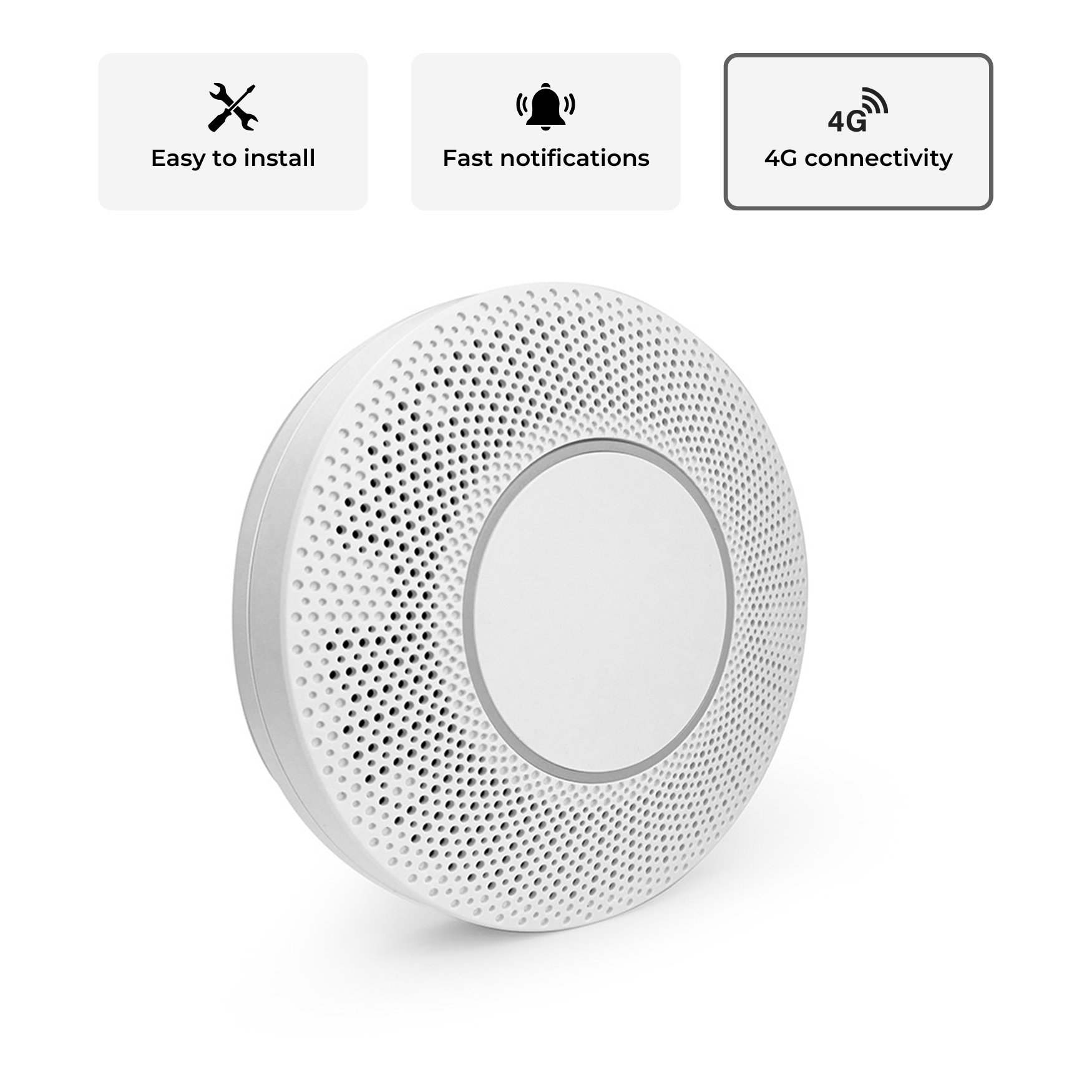
Educational institutions face unique challenges in managing vaping risks UK. Traditional smoke detectors cannot identify vape aerosol, allowing students to vape undetected in toilets and changing areas. Detection technology has become essential for schools serious about protecting student health. Modern vape detection sensors can identify particles and chemicals associated with vaping, providing real-time alerts to staff and creating deterrence through accountability.
Workplace and Public Space Considerations
The vaping risks UK extend beyond individual health to create organisational challenges in workplaces and public venues.
Occupational Health Concerns
Employers must consider both direct risks to vapers and indirect exposure to colleagues. Hidden health risks of vaping in the office include reduced air quality, second-hand aerosol exposure, and productivity impacts from nicotine addiction.
Workplace vaping creates several issues:
- Normalisation of nicotine use among non-smoking staff
- Air quality degradation in shared spaces
- Compliance with health and safety obligations
- Productivity loss from vaping breaks
- Conflict between vapers and non-vapers
Second-Hand Aerosol Exposure
The World Health Organization's guidance on e-cigarettes makes clear that exhaled aerosol is not harmless water vapour. It contains nicotine, ultrafine particles, volatile organic compounds, and potentially toxic substances that affect bystanders.
| Substance | Indoor Air Impact | Health Concern |
|---|---|---|
| Nicotine | Persists on surfaces (third-hand exposure) | Developmental toxicity |
| PM2.5 particles | Elevates particulate matter levels | Respiratory irritation |
| Propylene glycol | Creates indoor air pollution | Eye and throat irritation |
| Flavouring chemicals | Variable persistence | Sensitisation and allergy |
Those working in enclosed spaces face cumulative exposure throughout the working day. Creating vape-free business offices protects all employees whilst supporting those trying to quit nicotine altogether.
Special Populations at Higher Risk
Certain groups face amplified vaping risks UK that require specific consideration.
Pregnancy and Reproductive Health
The Royal College of Obstetricians & Gynaecologists guidance on smoking and pregnancy addresses e-cigarette use during pregnancy with considerable caution. Whilst vaping is less harmful than smoking, nicotine of any form poses risks to fetal development.
Risks during pregnancy include:
- Reduced birth weight
- Preterm delivery
- Developmental abnormalities
- Sudden infant death syndrome (SIDS) risk
- Long-term neurodevelopmental impacts on the child
The advice remains clear: the safest option is complete abstinence from all nicotine products during pregnancy. For those unable to quit smoking, vaping may represent a lesser harm, but only under medical supervision.
Pre-existing Health Conditions
Individuals with certain health conditions face elevated vaping risks UK. Those with asthma, COPD, cardiovascular disease, or immune system disorders should avoid vaping entirely. The inflammatory response triggered by vaping can exacerbate existing conditions and complicate treatment.

Regulatory Framework and Compliance
Understanding vaping risks UK requires familiarity with the legal landscape governing e-cigarettes.
Current UK Legislation
UK government guidance on smoking and vaping provides comprehensive resources for understanding regulatory obligations. The framework includes:
- Product safety and quality standards
- Nicotine concentration limits (20mg/ml maximum)
- Tank capacity restrictions (2ml maximum)
- Packaging and labelling requirements
- Age verification obligations (18+ only)
- Advertising and promotion restrictions
Emerging Policy Developments
The regulatory environment continues to evolve as evidence accumulates. Proposals under consideration include:
Potential regulatory changes:
- Flavour restrictions to reduce youth appeal
- Plain packaging requirements
- Tighter restrictions on online sales
- Enhanced retailer licensing requirements
- Increased enforcement funding
Beyond the UK's new vape laws, effective implementation remains the critical challenge. Legislation means little without robust enforcement mechanisms and resources.
Organisational Compliance Responsibilities
Institutions have legal obligations to manage vaping risks UK within their premises. This includes:
- Conducting risk assessments for indoor air quality
- Implementing clear policies on vaping
- Providing designated areas (if permitting vaping)
- Protecting non-vapers from second-hand exposure
- Supporting cessation for those wishing to quit
For schools specifically, UK school vaping laws 2025 requires heads to maintain tobacco-free (including vaping-free) environments and to educate pupils about the risks.
Detection and Prevention Technologies
As awareness of vaping risks UK has grown, so too has the technology available to detect and prevent vaping in sensitive environments.
Modern Detection Capabilities
Advanced sensors now provide real-time monitoring of air quality and vaping incidents. These systems detect specific chemical signatures associated with vaping, distinguishing them from other air quality events.
Key detection features include:
- Particulate matter (PM2.5) monitoring
- Volatile organic compound (VOC) detection
- Temperature and humidity sensing
- Tamper alerts
- Real-time notifications to designated staff
Technology like the Vape Detection System combines multiple sensors to identify vaping events whilst also monitoring for other concerning behaviours in typically unsupervised areas like toilets and changing rooms.

Implementation Considerations
Successful deployment of detection technology requires thoughtful planning. Vape detector cost breakdown and ROI helps organisations understand the investment required versus the benefits of reduced incidents, improved air quality, and enhanced duty of care compliance.
Effective implementation combines technology with policy, education, and support services. Detection alone does not address the underlying reasons young people or staff members vape. It must form part of a comprehensive approach that includes education about vaping risks UK and support for those wishing to quit.
Environmental and Societal Impacts
The vaping risks UK conversation increasingly includes environmental considerations alongside health concerns.
Disposable Vape Waste
The explosion in disposable vape sales has created an environmental crisis. These single-use devices contain lithium batteries, electronic components, and plastic casings that are rarely recycled properly. The truth behind the disposable vape ban reveals that environmental concerns are driving policy as much as health considerations.
Environmental impacts include:
- Lithium battery waste in landfills and waterways
- Toxic chemical leaching into soil
- Electronic waste accumulation
- Resource depletion (rare earth metals)
- Marine pollution from discarded devices
Social Normalisation Effects
Perhaps one of the most insidious vaping risks UK concerns the renormalisation of nicotine use in public spaces. After decades of declining smoking rates and denormalisation efforts, vaping has made nicotine use socially acceptable again, particularly among young people. This threatens to reverse hard-won public health gains.
Evidence-Based Risk Communication
Communicating vaping risks UK effectively requires balancing harm reduction messaging for smokers with prevention messaging for non-smokers, especially youth.
Messaging for Different Audiences
| Audience | Key Message | Supporting Action |
|---|---|---|
| Current smokers | Vaping less harmful than smoking; ideally quit both | Smoking cessation support |
| Young people | Vaping is not safe; nicotine harms developing brains | Education and detection |
| Pregnant women | Stop all nicotine; vaping only if cannot quit smoking | Medical supervision |
| Non-smokers | Do not start vaping; no health benefits | Clear prevention messaging |
| Workplaces | Protect all staff from second-hand exposure | Policy and technology |
Educational Interventions
Evidence shows that education alone cannot prevent youth vaping, but it remains a critical component. Vape Guardian Education provides structured curriculum developed with researchers at the University of Southampton, addressing both the science of vaping risks UK and the psychological factors that drive uptake.
Effective education programmes must:
- Present evidence accurately without exaggeration
- Address social and psychological drivers of use
- Develop refusal skills and resilience
- Engage with the realities of peer pressure
- Connect to broader health and wellbeing goals
Long-Term Health Unknowns
One of the most significant vaping risks UK stems from what we do not yet know. E-cigarettes have only been widely available since the mid 2000s, providing insufficient time to understand lifetime exposure effects.
Research Gaps and Uncertainties
Current evidence suggests vaping is substantially less harmful than smoking, but "less harmful" does not mean "safe." Irreversible harm warnings on youth vaping highlights emerging research suggesting permanent changes to lung tissue and cardiovascular function.
Critical unknowns include:
- Cancer risk after 30 to 40 years of use
- Cumulative cardiovascular disease impact
- Interaction effects with other exposures
- Transgenerational effects on offspring
- Long-term cognitive impacts from adolescent use
The precautionary principle suggests that in the absence of complete evidence, particularly for vulnerable populations like young people and pregnant women, avoidance represents the safest approach.
Emerging Concerns
New research continually reveals additional concerns. The hidden threat of drugs in vapes examines how vaping devices are increasingly used to consume cannabis and synthetic drugs, creating additional health and safeguarding risks, particularly in schools.
Understanding vaping risks UK requires acknowledging both the established harms and the significant unknowns that will only become clear through decades of further research. For organisations responsible for the health and safety of young people or staff members, taking proactive steps to detect and prevent vaping represents prudent risk management. Vape Guardian provides the detection technology, educational resources, and expert support needed to create safer, healthier environments whilst maintaining compliance with evolving regulations and duty of care obligations.







Share:
Vape Detection Sensor: Complete Guide to Technology & Use