
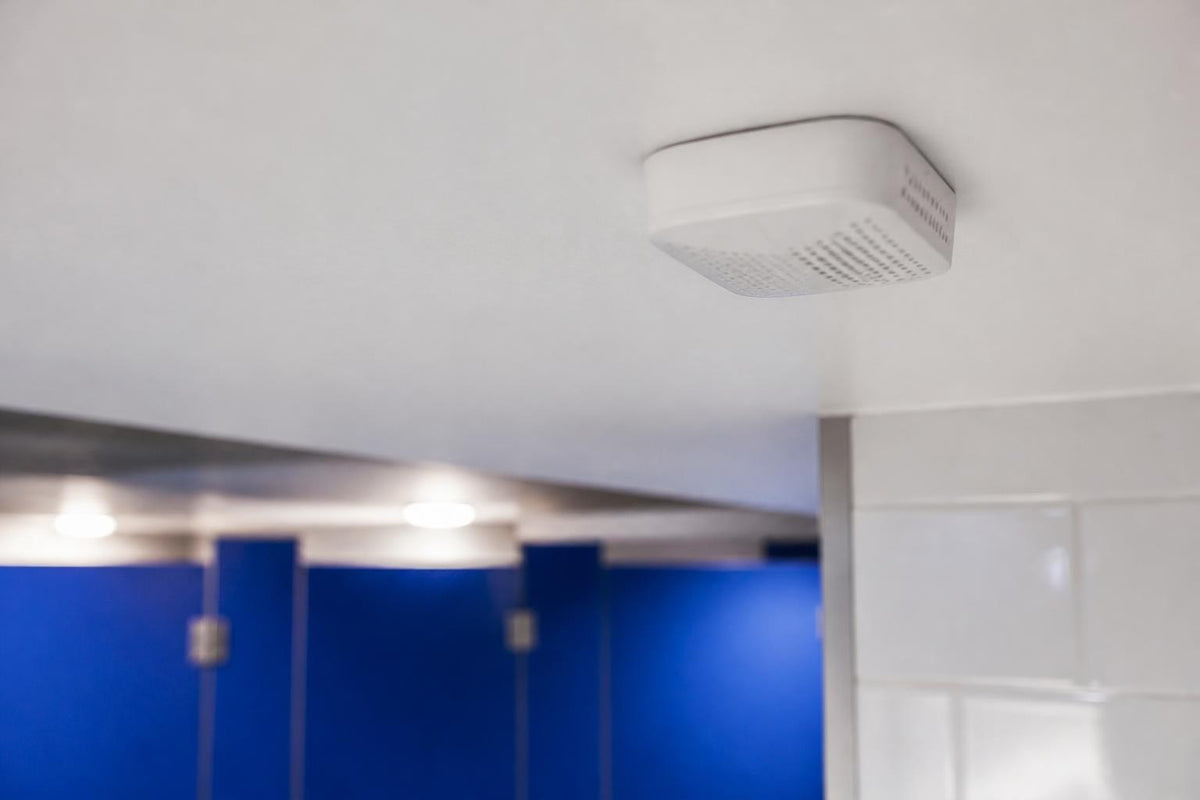
The rise in vaping across the United Kingdom has created significant challenges for schools, workplaces, and public spaces. As traditional smoking policies prove inadequate for addressing e-cigarette use, organisations are turning to advanced technology for solutions. A vape detection sensor represents a sophisticated approach to monitoring indoor environments, identifying vaping activity without the privacy concerns associated with video surveillance. These devices analyse air quality in real time, detecting the unique chemical signatures and particulate patterns produced by e-cigarettes, allowing facility managers and administrators to respond quickly and appropriately.
Understanding How a Vape Detection Sensor Works
The Science Behind Detection Technology
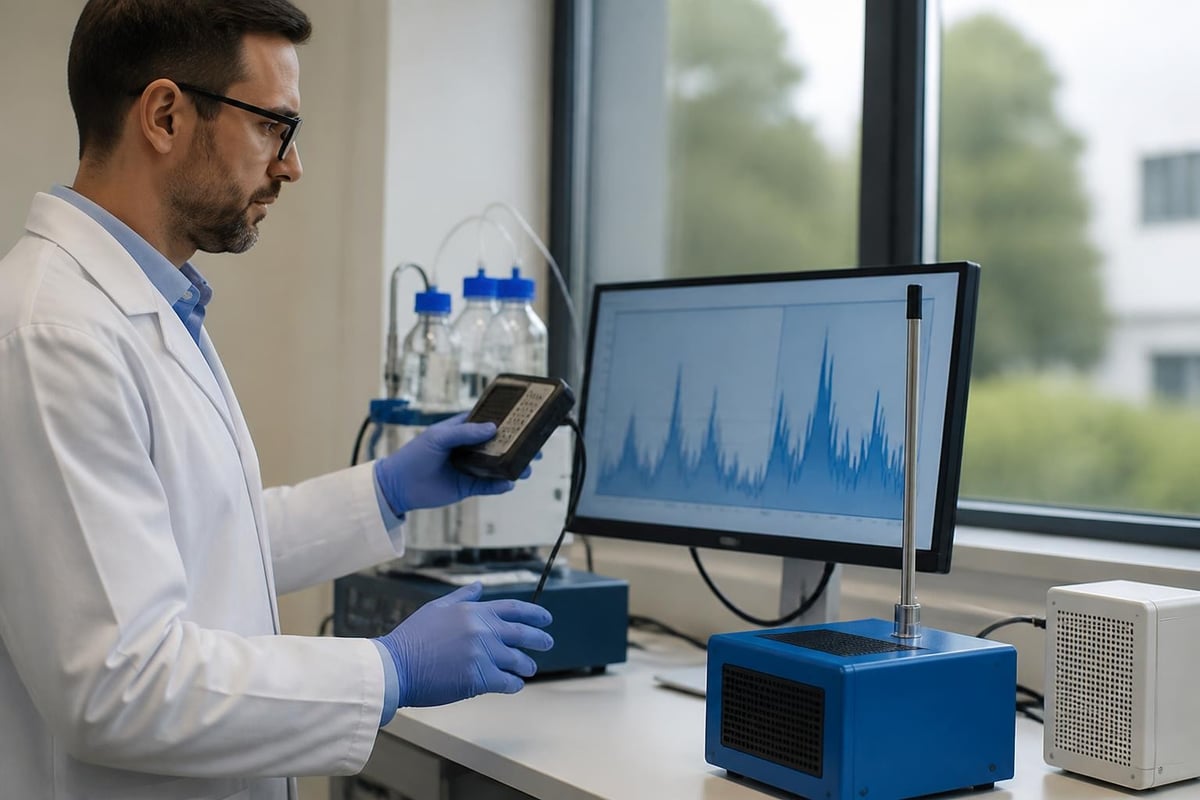
A vape detection sensor operates by monitoring multiple environmental factors simultaneously. These devices typically measure particulate matter (PM2.5 and PM10), volatile organic compounds, and changes in air quality that occur when someone uses an e-cigarette. The technology relies on the fact that vaping produces a distinct chemical fingerprint including propylene glycol, vegetable glycerin, and various flavouring compounds that can be identified by sophisticated sensors.
Modern systems employ advanced algorithms that distinguish between vaping aerosols and other common sources of air quality changes. This prevents false alarms from activities like hair spray use, perfume application, or cleaning products.
The detection process happens in milliseconds:
- Air samples are continuously drawn into the sensor chamber
- Laser scattering technology counts and sizes airborne particles
- Chemical sensors identify volatile organic compounds
- Machine learning algorithms compare patterns against known vaping signatures
- Alerts are triggered when thresholds are exceeded
Key Components and Technologies
| Component | Function | Purpose |
|---|---|---|
| PM Sensor | Measures particulate matter concentration | Detects aerosol clouds from vaping |
| VOC Sensor | Identifies volatile organic compounds | Recognises chemical signatures |
| Humidity Sensor | Monitors moisture changes | Distinguishes vaping from steam |
| Temperature Sensor | Tracks thermal variations | Provides environmental context |
| Sound Detection | Captures audio anomalies | Identifies tamper attempts or distress |
Each vape detection sensor combines these technologies to create a comprehensive monitoring solution. The integration allows for accurate identification whilst minimising false positives, which is crucial for maintaining trust in the system.
Applications Across Different Environments
Educational Settings and Schools
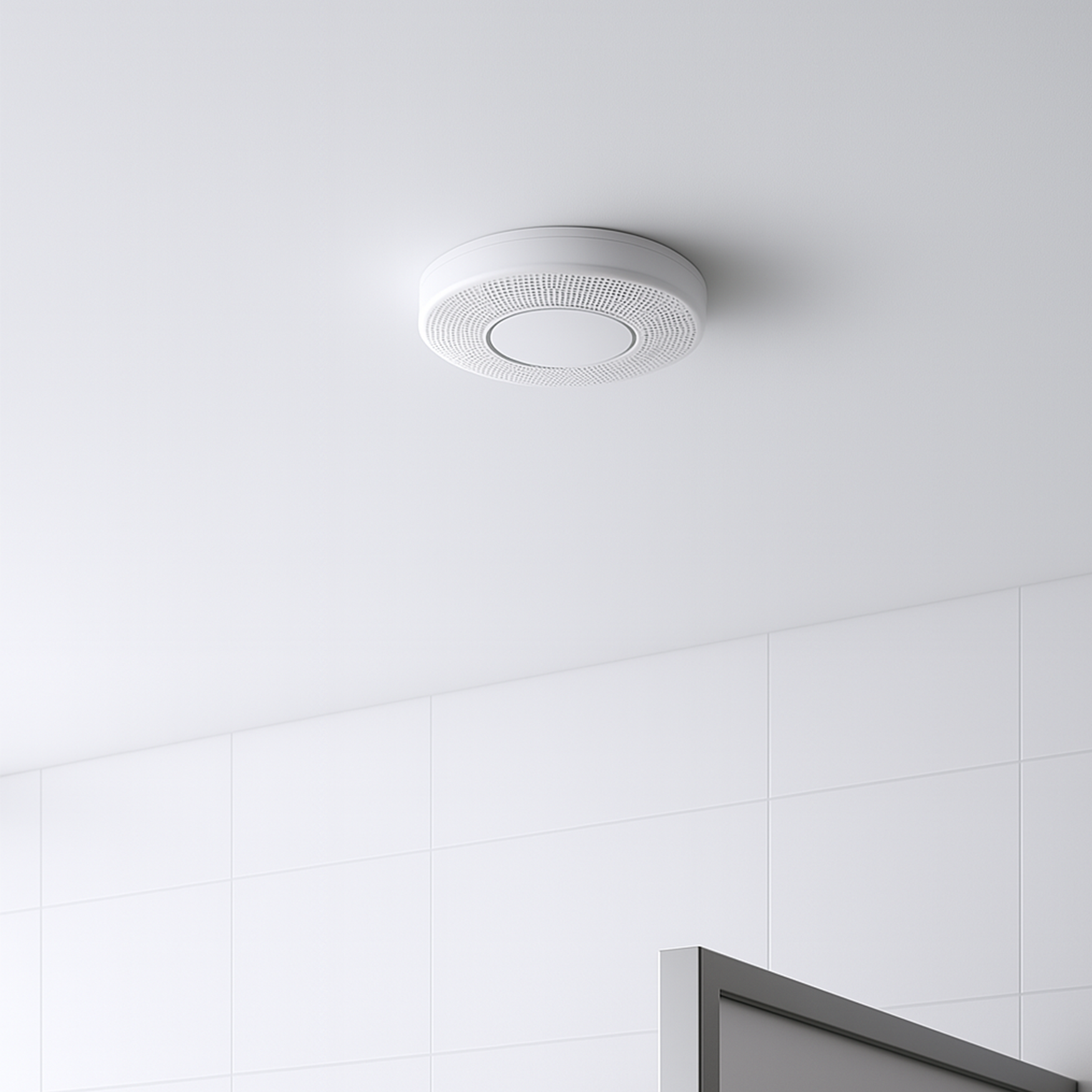
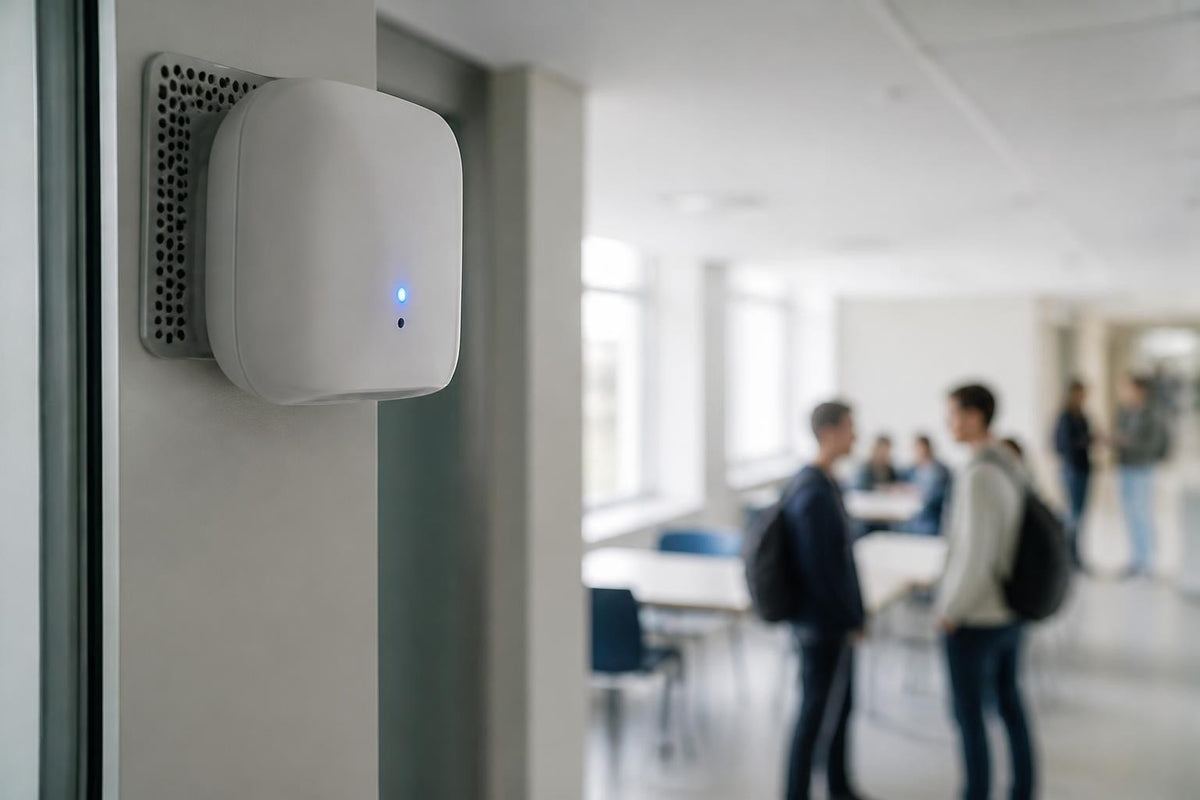
Schools face particular challenges with underage vaping. Research shows that vape detection systems deployed in educational facilities can significantly reduce incidents when properly implemented. A vape detection sensor installed in bathrooms, changing rooms, and other unsupervised areas provides administrators with real time alerts, enabling swift intervention.
The benefits extend beyond simple enforcement:
- Early intervention opportunities for students who need support
- Data collection on incident patterns and hotspots
- Deterrent effect reducing overall vaping behaviour
- Support for safeguarding obligations under UK regulations
Schools implementing these systems report improved air quality and reduced maintenance costs from vape residue damage. The technology supports evidence based school vaping policies by providing objective data rather than relying solely on witness reports.
Workplace and Office Environments
Modern businesses increasingly recognise that vaping in offices affects air quality and employee wellbeing. A vape detection sensor helps organisations enforce smoke free policies consistently across all areas, including bathrooms and private offices where traditional supervision is inappropriate.
Professional environments benefit from the discrete nature of sensor based monitoring. Unlike cameras, sensors respect privacy whilst still providing effective policy enforcement. This balance proves particularly valuable in sectors with strict health and safety requirements.
Employers using detection systems report:
- Reduced conflicts over vaping policy enforcement
- Improved compliance with health and safety regulations
- Better indoor air quality metrics
- Enhanced workplace culture around wellness
The data gathered can inform broader workplace health initiatives and demonstrate compliance during inspections or audits.
Leisure and Hospitality Venues
Hotels, gyms, sports facilities, and entertainment venues face unique challenges balancing customer experience with policy enforcement. A vape detection sensor provides non confrontational monitoring that protects other guests whilst avoiding the perception of surveillance.
For venues where HMO landlords manage multiple occupancy properties, detection systems offer particular value in maintaining property standards and ensuring compliance with tenancy agreements. The technology helps property managers identify policy violations without constant physical inspections.
Choosing the Right Vape Detection Sensor
Essential Features and Capabilities
When selecting detection technology, organisations should evaluate systems based on several critical criteria. The most effective vape detection sensor includes comprehensive monitoring beyond just vaping detection.
Must have features include:
- Real time alerting via multiple channels (SMS, email, app notifications)
- Tamper detection and physical security alerts
- Integration capabilities with existing building management systems
- Historical data logging and reporting functions
- Adjustable sensitivity settings for different environments
Advanced systems also detect related concerns such as drug use and antisocial behaviour, providing comprehensive safety monitoring. This multi threat approach proves particularly valuable in educational settings where safeguarding extends beyond vaping prevention.
Connectivity Options and Installation
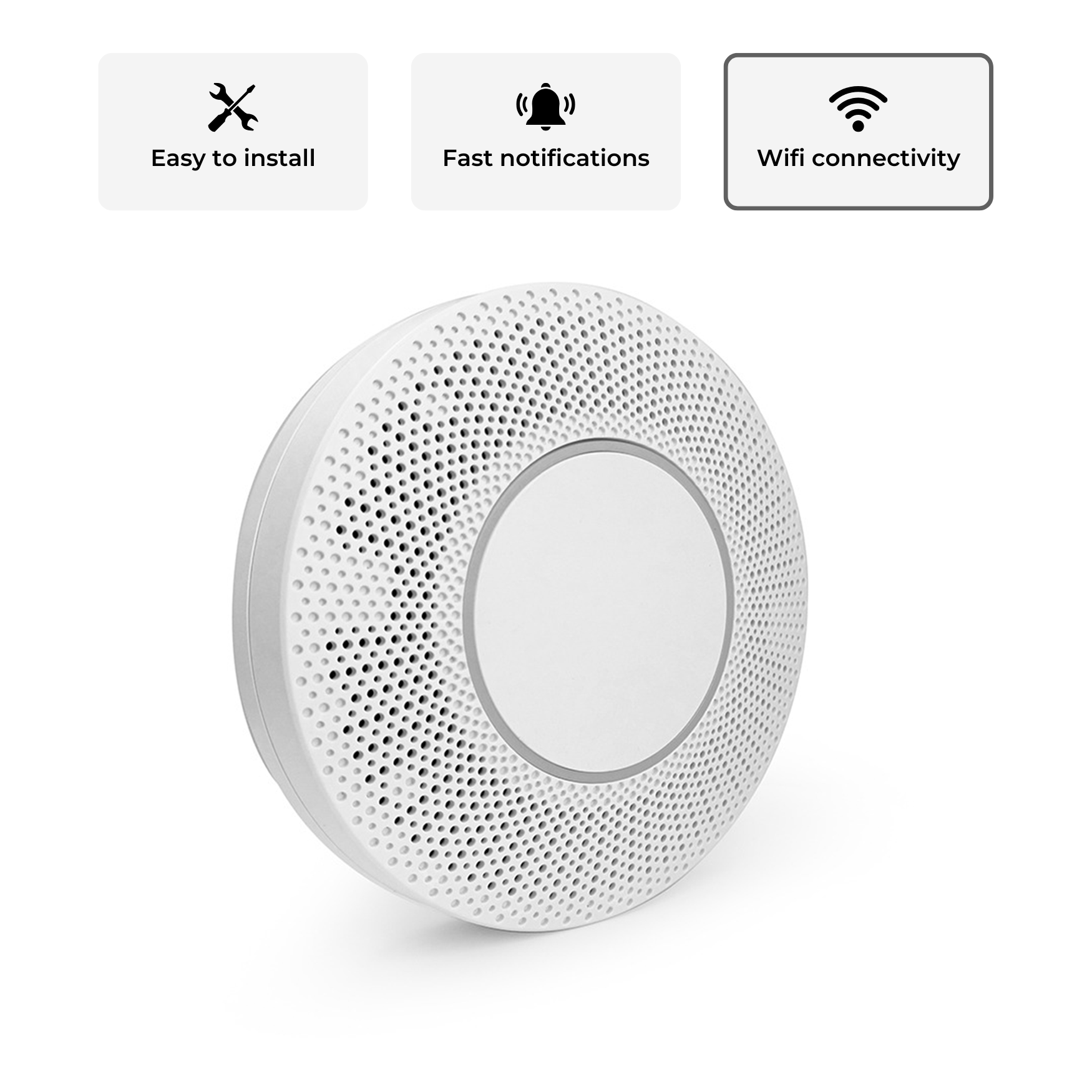
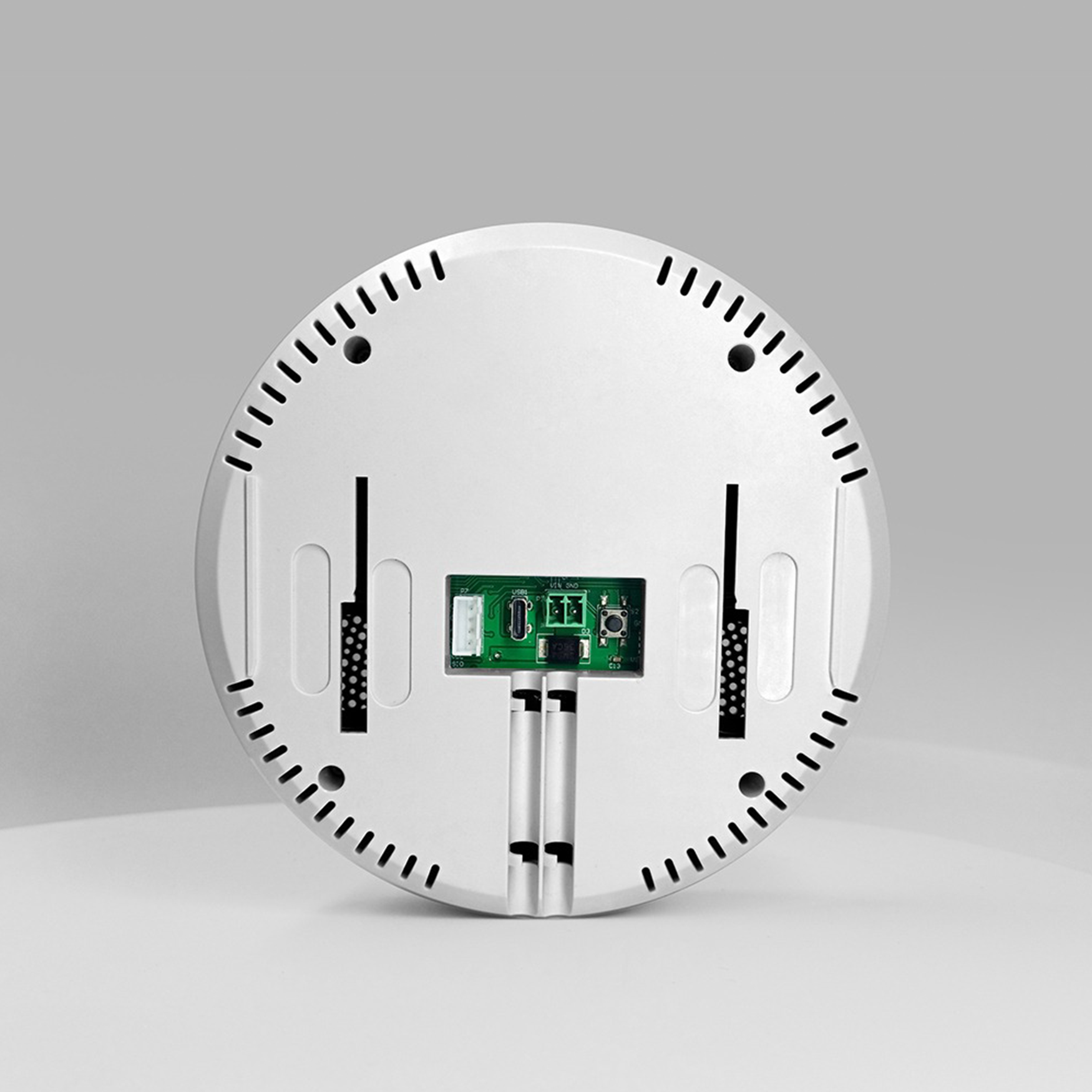
Modern sensors offer various connectivity solutions to suit different building infrastructures:
| Connection Type | Advantages | Considerations |
|---|---|---|
| Wi-Fi | Easy installation, no cabling required | Dependent on network coverage |
| Power over Ethernet | Reliable, integrated power and data | Requires network cabling |
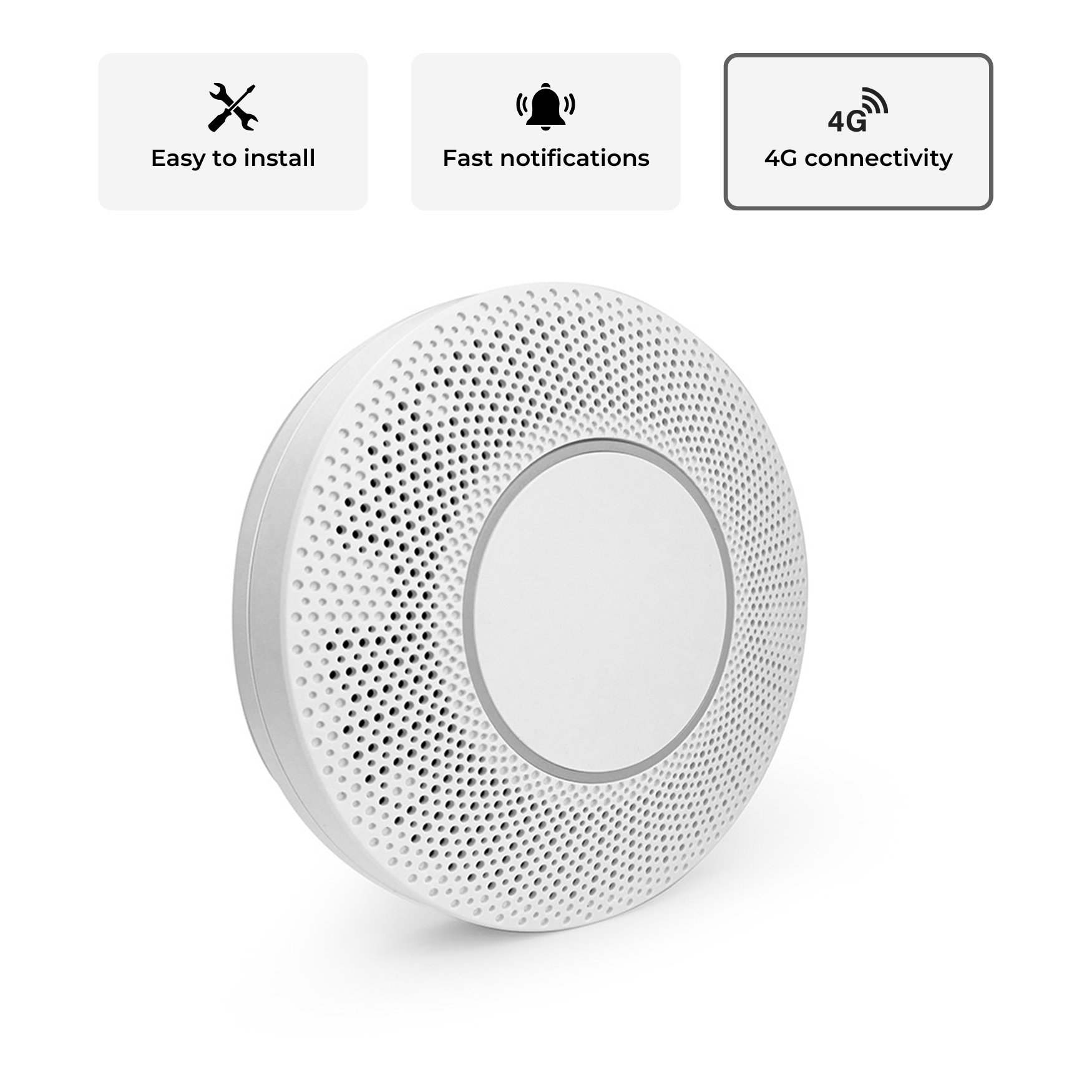
| 4G Cellular | Works anywhere, independent of building network | Ongoing connectivity costs |
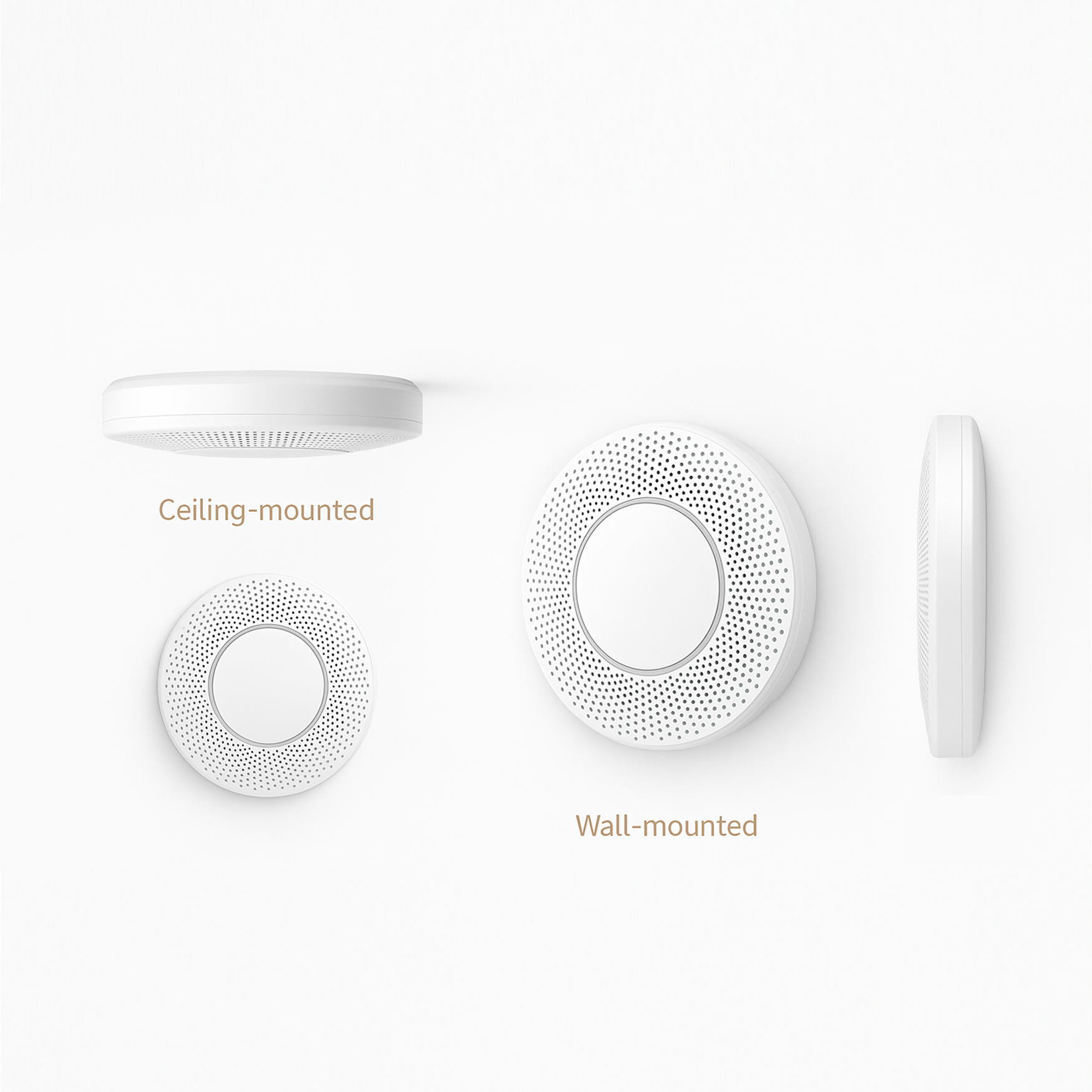
The Vape Detection System from Vape Guardian offers flexible connectivity including Wi-Fi, PoE, and cellular options, ensuring reliable performance in any environment whilst providing comprehensive monitoring of vaping, air quality, and potential security threats.

Installation simplicity matters significantly for deployment at scale. Systems requiring minimal configuration and offering wireless options reduce both initial costs and ongoing maintenance requirements.

Evidence, Effectiveness and Real World Performance
What the Research Shows
Public health authorities have evaluated vape detector effectiveness in educational settings, finding that properly implemented systems reduce vaping incidents when combined with educational interventions and clear policies. The technology proves most effective as part of a comprehensive approach rather than a standalone solution.
Studies demonstrate that detection alone does not solve underlying behavioural issues. However, when paired with appropriate support services and education programmes, a vape detection sensor becomes a valuable tool in creating healthier environments.
Implementation Challenges and Solutions
Organisations deploying detection technology encounter several common challenges:
Privacy and acceptance concerns arise frequently. Transparent communication about what sensors monitor (air quality, not conversations or images) helps address these worries. Many facilities find that involving stakeholders in the planning process builds support.
False positive management requires proper calibration and ongoing adjustment. Environmental factors like humidity, cleaning schedules, and legitimate aerosol products need consideration when setting sensitivity thresholds.
Response protocols must be established before deployment. Schools need clear procedures for addressing alerts, including who responds, how quickly, and what actions are appropriate for different situations.
Privacy Considerations and Ethical Deployment
Balancing Detection with Privacy Rights
The ethical implications of vape detection surveillance deserve serious consideration. Unlike video cameras, a vape detection sensor monitors environmental conditions rather than individuals, offering a privacy preserving approach to policy enforcement.
Responsible deployment requires:
- Clear communication with all stakeholders about monitoring
- Transparent data handling and retention policies
- Appropriate access controls for alert notifications
- Regular reviews of system use and effectiveness
Privacy first architectures demonstrate that effective monitoring need not compromise individual privacy. The key lies in focusing on environmental conditions rather than personal identification.
Legal and Regulatory Compliance
UK organisations must navigate various legal frameworks when implementing monitoring technology. Data protection obligations under GDPR require careful attention to how sensor data is collected, stored, and used. Whilst environmental monitoring typically falls outside personal data definitions, organisations should document their approach and conduct privacy impact assessments.
Educational institutions face additional considerations under safeguarding regulations. Detection systems must support rather than replace human oversight and intervention. The technology provides evidence to support appropriate responses, not automated punishment.
Advanced Detection Capabilities
Beyond Basic Vaping Detection
Modern systems extend well beyond simple vape identification. A comprehensive vape detection sensor monitors multiple environmental and safety factors:
- Air quality metrics including PM2.5, temperature, and humidity
- Sound anomalies indicating distress, bullying, or emergency situations
- Tamper detection when sensors are covered, damaged, or disabled
- Chemical signatures associated with controlled or psychoactive substances in e-cigarettes
This multi-layered approach transforms individual sensors into comprehensive safety monitoring systems. Facilities gain insights into overall environmental health whilst addressing specific policy violations.
Integration with Building Systems
The most effective deployments integrate vape detection sensors with existing infrastructure. Modern devices connect to:
- Building management systems for centralised monitoring
- Access control systems for location based alerts
- HVAC systems for improved air quality response
- Security platforms for coordinated incident response
Integration enables automated responses such as increased ventilation when vaping is detected, creating healthier environments without manual intervention.

Cost Considerations and Return on Investment
Understanding Total Cost of Ownership
Evaluating vape detection sensor costs requires looking beyond initial hardware expenses. A comprehensive cost analysis includes:
| Cost Category | Typical Range | Frequency |
|---|---|---|
| Hardware (per sensor) | £200–£300 | One time |
| Software subscription | £15–£25 per sensor | Monthly |
| Installation labour | £50–£150 per sensor | One time |
| Connectivity (cellular) | £3–£5 per sensor | Monthly |
| Maintenance | Minimal | Annual |
Organisations should calculate costs based on the number of locations requiring coverage. High risk areas like bathrooms typically need one sensor per facility, whilst larger open spaces may require strategic placement.
Measuring Return on Investment
The value of detection systems extends beyond direct cost savings. Benefits include:
- Reduced property damage from vape residue on surfaces and air quality systems
- Decreased health costs from improved air quality and reduced secondhand exposure
- Enhanced compliance avoiding fines or regulatory action
- Improved reputation demonstrating commitment to health and safety
Schools report that early intervention enabled by detection systems reduces the need for more serious disciplinary measures later. The technology supports positive behavioural change rather than just punishment.
For businesses, particularly those managing sports facilities and athletic equipment where air quality affects performance, the investment in detection technology pays dividends through improved athlete wellbeing and facility reputation.
Best Practices for Successful Implementation
Planning and Stakeholder Engagement
Successful deployment begins well before sensors are installed. Organisations should:
Conduct thorough site assessments identifying high risk locations and environmental factors that might affect sensor performance. Understanding usage patterns helps determine optimal placement and sensitivity settings.
Engage stakeholders early including staff, students, parents, or employees depending on the setting. Transparent communication about the purpose, capabilities, and limitations of a vape detection sensor builds trust and support.
Develop clear response protocols establishing who receives alerts, how quickly they should respond, and what actions are appropriate. Inconsistent responses undermine the system's effectiveness and credibility.
Provide appropriate training ensuring those who receive alerts understand the technology, can interpret notifications correctly, and know proper response procedures.
Ongoing Monitoring and Optimisation
Deployment marks the beginning, not the end, of effective implementation. Regular review ensures systems continue meeting organisational needs:
- Analyse alert patterns to identify trends and hotspots
- Adjust sensitivity settings based on false positive rates
- Review response times and intervention effectiveness
- Update policies based on data and experience
- Maintain hardware and software with regular updates
Organisations achieving the best results treat their vape detection sensor network as a dynamic system requiring continuous improvement rather than a set and forget solution.
Future Developments in Detection Technology
Emerging Capabilities and Innovations
Detection technology continues evolving rapidly. Next generation sensors will likely incorporate:
Enhanced chemical analysis capable of identifying specific substances and compounds with greater precision. This enables differentiation between nicotine vaping, THC use, and other substances requiring different responses.
Artificial intelligence integration improving pattern recognition and reducing false positives through machine learning. Systems learn normal environmental patterns in each location, becoming more accurate over time.
Expanded environmental monitoring including CO2 levels, allergens, and other air quality factors. A vape detection sensor becomes part of comprehensive indoor environmental quality management.
Improved integration capabilities allowing seamless connection with diverse building systems and creating more automated, responsive environments.
The Broader Context of Indoor Air Quality
Vaping detection represents one component of growing awareness around indoor environmental health. The same technology monitoring for vape aerosols provides valuable data on overall air quality, helping organisations create healthier spaces for everyone.
This broader perspective positions detection systems as investments in wellbeing rather than just enforcement tools. Facilities demonstrating commitment to air quality benefit from improved occupant satisfaction, productivity, and health outcomes.
For organisations like childcare providers where air quality directly impacts vulnerable populations, comprehensive environmental monitoring becomes essential to duty of care obligations.
Selecting the Right Provider
Evaluating Detection System Vendors
Not all vape detection sensor systems offer equal performance or support. Organisations should evaluate providers based on:
Technology reliability and accuracy demonstrated through independent testing and real world deployment data. Request evidence of false positive rates and detection sensitivity.
Customer support quality including installation assistance, training, and ongoing technical support. Responsive support proves crucial when troubleshooting issues or optimising performance.
Software capabilities encompassing alert management, reporting, data visualisation, and integration options. User friendly interfaces reduce training requirements and improve adoption.
Scalability and flexibility allowing systems to grow with organisational needs and adapt to changing requirements. Avoid solutions that lock you into proprietary ecosystems.
UK specific expertise ensuring providers understand local regulations, building standards, and compliance requirements. Domestic support eliminates time zone issues and ensures prompt assistance.
The comprehensive range of sensors and accessories available demonstrates a provider's commitment to meeting diverse organisational needs across different environments and connectivity requirements.
Trial Periods and Proof of Concept
Before committing to large scale deployment, organisations should evaluate systems in their specific environment. Trial deployments reveal how a vape detection sensor performs under real conditions, whether the technology meets expectations, and how stakeholders respond to the implementation.
Testing also allows refinement of placement, sensitivity settings, and response protocols before full rollout. This reduces the risk of expensive mistakes and builds confidence in the technology.
Vape detection sensor technology offers organisations a powerful tool for maintaining healthy, compliant environments whilst respecting privacy and supporting positive behavioural change. By understanding how these systems work, evaluating options carefully, and implementing them thoughtfully as part of comprehensive policies, schools, businesses, and facilities can address vaping effectively. Vape Guardian provides advanced detection solutions backed by expert support, helping UK organisations create safer spaces through reliable technology and dedicated customer service.


Share:
Vaping in the Workplace UK: Policy, Law & Detection