

Vaping in the workplace UK has emerged as a significant concern for employers navigating the balance between employee freedom, health and safety obligations, and organisational productivity. Unlike traditional smoking, which is strictly regulated by law, vaping occupies a grey area that requires businesses to create clear, enforceable policies. With an estimated 4.9 million vapers across the UK as of 2026, employers must understand their legal position, the health implications, and the practical steps needed to manage vaping effectively across offices, warehouses, and other work environments.
The Legal Framework for Vaping in the Workplace UK
Understanding the legal landscape is essential for any employer developing a vaping policy. Unlike smoking tobacco, vaping is not covered by the same statutory prohibitions in the workplace.
The smoke free legislation that banned smoking in enclosed public spaces and workplaces in 2007 does not extend to e-cigarettes. This means employers are not legally required to prohibit vaping in the same way they must ban smoking. However, this does not mean vaping in the workplace UK is automatically permitted.
Employer Discretion and Policy Rights
Employers have broad discretion to set their own rules regarding vaping. Just as businesses can implement policies beyond minimum legal requirements for many workplace behaviours, they can choose to:
- Ban vaping entirely across all premises
- Permit vaping in designated areas only
- Allow vaping with certain restrictions (time, location, or product type)
- Treat vaping identically to smoking for policy purposes
The Health and Safety Executive confirms that while there is no legal obligation to prohibit vaping, employers should consider health and safety implications when formulating workplace policies. This includes potential impacts on non-vaping employees and the overall work environment.

Health and Safety Considerations
The health debate surrounding vaping continues to evolve, and employers must stay informed to make evidence-based policy decisions for vaping in the workplace UK.
Public Health England has consistently stated that vaping is substantially less harmful than smoking tobacco, with their research suggesting e-cigarettes are around 95% less harmful than conventional cigarettes. The Royal College of Physicians report supports the harm reduction potential of e-cigarettes for smokers attempting to quit.
However, concerns remain about secondhand exposure, particularly in enclosed spaces. While Cancer Research UK notes that the risks from secondhand vapour are substantially lower than secondhand smoke, the long term effects are not yet fully understood.
Workplace Specific Health Risks
Several factors make workplace vaping a distinct health and safety matter:
- Air quality: Repeated vaping in poorly ventilated spaces can degrade indoor air quality, affecting employees with respiratory conditions or sensitivities
- Chemical exposure: E-liquids contain various chemicals, and while less harmful than cigarette smoke, aerosol particles can still cause irritation
- Allergic reactions: Some employees may experience allergic responses to propylene glycol or flavouring compounds
- Distraction and productivity: Frequent vaping breaks can impact workflow and team dynamics
Businesses interested in understanding the specific impacts should explore hidden health risks vaping office environments face.
| Health Factor | Smoking | Vaping | Key Difference |
|---|---|---|---|
| Tar content | High | None | Vaping eliminates combustion products |
| Nicotine delivery | Present | Present | Both deliver addictive nicotine |
| Secondhand exposure risk | Severe | Lower but present | Reduced but not eliminated |
| Long term evidence | Extensive | Limited | Vaping is relatively new (since ~2007) |
| Indoor air quality impact | Significant | Moderate | Both affect air quality, degree differs |
Creating an Effective Vaping Policy
A well crafted policy on vaping in the workplace UK must be clear, fair, consistently applied, and properly communicated. Policy development should involve consultation with employees and, where applicable, union representatives.
Essential Policy Elements
Your vaping policy should address these core components:
- Clear definitions: Specify what counts as vaping (e-cigarettes, vape pens, pod systems, heated tobacco products)
- Scope and application: State where the policy applies (buildings, grounds, vehicles, client sites)
- Permitted and prohibited areas: Define exactly where vaping is or is not allowed
- Break time rules: Clarify whether vaping breaks are permitted within working hours
- Consequences: Outline disciplinary procedures for policy violations
- Support mechanisms: Include information about smoking cessation support if relevant
Best practice suggests treating vaping in the workplace UK similarly to smoking for consistency and simplicity, though some employers opt for a more permissive approach given the reduced health risks.
The Acas guidance emphasises the importance of consultation and clear communication when implementing or updating vaping policies. Employees should understand not only what the rules are, but why they exist.
Special Considerations for Different Work Environments
Different workplaces present unique challenges:
- Open plan offices: Vaping may disturb multiple colleagues; designated areas often work best
- Customer facing roles: Brand image and customer comfort may require stricter policies
- Healthcare settings: Generally zero tolerance due to patient health concerns
- Industrial environments: Safety considerations (flammable atmospheres, food production) may necessitate complete bans
- Remote and hybrid workers: Policy should address home working arrangements and expectations during work hours
Detection and Enforcement Challenges
Even with a clear policy, enforcement of vaping in the workplace UK rules can prove difficult. Unlike smoking, which produces distinctive odour and visible smoke, vaping can be more discreet.
Traditional enforcement methods rely on visual observation and reporting, which can create several problems:
- Inconsistent application leading to perceptions of unfairness
- Staff reluctance to report colleagues
- Difficulty catching violations in private spaces like toilets
- Time consuming management oversight requirements
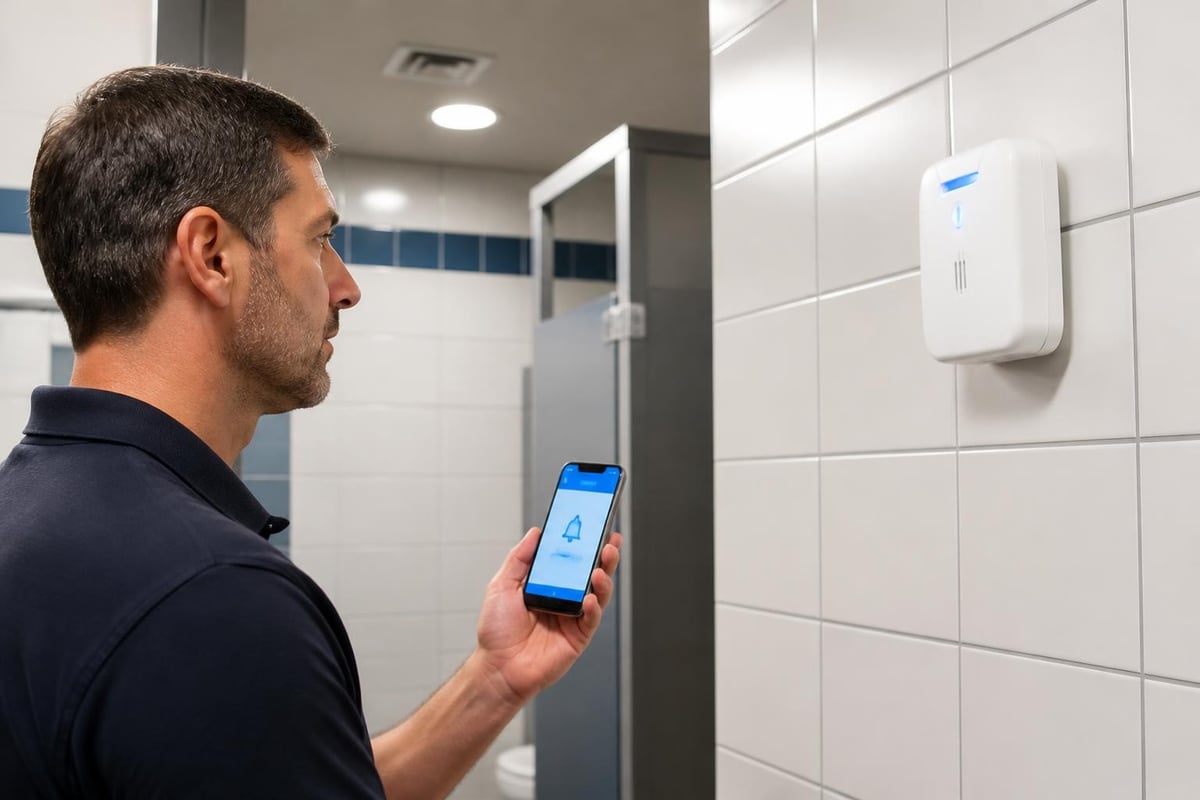
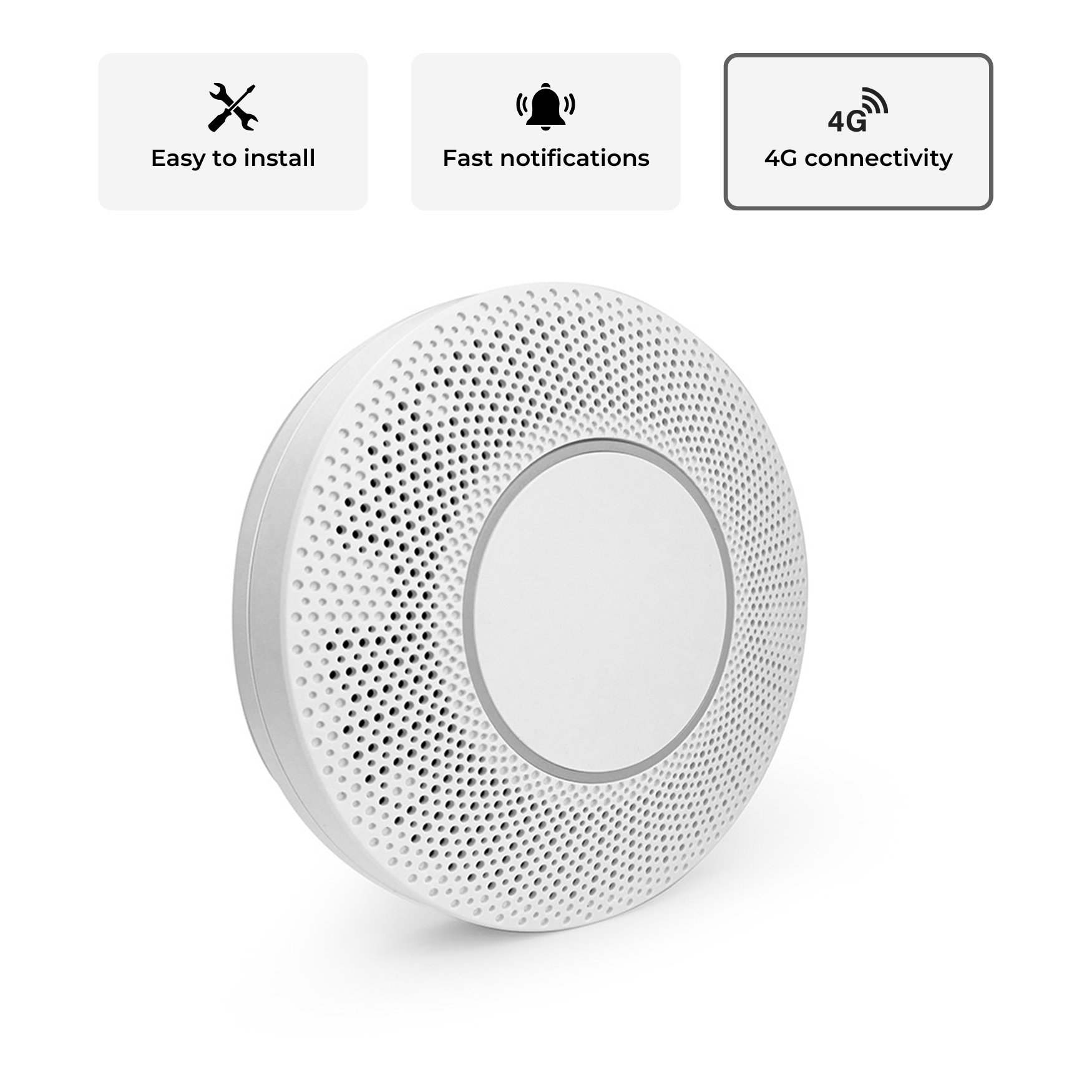
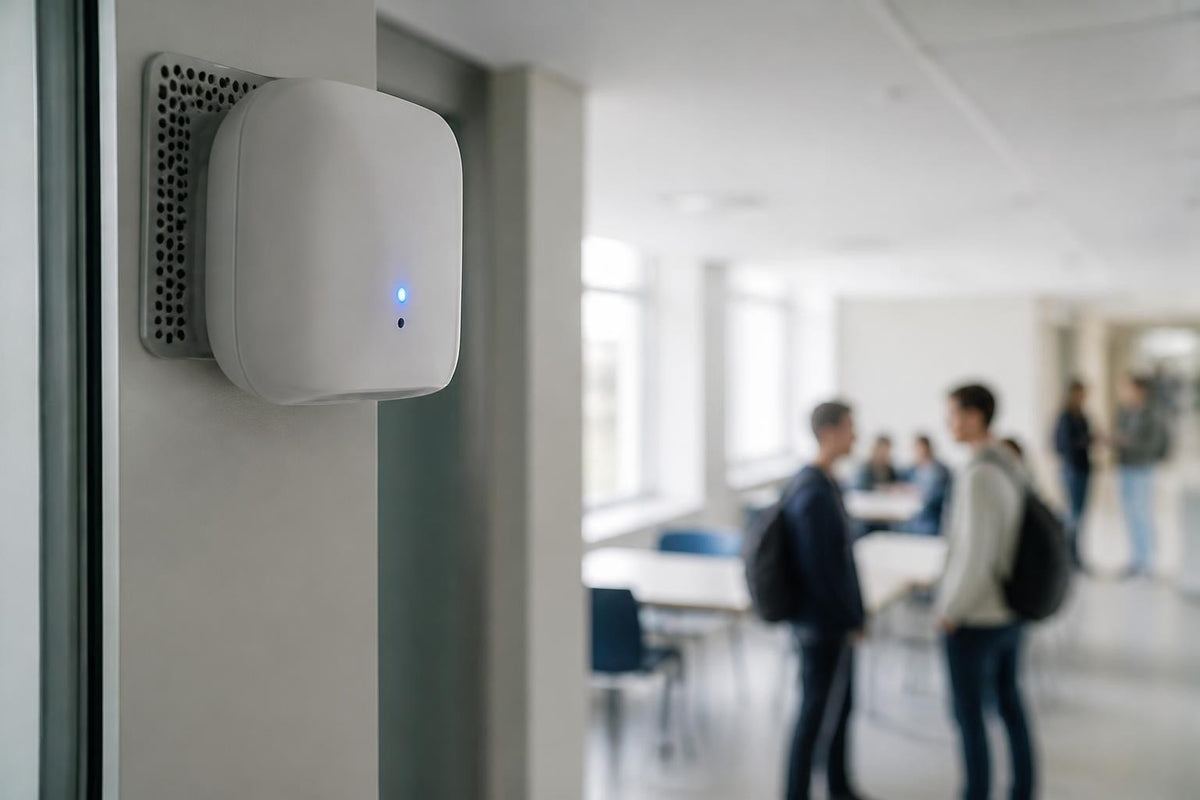
Modern businesses are increasingly turning to technology to support policy enforcement objectively and consistently. Advanced detection systems can identify vaping incidents in real time, providing alerts that enable prompt, fair intervention without relying on colleague reporting.

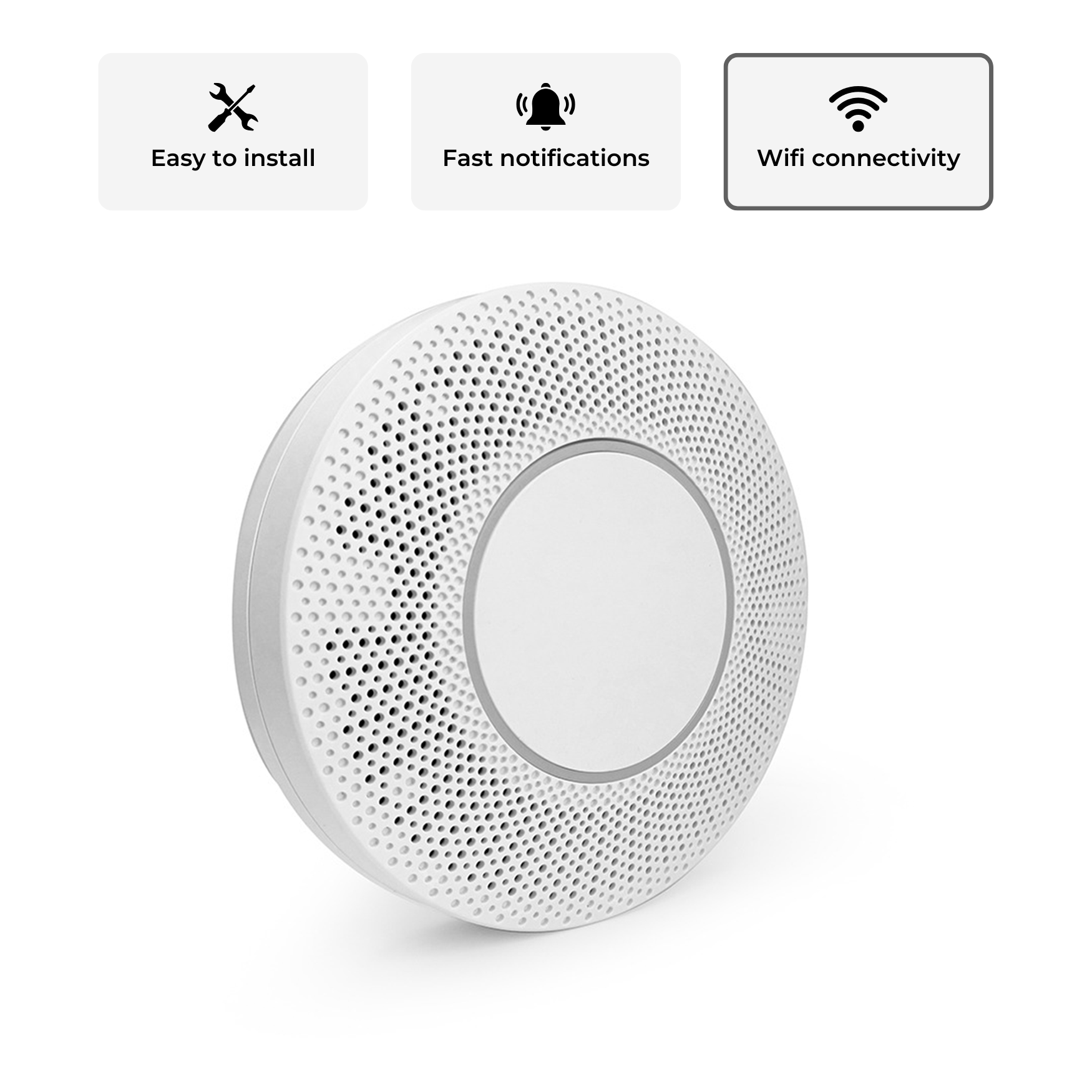
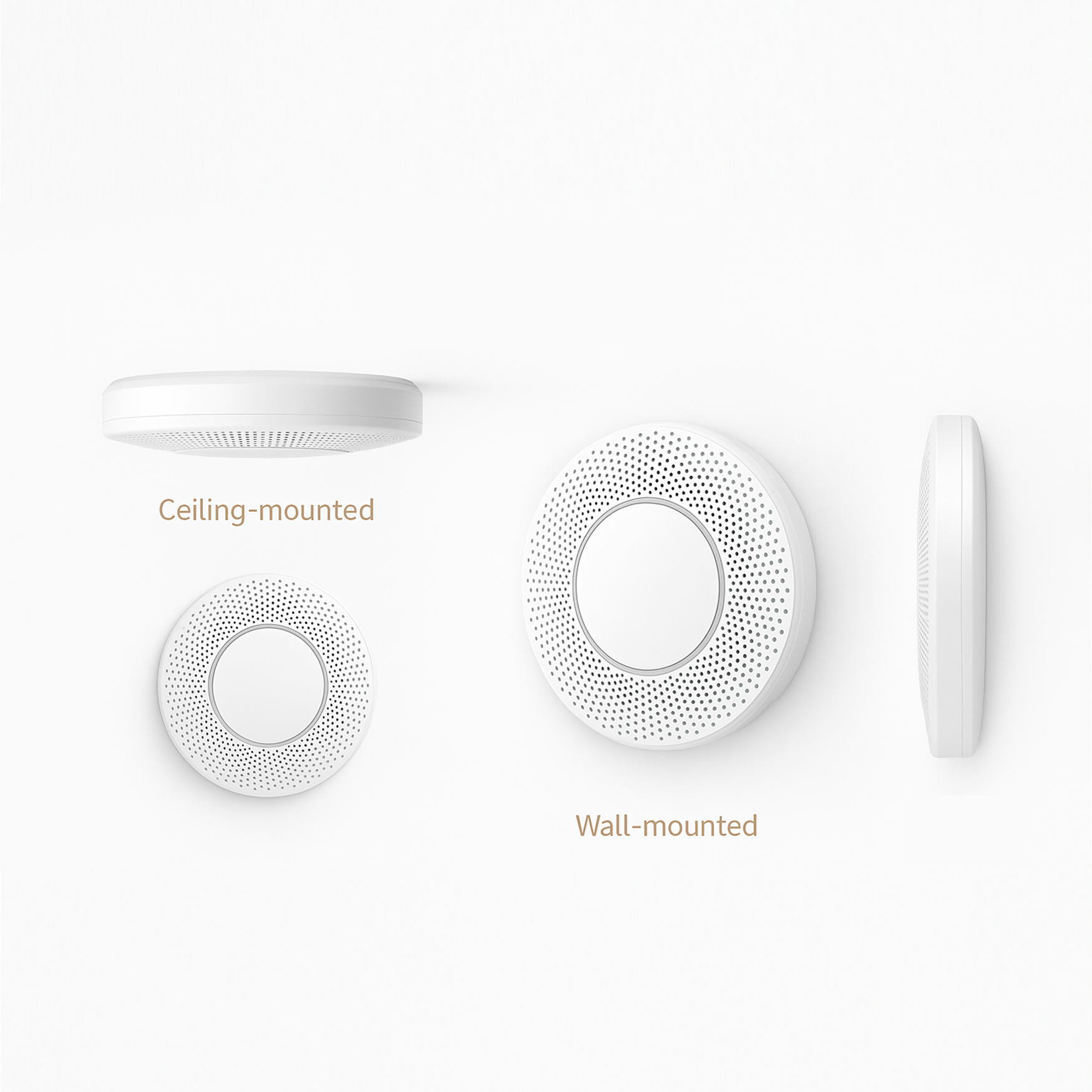
The Vape Detection System uses sophisticated sensors to detect vaping, drug use, and anti-social behaviour in real time, providing businesses with the monitoring capabilities needed to enforce policies consistently across all areas, including washrooms and private spaces where traditional supervision is impractical.
Technology Enhanced Compliance
Modern detection technology offers several advantages for managing vaping in the workplace UK:
- Objective monitoring: Removes subjective judgment and potential bias from enforcement
- Real time alerts: Enables immediate response to policy violations
- Data and reporting: Provides evidence-based insights into compliance patterns
- Deterrent effect: Visible sensors discourage violations before they occur
- Privacy compliant: Detection without intrusive camera surveillance
Businesses can learn more about vape detection technology and how it integrates into workplace compliance strategies.
Balancing Employee Rights and Business Needs
Managing vaping in the workplace UK requires sensitivity to employee rights while protecting legitimate business interests. Employers must navigate several competing considerations.
Employee Perspectives and Rights
Many employees who vape view it as a harm reduction tool and personal choice. Some key employee concerns include:
- Addiction management: Nicotine dependence means some employees feel they need regular vaping breaks
- Smoking cessation: Vapers often use e-cigarettes to quit smoking, viewing restrictions as obstacles to positive health changes
- Autonomy: Employees may resent what they perceive as excessive control over personal behaviour
- Equality: Different treatment of vaping versus other break time activities may seem inconsistent
NICE guidance recognises the role of nicotine-containing e-cigarettes in tobacco dependence treatment, which employers should consider when developing support programmes alongside restrictive policies.
Business Justifications for Restrictions
Employers have legitimate reasons for controlling vaping in the workplace UK:
- Health protection: Safeguarding non-vaping employees from unwanted exposure
- Productivity: Minimising disruption from frequent breaks
- Professional image: Maintaining standards in client facing or public areas
- Legal liability: Protecting the organisation from potential health claims
- Equality: Ensuring all employees work in comfortable, healthy environments
The most successful policies acknowledge both perspectives, offering structured, fair solutions that respect individual needs while maintaining workplace standards.
Practical Implementation Steps
Moving from policy development to effective implementation requires careful planning and clear communication about vaping in the workplace UK expectations.
Step by Step Implementation
- Conduct consultation: Gather input from employees, managers, and health and safety representatives
- Draft comprehensive policy: Include all essential elements with clear, unambiguous language
- Review legal compliance: Ensure policy aligns with employment law and existing contracts
- Communicate changes: Use multiple channels (meetings, email, intranet, posters) to inform all staff
- Provide training: Ensure managers understand how to apply and enforce the policy consistently
- Install signage: Place clear notices in all relevant areas
- Implement detection or monitoring: Deploy appropriate technology or processes to support enforcement
- Monitor and review: Regularly assess policy effectiveness and make adjustments as needed
Communication is critical. Employees should understand not just what the rules are, but the rationale behind them. Framing the policy as protecting everyone's health and comfort, rather than punishing vapers, helps build acceptance.
Supporting Employees Who Vape
A purely punitive approach to vaping in the workplace UK may backfire. Consider offering support alongside restrictions:
- Smoking cessation resources: Provide information about NHS stop smoking services
- Reasonable break schedules: Allow designated times for outdoor vaping where appropriate
- Employee assistance: Offer access to counselling or addiction support
- Gradual implementation: Phase in restrictions to allow adjustment time
- Alternative nicotine products: Some workplaces permit nicotine replacement products (gum, patches) as alternatives
For businesses managing the transition, exploring vape free business offices strategies can provide valuable insights.
Industry Specific Guidance
Different sectors face unique challenges when addressing vaping in the workplace UK, requiring tailored policy approaches.
Office and Corporate Environments
Professional office settings typically adopt moderate policies balancing employee preference with air quality concerns. Common approaches include:
- Designated outdoor vaping areas away from entrances
- Alignment with break time policies for fairness
- Focus on maintaining professional image in client areas
- Use of air quality monitoring to assess impact
The office air quality monitoring approach helps businesses make data driven decisions about where restrictions are most needed.
Healthcare and Social Care
Healthcare settings generally implement strict vaping policies due to patient vulnerability and the need to model healthy behaviours. These workplaces often:
- Ban vaping across all indoor and many outdoor areas
- Treat vaping identically to smoking in all respects
- Provide enhanced support for staff attempting to quit
- Face particular scrutiny regarding health promotion responsibilities
Hospitality and Retail
Customer facing businesses must balance employee needs with customer comfort and brand image:
- Strict prohibition in customer areas
- Designated staff areas for breaks
- Particular attention to secondhand exposure in food service
- Brand reputation considerations in luxury or family oriented businesses
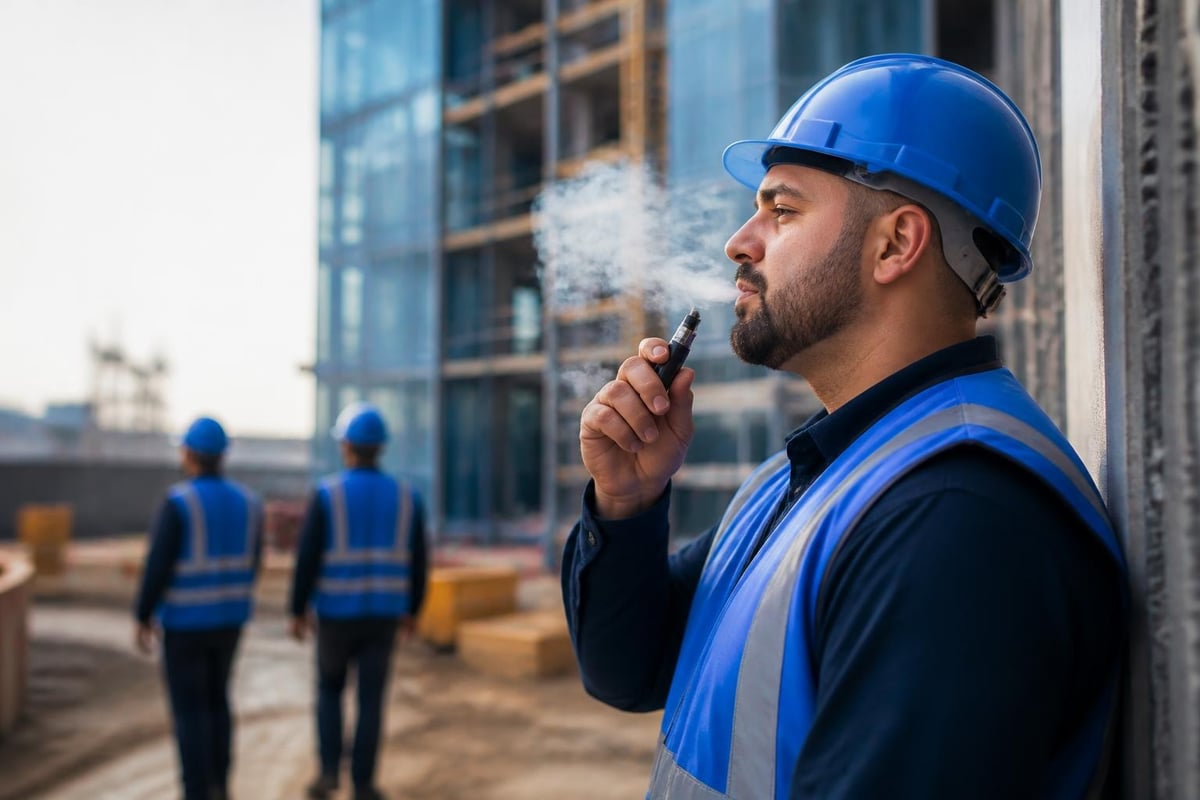
Industrial and Manufacturing
Safety considerations often drive policy in these settings:
- Absolute bans near flammable materials or in hazardous areas
- Designated smoking and vaping shelters away from production zones
- Integration with broader health and safety protocols
- Particular attention to confined spaces and poor ventilation
| Sector | Typical Policy Approach | Primary Concerns | Enforcement Method |
|---|---|---|---|
| Corporate offices | Moderate - outdoor areas permitted | Air quality, professionalism | Self-reporting, spot checks |
| Healthcare | Strict - complete ban | Patient health, role modelling | Regular patrols, technology |
| Hospitality | Variable - no customer exposure | Customer comfort, brand image | Manager oversight |
| Manufacturing | Strict - safety zones only | Fire risk, contamination | Integrated safety systems |
| Education | Strict - complete ban | Student influence, compliance | Detection technology |
Future Trends and Regulatory Developments
The landscape of vaping in the workplace UK continues to evolve as public health evidence accumulates and regulations tighten.
Recent policy developments signal increasing regulation. The UK government's evolving stance on disposable vapes and youth vaping suggests future workplace regulations may follow. Employers should monitor:
- Potential extensions of smoke free legislation to include vaping
- Product specific regulations affecting what devices can be used
- Increased emphasis on environmental concerns (disposable vape waste)
- Enhanced workplace air quality standards
Forward thinking employers are already preparing for stricter future requirements by:
- Implementing comprehensive policies now rather than waiting for mandates
- Investing in detection and monitoring technology
- Documenting air quality data to demonstrate duty of care
- Regularly reviewing and updating policies as evidence evolves
The trend across UK businesses points toward treating vaping more like smoking, with increasing restrictions rather than liberalisation. Businesses implementing robust policies now will find themselves well positioned as the regulatory environment tightens.
Managing Resistance and Conflict
Introducing or tightening restrictions on vaping in the workplace UK often meets with resistance. Effective change management is essential.
Common Sources of Resistance
Employees may push back against vaping policies for various reasons:
- Perception of unfairness or excessive control
- Addiction related anxiety about reduced access to nicotine
- Belief that vaping is sufficiently safe to permit unrestricted use
- Concerns about discrimination compared to other break time activities
- Practical difficulties (no suitable outdoor areas, weather conditions)
Strategies for Managing Conflict
Transparent communication about the reasons for restrictions helps build acceptance. Emphasise health and safety obligations, fairness to all employees, and legal compliance rather than moral judgments.
Consistent enforcement is crucial. Selective or irregular application breeds resentment and undermines policy credibility. Technology enabled detection ensures objectivity and removes potential bias from enforcement decisions.
Reasonable adjustments demonstrate goodwill while maintaining standards. Consider requests from employees who use vaping as a smoking cessation tool, those with medical needs, or those facing genuine practical difficulties.
Conflict resolution mechanisms should be clearly outlined. Employees should know how to raise concerns about the policy or its application through proper channels.
For businesses facing ongoing challenges, understanding the hidden costs of allowing vaping can reinforce the business case for comprehensive policies.
Monitoring and Policy Review
No policy on vaping in the workplace UK should remain static. Regular monitoring and review ensure policies remain effective, fair, and compliant with evolving standards.
Key Performance Indicators
Assess policy effectiveness through metrics including:
- Number of reported or detected violations
- Employee feedback and satisfaction scores
- Air quality measurements in key areas
- Disciplinary proceedings related to vaping
- Sick leave patterns (particularly respiratory issues)
- Employee turnover among vapers
Review Triggers
Schedule formal policy reviews at least annually, but also trigger reviews when:
- New legislation or guidance is published
- Significant incidents or conflicts occur
- Business operations change substantially
- Employee demographics shift significantly
- New detection or monitoring technology becomes available
Stakeholder consultation during reviews ensures policies remain balanced and acceptable. Include representatives from:
- Different departments and seniority levels
- Both vaping and non-vaping employees
- Health and safety committees
- Union representatives where applicable
- Facilities and operations teams
Documentation of review processes and decisions demonstrates due diligence and supports defence against potential challenges or claims.
The Business Case for Comprehensive Vaping Policies
Beyond legal compliance, robust management of vaping in the workplace UK delivers measurable business benefits.
Financial Benefits
Reduced health costs: Lower exposure to harmful substances may reduce health insurance premiums and sick leave costs over time.
Increased productivity: Minimising excessive break time and distraction improves focus and output. Structured break policies ensure fairness without sacrificing productivity.
Asset protection: Preventing vaping residue accumulation protects buildings, fixtures, and equipment from degradation, reducing maintenance costs.
Legal risk mitigation: Clear policies and objective enforcement reduce potential liability from health claims or discrimination complaints.
Cultural and Reputational Benefits
Employee wellbeing: Demonstrating commitment to creating healthy environments enhances employer brand and aids recruitment.
Professional image: Maintaining high standards in visible areas protects brand reputation with clients, customers, and visitors.
Fairness and equality: Consistent, transparent policies build trust and support positive workplace culture.
Innovation leadership: Adopting advanced monitoring technology positions the business as forward thinking and responsible.
Many organisations find that initial investment in comprehensive vaping policies and supporting technology delivers rapid return on investment through these combined benefits.
Integration with Broader Workplace Health Initiatives
The most effective approach to vaping in the workplace UK embeds vaping policy within comprehensive workplace health and wellbeing strategies.
Rather than treating vaping as an isolated issue, integrate it with:
- Smoking cessation programmes: Offer support for employees wanting to quit both smoking and vaping
- Mental health resources: Recognise that nicotine addiction often links to stress and anxiety
- Air quality initiatives: Monitor and improve overall indoor environmental quality
- Fitness and wellness schemes: Promote healthy behaviours holistically
- Substance awareness: Address vaping alongside alcohol and drug policies
This integrated approach demonstrates genuine concern for employee health rather than punitive control, building engagement and compliance.
For organisations seeking comprehensive approaches, exploring resources on anti-vaping technology and its role in broader health strategies proves valuable.
Managing vaping in the workplace UK requires employers to balance legal obligations, health considerations, employee rights, and operational needs through clear policies and consistent enforcement. As regulations evolve and public health evidence develops, businesses that invest in comprehensive vaping policies, modern detection technology, and supportive employee programmes will create safer, healthier, more productive work environments. Vape Guardian provides advanced detection systems designed specifically for UK workplaces, offering real time monitoring and alerts that support fair, objective enforcement of your vaping policies while maintaining employee privacy and organisational compliance.




Share:
Vaping Detection: Technology & Implementation Guide 2026
Vape Detection Sensor: Complete Guide to Technology & Use