
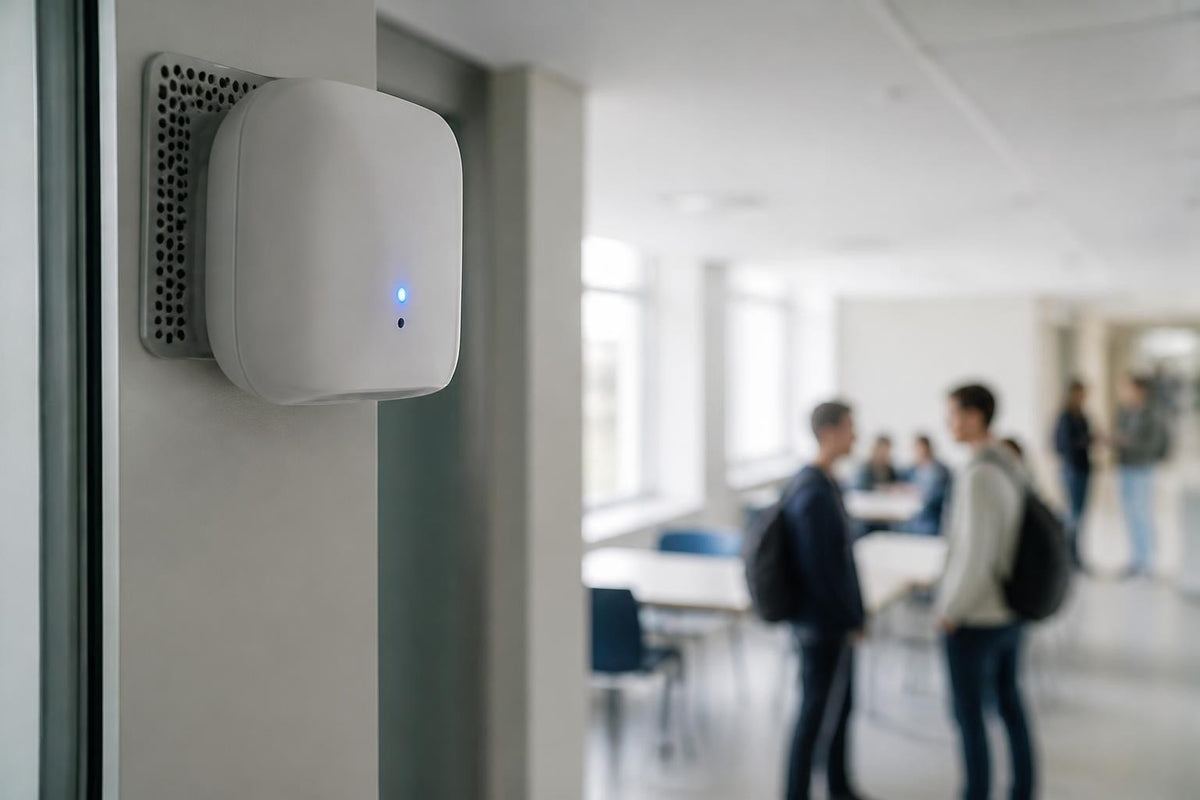
The proliferation of electronic cigarettes and vaping devices has created significant challenges for facility managers, educators, and workplace safety officers throughout the UK. As these devices become increasingly discreet and widely adopted, traditional supervision methods have proven inadequate for maintaining compliance in environments where vaping is prohibited. Modern vaping detection technology offers a sophisticated solution, combining advanced sensors with real time alerting systems to identify incidents as they occur. This capability has become essential for schools combating rising student vaping rates, offices enforcing no smoking policies, and leisure facilities maintaining air quality standards.
Understanding Modern Vaping Detection Technology
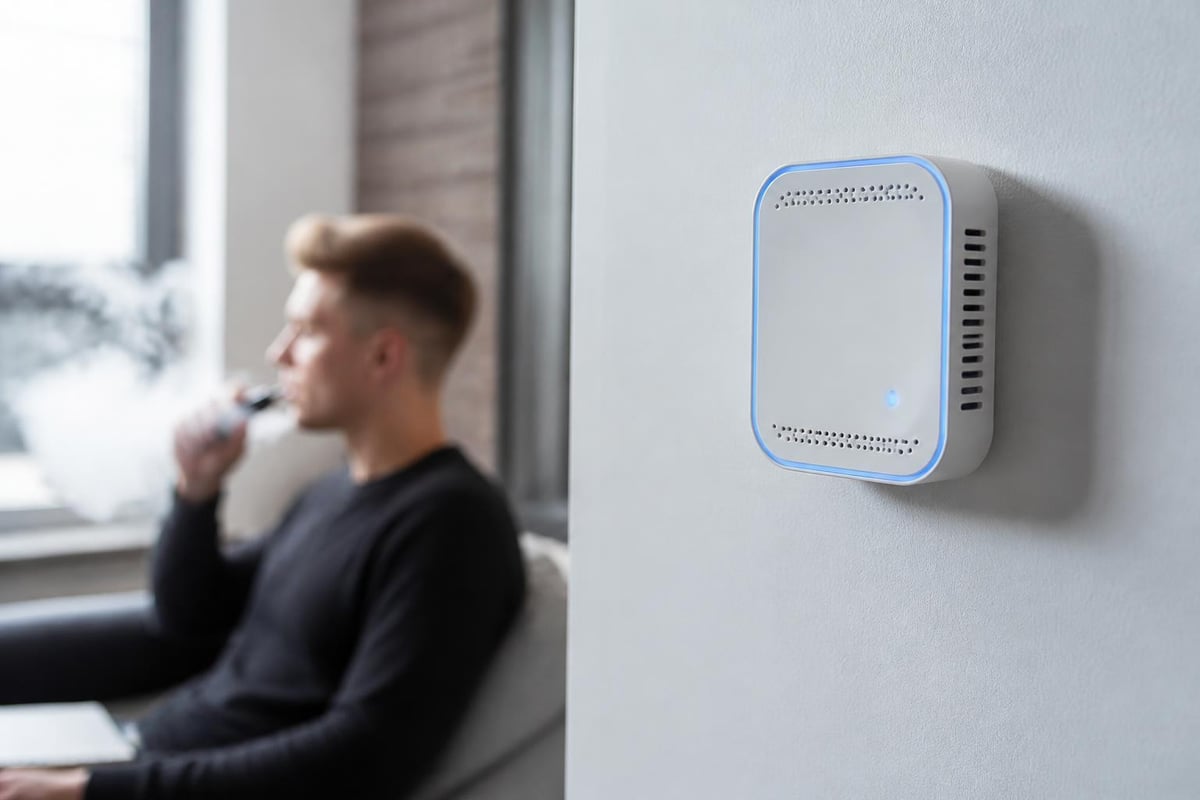
Contemporary vaping detection systems rely on sophisticated sensor arrays that monitor multiple environmental parameters simultaneously. These devices measure particulate matter concentrations, volatile organic compound levels, temperature fluctuations, and humidity changes to identify vaping incidents with high accuracy.
The science behind how vape detectors work centres on recognising the unique aerosol signature produced when someone exhales vape vapour. Unlike traditional smoke detectors that respond primarily to combustion particles, vaping detection sensors are calibrated to detect the fine aerosol droplets and chemical compounds characteristic of e-cigarette emissions.
Key Detection Parameters
Modern sensors monitor several critical metrics:
- Particulate Matter (PM2.5 and PM10): Ultrafine particles suspended in vape aerosol
- Volatile Organic Compounds (VOCs): Chemical signatures from propylene glycol, vegetable glycerine, and flavourings
- Air Quality Index Changes: Sudden degradation in overall air quality
- Environmental Anomalies: Temperature and humidity shifts associated with aerosol release
Research published in Scientific Reports demonstrates significant differences between e-cigarette aerosols and heated tobacco products at the chemical and particle level. Understanding these distinctions enables manufacturers to fine tune detection algorithms and reduce false positive rates.
Sensor Placement Strategy
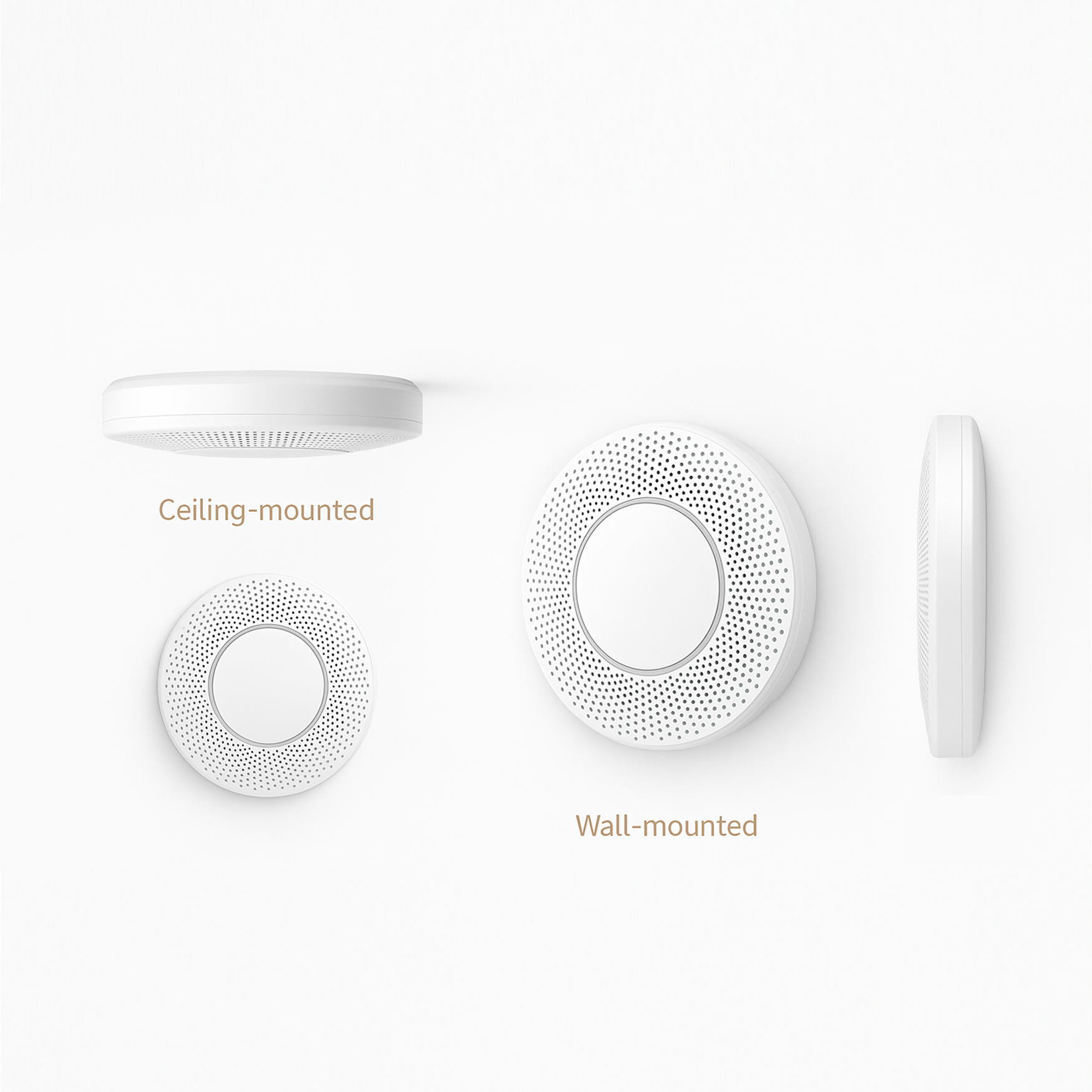
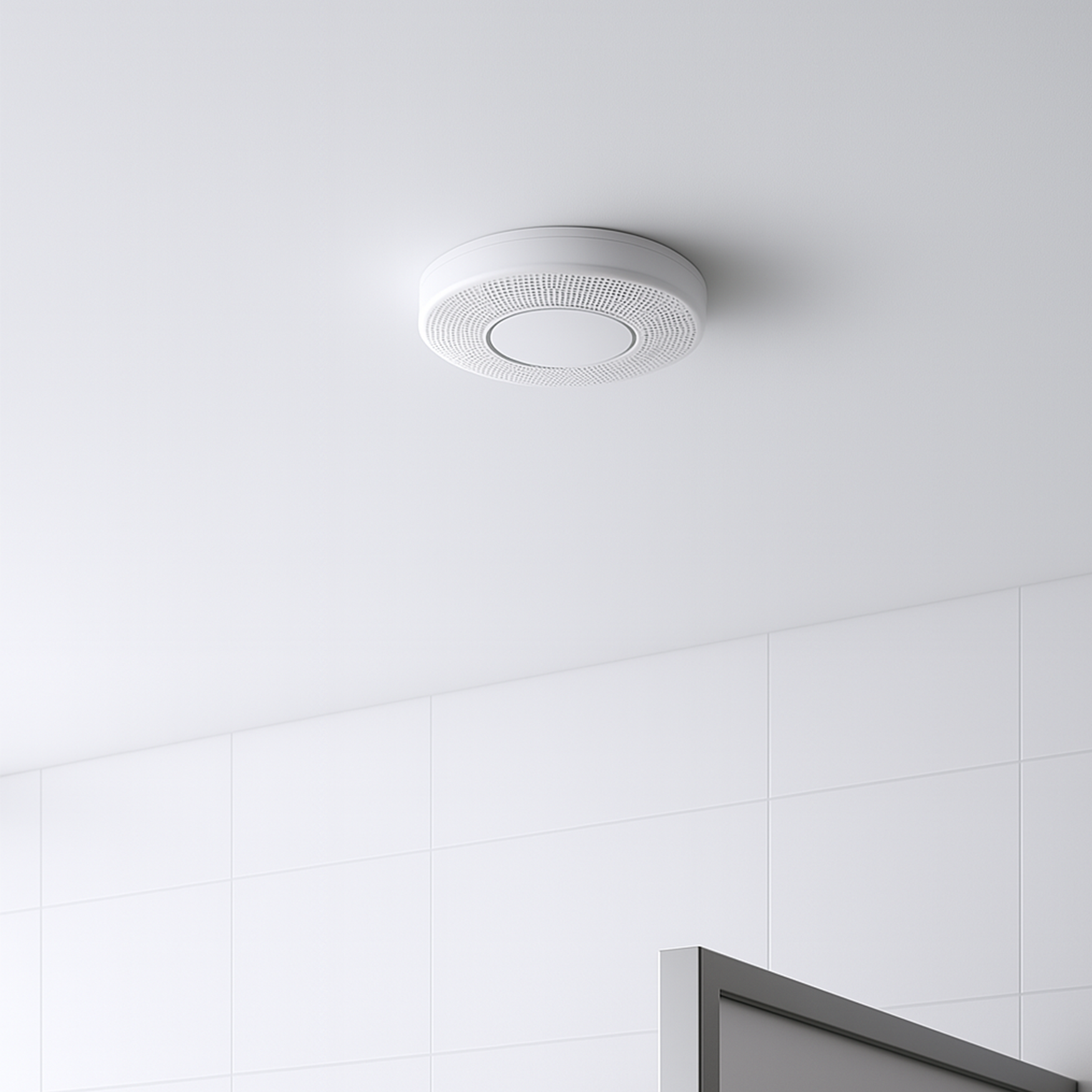
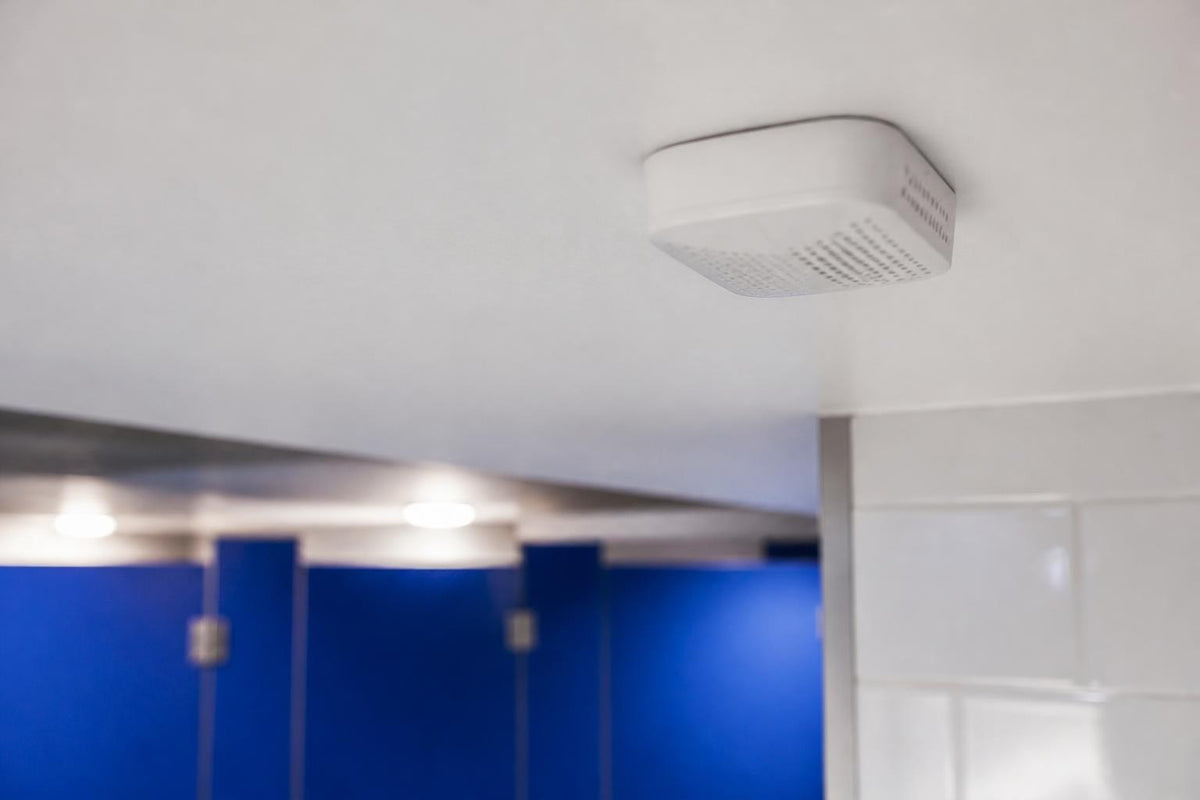
Optimal sensor deployment requires careful consideration of airflow patterns, facility layout, and typical usage areas. Bathrooms, changing rooms, and other enclosed spaces represent primary installation locations due to their privacy and frequent misuse for vaping.
| Location Type | Priority Level | Installation Considerations |
|---|---|---|
| Toilets/Restrooms | Critical | High ceiling placement, away from ventilation ducts |
| Changing Rooms | Critical | Multiple sensors for larger facilities |
| Corridors | Medium | Strategic coverage near high traffic areas |
| Stairwells | Medium | Account for vertical airflow patterns |
| Storage Areas | Low | Consider only for comprehensive coverage |
The Environmental Protection Agency highlights that secondhand electronic cigarette aerosol contributes to indoor air quality degradation, reinforcing the importance of detection capabilities beyond simple policy enforcement.
Implementation Across Different Sectors
Vaping detection technology serves diverse environments, each with unique requirements and compliance considerations. Educational institutions, corporate offices, and leisure facilities face distinct challenges that influence sensor selection and deployment strategies.
Educational Settings
Schools throughout the UK have experienced dramatic increases in student vaping, particularly among secondary school pupils. Vape detectors designed for educational environments must balance effective monitoring with student privacy rights and safeguarding obligations.
Deployment best practices for schools include:
- Install sensors in toilets and changing facilities where direct supervision is impractical
- Integrate alerts with existing safeguarding systems and protocols
- Establish clear response procedures for designated safeguarding leads
- Combine detection technology with educational interventions
- Maintain transparent communication with parents and governing bodies
A comprehensive IoT sensor study examined real world deployments in educational settings, documenting PM and VOC thresholds that optimise detection accuracy whilst minimising false alerts. The research emphasises the importance of contextual deployment strategies and ongoing system calibration.
Privacy considerations remain paramount when implementing vaping detection in schools. Analysis from the Stanford Law Review examines automated student monitoring through the lens of civil rights and educational access, noting that detection systems must be deployed transparently and proportionately.

Corporate and Office Environments
Workplace vaping detection supports no smoking policy compliance whilst maintaining professional environments. Office installations typically focus on shared facilities, meeting rooms, and areas where traditional supervision proves challenging.
The Vape Detection System provides comprehensive monitoring that extends beyond vaping to include other air quality concerns and anti-social behaviour detection, making it particularly valuable for facilities managers responsible for employee wellbeing.

Corporate deployments benefit from integration with existing building management systems, enabling facilities teams to monitor air quality alongside HVAC performance and energy consumption. ASHRAE guidance on indoor environmental health acknowledges e-cigarette emissions as a relevant indoor air quality consideration, supporting the case for systematic monitoring in commercial buildings.
Leisure and Retail Spaces
Gyms, cinemas, shopping centres, and hospitality venues face unique vaping detection challenges due to high visitor volumes and varying supervision levels. Leisure and retail applications require robust systems capable of functioning reliably in diverse environmental conditions.
Key considerations for leisure facilities:
- High Traffic Tolerance: Sensors must distinguish between normal occupancy and vaping incidents
- Rapid Response: Quick alerts enable staff intervention before incidents escalate
- Discreet Integration: Units should blend with existing décor and infrastructure
- Scalability: Solutions must accommodate facilities ranging from boutique studios to large entertainment complexes
Technical Specifications and Connectivity Options
Modern vaping detection sensors offer multiple connectivity options to suit different facility infrastructures and operational requirements. Understanding these technical considerations enables informed decision making during the procurement process.
Connectivity Technologies
Three primary connectivity methods dominate the market:
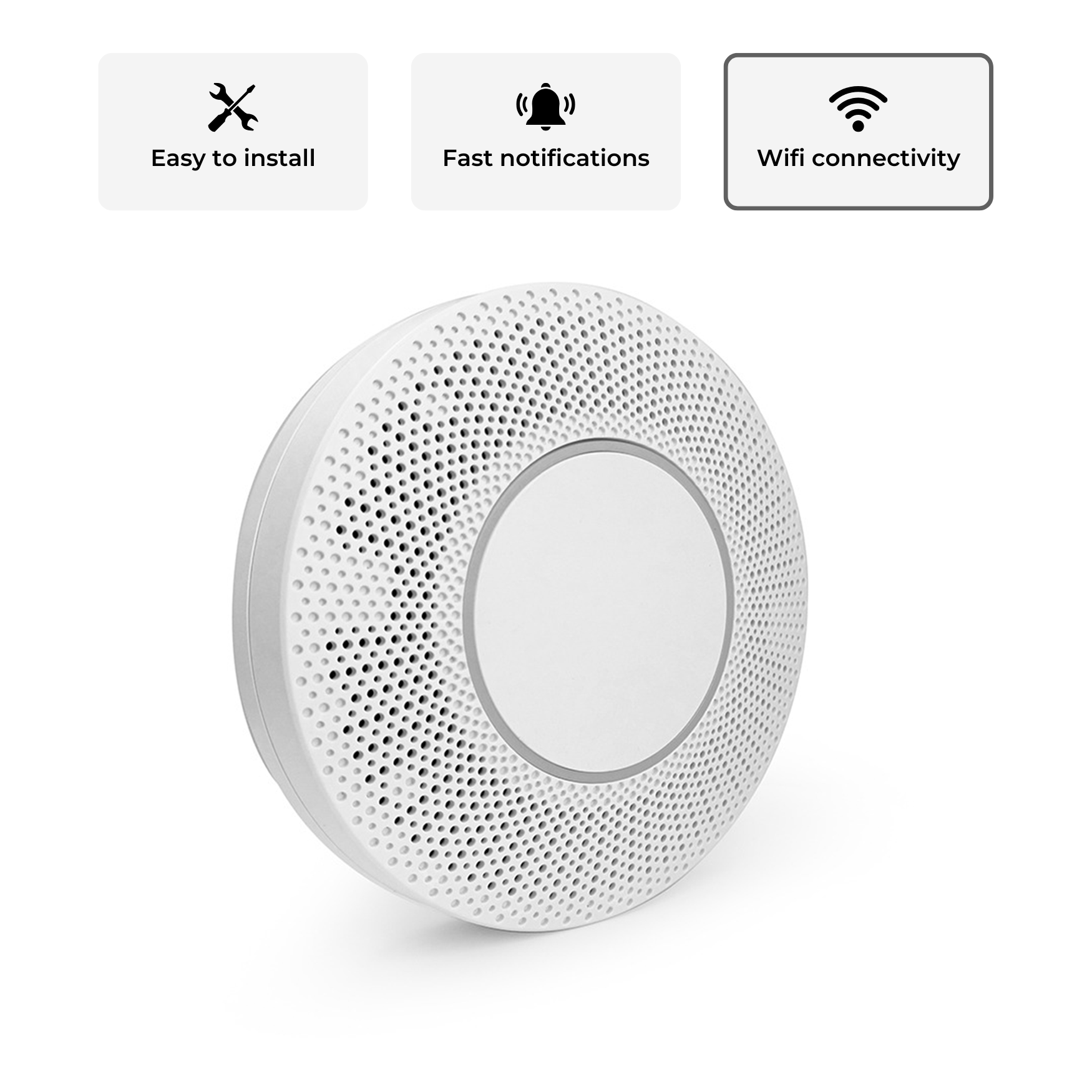
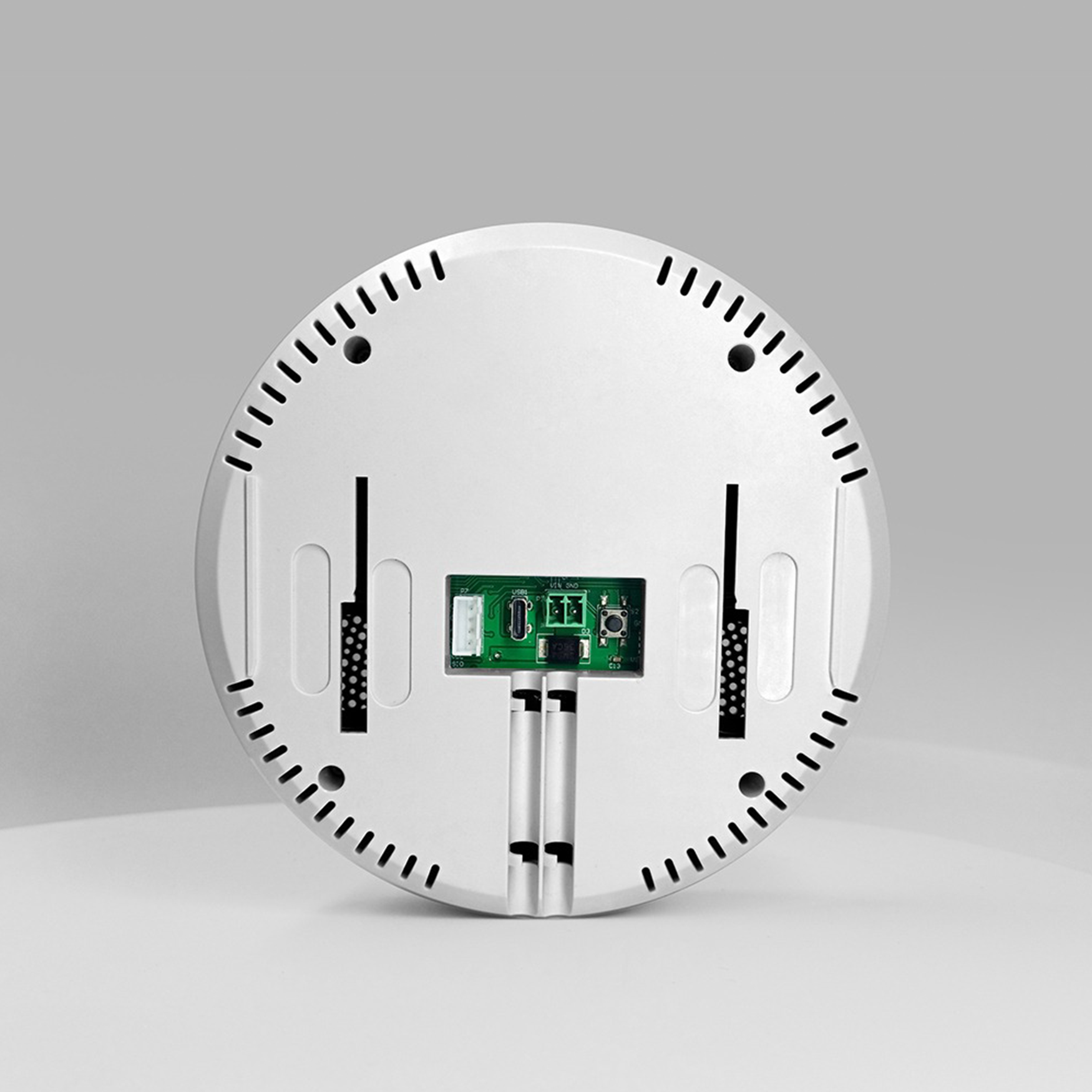
Wi-Fi Connectivity: Sensors connect directly to existing wireless networks, simplifying installation in buildings with robust Wi-Fi infrastructure. This approach eliminates additional cabling requirements and enables flexible sensor placement.
Power over Ethernet (PoE): Combines power delivery and network connectivity through a single Ethernet cable. PoE sensors offer exceptional reliability and are ideal for facilities with structured cabling systems already in place.
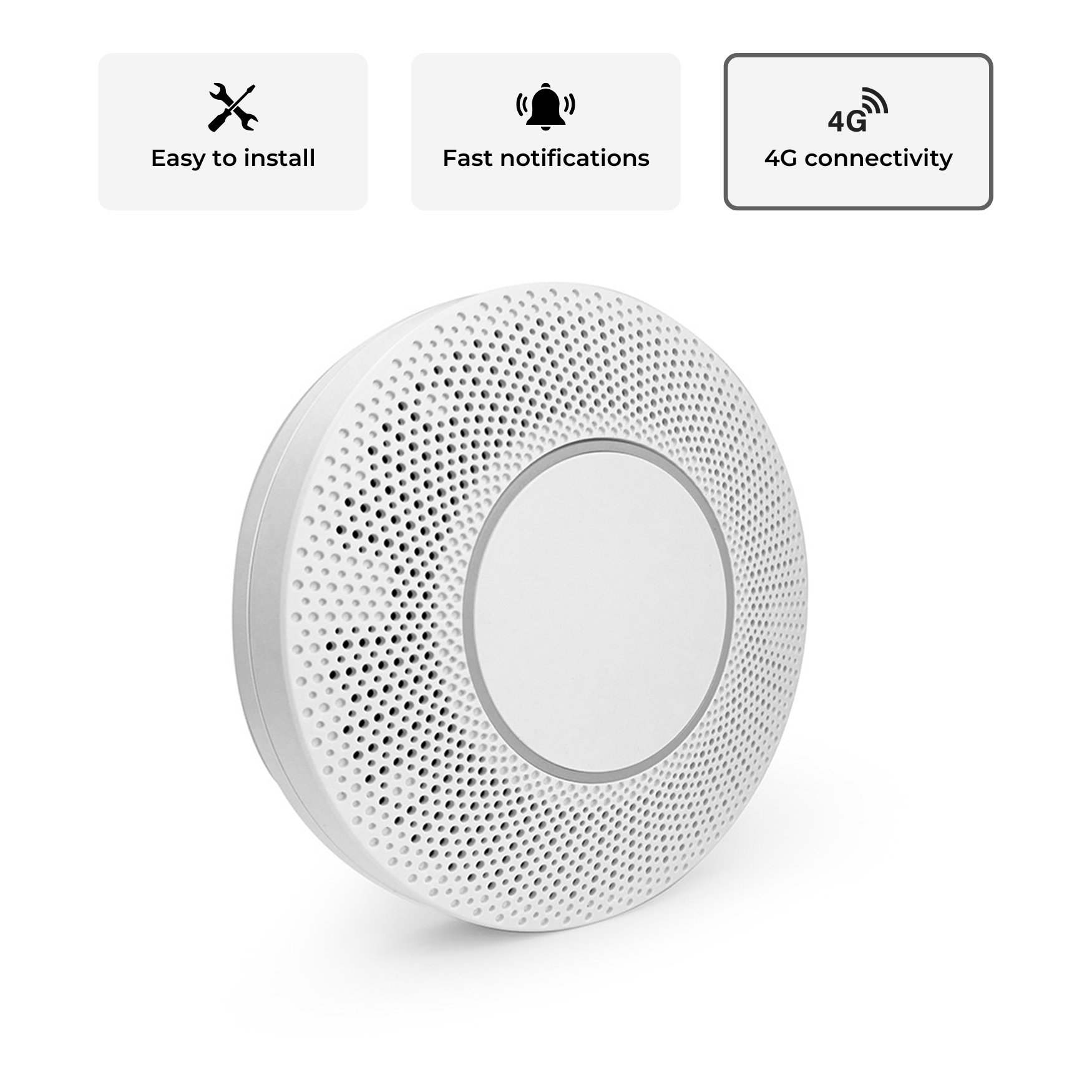
4G Cellular: Provides independent connectivity without reliance on building networks. Particularly valuable in locations with limited IT infrastructure or where network security policies restrict IoT device access.
| Connectivity Type | Initial Cost | Ongoing Costs | Best For |
|---|---|---|---|
| Wi-Fi | £249 per sensor | £19.99/month software | Facilities with strong Wi-Fi coverage |
| PoE | £249 per sensor | £19.99/month software | Buildings with structured cabling |
| 4G Cellular | £249 per sensor | £19.99/month software + £3/month connectivity | Remote locations or network restricted environments |
When comparing vape detection systems, connectivity options represent a critical evaluation criterion alongside detection accuracy and alert responsiveness.
Alert Management and Response Protocols
Effective vaping detection extends beyond sensor hardware to encompass comprehensive alert workflows and response procedures. Real time notifications enable swift intervention, but only when coupled with well defined protocols and staff training.
Modern systems deliver alerts through multiple channels:
- Mobile application push notifications
- Email alerts to designated personnel
- SMS messages for critical incidents
- Integration with existing security or facility management platforms
Establishing clear response procedures ensures consistent handling of vaping incidents whilst supporting safeguarding obligations. Best practice guidance recommends tiered escalation protocols that account for incident severity, repeat offences, and individual circumstances.
Legal and Ethical Considerations
Deployment of vaping detection technology raises important questions regarding privacy, proportionality, and procedural fairness. Organisations must navigate these considerations carefully to ensure compliance with data protection legislation and human rights frameworks.
Privacy and Surveillance Balance
Vaping detection sensors monitor air quality parameters rather than capturing visual or audio information, distinguishing them from traditional CCTV surveillance. Nevertheless, the capability to identify individuals through temporal and location data requires careful governance.
Legal analysis examining constitutional boundaries of school searches provides valuable context for organisations deploying detection systems. Key principles include:
- Legitimate Aim: Detection must serve clear policy objectives around health, safety, or regulatory compliance
- Proportionality: Sensor deployment should be limited to locations where supervision is impractical
- Transparency: Individuals should be informed that vaping detection systems are in operation
- Procedural Safeguards: Response protocols must include appropriate due process protections
Data Protection Compliance
Vaping detection systems collect and process data that may constitute personal information under UK GDPR. Organisations deploying these technologies must ensure appropriate legal bases, conduct data protection impact assessments where warranted, and implement robust data security measures.
Essential compliance elements include:
- Clear privacy notices explaining sensor operation and data handling
- Defined retention periods for alert logs and incident records
- Access controls limiting who can view detection data
- Regular reviews of necessity and proportionality
- Transparent policies governing data sharing with third parties
Advanced Detection Capabilities
Contemporary vaping detection technology increasingly incorporates capabilities beyond basic e-cigarette identification. Multi-modal sensors can detect other substances and behaviours, providing comprehensive environmental monitoring.
THC and Substance Detection
Specialised sensors can identify THC vape products by detecting the distinct chemical signatures associated with cannabis oil vaporisation. This capability proves particularly valuable in educational settings where substance misuse represents a significant safeguarding concern.
The chemical composition of THC vape aerosols differs markedly from nicotine based e-cigarettes, requiring sensors calibrated to recognise cannabinoid related volatile organic compounds. Advanced detection algorithms analyse VOC profiles to distinguish between nicotine vaping, THC vaping, and other airborne contaminants.
Anti-Social Behaviour Monitoring
Beyond substance detection, modern sensors incorporate capabilities for identifying other concerning behaviours. Sound level monitoring can detect shouting, aggressive language, or potential altercations, whilst occupancy detection identifies overcrowding or unauthorised access to restricted areas.
This multi-functional approach delivers enhanced value by consolidating several monitoring requirements into unified hardware platforms. Facilities managers benefit from comprehensive environmental awareness whilst avoiding the complexity and expense of deploying separate systems for each concern.
System Selection and Procurement
Choosing appropriate vaping detection technology requires careful evaluation of technical specifications, vendor capabilities, and long term support arrangements. Organisations should adopt structured assessment frameworks to ensure selected systems meet operational requirements.
Evaluation Criteria
Key factors to consider when reviewing vape detectors include:
- Detection Accuracy: False positive and false negative rates under real world conditions
- Response Time: Latency between vaping incident and alert delivery
- Installation Requirements: Complexity of deployment and ongoing maintenance needs
- Software Platform: Usability of management interfaces and reporting capabilities
- Scalability: Ability to expand coverage as requirements evolve
- Support Quality: Vendor responsiveness and technical assistance availability
Trial and Testing
Given the significance of vaping detection deployment decisions, organisations should insist on trial periods that enable real world evaluation before full commitment. Testing sensors in actual facility conditions reveals performance characteristics that specifications alone cannot capture.
Trial deployments should assess:
- Detection reliability in target locations
- False alert frequency and causes
- Alert notification effectiveness
- Software platform usability
- Vendor support responsiveness
Integration and Operational Excellence
Successful vaping detection implementation extends beyond hardware installation to encompass integration with existing systems, staff training, and continuous improvement processes.
System Integration
Modern facilities operate numerous interconnected systems managing security, access control, environmental monitoring, and building automation. Vaping detection sensors deliver maximum value when integrated within these broader technology ecosystems.
Integration opportunities include:
- Building Management Systems: Correlate vaping incidents with HVAC data and occupancy patterns
- Security Platforms: Unify vaping alerts with other security notifications
- Safeguarding Systems: Automatically log incidents within student welfare databases
- Analytics Platforms: Aggregate detection data with other facility metrics for strategic insights
Training and Cultural Change
Technology alone cannot solve vaping challenges without complementary efforts to shift organisational culture and individual behaviours. Staff training ensures personnel understand how to respond to alerts appropriately whilst maintaining safeguarding principles.
Educational institutions benefit particularly from combining detection technology with prevention programmes that address the root causes of youth vaping. Resources like comprehensive intervention courses help students understand health risks and make informed choices.
Performance Monitoring
Ongoing system performance monitoring ensures vaping detection continues delivering value over time. Regular reviews should examine:
| Metric | Target | Review Frequency |
|---|---|---|
| Detection Accuracy | >95% true positive rate | Monthly |
| Response Time | <2 minutes from incident to alert | Weekly |
| System Uptime | >99.5% availability | Daily |
| False Alert Rate | <5% of total alerts | Monthly |
| User Satisfaction | >4.0/5.0 rating | Quarterly |
Future Developments in Vaping Detection
The vaping detection market continues evolving rapidly as manufacturers refine sensor technologies and expand system capabilities. Several trends are shaping the next generation of detection solutions.
Artificial Intelligence Enhancement
Machine learning algorithms increasingly enhance detection accuracy by learning facility specific patterns and environmental baselines. AI powered systems can distinguish between legitimate air quality changes and genuine vaping incidents with greater precision than static threshold based approaches.
Neural networks trained on extensive data sets recognise subtle aerosol signatures that conventional sensors might miss, whilst simultaneously reducing false positives caused by cleaning products, perfumes, or other benign sources.
Predictive Analytics
Advanced platforms are beginning to offer predictive capabilities that identify patterns suggesting increased vaping risk. By analysing historical incident data alongside temporal patterns, these systems can highlight high risk times and locations warranting enhanced supervision.
Predictive insights enable proactive resource allocation and targeted intervention strategies rather than purely reactive incident response. Schools might identify emerging hotspots before problems escalate, whilst offices can adjust supervision levels based on empirically validated risk profiles.
Enhanced Multi-Modal Detection
Future sensors will incorporate even broader detection capabilities, monitoring additional substances and environmental parameters within single hardware units. This consolidation reduces installation complexity whilst providing comprehensive facility awareness.
Emerging capabilities include detection of alcohol vapours, carbon monoxide levels, aggressive sound patterns, and unusual temperature fluctuations that might indicate fire risks or equipment malfunctions.
Effective vaping detection requires thoughtful technology selection, careful deployment planning, and ongoing commitment to operational excellence. By combining advanced sensor capabilities with clear policies and staff training, organisations can maintain safer, healthier environments whilst respecting individual privacy and dignity. Vape Guardian delivers reliable detection systems backed by expert support, helping schools, offices, and leisure facilities throughout the UK address vaping challenges with confidence and compassion.


Share:
Vaping Education: Building Awareness in Schools and Workplaces
Vaping in the Workplace UK: Policy, Law & Detection