
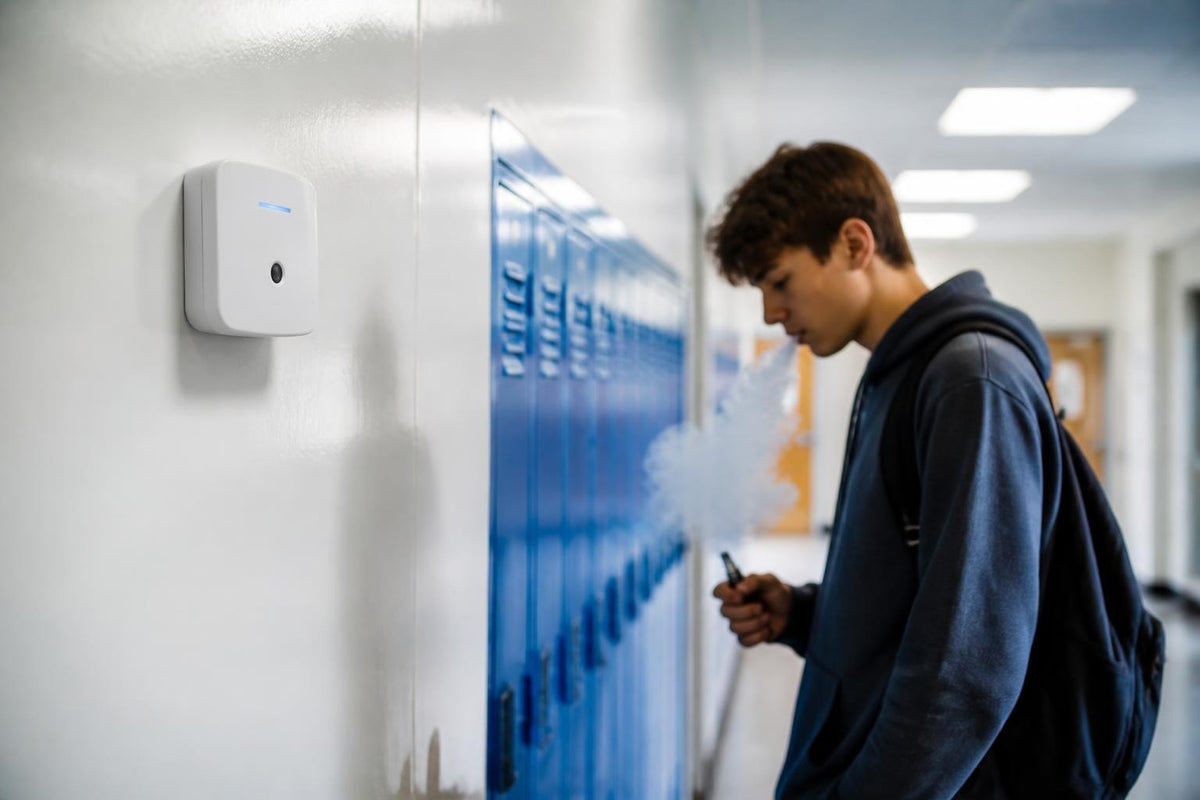
Understanding how vape detectors work has become essential for organisations seeking to maintain compliance and protect indoor air quality in 2026. As vaping incidents continue to rise across schools, offices, and public spaces, the technology behind these detection systems has evolved significantly. Modern vape detectors use sophisticated sensor arrays, optical measurement techniques, and intelligent algorithms to distinguish vaping aerosols from harmless environmental particles, providing accurate real-time alerts without the false alarms that plagued earlier generations of monitoring equipment.
The Science Behind Vape Detection Technology
The fundamental challenge in detecting vaping activity lies in the unique characteristics of e-cigarette aerosols. Unlike traditional smoke, which contains combustion byproducts and relatively stable particulate matter, vape aerosols consist of ultra-fine liquid droplets that behave differently in air. Research on optical characterization of e-cigarette aerosols demonstrates that these droplets typically range from 0.1 to 2 micrometres in diameter and exhibit rapid evaporation rates, making them challenging to detect reliably.
Understanding how vape detectors work requires examining the specific properties these devices measure. Vape aerosols contain propylene glycol, vegetable glycerine, flavouring compounds, and often nicotine or other substances. When expelled into the air, these components create distinct optical signatures and chemical traces that differ from everyday environmental particles like dust, cooking aerosols, or personal care product sprays.
Multi-Sensor Detection Arrays
Modern vape detection systems employ multiple sensor types working in concert to achieve reliable identification. This multi-modal approach reduces false positives whilst maintaining high sensitivity to actual vaping events.
Primary sensor types include:
- Particulate matter (PM) sensors measuring aerosol concentration
- Optical scattering detectors analysing particle size distribution
- Chemical sensors identifying volatile organic compounds
- Temperature and humidity sensors providing environmental context
- Acoustic sensors detecting characteristic sounds
The integration of these sensors allows devices to create a comprehensive profile of environmental conditions. When explaining how vape detectors work, it's important to recognise that no single sensor can reliably distinguish vaping from all other aerosol sources. Instead, the combination of measurements creates a unique fingerprint that algorithms can analyse.
Optical Detection Principles and Particle Analysis
The optical detection mechanism forms the core of most vape detection systems. These sensors leverage principles similar to those found in traditional smoke detection technology, but with crucial adaptations for the specific characteristics of vape aerosols.
Light scattering photoelectric sensors work by directing a beam of light (typically infrared or laser) through an air sample. When particles pass through this beam, they scatter light in patterns determined by their size, shape, and refractive index. Photodetectors positioned at specific angles measure this scattered light, allowing the system to estimate particle concentration and size distribution.
Particle Size Discrimination
Understanding how vape detectors work requires appreciating the importance of particle sizing. Advanced systems use multi-spectral optical sensors with machine learning to classify particles into distinct size bins. This capability proves critical because vape aerosols typically produce a bimodal distribution: fine droplets in the 0.1 to 0.5 micrometre range plus larger agglomerated particles.
| Particle Source | Primary Size Range | Secondary Characteristics |
|---|---|---|
| E-cigarette aerosol | 0.1 – 2 µm | Rapid evaporation, organic composition |
| Cooking aerosols | 0.3 – 10 µm | Oil-based, slower dispersion |
| Personal care sprays | 1 – 20 µm | Larger droplets, distinct chemistry |
| Dust and pollen | 2 – 100 µm | Irregular shapes, inorganic content |
This discrimination helps explain how vape detectors work to minimise false alarms whilst maintaining sensitivity. By analysing both the initial particle size distribution and the rate of change as droplets evaporate, systems can distinguish vaping from other common indoor aerosol sources.
Chemical Sensing and Volatile Compound Detection
Beyond optical methods, chemical sensors add another layer of specificity to vape detection. These sensors target the volatile organic compounds (VOCs) present in vape aerosols, particularly propylene glycol and vegetable glycerine, which serve as the base liquids in virtually all e-cigarette formulations.
Metal oxide semiconductor sensors represent one common approach. These devices change electrical resistance when exposed to specific chemical compounds. When vape aerosols contact the sensor surface, the characteristic VOCs trigger a measurable resistance change that the system interprets as a potential vaping event.
Advantages of chemical sensing include:
- Direct detection of vape-specific compounds
- Complementary data to optical measurements
- Reduced sensitivity to non-vape aerosols
- Enhanced specificity for compliance applications
Electrochemical sensors offer another pathway, using chemical reactions at electrode surfaces to generate electrical signals proportional to target compound concentrations. These prove particularly useful for detecting specific substances that might be added to vapes, supporting broader drug detection capabilities beyond standard nicotine products.
Signal Processing and Pattern Recognition Algorithms
Raw sensor data alone cannot reliably identify vaping activity. Understanding how vape detectors work requires examining the sophisticated algorithms that transform multiple sensor streams into actionable alerts. These processing systems employ several complementary techniques to achieve reliable detection whilst avoiding nuisance alarms.
Baseline establishment forms the foundation of effective detection. Systems continuously monitor environmental conditions when no vaping occurs, building statistical models of normal particulate levels, typical VOC concentrations, and expected environmental fluctuations. This baseline accounts for location-specific factors such as HVAC operation, occupancy patterns, and seasonal variations.
Threshold-Based Detection
Simple threshold algorithms trigger alerts when measurements exceed predetermined levels. However, fixed thresholds prove inadequate for real-world deployment because environmental conditions vary significantly across locations and times. A particulate matter concentration that indicates vaping in a clean office environment might fall within normal ranges in a space near a kitchen or industrial area.
Adaptive thresholding improves reliability by adjusting trigger levels based on historical data and current environmental context. The system learns what constitutes normal variation at each installation site and sets detection thresholds accordingly. This adaptation explains how vape detectors work effectively across diverse environments from school bathrooms to office spaces and leisure facilities.

Machine Learning Classification Systems
The most advanced detection systems employ machine learning algorithms trained on thousands of vaping events and environmental conditions. These models analyse patterns across multiple sensor channels simultaneously, identifying characteristic signatures that distinguish vaping from other activities.
Neural networks excel at recognising complex, multidimensional patterns in sensor data. During training, these systems learn to associate specific combinations of particulate matter concentrations, particle size distributions, VOC levels, and temporal patterns with confirmed vaping events. Once deployed, the trained model can classify new sensor readings as either vaping or non-vaping events with high accuracy.
Decision tree and random forest algorithms offer another approach, creating hierarchical classification rules based on sensor measurements. These methods provide interpretable logic that facility managers can understand and validate, whilst still achieving sophisticated pattern recognition.
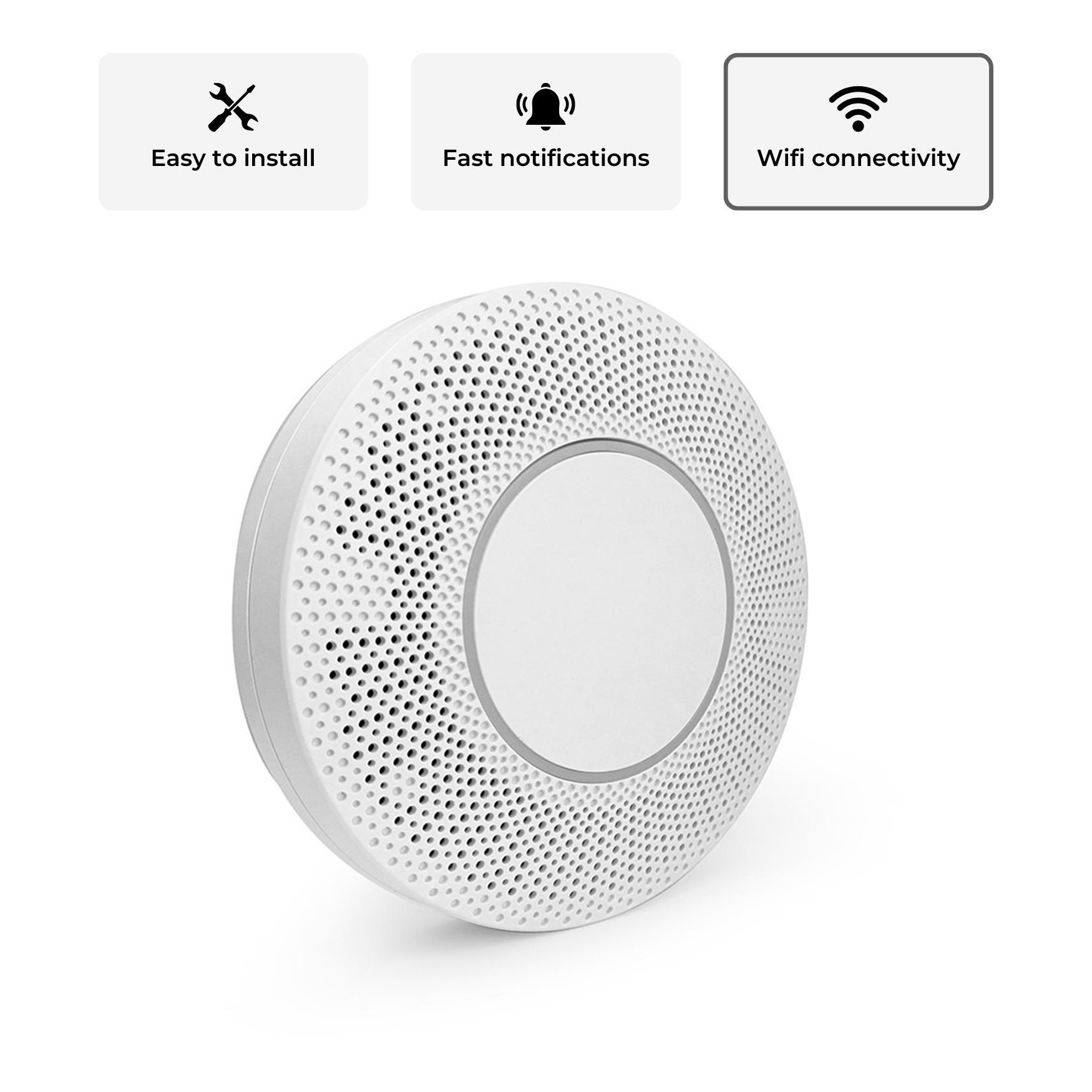
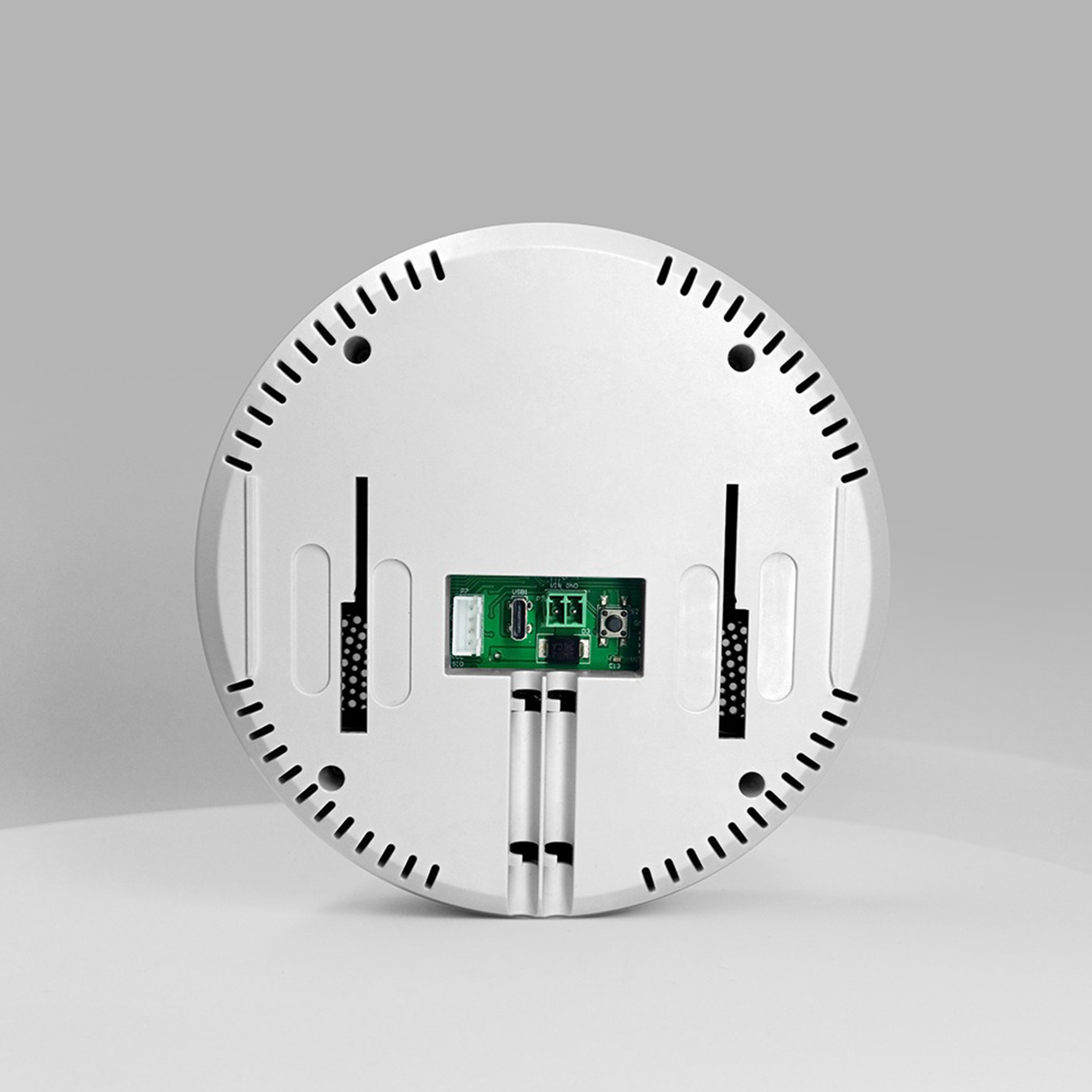
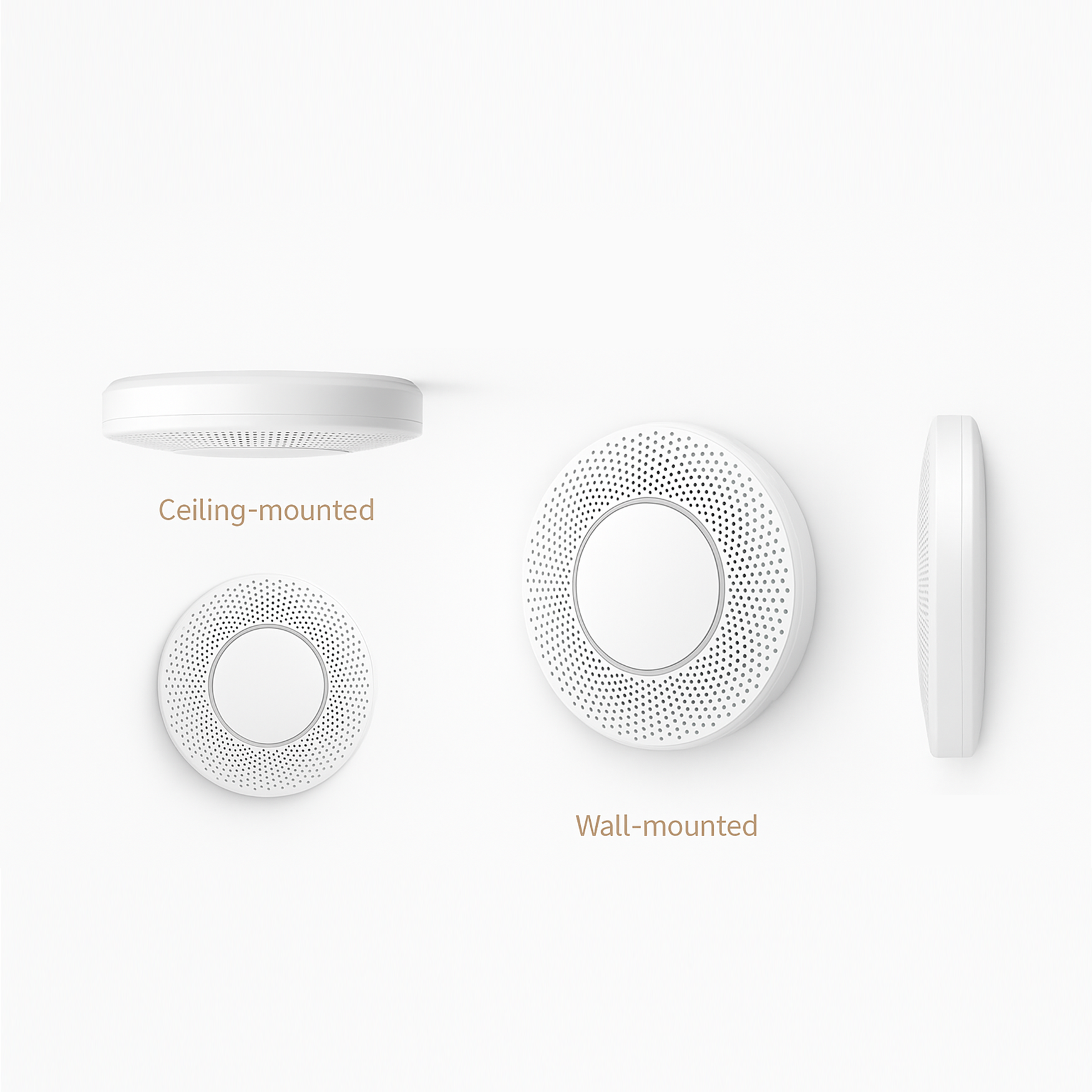
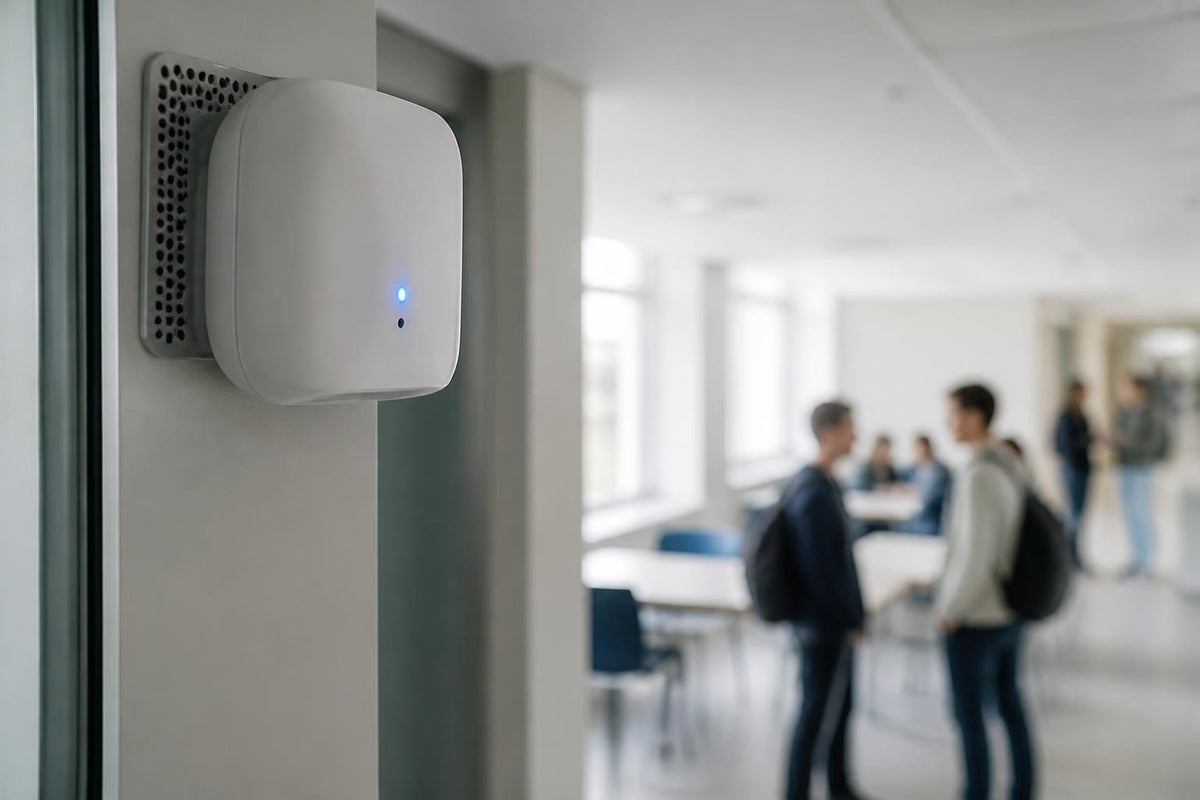
The Vape Detection System incorporates advanced algorithmic approaches specifically calibrated for UK environments, balancing sensitivity with false alarm prevention across schools, offices, and leisure spaces. This hardware and software integration demonstrates how vape detectors work when purpose-built for reliable deployment rather than adapted from general air quality monitors.

Environmental Factors and Installation Considerations
Understanding how vape detectors work in practice requires acknowledging the significant influence of installation location and environmental conditions on detector performance. Air movement patterns, humidity levels, temperature gradients, and background particulate sources all affect sensor readings and detection reliability.
HVAC system interaction represents a critical consideration. Indoor environmental health guidance emphasises that air handling systems can rapidly dilute and disperse aerosols, potentially reducing detector sensitivity if placement isn't optimised. Detectors installed near supply vents may receive diluted air samples, whilst those positioned in stagnant zones might detect aerosols more reliably but with delayed response times.
Optimal Placement Strategies
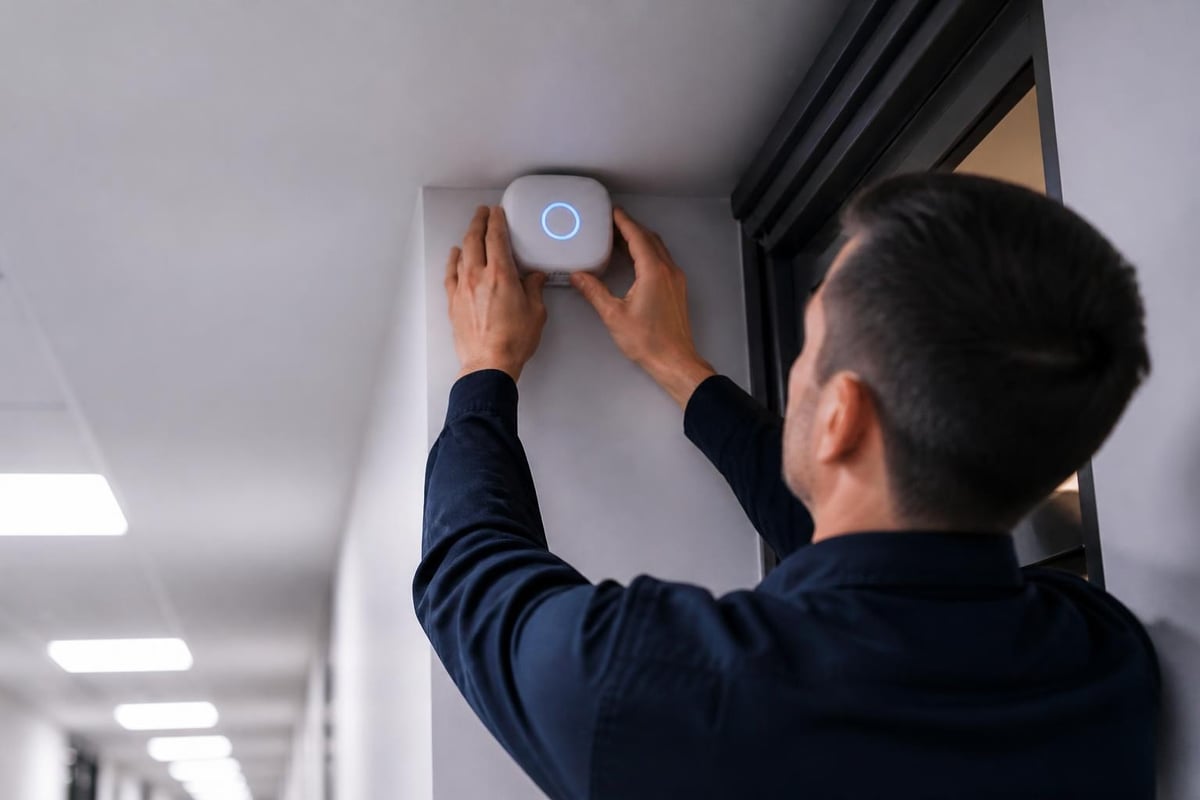
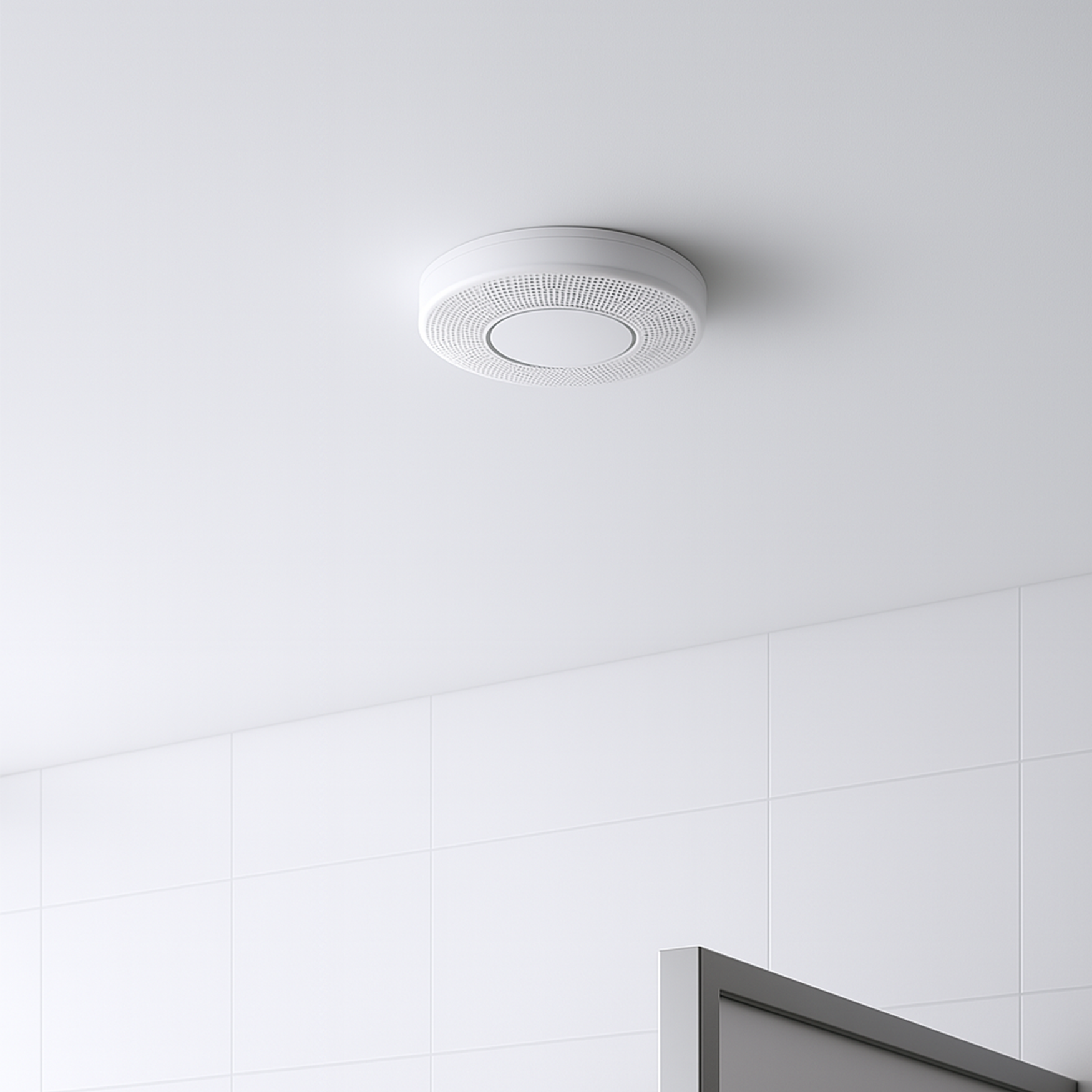
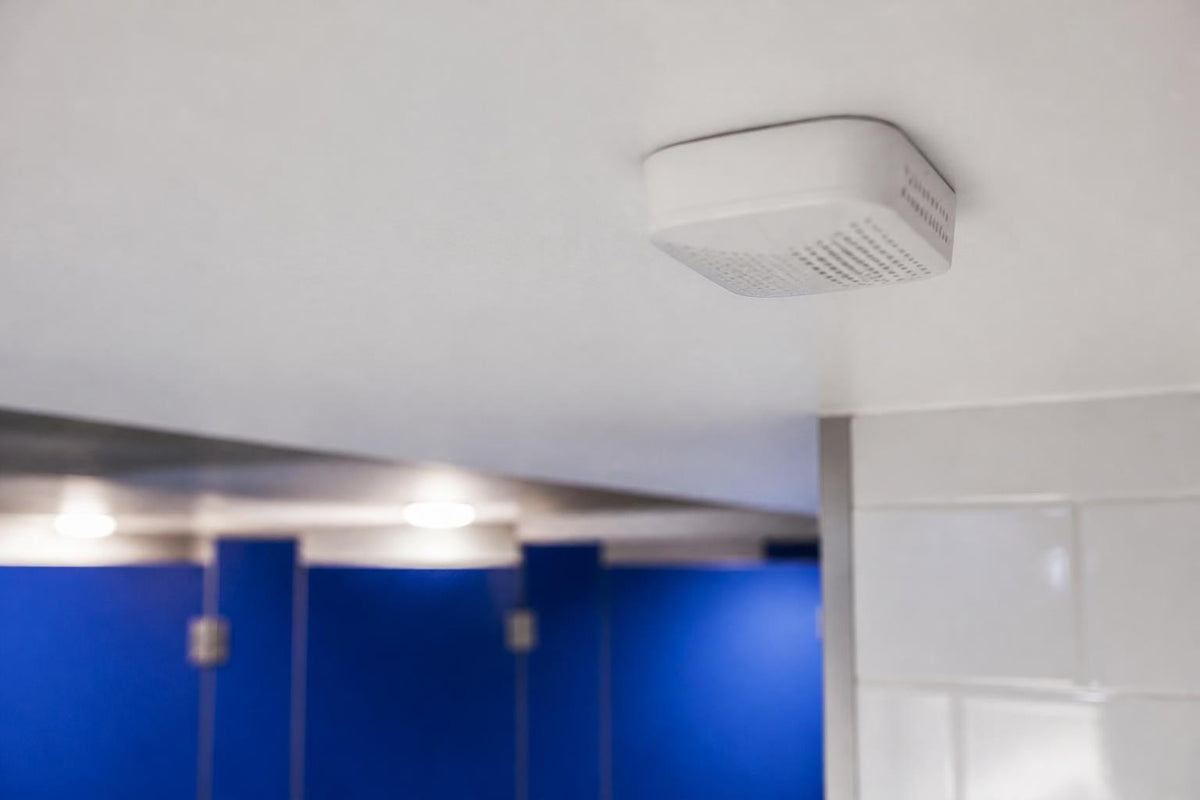
Effective detector placement balances several competing requirements. Devices must be positioned where vaping is likely to occur, typically bathrooms, changing rooms, or secluded areas in educational and workplace settings. However, they should avoid direct exposure to steam from showers, cleaning product aerosols, or other legitimate particulate sources that could trigger false alarms.
Installation best practices include:
- Mounting at breathing height (1.5 to 2 metres) rather than ceiling level
- Avoiding direct airflow from HVAC vents or windows
- Positioning away from doors where air turbulence is greatest
- Considering typical occupant behaviour and likely vaping locations
- Installing multiple units in large spaces for comprehensive coverage
Humidity and temperature significantly influence how vape detectors work because these factors affect aerosol behaviour. High humidity slows evaporation of vape droplets, potentially increasing detection reliability but also raising the risk of false alarms from steam or mist. Temperature variations alter the volatility of vape constituents, affecting both optical scattering patterns and chemical sensor responses.
Calibration, Maintenance, and Performance Validation
Even sophisticated detection technology requires regular calibration and maintenance to ensure continued reliable operation. Understanding how vape detectors work includes recognising the ongoing attention needed to maintain accuracy and prevent detection drift over time.
Sensor calibration involves exposing detectors to known aerosol concentrations and environmental conditions, then adjusting response parameters to ensure accurate measurements. Factory calibration provides initial accuracy, but field calibration accounts for site-specific conditions and verifies that sensors haven't degraded during shipping and installation.
| Maintenance Task | Frequency | Purpose |
|---|---|---|
| Visual inspection | Monthly | Check for physical damage or obstruction |
| Filter cleaning | Quarterly | Maintain airflow and prevent contamination |
| Sensor calibration check | Semi-annually | Verify measurement accuracy |
| Full system calibration | Annually | Restore factory specifications |
| Software updates | As released | Add features and improve algorithms |
Particulate sensors require particular attention because dust accumulation on optical surfaces degrades performance. Regular cleaning prevents this contamination from reducing sensitivity or increasing false alarm rates. Chemical sensors may experience baseline drift as reactive surfaces age, necessitating periodic recalibration or replacement.
Response Time and Alert Mechanisms
The speed at which detection systems identify and report vaping events significantly impacts their effectiveness for compliance and behaviour modification. Understanding how vape detectors work requires examining the complete pathway from aerosol generation to stakeholder notification.
Detection latency comprises several components. First, aerosols must reach the detector location through air movement, whether by natural diffusion, occupant movement, or HVAC circulation. This transport typically requires 10 to 60 seconds depending on detector placement and room air patterns. Second, sensors must accumulate sufficient data to reliably distinguish vaping from background fluctuations, usually requiring 15 to 45 seconds of elevated readings.
Alert Delivery Systems
Once a vaping event is confirmed, modern systems can deliver alerts through multiple channels to ensure appropriate response. Email notifications provide detailed event logs for documentation and trend analysis. SMS text messages offer immediate mobile alerts to designated staff members. Integration with building management systems enables automated responses such as increasing ventilation or activating security cameras in affected areas.
Research presented in recent aerosol measurement studies highlights the importance of rapid detection for intervention effectiveness. Immediate alerts enable staff to respond whilst vaping is occurring or shortly thereafter, creating consequences that effectively discourage repeat behaviour, particularly important for addressing underage vaping in schools.
Advanced Features and Future Developments
The evolution of vape detection technology continues as manufacturers incorporate new sensor modalities and analytical techniques. Understanding how vape detectors work in 2026 means recognising capabilities that extend beyond simple presence detection to comprehensive environmental monitoring and behavioural analysis.
Spectroscopic techniques offer potential for even greater specificity. Infrared absorption spectroscopy can identify specific molecules based on their characteristic absorption wavelengths, potentially enabling detectors to distinguish not only vaping from other aerosols but also to classify the types of substances being vaped. This capability supports enhanced security applications where distinguishing nicotine products from substances of greater concern becomes important.
Emerging capabilities include:
- Individual vape product identification through aerosol signatures
- Occupancy counting integrated with vaping detection
- Long-term air quality trending and reporting
- Integration with video systems for visual verification
- Predictive analytics identifying high-risk times and locations
Acoustic sensing represents another frontier. The characteristic sounds of vape device activation, inhalation, and exhalation create audio signatures that pattern recognition systems can identify. Combining acoustic detection with aerosol sensing provides redundant confirmation that reduces both false positives and false negatives.
Integration With Broader Safety and Compliance Systems
Modern facilities increasingly view vape detection not as standalone technology but as one component of comprehensive safety and compliance frameworks. Understanding how vape detectors work within this broader context reveals their value beyond simple incident detection.
Senior leadership teams benefit from integration between vape detection systems and existing security infrastructure. When detectors trigger, integrated systems can activate nearby cameras, log entry and exit times from affected areas, and correlate vaping incidents with occupancy data. This comprehensive approach supports both immediate intervention and longer-term pattern analysis.
Data analytics platforms aggregate detection events across multiple locations and time periods, revealing trends that inform policy and prevention strategies. Headteachers and facility managers can identify hotspots requiring increased supervision, peak times necessitating enhanced monitoring, or emerging patterns suggesting organised evasion of detection systems.
The multi-sensor fusion approach that characterises modern vape detectors parallels developments in fire safety and security technology, where combining multiple detection modalities provides reliability that single-sensor systems cannot achieve. This convergence suggests future systems may integrate vape detection with smoke detection, occupancy monitoring, and general air quality assessment into unified platforms.

Real-World Performance and Effectiveness Metrics
Evaluating how vape detectors work in practice requires examining field performance data across diverse deployment scenarios. Laboratory testing under controlled conditions provides important baseline capabilities, but real-world effectiveness depends on successful operation amid the complexities of actual buildings and human behaviour.
Detection rate represents a fundamental performance metric: what percentage of actual vaping events does the system successfully identify? Field studies in educational settings suggest well-designed systems achieve detection rates exceeding 90% for vaping occurring within 3 metres of a detector, with performance declining as distance increases or air movement disperses aerosols before detection.
False alarm rate proves equally critical for user acceptance and operational viability. Systems that frequently trigger on non-vaping events create alert fatigue, reducing staff responsiveness and undermining the system's credibility. Advanced detection algorithms and multi-sensor approaches have reduced false alarm rates to below 5% in properly installed and maintained systems, a significant improvement over earlier technology.
Implementation Success Factors
Successful vape detection programmes combine technology with policy, education, and consistent response protocols. Understanding how vape detectors work technically provides necessary foundation, but effectiveness ultimately depends on the broader implementation context.
Clear policies communicated to all occupants establish expectations and consequences. Detection systems serve as enforcement tools supporting these policies rather than replacing communication and education efforts. Creating effective vape-free policies requires balancing deterrence with support for those seeking to quit vaping.
Staff training ensures appropriate response to alerts, avoiding both under-reaction that undermines deterrence and over-reaction that damages relationships with occupants. Consistent, proportionate responses to detection events demonstrate that the technology serves legitimate safety and compliance objectives rather than punitive surveillance.
Understanding how vape detectors work reveals sophisticated integration of optical sensing, chemical detection, and intelligent algorithms working together to identify e-cigarette aerosols reliably whilst minimising false alarms. As vaping continues to challenge schools, workplaces, and public spaces across the UK, this technology provides essential support for compliance and safety efforts. Vape Guardian combines advanced sensor technology with dedicated customer support to help organisations create healthier, vape-free environments through proven detection solutions tailored for British institutions.


Share:
Vape Aerosol Detection: Technology & Solutions 2026
School Vaping: Detection, Prevention & Policy Guide 2026