

School vaping has emerged as one of the most pressing challenges facing educational institutions across the United Kingdom in 2026. As disposable vapes become increasingly accessible and appealing to young people, schools are grappling with how to protect student health, maintain safe learning environments, and respond effectively to incidents. The issue extends beyond simple rule enforcement, touching on safeguarding responsibilities, public health concerns, and the need for comprehensive prevention strategies. Understanding the full scope of school vaping, from detection technologies to supportive policy frameworks, has become essential for educators, administrators, and support staff committed to student wellbeing.
The Scale of School Vaping in UK Education
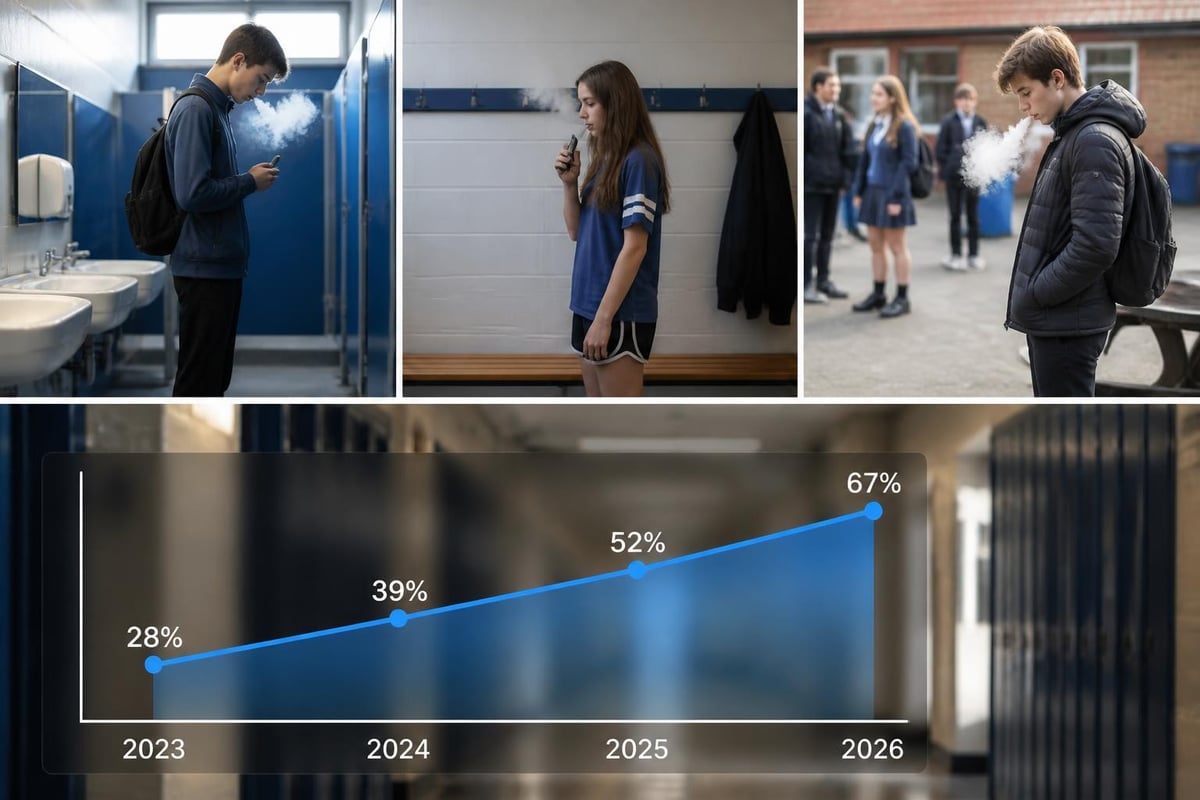
Recent data reveals the extent of the challenge facing British schools. Youth vaping rates have climbed significantly over the past three years, with secondary schools reporting incidents on a near daily basis. The trend is not confined to older students; reports indicate that children as young as 11 are experimenting with vaping devices, often within school premises.
The normalisation of vaping among young people stems from several factors:
- Aggressive marketing tactics that use appealing flavours and colourful packaging
- Social media influence and peer pressure dynamics
- Misconceptions about the safety of vaping compared to traditional cigarettes
- Easy access through older siblings, friends, or unscrupulous retailers
- Compact, discreet devices designed to evade detection
The World Health Organization technical guidance on electronic cigarettes emphasises the growing concern about youth uptake globally, with evidence suggesting that early nicotine exposure can harm adolescent brain development and establish patterns of addiction.
Health Implications for Students
The physical and psychological impacts of school vaping extend well beyond the immediate incident. Nicotine addiction in adolescence can alter brain chemistry, affecting concentration, memory, and impulse control. These cognitive effects directly impact academic performance and classroom behaviour.
Short term health consequences include:
- Increased heart rate and blood pressure
- Respiratory irritation and coughing
- Dizziness and nausea
- Heightened anxiety when unable to vape
Longer term risks encompass:
- Established nicotine dependence
- Potential gateway to traditional smoking
- Lung damage from inhaling harmful chemicals
- Mental health challenges linked to addiction
Schools have a statutory duty of care to protect students from these harms, making effective responses to school vaping a safeguarding priority rather than merely a disciplinary matter.
Detection Strategies and Technology Solutions
Identifying school vaping incidents presents unique challenges. Traditional supervision methods prove insufficient given the discrete nature of modern vaping devices and the creativity students employ to conceal their use. Toilets, changing rooms, and outdoor areas become hotspots where supervision is limited.
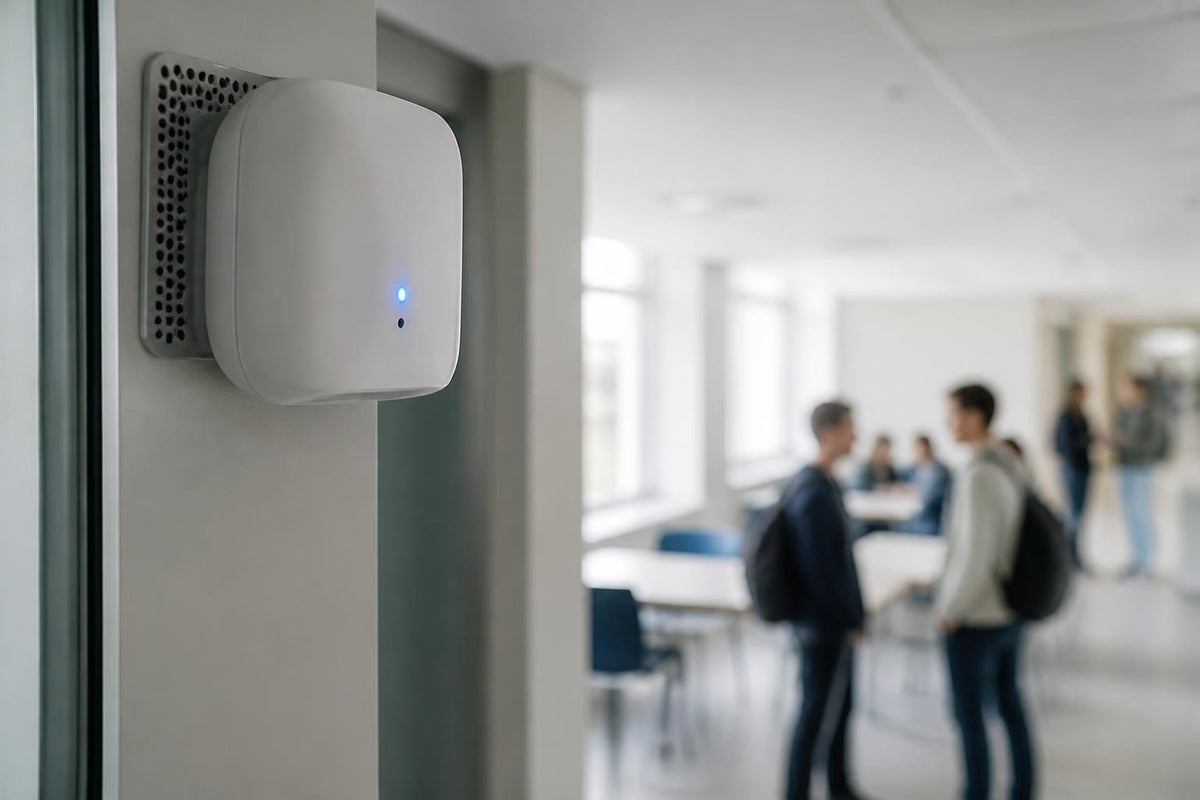
Advanced detection technology has transformed how schools approach this challenge. Modern sensors can identify vape particulates in the air, distinguishing them from other substances and triggering real time alerts to designated staff members. These systems operate 24/7, providing coverage in areas where direct supervision is impractical or inappropriate.
| Detection Method | Coverage | Response Time | Effectiveness |
|---|---|---|---|
| Staff observation | Limited to visible areas | Immediate but inconsistent | Low to moderate |
| Student reporting | Depends on peer dynamics | Variable | Low |
| Detection sensors | Continuous in equipped areas | Real time alerts | High |
| Random searches | Sporadic coverage | Reactive only | Moderate |
The Vape Detection System represents a comprehensive approach, combining hardware sensors with intelligent software to monitor air quality and detect vaping, drug use, and antisocial behaviour. This technology enables schools to respond promptly to incidents whilst gathering data to identify patterns and target prevention efforts more effectively.

Implementation Best Practices
Successful deployment of detection technology requires careful planning and stakeholder engagement. Schools must consider privacy concerns, particularly when placing sensors in sensitive locations like toilet facilities. Transparency with students and parents about monitoring systems builds trust and demonstrates that the intention is protection rather than punishment.
Key implementation steps include:
- Conducting a site assessment to identify high risk areas
- Consulting with students, staff, and governors about privacy and proportionality
- Integrating detection systems with existing safeguarding protocols
- Training staff on how to respond to alerts appropriately
- Establishing clear escalation procedures for repeated incidents
- Regularly reviewing data to assess effectiveness and adjust coverage
Schools implementing detection technology report significant reductions in vaping incidents, typically seeing 60 to 80 percent decreases within the first term of operation. More importantly, the presence of monitoring systems serves as a deterrent, discouraging students from attempting to vape on school premises.
Policy Frameworks and Supportive Responses
Effective school vaping policies balance enforcement with support, recognising that many students who vape are dealing with nicotine addiction rather than simply breaking rules. Punitive responses alone rarely address the underlying causes and can alienate students who need help.
The Public Health Law Center's model policy provides comprehensive guidance for developing tobacco and vape free school policies that emphasise education and support over punishment. This approach aligns with current thinking about addiction as a health issue requiring intervention rather than solely disciplinary action.
Components of Effective Policy
A robust school vaping policy should address multiple dimensions of the issue. Clear consequences must exist for policy violations, but equally important are pathways to support for students struggling with nicotine dependence.
Essential policy elements:
- Explicit prohibition of vaping devices and substances on school property
- Clear definitions of what constitutes a violation
- Progressive consequences that escalate with repeated incidents
- Mandatory referrals to support services for students showing signs of addiction
- Procedures for confiscating devices and notifying parents
- Staff training requirements and responsibilities
- Procedures for reporting and recording incidents
Senior leadership teams play a crucial role in establishing and maintaining these policies. Their visible commitment to tackling school vaping sets the tone for the entire school community and ensures that staff have the support and resources needed to enforce policies consistently.

Balancing Discipline and Support
The tension between maintaining standards and supporting vulnerable students requires careful navigation. First time offenders might receive education about vaping harms alongside parental notification and temporary confiscation of devices. Repeated violations could trigger more serious consequences whilst also activating support mechanisms.
Support pathways might include:
- One to one counselling with pastoral staff
- Referrals to specialist smoking cessation services adapted for young people
- Engagement with school nurses or health advisors
- Involvement of parents in creating behaviour support plans
- Access to nicotine replacement therapy where appropriate and with parental consent
Truth Initiative's prevention curriculum provides valuable resources for schools seeking to educate students about vaping risks. These evidence based programmes engage young people with age appropriate information that counters industry marketing and builds resilience against peer pressure.
Prevention Through Education and Culture
Whilst detection and policy enforcement are necessary, prevention remains the most effective long term strategy for addressing school vaping. Creating a culture where vaping is neither normalised nor glamorised requires sustained effort across multiple fronts.
Comprehensive education programmes should begin before students are likely to encounter vaping, typically in Year 7 or even earlier in primary schools. These sessions must go beyond scare tactics, instead providing factual information about nicotine, addiction mechanisms, and the specific harms of vaping to developing bodies and brains.
Engaging Students as Partners
The most effective prevention strategies involve students as active participants rather than passive recipients of information. Peer education programmes, where trained students deliver messages to their classmates, often resonate more powerfully than adult led sessions. Student voice in developing school policies also increases buy in and compliance.
Successful engagement approaches:
- Student led assemblies exploring vaping myths and facts
- Creative projects (art, drama, media) examining vaping industry tactics
- Student representation on policy development committees
- Anonymous surveys to understand student perspectives and motivations
- Youth advisory panels that shape prevention initiatives
Schools report that when students feel heard and respected in policy development, they are more likely to comply with rules and support their enforcement. This collaborative approach transforms the dynamic from adults imposing restrictions to a community collectively protecting its members.
Multi Academy Trusts and Whole System Approaches
For multi academy trusts, school vaping presents both challenges and opportunities. Coordinating responses across multiple schools enables sharing of best practices, economies of scale in technology procurement, and consistent messaging to families across the trust.
Centralised approaches might include trust wide policies, shared training programmes for staff, and coordinated prevention campaigns. However, individual schools retain the flexibility to adapt implementation to their specific contexts and student populations.
| Trust Level Action | School Level Implementation | Benefits |
|---|---|---|
| Standard policy framework | Localised procedures and consequences | Consistency with flexibility |
| Bulk procurement of detection technology | Strategic placement based on site needs | Cost efficiency and coverage |
| Centralised training programmes | School based champions and leads | Knowledge sharing and support |
| Data collection and analysis | Targeted interventions | Evidence based improvements |
Role Specific Responsibilities
Different staff members bring unique perspectives and responsibilities to tackling school vaping. Headteachers must champion the strategic approach whilst ensuring resources are allocated appropriately. Designated safeguarding leads coordinate support for vulnerable students. Teachers deliver curriculum content and model healthy behaviours. Maintenance staff manage detection technology installation and maintenance.
This distributed responsibility ensures that school vaping responses are embedded throughout the organisation rather than dependent on a single individual or department. Regular communication between these roles maintains alignment and enables rapid responses to emerging trends.
Engaging Parents and the Wider Community
School vaping is rarely confined to school grounds. Students who vape typically do so outside school as well, making parental engagement essential for sustained behaviour change. Many parents remain unaware of the extent of youth vaping or underestimate the health risks, particularly if they themselves use vaping devices as smoking cessation tools.
Schools must communicate clearly with parents about the realities of school vaping, the health implications for young people, and the support available. Parent workshops, information evenings, and regular updates through newsletters or digital platforms keep families informed and engaged.
Key messages for parents include:
- Recognition of what vaping devices look like and how to identify use
- Understanding nicotine addiction symptoms in young people
- Strategies for discussing vaping at home
- Where to access support if their child is struggling with nicotine dependence
- The importance of modelling healthy behaviours and secure storage of adult vaping devices
Community partnerships amplify school efforts. Collaboration with local public health teams, police, and trading standards can address the supply side of school vaping by targeting retailers who sell to underage customers. Youth services and community organisations can provide additional support and alternative activities that build resilience and positive peer relationships.
Looking Ahead: The Evolving Landscape of School Vaping
The school vaping landscape continues to evolve rapidly. Regulatory changes, including the 2026 disposable vape ban, will reshape the products available and potentially the patterns of use among young people. Understanding these policy shifts helps schools anticipate future challenges rather than merely reacting to current trends.
Emerging technologies, both in vaping devices and detection systems, will continue to influence this space. Schools must remain adaptable, regularly reviewing and updating their approaches based on evidence of what works. Data driven decision making, supported by detection technology analytics, enables schools to target resources effectively and measure the impact of interventions.
The integration of school vaping strategies with broader health and wellbeing initiatives creates synergies and reinforces consistent messages about self care and healthy choices. Mental health support, physical activity programmes, and social emotional learning all contribute to building resilience against substance use.
Technology Integration and Data Insights
Modern approaches to school vaping leverage technology not only for detection but also for understanding patterns and evaluating interventions. Analytics dashboards provide real time and historical data about incident frequency, timing, and locations. This intelligence enables targeted responses and helps schools demonstrate the return on investment in prevention and detection technologies.
Data privacy considerations remain paramount. Schools must ensure that monitoring systems comply with GDPR requirements and that incident data is stored securely and accessed only by authorised personnel. Transparency with students and families about data collection and use builds trust and demonstrates ethical practice.
The vaping education hub resources available to schools provide evidence based information and practical tools for addressing school vaping comprehensively. These materials support staff training, curriculum development, and policy implementation, ensuring that schools have access to current, reliable information.
Staff Training and Capability Building
Effective responses to school vaping depend on knowledgeable, confident staff who understand both the health issues and the appropriate interventions. Regular training ensures that all staff can recognise signs of vaping, respond appropriately to incidents, and support students struggling with nicotine dependence.
Training programmes should cover:
- Health effects of vaping and nicotine addiction in adolescence
- School policies and procedures for responding to incidents
- How to use detection technology and respond to alerts
- Conversation skills for discussing vaping with students supportively
- Referral pathways to specialist support services
- Legal responsibilities and safeguarding considerations
Different roles require tailored training. IT managers need technical knowledge about network integration and system management. Pastoral staff need deeper understanding of addiction support. School governors need strategic oversight and policy governance skills.
Addressing school vaping effectively requires a comprehensive approach combining detection technology, supportive policies, prevention education, and community engagement. Schools that embrace evidence based strategies and leverage modern detection systems create safer environments where students can focus on learning rather than battling nicotine addiction. Vape Guardian provides the advanced detection technology and expert support that UK schools need to tackle this challenge head on. With real time monitoring, intelligent alerts, and dedicated customer support, Vape Guardian partners with educational institutions to create healthier, safer learning environments for all students.








Share:
How Vape Detectors Work: Technology & Science Explained
Vaping in Hotels: Detection, Policy & Guest Management