
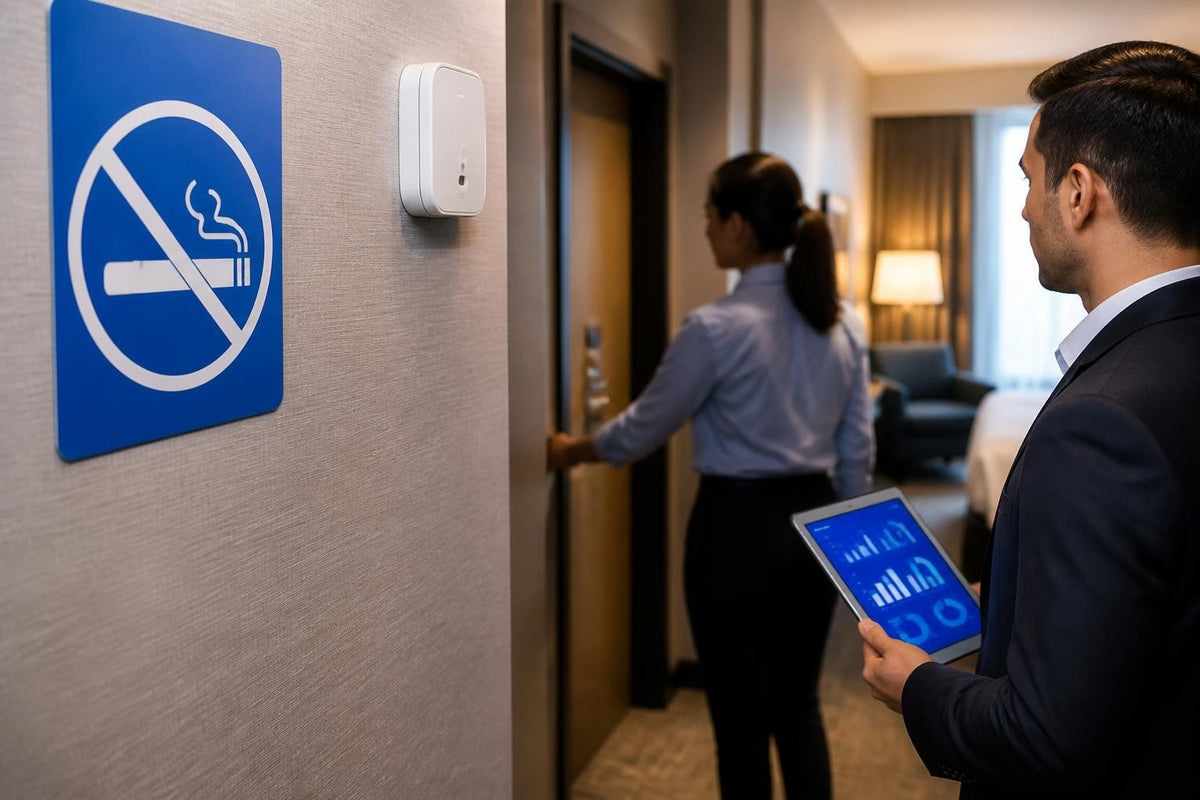
The hospitality industry faces an evolving challenge as vaping becomes increasingly prevalent among guests. Whilst traditional smoking bans have been well established in hotels for over a decade, vaping in hotels presents unique complications that require a fresh approach to detection, enforcement, and guest relations. Hotel operators must navigate the fine line between maintaining smoke free environments, protecting air quality for all guests and staff, and accommodating those who vape. This complexity has prompted many establishments to invest in advanced monitoring solutions and refined policies that address this modern phenomenon.
The Legal Landscape for Vaping in Hotels
Understanding the regulatory framework surrounding vaping in hotels begins with recognising that electronic cigarettes occupy a grey area in many jurisdictions. In the United Kingdom, vaping is not included in the 2007 smoking ban legislation, meaning hotels are not legally required to prohibit vaping in the same way they must ban traditional cigarettes. However, this legal distinction does not prevent property owners from establishing their own rules.
Most UK hotels have chosen to extend their no smoking policies to include vaping, treating the two activities identically. This approach simplifies enforcement and ensures consistency in maintaining indoor air quality standards throughout the property. Guest facing terms and conditions typically specify that vaping is prohibited in all indoor areas, including bedrooms, bathrooms, corridors, and public spaces.
The World Health Organization's Framework Convention on Tobacco Control highlights ongoing gaps in smoke free policy implementation across hospitality settings. Hotels remain among the venues where enforcement challenges persist, particularly given the transient nature of guests and the private character of hotel rooms.
Property Rights and House Rules
Hotel operators exercise broad discretion in establishing house rules for their premises. These policies form part of the contractual agreement between the establishment and guests, allowing hotels to:
- Define prohibited activities within guest rooms and common areas
- Establish financial penalties for policy violations
- Reserve the right to terminate stays for serious breaches
- Implement monitoring systems to detect unauthorised activities
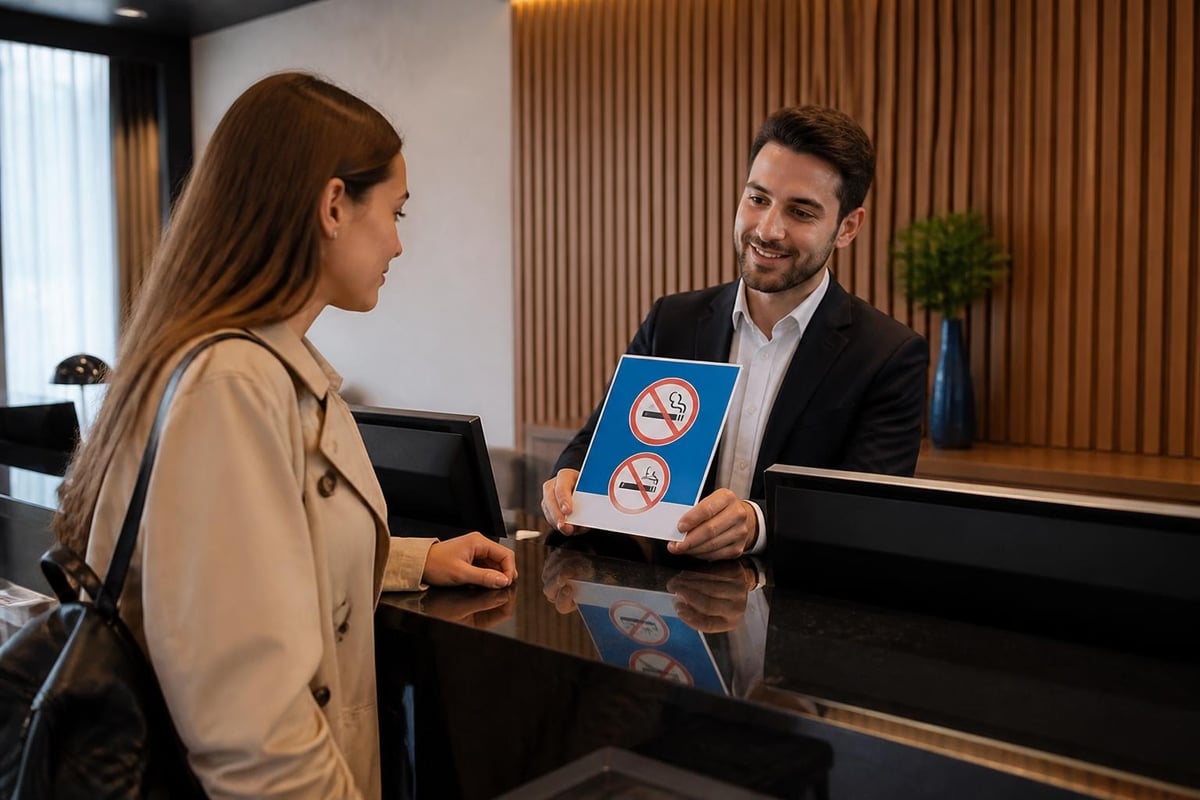
Clear communication of these rules during the booking process, at check in, and through visible signage helps establish expectations and reduces disputes.
Why Hotels Restrict Vaping in Guest Rooms
The decision to prohibit vaping in hotels stems from multiple practical and financial considerations. Whilst vaping does not produce the tar and ash associated with traditional cigarettes, it creates aerosol residue that adheres to surfaces, fabrics, and ventilation systems.
Maintenance and Cleaning Costs
Vaping aerosol contains propylene glycol, vegetable glycerin, flavourings, and often nicotine. These substances leave a sticky residue on windows, mirrors, walls, and soft furnishings. Housekeeping teams report significantly longer cleaning times in rooms where guests have vaped extensively, with particular challenges including:
- Removal of oily film from glass and reflective surfaces
- Deep cleaning of curtains and upholstery
- Elimination of lingering sweet or chemical odours
- Extra ventilation time before the room can be re let
These additional labour hours translate directly into increased operational costs and potential revenue loss if rooms remain out of service longer than standard turnover allows.
Guest Complaints and Experience
Research on non compliance with smoke free laws demonstrates that hotels face particular challenges in enforcement. Subsequent guests frequently complain about residual vaping odours, which can be particularly strong with flavoured liquids. These complaints damage guest satisfaction scores, online reviews, and repeat booking rates.
| Impact Area | Traditional Smoking | Vaping |
|---|---|---|
| Visible smoke | Heavy, persistent | Light, dissipates quickly |
| Residue build up | Tar on surfaces | Oily film on surfaces |
| Odour duration | Days to weeks | Hours to days |
| Detection difficulty | Easy (visual + smell) | Moderate (smell only, device dependent) |
Detection Challenges in Hotel Environments
Identifying when guests are vaping in hotels presents significant operational challenges. Unlike traditional cigarettes, which produce distinctive smoke and a universally recognisable smell, vaping creates a vapour that dissipates rapidly and comes in hundreds of flavours. Staff walking past guest rooms may not notice anything amiss, allowing violations to continue unchecked.
Traditional Detection Methods and Limitations
Hotels have historically relied on several approaches to detect unauthorised activities:
- Staff observations during housekeeping rounds or corridor patrols
- Guest complaints from adjoining rooms about odours
- Visual evidence such as devices left in rooms or visible vapour
- Smoke detectors designed for combustion (ineffective for vapour)
These passive methods catch only a small percentage of violations and typically only after the activity has occurred repeatedly. By the time detection happens, residue has already accumulated and guest experience has been compromised.
Modern Sensor Technology Solutions
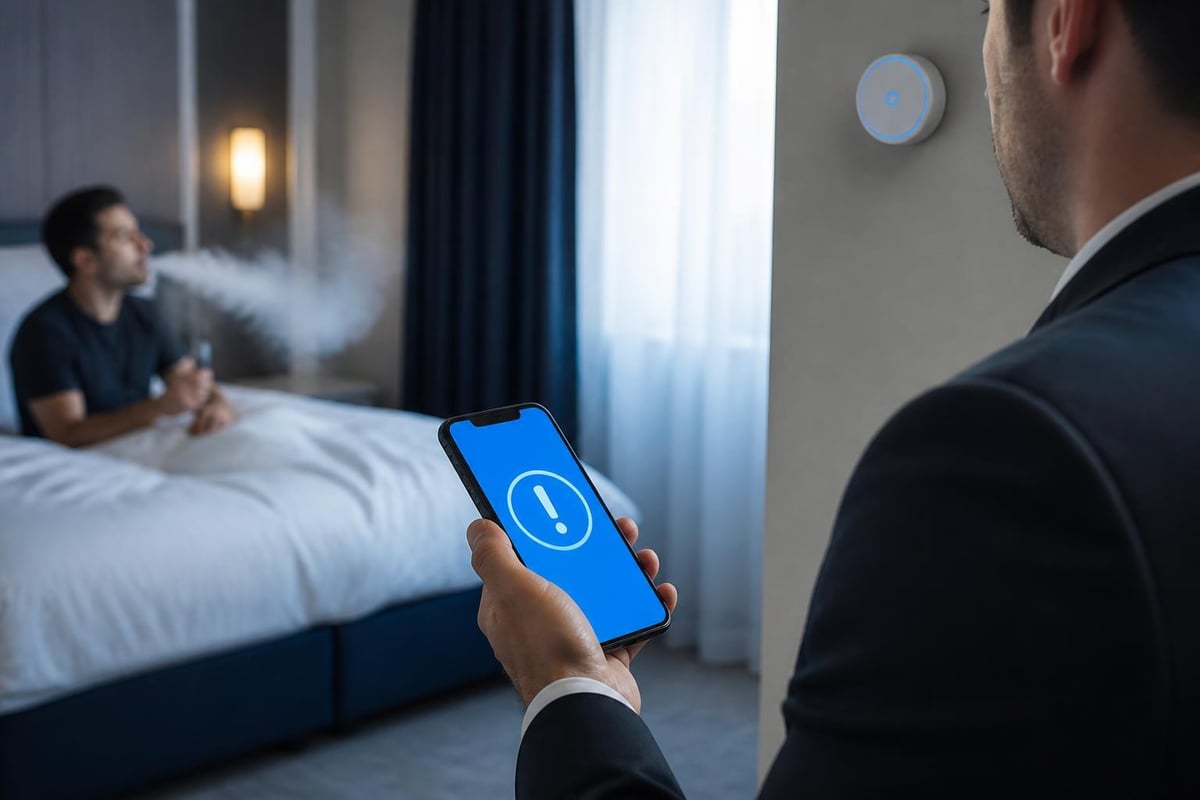
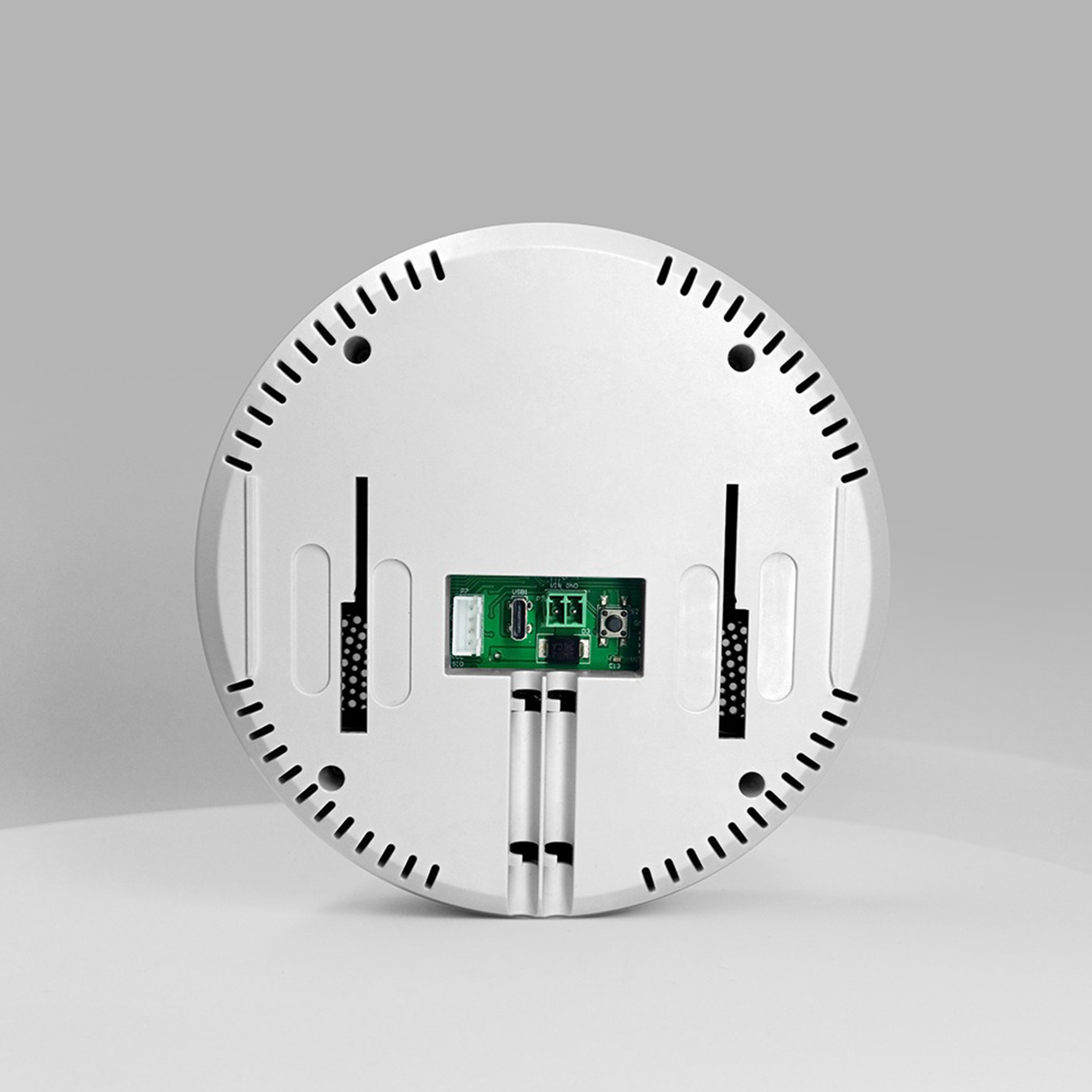
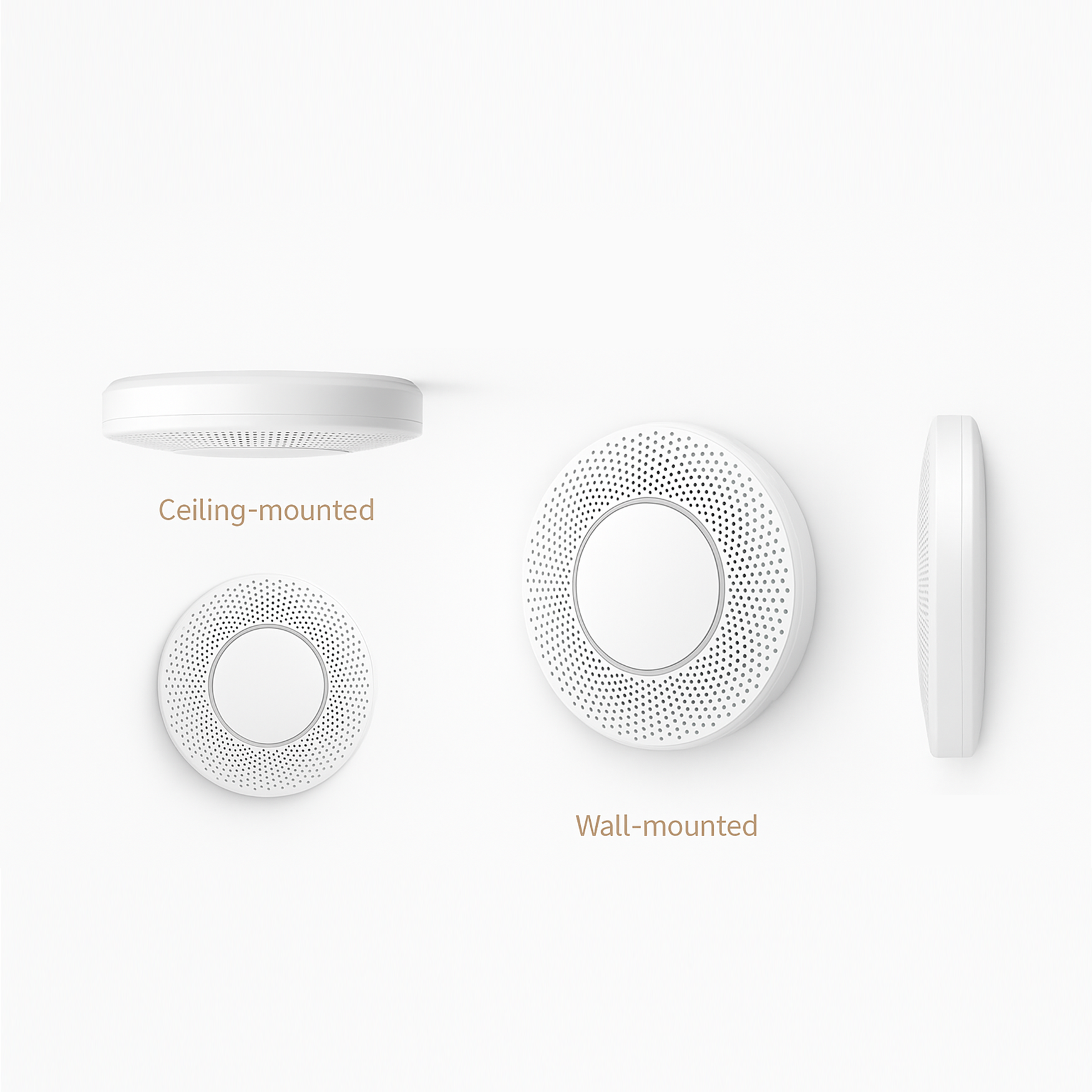
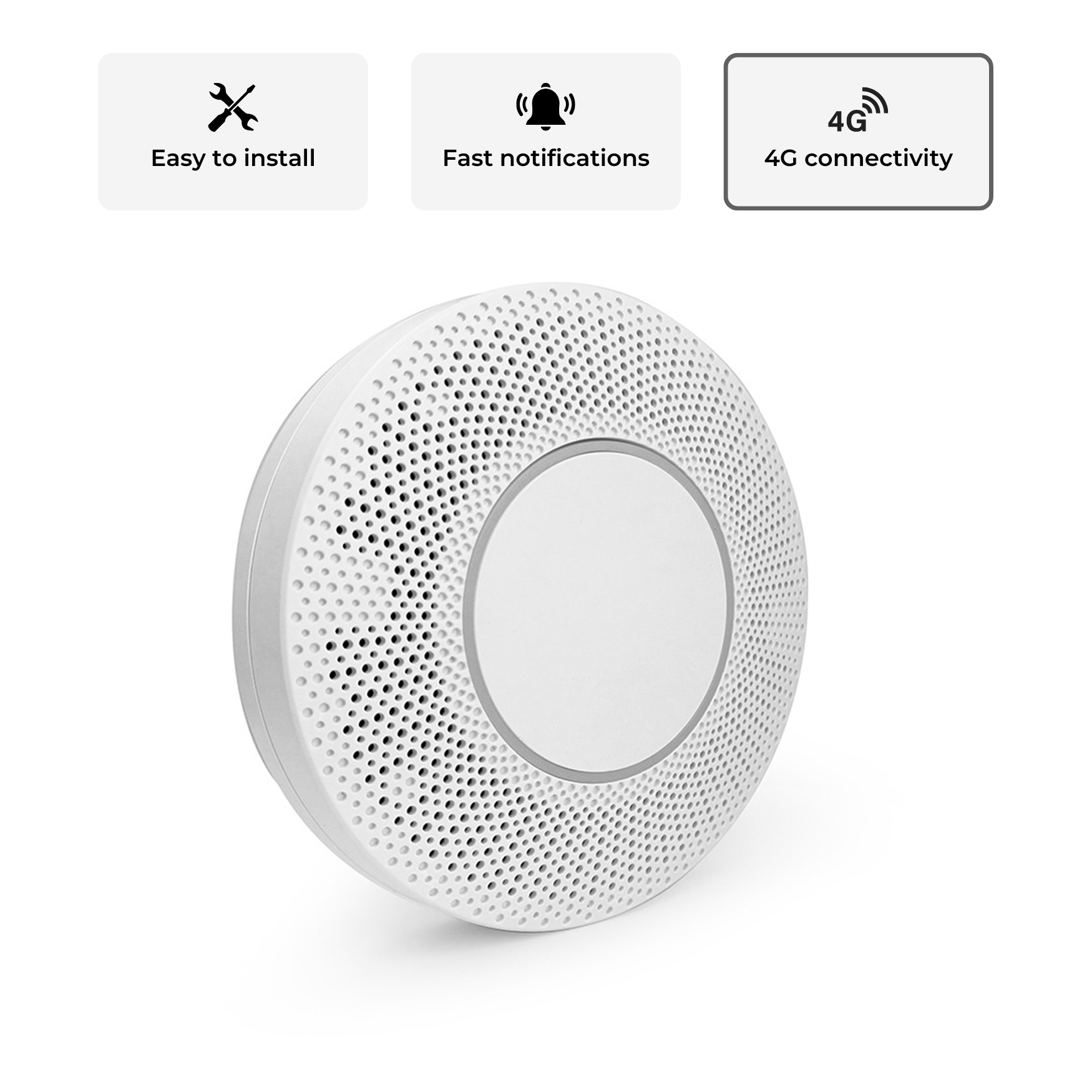
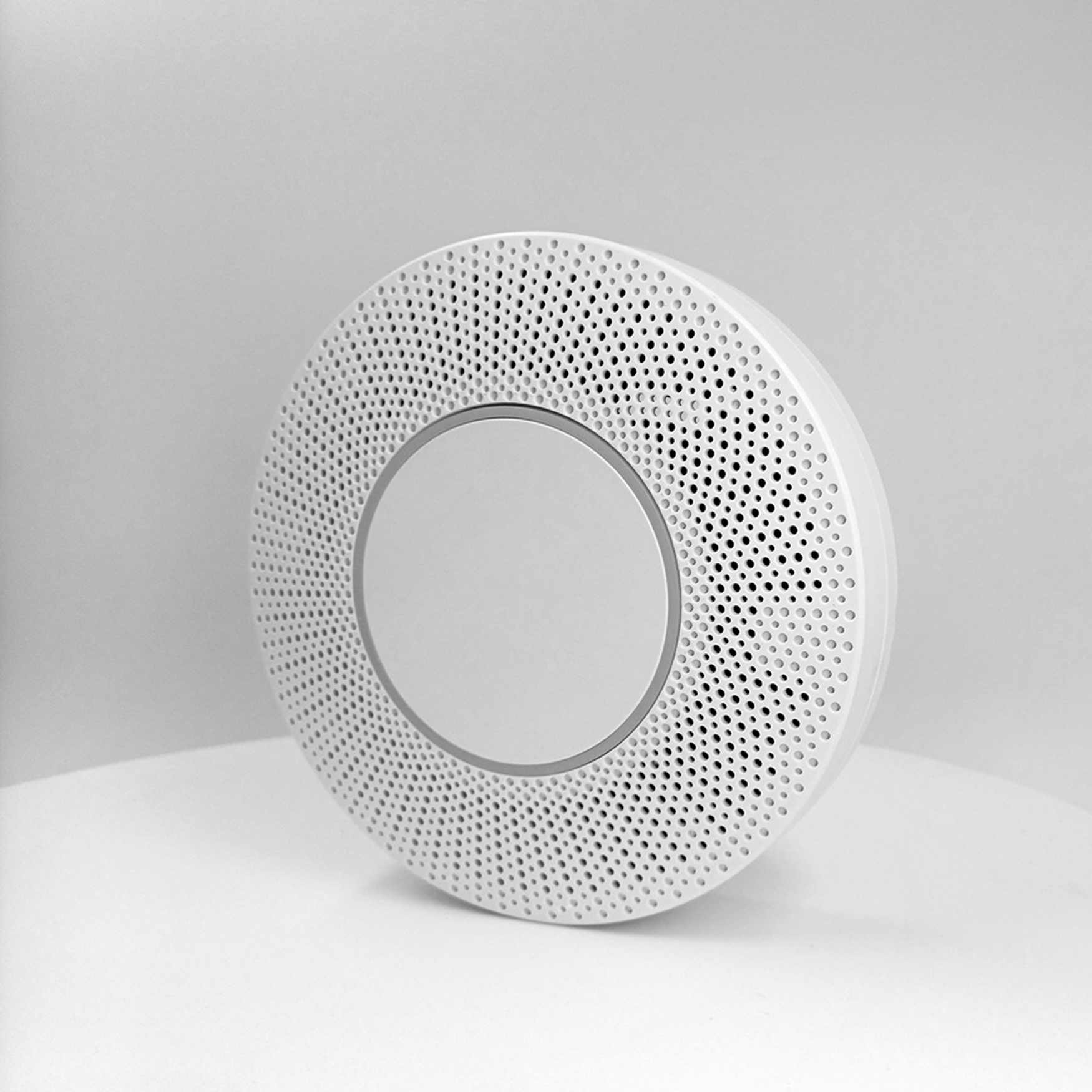
Advanced vaping detection systems have emerged to address these gaps. Purpose built sensors can identify the chemical signatures specific to vaping aerosol, distinguishing it from allowable activities like showering or using personal care products. These systems provide real time alerts to property management, enabling immediate intervention.
Hotels implementing vape detection technology report several benefits beyond simple rule enforcement. The data collected helps identify patterns, assess the scale of the issue, and demonstrate due diligence in maintaining healthy indoor environments. When guests know detection systems are in place, deterrence effects alone can reduce violation rates significantly. The Vape Detection System represents this new generation of monitoring technology, combining vapour detection with broader air quality monitoring and anti social behaviour alerts to create comprehensive awareness for hospitality operators.
Implementing Effective Vaping Policies
Creating and enforcing clear policies around vaping in hotels requires careful planning and consistent execution. The most successful approaches integrate policy development, guest communication, staff training, and technology deployment into a cohesive framework.
Policy Development Best Practices
Clarity and consistency form the foundation of effective policies. Terms should explicitly state whether vaping is:
- Prohibited throughout the entire property
- Allowed in designated outdoor areas only
- Subject to the same penalties as traditional smoking
Financial consequences must be clearly communicated, with typical charges ranging from £100 to £250 for room cleaning following vaping incidents. These fees should reflect actual costs whilst serving as a meaningful deterrent.
Communication touchpoints should reinforce the policy at multiple stages:
- Online booking confirmation emails
- Signage in the reception area and lifts
- Information cards in guest rooms
- Verbal reminder during check in for longer stays
Staff Training and Empowerment
Front line staff require training to handle policy enforcement professionally and consistently. Key competencies include:
- Recognising the signs and smells associated with vaping
- Approaching guests about suspected violations diplomatically
- Documenting incidents thoroughly for potential charge backs
- Understanding electronic cigarette aerosols and indoor air quality concerns
- Escalating serious or repeated violations appropriately
Empowering staff to act on violations immediately prevents the perception that rules are merely suggestions. Clear protocols reduce hesitation and ensure uniform application across all shifts and personnel.
Health and Safety Considerations
Beyond property maintenance concerns, vaping in hotels raises legitimate health and safety questions for staff and other guests. Understanding these dimensions helps justify policies and supports staff wellbeing initiatives.
Occupational Exposure for Housekeeping Staff
Housekeeping personnel spend extended periods in rooms where vaping may have occurred. The American Industrial Hygiene Association's guidance on electronic cigarettes in indoor environments highlights potential occupational exposure concerns. Whilst vaping aerosol exposure levels in hotels are generally lower than direct secondhand exposure, repeated low level contact during cleaning activities warrants consideration.
Staff working in environments where guests regularly violate vaping policies may experience:
- Respiratory irritation from concentrated aerosol residues
- Allergic reactions to specific flavouring chemicals
- Headaches or nausea from strong artificial scents
- Concerns about unknown substance exposure
Protecting staff health reinforces the importance of detection and enforcement, transforming the issue from purely operational to one of duty of care.
Guest Health and Sensitivities
An increasing number of guests report chemical sensitivities, asthma, or allergies that make exposure to vaping aerosol problematic. Hotels marketing themselves as health conscious or targeting families have particular incentive to maintain genuinely vapour free environments. Cross contamination between rooms through shared ventilation systems can spread aerosols beyond the source room, affecting guests who specifically chose non smoking accommodations.
| Guest Segment | Primary Concern | Policy Expectation |
|---|---|---|
| Business travellers | Clean, professional environment | Strict enforcement, quick turnover |
| Families with children | Health protection | Zero tolerance, family friendly spaces |
| Elderly guests | Respiratory health | Proactive monitoring, rapid response |
| Wellness tourists | Chemical free spaces | Premium air quality, verified compliance |
Technology Integration and Smart Hotels
The convergence of hospitality technology and air quality monitoring creates new possibilities for managing vaping in hotels. Smart hotel systems can integrate detection capabilities with property management platforms, creating seamless workflows that enhance both guest experience and operational efficiency.
Sensor Placement Strategies
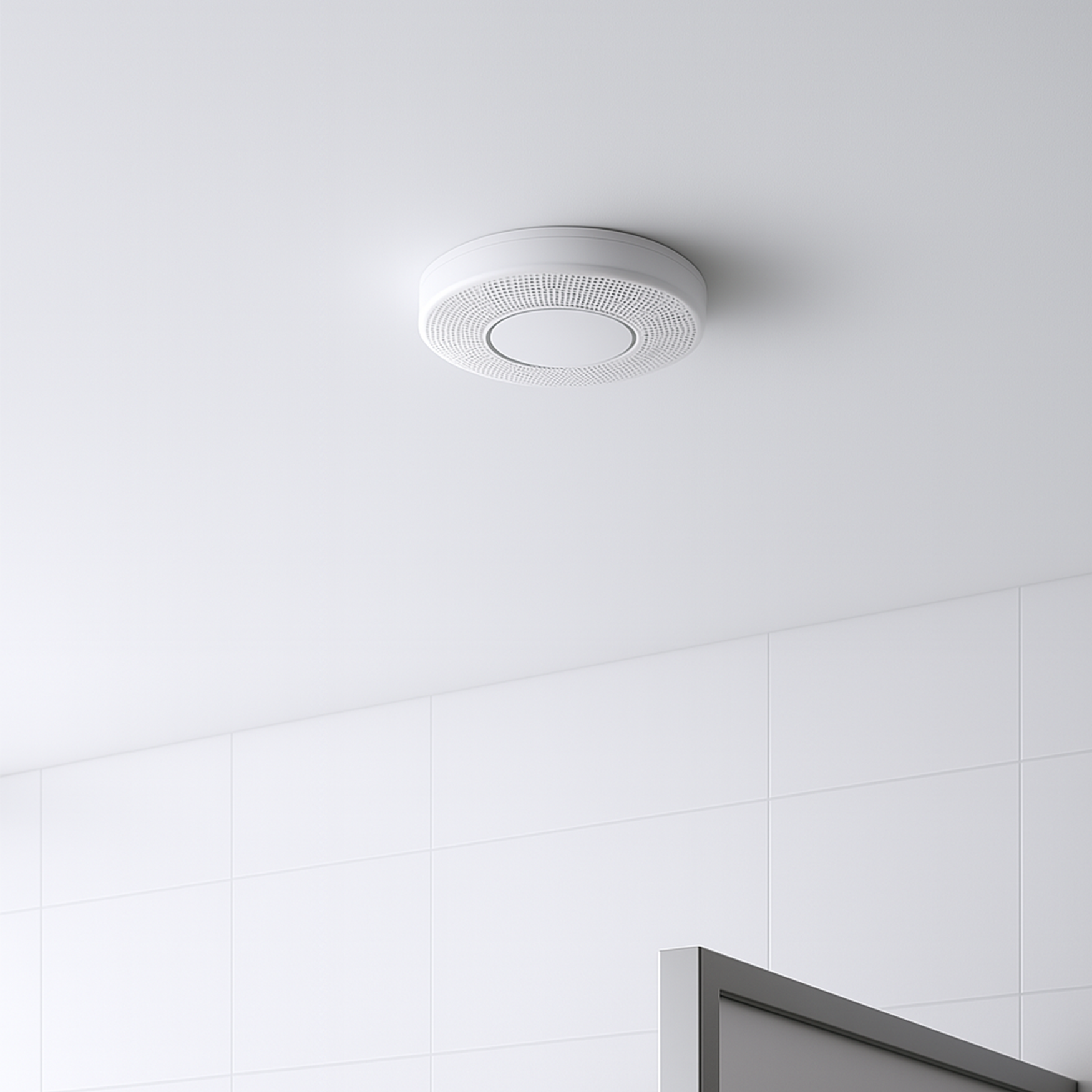
Strategic sensor deployment maximises detection coverage whilst controlling costs. Priority locations include:
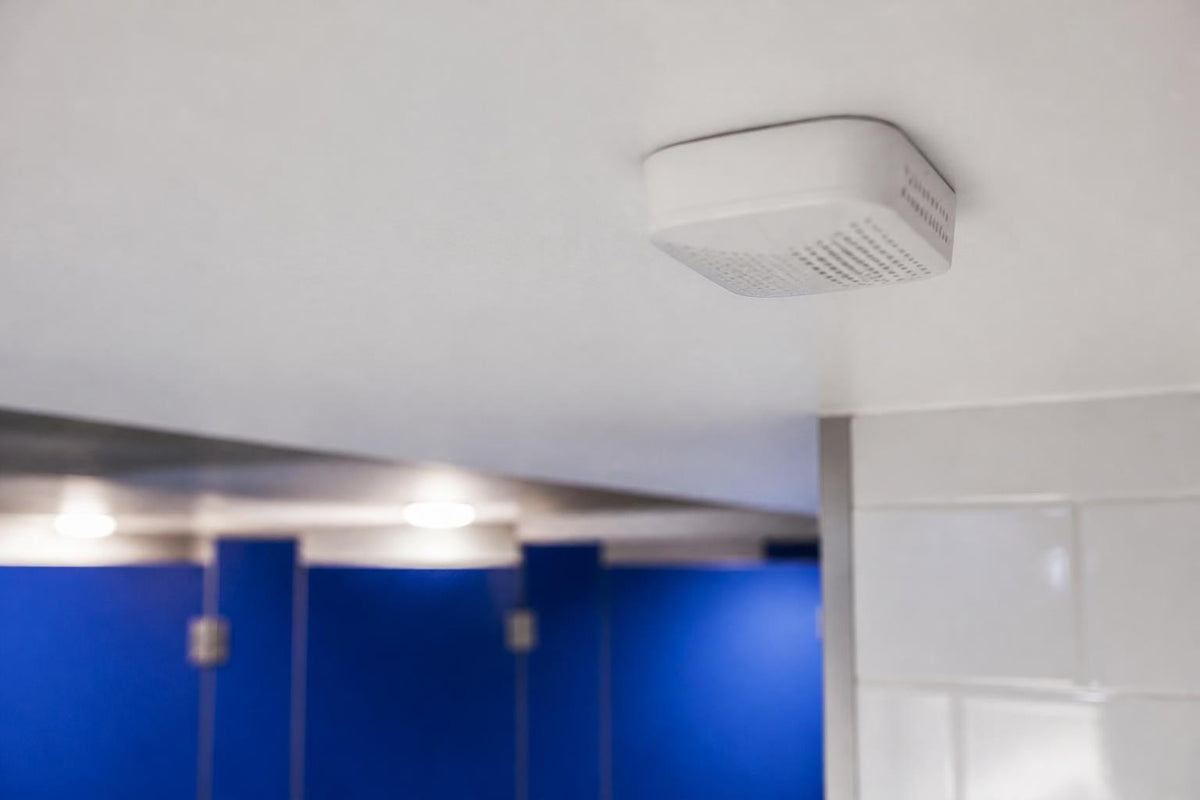
- Bathrooms where guests often attempt to conceal vaping
- Bedrooms in higher risk room categories
- Corridors near stairwells and service areas
- Public toilets where policies may be tested
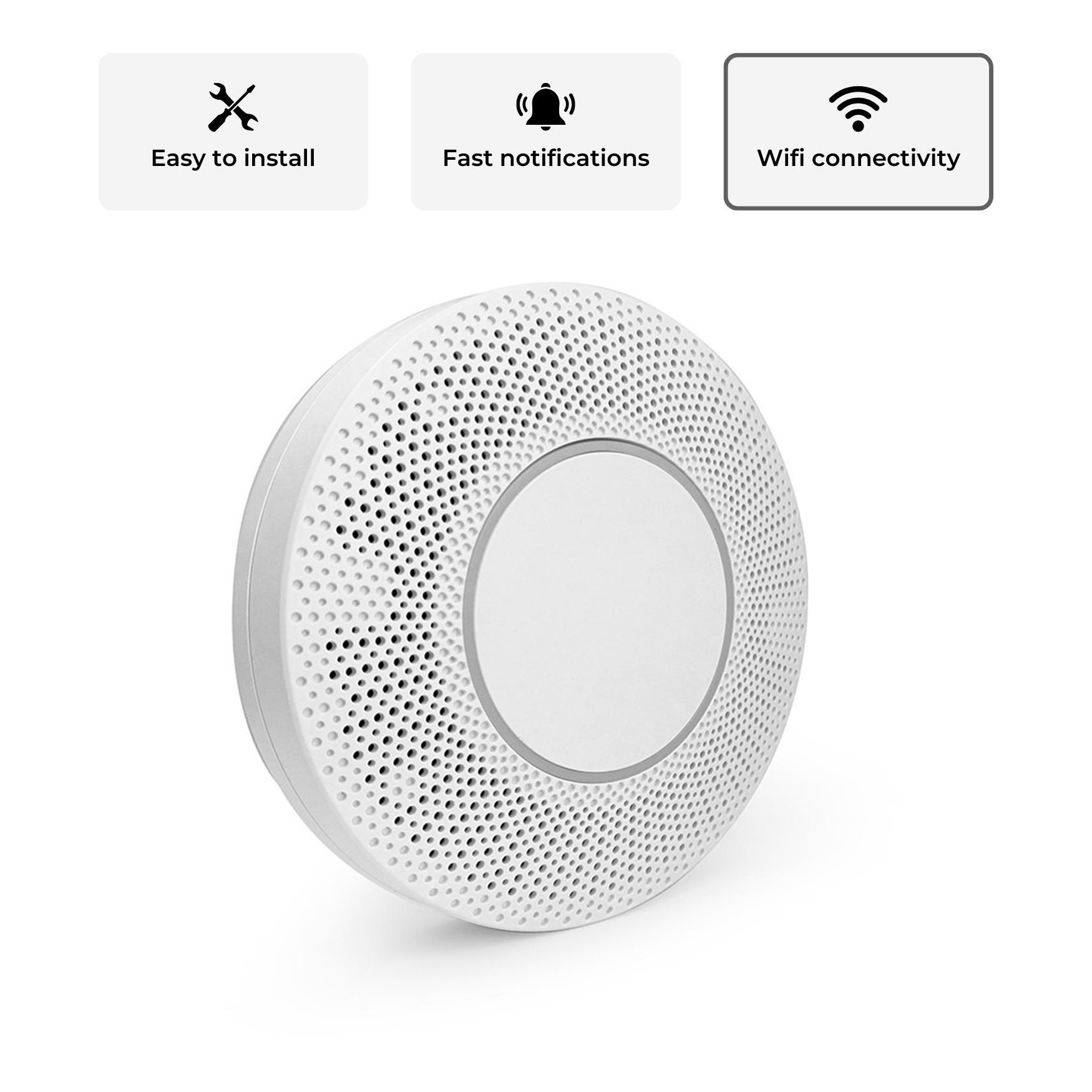
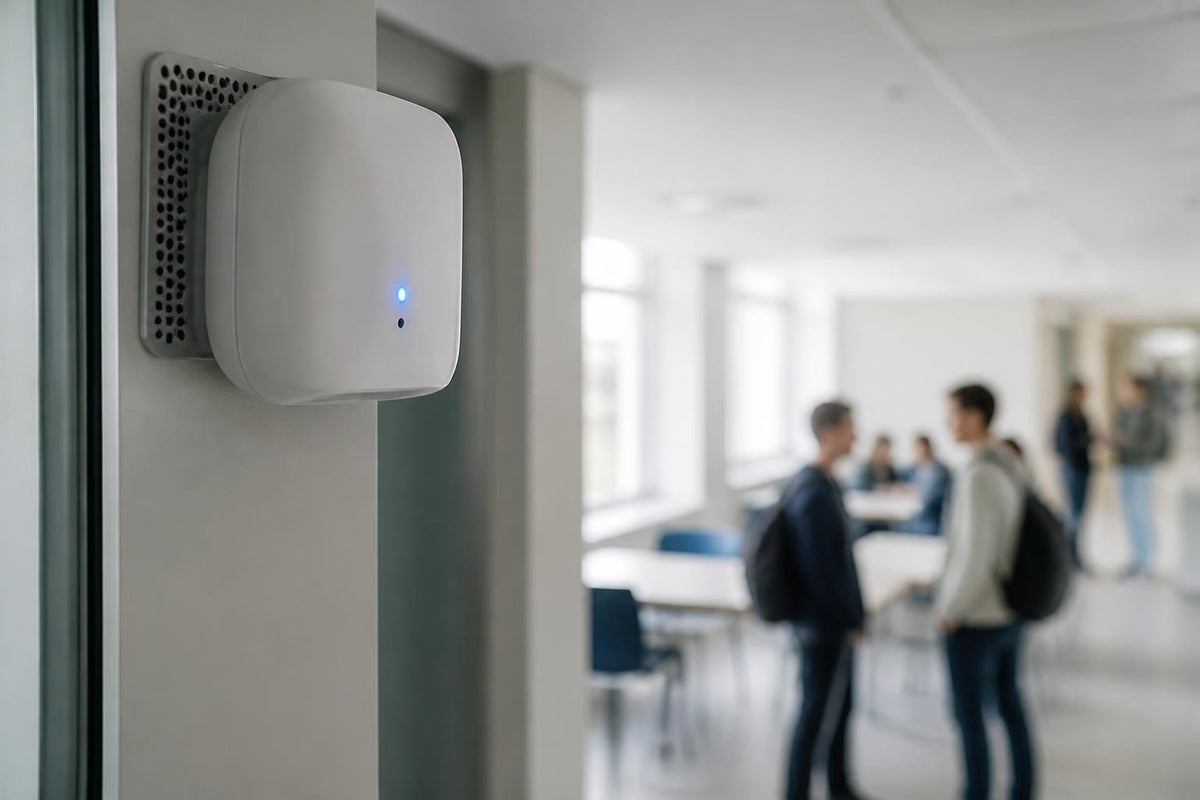
Sensors communicate wirelessly with central management systems, generating alerts through mobile applications or integration with existing building management software. This connectivity enables rapid response regardless of where management staff are located on the property.
Data Driven Policy Refinement
Detection systems generate valuable analytics that help refine enforcement approaches. Hotels can identify:
- Which room types or floors experience highest violation rates
- Whether violations cluster around specific events or seasons
- The effectiveness of enhanced signage or communication
- Return on investment for detection technology deployment
This evidence based approach to policy management represents a significant advancement over anecdotal observation and reactive complaint handling. Understanding the comprehensive benefits of vaping detection technology allows hoteliers to make informed decisions about system deployment and ongoing monitoring strategies.

Guest Relations and Communication
Successfully managing vaping in hotels whilst maintaining positive guest relations requires diplomatic communication and consistent application of policies. The goal is compliance through understanding rather than confrontation.
Pre Arrival Communications
Setting expectations before guests arrive reduces misunderstandings and demonstrates seriousness about policies. Effective pre arrival communications include:
- Clear policy statements in booking confirmations
- Information about designated outdoor vaping areas
- Explanation of detection systems in use
- Transparency about financial penalties
Guests who understand the rules before arrival are far more likely to comply than those who encounter policies for the first time at check in.
Violation Response Protocols
When violations occur, response protocols should balance firmness with professionalism:
First contact should assume good intent and provide a polite reminder. Many guests genuinely believe vaping is permitted or less problematic than smoking.
Documentation of the incident, including time, sensor readings, and staff observations, creates an evidence trail supporting any charges or further action.
Escalation procedures for repeat violations might include room changes, additional charges, or in serious cases, termination of the stay with no refund.
Charge application should be consistent and linked directly to actual cleaning costs, making it defensible if disputed.
Handling Disputes and Chargebacks
Some guests dispute vaping charges, claiming sensors malfunctioned or detecting innocent activities. Robust documentation and calibrated sensor systems provide the evidence needed to support charges during credit card dispute resolution. Photographs, sensor data logs, and detailed staff reports strengthen the hotel's position significantly.
Designated Vaping Areas and Alternatives
Whilst prohibiting vaping in hotels' indoor spaces, many properties choose to accommodate vapers through designated outdoor areas. This approach demonstrates reasonable accommodation whilst maintaining indoor air quality standards.
Outdoor Area Design
Effective designated vaping areas share several characteristics:
- Clear signage identifying the space and its purpose
- Sufficient distance from building entrances and air intakes
- Appropriate receptacles for device disposal
- Shelter from weather to encourage use
- Adequate lighting for evening use
These areas should be positioned to prevent aerosol from drifting into non smoking zones whilst remaining accessible enough that guests will actually use them rather than vaping in rooms.
Balcony and Terrace Policies
Rooms with private balconies or terraces present particular policy challenges. Some hotels permit vaping on these outdoor spaces, reasoning that aerosol disperses into open air. Others prohibit it entirely, concerned about drift into neighbouring rooms or the precedent it sets.
The decision often depends on:
- Proximity of balconies to each other
- Prevailing wind patterns and building design
- Whether balconies share ventilation with indoor spaces
- Guest mix and typical booking patterns
Industry Trends and Future Outlook
The hospitality sector continues evolving its approach to vaping in hotels as detection technology improves and guest expectations shift. Several trends are shaping the landscape for 2026 and beyond.
Premium positioning through verified air quality has emerged as a differentiator. Hotels promoting their advanced monitoring systems appeal to health conscious travellers willing to pay premiums for genuinely clean environments.
Integration with wellness programmes sees vaping policies positioned alongside fitness facilities, healthy dining options, and sleep optimisation programmes as part of holistic guest wellbeing initiatives.
Regulatory harmonisation may eventually bring vaping under the same legal framework as traditional smoking, simplifying compliance and strengthening enforcement capabilities. Until then, hotels must continue establishing and defending their own policies.
Technology advancement promises even more sophisticated detection capabilities, potentially identifying specific substances within vaping liquids and providing earlier warnings of policy violations. Systems monitoring multiple parameters simultaneously, as explored in guidance on PM2.5 air quality reports, represent the direction of travel for comprehensive environmental monitoring.
International Considerations for Hotel Chains
Hotel groups operating across multiple jurisdictions face the challenge of creating coherent vaping in hotels policies that accommodate varying legal frameworks and cultural attitudes. A standardised global approach may not suit properties in markets where vaping is culturally acceptable versus those where it faces significant stigma.
Policy Localisation Strategies
Successful international hotel brands typically establish:
- Core principles applied universally (indoor air quality protection, guest comfort)
- Regional adaptations reflecting local regulations and norms
- Property level discretion for specific implementation details
- Clear internal communication ensuring all locations understand the framework
This tiered approach maintains brand consistency whilst respecting local context and legal requirements.
Cross Border Guest Expectations
International travellers may arrive with assumptions based on their home country's norms. Enhanced communication becomes critical for properties serving diverse international markets, potentially requiring multilingual signage and policy documents to ensure comprehension across language barriers.
Managing vaping in hotels requires a comprehensive approach combining clear policies, effective communication, modern detection technology, and consistent enforcement. Properties that invest in these elements protect their physical assets, enhance guest satisfaction, and create healthier environments for everyone. For hotels seeking reliable monitoring solutions that provide real time alerts and comprehensive air quality data, Vape Guardian offers advanced detection systems designed specifically for hospitality environments, helping operators maintain standards whilst supporting guest relations and operational efficiency.

Share:
School Vaping: Detection, Prevention & Policy Guide 2026
Best Vape Detectors: 2026 Buying Guide & Expert Reviews