

Vaping in schools, offices, and public spaces has evolved from a minor concern into a serious compliance and health challenge. The best vape detectors in 2026 combine sophisticated sensor arrays, artificial intelligence algorithms, and real time alerting to create genuinely effective monitoring systems. Whether you're a headteacher facing a surge in toilet vaping or a facilities manager tasked with maintaining air quality standards, understanding which detection technologies deliver measurable results is essential for protecting your environment and meeting your duty of care obligations.
Understanding Modern Vape Detection Technology
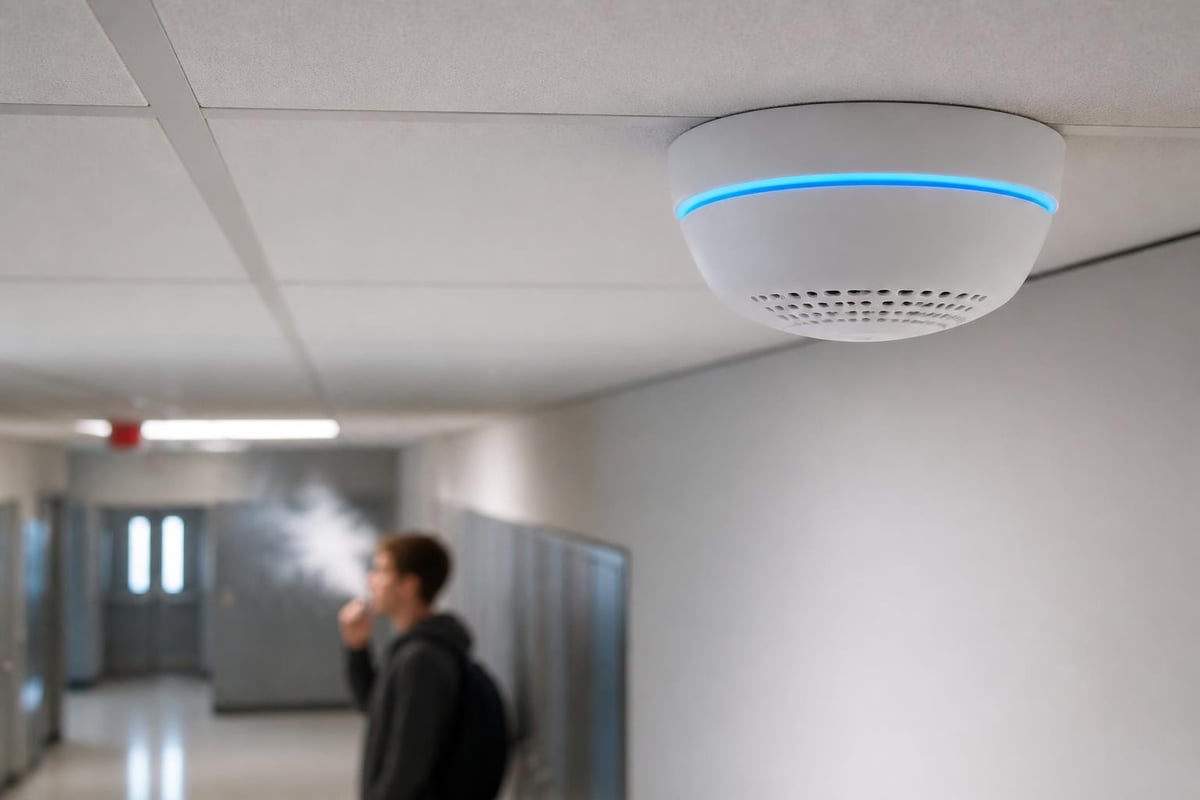
The best vape detectors have moved far beyond simple smoke alarms. Today's systems employ multi sensor arrays that simultaneously monitor particulate matter (PM2.5 and PM10), volatile organic compounds (VOCs), humidity, temperature, and even sound patterns associated with vaping devices. This comprehensive approach dramatically reduces false positives whilst ensuring genuine incidents trigger immediate alerts.
Advanced systems integrate optical sensors that detect the specific light scattering patterns created by vape aerosols. These patterns differ measurably from cooking vapours, deodorant sprays, or steam, allowing sophisticated algorithms to distinguish between legitimate air quality events and genuine vaping incidents. Research published in IEEE Sensors Journal demonstrates how multi modal sensing approaches achieve detection accuracy exceeding 95% when properly calibrated.
Key Detection Mechanisms Explained
Modern detection systems rely on several core technologies working in concert:
- Particulate Matter Sensors: Laser based sensors measure PM2.5 concentrations, detecting the fine aerosol particles exhaled during vaping
- VOC Detection: Electrochemical sensors identify volatile organic compounds present in vape liquids, including propylene glycol and vegetable glycerine
- Acoustic Analysis: Microphones detect the distinctive sound frequencies produced by vaping devices during activation
- Environmental Baselines: Machine learning establishes normal conditions for each location, flagging statistical anomalies that suggest vaping activity
The U.S. Environmental Protection Agency's research on electronic cigarette aerosols highlights why comprehensive monitoring matters. Vape emissions contain numerous chemicals that affect indoor air quality, making detection both a behavioural compliance issue and an environmental health concern.
Critical Features in the Best Vape Detectors
When evaluating vape detection systems, certain capabilities separate effective solutions from inadequate ones. The best vape detectors deliver actionable intelligence, not just raw data streams that require constant interpretation.
Real Time Alerting and Response Protocols
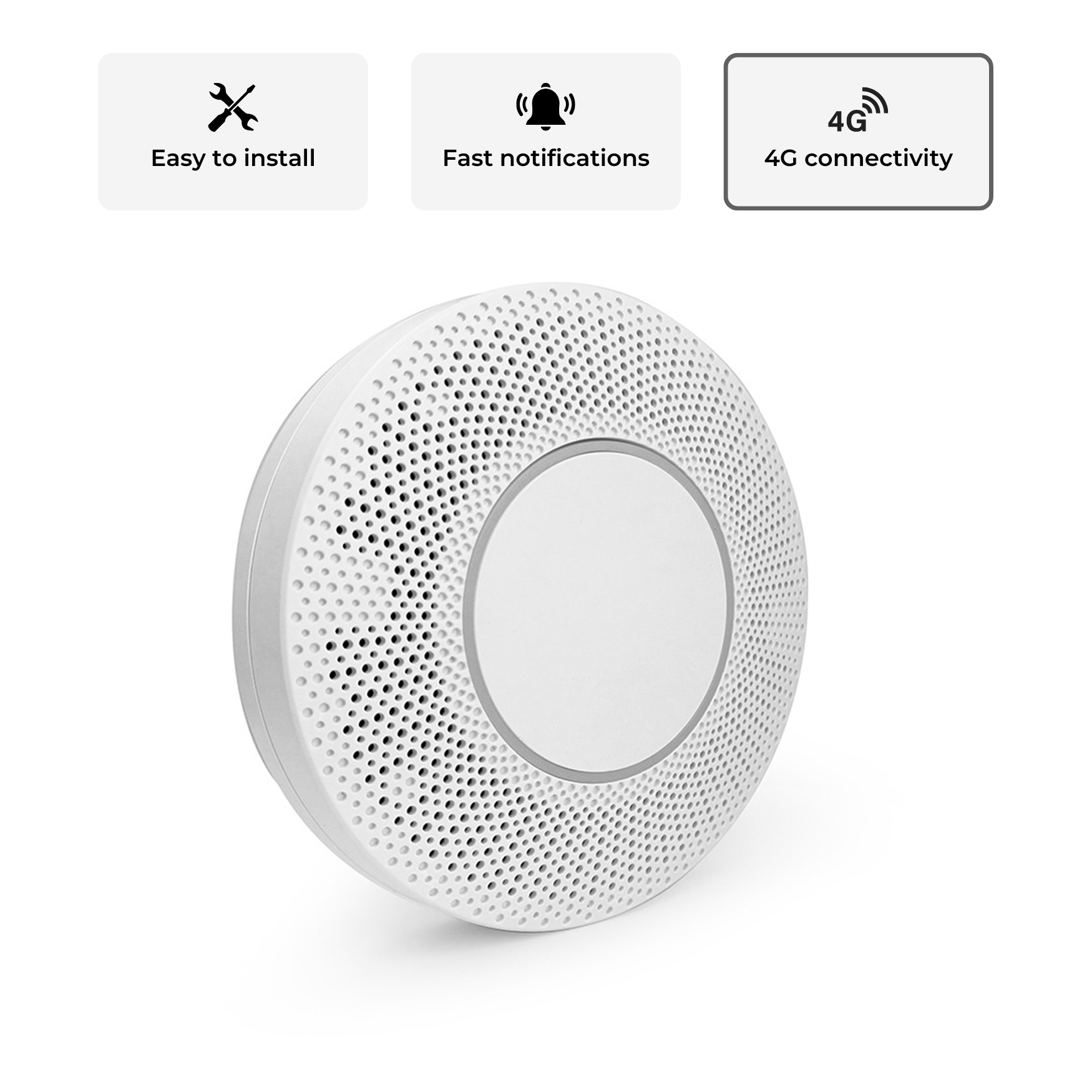
Immediate notification is non negotiable. Systems should push alerts to designated staff within seconds of detection, using multiple channels including SMS, email, and integration with existing building management platforms. Configurable escalation protocols ensure the right people receive alerts based on time of day, location, and incident severity.
Schools implementing proven anti vaping strategies require detection systems that integrate seamlessly with their response workflows. The best vape detectors allow administrators to acknowledge alerts, assign follow up actions, and document interventions directly within the monitoring platform.
| Feature Category | Essential Capabilities | Why It Matters |
|---|---|---|
| Detection Speed | Alert within 10-15 seconds | Enables immediate intervention whilst incident is occurring |
| Accuracy | >95% true positive rate | Maintains credibility and staff confidence in the system |
| Coverage Area | 1,500-2,000 sq ft per sensor | Ensures economic deployment without monitoring gaps |
| False Positive Rate | <3% monthly | Prevents alert fatigue and maintains response readiness |
| Integration Options | API access, webhook support | Connects with existing security and facility systems |
Installation Flexibility and Maintenance Requirements
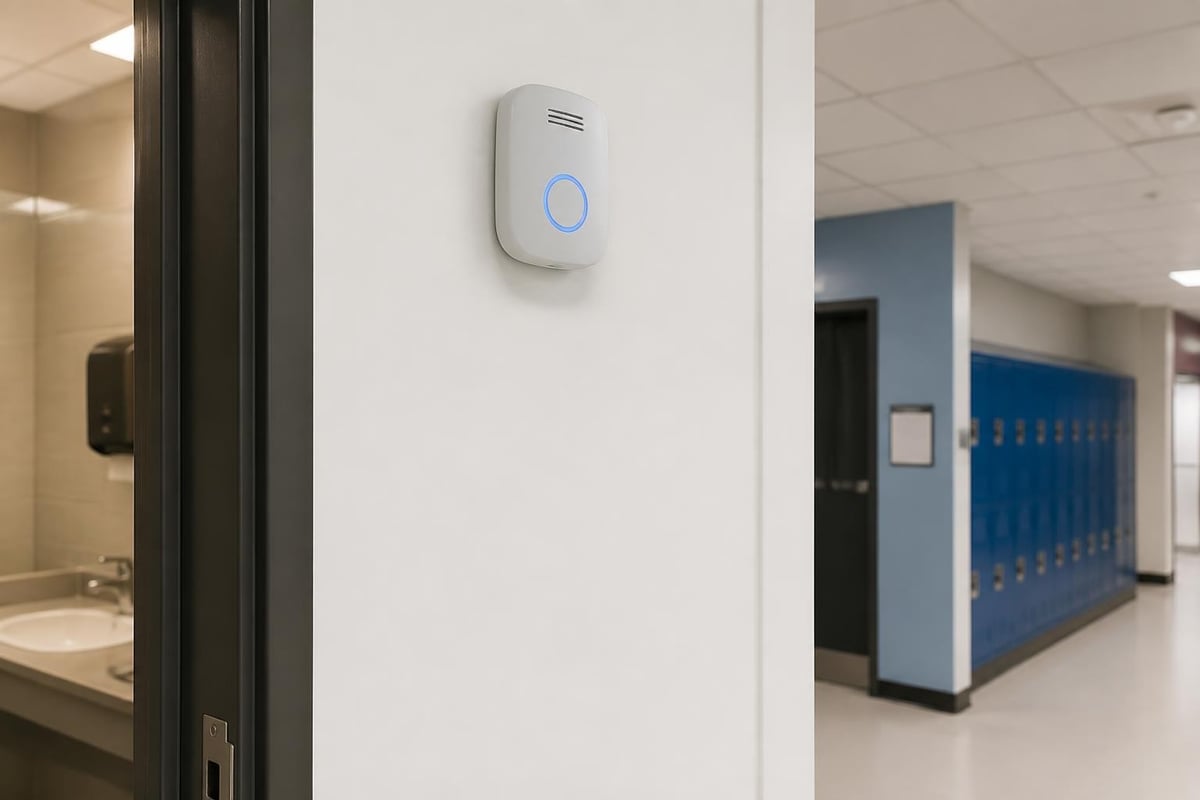
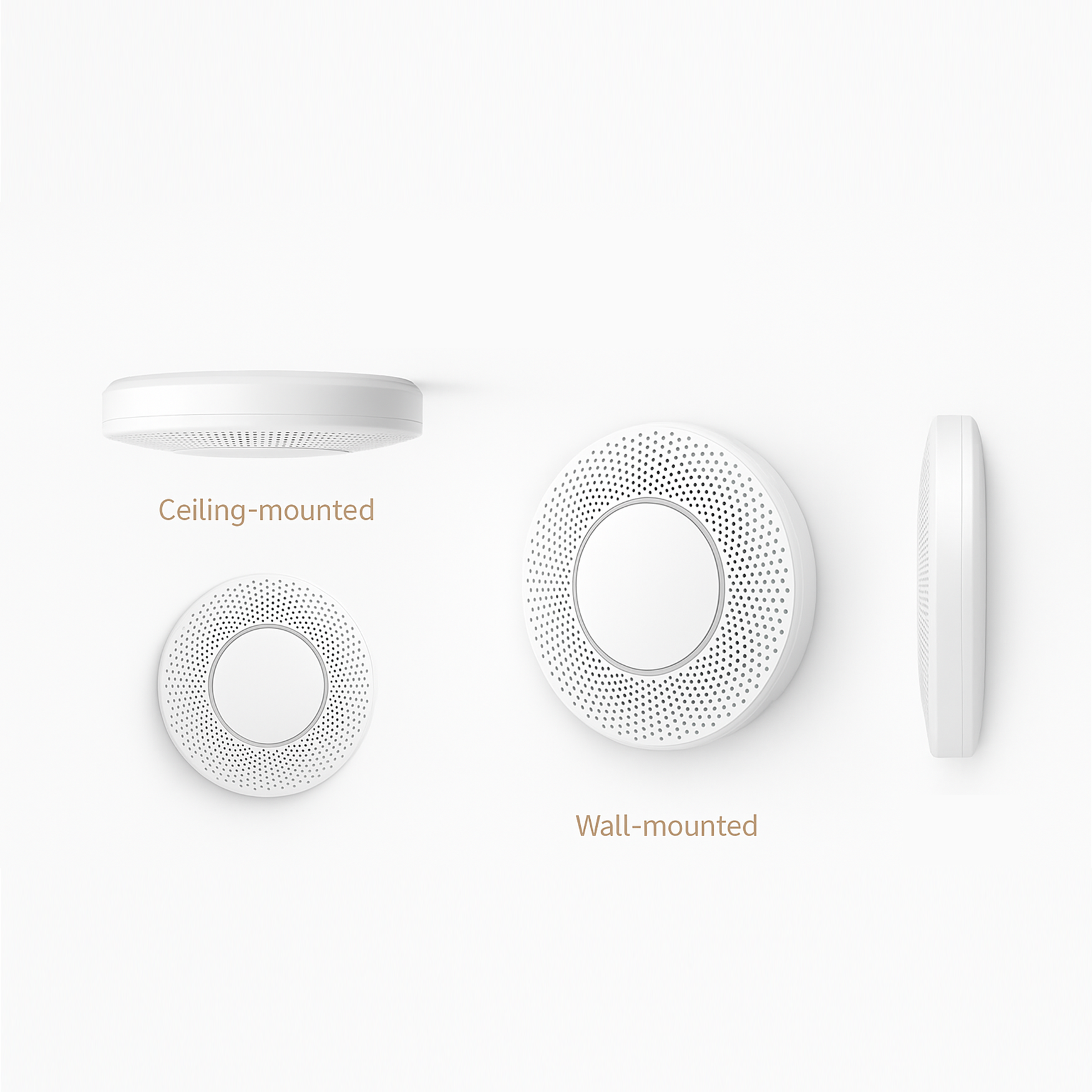
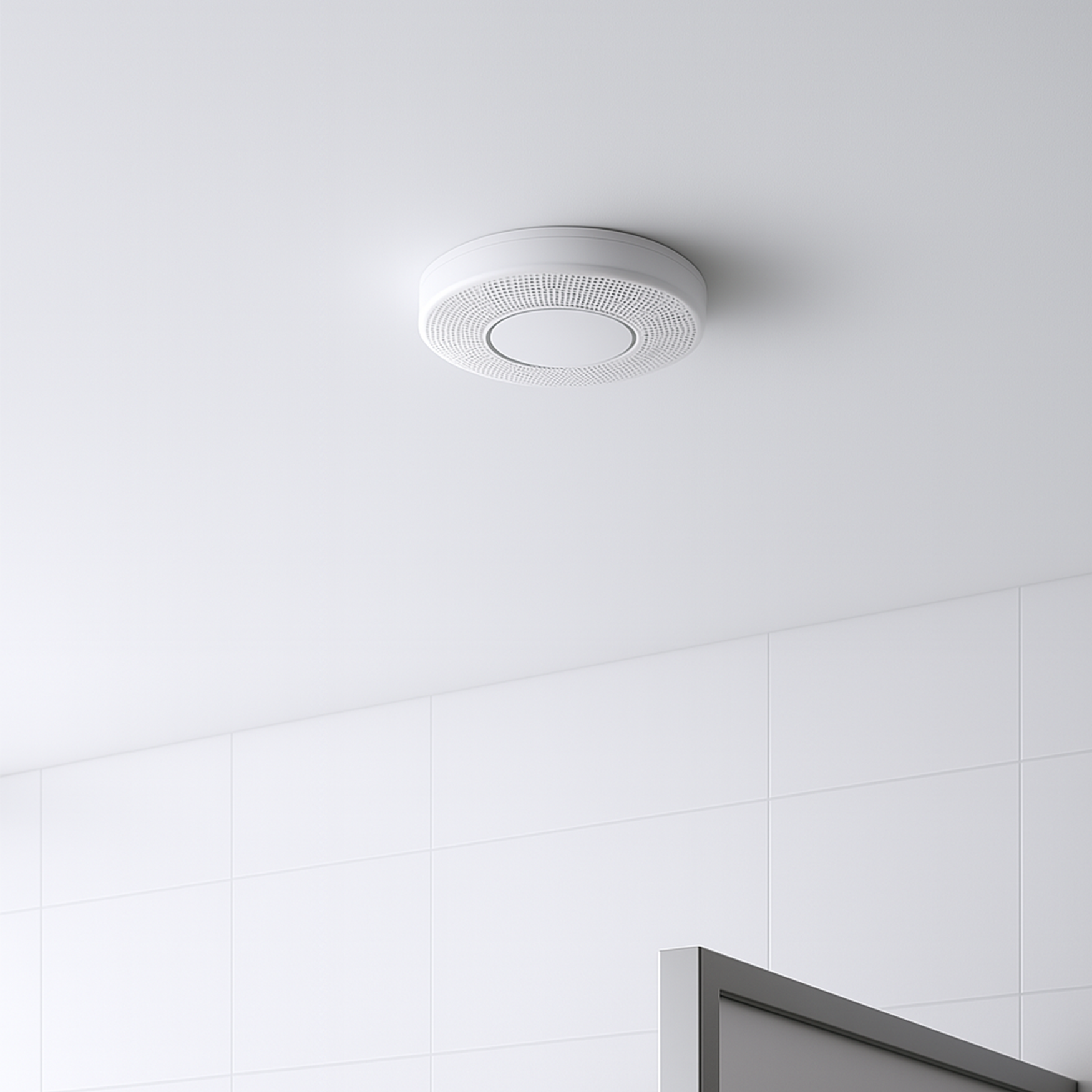
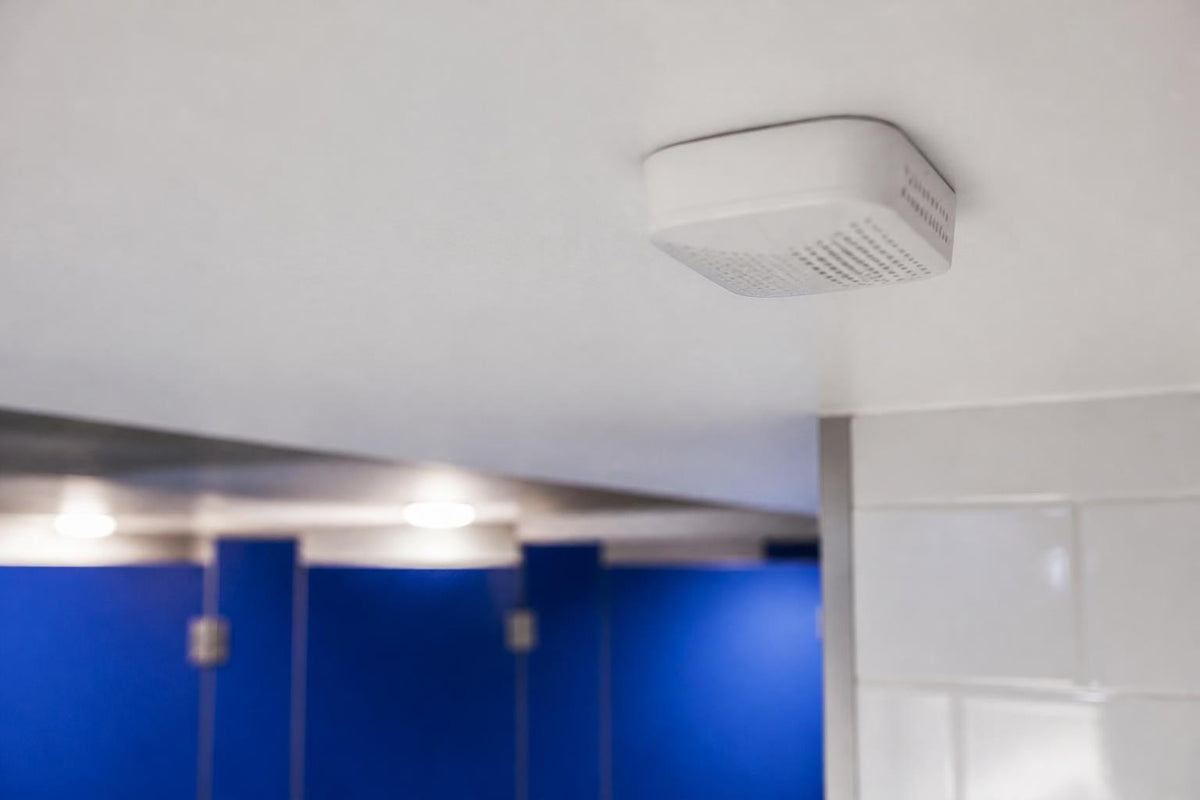
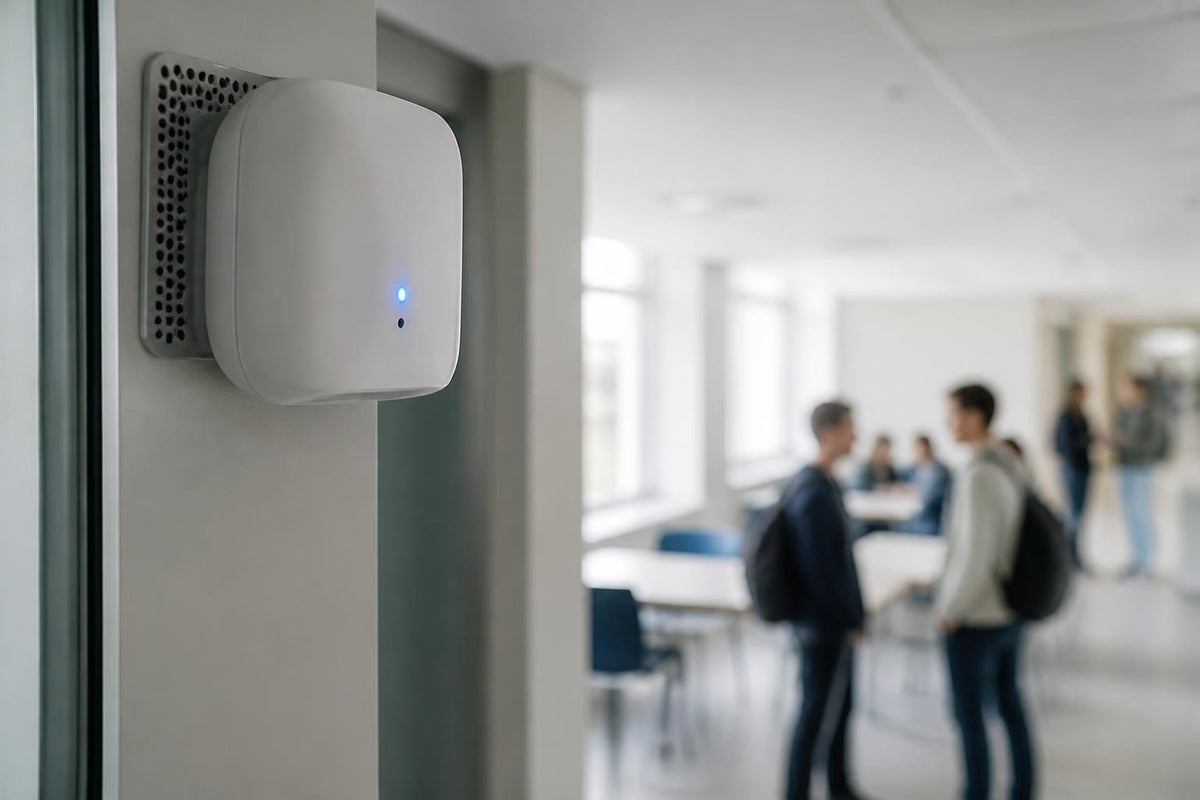
The best vape detectors accommodate diverse installation environments. Ceiling mounted units suit open spaces, whilst tamper resistant enclosures are essential for toilet cubicles and changing rooms where privacy concerns limit camera use. Power over Ethernet (PoE) connectivity simplifies installation by eliminating separate power supplies, though battery backup ensures continuous monitoring during power interruptions.
Maintenance demands directly affect total cost of ownership. Look for systems with self diagnostic capabilities that alert you to sensor degradation or calibration drift before performance suffers. Annual calibration requirements are typical, but the best systems include remote calibration tools that reduce technician visits.
Comparing Detection Technologies: Strengths and Limitations
Not all detection approaches suit every environment equally well. Understanding the trade-offs helps you select systems aligned with your specific challenges.
Particulate Based Detection Systems
These systems excel in confined spaces like toilets and changing rooms where vape aerosols reach measurable concentrations quickly. PM2.5 sensors detect particles between 0.3 and 2.5 micrometres, the exact size range of exhaled vape droplets. Sensitivity adjustments allow you to tune detection thresholds based on room size, ventilation rates, and baseline air quality.
Limitations include potential false positives from aerosol deodorants, hair sprays, and cleaning products. The best vape detectors combine particulate sensing with VOC analysis to confirm that detected aerosols contain vaping specific chemicals.
Chemical Signature Analysis
VOC sensors identify propylene glycol, glycerine, and flavouring compounds present in virtually all e liquids. This approach offers exceptional specificity, distinguishing vape aerosols from other airborne substances with similar particle sizes. Chemical detection works effectively even in well ventilated spaces where particle concentrations dissipate rapidly.
The trade off is slightly slower response times compared to particulate sensors, typically 15 to 30 seconds versus 5 to 10 seconds. For most applications, this difference is operationally insignificant, but high traffic areas with brief occupancy periods may benefit from faster particulate based systems.
Multi Modal Hybrid Systems
The best vape detectors in 2026 combine multiple sensing technologies, leveraging each method's strengths whilst compensating for individual weaknesses. Hybrid systems correlate data from particulate, VOC, and acoustic sensors, achieving detection confidence levels that single mode systems cannot match.
Advanced platforms like the Vape Detection System employ machine learning algorithms trained on thousands of verified vaping incidents. These systems continuously refine their detection models, improving accuracy as they accumulate operational data from your specific environment.

Deployment Considerations for Schools and Workplaces
Implementation success depends on matching detector capabilities to your facility's unique requirements. The best vape detectors deliver measurable results only when properly specified and strategically deployed.
Coverage Planning and Sensor Placement
Begin with a thorough site assessment identifying high risk areas and monitoring priorities. Understanding where underage vaping typically occurs in schools reveals that toilets, changing rooms, and isolated corridors require primary coverage. Workplaces face different patterns, with enclosed offices, stairwells, and parking structures presenting common challenges.
Sensor density calculations must account for room volume, air exchange rates, and physical barriers that affect aerosol dispersion. As a baseline, expect one detector per toilet block, with additional units in large changing facilities or other enclosed spaces exceeding 2,000 square feet.
Strategic placement guidelines:
- Position sensors near ceiling level where rising aerosols concentrate
- Avoid locations directly above doorways where airflow creates turbulence
- Keep sensors at least 1 metre from air vents to prevent dilution effects
- Install tamper resistant housings in areas accessible to students or unauthorised personnel
- Ensure network connectivity throughout coverage areas, planning for WiFi dead zones
Integration with Building Systems
The best vape detectors enhance value when integrated with existing infrastructure. Modern systems offer APIs that connect with building management platforms, security systems, and facility monitoring dashboards. This integration creates a unified view of environmental conditions whilst reducing the number of discrete systems staff must monitor.
HVAC integration is particularly valuable. When detectors identify vaping incidents, they can trigger temporary ventilation increases in affected areas, accelerating aerosol clearance and reducing secondary exposure. The ASHRAE position documents provide guidance on coordinating air quality monitoring with ventilation control strategies.
| Integration Type | Benefits | Technical Requirements |
|---|---|---|
| Security Systems | Correlate vape alerts with camera footage | ONVIF compatible or vendor specific API |
| Building Management | Automate ventilation responses | BACnet or Modbus connectivity |
| Access Control | Link incidents to entry/exit timestamps | Database integration or webhook triggers |
| Student Information Systems | Connect alerts to individual records | Secure API with appropriate permissions |
Evaluating Total Cost of Ownership
Purchase price represents only one component of vape detector economics. The best systems deliver measurable return on investment through reduced incidents, improved compliance, and enhanced air quality outcomes.
Upfront Investment Components
Hardware costs vary significantly based on sensor sophistication and installation requirements. Entry level single sensor units start around £300, whilst enterprise grade multi modal systems range from £800 to £1,500 per detector. Installation expenses depend on facility complexity, typically adding £150 to £400 per unit for professional mounting, network configuration, and system commissioning.
Don't overlook software licensing. Many manufacturers charge annual fees for cloud based monitoring platforms, alert management, and data analytics. These subscriptions range from £50 to £200 per sensor annually. Clarify what capabilities require ongoing fees versus one time purchases.
A comprehensive cost breakdown and ROI analysis helps quantify the financial impact of detection systems, including both direct expenses and avoided costs from reduced incidents.
Operational Expenses and Maintenance
Factor annual calibration costs, typically £75 to £150 per sensor when performed by qualified technicians. The best vape detectors include remote calibration capabilities that reduce or eliminate these service calls. Sensor replacement occurs every 3 to 5 years for most technologies, with individual sensors costing 15% to 30% of the complete unit price.

Cloud platform subscriptions enable remote monitoring and centralised alert management, but evaluate whether monthly fees align with your actual usage. Some vendors offer perpetual licenses with local server deployment for organisations preferring to avoid recurring charges.
Measuring Return on Investment
The best vape detectors generate measurable value through several mechanisms. Reduced incidents lower disciplinary investigation time, decrease health related absence, and improve overall facility safety. Many schools report 60% to 80% reductions in vaping incidents within the first term after deployment.
Financial benefits include avoided costs from reduced deep cleaning requirements, decreased HVAC maintenance from improved air quality, and lower insurance premiums as risk profiles improve. Quantifying these benefits strengthens business cases for detector investment.
Privacy, Compliance, and Legal Considerations
Deploying the best vape detectors requires balancing effective monitoring with legitimate privacy expectations and regulatory compliance. UK schools and workplaces must navigate data protection requirements whilst maintaining effective deterrence.
GDPR and Data Protection Requirements
Vape detectors collect environmental data that may constitute personal information under certain circumstances. When systems record audio or correlate detections with access control data identifying specific individuals, GDPR obligations apply. Conduct data protection impact assessments before deployment, documenting processing purposes, retention periods, and security measures.
The best systems allow you to configure data handling aligned with your privacy policies. Options to disable audio recording whilst maintaining acoustic pattern analysis, for example, reduce privacy impact without sacrificing detection capability. Automatic data deletion after defined retention periods ensures compliance whilst preserving recent incident records for investigation purposes.
UK Regulatory Framework
Understanding current UK vaping laws and regulations helps ensure detector deployment supports compliance rather than creating new obligations. The MHRA guidance on e cigarette products establishes regulatory standards for vaping devices themselves, whilst schools maintain broad authority to prohibit vaping on premises regardless of age.
Key compliance considerations:
- Display clear signage indicating monitored areas before sensor deployment
- Establish documented policies explaining monitoring purposes and data handling
- Provide staff training on response protocols and privacy obligations
- Implement secure data storage with access limited to authorised personnel
- Review and update policies annually as regulations evolve
Balancing Detection with Privacy Rights
The best vape detectors achieve effective monitoring without unnecessary intrusion. Favour environmental sensors over visual monitoring in private spaces like toilets and changing rooms. Modern systems provide precise incident detection without identifying individuals until human review correlates sensor alerts with other evidence.
Creating comprehensive vape free policies that explain monitoring rationale, detection technologies, and response procedures helps build stakeholder acceptance whilst demonstrating transparency in your approach.
Performance Benchmarks and Real World Results
The best vape detectors prove their value through measurable outcomes in operational environments. Laboratory specifications matter less than verified performance in the challenging conditions of actual schools and workplaces.
Detection Accuracy Metrics
Assess systems based on true positive rates (correctly identified vaping incidents), false positive rates (alerts triggered by non vaping events), and false negative rates (missed incidents). The best systems achieve true positive rates exceeding 95% with false positive rates below 3% monthly in properly configured installations.
Request verification data from prospective vendors, including independent testing results and operational statistics from existing customers. Be sceptical of claims lacking supporting evidence or based solely on controlled laboratory tests.
Environmental Robustness
Real world conditions test detector reliability. Temperature extremes, humidity variations, and airborne contaminants from cleaning products and personal care items challenge sensor accuracy. The best vape detectors maintain performance across operating ranges of 0°C to 50°C and 10% to 90% relative humidity.
Schools implementing bathroom specific detection strategies face particular challenges from steam, aerosol deodorants, and cleaning chemical residues. Robust systems filter these false triggers through multi sensor correlation and adaptive baseline learning.
| Performance Metric | Acceptable Range | Best in Class | Testing Conditions |
|---|---|---|---|
| True Positive Rate | >90% | >97% | Verified incidents over 90 days |
| False Positive Rate | <5% monthly | <2% monthly | All alerts reviewed and categorised |
| Detection Latency | <30 seconds | <15 seconds | From aerosol release to alert |
| Coverage Radius | 15 metres | 20+ metres | In standard classroom or toilet block |
| Uptime | >98% | >99.5% | Excluding scheduled maintenance |
Case Study Evidence
Independent schools deploying comprehensive detection systems report significant behavioural improvements. One secondary academy documented an 82% reduction in toilet vaping incidents over two terms after installing multi sensor detectors combined with educational programmes and clear response protocols.
Workplace deployments show similar patterns. A regional office complex reduced vaping related complaints by 71% within six months whilst improving overall indoor air quality scores by 34%. These results demonstrate how the best vape detectors contribute to genuinely healthier environments beyond simple enforcement.
Advanced Features Differentiating Premium Systems
Top tier detection platforms offer capabilities that extend value far beyond basic alert generation. These features justify higher upfront investment through operational efficiency gains and enhanced monitoring effectiveness.
Predictive Analytics and Trend Identification
The best vape detectors don't just report incidents, they identify patterns enabling proactive intervention. Advanced platforms analyse temporal trends, location correlations, and environmental factors to predict high risk periods and areas. This intelligence allows you to concentrate resources where they'll achieve maximum impact.
Machine learning algorithms detect subtle shifts in baseline behaviour that precede escalating vaping activity. Early identification of emerging hotspots enables preventive action before problems become entrenched, dramatically improving intervention effectiveness.
Air Quality Monitoring Integration
Leading systems combine vape detection with comprehensive indoor air quality monitoring, tracking PM2.5, PM10, CO2, VOCs, and other parameters affecting health and comfort. This integration provides complete environmental visibility through a single platform rather than multiple disconnected systems.
Understanding the relationship between vaping incidents and overall air quality reveals hidden health impacts in offices and educational facilities. Comprehensive monitoring demonstrates the full value of detection investment by quantifying air quality improvements beyond vaping reduction alone.
Custom Alert Rules and Automation
Sophisticated platforms allow you to define complex alert conditions matching your specific requirements. Configure different thresholds for different locations, suppress alerts during authorised testing periods, or escalate notifications based on incident frequency within defined timeframes.
Automation capabilities enable sophisticated responses without manual intervention. Trigger ventilation increases, lock doors, activate signage, or notify specific personnel based on detection location and time. These automated workflows ensure consistent responses even when key staff are unavailable.
Vendor Selection and Partnership Considerations
Choosing the right detection provider matters as much as selecting optimal technology. The best vape detectors deliver sustained value only when backed by reliable support, regular updates, and genuine partnership.
Evaluating Vendor Credentials
Assess prospective suppliers based on UK market presence, customer references from comparable organisations, and demonstrated technical expertise. Request site visits to existing installations rather than relying solely on marketing materials and specifications.
Financial stability matters for long term partnerships. Verify that vendors can support systems throughout their operational lifespans, typically 5 to 7 years. Companies lacking established UK operations may struggle to provide timely support or replacement components.
Support and Training Provisions
Implementation success depends on thorough training for facilities staff, security personnel, and administrators who'll manage the system daily. The best vendors provide comprehensive onboarding including installation supervision, system configuration, alert management training, and ongoing technical support.
Clarify support terms before purchase. Response time guarantees, availability hours, and escalation procedures should be documented in service level agreements. Remote diagnostic capabilities reduce downtime by enabling support teams to identify and often resolve issues without site visits.
Update and Enhancement Commitments
Detection technology evolves rapidly as new vaping devices emerge and machine learning models improve. The best systems receive regular firmware updates, algorithm enhancements, and feature additions throughout their service lives. Confirm that updates are included in standard licensing or clarify associated costs.
Long term product roadmaps reveal vendor commitment to continuous improvement. Platforms that have stagnated for years suggest vendors focused on new sales rather than customer success, a significant concern for systems requiring multi year investments.
Selecting from the best vape detectors available in 2026 requires balancing technical capabilities, total ownership costs, and alignment with your specific monitoring objectives. The most effective systems combine accurate multi sensor detection, intelligent alerting, and seamless integration with your existing infrastructure to create genuinely safer environments. When you're ready to implement proven vape detection technology backed by expert UK support, Vape Guardian delivers comprehensive solutions tailored to schools, offices, and leisure facilities throughout Britain. Our advanced sensors and dedicated customer service team help you reduce vaping incidents whilst supporting compliance efforts through reliable, privacy conscious monitoring.


Share:
Vaping in Hotels: Detection, Policy & Guest Management
THC Vape Detection: Technology, Testing & Policy in 2026