
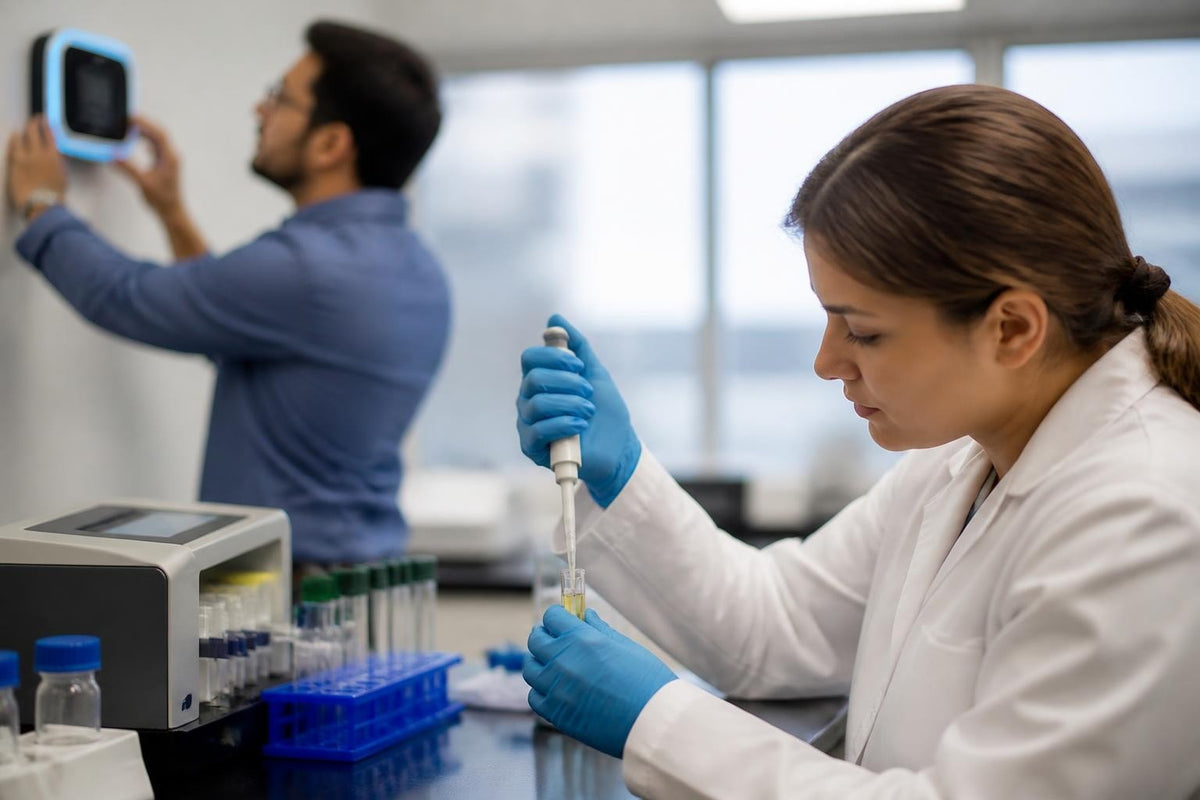
The detection of tetrahydrocannabinol (THC) in vaping devices and environments presents unique challenges for schools, workplaces, and public facilities across the United Kingdom. As cannabis vaping products become more sophisticated and discreet, organisations require advanced monitoring solutions that can differentiate between nicotine, THC, and other substances. This comprehensive guide explores the current state of thc vape detection technology, regulatory frameworks, testing methodologies, and practical implementation strategies for safeguarding environments in 2026.
Understanding THC Vaping and Detection Challenges
THC vaping has evolved significantly over the past decade, with devices becoming smaller, more powerful, and increasingly difficult to detect using traditional methods. Unlike conventional smoking, vaping produces aerosols that dissipate quickly and often lack the distinctive odour associated with cannabis combustion.
The challenge of thc vape detection extends beyond simply identifying the presence of vaping activity. Organisations must distinguish between legal nicotine vaping (for adults in designated areas) and illegal or prohibited THC use, particularly in settings such as schools where any vaping activity violates policy.
Chemical Composition of THC Vapour
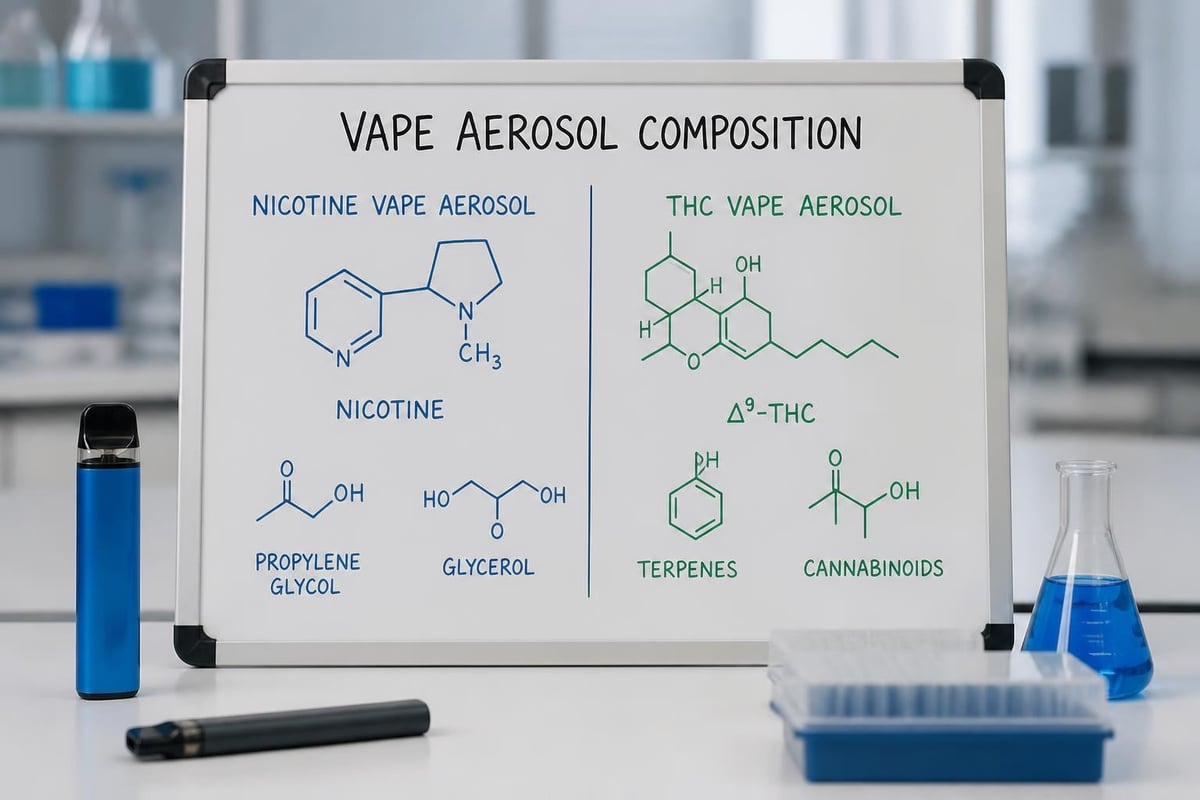
THC vape aerosols contain distinct chemical markers that differentiate them from nicotine based products. These include:
- Delta-9-tetrahydrocannabinol (Δ9-THC) as the primary psychoactive compound
- Terpenes specific to cannabis extracts
- Propylene glycol and vegetable glycerin carriers
- Additional cannabinoids (CBD, CBN, CBG)
- Potentially harmful cutting agents or adulterants
According to research on portable technologies for detecting THC in biofluids, the analytical challenges of identifying these compounds require sophisticated sensor technology capable of real-time chemical analysis.
Environmental vs Biological Detection Methods
Two primary approaches dominate thc vape detection: environmental monitoring and biological specimen testing. Environmental sensors detect vaping activity in real time by analysing air quality and chemical composition, whilst biological testing identifies THC metabolites in individuals through urine, oral fluid, or blood samples.
| Detection Method | Detection Window | Accuracy | Implementation Cost | Privacy Considerations |
|---|---|---|---|---|
| Environmental sensors | Real-time | High for presence | Medium to High | Minimal (no individual testing) |
| Urine testing | 3-30 days | Very High | Low per test | Significant |
| Oral fluid testing | 24-48 hours | High | Medium per test | Moderate |
| Blood testing | 3-12 hours | Very High | High per test | Significant |
Environmental monitoring offers the advantage of detecting vaping incidents without invasive individual testing, making it particularly suitable for schools and workplaces where privacy concerns are paramount. Advanced vape detection technology can identify specific chemical signatures associated with THC whilst minimising false positives.
Regulatory Framework for THC Detection
The regulatory landscape governing thc vape detection in the United Kingdom differs significantly from other jurisdictions, particularly the United States. Understanding these frameworks is essential for organisations implementing detection programmes.
UK Legal Context
In the UK, cannabis remains a Class B controlled substance under the Misuse of Drugs Act 1971, making possession and use illegal outside of specific medical prescriptions. This creates clear authority for schools and workplaces to prohibit THC vaping and implement detection measures.
Organisations must balance detection capabilities with data protection requirements under the UK General Data Protection Regulation (UK GDPR) and the Data Protection Act 2018. Environmental monitoring systems that detect substances without identifying specific individuals typically present fewer privacy concerns than biological testing programmes.
International Regulatory Standards
The SAMHSA workplace drug testing guidelines provide comprehensive frameworks applicable to organisations operating internationally. Although these guidelines specifically address United States federal requirements, they offer valuable insights into specimen collection, cutoff concentrations, and testing procedures.
Recent updates to federal testing protocols have introduced oral fluid as an approved specimen type, reflecting evolving best practices in thc vape detection. The SAMHSA Drug Test Advisory Board meeting materials from June 2024 detail implementation timelines and technical specifications for these new testing modalities.
Standardisation Efforts
The NIH standard THC unit initiative represents an important step towards creating consistent measurement frameworks across research and applied settings. This standardisation becomes increasingly relevant as detection technologies evolve and organisations require reliable benchmarks for interpreting results.
Environmental Monitoring Technologies
Environmental sensors represent the frontline of thc vape detection in schools, offices, and public facilities. These systems analyse air quality parameters and chemical signatures to identify vaping activity in real time.
Modern sensor arrays combine multiple detection modalities to achieve high accuracy whilst minimising false positives. Understanding these technologies enables organisations to select appropriate solutions for their specific environments.
Particulate Matter Sensors
Fine particulate matter (PM2.5) monitoring forms the foundation of many vape detection systems. Vaping produces a characteristic spike in PM2.5 concentrations that sensors can identify within seconds. However, particulate monitoring alone cannot distinguish between THC and nicotine vaping, requiring additional analytical capabilities.
Advanced systems incorporate PM2.5 air quality monitoring with chemical analysis to provide comprehensive detection. This dual approach identifies both the presence of vaping activity and the probable substance being vaped.
Chemical Signature Analysis
Proprietary algorithms analyse the chemical composition of airborne particles to identify markers specific to THC vaping. These systems detect:
- Terpene profiles characteristic of cannabis extracts
- THC molecular signatures
- Unique ratios of carrier compounds
- Presence of cutting agents commonly used in THC vape liquids
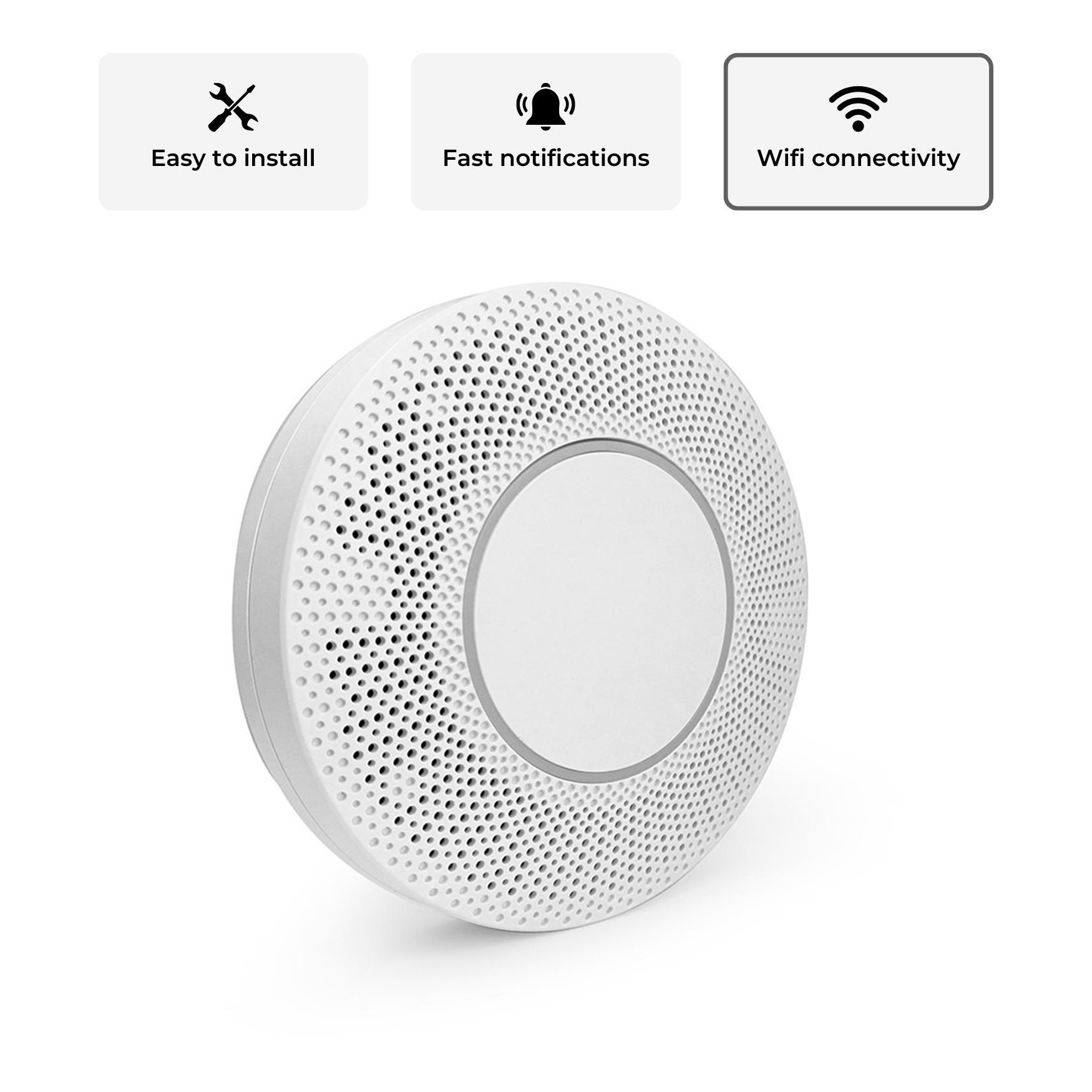
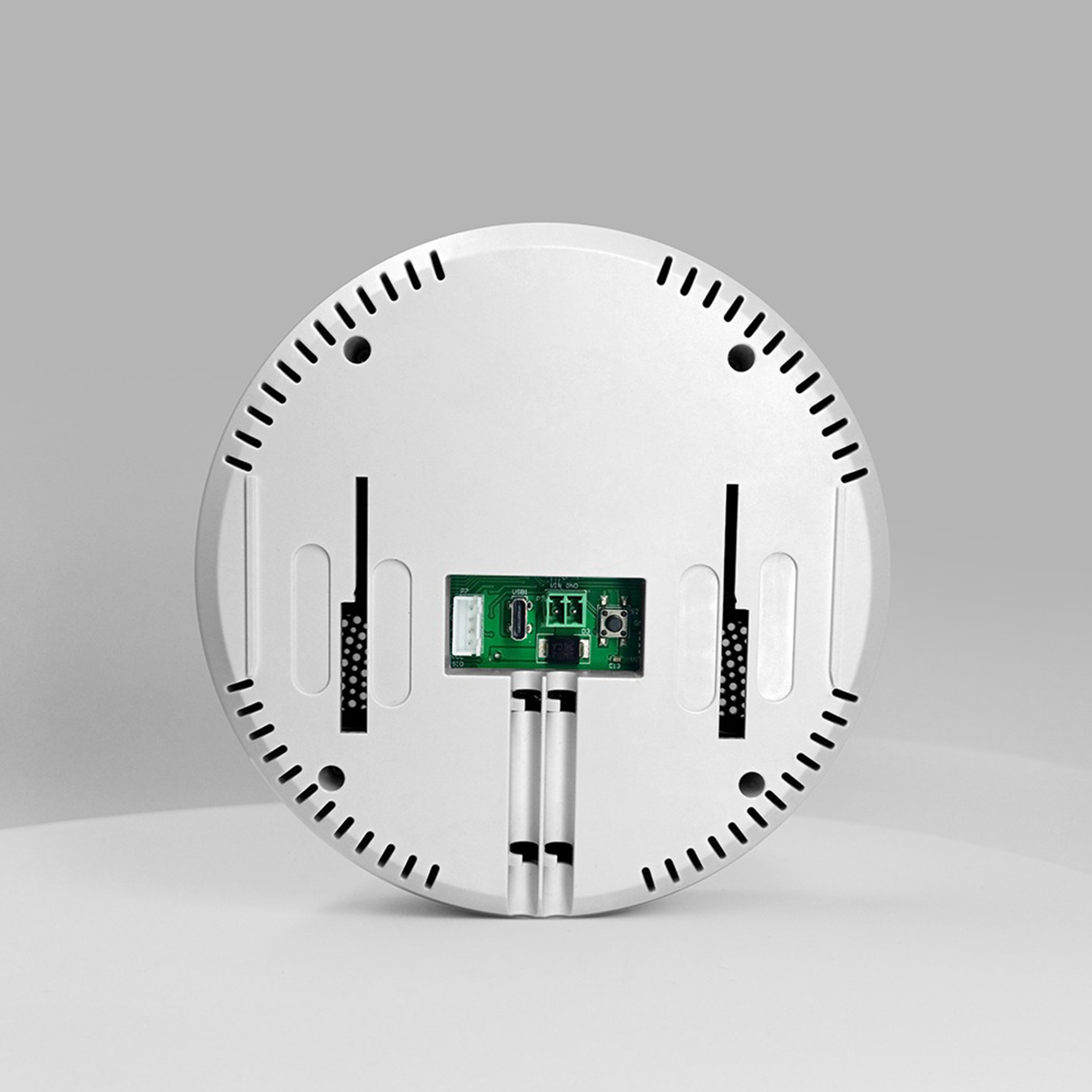
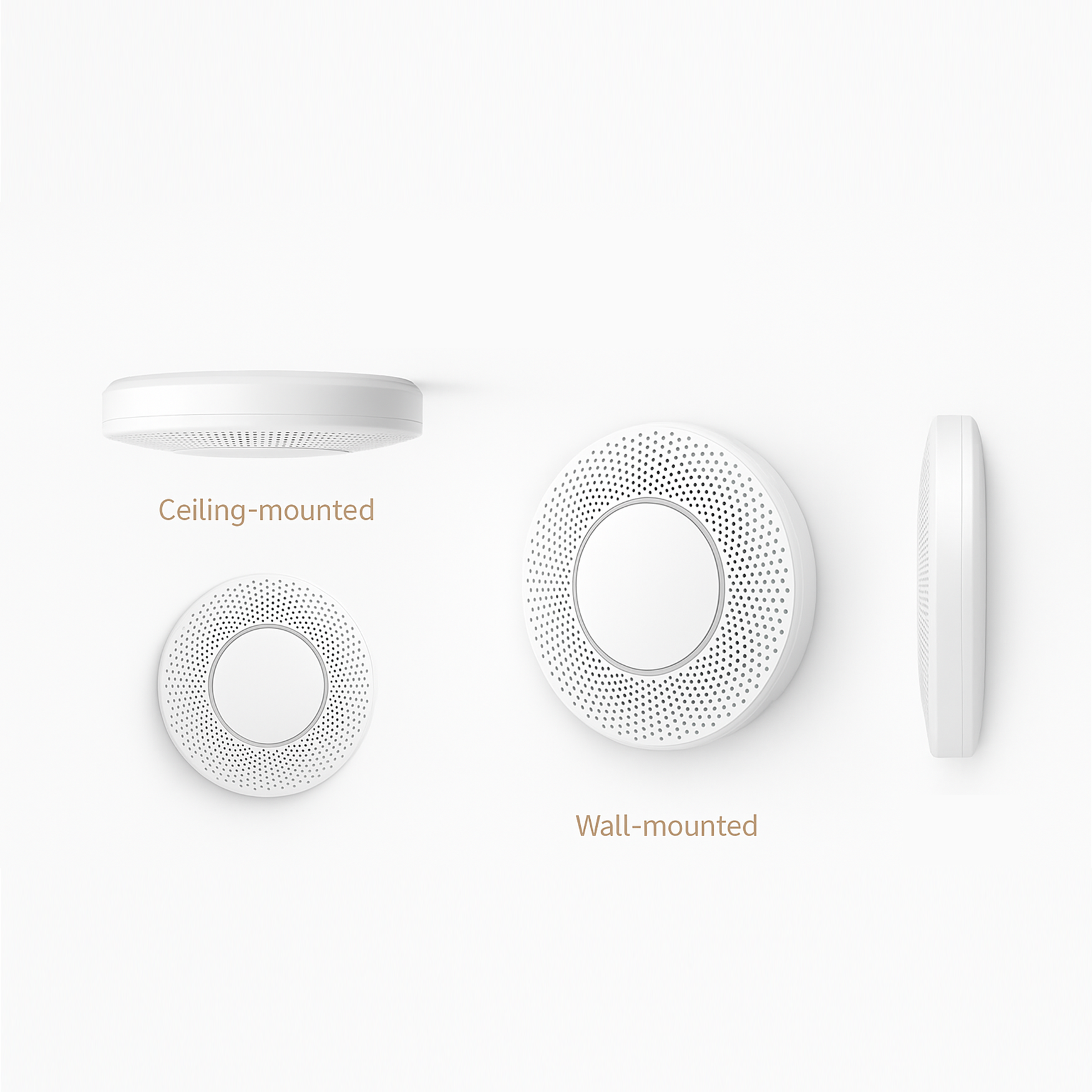
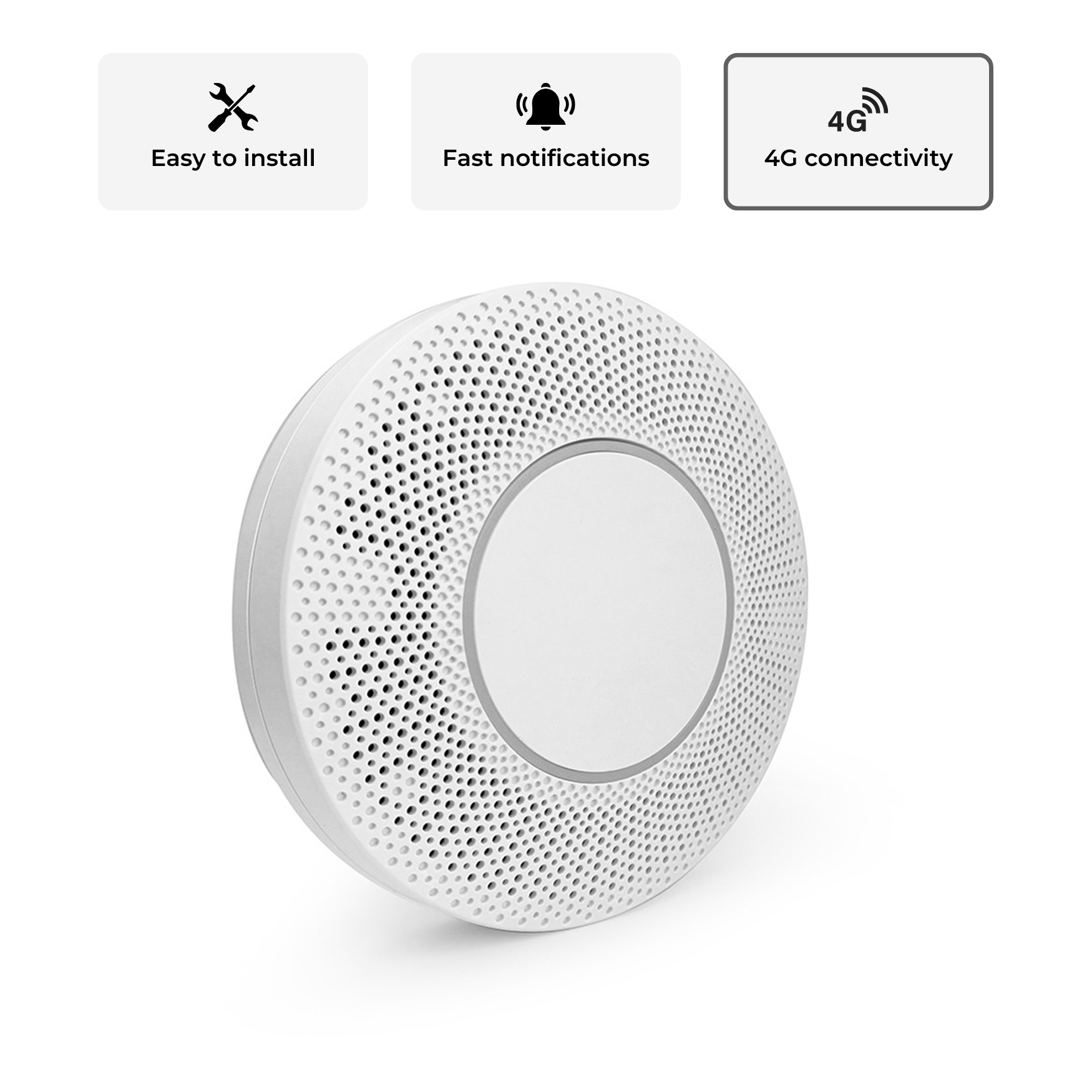
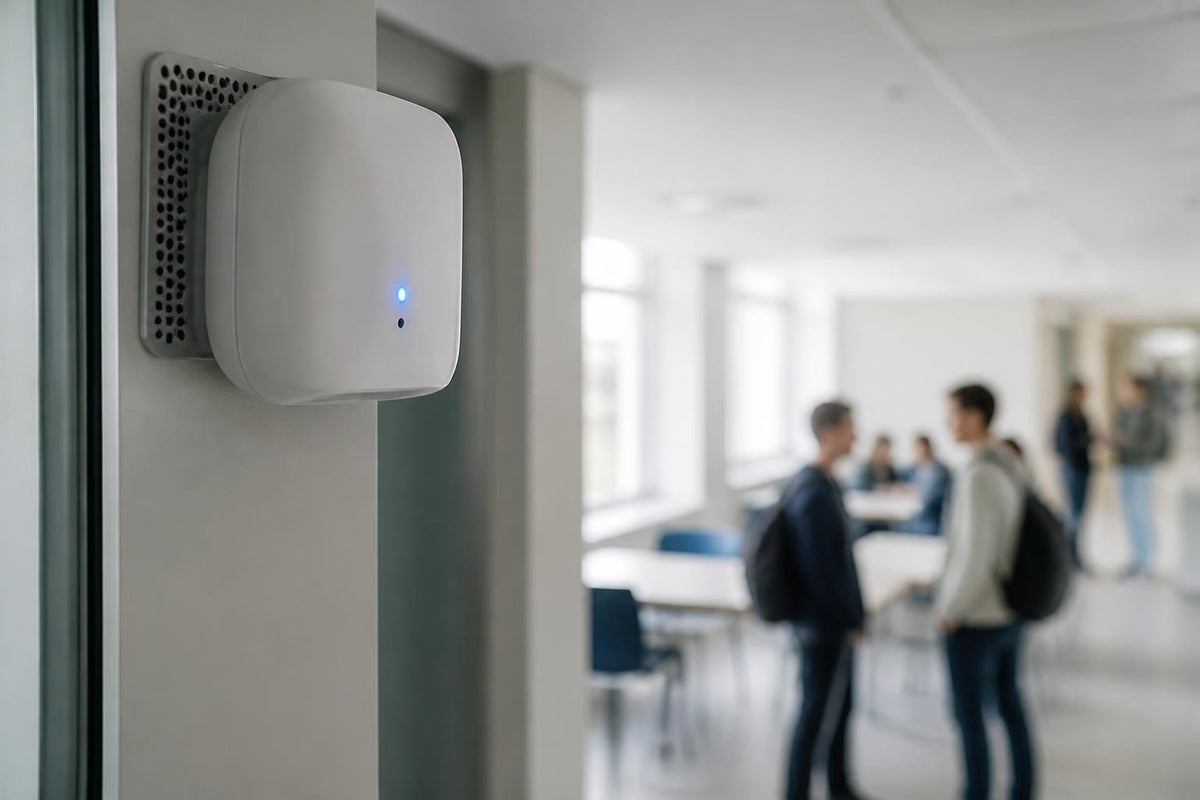
The Vape Detection System employs advanced sensor technology to monitor air quality and detect vaping, drug use, and anti-social behaviour in real time, providing immediate alerts to designated staff members. This approach enables schools and workplaces to respond quickly to incidents without requiring invasive individual testing.

Installation Considerations for Maximum Effectiveness
Proper sensor placement dramatically impacts detection reliability and coverage. Facilities should consider:
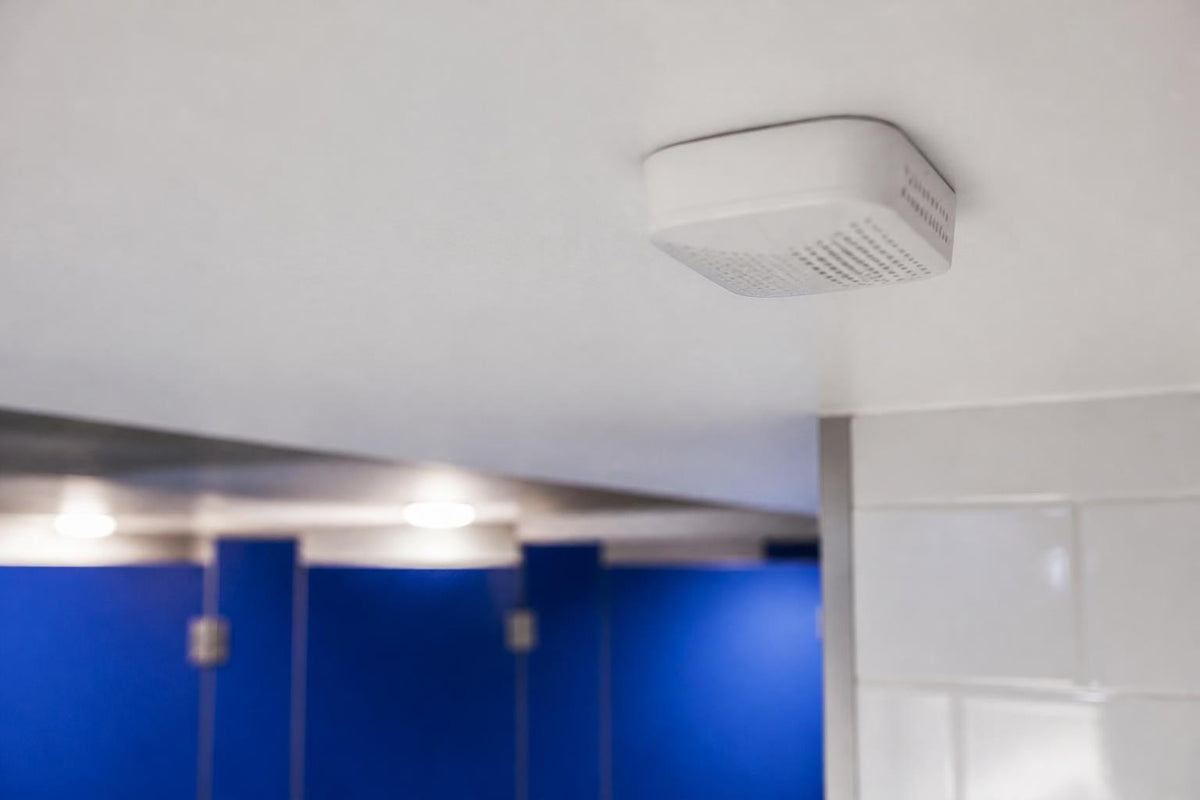
- High-risk areas: Bathrooms, changing rooms, and secluded spaces where vaping is most likely to occur
- Ventilation patterns: Air flow affects aerosol distribution and sensor exposure
- Coverage density: Number of sensors required based on room size and layout
- Accessibility: Positioning that prevents tampering whilst allowing maintenance access
- Privacy compliance: Locations that monitor activity without capturing personal data
Schools implementing vape detection in bathrooms have reported significant reductions in vaping incidents, with the presence of visible sensors serving both detection and deterrent functions.

Biological Testing Methods
Whilst environmental monitoring detects vaping events, biological testing identifies THC use in specific individuals. This approach becomes relevant in disciplinary proceedings, employment screening, and compliance verification.
Oral Fluid Testing
Oral fluid (saliva) has emerged as the preferred specimen for point-of-care thc vape detection. Research published on cannabinoid detection in oral fluid demonstrates several advantages over traditional urine testing:
Benefits of oral fluid testing:
- Non-invasive collection with direct observation
- Shorter detection window (recent use only)
- Reduced potential for specimen adulteration
- Correlation with current impairment
- More acceptable to test subjects
Limitations to consider:
- More expensive per test than urine
- Smaller detection window may miss chronic use
- Collection technique affects result reliability
- Limited historical data compared to urine
Detection Windows and Interpretation
Understanding detection windows is critical for selecting appropriate testing methods and interpreting results accurately.
| Specimen Type | Occasional Use | Frequent Use | Chronic Use | Best Application |
|---|---|---|---|---|
| Blood | 3-12 hours | 3-12 hours | 12-24 hours | Impairment assessment |
| Oral fluid | 24-48 hours | 48-72 hours | Up to 7 days | Recent use verification |
| Urine | 3-7 days | 7-21 days | 30+ days | Historical use screening |
| Hair | Not applicable | 90 days | 90+ days | Long-term use patterns |
The choice between testing methods depends on organisational objectives. Schools investigating specific incidents typically benefit from oral fluid testing's shorter window, which correlates more closely with recent vaping activity. Workplace programmes monitoring chronic use may prefer urine testing's extended detection period.
Cutoff Concentrations and Confirmation Testing
Screening tests employ cutoff concentrations to distinguish positive from negative results. The SAMHSA mandatory guidelines establish federal cutoffs, though organisations may adopt different thresholds based on their requirements.
Initial screening tests require confirmation through more sophisticated analytical methods, typically gas chromatography-mass spectrometry (GC-MS) or liquid chromatography-tandem mass spectrometry (LC-MS/MS). This two-step process minimises false positives whilst maintaining cost effectiveness for high-volume testing.
Novel Cannabinoids and Detection Challenges
The emergence of semi-synthetic cannabinoids in vape products presents new challenges for thc vape detection systems. Compounds such as delta-8-THC, THC-O acetate, and hexahydrocannabinol (HHC) may evade detection methods designed exclusively for delta-9-THC.
Synthetic Cannabinoid Proliferation
The UNODC forensic surveillance report documents the international spread of novel cannabinoids in e-liquids. These substances often exist in legal grey areas, marketed as "legal highs" despite producing effects similar to traditional THC.
Detection systems must evolve to identify:
- Delta-8-THC and its isomers
- THC-O acetate and other acetate esters
- Hexahydrocannabinol variants
- Synthetic cannabinoid receptor agonists
- Designer cannabinoids evading specific prohibitions
Updating Detection Protocols
Organisations implementing thc vape detection programmes should ensure their chosen technologies and testing methods remain current with emerging substances. This requires:
- Regular reviews of detection capabilities against known substances
- Vendor partnerships that provide technology updates
- Integration with intelligence on new cannabinoid products
- Training for staff on identifying unfamiliar vaping devices
- Flexible policies that address substance categories rather than specific compounds
The rise of novel cannabinoids in schools particularly concerns safeguarding leads, as many young people incorrectly believe these substances are safe or legal. Comprehensive vape detection for schools must address both traditional THC and emerging cannabinoid products.
Implementation Strategies for Organisations
Successful thc vape detection programmes require more than technology deployment. Organisations must integrate detection capabilities within broader policy frameworks, educational initiatives, and response protocols.
Developing Comprehensive Vape Policies
Effective policies establish clear expectations, consequences, and support mechanisms. Schools and workplaces should develop frameworks that:
- Define prohibited substances and activities explicitly
- Outline detection methods and technologies employed
- Specify consequences for policy violations
- Provide support resources for individuals struggling with substance use
- Ensure consistency with legal requirements and best practices
Creating robust vape-free policies involves stakeholder consultation, legal review, and clear communication to all affected parties.
Staff Training and Response Protocols
Technology alone cannot address vaping incidents. Staff require training to:
Recognise vaping indicators:
- Device identification (pods, pens, mods)
- Behavioural patterns suggesting use
- Aerosol characteristics and dissipation
- Distinctive odours when present
Respond appropriately:
- Following established protocols consistently
- Documenting incidents thoroughly
- Maintaining appropriate confidentiality
- Offering support rather than only punishment
Integration with Pastoral Care
Particularly in educational settings, thc vape detection should connect with broader student wellbeing initiatives. Research increasingly demonstrates that vaping serves as a gateway to smoking for one in three teenagers, highlighting the importance of early intervention.
Schools implementing detection programmes should simultaneously:
- Provide education about vaping risks, including THC-specific harms
- Offer confidential support for students struggling with substance use
- Engage parents and carers in prevention efforts
- Connect students with specialist services when appropriate
- Monitor trends to identify emerging issues early

Cost Considerations and Return on Investment
Implementing thc vape detection systems requires financial investment, though the costs must be weighed against the expenses associated with unaddressed vaping incidents.
Direct Implementation Costs
Organisations should budget for:
- Hardware sensors and installation (£500-£1,500 per unit typically)
- Software platforms and cloud services (subscription models common)
- Network infrastructure and integration
- Staff training and policy development
- Ongoing maintenance and sensor calibration
- Testing supplies if employing biological screening
The vape detector cost breakdown provides detailed analysis of investment requirements for educational settings.
Indirect Costs of Inaction
Failing to address THC vaping carries significant hidden expenses:
| Cost Category | Annual Impact | Potential Savings with Detection |
|---|---|---|
| Staff time investigating incidents | £5,000-£15,000 | 60-80% reduction |
| Property damage and maintenance | £2,000-£8,000 | 50-70% reduction |
| Insurance premiums | Variable | Potential discounts available |
| Reputational damage | Difficult to quantify | Prevention of negative incidents |
| Legal liability | £10,000+ per incident | Risk mitigation |
Measuring Programme Effectiveness
Organisations should establish metrics to evaluate their thc vape detection programmes:
- Incident frequency: Number of vaping events detected over time
- Response times: Speed of staff intervention following alerts
- Deterrent effect: Reduction in attempts as awareness spreads
- Air quality improvements: Measurable enhancement in monitored environments
- Stakeholder satisfaction: Feedback from staff, students, parents, or employees
Privacy, Ethics, and Legal Compliance
Implementing thc vape detection programmes raises important questions about privacy, proportionality, and individual rights. Organisations must navigate these considerations carefully to maintain legal compliance and community trust.
Data Protection Obligations
UK organisations must ensure their detection programmes comply with UK GDPR and the Data Protection Act 2018. Key principles include:
Lawfulness, fairness, and transparency:
- Clear communication about monitoring activities
- Legitimate basis for processing (legal obligation, vital interests, public task)
- Transparent policies accessible to all stakeholders
Purpose limitation and data minimisation:
- Collecting only data necessary for vaping detection
- Avoiding function creep into general surveillance
- Specific retention periods for incident records
- Regular review and deletion of historical data
Security and confidentiality:
- Access controls limiting who can view alerts
- Encrypted data transmission and storage
- Audit trails tracking system access
- Incident response procedures for data breaches
Balancing Detection with Individual Rights
Environmental monitoring systems offer advantages over individual testing by detecting incidents without initially identifying specific persons. This approach respects privacy whilst maintaining effective deterrence.
When incidents occur, organisations should:
- Investigate proportionately to the severity
- Consider context and individual circumstances
- Offer opportunities for explanation
- Apply consequences consistently
- Document decision-making rationale
- Provide appeal mechanisms
Vulnerable Populations
Schools face particular responsibilities when implementing thc vape detection, as young people enjoy additional protections under safeguarding frameworks. Detection programmes should prioritise welfare and support over punishment, recognising that substance use often signals underlying difficulties requiring intervention.
The hidden health risks of vaping affect young people disproportionately, making early detection and intervention critical for long-term wellbeing.
Future Developments in THC Vape Detection
The field of thc vape detection continues to evolve rapidly, with emerging technologies promising improved accuracy, reduced costs, and enhanced capabilities.
Artificial Intelligence and Machine Learning
AI algorithms are increasingly deployed to:
- Distinguish between different vaping substances with greater accuracy
- Identify patterns suggesting organised vaping activity
- Predict high-risk times and locations based on historical data
- Reduce false positives through sophisticated pattern recognition
- Adapt to new substances and device types automatically
Miniaturisation and Integration
Sensor technology continues to become smaller, more affordable, and easier to integrate within existing building management systems. Future developments may include:
- Integration with HVAC systems for automated response
- Smartphone apps providing instant alerts to designated staff
- Portable detection devices for spot-checking areas
- Wearable sensors for high-security environments
- Multi-function devices combining vaping, air quality, and security monitoring
Biomarker Research
Ongoing research into THC biomarkers may yield new detection methods offering improved accuracy and longer detection windows. Scientists are exploring:
- Novel metabolites specific to vaping administration
- Improved correlation between biomarker levels and impairment
- Non-invasive testing methods (breath, perspiration)
- Rapid point-of-care devices with laboratory-quality accuracy
Understanding how vape detectors work in bathrooms and other challenging environments will continue to improve as technology advances.
Creating Supportive Environments Beyond Detection
Whilst thc vape detection technology provides essential monitoring capabilities, organisations achieve the best outcomes by combining detection with education, support, and culture change initiatives.
Educational Programmes
Effective vaping prevention requires honest, evidence-based education that resonates with target audiences. Programmes should:
- Present factual information about risks without exaggeration
- Address specific harms associated with THC vaping
- Acknowledge why people vape rather than dismissing motivations
- Provide practical strategies for resisting peer pressure
- Connect vaping to broader discussions about health and wellbeing
Support Services
Detection programmes should connect to accessible support for individuals struggling with substance use:
- Confidential counselling services
- Specialist assessment and referral pathways
- Peer support programmes
- Family engagement and education
- Monitoring and follow-up for sustained behaviour change
Cultural Approaches
Organisations with strong cultures of health and wellbeing experience lower rates of problematic vaping. Building these cultures requires:
- Leadership modelling healthy behaviours
- Positive messaging about smoke-free, vape-free environments
- Celebration of individuals and groups maintaining standards
- Regular reinforcement through multiple channels
- Integration with broader health and wellbeing initiatives
Schools addressing underage vaping most successfully combine technology, policy, education, and support within comprehensive whole-school approaches.
Multi-Site Deployment Strategies
Organisations managing multiple locations face additional complexity when implementing thc vape detection programmes. Consistency, centralised oversight, and local flexibility must be balanced carefully.
Centralised Management Platforms
Cloud-based platforms enable organisations to:
- Monitor all locations from single dashboards
- Compare performance across sites
- Identify trends affecting multiple locations
- Deploy updates and configuration changes centrally
- Generate organisation-wide reports
- Maintain consistent policies whilst allowing local adaptation
Phased Implementation
Large-scale deployments typically succeed through phased approaches:
Phase 1: Pilot programme (3-6 months)
- Deploy in limited locations or areas
- Test technologies and protocols
- Gather feedback from staff and users
- Refine policies and procedures
- Measure outcomes and adjust approach
Phase 2: Expansion (6-12 months)
- Deploy to additional sites based on pilot learning
- Continue monitoring and adjustment
- Build staff capability and confidence
- Document best practices
- Develop training materials and resources
Phase 3: Full deployment (12+ months)
- Complete rollout across all locations
- Standardise approaches whilst accommodating local needs
- Establish ongoing review and improvement processes
- Share successes and learning across organisation
- Monitor long-term trends and outcomes
Local Adaptation
Whilst maintaining overall consistency, organisations should allow local teams to:
- Adjust implementation details to facility layouts
- Tailor communication to local contexts
- Build on existing relationships and programmes
- Respond to location-specific challenges
- Contribute to organisation-wide learning
Effective thc vape detection requires combining advanced environmental monitoring technology with comprehensive policies, staff training, and support services. As THC vaping devices become more sophisticated and novel cannabinoids emerge, organisations must remain vigilant and adapt their approaches accordingly. Vape Guardian provides the advanced sensor technology, real-time alerts, and dedicated support that schools, offices, and leisure facilities need to create safer, healthier environments whilst maintaining privacy and supporting those who need help.



Share:
Best Vape Detectors: 2026 Buying Guide & Expert Reviews
Vaping in Toilets: Detection, Prevention & Solutions 2026