
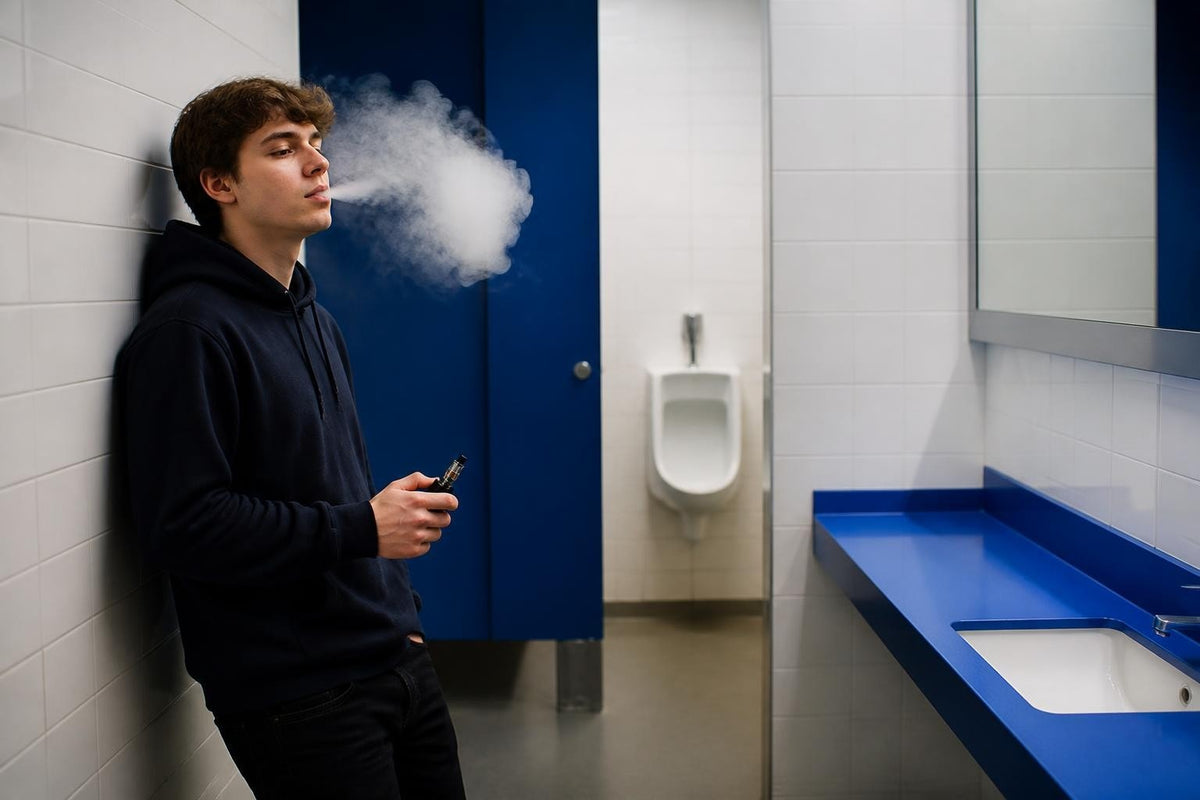
Vaping in toilets has emerged as one of the most persistent challenges facing schools, workplaces, and public venues across the UK. The privacy these spaces afford makes them attractive locations for individuals seeking to use e-cigarettes without detection, creating significant compliance and safety concerns for administrators. Research has consistently shown that bathrooms are among the most common locations for youth vaping, with the enclosed nature of these facilities providing both concealment and a false sense of security. Understanding why this behaviour persists and how organisations can effectively address it requires examining the intersection of technology, policy, and behavioural patterns.
Why Toilets Become Hotspots for Vaping Activity
The choice of toilets as vaping locations is far from random. Several factors converge to make these spaces particularly appealing to those seeking to vape discreetly.
Privacy and Limited Supervision
Restroom facilities inherently offer privacy that other areas cannot match. Unlike corridors, classrooms, or open office spaces, toilets provide individual cubicles where users believe they can engage in prohibited activities without immediate observation. This perceived anonymity creates a psychological safety net that encourages risk taking behaviour.
Key factors that make toilets attractive for vaping:
- Individual cubicles shield users from direct line of sight
- Social norms dictate that others grant privacy in these spaces
- Limited CCTV coverage due to privacy regulations
- Reduced frequency of adult supervision compared to other areas
- Multiple entry and exit points in larger facilities
The physical design of modern toilet blocks often compounds these issues. Ventilation systems, whilst intended to maintain air quality, can give users false confidence that vapour will dissipate quickly. However, the chemical composition of vape aerosols means traces remain detectable far longer than many assume.
Group Dynamics and Social Pressure
Vaping in toilets frequently occurs as a group activity, particularly in educational settings. Peer pressure plays a substantial role, with students gathering in facilities during break times or between lessons. This social dimension transforms toilet spaces into informal meeting points where vaping becomes normalised behaviour within certain groups.
Schools report that vaping education initiatives must account for these social patterns, addressing not just individual choices but the group behaviours that sustain the problem.
Health and Safety Implications
The practice of vaping in toilets extends beyond simple rule breaking, presenting genuine health and safety concerns that organisations must address proactively.
Indoor Air Quality Degradation
Enclosed toilet spaces concentrate aerosol particles, creating localised air quality issues. E-cigarette vapour contains numerous chemical compounds, and when released in confined areas with limited air exchange, these substances can accumulate to problematic levels.
| Concern | Impact in Toilet Spaces | Duration |
|---|---|---|
| Particulate matter | Elevated PM2.5 levels | 30-45 minutes |
| Volatile compounds | Chemical residue on surfaces | Several hours |
| Secondhand exposure | Risk to subsequent users | Variable |
| Odour persistence | Detectable scent markers | 1-2 hours |
According to the World Health Organization's guidance on e-cigarettes, exposure to secondhand aerosol is not harmless and poses particular risks in poorly ventilated indoor environments. Toilets, despite ventilation systems, often cannot process the volume of particulates generated during vaping sessions.
Fire Safety and Equipment Damage
Beyond respiratory concerns, vaping in toilets introduces fire hazards. Battery malfunctions, though relatively rare, pose serious risks in enclosed spaces lined with paper products and flammable materials. Additionally, sensors designed to detect smoke can be triggered by dense vapour clouds, leading to false alarms that disrupt operations and strain emergency response resources.
The condensation from vapour also damages fixtures over time. Residue accumulates on mirrors, tiles, and sensors, requiring increased maintenance and creating visible evidence of the activity.
Detection Challenges in Toilet Environments
Identifying vaping in toilets presents unique obstacles that traditional monitoring approaches cannot solve. The same privacy protections that make these spaces necessary also limit conventional surveillance options.
Legal and Ethical Boundaries
Video surveillance in toilets is prohibited under UK privacy laws, eliminating the most obvious detection method. Audio recording raises similar concerns, leaving administrators with limited tools to document incidents. This creates a verification gap where suspected behaviour cannot be definitively proven through standard means.
Staff cannot continuously monitor toilet facilities without creating their own safeguarding issues. The need to balance duty of care with personal privacy rights creates a complex operational challenge that many organisations struggle to navigate effectively.
Traditional Methods Fall Short
Visual inspections reveal only the aftermath of vaping activity. By the time staff notice lingering odours or visible residue, the individuals responsible have departed. Increased patrols may deter some activity but cannot provide comprehensive coverage across multiple facilities throughout the day.
Limitations of conventional approaches:
- Reactive rather than preventive intervention
- Inconsistent coverage across all toilet facilities
- Resource intensive staffing requirements
- Limited deterrent effect for determined users
- Difficulty establishing patterns and repeat offenders
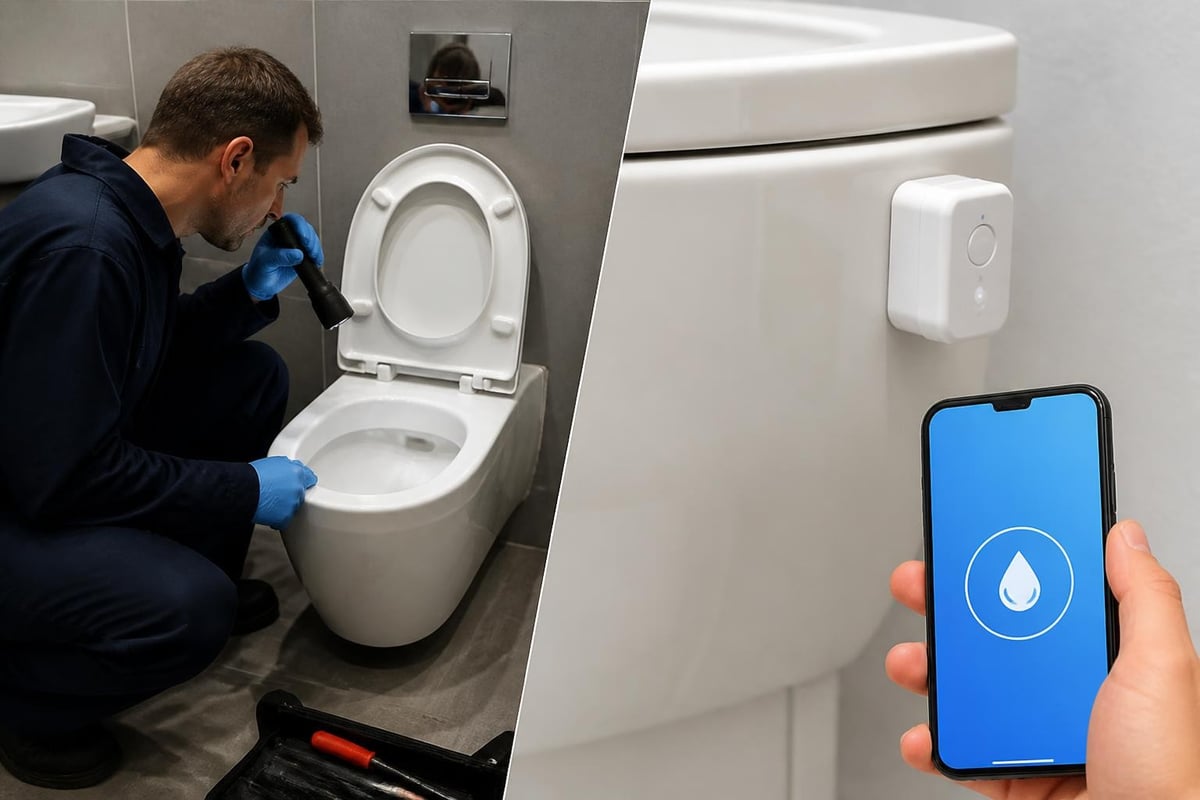
Technology Solutions for Vaping Detection
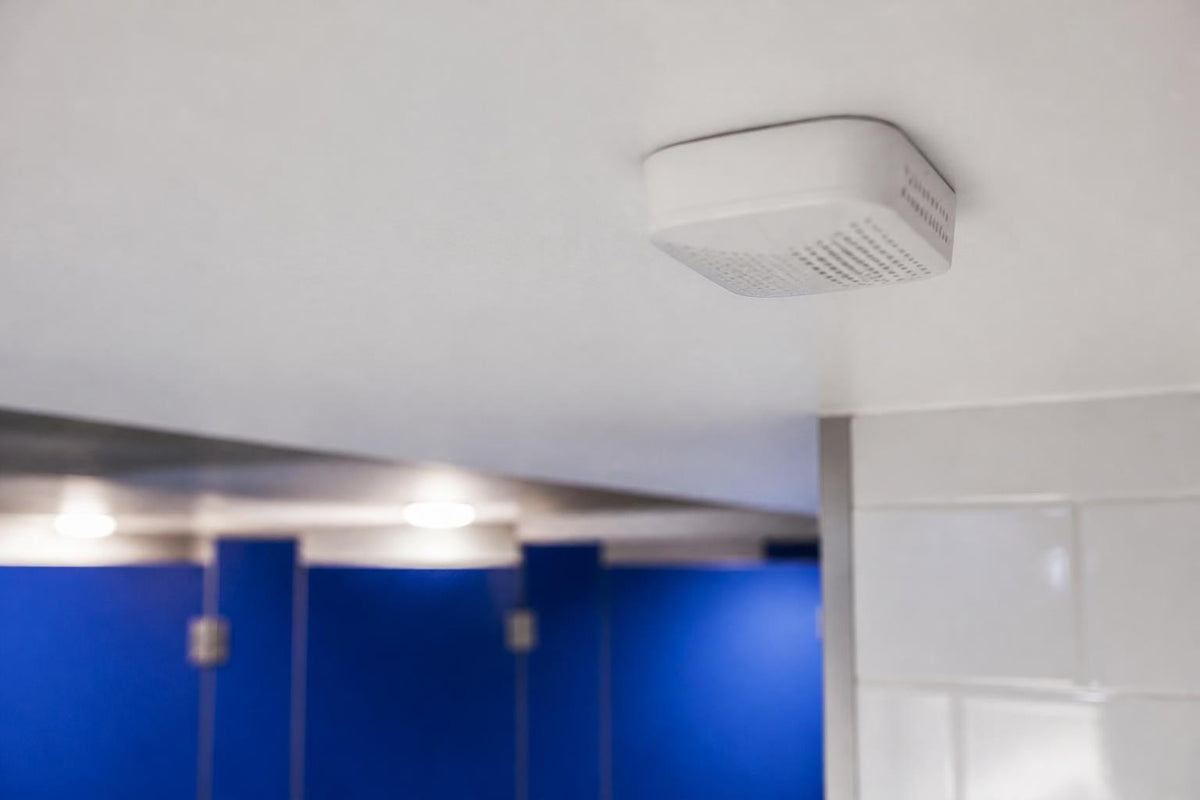
Modern sensor technology has transformed the ability to monitor for vaping in toilets whilst respecting privacy requirements. These systems provide the detection capabilities organisations need without crossing ethical boundaries.
How Vape Detection Systems Function
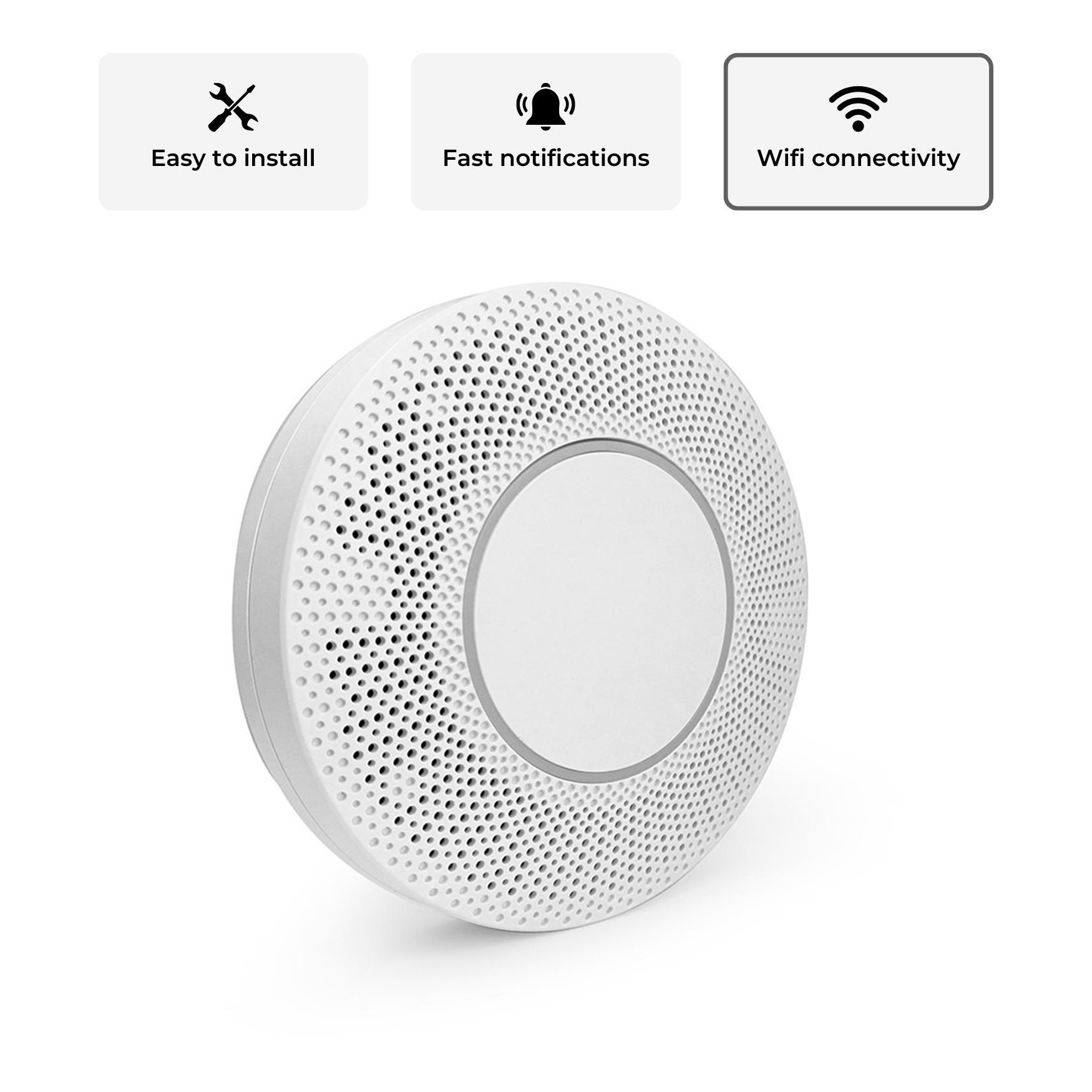
Advanced sensors analyse air quality continuously, identifying the specific chemical signatures associated with vaping products. Unlike smoke detectors that respond to combustion particles, vape detection technology recognises the unique aerosol profile of e-cigarettes, including both nicotine based products and cannabis vaping devices.
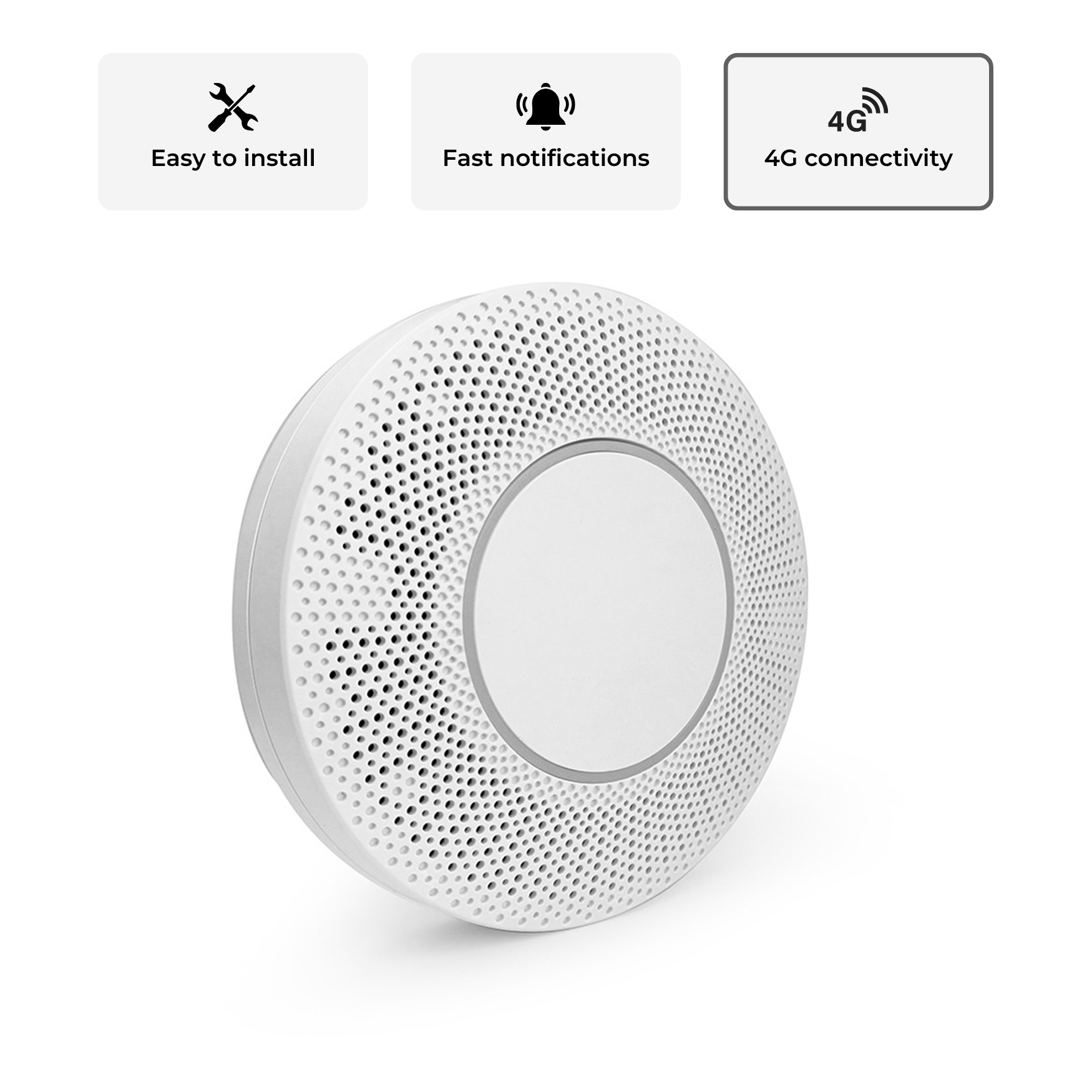
The Vape Detection System uses sophisticated algorithms to differentiate between vaping, legitimate aerosol sources like air fresheners, and environmental factors. When vaping is detected, the system generates instant alerts to designated staff members, enabling rapid response whilst the incident is ongoing.

These systems integrate with existing building management platforms, providing centralised monitoring across multiple locations. For schools managing dozens of toilet facilities, this centralisation proves invaluable for identifying problem areas and deploying resources effectively.
Real Time Alerting and Response Protocols
The value of detection technology lies not just in identification but in enabling timely intervention. When sensors in toilet facilities detect vaping, alerts reach staff smartphones within seconds. This immediacy allows personnel to respond whilst individuals are still present, creating accountability that deters future incidents.
Organisations implementing these systems report significant reductions in vaping activity within weeks of installation. The knowledge that behaviour will be detected, even in supposedly private spaces, fundamentally changes the risk calculation for would-be users.
Implementation Strategies Across Different Sectors
Vaping in toilets affects multiple sectors, each requiring tailored approaches that address their specific operational contexts and stakeholder needs.
Educational Institutions
Schools face particular pressure regarding vaping in toilets, given the prevalence of e-cigarette use among adolescents. The American Lung Association emphasises that comprehensive strategies combining education, policy enforcement, and environmental controls yield the best outcomes.
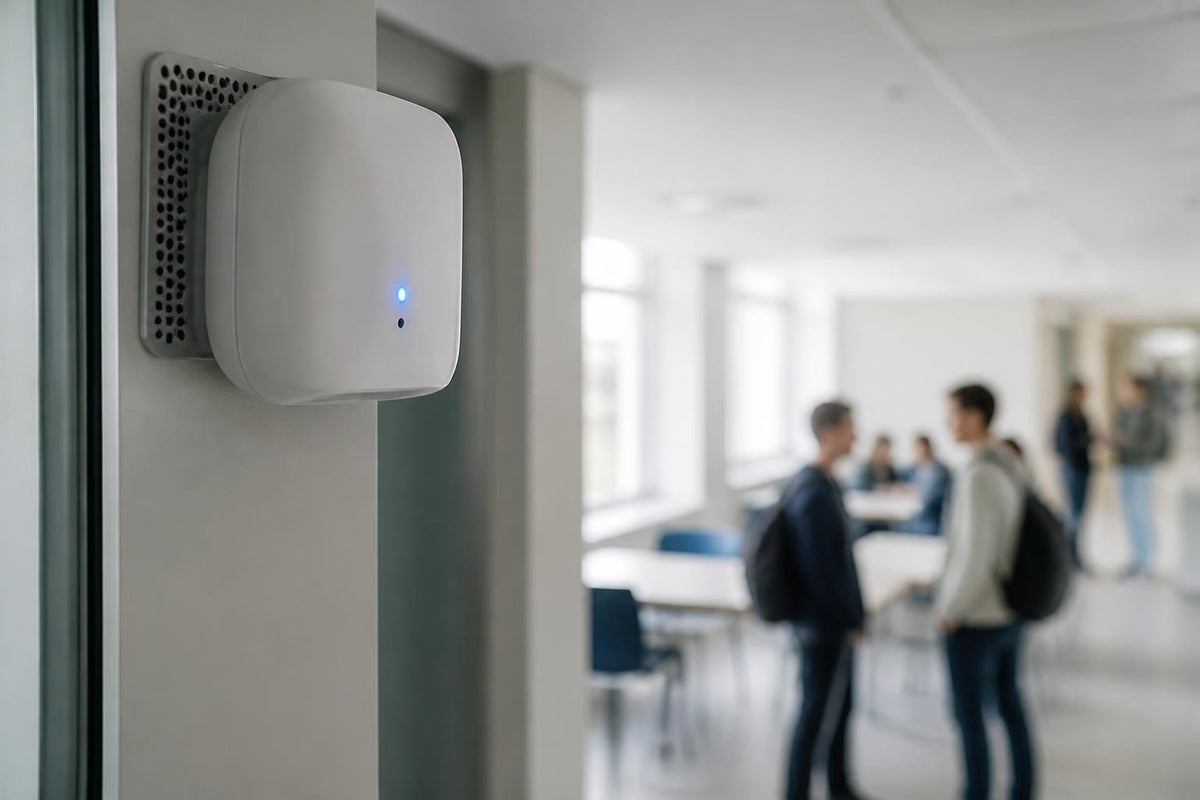
Best practice for schools includes installing detection systems in all toilet blocks, particularly those frequented by older students. Alerts should route to pastoral care teams who can combine immediate intervention with longer term support for students struggling with nicotine dependence.
Essential elements for educational settings:
- Integration with existing safeguarding frameworks
- Clear communication with students about detection capabilities
- Consistent consequence frameworks that emphasise support over punishment
- Engagement with parents when patterns of behaviour emerge
- Regular review of incident data to identify trends and target resources
Workplace Environments
Office environments face different dynamics around vaping in toilets. Adult employees may view vaping as a personal choice, creating tension when workplace policies prohibit the practice indoors. Clear communication about the reasons for restrictions, rooted in air quality and compliance with UK vaping laws, helps build understanding.
Detection systems in workplace toilets serve multiple purposes beyond enforcement. They provide objective data about air quality, support compliance with health and safety obligations, and create documentation useful should disputes arise.
Leisure and Retail Venues
Leisure facilities and retail spaces must balance customer experience with maintaining vape free environments. Public toilets in these venues can become flashpoints, with customers assuming privacy extends to permission. Clear signage combined with detection technology creates both deterrence and enforcement capability.
For venues serving alcohol, the combination of impaired judgement and easy access to private spaces makes toilet vaping particularly common. Detection systems provide the evidence needed to address incidents professionally without confrontation.
Policy Development and Enforcement
Technology alone cannot solve the challenge of vaping in toilets. Effective systems require clear policies that set expectations, outline consequences, and provide pathways for behaviour change.
Creating Comprehensive Vaping Policies
Policies should explicitly address vaping in all indoor spaces, with specific mention of toilet facilities. Ambiguity invites testing of boundaries, whereas clarity establishes non-negotiable standards. Documents should explain the reasoning behind restrictions, linking to health evidence and legal requirements.
Successful policies include:
| Component | Purpose | Implementation |
|---|---|---|
| Definition of prohibited behaviour | Eliminates loopholes | List specific devices and substances |
| Designated areas (if applicable) | Provides alternatives | Outdoor locations away from entrances |
| Escalating consequences | Ensures fairness | First offence education, repeat offences sanctions |
| Support resources | Addresses addiction | Links to cessation programmes |
| Appeal processes | Maintains trust | Clear procedures for challenging decisions |
Policies must align with broader regulatory frameworks. The global landscape of e-cigarette regulation demonstrates increasing restrictions on indoor vaping, with organisations needing to stay current as laws evolve.
Consistent Enforcement Across Facilities
Inconsistent enforcement undermines any policy. When vaping in toilets results in consequences in one building but not another, or for some individuals but not others, the entire framework loses credibility. Detection systems help by providing objective evidence that removes subjectivity from the enforcement process.
Training staff on response protocols ensures incidents are handled professionally. Best practice for handling vaping alerts emphasises calm, consistent approaches that prioritise safety whilst maintaining dignity for those involved.
Data Analytics and Pattern Recognition
Modern detection systems generate valuable data beyond simple incident alerts. Analysing patterns in vaping behaviour provides insights that inform both immediate responses and longer term strategic planning.
Identifying Temporal and Spatial Patterns
Data reveals when and where vaping in toilets occurs most frequently. Schools might discover that incidents cluster during specific lesson changes or in facilities near certain departments. Workplaces may find patterns linked to shift changes or proximity to break rooms.
Armed with these insights, organisations can deploy resources strategically. Increased staffing presence during high risk periods, targeted education campaigns addressing specific groups, or environmental modifications to reduce opportunity all become possible when data illuminates patterns.
Measuring Intervention Effectiveness
Before and after comparisons demonstrate whether interventions are working. If detection system installation reduces vaping incidents by 70% over three months, that validates the investment. If numbers remain constant despite policy changes, that signals the need for different approaches.
Regular reporting to leadership teams maintains focus on the issue and ensures resources remain allocated appropriately. Transparency about challenges and successes builds organisational commitment to maintaining vape free environments.
Supporting Individuals Struggling with Nicotine Dependence
Addressing vaping in toilets requires recognising that many users face genuine addiction. Purely punitive approaches fail to account for the physiological and psychological dimensions of nicotine dependence.
Cessation Support Resources
Organisations should provide information about vaping cessation programmes alongside enforcement actions. For young people, this might involve school counsellors trained in addiction support. For adults, employee assistance programmes or NHS smoking cessation services offer pathways to breaking nicotine dependence.
Effective support includes:
- Confidential access to counselling services
- Information about nicotine replacement therapies
- Peer support groups for those attempting to quit
- Progress monitoring and encouragement
- Relapse prevention strategies
Combining detection technology with genuine support demonstrates that organisations care about wellbeing, not just compliance. This balanced approach often proves more effective at changing behaviour than enforcement alone.
Creating Supportive Rather Than Punitive Cultures
When individuals know they will receive help rather than only punishment, they are more likely to seek assistance before problems escalate. Schools that frame vaping detection as a safeguarding issue rather than purely disciplinary often see better engagement from students and parents alike.
This does not mean eliminating consequences entirely. Clear boundaries remain essential. However, consequences should be proportionate and include opportunities for education and behaviour change, particularly for first time offences.
Future Developments in Detection and Prevention
The landscape of vaping detection continues to evolve as technology advances and understanding of the issue deepens. Several emerging trends promise to enhance capabilities for addressing vaping in toilets.
Integration with Building Management Systems
Next generation sensors will integrate more seamlessly with comprehensive building management platforms, providing unified monitoring of air quality, occupancy, temperature, and other environmental factors. This holistic view enables more sophisticated analysis and automated responses.
For example, ventilation systems might automatically increase air exchange rates when vaping is detected, accelerating the clearing of aerosols whilst alerts summon staff intervention. Energy management systems could track the costs associated with increased ventilation demand, quantifying the financial impact of vaping behaviour.
Enhanced Chemical Detection Capabilities
Sensor technology continues to improve in specificity and sensitivity. Future systems will better distinguish between different vaping products, identifying not just that vaping has occurred but potentially what substances were vaped. This has particular relevance for detecting cannabis vaping or other controlled substances in toilet facilities.
Improved detection thresholds will reduce false positives whilst ensuring genuine incidents are never missed. Machine learning algorithms will continue to refine their understanding of vaping signatures, adapting to new products as they enter the market.
Predictive Analytics and Behavioural Insights
As organisations accumulate months and years of detection data, predictive analytics will forecast where and when vaping incidents are most likely to occur. This shifts responses from reactive to proactive, enabling preventive interventions before problems manifest.
Understanding the broader behavioural context around vaping in toilets, including correlations with other factors like time of day, weather conditions, or school calendar events, will inform increasingly sophisticated prevention strategies.
Addressing vaping in toilets requires combining clear policy, effective technology, and genuine support for those struggling with nicotine dependence. By implementing comprehensive detection systems and creating cultures that prioritise health and compliance, organisations can significantly reduce incidents whilst maintaining the privacy and dignity all individuals deserve. Vape Guardian specialises in providing the advanced detection technology and expert support needed to create safer, vape free environments across schools, workplaces, and public venues throughout the UK.




Share:
THC Vape Detection: Technology, Testing & Policy in 2026
Teenage Vaping Statistics 2026: UK Trends & Data