
The landscape of youth vaping has transformed dramatically over the past five years, with teenage vaping statistics painting an increasingly concerning picture for educators, parents, and public health officials across the United Kingdom. As we examine the data from 2026, the numbers reveal not just isolated incidents but a systemic challenge that requires urgent attention and evidence based intervention strategies. Understanding these statistics is the first step towards creating safer environments in schools, colleges, and community spaces where young people spend their formative years.
The Current State of Teenage Vaping in the UK
Teenage vaping statistics from 2026 show that approximately 15.8% of secondary school students have tried vaping at least once, with 7.2% reporting regular use defined as weekly or more frequently. These figures represent a sharp increase from 2024 data, when regular use stood at 4.9% among the same age group.
Key prevalence findings include:
- Students aged 15 to 17 demonstrate the highest usage rates at 11.4%
- Female students now match male students in vaping prevalence, closing a gap that existed until 2024
- First time vaping initiation most commonly occurs at age 13.6 years
- 68% of teenage vapers report using flavoured products, particularly fruit and sweet varieties
The World Health Organization's 2024 report on youth e-cigarette uptake highlights that flavoured products serve as a primary driver of adolescent experimentation, a pattern mirrored precisely in UK teenage vaping statistics.
Regional Variations Within the UK
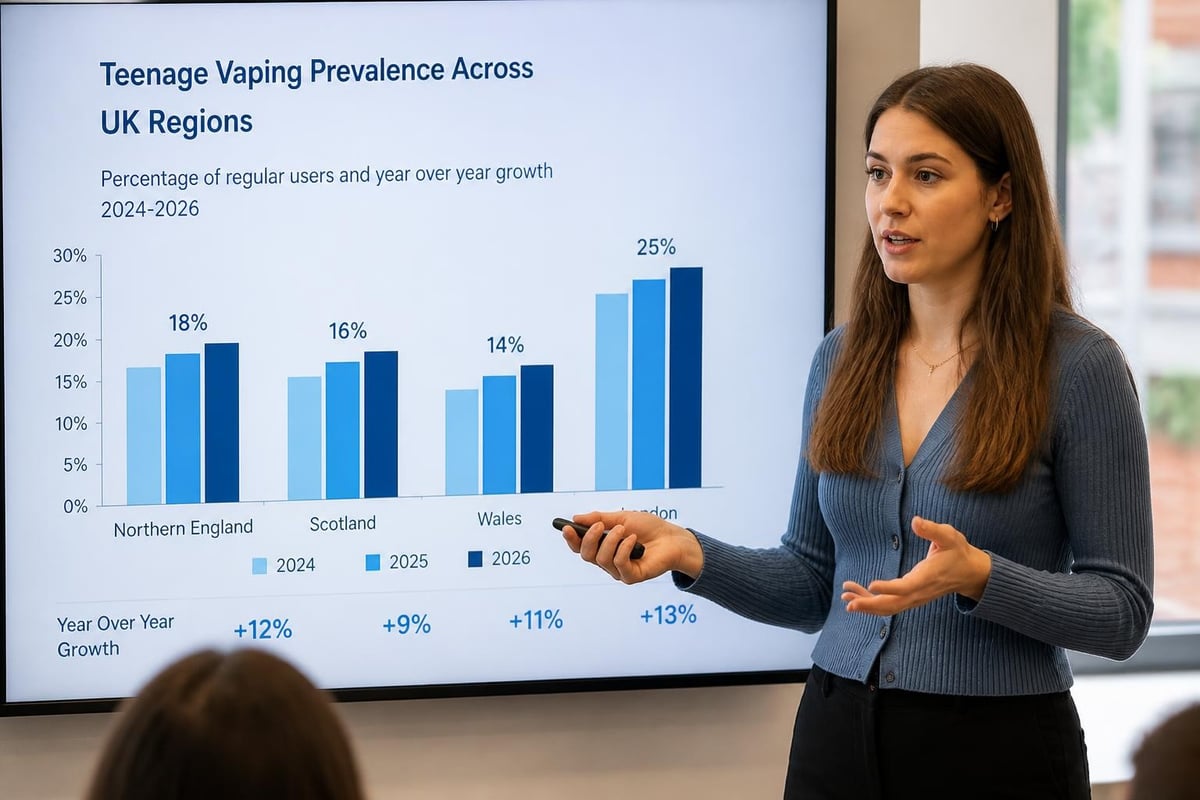
Significant geographical disparities emerge when examining teenage vaping statistics across different regions. Northern England reports the highest prevalence at 9.1% regular use, whilst Scotland shows 6.8% and Wales 7.4%. London and the South East demonstrate slightly lower rates at 6.3%, though these areas show the fastest rate of increase year on year.
Frequency and Dependency Patterns
Beyond simple prevalence, teenage vaping statistics reveal concerning patterns around frequency and dependency. Among those who vape regularly, 43% report using their device daily, with 22% vaping multiple times per day. These usage patterns suggest nicotine dependency rather than occasional experimentation.
| Usage Frequency | Percentage of Teen Vapers | Increase Since 2024 |
|---|---|---|
| Daily (multiple times) | 22% | +8% |
| Daily (once) | 21% | +5% |
| Weekly (3-6 times) | 31% | +3% |
| Weekly (1-2 times) | 17% | +2% |
| Less than weekly | 9% | -18% |
The Truth Initiative's 2024 NYTS analysis confirms similar dependency signals across international teenage vaping statistics, noting that frequent use correlates strongly with nicotine dependence symptoms including difficulty quitting and withdrawal experiences.
Signs of Nicotine Dependence
Research indicates that 56% of teenagers who vape daily report at least one symptom of nicotine dependence. These symptoms include strong cravings within 30 minutes of waking, unsuccessful quit attempts, and anxiety when unable to vape. The speed at which dependency develops in adolescent brains remains significantly faster than in adults due to ongoing neurological development.
Product Types and Nicotine Concentrations
Teenage vaping statistics demonstrate a clear preference for disposable devices, with 78% of underage users choosing these products over refillable systems. The convenience, flavour variety, and lower upfront cost make disposables particularly appealing to younger users who lack regular income.
Nicotine concentration data shows:
- 61% use products containing 20mg/ml nicotine (the legal UK maximum)
- 23% use products between 10-19mg/ml
- 12% use products under 10mg/ml
- 4% report using zero nicotine products
These teenage vaping statistics are particularly concerning given that 20mg/ml represents an extremely high nicotine dose, equivalent to approximately one to two packs of cigarettes. The National Academies' comprehensive review of e-cigarette health consequences emphasises that adolescent nicotine exposure can harm brain development, affecting attention, learning, and impulse control well into the mid twenties.
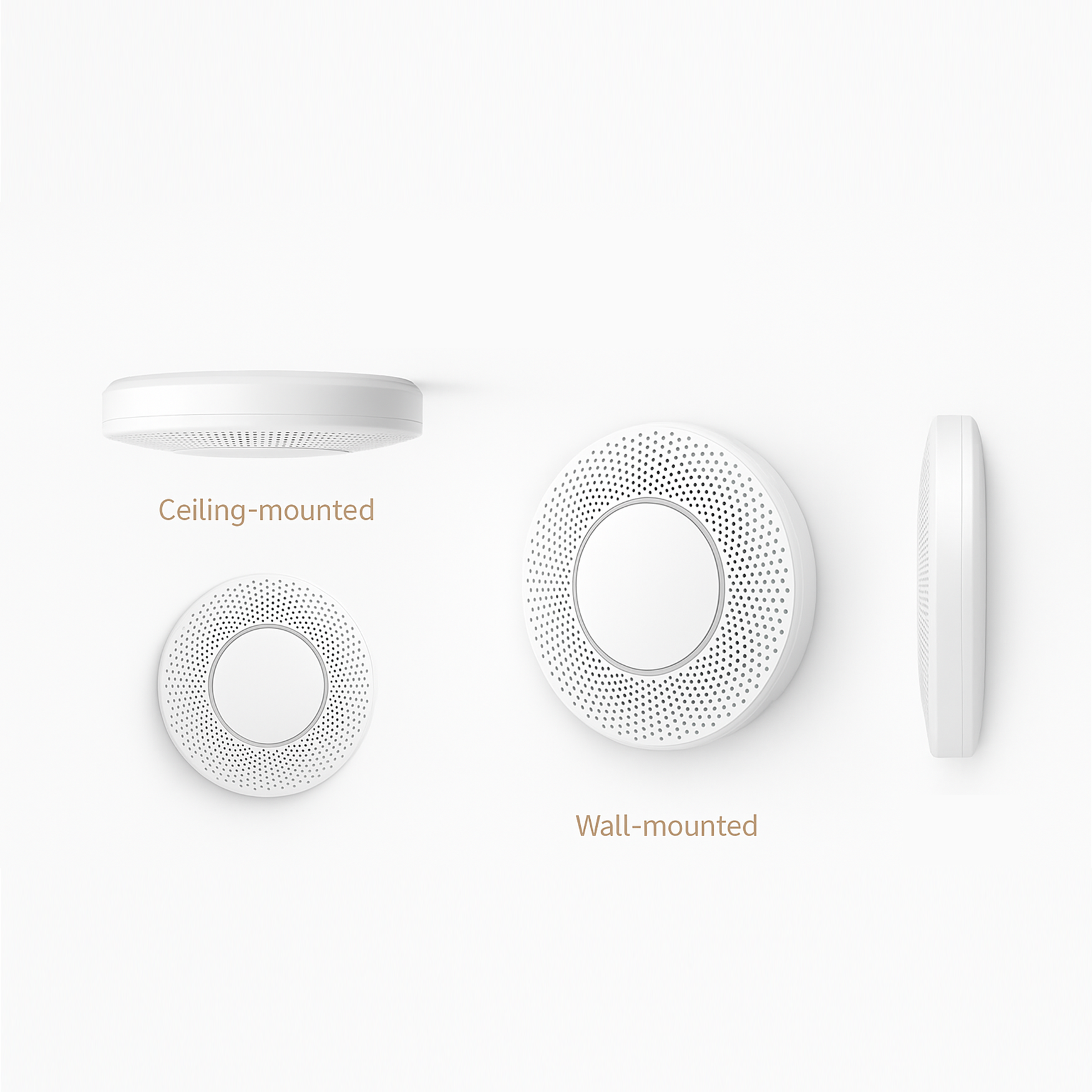
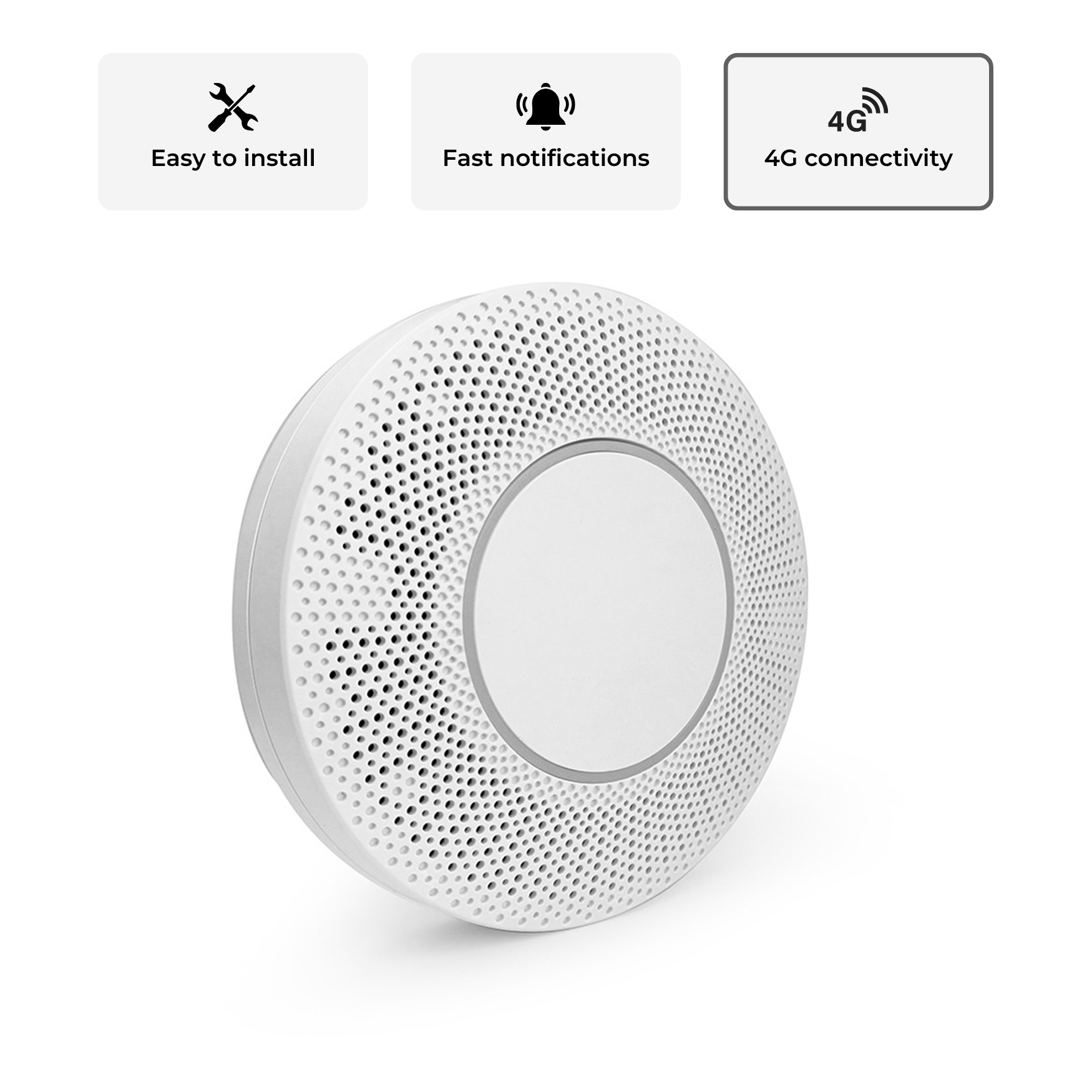
Modern vaping detection solutions help schools identify when and where vaping occurs on campus. The Vape Detection System from Vape Guardian offers real time alerts and comprehensive monitoring across multiple locations, enabling rapid intervention before occasional use becomes habitual dependency.

Health Impact Statistics
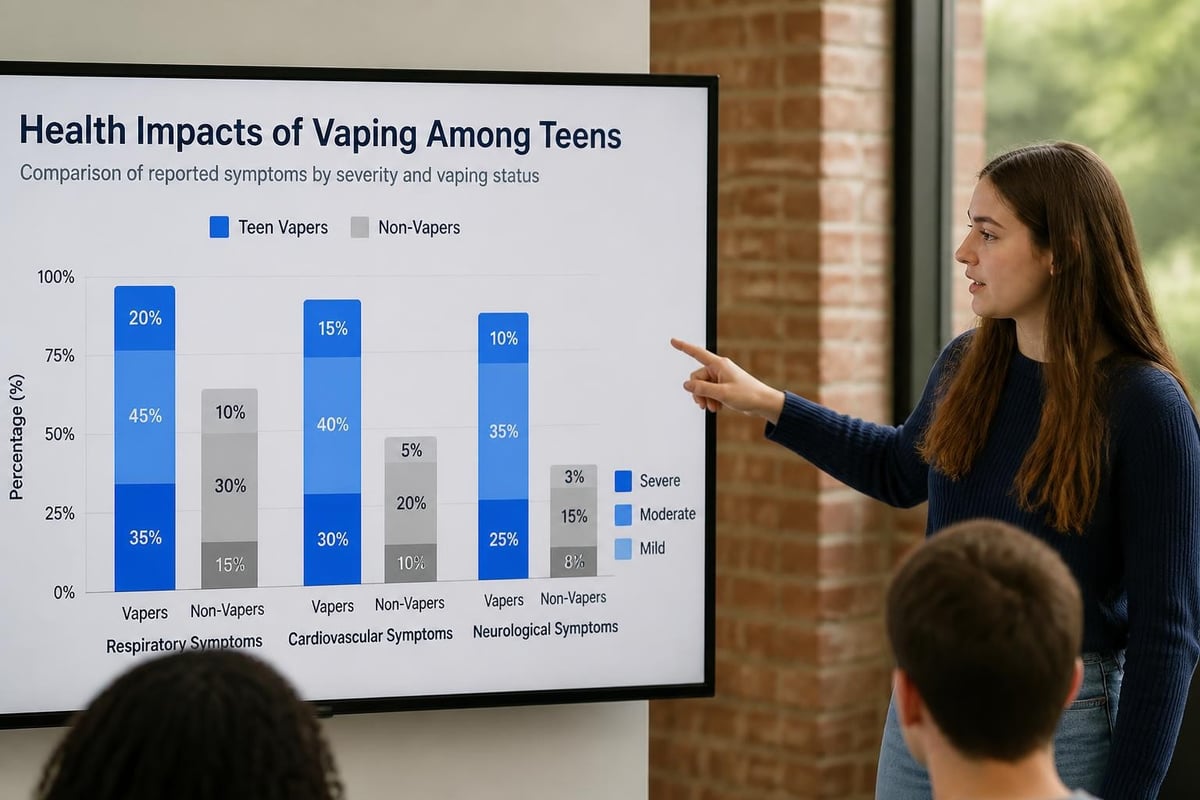
The physical health consequences revealed in teenage vaping statistics extend beyond nicotine dependency. Recent peer reviewed research published in PMC examining adolescent lung function found measurable changes in respiratory health among teenage vapers compared to non users.
Reported health impacts include:
- 34% of teen vapers report occasional shortness of breath during physical activity
- 28% experience persistent cough lasting more than three weeks
- 19% report chest tightness or discomfort
- 41% acknowledge sleep disruption patterns
- 37% report increased anxiety or mood changes
These teenage vaping statistics align with emerging clinical evidence that vaping affects multiple physiological systems. Respiratory symptoms appear most commonly, but cardiovascular and neurological impacts also feature prominently in self reported data.
Mental Health Correlations
Teenage vaping statistics reveal a bidirectional relationship with mental health challenges. Adolescents with existing anxiety or depression demonstrate vaping rates 2.3 times higher than peers without these conditions. Simultaneously, regular vaping correlates with increased reports of anxiety symptoms, creating a concerning feedback loop.
Access and Purchase Methods
Despite regulations prohibiting sales to anyone under 18, teenage vaping statistics show that 83% of underage users successfully obtain vaping products. Understanding access routes proves essential for developing effective prevention strategies.
| Access Method | Percentage Using This Method | Primary Age Group |
|---|---|---|
| Friends or siblings | 42% | 13-15 years |
| Social media sellers | 24% | 14-17 years |
| Retailers without age verification | 18% | 16-17 years |
| Older acquaintances | 11% | 13-16 years |
| Taken from parents/relatives | 5% | 12-14 years |
The proliferation of unregulated online sellers and social media based distribution networks features prominently in teenage vaping statistics. These platforms often operate outside traditional retail oversight, making enforcement challenging for authorities. The Campaign for Tobacco Free Kids' 2025 annual report documents these evolving distribution channels and their impact on youth access.
School Based Detection and Incidents
Educational institutions report that teenage vaping statistics within their premises show 64% of secondary schools experiencing weekly vaping incidents, up from 41% in 2024. Most incidents occur in toilets, changing rooms, and other areas with limited adult supervision.
Schools implementing comprehensive detection systems report different outcomes. As detailed in guidance on vape detection for schools, proactive monitoring reduces incidents by an average of 67% within the first six months of implementation.
Incident location breakdown:
- School toilets: 71% of all incidents
- Changing facilities: 14%
- stairwells and corridors: 9%
- Outdoor areas near campus: 4%
- Classrooms during breaks: 2%
These teenage vaping statistics highlight the need for detection technology specifically designed for bathroom environments, where traditional supervision methods prove impractical. Schools can explore more about detecting vaping in toilets through targeted sensor placement and alert systems.
Socioeconomic Factors in Teenage Vaping
Teenage vaping statistics reveal complex patterns across socioeconomic groups. Contrary to some assumptions, vaping prevalence shows relatively even distribution across income brackets, though product types and usage patterns differ. Students from lower income households demonstrate higher rates of disposable device use (84% versus 72% in higher income groups), likely reflecting the lower initial investment required.
Parental education levels correlate inversely with teenage vaping rates. Children of parents without post secondary education show usage rates of 9.8%, compared to 5.4% among children whose parents hold university degrees. These teenage vaping statistics suggest that education and awareness play crucial preventive roles.
Peer Influence and Social Dynamics
The social dimension of teenage vaping statistics proves particularly significant. Adolescents with three or more close friends who vape demonstrate a usage rate of 31.2%, compared to just 3.1% among those whose peer groups do not vape. This 10 fold difference underscores the powerful role of social normalisation in youth vaping behaviour.
Marketing Exposure and Brand Awareness
Teenage vaping statistics demonstrate concerningly high levels of brand awareness and marketing exposure among young people. Despite advertising restrictions, 89% of teenagers can name at least three vaping brands, and 67% recall seeing vaping related content on social media within the past month.
The Truth Initiative's report on the evolving nicotine market documents how flavoured products and youth oriented marketing continue to outpace regulatory responses. UK teenage vaping statistics mirror these international patterns, with flavour names and packaging designs clearly targeting younger demographics.
Cessation Attempts and Success Rates
Among teenage vapers who wish to quit, the statistics reveal significant challenges. Of those who have attempted to stop vaping, only 18% maintain abstinence for three months or longer. This low success rate reflects both the addictive nature of nicotine and the limited cessation resources specifically designed for adolescents.
Barriers to successful cessation include:
- Continued exposure to vaping peers (cited by 64%)
- Nicotine withdrawal symptoms (58%)
- Stress and anxiety management (51%)
- Easy product availability (47%)
- Lack of appropriate support services (39%)
These teenage vaping statistics highlight a critical gap in youth oriented cessation support. Whilst adult smoking cessation services are well established, equivalent resources for teenage vapers remain underdeveloped across most UK regions. Understanding UK vaping laws helps institutions develop compliant and effective intervention approaches.
Parental Awareness Gaps
Perhaps most concerning among teenage vaping statistics is the awareness gap between adolescent behaviour and parental knowledge. Research indicates that only 34% of parents whose children vape regularly are aware of this behaviour. This represents a significant blind spot in parental oversight.
| Parental Awareness Level | Percentage of Parents | Teen Usage Frequency |
|---|---|---|
| Fully aware and concerned | 34% | Daily/multiple daily |
| Suspect but uncertain | 28% | Weekly |
| Completely unaware | 38% | Daily/weekly |
Educational initiatives targeting parents prove essential for closing this gap. When parents receive evidence based information about teenage vaping statistics, warning signs, and conversation strategies, detection rates improve significantly. Resources on dangers of vaping in secondary schools provide valuable context for parent engagement programmes.
Educational Institution Responses
Teenage vaping statistics demonstrate that schools implementing comprehensive anti vaping programmes achieve measurably better outcomes than those relying solely on disciplinary measures. Multi component approaches combining education, detection, support, and policy enforcement reduce prevalence by an average of 41% over 18 months.
Effective programme components include:
- Evidence based health education integrated into curriculum
- Clear, consistently enforced vaping policies
- Detection technology in high risk areas
- Support pathways for students struggling with dependency
- Parent and community engagement initiatives
- Regular monitoring and programme adjustment
Schools exploring these approaches can find comprehensive guidance on helping schools tackle vaping through integrated strategies that balance deterrence with support.
Future Projections and Emerging Concerns
Current teenage vaping statistics suggest continued growth unless significant intervention occurs. Epidemiological modelling projects that without enhanced prevention efforts, regular teenage vaping could reach 11.3% by 2028, representing a 57% increase from current levels.
Emerging product categories present additional challenges. Nicotine pouches, heated tobacco products, and next generation devices all target the youth market through familiar tactics. Staying ahead of these trends requires adaptive regulatory frameworks and flexible detection capabilities that can identify new substance signatures as they emerge.
The landscape documented in teenage vaping statistics demands coordinated responses across education, healthcare, regulatory, and technology sectors. Only through sustained, evidence based intervention can we reverse current trajectories and protect adolescent health.
Teenage vaping statistics from 2026 reveal an escalating public health challenge that demands immediate, coordinated action across schools, families, and communities. The data clearly demonstrates that current approaches require reinforcement through evidence based detection, comprehensive education, and robust support systems. Vape Guardian provides schools and organisations with advanced detection technology that identifies vaping incidents in real time, enabling rapid intervention before experimental use becomes entrenched dependency. By combining cutting edge sensors with dedicated UK based support, institutions can create genuinely safer environments where young people can thrive without the health risks documented throughout these statistics.






Share:
Vaping in Toilets: Detection, Prevention & Solutions 2026
Hotel Vape Detection: Complete Guide for 2026