
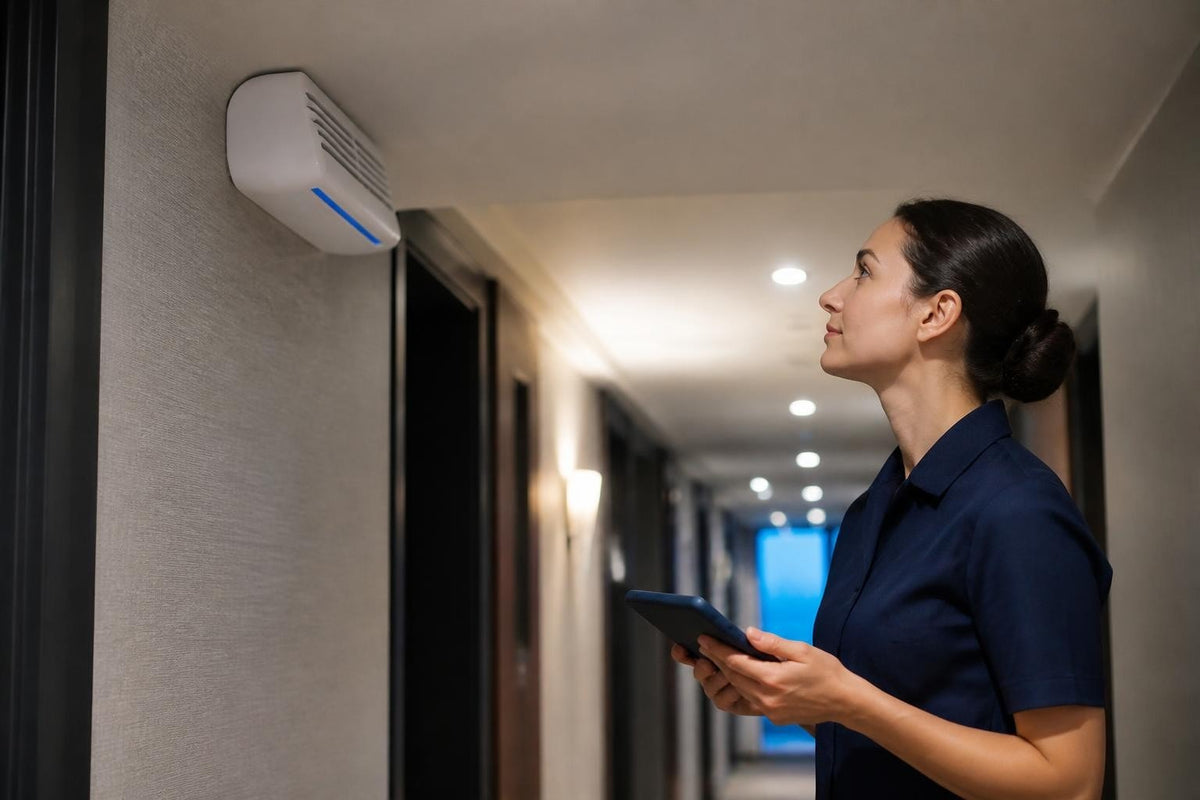
Hotels across the United Kingdom face mounting pressure to maintain smokefree environments whilst guests increasingly turn to electronic cigarettes. Traditional smoke detectors fail to identify vaping aerosols, creating enforcement gaps that put establishments at risk. Modern hotel vape detection technology addresses this challenge through sophisticated sensors that monitor air quality in real time, alerting staff to violations before they escalate. As regulatory frameworks tighten and guest expectations evolve, hoteliers must understand how these systems work, where to deploy them, and what benefits they deliver beyond simple compliance.
The Rising Need for Vape Detection in Hospitality
The hospitality sector confronts a unique dilemma. Whilst smoking bans have been standard for years, vaping occupies a grey area that many guests exploit. Traditional smoke alarms respond to combustion particles but remain blind to the aerosol produced by electronic cigarettes. This gap allows guests to vape freely in rooms, bathrooms, and corridors, exposing others to secondhand aerosol containing nicotine, formaldehyde, and ultrafine particulates.
Guest Health and Liability Concerns
Hotels owe a duty of care to all patrons. When aerosol from vaping devices accumulates indoors, subsequent guests may experience respiratory irritation, allergic reactions, or exacerbation of existing conditions. Liability extends beyond health risks to property damage, as residual aerosol can settle on soft furnishings, requiring deep cleaning or replacement. Forward thinking establishments invest in hotel vape detection to mitigate these exposures and protect both reputation and balance sheets.
Key liability factors include:
- Allergen exposure for sensitive guests
- Residual odours requiring specialist cleaning
- Breach of smokefree policy undermining brand standards
- Potential legal claims from affected parties
Research examining hotel guest complaints highlights enforcement challenges, revealing that perception of policy weakness erodes trust and satisfaction. Visible deterrence through sensor installation signals commitment to health standards.
How Hotel Vape Detection Technology Works
Modern sensors combine multiple detection methods to identify vaping events with precision. Unlike basic smoke alarms, hotel vape detection systems analyse air composition continuously, distinguishing between harmless activities and policy violations. Understanding these mechanisms helps hoteliers select appropriate solutions for their properties.
Sensor Types and Detection Methods
| Sensor Type | Detection Principle | Strengths | Considerations |
|---|---|---|---|
| Particulate Matter (PM) | Measures PM2.5 and PM10 concentrations | Detects all aerosol types; quantifiable data | Requires calibration for baseline levels |
| Volatile Organic Compounds (VOC) | Identifies chemical signatures in aerosol | Distinguishes vaping from other sources | Sensitivity varies by formulation |
| Optical Sensors | Analyses light scattering patterns | Rapid response; minimal false positives | May need cleaning in dusty environments |
| Multi Sensor Fusion | Combines PM, VOC, temperature, humidity | Highest accuracy; contextual analysis | Higher initial investment |
A technical review of smart vape detection demonstrates how algorithms synthesise data from multiple inputs, reducing false alarms whilst maintaining sensitivity. The most effective hotel vape detection platforms use this fusion approach, correlating particulate spikes with chemical signatures characteristic of e-cigarette aerosol.
Real Time Alerts and Integration
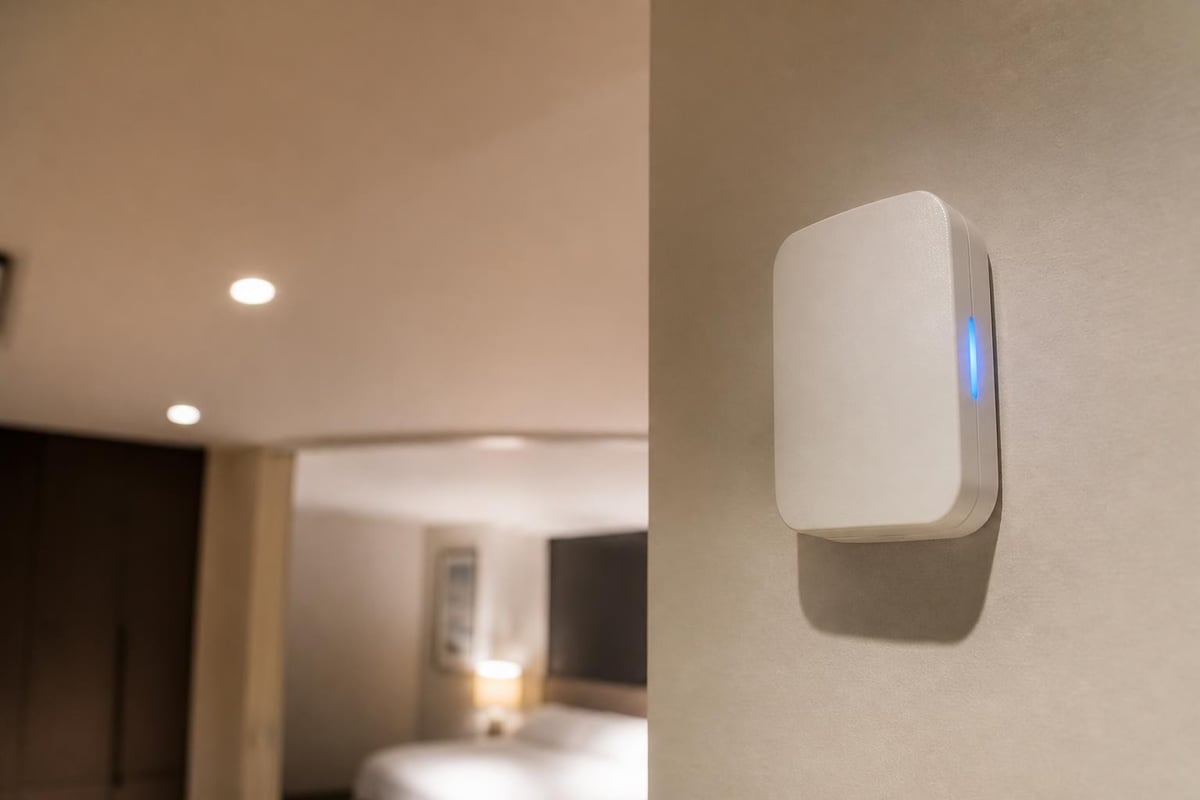
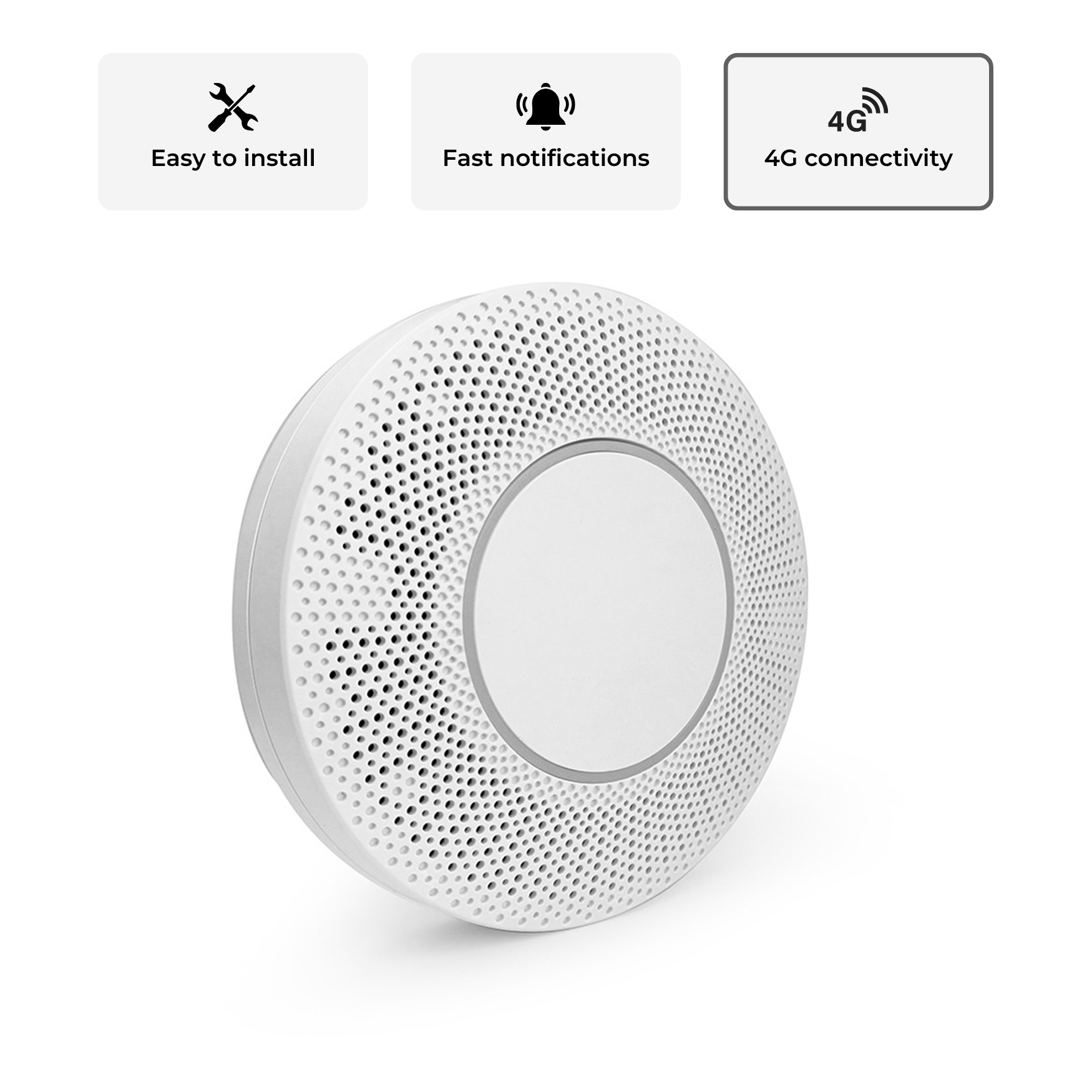
Speed matters in hospitality. When a sensor detects vaping, the system must alert the appropriate staff member within seconds. Leading hotel vape detection solutions connect to property management systems, sending notifications via mobile app, text message, or email. This integration enables housekeeping, security, or front desk personnel to respond before guests check out, facilitating conversation and potential penalty application.
Advanced platforms provide dashboards showing:
- Live air quality metrics across all monitored spaces
- Historical trend analysis by room, floor, or time period
- Incident reports with timestamps and severity ratings
- Compliance documentation for regulatory audits
The ASHRAE Handbook's guidance on indoor air quality monitoring underscores the importance of systematic measurement, noting that building systems interact with aerosol concentrations in complex ways. Hotels benefit from data showing exactly when and where violations occur, informing both enforcement and HVAC optimisation.
Strategic Deployment Locations
Not every space requires monitoring. Cost effective hotel vape detection strategies focus sensors where violations occur most frequently and where detection delivers maximum value. Analysis of incident patterns reveals predictable hotspots that justify investment.
Guest Rooms and Bathrooms
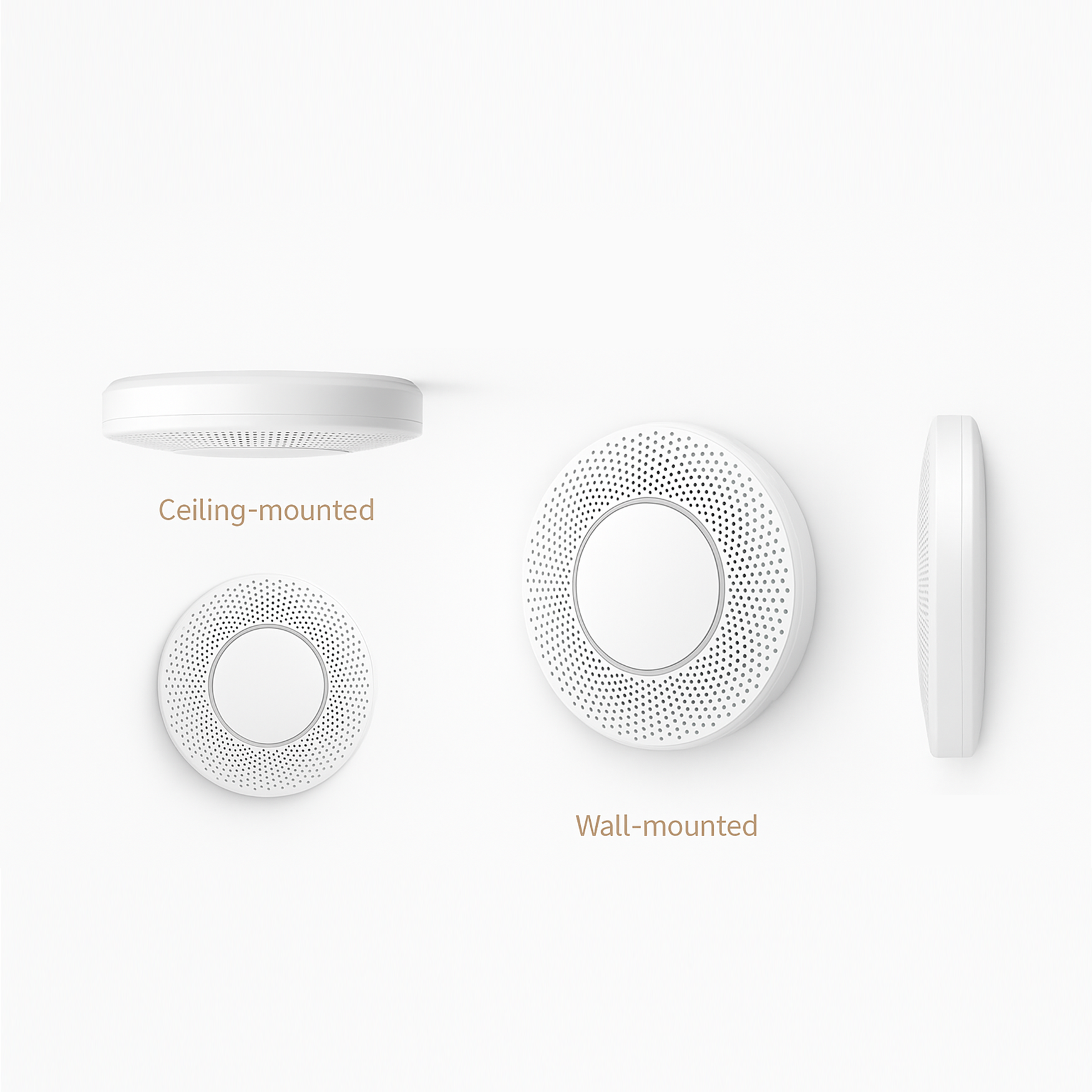
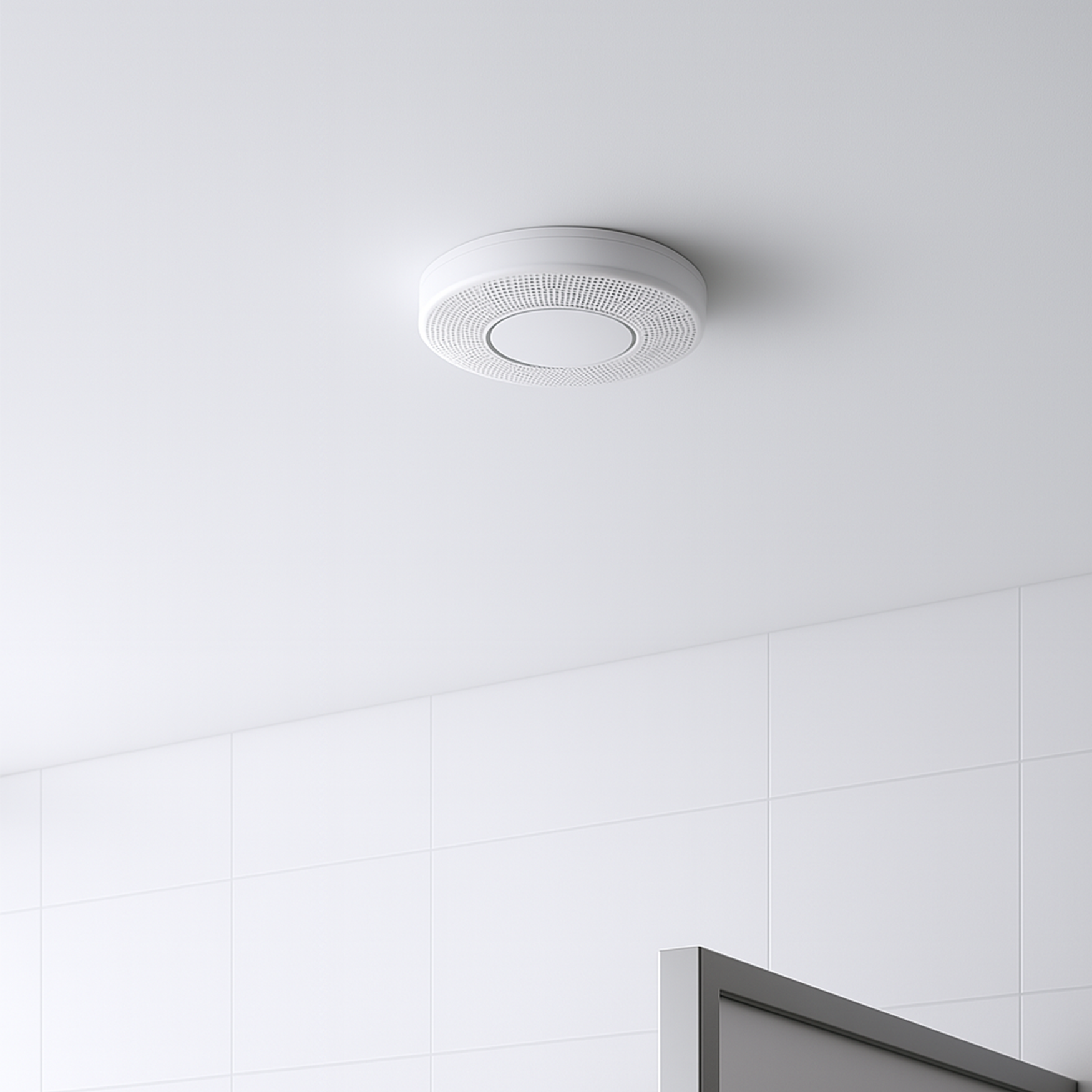
Guest bathrooms rank as the primary vaping location because occupants perceive privacy and assume ventilation disperses evidence. Installing sensors in ensuite facilities catches the majority of violations. Ceiling or wall mounted units positioned near extraction fans capture aerosol before it dissipates, triggering alerts that allow staff to intervene whilst the guest remains on property.
Considerations for bedroom deployment include:
- Sensor aesthetics to maintain room ambience
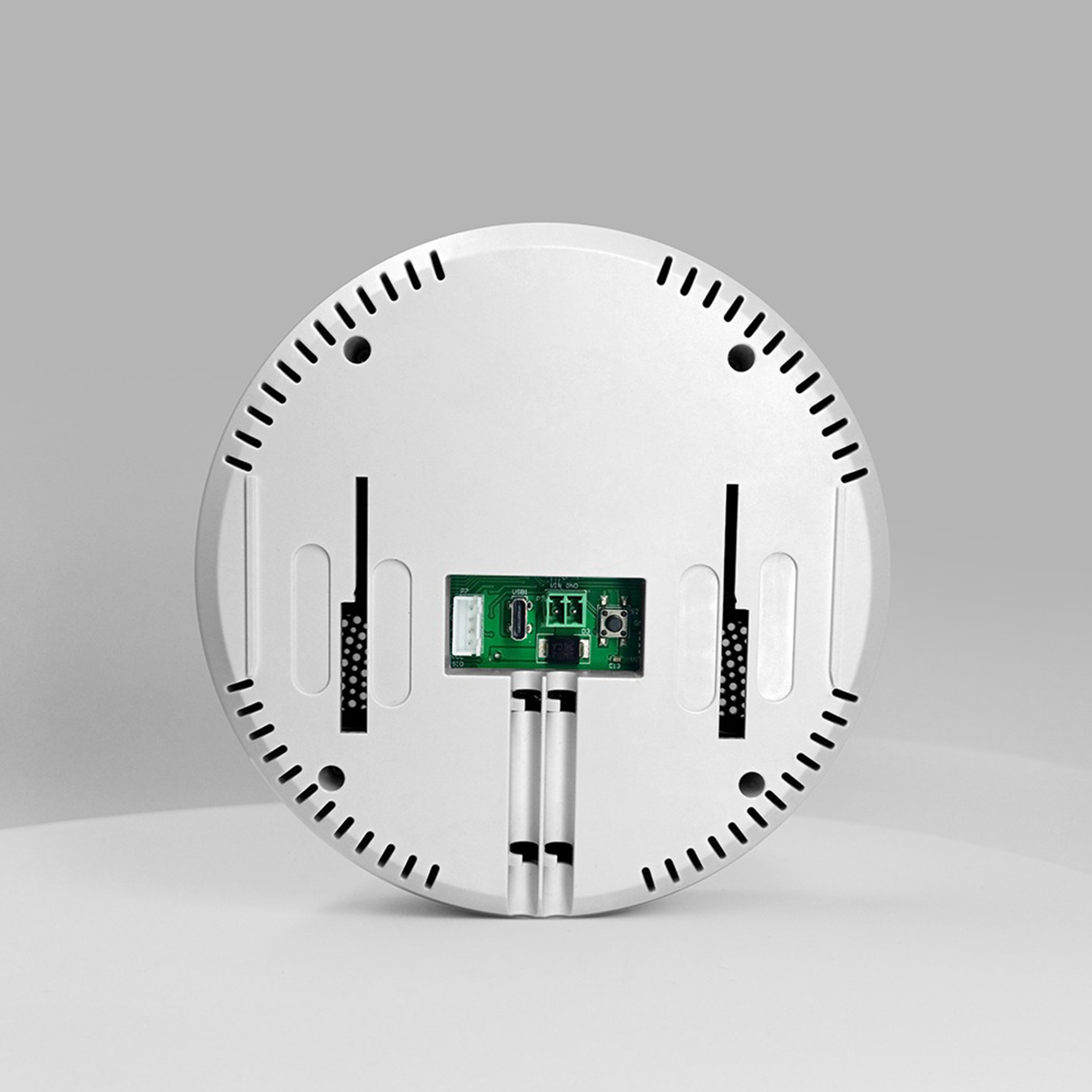
- Tamper resistant housing to prevent interference
- Privacy compliant operation (audio detection raises concerns)
- Battery backup ensuring function during power interruptions
Some hotels apply differential strategies, equipping premium suites with sensors whilst monitoring standard rooms through spot checks. This balances budget constraints against revenue protection, as higher value bookings justify proportional investment in compliance assurance.
Corridors, Lobbies, and Common Areas
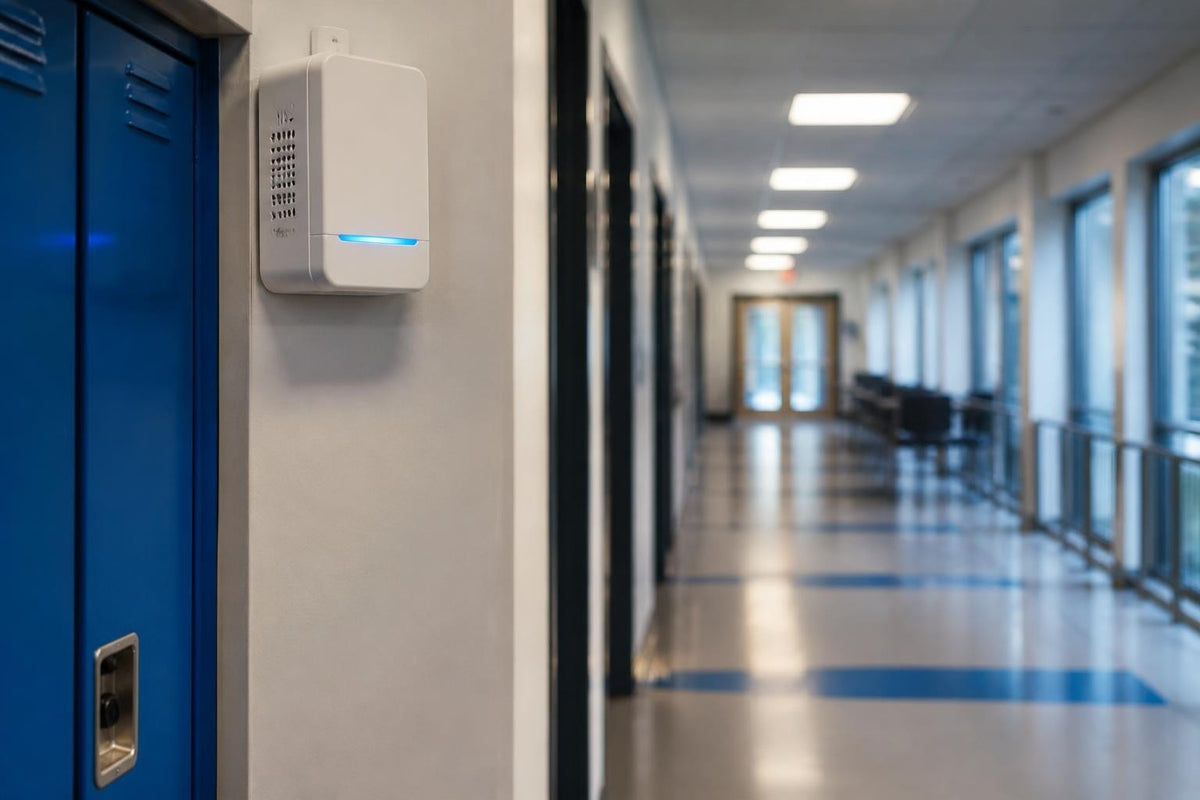
Public spaces present distinct challenges. Guests vaping in corridors or near lifts affect multiple parties, yet identifying the perpetrator proves difficult without visual confirmation. Hotel vape detection in these zones serves primarily as deterrent and air quality assurance rather than enforcement tool. Visible sensor placement, accompanied by clear signage, discourages violations before they occur.
The following table compares deployment priorities:
| Location | Priority Level | Primary Benefit | Alert Response |
|---|---|---|---|
| Guest Bathrooms | High | Direct violation detection; billing capability | Immediate staff contact |
| Bedrooms (Main) | Medium | Property protection; liability reduction | Moderate urgency |
| Corridors | Medium | Deterrence; air quality monitoring | General awareness |
| Conference Rooms | Low to Medium | Event compliance; client satisfaction | Event staff notification |
| Back of House | Variable | Staff area policy enforcement | HR involvement |
Balancing coverage with budget requires prioritisation based on property layout, guest demographics, and historical incident data. Many establishments phase deployment, starting with problem areas identified through maintenance logs or guest complaints.
Fire Safety Considerations
Electronic cigarette devices present fire hazards distinct from traditional tobacco. Lithium ion batteries can fail catastrophically during charging, whilst improper disposal may trigger ignition in waste bins. The National Fire Protection Association documents numerous incidents involving e-cigarette explosions and fires in hotels, underscoring the need for comprehensive risk management.
Battery Related Risks
Modern hotel industry guidance on lithium battery fire risks emphasises proactive measures. Whilst hotel vape detection focuses on aerosol monitoring, integrated safety strategies include:
- Clear policies prohibiting device charging overnight
- Provision of fire resistant charging stations in supervised areas
- Staff training on lithium battery fire response (water ineffective; class D extinguishers required)
- Room inspection protocols identifying left devices
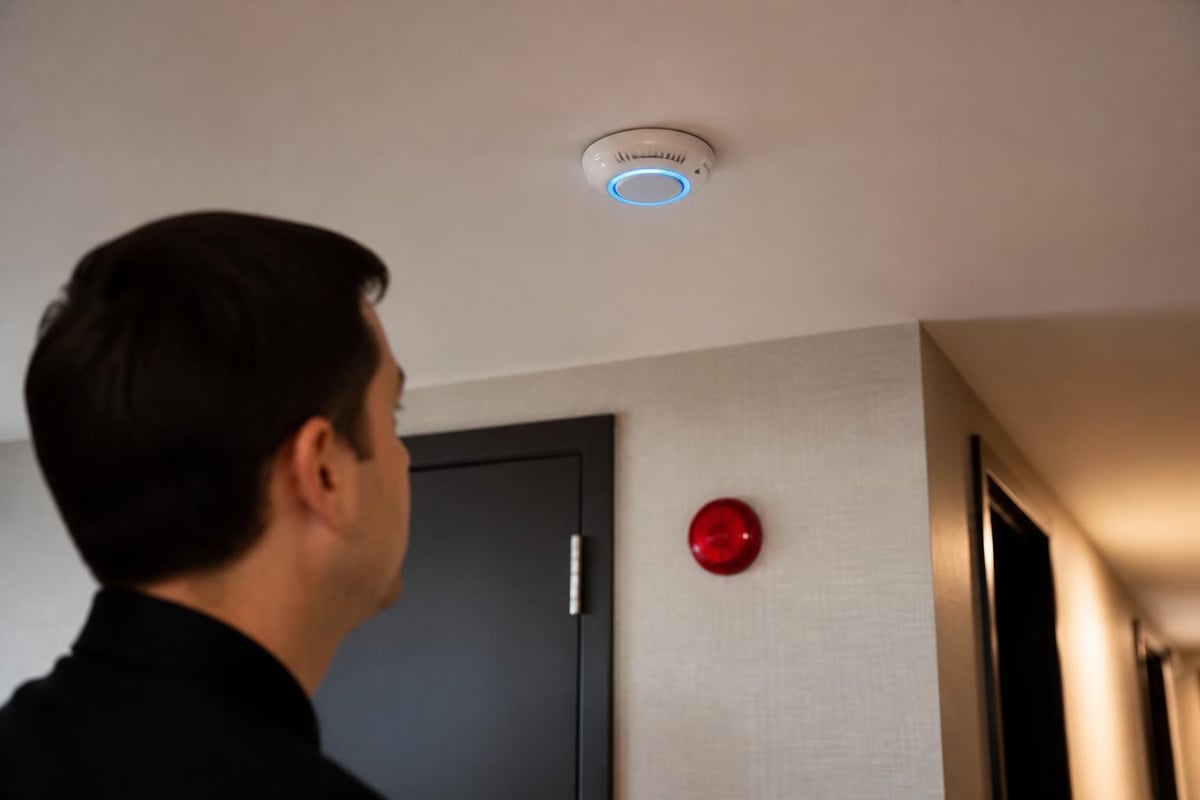
Sensors themselves contribute to fire safety indirectly. By reducing in room vaping, they decrease the number of devices charged in unsupervised spaces, lowering overall risk exposure. Some advanced systems incorporate smoke detection alongside vape monitoring, providing dual protection through a single installation.
Implementation Best Practices
Technology alone does not ensure success. Effective hotel vape detection requires thoughtful implementation encompassing policy development, staff training, and guest communication. These elements work synergistically to maximise compliance whilst maintaining positive guest relations.
Policy Framework Development
A robust policy establishes expectations before guests book. Terms and conditions should explicitly address vaping, specifying:
- Prohibited areas (typically all indoor spaces including balconies)
- Financial penalties for violations (cleaning fees, deposit forfeiture)
- Detection methods employed (transparency builds trust)
- Appeal processes for disputed charges
Many establishments adapt existing smokefree policies rather than creating separate vaping provisions, simplifying enforcement and reducing confusion. Legal review ensures compliance with UK vaping laws and consumer protection regulations.
Staff Training Protocols
Front line personnel require clear guidance on response procedures. When a hotel vape detection alert triggers, the assigned staff member must:
- Verify the alert through dashboard review (confirming room number and severity)
- Approach the guest professionally, referencing policy rather than accusation
- Document the interaction, including guest response and any evidence observed
- Apply penalties consistently per established guidelines
Training scenarios help staff navigate difficult conversations. Role playing exercises build confidence in policy enforcement whilst maintaining the courteous service standards guests expect. Some hotels empower housekeeping to leave information cards after detected violations, avoiding confrontation whilst creating documentation.
Cost Benefit Analysis for Hotels
Investment in hotel vape detection technology generates returns through multiple channels. Understanding these financial impacts helps justify capital expenditure and guides procurement decisions.
Direct Cost Savings
Cleaning and maintenance expenses decrease significantly when vaping violations decline. Standard room turnover cleaning costs approximately £25 to £40, whilst deep cleaning to remove aerosol residue ranges from £150 to £300 per room. A 50 room property experiencing weekly violations saves over £7,000 annually through prevention alone.
Additional quantifiable savings include:
- Reduced soft furnishing replacement (curtains, bedding, upholstery)
- Lower air filtration maintenance costs
- Decreased guest complaint resolution expenses
- Minimised revenue loss from rooms out of service for remediation
Insurance premiums may also benefit. Demonstrating proactive air quality and fire safety management can influence liability coverage rates, particularly for properties with historical claims related to smoking or vaping incidents.
Revenue Protection and Enhancement
Guest satisfaction drives repeat bookings and positive reviews. Properties known for pristine air quality and strict enforcement of health policies attract discerning travellers, particularly families with young children or guests with respiratory sensitivities. This differentiation supports premium pricing and occupancy maintenance even during softer market periods.
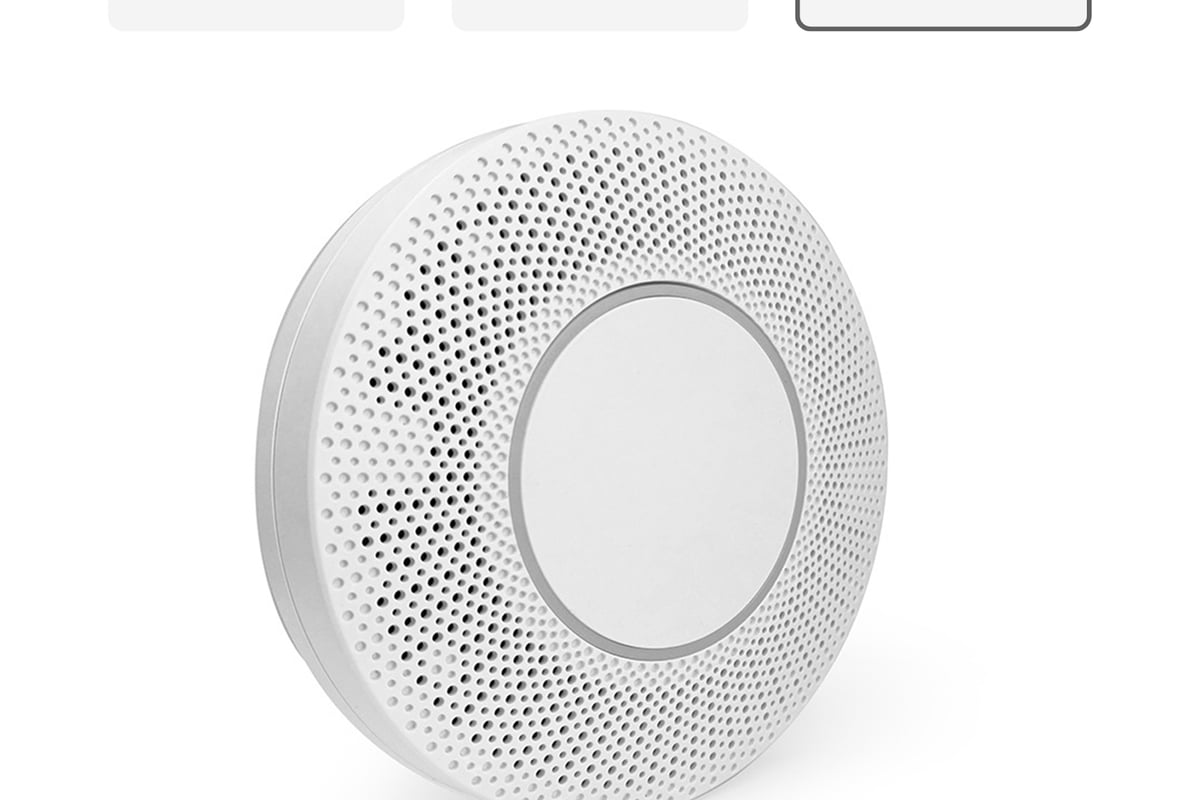
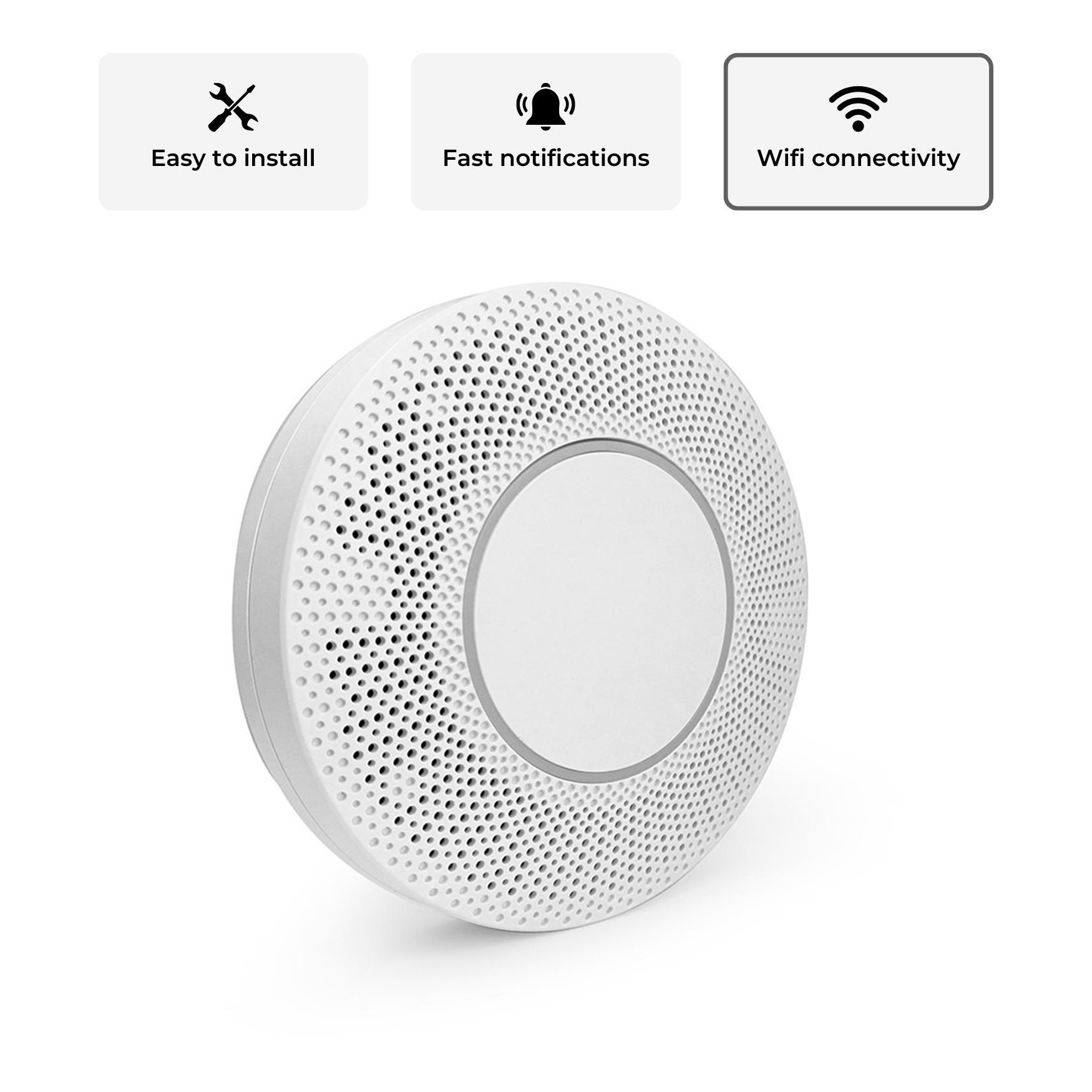
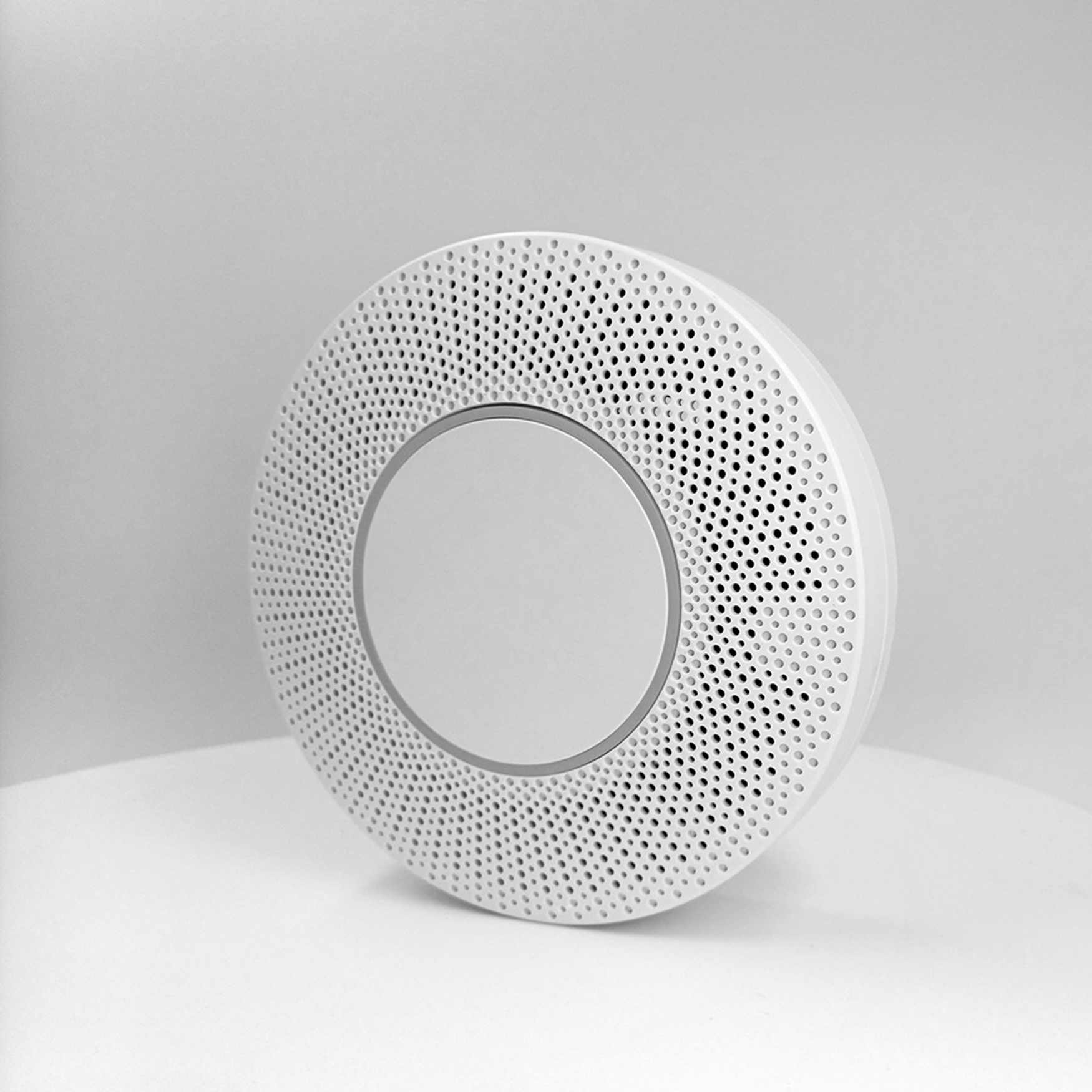
The Vape Detection System from Vape Guardian provides hoteliers with comprehensive monitoring that protects both guest health and property value. By detecting not only vaping but also other antisocial behaviours, the technology delivers safety assurance that elevates the guest experience whilst providing actionable data for continuous improvement.
Brand reputation constitutes another intangible asset. In an era where online reviews influence booking decisions profoundly, avoiding negative feedback about odours, health concerns, or lax policy enforcement preserves market position. The cost of one viral complaint about vaping in a supposedly smokefree hotel far exceeds sensor installation expenses.

Technical Specifications and Selection Criteria
Choosing appropriate sensors requires evaluating technical specifications against operational requirements. Not all hotel vape detection systems perform equally, and mismatched capabilities lead to frustration and wasted investment.
Critical Performance Metrics
| Specification | Minimum Standard | Premium Performance | Impact on Effectiveness |
|---|---|---|---|
| Detection Threshold | PM2.5 < 35 µg/m³ spike | PM2.5 < 15 µg/m³ spike | Lower thresholds catch discreet vaping |
| Response Time | < 60 seconds | < 15 seconds | Faster alerts enable immediate intervention |
| False Positive Rate | < 5% | < 1% | Fewer false alarms maintain staff confidence |
| Battery Life | 6 months | 24+ months | Longer intervals reduce maintenance burden |
| Connectivity | WiFi only | WiFi + cellular backup | Redundancy ensures continuous operation |
| Environmental Range | 10°C to 35°C | -10°C to 50°C | Wider tolerance suits varied installations |
Calibration requirements also vary. Some systems self calibrate using machine learning algorithms that establish baseline air quality for each location, automatically adjusting sensitivity to reduce false positives from cooking, cleaning products, or personal care aerosols. This adaptive capability proves especially valuable in hotels where environmental conditions fluctuate.
Integration and Scalability
Properties ranging from boutique establishments to major chains need systems that scale appropriately. Cloud based platforms support multi property management, aggregating data across portfolios whilst allowing site specific configuration. API availability enables integration with existing property management systems, building automation, and security infrastructure.
Consider future expansion when selecting hotel vape detection solutions. A system designed for 20 rooms should accommodate growth to 100 rooms without architectural changes or platform migration. Modular pricing structures align costs with deployment pace, avoiding excessive upfront investment.
Regulatory Compliance and Documentation
Whilst the United Kingdom does not currently mandate hotel vape detection, maintaining comprehensive air quality records demonstrates due diligence and supports compliance with broader health and safety obligations. Properties subject to environmental health inspections benefit from objective data showing proactive monitoring and incident response.
Record Keeping Requirements
Effective documentation systems capture:
- Sensor installation dates, locations, and maintenance schedules
- All detection events with timestamps, severity, and resolution notes
- Calibration records and any adjustments to detection parameters
- Guest communications regarding policy violations
- Cleaning or remediation activities triggered by violations
This audit trail proves invaluable should disputes arise over penalty charges or alleged health impacts. Objective sensor data counters subjective claims, providing evidence that withstands scrutiny in small claims proceedings or regulatory investigations.
Emerging Trends and Future Developments
Hotel vape detection technology continues evolving rapidly. Current research explores chemical fingerprinting that distinguishes nicotine vaping from cannabis products or synthetic drug delivery, addressing emerging threats in the hospitality environment. Integration with occupancy sensors and energy management systems promises additional efficiency gains.
Artificial intelligence enhances pattern recognition. Machine learning models trained on thousands of vaping incidents identify subtle indicators that simple threshold triggers miss, further reducing false positives whilst catching sophisticated evasion attempts. Predictive analytics may soon flag high risk bookings based on historical patterns, enabling preemptive communication about policies.
The shift toward comprehensive air quality monitoring solutions reflects broader industry recognition that guest health encompasses multiple factors. Future platforms will likely monitor pathogens, allergens, and pollutants alongside vaping detection, positioning hotels as wellness destinations rather than merely smokefree properties.
Addressing Guest Privacy Concerns
Transparency mitigates privacy objections. Clear signage at check in and in monitored spaces informs guests about sensor presence and capabilities. Emphasising that devices measure only air quality, without audio or video recording, addresses most concerns whilst reinforcing the health protection rationale.
Some jurisdictions require explicit consent or notification for environmental monitoring. Legal counsel should review deployment plans to ensure compliance with data protection regulations, particularly regarding data retention periods and access controls. Positioning hotel vape detection as analogous to fire alarms (safety devices with incidental enforcement capability) helps frame the technology appropriately.
Guest education materials explaining why vaping aerosol poses health risks, even in ventilated spaces, build understanding and cooperation. Many people genuinely believe vaping indoors causes no harm to others; factual information corrects these misconceptions without accusatory tone.
Maintenance and Ongoing Management
Like any building system, hotel vape detection requires regular maintenance to ensure reliable performance. Dust accumulation on optical sensors degrades sensitivity, whilst battery depletion leads to coverage gaps. Establishing preventive maintenance schedules prevents these failures.
Quarterly maintenance tasks include:
- Physical inspection of all sensors for damage or tampering
- Cleaning of optical components per manufacturer specifications
- Battery voltage testing and replacement as needed
- Connectivity verification ensuring alert delivery
- Review of detection thresholds based on false positive rates
Annual recalibration using reference aerosols confirms accuracy. Some manufacturers offer service contracts bundling maintenance, software updates, and technical support, simplifying budgeting and ensuring consistent system performance. For multi property chains, centralised maintenance coordination achieves economies of scale whilst standardising procedures.
Complementary Technologies and Holistic Approaches
Hotel vape detection delivers maximum value when integrated into comprehensive air quality and safety strategies. Pairing sensors with enhanced ventilation, HEPA filtration, and UV air purification creates layered defence that addresses multiple contamination sources simultaneously.
Building automation systems can respond automatically to detection events. When sensors identify vaping, HVAC controls increase fresh air exchange in the affected room, accelerating aerosol clearance whilst maintaining pressure differentials that prevent migration to adjacent spaces. This automated response supplements staff intervention, minimising exposure duration.
Exploring resources on vaping detection technology reveals additional applications beyond policy enforcement, including data driven insights for facility management and operational efficiency. The same sensors detecting violations also identify maintenance issues like inadequate ventilation or filter saturation.
Hotel vape detection systems deliver measurable benefits across health protection, cost reduction, and brand enhancement, establishing new baselines for smokefree policy enforcement in 2026. Properties investing in comprehensive monitoring solutions position themselves competitively whilst fulfilling duty of care obligations to guests and staff alike. Vape Guardian specialises in advanced detection technology designed specifically for hospitality environments, offering reliable sensors, real time alerts, and dedicated UK based support that help hotels maintain the highest standards of air quality and guest safety.

Share:
Teenage Vaping Statistics 2026: UK Trends & Data
Vaping in Colleges: The Hidden Challenge and Solutions