
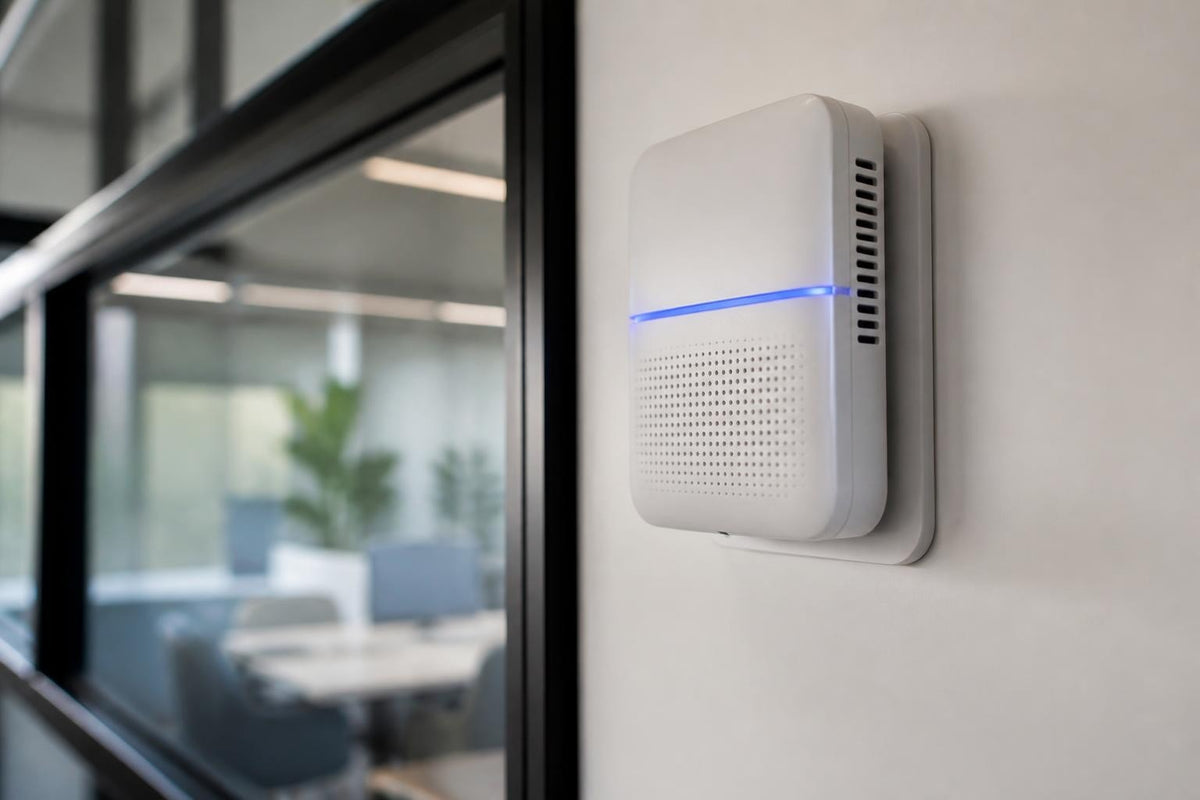
The rapid proliferation of vaping devices across schools, workplaces, and public spaces has created an urgent need for effective monitoring solutions. As e-cigarettes have evolved from simple nicotine delivery devices to sophisticated systems producing complex aerosol plumes, the challenge of detecting their use in restricted environments has grown exponentially. Vape aerosol detection represents a critical technological response to this challenge, combining advanced sensor technology with real time analytics to identify vaping activity and support compliance efforts. Understanding how these systems work, their underlying science, and their practical applications has become essential for facilities managers, school administrators, and health and safety professionals committed to maintaining smoke free environments.
The Science Behind Vape Aerosol Detection
Vape aerosol detection relies on understanding the unique physical and chemical characteristics of e-cigarette emissions. Unlike traditional tobacco smoke, vaping aerosols consist primarily of fine and ultrafine particles suspended in air, typically ranging from 0.1 to 1.0 micrometres in diameter. These particles are composed of propylene glycol, vegetable glycerine, nicotine, and various flavouring compounds that create distinctive signatures detectable by specialised sensors.
Particle Size and Concentration Analysis
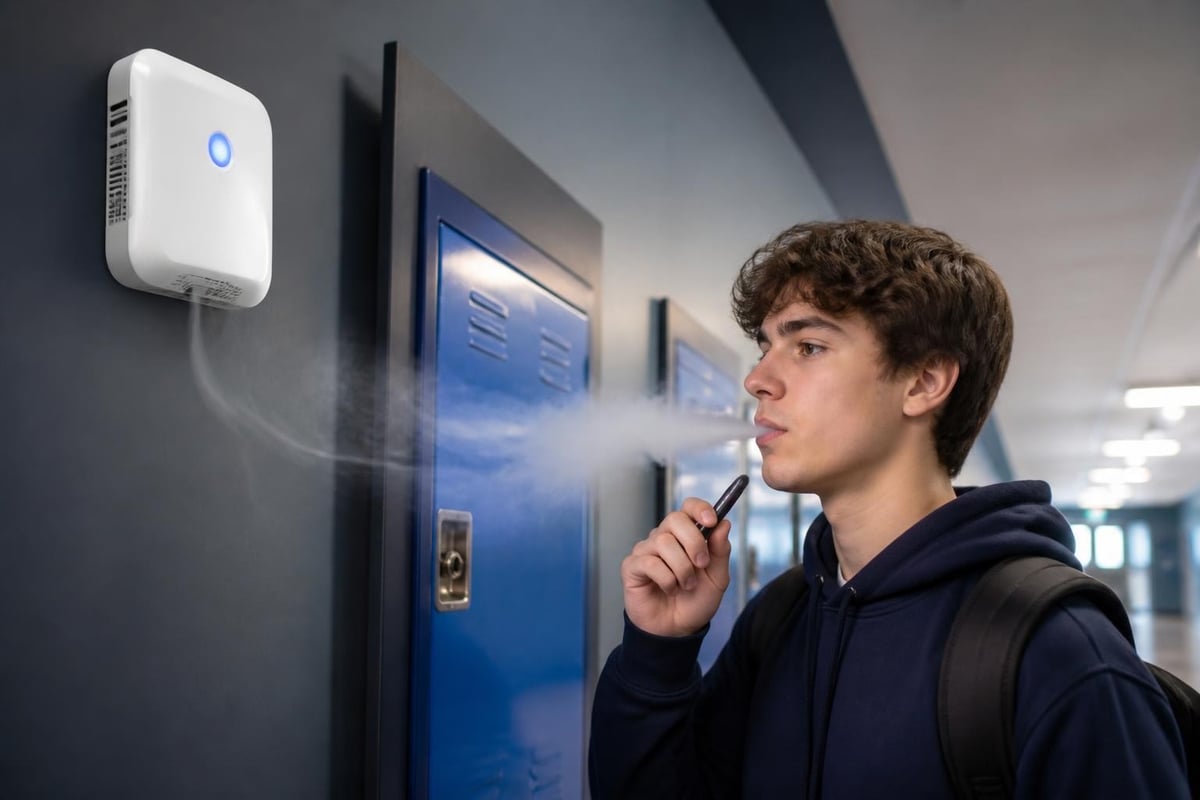
Modern detection systems monitor particulate matter concentrations using laser scattering and light diffraction technologies. When vape aerosol enters a monitored space, the particle count spikes dramatically, often increasing tenfold within seconds. Research on aerosol particle dynamics demonstrates that e-cigarette emissions produce characteristic patterns in particle number concentration that distinguish them from other indoor air quality events.
Detection algorithms analyse these patterns to differentiate between vaping and other aerosol sources:
- Rapid onset: Vape clouds appear suddenly rather than gradually accumulating
- Specific size distribution: Particles cluster in predictable diameter ranges
- Decay patterns: Aerosols disperse according to measurable time curves
- Concentration thresholds: Peak levels exceed typical background particulate matter
These parameters combine to create detection profiles that minimise false positives whilst maintaining high sensitivity.
Chemical Signature Recognition
Beyond particle counting, advanced vape aerosol detection systems incorporate chemical sensors capable of identifying specific volatile organic compounds (VOCs) associated with vaping liquids. Propylene glycol and vegetable glycerine, which comprise up to 95% of most e-liquids, produce measurable VOC signatures when aerosolised and inhaled.
Recent advances in analytical techniques have enabled detection systems to identify these compounds at concentrations as low as parts per billion. Multi sensor arrays compare VOC signatures against reference libraries, enabling systems to distinguish between vaping, cleaning products, perfumes, and other common indoor air contaminants.
| Detection Method | Target | Sensitivity | Response Time |
|---|---|---|---|
| Particulate sensors | PM2.5 particles | 0.3 μg/m³ | 2-5 seconds |
| VOC sensors | Propylene glycol | 50 ppb | 5-10 seconds |
| Multi-spectral analysis | Chemical fingerprint | Compound-specific | 10-15 seconds |
| Environmental baselines | Pattern deviation | Context-dependent | Real time |
Real World Implementation Challenges
Deploying effective vape aerosol detection in educational and workplace settings requires careful consideration of environmental variables, placement strategies, and system calibration. The technology must balance sensitivity with reliability, avoiding both false positives that undermine credibility and false negatives that allow violations to continue undetected.
Environmental Interference and Calibration
Indoor environments present numerous potential interference sources that can trigger vape detection systems. Aerosol sprays, cooking emissions, cleaning products, and even dust from construction can produce particle concentrations or VOC signatures similar to vaping. Practical guidance from educational authorities emphasises the importance of environmental baseline establishment and ongoing calibration.
Successful implementations typically involve:
- Initial baseline mapping across different times and conditions
- Threshold customisation based on facility-specific parameters
- Seasonal adjustments accounting for heating, ventilation changes
- Regular validation through controlled testing protocols
- Algorithm refinement incorporating false positive feedback
Schools implementing vape aerosol detection systems often discover that placement matters as much as technology. Sensors installed in poorly ventilated spaces may register lower particle concentrations despite active vaping, whilst those near air intakes may detect aerosols from adjacent areas.
Privacy and Ethical Considerations
The deployment of monitoring technology in schools and workplaces raises important questions about surveillance, privacy, and proportionate responses. Investigative reporting has highlighted concerns about how vape detection systems interact with existing disciplinary frameworks and whether their use represents appropriate stewardship of institutional authority.
Responsible implementation requires transparent policies addressing:
- Data collection scope: What information is captured beyond aerosol detection
- Alert recipient protocols: Who receives notifications and how quickly
- Recording retention: Duration and access controls for incident logs
- Student notification: Whether occupants are informed of monitoring
- Response proportionality: Ensuring consequences match violation severity
Many organisations find that integrating detection systems with broader safeguarding frameworks enhances effectiveness whilst addressing ethical concerns. When positioned as tools for student wellbeing rather than purely punitive measures, vape aerosol detection gains wider acceptance from stakeholders.
Technology Ecosystem and Integration
Modern vape aerosol detection extends beyond standalone sensors to encompass integrated platforms combining hardware, software, and communication infrastructure. These ecosystems enable real time alerts, trend analysis, and coordinated responses across multiple locations within large facilities or multi-site organisations.
Sensor Hardware Components
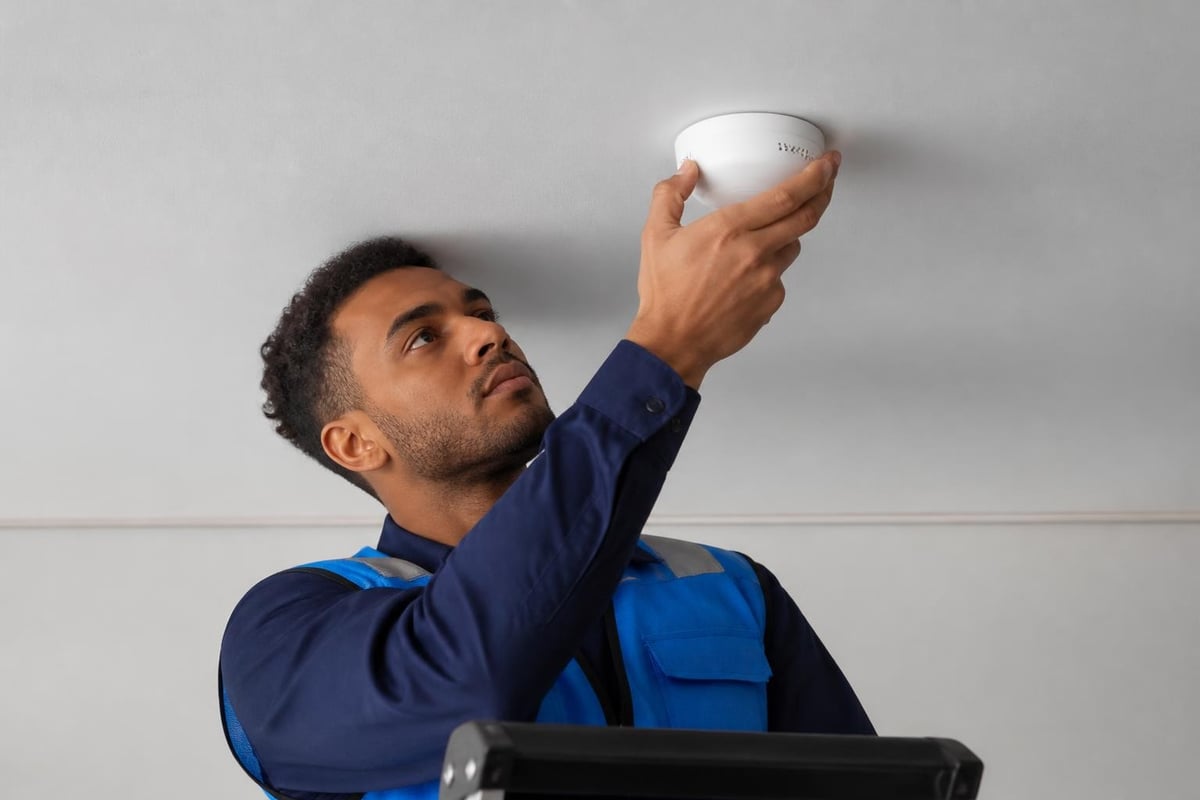
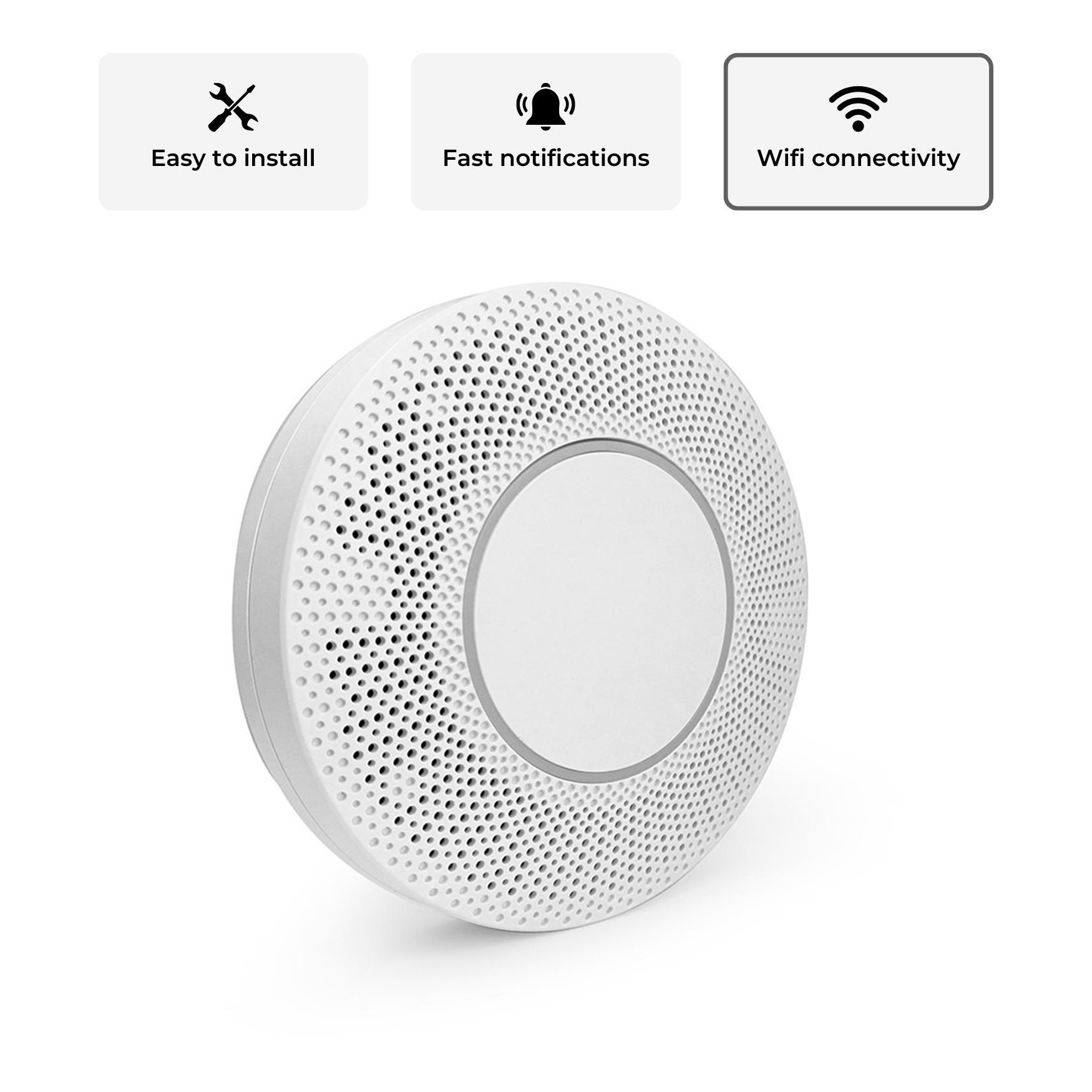
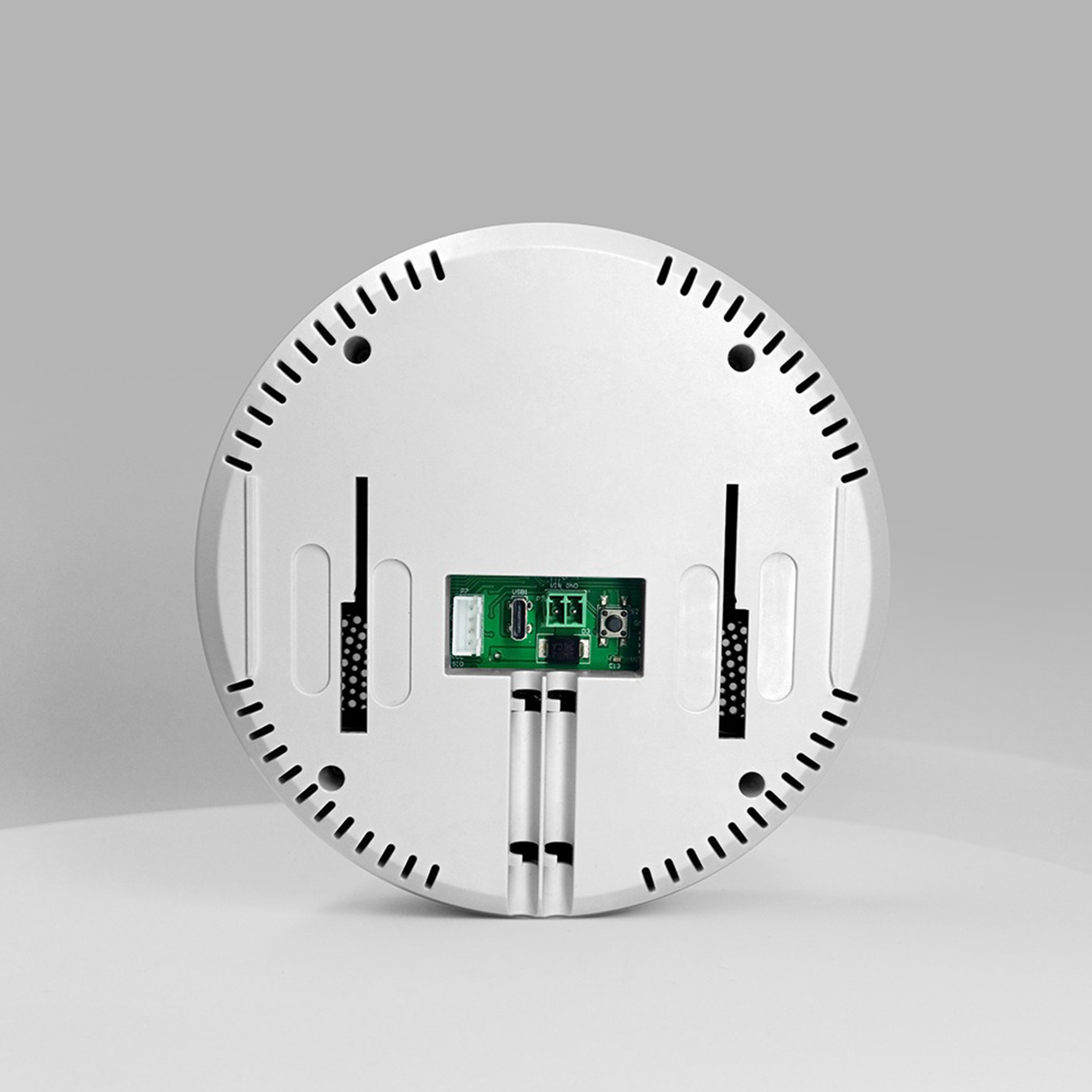
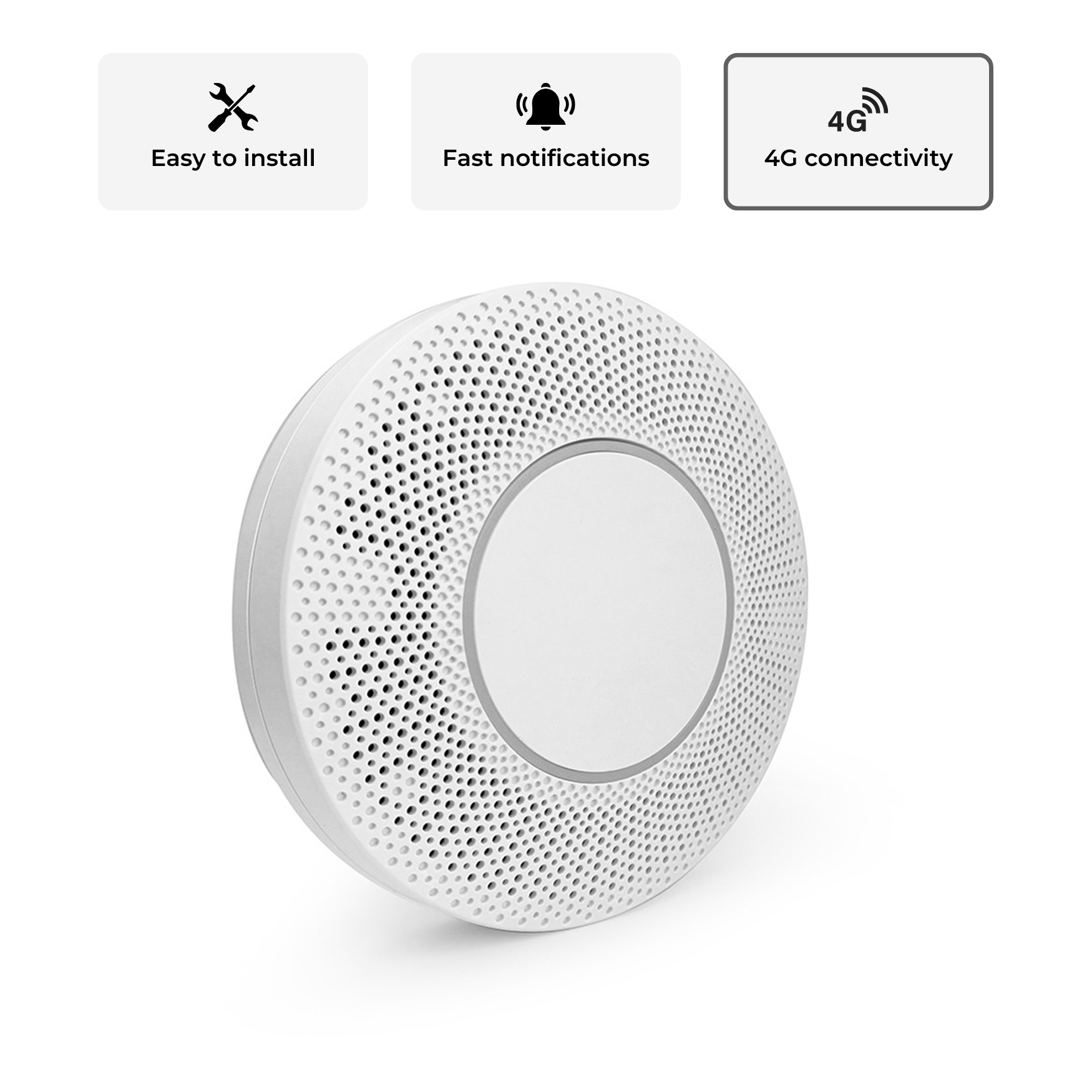
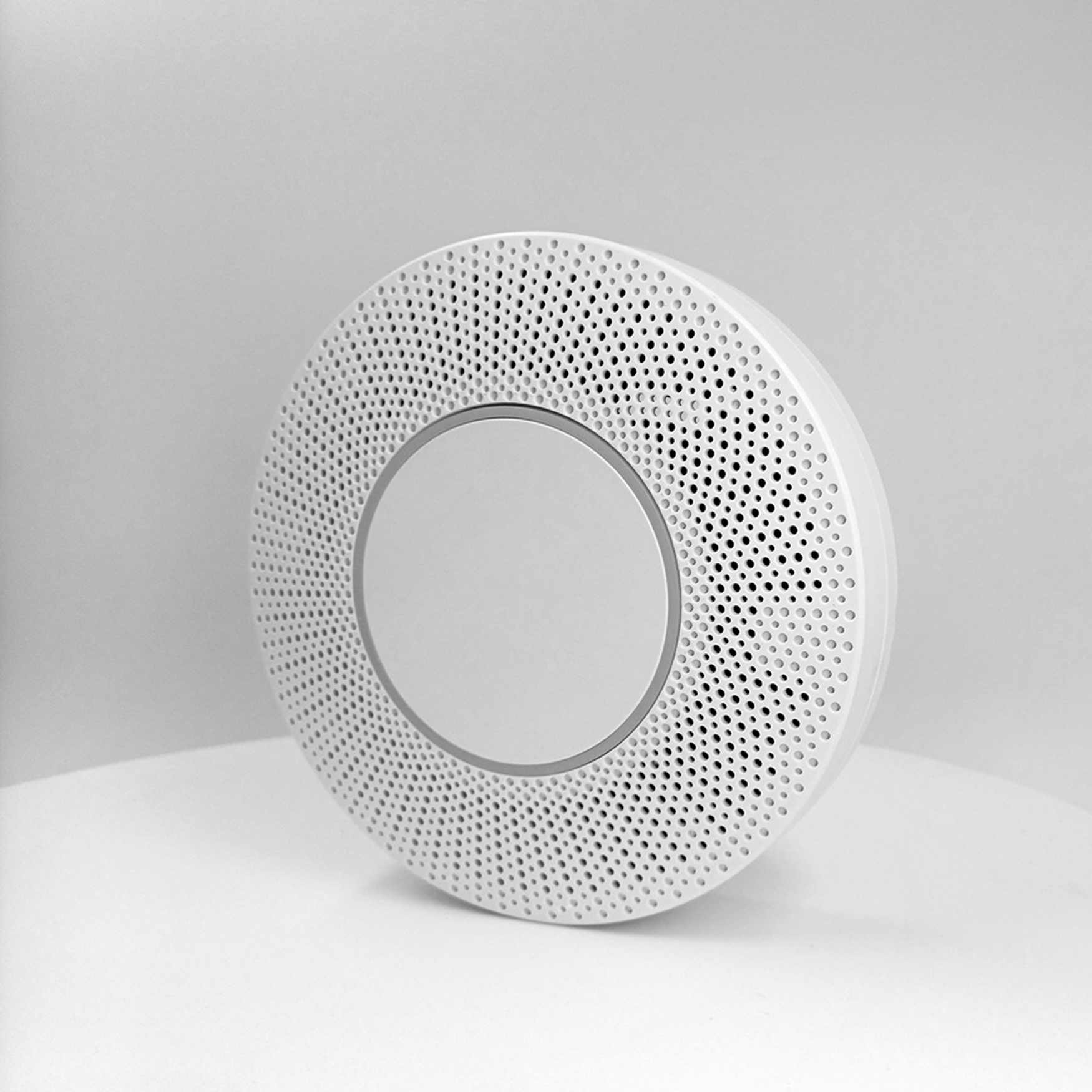
Contemporary detection units incorporate multiple sensor types within compact housings designed for discreet installation. The Vape Detection System exemplifies this approach, combining particulate matter sensors, VOC detection, sound level monitoring, and air quality metrics in a unified device that provides comprehensive environmental awareness.

Hardware specifications typically include:
- Multi-sensor arrays detecting particles, chemicals, temperature, humidity
- Edge processing enabling local analysis without constant cloud connectivity
- Tamper detection alerting to physical interference attempts
- Battery backup maintaining operation during power interruptions
- Wireless connectivity supporting WiFi, cellular, or hybrid communication
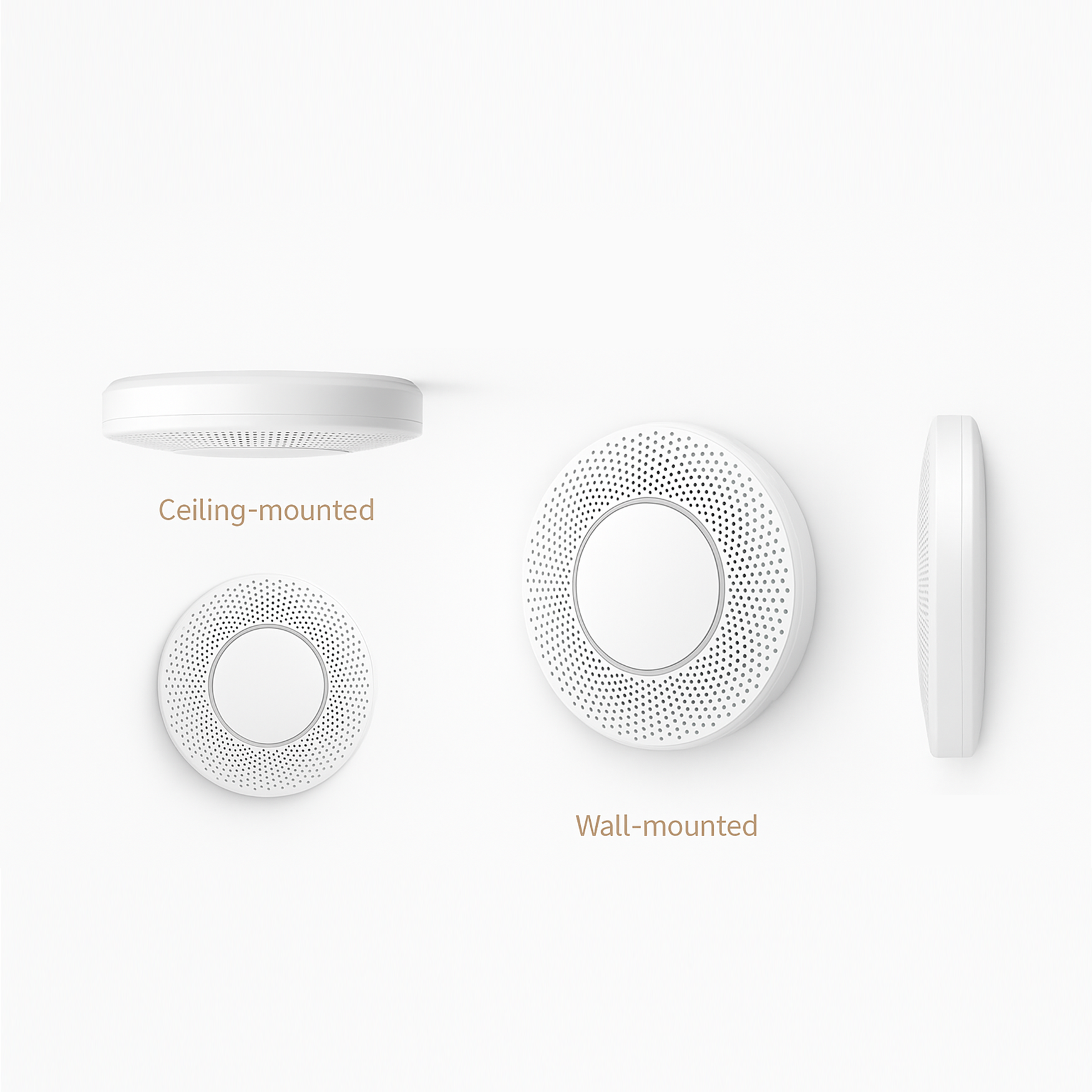
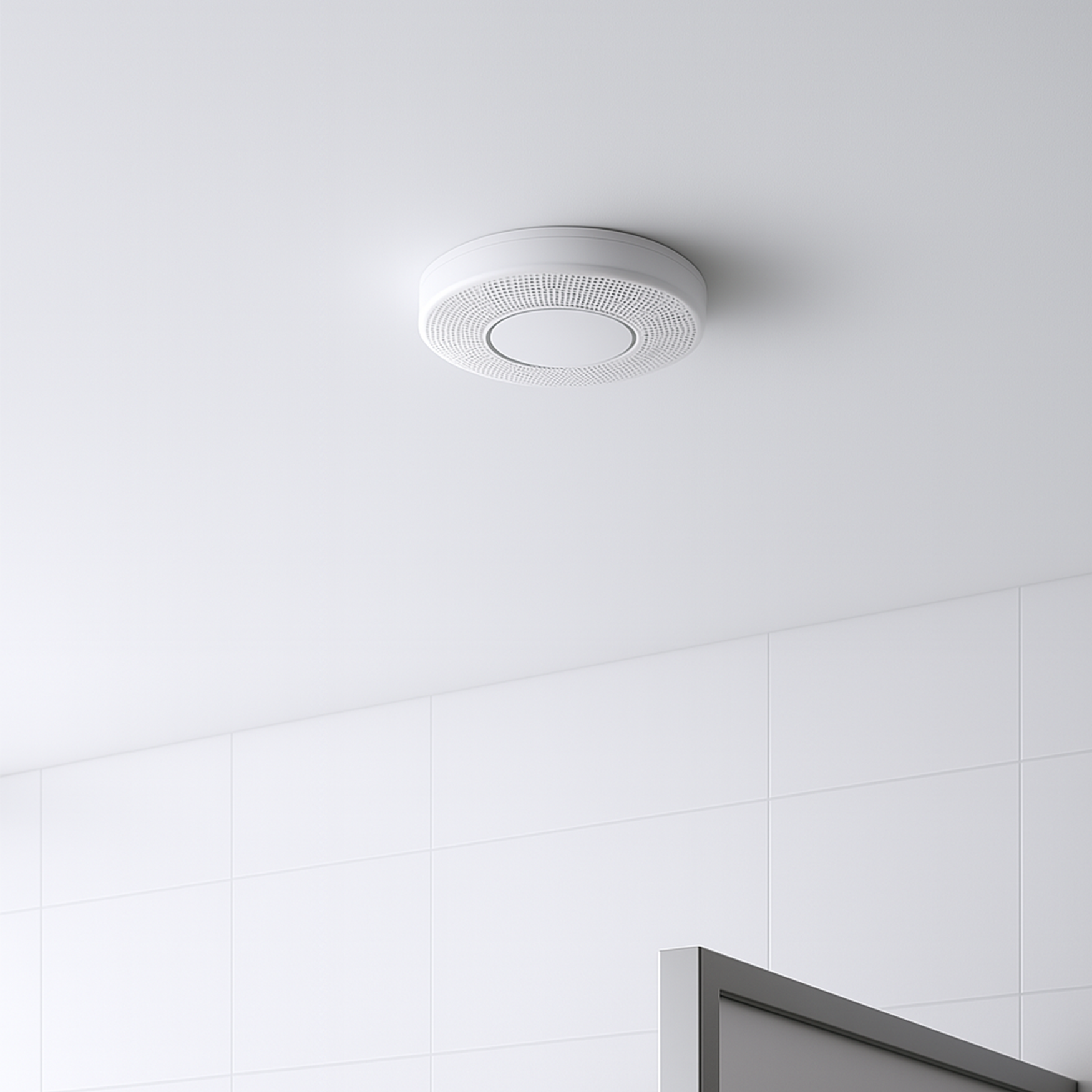
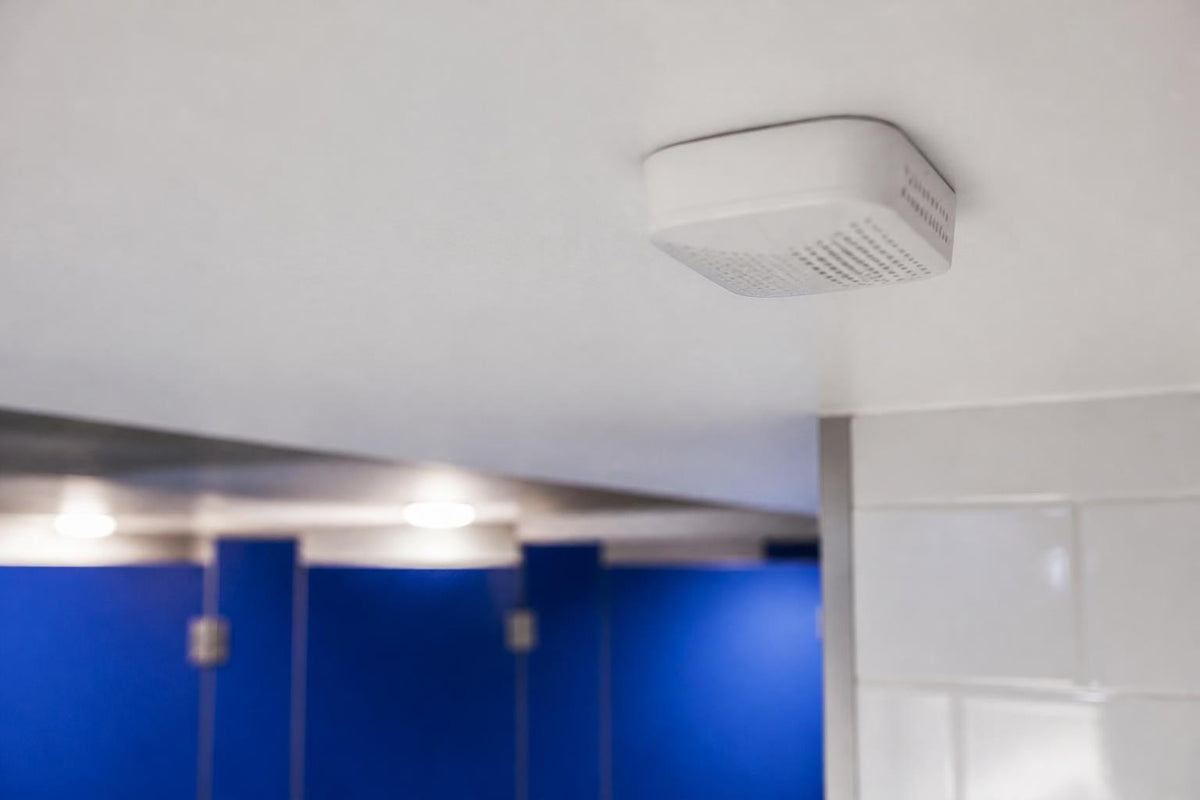
The physical design must balance visibility with discretion. Whilst overt sensors may deter some vaping attempts, overly conspicuous devices can become targets for vandalism or circumvention efforts. Educational settings often prefer ceiling-mounted units that blend with existing infrastructure whilst maintaining optimal sampling positions.
Software Platforms and Analytics
Detection hardware generates value through sophisticated software platforms that process sensor data, manage alerts, and provide actionable insights. These systems employ machine learning algorithms that improve accuracy over time by learning facility-specific patterns and refining detection criteria.
Key platform capabilities include:
- Real time dashboards displaying current status across all monitored locations
- Customisable alert routing sending notifications via SMS, email, or app
- Historical trend analysis identifying patterns in violation frequency and location
- Environmental reporting tracking overall air quality beyond vaping events
- Integration APIs connecting with existing building management systems
Understanding network requirements and connectivity options proves essential for successful deployment, particularly in older buildings with limited infrastructure or locations requiring cellular backup connectivity.
Effectiveness Evidence and Performance Metrics
Evaluating vape aerosol detection effectiveness requires examining both technical performance metrics and behavioural impact outcomes. Whilst sensor accuracy and response times matter, the ultimate measure of success lies in whether these systems actually reduce vaping incidents and support healthier environments.
Technical Performance Standards
Independent research and industry white papers provide frameworks for assessing detection system capabilities. Performance varies significantly across manufacturers, with sensitivity, specificity, and false positive rates representing critical differentiators.
Rigorous testing protocols evaluate:
- Detection threshold: Minimum aerosol concentration triggering alerts
- Response latency: Time between emission and notification
- False positive rate: Incorrect alerts per 1000 operating hours
- False negative rate: Missed detection percentage under controlled conditions
- Environmental robustness: Performance across temperature and humidity ranges
Leading systems achieve detection rates exceeding 95% for typical vaping scenarios whilst maintaining false positive rates below 2% when properly calibrated. These figures represent substantial improvements over early generation devices that struggled with reliability.
| Performance Metric | High-Quality Systems | Entry-Level Systems | Impact |
|---|---|---|---|
| Detection accuracy | >95% | 70-85% | Credibility, compliance |
| False positive rate | <2% | 5-15% | User trust, alert fatigue |
| Response time | <15 seconds | 30-60 seconds | Intervention effectiveness |
| Environmental range | -10°C to 50°C | 0°C to 40°C | Deployment flexibility |
Behavioural Impact Assessment
Beyond technical metrics, organisations must evaluate whether vape aerosol detection actually reduces vaping behaviour. Peer-reviewed research on sensor-based detection in schools suggests that systems produce measurable reductions in violation frequency, particularly when combined with educational interventions and consistent enforcement.
Schools report average reductions of 40-60% in vaping incidents during the first academic year following installation. However, effectiveness correlates strongly with implementation quality, staff response protocols, and integration with broader prevention programmes rather than technology alone.
Successful programmes typically demonstrate:
- Consistent response protocols ensuring every alert receives appropriate action
- Educational components explaining health risks alongside enforcement
- Graduated consequences balancing accountability with support
- Stakeholder communication maintaining transparency with students and parents
- Regular effectiveness reviews assessing both detection and deterrence

Sector-Specific Applications
Vape aerosol detection requirements vary substantially across different facility types, each presenting unique challenges and priorities. Understanding these sector-specific considerations enables more effective system selection and deployment strategies.
Educational Institutions
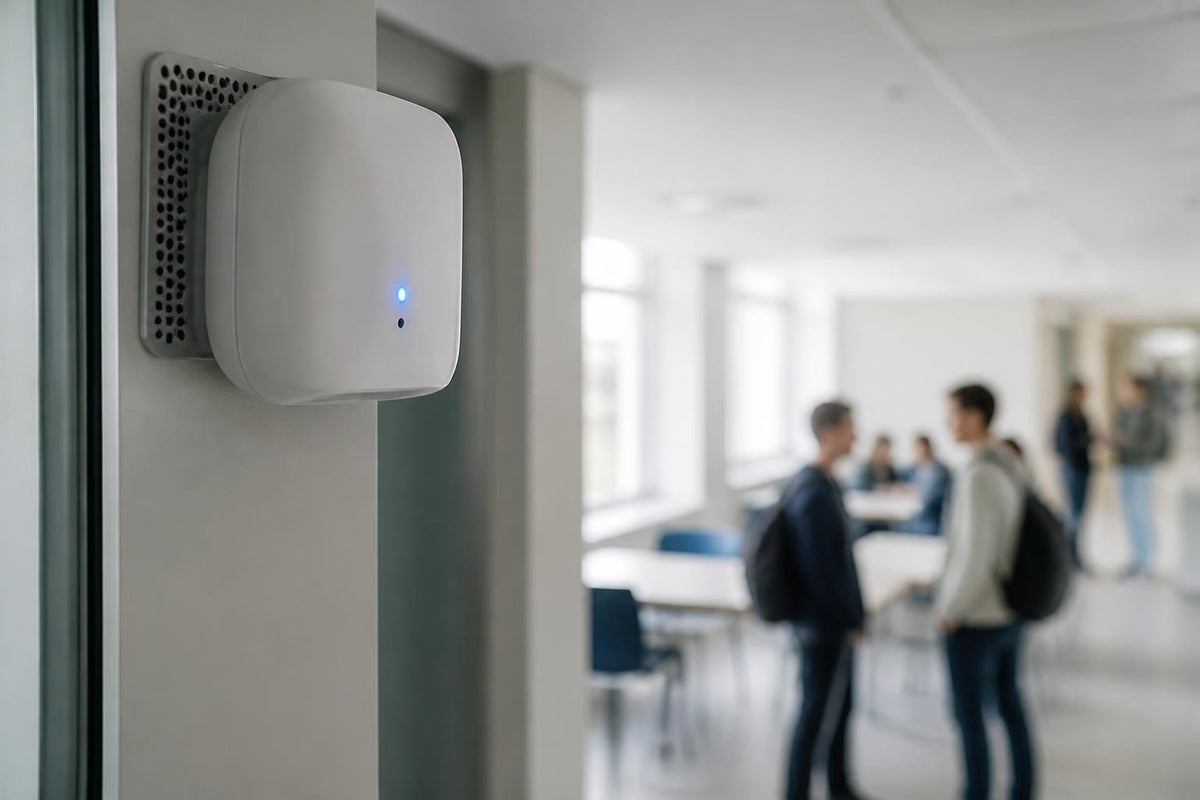
Schools face particular challenges balancing student safety with privacy concerns and educational missions. Guidance specifically for school governors and senior leadership teams emphasises positioning detection systems within comprehensive wellbeing frameworks rather than isolated disciplinary measures.
Educational deployments typically prioritise:
- Bathroom and changing room coverage where supervision is limited
- Discreet notification avoiding public embarrassment whilst ensuring response
- Integration with pastoral care connecting incidents to support services
- Parent communication protocols maintaining appropriate transparency
- Age-appropriate messaging differentiating primary and secondary approaches
Multi-academy trusts implementing standardised approaches across multiple schools report improved consistency and resource efficiency compared to site-by-site deployment strategies.
Workplace Environments
Office buildings, healthcare facilities, and industrial settings deploy vape aerosol detection to maintain smoke free policies, ensure regulatory compliance, and protect air quality for occupant health. Workplace implementations often emphasise discrete monitoring over visible deterrence, integrating with existing building management systems.
Commercial considerations include:
- Liability mitigation through documented compliance efforts
- Occupational health protection particularly in healthcare settings
- Regulatory adherence meeting local smoke free legislation
- Tenant satisfaction in multi-occupancy buildings
- Insurance requirements demonstrating risk management
Leisure and Aviation Sectors
High-density public spaces like entertainment venues, transport hubs, and aircraft present specialised detection challenges. Aviation applications require certification-compliant systems that operate reliably under varying atmospheric conditions whilst leisure and retail environments balance customer experience with policy enforcement.
These sectors prioritise rapid detection and discreet intervention, often integrating vape aerosol detection with broader security and safety systems for coordinated response capabilities.
Future Developments and Emerging Technologies
Vape aerosol detection continues evolving rapidly as sensor technologies advance, machine learning algorithms improve, and understanding of aerosol chemistry deepens. Several emerging trends promise to enhance detection capabilities whilst addressing current limitations.
Advanced Sensor Integration
Next generation systems incorporate additional sensor modalities including infrared spectroscopy, electrochemical detection, and hyperspectral imaging. These technologies enable more precise chemical identification, distinguishing not only between vaping and other aerosols but potentially between different e-liquid formulations.
Research into developing effective detection solutions explores multi-modal approaches combining optical, chemical, and acoustic signatures for unprecedented accuracy. Prototype systems demonstrate the ability to identify specific substance categories, potentially enabling differentiated responses based on detected compounds.
Artificial Intelligence and Predictive Analytics
Machine learning algorithms trained on thousands of detection events can identify subtle patterns invisible to rule-based systems. AI-enhanced platforms predict high-risk times and locations, enabling proactive interventions before violations occur.
Future capabilities may include:
- Behavioural pattern recognition identifying repeat offenders through temporal signatures
- Environmental adaptation automatically adjusting thresholds based on conditions
- Predictive maintenance alerting to sensor degradation before failures occur
- Integrated risk assessment combining detection data with other safety indicators
- Natural language processing analysing incident reports to improve response protocols
Privacy-Preserving Technologies
Responding to legitimate surveillance concerns, developers are exploring privacy-enhancing approaches including edge processing that analyses data locally without transmission, differential privacy techniques that protect individual identities whilst enabling aggregate analysis, and transparent audit trails documenting system access and data handling.
These innovations aim to deliver effective vape aerosol detection whilst addressing the ethical considerations that determine long-term acceptance and sustainability.
Cost-Benefit Analysis and Return on Investment
Organisations evaluating vape aerosol detection implementation must weigh upfront costs against potential benefits including health improvements, liability reduction, and compliance assurance. Understanding the total cost of ownership and quantifiable returns enables informed decision making.
Investment Components
Complete implementation costs typically include:
- Hardware procurement: £200-£600 per sensor unit depending on capabilities
- Installation labour: £50-£150 per location for professional mounting and configuration
- Network infrastructure: Variable based on existing connectivity
- Software subscriptions: £5-£15 per sensor monthly for cloud platforms
- Training and support: Initial staff education and ongoing technical assistance
- Maintenance and calibration: Annual service contracts or in-house protocols
A typical secondary school installing 15-20 sensors across high-risk areas might invest £8,000-£15,000 initially with ongoing annual costs of £2,000-£4,000 for subscriptions and maintenance.
Quantifiable Benefits
Whilst some benefits resist precise quantification, organisations identify measurable returns including:
- Reduced cleaning and maintenance costs from decreased residue accumulation
- Lower health insurance premiums through documented risk mitigation
- Avoided regulatory fines for smoke free policy violations
- Decreased staff time investigating suspected violations
- Improved air quality metrics supporting occupant health and productivity
Educational institutions often cite non-financial benefits including enhanced safeguarding, reduced peer pressure through deterrence, and improved learning environments as primary value drivers alongside measurable cost savings.
Effective vape aerosol detection requires understanding both the underlying science and practical implementation considerations that determine real world success. By combining advanced sensor technology with thoughtful deployment strategies, organisations create safer environments whilst respecting privacy and proportionality principles. Vape Guardian provides comprehensive detection solutions tailored to schools, offices, and leisure facilities across the UK, supporting compliance efforts through reliable technology and dedicated expertise. Contact us today to discover how our advanced monitoring systems can help protect your environment and support your wellbeing objectives.

Share:
Vaping in Rental Properties: A 2026 Guide for Landlords
How Vape Detectors Work: Technology & Science Explained