

The rise of electronic cigarettes has created new challenges for property owners and letting agents across the United Kingdom. As vaping becomes increasingly prevalent, landlords face complex questions about tenant rights, property damage, health implications, and enforcement mechanisms. Unlike traditional smoking, which leaves unmistakable odours and visible residue, vaping in rental properties presents subtler yet significant concerns that require updated policies and modern solutions.
Understanding the Legal Landscape for Vaping in Rental Properties
Property owners possess considerable legal authority when establishing rules for their rental units. Current UK legislation treats vaping differently from traditional tobacco smoking, creating important distinctions that landlords must understand.
Landlords can legally prohibit vaping in rental properties through properly drafted tenancy agreements. Whilst no blanket legal requirement exists to ban vaping, property owners maintain the right to set reasonable conditions for their premises. This autonomy extends to both private residential tenancies and multi-unit housing complexes.
Tenancy Agreement Considerations
When drafting or updating lease documents, specificity matters. Vague language referencing only "smoking" may not adequately cover electronic cigarettes in legal proceedings. Best practice involves explicit mention of:
- Electronic nicotine delivery systems (ENDS)
- Vaping devices and e-cigarettes
- All forms of aerosol-producing devices
- Specific consequences for policy violations
The Public Health Law Center provides model lease addenda that incorporate comprehensive vaping prohibitions. These templates offer legally sound frameworks that protect both landlord interests and tenant clarity.
Existing tenancies require careful handling. Landlords cannot unilaterally impose new vaping restrictions mid-lease without tenant agreement. Changes typically take effect upon lease renewal, though mutual consent may enable earlier implementation.
Health and Safety Implications
The health considerations surrounding vaping in rental properties extend beyond the individual user. Emerging research highlights multiple pathways through which e-cigarette use affects indoor environments and subsequent occupants.
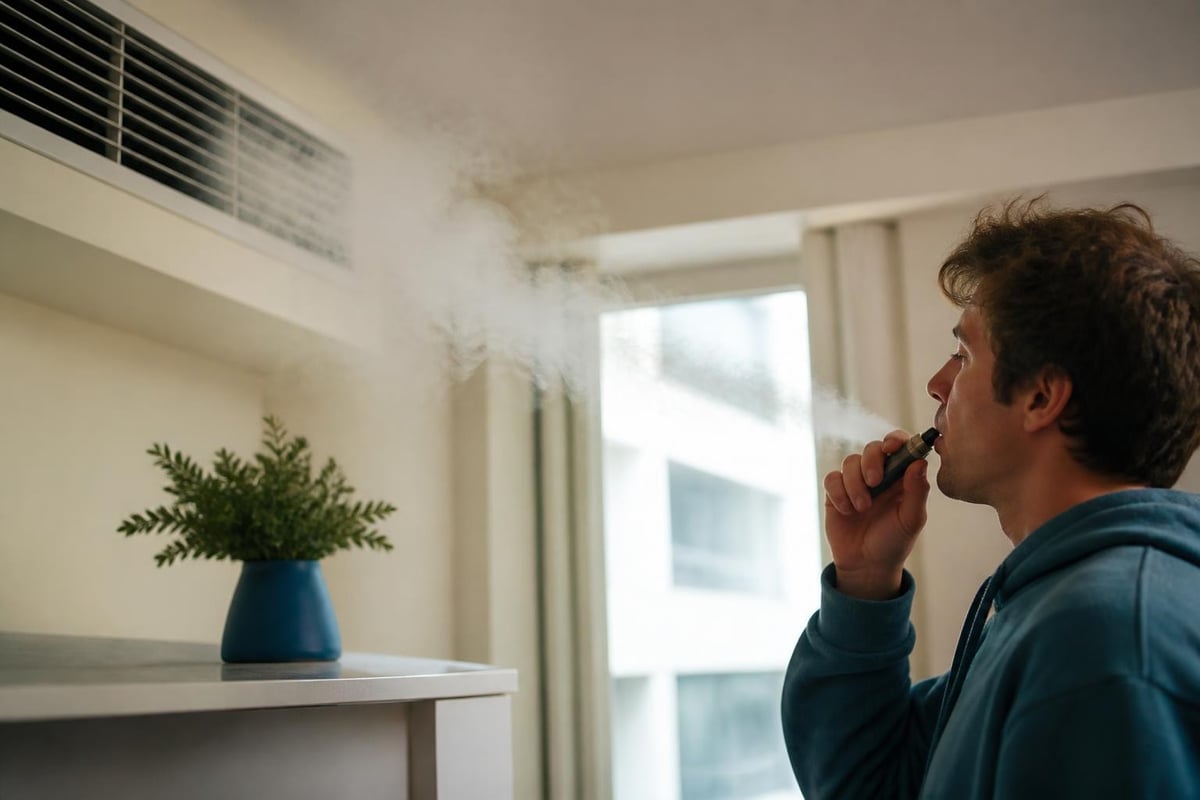
Secondhand Aerosol Exposure
Research from the Environmental Protection Agency confirms that e-cigarette aerosols contain harmful substances including nicotine, ultrafine particles, volatile organic compounds, and heavy metals. These emissions can affect other residents in multi-unit buildings through:
- Shared ventilation systems
- Gaps around pipes and electrical outlets
- Common hallways and stairwells
- Unsealed doorways
Children and vulnerable populations face heightened risks from secondhand exposure. Pregnant women, elderly residents, and individuals with respiratory conditions represent priority considerations for landlords implementing vaping policies.
Thirdhand Vaping Residues
Recent scientific investigation into thirdhand vaping residues reveals that e-cigarette aerosols deposit chemicals onto surfaces, fabrics, and furnishings. This residue accumulates over time and can:
- React with ambient air to form secondary pollutants
- Transfer to skin through contact
- Re-emit into indoor air
- Persist long after vaping cessation
Property managers face the challenge of remediation costs when new tenants express concerns about residual contamination from previous occupants' vaping habits.
Fire Safety and Device Risks
Vaping devices introduce specific fire hazards that differ substantially from traditional smoking risks. Systematic research on electronic nicotine delivery systems documents incidents of battery explosions, overheating, and fires linked to charging practices and device defects.
| Risk Category | Frequency | Primary Causes | Mitigation Strategies |
|---|---|---|---|
| Battery explosions | Moderate | Incompatible chargers, damaged batteries | Tenant education, proper disposal guidance |
| Charging fires | Low to moderate | Overnight charging, faulty equipment | Clear charging guidelines in lease terms |
| Liquid spills | High | Improper storage, overfilling | Damage deposit clauses, inspection protocols |
| Device malfunction | Low | Manufacturing defects, misuse | Insurance considerations, incident reporting |
The insurance industry has taken notice of vaping-related fire risks, with some insurers adjusting policy terms and premiums. Landlords should review their property insurance coverage to ensure adequate protection against vaping-related incidents.
Landlord liability becomes a consideration when fires or explosions cause injury or property damage. Clear lease prohibitions and documented enforcement efforts provide important legal protections.
Property Damage and Maintenance Concerns
Whilst vaping produces less visible staining than tobacco smoke, it nonetheless causes property deterioration that affects maintenance schedules and tenant turnover costs.
Surface Residue and Cleaning
Vapour residues accumulate on windows, mirrors, and painted surfaces. Professional cleaning following a vaping tenant's departure may require:
- Specialised surface treatments
- Additional ventilation and deodorisation
- Deep cleaning of soft furnishings
- Repainting in severe cases
Damage deposit disputes frequently arise when landlords deduct cleaning costs attributable to vaping residue. Detailed move-in and move-out inspection reports, including photographic evidence, provide essential documentation for such claims.
Odour Management
Though less pungent than tobacco smoke, flavoured e-liquids can leave persistent sweet or artificial fragrances. These odours embed in carpets, curtains, and upholstery, creating challenges for landlords marketing properties to new tenants.
Some prospective tenants specifically request vape-free environments, making thorough remediation commercially important rather than merely aesthetic.
Implementing Effective Vaping Policies
Successful policy implementation requires more than lease clauses. Landlords must balance enforcement capability with tenant privacy rights whilst maintaining property values and marketability.
Clear Communication Strategies
Pre-tenancy disclosure sets appropriate expectations. Before lease signing, landlords should:
- Provide written vaping policies
- Explain rationale and health considerations
- Detail enforcement procedures
- Answer tenant questions directly
- Document acknowledgement
Transparency reduces misunderstandings and demonstrates good faith should disputes arise. Legal resources from Nolo emphasise the importance of reasonable notice and consistent application across all tenancies.
Monitoring and Detection Technology
Traditional enforcement relies on tenant complaints, routine inspections, and observable evidence. However, these methods prove inadequate for detecting intermittent vaping in rental properties, particularly in multi-unit buildings where attribution becomes difficult.
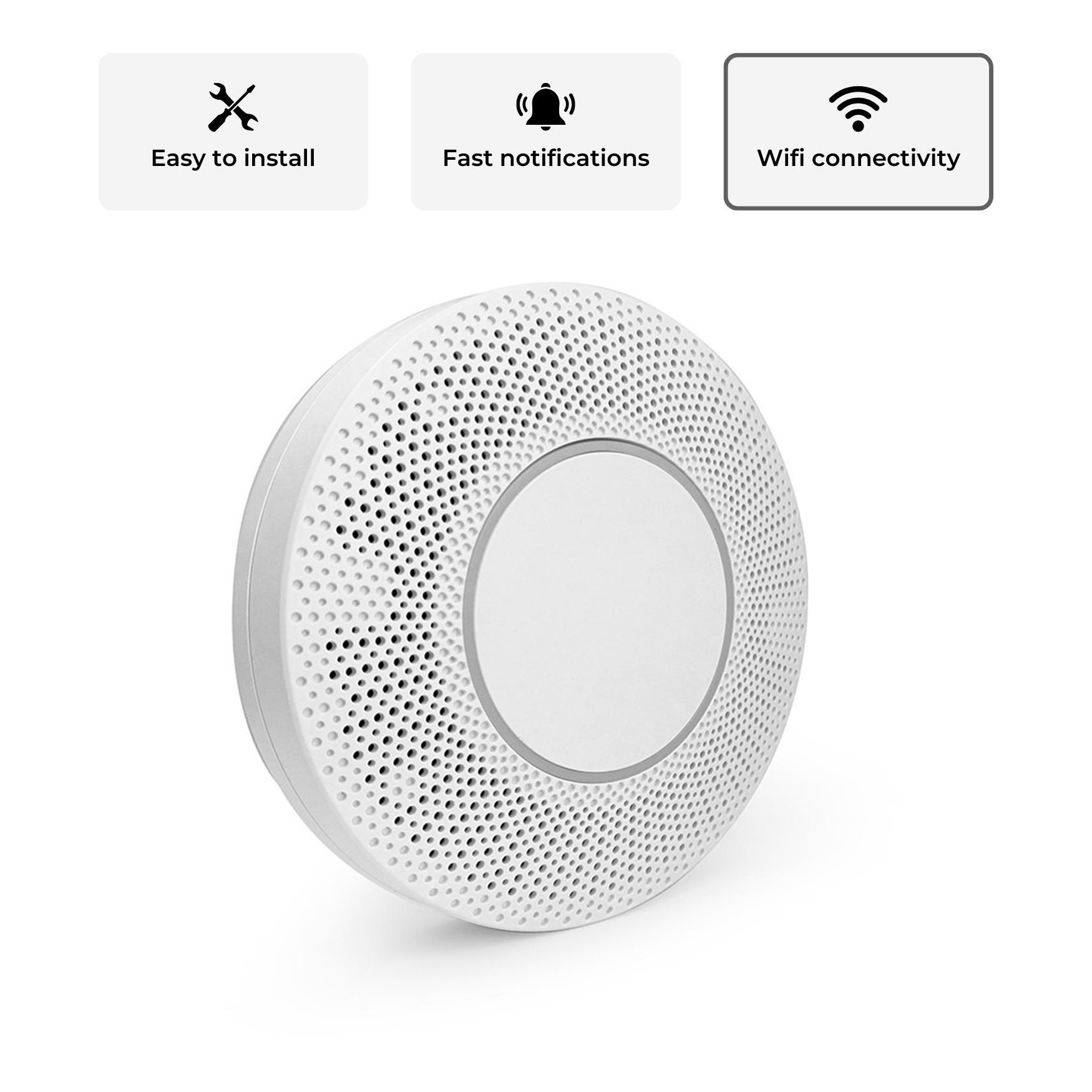
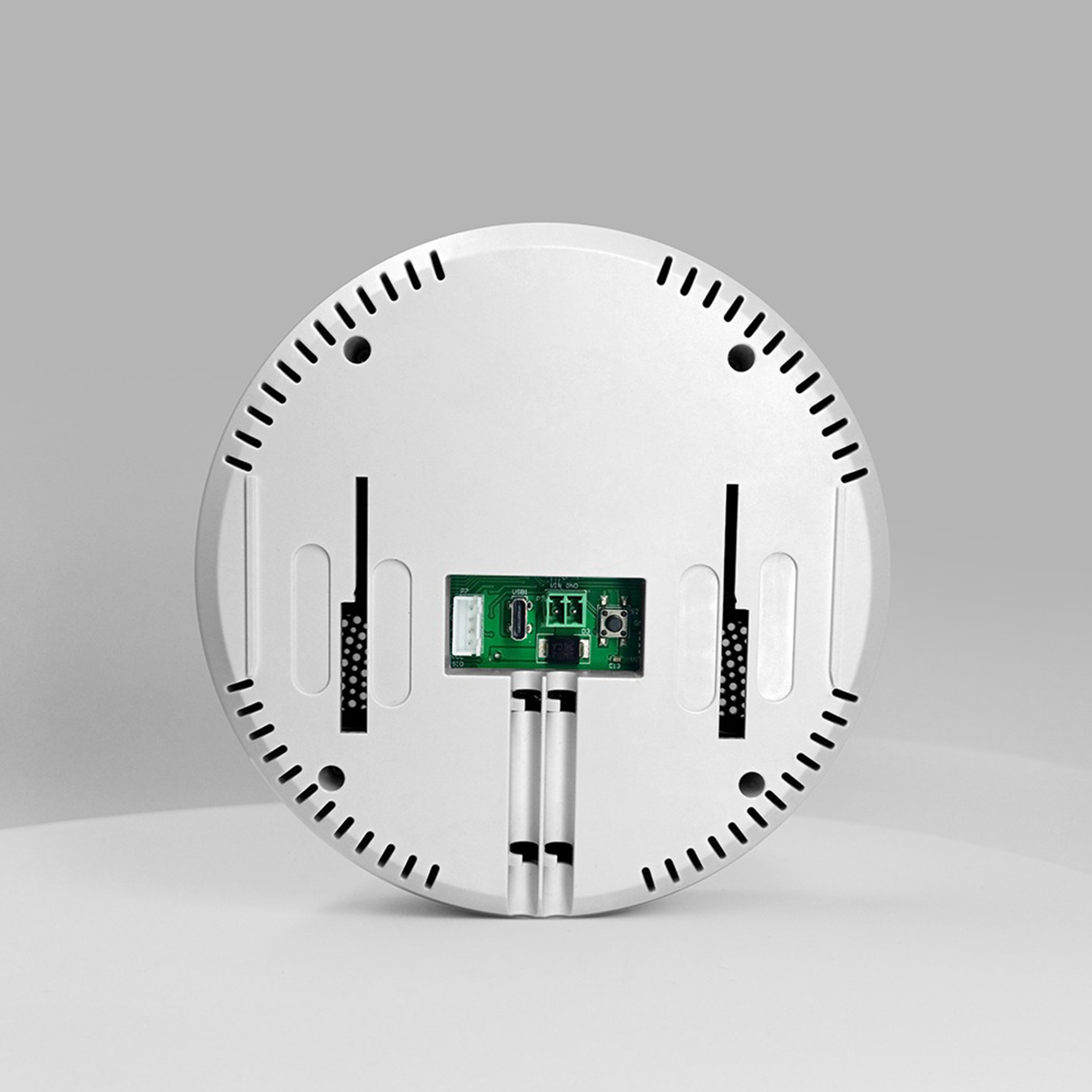
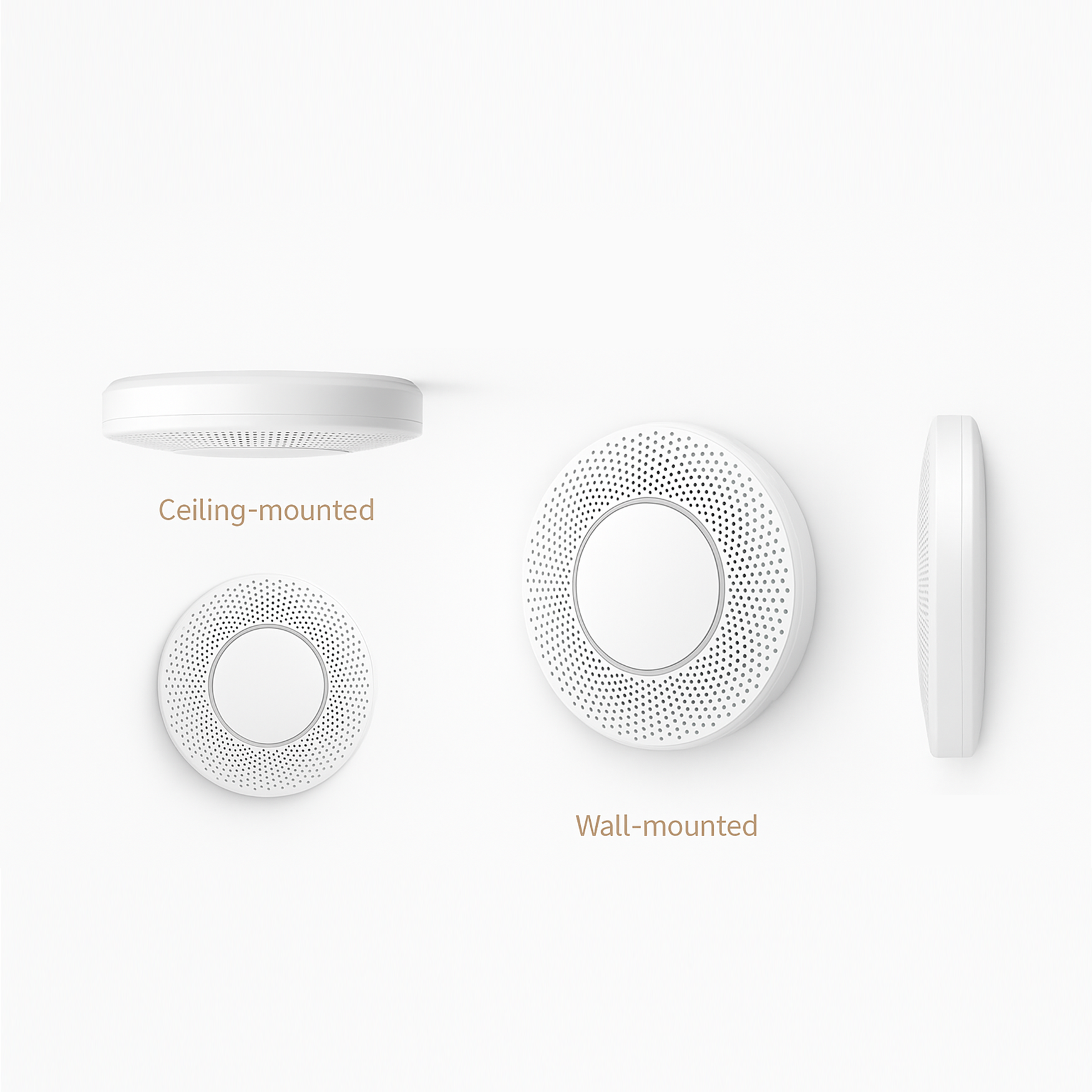
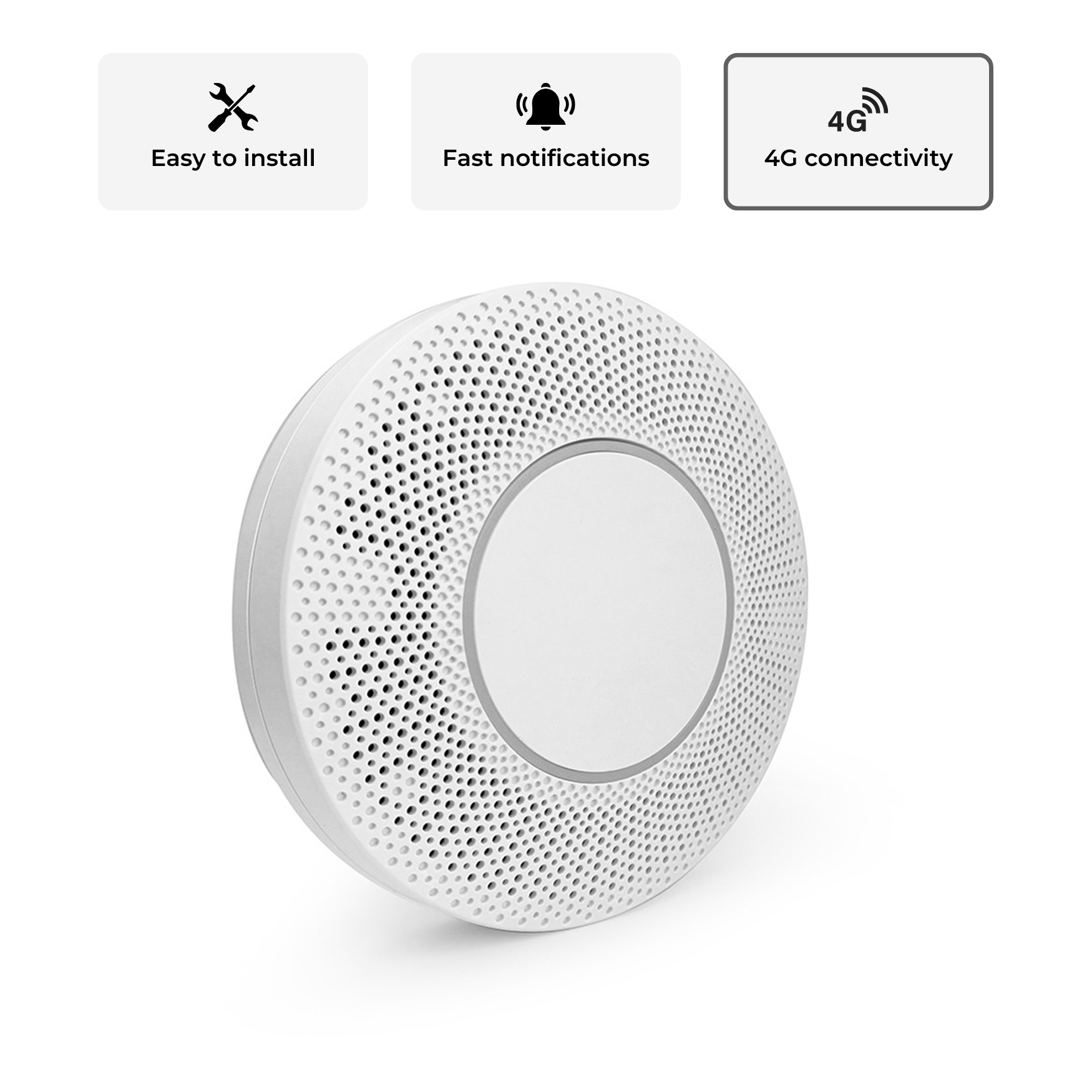
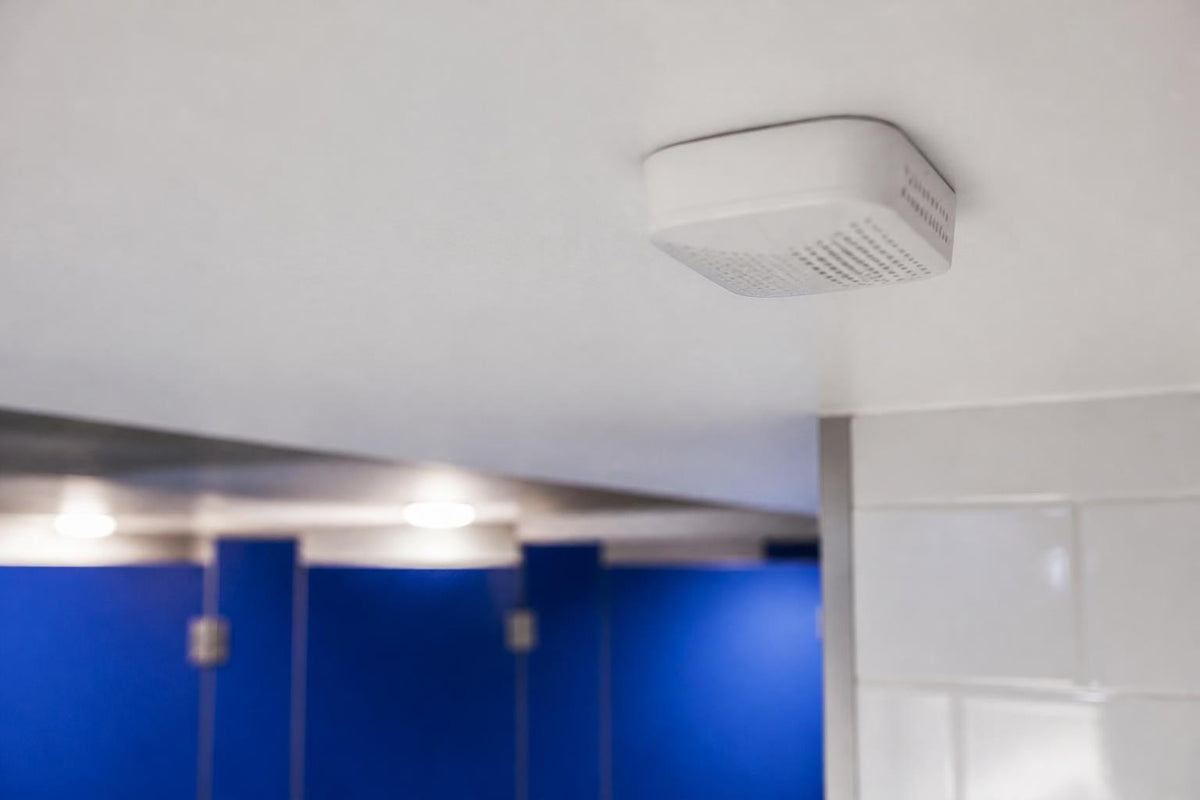
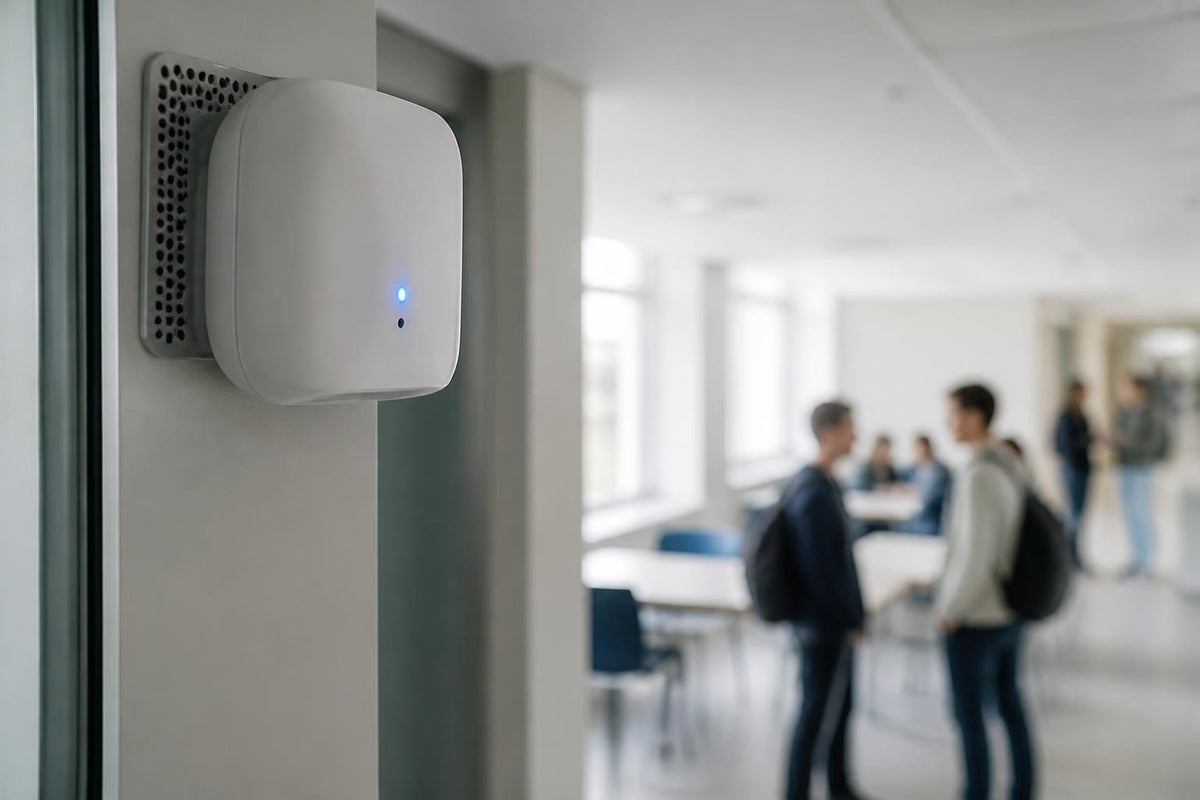
Modern vape detection systems offer objective, real-time monitoring capabilities. These sensors identify aerosol particles and chemical signatures specific to e-cigarette use, providing landlords with immediate alerts and time-stamped evidence.
For property managers overseeing multiple locations or buildings with shared spaces, technology-based solutions streamline enforcement whilst reducing reliance on neighbour reports. The Vape Detection System provides purpose-built monitoring that respects privacy whilst documenting policy violations objectively.


Enforcement Procedures
Consistent enforcement protects landlords from discrimination claims whilst maintaining policy credibility. Recommended escalation typically follows this structure:
- First violation: Written warning with policy reminder
- Second violation: Formal notice with cure period
- Third violation: Lease termination proceedings
Documentation at each stage proves essential. Photographs, sensor data, maintenance records, and dated correspondence establish pattern evidence supporting eviction if necessary.
Multiunit Housing Challenges
Apartment buildings, converted houses, and purpose-built blocks present unique complexities for managing vaping in rental properties. Aerosol migration between units creates tenant conflicts and raises questions about reasonable enjoyment rights.
Ventilation System Considerations
Shared HVAC systems can distribute vaping aerosols throughout buildings, affecting non-vaping residents. Independent research from UL Research Institutes highlights how ventilation patterns influence exposure levels in multiunit housing.
Property managers should consider:
- Air filtration upgrades
- Sealed unit boundaries
- Individual unit ventilation
- Common area restrictions
Cost-benefit analysis weighs upgrade expenses against tenant retention, reduced complaints, and potential liability reduction.
Balancing Tenant Rights
The American Lung Association's guidance on smokefree multiunit housing emphasises that tenants' right to clean air in their homes can supersede others' preferences to vape. Courts increasingly recognise that secondhand exposure constitutes a habitability issue.
Landlords must navigate competing interests whilst maintaining compliance with housing discrimination laws. Blanket policies applied equally to all tenants provide the strongest legal foundation.
Best Practices for Property Owners
Drawing from legal frameworks, health research, and practical enforcement experience, property owners can implement comprehensive strategies for managing vaping in rental properties effectively.
Policy Development Checklist
- Review and update all lease templates annually
- Include explicit vaping prohibitions in all new tenancies
- Define indoor, outdoor, and common area restrictions clearly
- Specify financial consequences for violations
- Address guest and visitor behaviour
Designated vaping areas offer a compromise in some settings, though this approach works better for outdoor spaces than indoor environments where aerosol containment proves difficult.
Tenant Education Initiatives
Proactive communication reduces violations and demonstrates landlord reasonableness. Educational approaches include:
- Welcome packets explaining health impacts
- Links to smoking cessation resources
- Clear signage in common areas
- Regular policy reminders in tenant communications
Building community understanding fosters voluntary compliance, reducing enforcement burdens.
Regular Inspection Protocols
Routine property inspections serve multiple purposes beyond vaping detection. Quarterly or biannual walkthroughs with proper notice allow landlords to:
- Assess general property condition
- Identify maintenance needs early
- Document compliance with lease terms
- Maintain landlord-tenant relationships
Inspection checklists should include specific vaping indicators such as device charging equipment, e-liquid bottles, or aerosol residue on surfaces.
Financial Implications for Landlords
Vaping policies affect property economics through multiple channels. Understanding these financial dimensions helps landlords make informed decisions about policy strictness and enforcement investment.
Turnover and Vacancy Costs
Properties marketed as vape-free attract health-conscious tenants willing to pay premium rents for guaranteed clean air. Conversely, allowing vaping may appeal to a different demographic but potentially increases turnover as non-vaping neighbours relocate.
Cleaning and renovation expenses between tenancies rise when vaping occurred. Budget planning should account for:
| Expense Category | Traditional Turnover | Post-Vaping Turnover | Difference |
|---|---|---|---|
| Basic cleaning | £200-300 | £200-300 | None |
| Deep cleaning | £100-150 | £300-500 | +£200-350 |
| Painting | £400-600 | £600-900 | +£200-300 |
| Odour treatment | £0 | £150-400 | +£150-400 |
| Total | £700-1,050 | £1,250-2,100 | +£550-1,050 |
These figures represent typical UK rental property costs, varying by region and property size.

Insurance Considerations
Disclosure requirements vary among insurers, but property owners should inform insurance providers about vaping policies and any fire incidents related to e-cigarette devices. Some policies exclude coverage for tenant-caused fires from charging electronics, creating potential gaps.
Risk mitigation through clear policies and enforcement documentation may qualify landlords for more favourable premium rates or broader coverage terms.
Technology Solutions for Modern Challenges
The evolution of vaping in rental properties demands equally modern management approaches. Sensor technology, analytics platforms, and integrated property management systems provide landlords with tools matching the sophistication of current challenges.
Real-Time Monitoring Benefits
Automated detection systems offer advantages traditional methods cannot match:
- Immediate alerts enable prompt intervention before repeated violations
- Objective evidence removes reliance on subjective neighbour complaints
- Privacy protection through air quality monitoring rather than cameras
- 24/7 coverage including evenings and weekends
For landlords managing properties remotely or overseeing multiple buildings, centralised monitoring dashboards provide visibility across entire portfolios.
Integration with Property Management
Modern vape detection integrates with broader property management workflows. Alert systems connect to:
- Maintenance ticketing platforms
- Tenant communication portals
- Lease management software
- Incident documentation systems
This integration streamlines administrative burden whilst creating comprehensive audit trails supporting enforcement actions.
Data-Driven Decision Making
Aggregate sensor data reveals patterns informing policy refinements. Landlords can identify:
- Times of day when violations cluster
- Specific units with recurring issues
- Effectiveness of warning interventions
- Seasonal variation in violation rates
Evidence-based adjustments improve policy effectiveness whilst demonstrating reasonableness should legal challenges arise.
Future Considerations for Rental Property Management
The regulatory landscape surrounding vaping continues evolving. Property owners must stay informed about legislative changes, emerging health research, and shifting tenant expectations regarding vaping in rental properties.
Anticipated Regulatory Changes
Several jurisdictions have introduced or proposed regulations affecting vaping in multiunit housing. UK property owners should monitor:
- Local authority guidance on indoor air quality
- Health and Safety Executive recommendations
- Housing standards reviews
- Tenant rights legislation updates
Proactive policy alignment with anticipated regulations positions landlords advantageously when requirements change.
Market Differentiation Opportunities
As tenant awareness of indoor air quality grows, vape-free properties represent a marketable amenity. Forward-thinking landlords can:
- Highlight air quality standards in marketing materials
- Obtain third-party air quality certifications
- Develop reputation as health-focused property managers
- Command premium rents justified by enhanced living conditions
Competitive advantage accrues to landlords who lead rather than follow market trends.
Managing vaping in rental properties requires balancing legal rights, health considerations, enforcement practicality, and financial implications. Clear policies, consistent communication, and modern detection technology provide landlords with comprehensive tools for protecting property values whilst respecting tenant relationships. For property owners seeking objective, reliable solutions to vaping detection challenges, Vape Guardian offers advanced monitoring systems designed specifically for rental environments, delivering real-time alerts and documented evidence that simplify enforcement whilst maintaining high standards for indoor air quality.



Share:
VOC TVOC and Vaping: Air Quality Impact Explained
Vape Aerosol Detection: Technology & Solutions 2026