

Understanding the relationship between voc tvoc and vaping has become increasingly important as electronic cigarettes gain prevalence in schools, workplaces, and public spaces. Whilst many perceive vaping as a harmless alternative to traditional smoking, the reality is that e-cigarette aerosols release a complex mixture of volatile organic compounds into the air. These compounds contribute to total volatile organic compound (TVOC) readings and raise significant concerns about indoor air quality, health risks, and regulatory compliance. For facility managers, safeguarding teams, and health professionals, grasping the science behind voc tvoc and vaping is essential to implementing effective detection and prevention strategies.
What Are VOCs and TVOCs?
Volatile organic compounds (VOCs) are carbon-based chemicals that easily evaporate at room temperature. They originate from numerous sources, including cleaning products, paints, building materials, and human activities such as vaping. Because VOCs are airborne, they readily disperse throughout enclosed environments, contributing to what we measure as total volatile organic compounds, or TVOC.
TVOC represents the combined concentration of all volatile organic compounds present in a given air sample at a specific moment. Environmental health specialists use TVOC measurements as a general indicator of indoor air quality, with elevated levels signalling potential contamination or inadequate ventilation.
Common Sources of VOCs
Indoor environments harbour multiple VOC sources:
- Building materials: Pressed wood, carpets, adhesives, and insulation
- Cleaning agents: Detergents, disinfectants, and air fresheners
- Personal care products: Perfumes, deodorants, and hairsprays
- Office equipment: Printers, copiers, and laminating machines
- Human activities: Cooking, smoking, and vaping
Each source contributes different compounds and concentrations, making TVOC monitoring a valuable tool for identifying pollution hotspots and tracking changes over time.

The Chemical Composition of Vaping Aerosols
Electronic cigarettes work by heating a liquid (e-liquid) containing propylene glycol, vegetable glycerine, nicotine, and flavouring compounds. This heating process generates an aerosol that users inhale and subsequently exhale into the surrounding air. The relationship between voc tvoc and vaping becomes clear when we examine what happens during this thermal transformation.
The heating element in e-cigarettes typically operates between 200°C and 300°C, sufficient to volatilise the carrier liquids and flavourings but also hot enough to trigger thermal degradation reactions. These reactions break down benign molecules into potentially harmful VOCs.
Key VOCs Released During Vaping
Research on vaping emissions has identified numerous volatile organic compounds in e-cigarette aerosols:
| VOC Compound | Source | Health Concern |
|---|---|---|
| Formaldehyde | Thermal degradation of propylene glycol | Known carcinogen, respiratory irritant |
| Acetaldehyde | Breakdown of vegetable glycerine | Probable carcinogen, eye and airway irritation |
| Acrolein | Glycerol pyrolysis | Severe respiratory irritant |
| Benzene | Flavouring compounds and degradation | Carcinogenic, blood disorders |
| Toluene | Solvent residues and flavourings | Neurological effects, organ damage |
The type and quantity of VOCs released depend on device power settings, coil temperature, e-liquid formulation, and user puff behaviour. Higher temperatures and longer puff durations generally produce greater VOC emissions.
How Vaping Elevates Indoor TVOC Levels
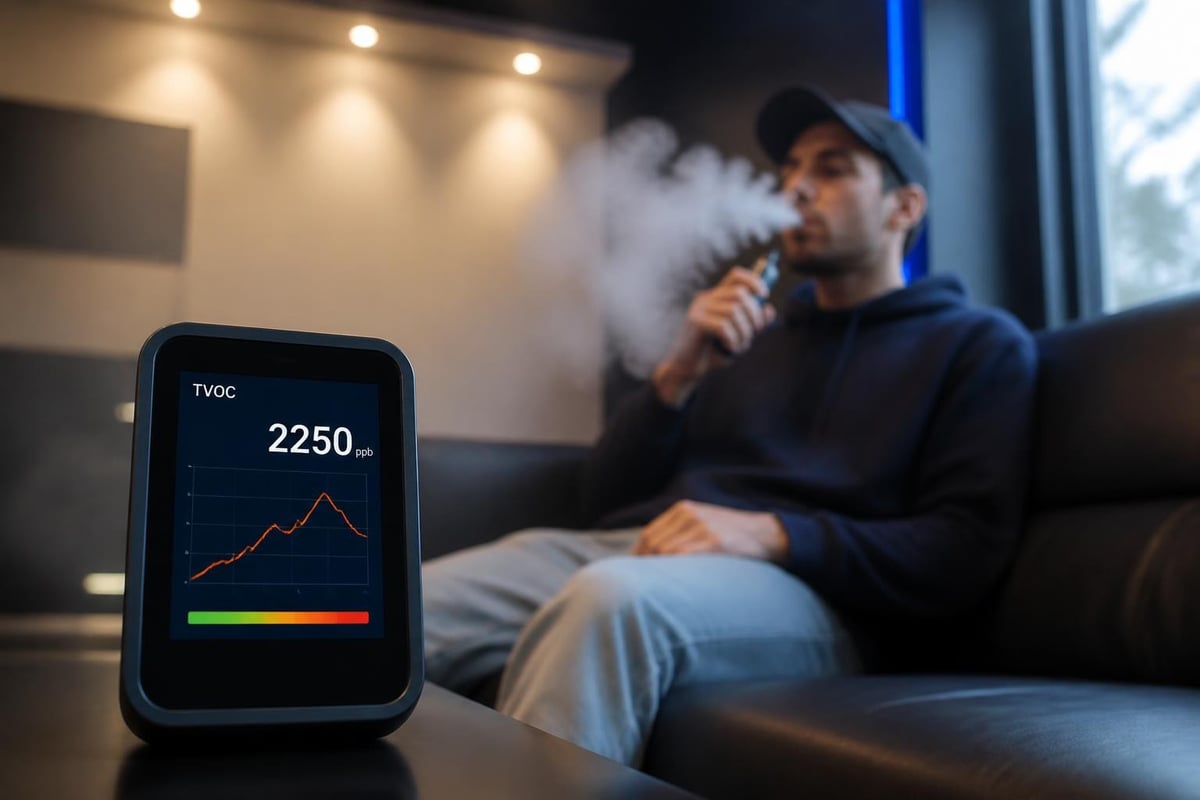
When someone vapes indoors, the exhaled aerosol disperses throughout the space, temporarily increasing TVOC concentrations. Unlike traditional cigarette smoke, which produces visible plumes and distinct odours, vaping aerosols can be subtler and dissipate more quickly, creating a false sense of safety.
Studies demonstrate that vaping sessions can double or triple baseline TVOC readings in poorly ventilated rooms within minutes. The extent of elevation depends on room volume, ventilation rate, number of users, vaping frequency, and device characteristics.
Factors Influencing TVOC Elevation
Several variables determine how significantly vaping impacts indoor air quality:
- Room size and geometry: Smaller enclosed spaces experience more dramatic concentration spikes
- Air exchange rate: Poor ventilation allows VOCs to accumulate; mechanical ventilation dilutes concentrations
- Number of users: Multiple vapers compound emissions exponentially
- Device type: Sub-ohm devices produce larger aerosol volumes than pod systems
- E-liquid composition: Different formulations and flavours release varying VOC profiles
Understanding voc tvoc and vaping dynamics helps facilities establish appropriate monitoring thresholds and ventilation protocols. For institutions concerned about underage vaping in schools, these factors become critical.
Health Implications of VOC Exposure From Vaping
The World Health Organization has highlighted that e-cigarette emissions contain toxic substances that pose health risks, particularly in indoor environments where non-users may be exposed. Whilst direct inhalation by vapers presents the greatest individual risk, secondhand exposure through elevated TVOC levels also warrants attention.
Short-term VOC exposure can trigger immediate symptoms:
- Eye, nose, and throat irritation
- Headaches and dizziness
- Respiratory discomfort
- Allergic reactions in sensitive individuals
- Exacerbation of asthma symptoms
Long-term chronic exposure to VOCs, even at low concentrations, raises more serious concerns:
- Increased cancer risk from carcinogenic compounds
- Liver and kidney damage
- Central nervous system effects
- Developmental impacts on children and adolescents
- Respiratory disease progression
Vulnerable Populations
Certain groups face heightened vulnerability to VOC exposure from vaping:
- Children and adolescents: Developing bodies absorb and process chemicals differently
- Pregnant women: VOCs can cross the placental barrier
- Individuals with respiratory conditions: Asthma, COPD, and bronchitis sufferers experience worsened symptoms
- Immunocompromised persons: Reduced capacity to process and eliminate toxins
For schools and workplaces hosting vulnerable populations, understanding voc tvoc and vaping becomes a safeguarding priority rather than merely an air quality concern.
Detecting and Monitoring TVOC From Vaping
Traditional smoke detectors prove ineffective at identifying vaping because e-cigarette aerosols contain minimal particulate matter compared to combustion smoke and dissipate rapidly. This limitation has driven demand for specialised detection technology capable of sensing the VOC signature associated with vaping.
Modern vape detection systems employ metal oxide semiconductor sensors that react to specific volatile organic compounds prevalent in e-cigarette aerosols. These sensors continuously monitor ambient air, establishing baseline TVOC readings and triggering alerts when concentrations exceed predetermined thresholds.
Technology Comparison
| Detection Method | Vaping Sensitivity | TVOC Monitoring | False Positive Rate | Cost |
|---|---|---|---|---|
| Smoke detector | Very low | No | N/A | Low |
| Basic air quality monitor | Low | Yes (generic) | High | Medium |
| Specialised vape detector | High | Yes (targeted) | Low | Higher |
| Laboratory analysis | Highest | Yes (detailed) | Minimal | Very high |
Real-time monitoring offers significant advantages over periodic sampling. Continuous data collection reveals usage patterns, identifies high-risk locations, and enables immediate intervention. Advanced systems integrate with building management platforms, creating comprehensive air quality profiles that account for all VOC sources, not just vaping.
Modern vape detection technology represents a targeted approach to monitoring voc tvoc and vaping, distinguishing vaping signatures from other VOC sources through algorithmic analysis.
Regulatory and Compliance Considerations
Indoor air quality regulations increasingly recognise VOCs as pollutants requiring management and control. The U.S. Environmental Protection Agency addresses secondhand smoke and electronic cigarette aerosols within its indoor air quality guidance, emphasising that these emissions contribute measurable pollutants to indoor environments.
UK institutions face evolving compliance landscapes as awareness of vaping's air quality impact grows:
- Health and Safety Executive workplace exposure limits
- Building Regulations Part F (ventilation requirements)
- Equalities Act obligations to protect vulnerable individuals
- Duty of care responsibilities in educational settings
- Smoke-free legislation interpretations
Many organisations have extended smoke-free policies to encompass vaping, recognising that voc tvoc and vaping present similar indoor air quality challenges. These policies require robust enforcement mechanisms, which detection technology facilitates.
Developing Effective Policies
Comprehensive vaping policies should address:
- Clear definitions: Specify that vaping falls under smoking prohibitions
- Designated areas: If permitted, outdoor vaping zones with appropriate signage
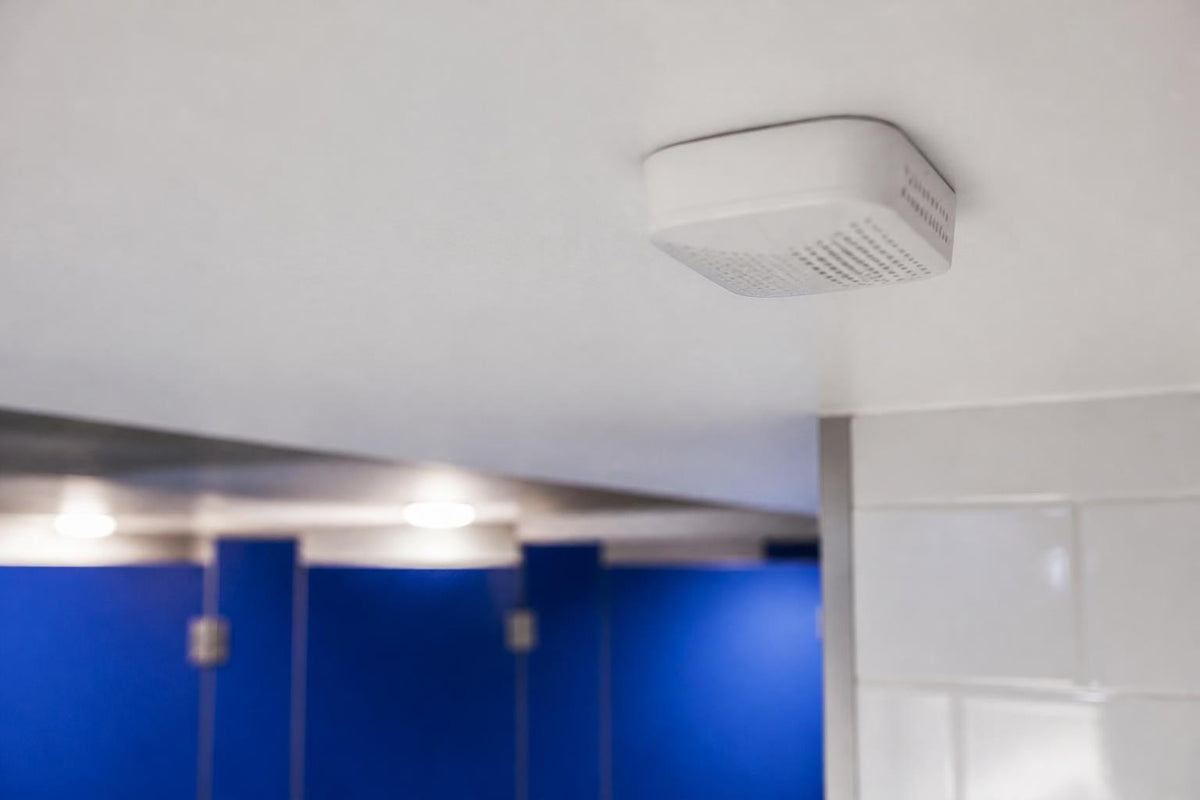
- Detection systems: Technology deployment in high-risk areas like toilets and changing rooms
- Response protocols: Escalation procedures when violations occur
- Education programmes: Information on health risks and policy rationale
- Support services: Cessation resources for users seeking to quit
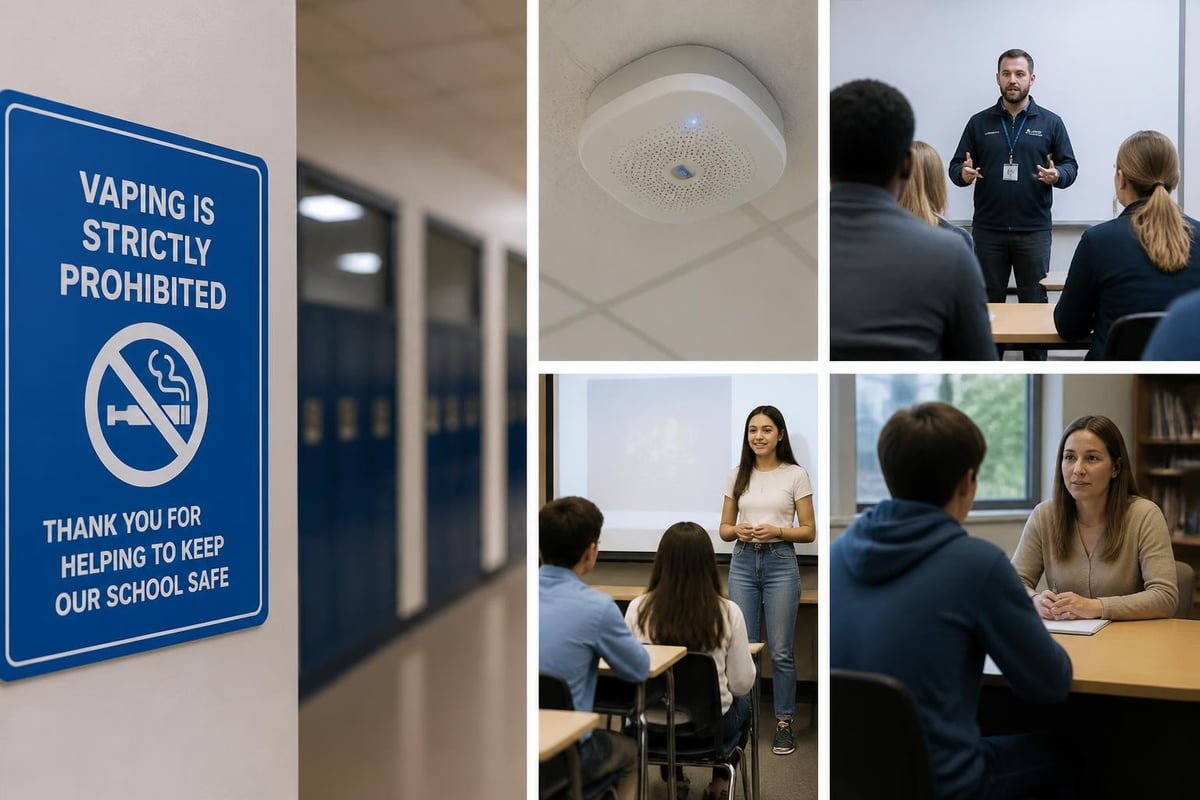
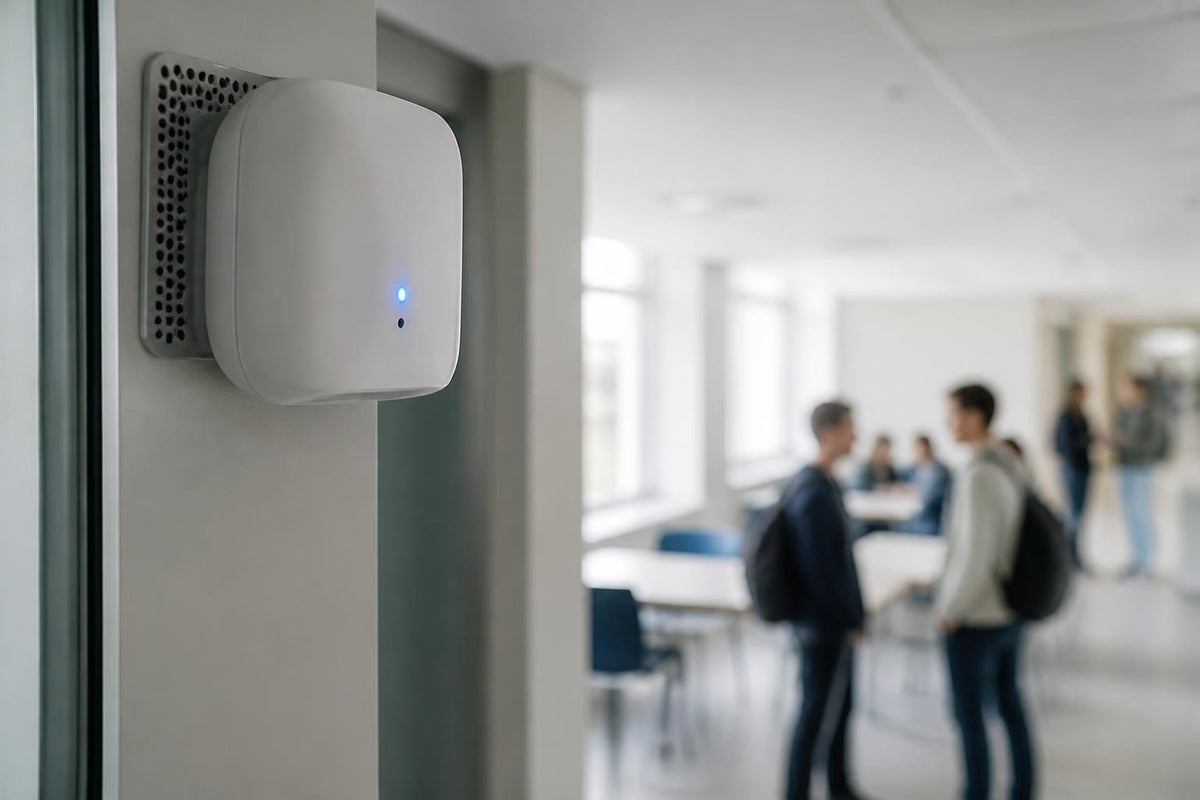
Schools facing challenges with youth vaping particularly benefit from integrated approaches combining policy, technology, and education.
Implementing Vape Detection Systems
Organisations serious about managing voc tvoc and vaping require strategic implementation of detection infrastructure. Successful deployments balance coverage, cost, and operational integration.
Initial assessment should map high-risk areas where vaping commonly occurs:
- Toilet facilities and washrooms
- Changing rooms and locker areas
- Secluded corridors and stairwells
- Outdoor shelters and covered areas
- Vehicle parking structures
Installation Best Practices
Optimal sensor placement maximises detection whilst minimising false alerts:
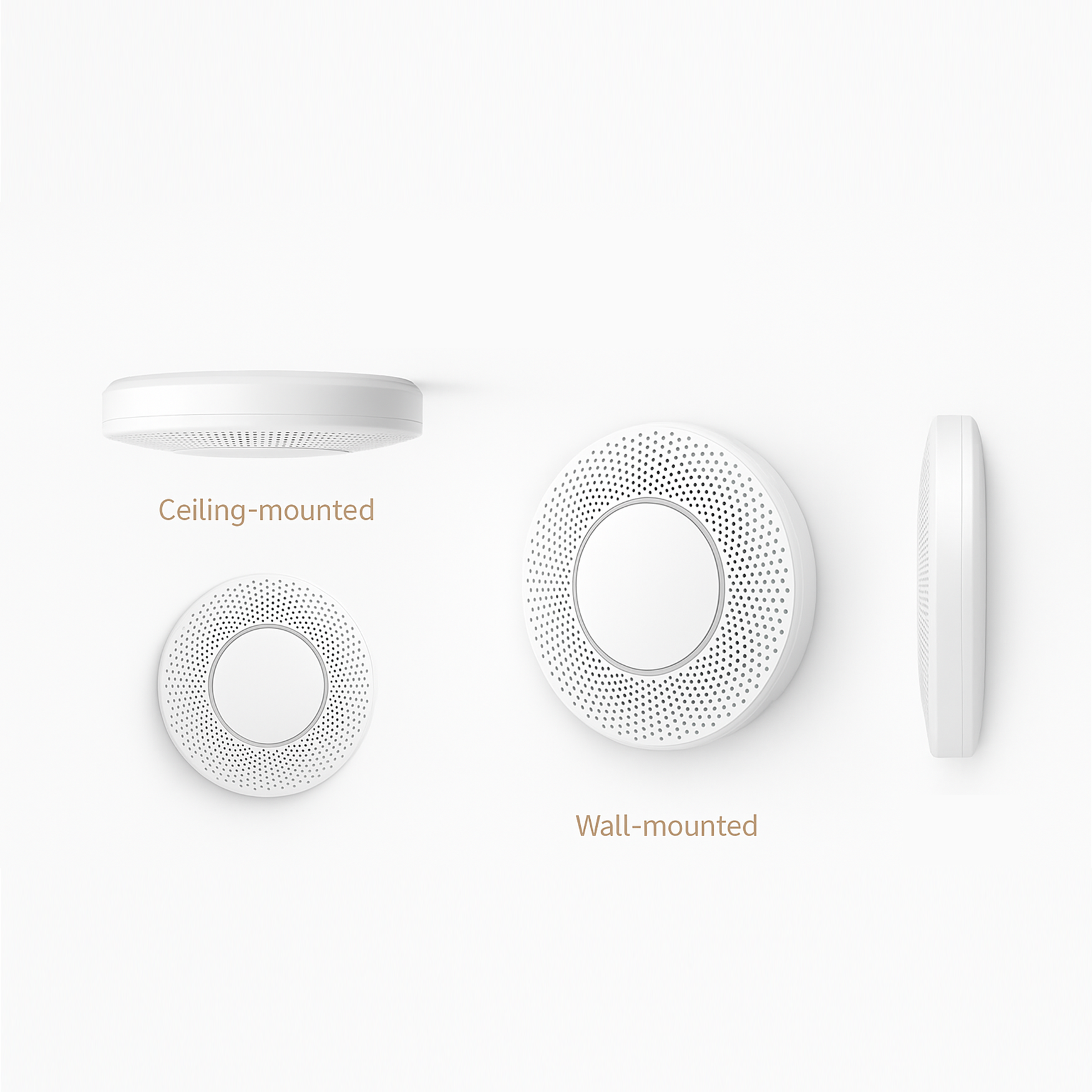
- Mount devices near ceiling level where aerosols accumulate
- Position away from direct HVAC vents that might dilute samples
- Cover entry/exit points to detect users before dispersion
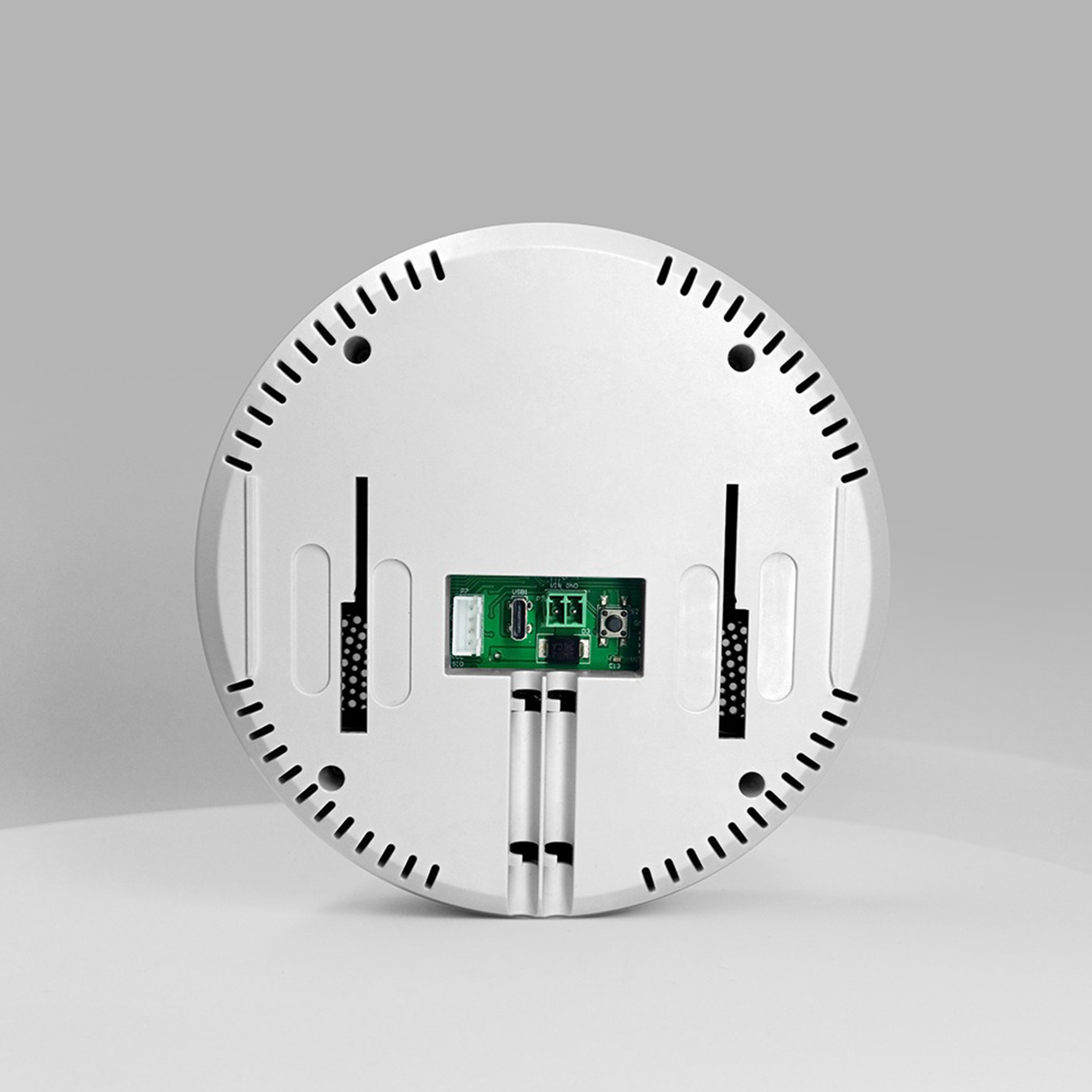
- Install in locations with power and network connectivity
- Ensure devices remain tamper-resistant and vandal-proof
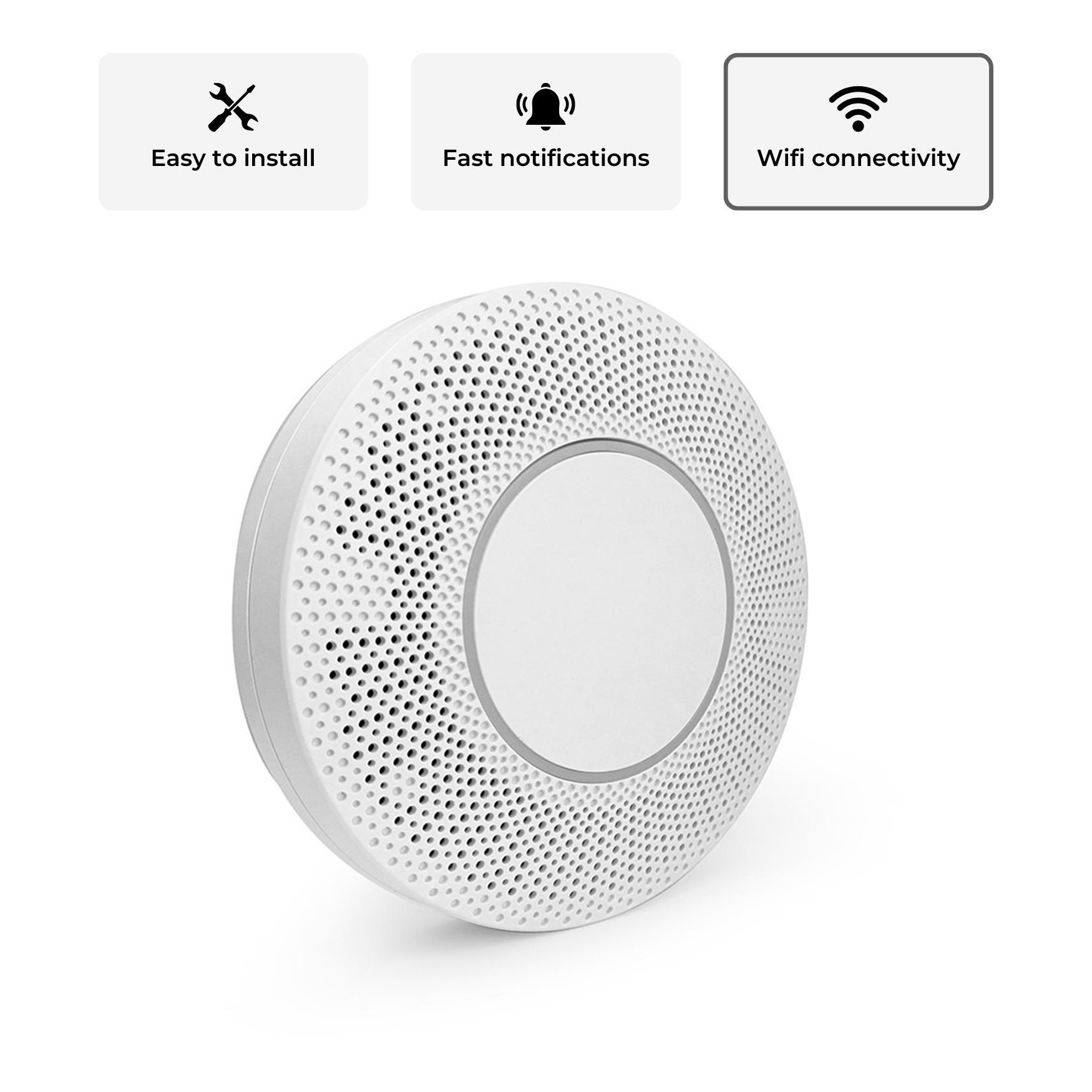
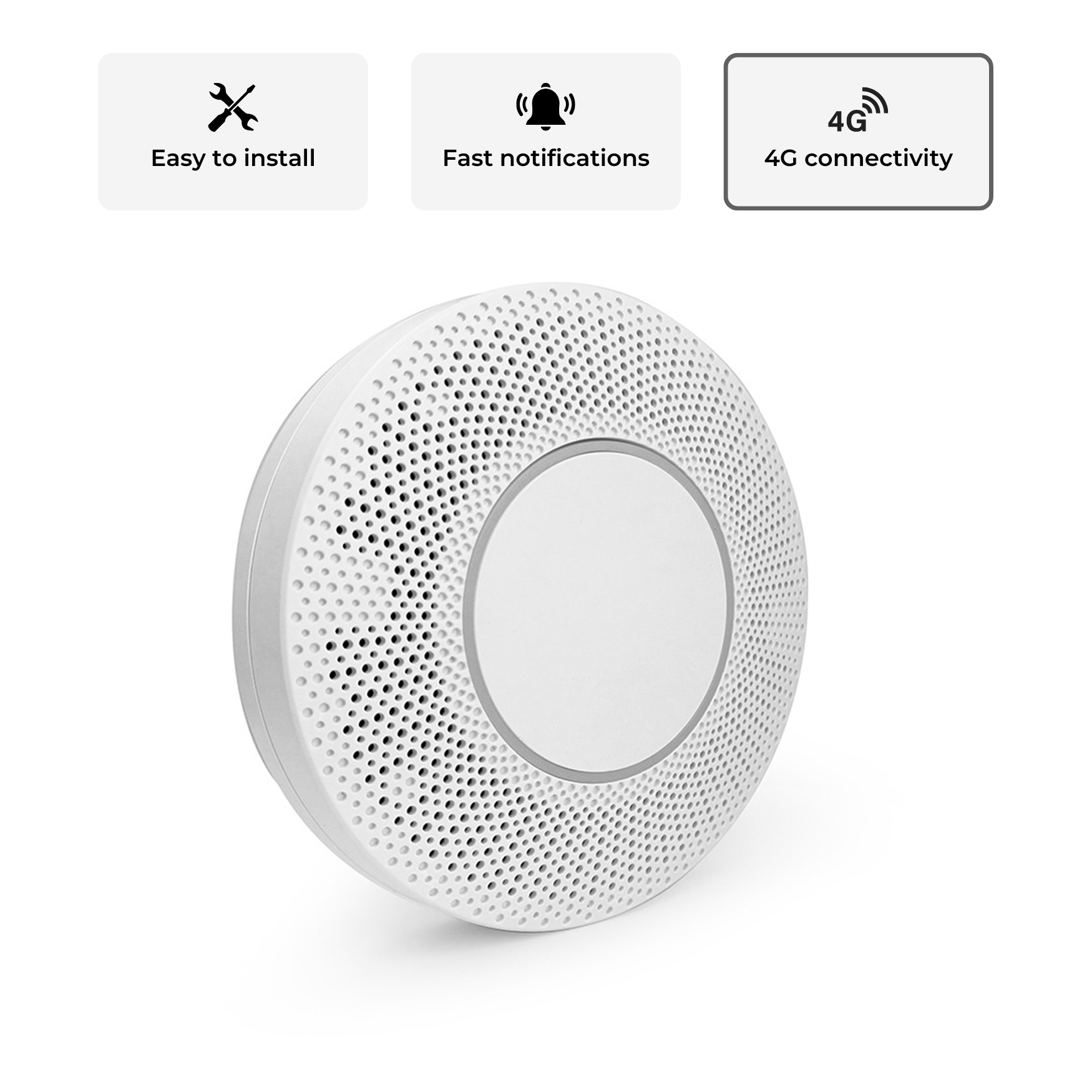
The Vape Detection System combines TVOC monitoring with sound and motion detection, providing comprehensive coverage that addresses not just vaping but also potential drug use and antisocial behaviour in sensitive areas. This integrated approach offers schools and workplaces a powerful tool for maintaining safe, compliant environments.

Following installation, organisations should establish baseline TVOC readings during normal operations, accounting for legitimate VOC sources. This baseline enables the system to differentiate between ambient fluctuations and vaping-related spikes.
Data Interpretation and Response Strategies
Raw TVOC data requires context and interpretation to drive meaningful action. Effective systems provide analytics dashboards that transform sensor readings into actionable intelligence.
Key metrics to track include:
- Peak TVOC concentrations and timing
- Frequency of threshold exceedances
- Location-specific patterns and trends
- Correlation with occupancy schedules
- Improvement following interventions
Creating Actionable Alerts
Alert systems should balance sensitivity with practicality. Overly sensitive thresholds generate alert fatigue; insufficiently sensitive settings miss genuine incidents. Optimal configurations consider:
- Graduated thresholds: Warning, alert, and critical levels
- Temporal context: Time-of-day and day-of-week patterns
- Spatial correlation: Multiple sensors detecting simultaneous spikes
- Duration requirements: Sustained elevation versus brief transients
- Integration: Automated notifications to security, facilities, and leadership
Response protocols should specify who receives alerts, expected response times, and escalation procedures. For schools tackling vaping, prompt intervention combined with supportive conversations often proves more effective than purely punitive approaches.
Broader Air Quality Management
Understanding voc tvoc and vaping forms part of comprehensive indoor air quality management. Organisations committed to occupant health should address all VOC sources, not exclusively vaping.
Holistic air quality strategies incorporate:
- Regular ventilation system maintenance and filter replacement
- Low-VOC materials selection during renovations
- Green cleaning product specifications
- Integrated pest management reducing pesticide use
- Continuous monitoring across multiple parameters (particulates, CO₂, humidity)
| Air Quality Parameter | Vaping Impact | Other Sources | Health Significance |
|---|---|---|---|
| TVOC | High | Moderate | Respiratory irritation, long-term health |
| PM2.5 | Moderate | High | Lung penetration, cardiovascular effects |
| CO₂ | None | Occupancy | Cognitive function, ventilation indicator |
| Humidity | Minimal | HVAC, weather | Mould growth, comfort |
| Temperature | None | HVAC, solar gain | Thermal comfort, productivity |
Vaping detection technology often measures multiple parameters simultaneously, providing broader environmental intelligence beyond voc tvoc and vaping concerns. This data supports evidence-based decisions about ventilation improvements, occupancy limits, and facility modifications.
Economic and Operational Benefits
Investing in vape detection and TVOC monitoring delivers returns extending beyond health protection. Organisations realise tangible operational and financial benefits.
Documented advantages include:
- Reduced cleaning and maintenance costs from aerosol residue
- Lower insurance premiums through demonstrated risk management
- Decreased absenteeism from improved air quality
- Enhanced productivity in healthier environments
- Stronger regulatory compliance reducing violation penalties
- Improved institutional reputation and stakeholder confidence
For educational institutions, addressing voc tvoc and vaping contributes to Ofsted ratings under personal development and behaviour criteria. Businesses benefit from enhanced employer brand and talent retention.
Calculating Return on Investment
Simple ROI calculations should account for:
- System costs: Hardware, installation, software subscriptions, maintenance
- Incident reduction: Quantified decrease in vaping violations
- Time savings: Reduced investigation and disciplinary hours
- Health cost avoidance: Prevented illness and associated expenses
- Reputational value: Difficult to quantify but strategically important
Most organisations implementing comprehensive detection systems report positive ROI within 18 to 24 months, with benefits accelerating as systems mature and data informs continuous improvement.
Future Developments in VOC Detection
The field of voc tvoc and vaping detection continues evolving rapidly. Emerging technologies promise enhanced sensitivity, selectivity, and integration.
Anticipated advances include:
- Machine learning algorithms distinguishing specific substances
- Wireless sensor networks with mesh topology
- Integration with access control and video management systems
- Miniaturised sensors enabling broader deployment
- Predictive analytics identifying risk patterns before incidents
- Improved battery technology for wireless operation
- Enhanced tamper detection and anti-vandalism features
As vaping products themselves evolve, particularly with concerns about drugs in vapes, detection systems must adapt to identify novel compounds and formulations. Ongoing research into VOC fingerprinting will enable systems to differentiate between nicotine vaping, THC vaping, and other aerosol sources with greater precision.
Supporting Behaviour Change Through Technology
Technology alone cannot eliminate vaping. Sustainable solutions combine detection with education, support, and culture change. Understanding voc tvoc and vaping empowers organisations to frame conversations around health and respect rather than mere rule enforcement.
Effective programmes integrate:
- Age-appropriate education on VOCs and health impacts
- Visible monitoring technology as both deterrent and educational tool
- Supportive interventions for users seeking to quit
- Peer leadership and positive role modelling
- Family engagement and community partnerships
- Regular communication of air quality data and improvements
Schools implementing proven steps to stop vaping report that transparent communication about monitoring technology enhances rather than undermines trust. Students appreciate environments prioritising health and safety, particularly when systems protect everyone from secondhand exposure.
Understanding voc tvoc and vaping equips organisations to make informed decisions about air quality, health protection, and regulatory compliance. The science clearly demonstrates that vaping releases measurable volatile organic compounds into indoor environments, creating exposure risks for all occupants and particularly vulnerable populations. Whether you manage a school concerned about youth vaping, a workplace prioritising employee health, or any facility where air quality matters, Vape Guardian provides the advanced detection and monitoring technology you need. Our integrated systems deliver real-time alerts, comprehensive analytics, and reliable performance, helping you create safer, healthier environments whilst supporting compliance efforts and demonstrating your commitment to occupant wellbeing.



Share:
Vape Detectors Vaping Detectors: Complete 2026 Guide
Vaping in Rental Properties: A 2026 Guide for Landlords