

The proliferation of vaping in enclosed spaces has created unprecedented challenges for organisations across the United Kingdom. Schools struggle with students vaping in toilets, employers face compliance issues in smoke-free workplaces, and leisure venues contend with guests violating vaping policies. Vape detectors vaping detectors have emerged as the definitive technological solution, offering real-time monitoring and enforcement capabilities that traditional supervision simply cannot match. These advanced sensors detect the chemical signatures unique to e-cigarette aerosols, providing instant alerts when vaping occurs in restricted areas.
Understanding Vape Detectors Vaping Detectors Technology
Modern vape detectors vaping detectors employ sophisticated sensor arrays to identify the specific particulate matter and volatile organic compounds released during vaping. Unlike simple smoke detectors that respond to combustion byproducts, these specialised devices recognise the unique aerosol profile created when e-liquids vaporise. The technology distinguishes between harmless environmental factors and genuine vaping incidents with remarkable accuracy.
Chemical Detection Mechanisms
The core functionality relies on detecting propylene glycol and vegetable glycerin, the primary base ingredients in virtually all e-liquids. When heated, these substances produce a distinctive aerosol signature that differs substantially from water vapour, cologne, or cleaning products. Advanced sensors measure particle size distribution, chemical composition, and concentration levels simultaneously.
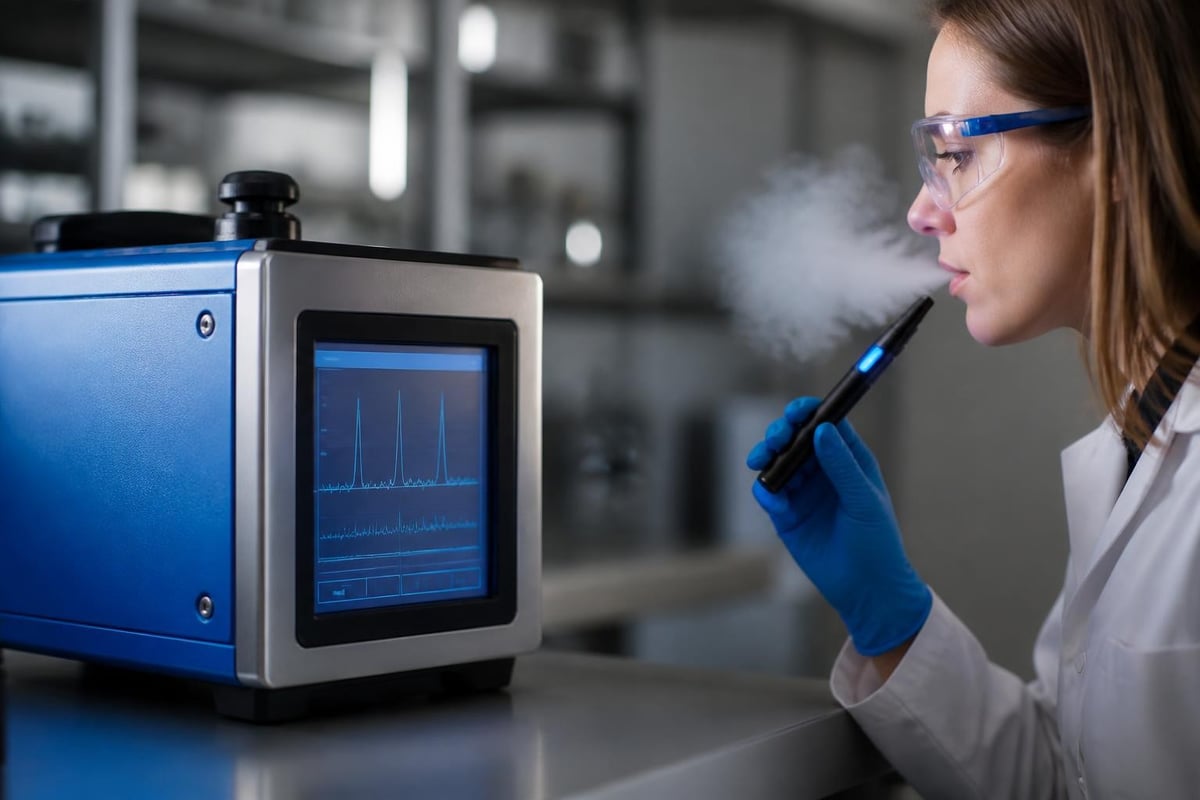
Key detection parameters include:
- Particle diameter ranging from 0.3 to 2.5 micrometres
- Volatile organic compound concentration spikes
- Temperature and humidity fluctuations
- Acoustic signatures from aerosol release
- Light scattering patterns unique to vaping
The EPA's research on secondhand smoke and electronic cigarette aerosols confirms that vaping produces measurable indoor air quality impacts, validating the scientific basis for detection technology.
Multi-Sensor Integration
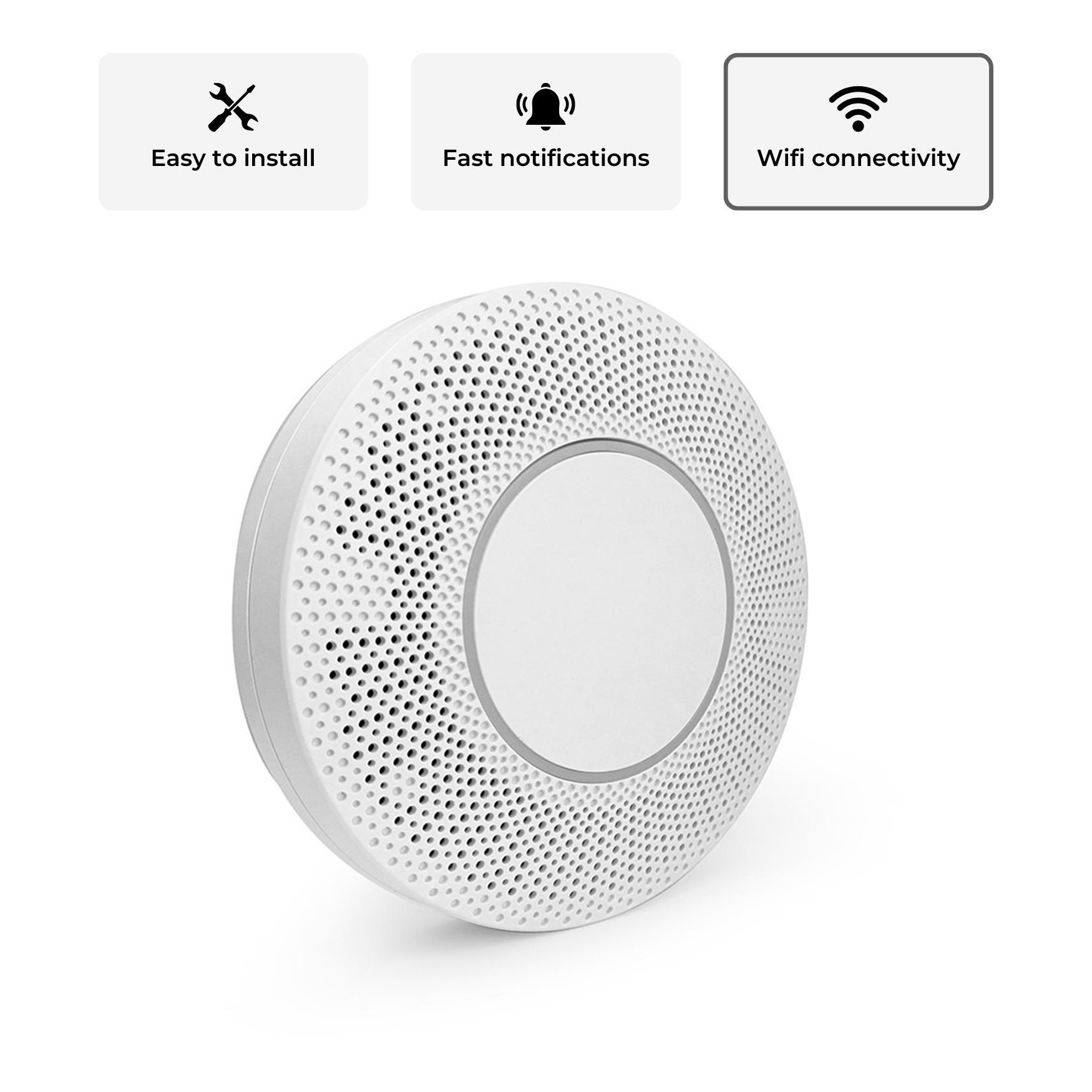
Contemporary vape detectors vaping detectors incorporate multiple sensing technologies within a single unit. This redundancy minimises false positives whilst maximising detection reliability. A typical device combines particulate sensors with gas sensors and environmental monitors, cross-referencing data streams before triggering alerts.
| Sensor Type | Detection Target | Response Time | Accuracy Rate |
|---|---|---|---|
| Particulate | Aerosol particles | 2-5 seconds | 98% |
| VOC | Chemical vapours | 3-7 seconds | 95% |
| Acoustic | Sound patterns | Instant | 92% |
| Environmental | Context validation | Continuous | 99% |
This multi-layered approach ensures that vape detectors vaping detectors deliver consistent performance across diverse environments, from humid changing rooms to air-conditioned offices.
Deployment Strategies for Educational Settings
Schools represent the primary market for vape detectors vaping detectors, driven by the alarming increase in youth vaping rates. Strategic placement and integration with existing safeguarding protocols maximise effectiveness whilst respecting privacy considerations. Headteachers face unique challenges when balancing detection technology with pastoral care responsibilities.
Optimal Installation Locations
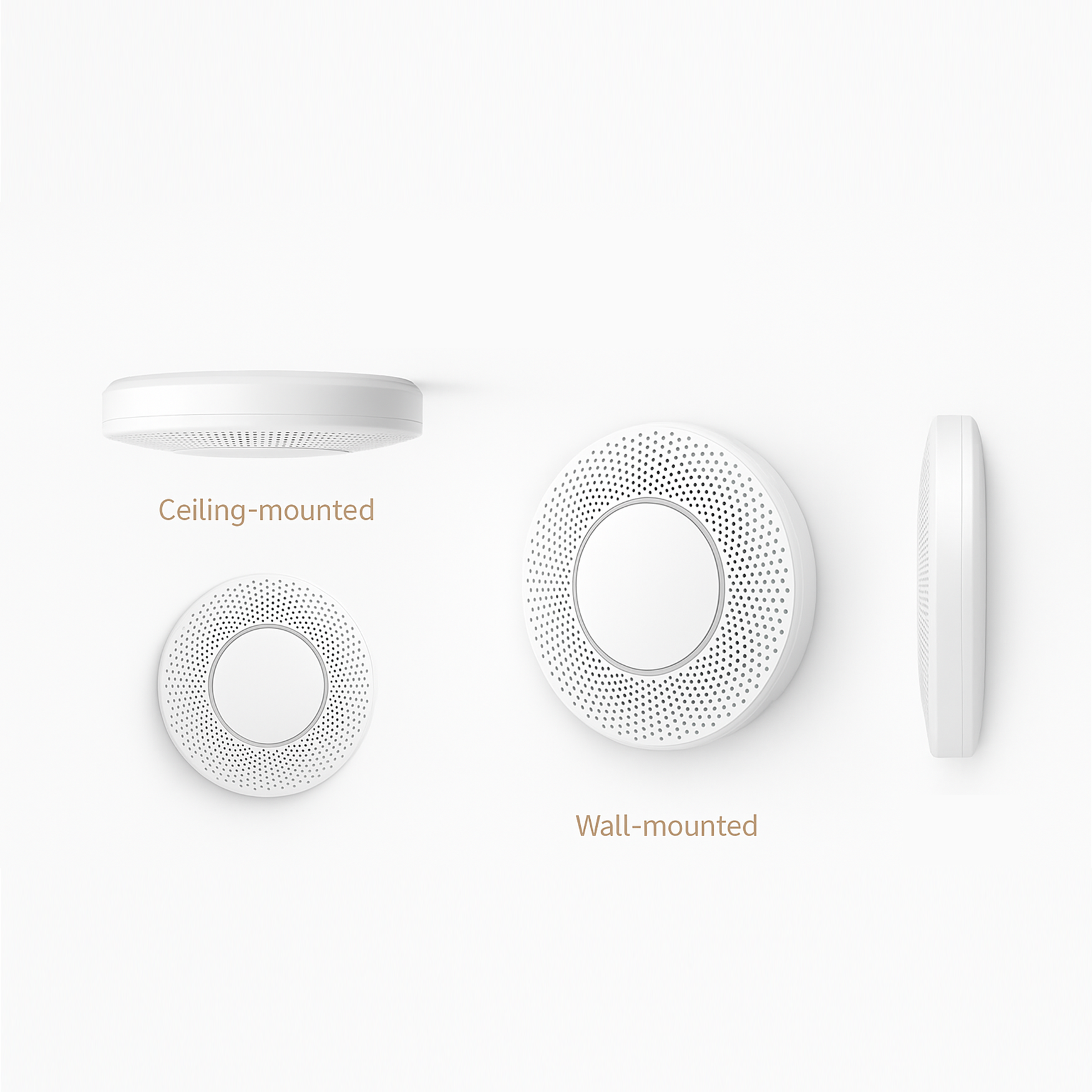
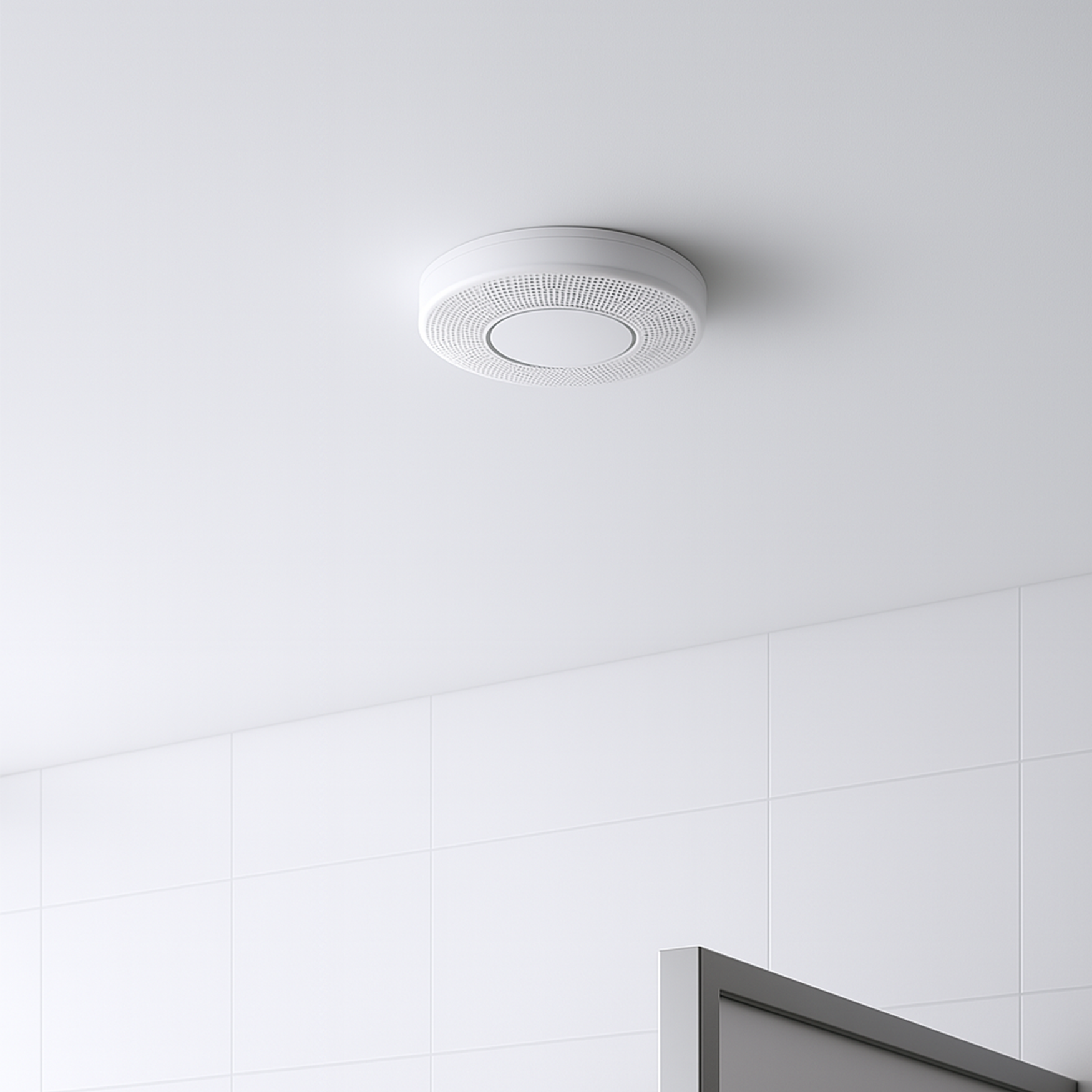
Toilets and changing facilities require priority coverage, as these areas offer privacy that students exploit for vaping. However, detectors must be positioned to monitor air quality without visual surveillance capabilities. Ceiling-mounted units provide comprehensive coverage whilst maintaining appropriate boundaries.
Strategic placement zones include:
- Student toilet facilities (cubicles and communal areas)
- Changing rooms adjacent to sports facilities
- Maintenance corridors and secluded stairwells
- Outdoor smoking shelters repurposed as vape-free zones
- Storage areas and equipment rooms
The National Academies' comprehensive review of e-cigarette health consequences underscores why schools must take proactive detection measures to protect student wellbeing.
Integration with Safeguarding Frameworks
Effective implementation requires aligning vape detectors vaping detectors with broader safeguarding policies. Detection events should trigger pastoral interventions rather than purely punitive responses. Senior leadership teams must establish clear protocols connecting detection alerts to support mechanisms for students struggling with nicotine addiction.

Modern systems enable tiered response protocols. First incidents might prompt educational conversations, whilst repeated violations escalate to parental involvement and external support services. This balanced approach addresses the root causes of youth vaping rather than merely punishing symptoms.
Workplace Applications and Compliance Requirements
Employers face legal obligations to maintain smoke-free workplaces under the Health Act 2006, extended interpretations of which increasingly encompass vaping. Vape detectors vaping detectors provide the monitoring infrastructure necessary to enforce these policies consistently and fairly. Offices present distinct deployment challenges compared to educational environments, requiring different sensor configurations and alert protocols.
Legal and Regulatory Considerations
Whilst vaping itself is not prohibited by statute in most workplaces, employers retain the right to establish vape-free policies. These policies must be clearly communicated, consistently enforced, and supported by appropriate detection infrastructure. Vape detectors vaping detectors create an objective enforcement mechanism that removes potential discrimination concerns.
The NIOSH workplace exposure guidance highlights why employers should monitor indoor air quality impacts from vaping, particularly in shared office environments where non-vapers may object to secondhand aerosol exposure.
Privacy and Data Protection
Workplace deployment of vape detectors vaping detectors must comply with GDPR requirements and employee privacy expectations. Sensors should monitor air quality without recording conversations or capturing identifying information. Transparent policies outlining detection capabilities, data retention, and alert procedures build trust whilst maintaining enforcement capability.
Key privacy safeguards include:
- Audio monitoring limited to decibel levels (no recording)
- Alerts identifying location but not individuals
- Data encryption during transmission and storage
- Clear retention policies (typically 30-90 days)
- Employee notification of monitored areas
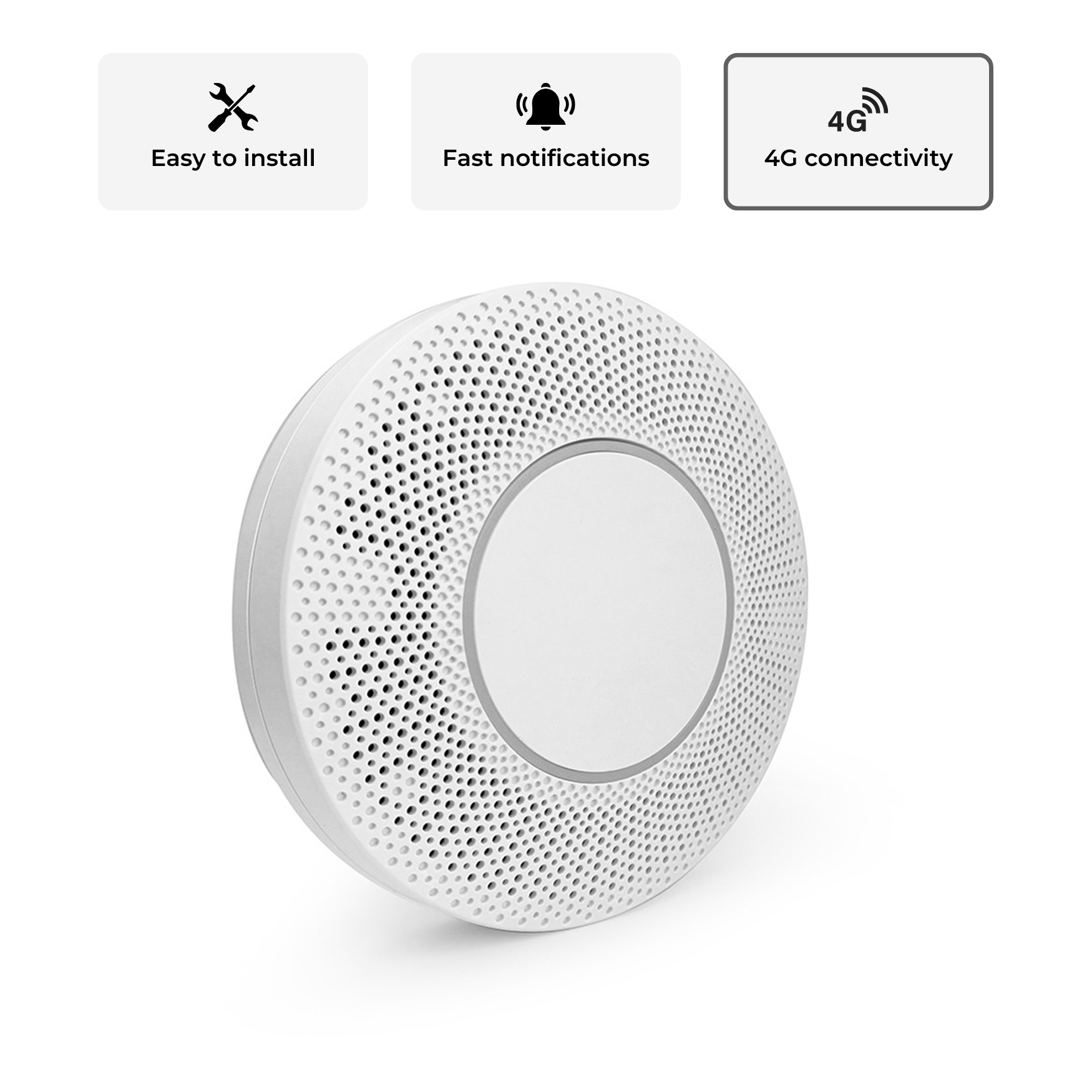
The Vape Guardian Vape Detection System exemplifies privacy-conscious design, offering comprehensive vaping detection whilst respecting individual privacy through intelligent sensor architecture that focuses solely on air quality parameters. This approach enables organisations to enforce vaping policies without creating surveillance concerns that might undermine workplace culture or employee morale.

Advanced Features and System Capabilities
Contemporary vape detectors vaping detectors extend far beyond basic detection, incorporating environmental monitoring, security integration, and predictive analytics. These enhanced capabilities transform detection devices into comprehensive facility management tools that deliver value across multiple operational domains.
Air Quality Monitoring
Beyond vaping detection, advanced sensors continuously monitor temperature, humidity, air pressure, and general air quality metrics. This environmental data supports HVAC optimisation, identifies maintenance issues before they escalate, and creates healthier indoor environments. Schools and offices benefit from insights that reduce energy costs whilst improving occupant comfort.
| Environmental Parameter | Monitoring Range | Alert Thresholds | Operational Benefit |
|---|---|---|---|
| Temperature | -10°C to 60°C | Custom per zone | HVAC efficiency |
| Humidity | 0-100% RH | <30% or >70% | Mould prevention |
| Air Quality Index | 0-500 | >150 | Health protection |
| Decibel Level | 30-120 dB | >85 dB | Behaviour monitoring |
Tamper Detection and Security Integration
Sophisticated vape detectors vaping detectors incorporate tamper-resistant designs with active monitoring for physical interference. Attempts to disable, obscure, or damage sensors trigger immediate alerts, preventing students or employees from circumventing detection systems. Integration with existing security infrastructure creates comprehensive monitoring ecosystems.
Security integration capabilities:
- Real-time alerts to security personnel mobile devices
- Integration with access control systems
- CCTV correlation (alerts trigger camera recording)
- Building management system connectivity
- Emergency response protocol activation
The vaping education hub for schools provides resources helping educators understand not just detection technology but the broader context of youth vaping interventions.
Return on Investment and Cost Considerations
Organisations evaluating vape detectors vaping detectors must assess both upfront costs and long-term value. Initial hardware investment ranges from £200 to £800 per sensor depending on capabilities, with subscription fees for cloud-based management platforms adding £5 to £20 monthly per device. However, the comprehensive benefits typically justify expenditure within the first year of deployment.
Direct Cost Savings
Prevention of vaping-related damage delivers immediate financial returns. Aerosol residue accumulates on surfaces, requiring additional cleaning. False fire alarms triggered by vaping aerosols cost organisations thousands in emergency response fees and lost productivity. Insurance premiums may decrease when proactive detection systems demonstrate risk management commitment.
Quantifiable savings include:
- Reduced cleaning and maintenance expenses
- Eliminated false alarm response costs
- Lower insurance premiums through risk mitigation
- Decreased HVAC system wear from contaminant buildup
- Avoided regulatory penalties for policy violations
Indirect Value Creation
Beyond direct savings, vape detectors vaping detectors generate substantial indirect value. Schools report improved learning environments when vaping incidents decline. Offices see productivity gains when employees spend less time vaping and non-vapers avoid secondhand aerosol exposure. Multi-academy trusts benefit from standardised detection infrastructure that ensures consistent policy enforcement across all member schools.

Cultural transformation represents perhaps the greatest long-term benefit. When detection systems create consistent consequences for policy violations, organisational culture shifts towards compliance. Students and employees recognise that vaping policies are enforced seriously, fostering respect for other health and safety guidelines.
Implementation Best Practices and Common Pitfalls
Successful vape detectors vaping detectors deployment requires careful planning extending beyond simple hardware installation. Organisations that rush implementation without comprehensive stakeholder engagement often encounter resistance, whilst those investing in thoughtful rollout strategies achieve superior outcomes and higher acceptance rates.
Stakeholder Communication Strategies
Transparent communication before, during, and after installation builds support for detection initiatives. Educational institutions should engage governors, parents, staff, and students in policy development. School governors play a crucial role in approving detection technology investments and ensuring alignment with broader governance priorities.
Communication timeline recommendations:
- 8-12 weeks before: Policy consultation with all stakeholders
- 4-6 weeks before: Formal policy approval and communication
- 2-3 weeks before: Installation scheduling and final preparations
- Installation week: Clear signage and reminder communications
- Post-installation: Regular reporting on detection effectiveness
Workplaces benefit from similar consultation processes, ensuring employees understand both the rationale for detection and their privacy protections. Staff who participate in policy development become advocates rather than resistors.
Technical Configuration Optimisation
Default sensor settings rarely suit every environment perfectly. Organisations should allocate time for calibration and threshold adjustment based on specific conditions. Humid changing rooms may require different sensitivity levels than air-conditioned offices. False positive rates above 5% undermine confidence in detection systems and warrant reconfiguration.
| Environment Type | Recommended Sensitivity | Alert Delay | Notification Recipients |
|---|---|---|---|
| School toilets | High | Immediate | Pastoral staff |
| Office areas | Medium-high | 30 seconds | Facilities team |
| Leisure facilities | Medium | 60 seconds | On-site managers |
| Aviation areas | Very high | Immediate | Security personnel |
The leisure and retail sector presents unique detection challenges, balancing customer experience with policy enforcement across diverse facility types from gyms to cinemas.
Maintenance and Long-Term Performance
Vape detectors vaping detectors require periodic maintenance to sustain optimal performance. Sensor calibration every six months ensures accuracy, whilst firmware updates deliver enhanced detection algorithms and new features. Organisations should establish maintenance schedules integrated with broader facility management calendars.
Dust accumulation on sensor surfaces degrades detection capability over time. Monthly cleaning protocols using approved methods prevent performance deterioration. Cloud-based management platforms typically provide diagnostic alerts when sensors require attention, enabling proactive maintenance before detection failures occur.
Future Developments in Vaping Detection Technology
The vape detectors vaping detectors market continues evolving rapidly, with manufacturers developing increasingly sophisticated capabilities. Artificial intelligence and machine learning enhance detection accuracy whilst reducing false positives. Next-generation sensors promise to identify specific substances within aerosols, distinguishing nicotine from THC or other compounds with forensic precision.
Substance-Specific Detection
Current research focuses on sensors capable of differentiating between nicotine-based e-liquids and cannabis vaping products. This capability would enable organisations to tailor responses based on substance type, recognising that THC vaping presents different health and legal concerns than nicotine consumption. Expected market availability for substance-specific vape detectors vaping detectors falls within the next 18-24 months.
Integration with Behavioural Analytics
Advanced platforms increasingly incorporate behavioural analytics, identifying patterns across detection events. Machine learning algorithms recognise temporal patterns, suggesting when and where vaping incidents cluster. These insights enable targeted interventions, such as increased supervision during specific periods or enhanced education for particular groups.
Emerging analytical capabilities:
- Predictive alerts based on historical patterns
- Occupancy correlation (linking detection to access control)
- Social network analysis identifying peer influence
- Effectiveness tracking for intervention programmes
- Long-term trend analysis supporting policy refinement
The disposable vape ban debate, explored in recent analysis of environmental and youth health impacts, influences detection technology development as manufacturers adapt to evolving product types.
Selecting the Right Detection Solution
Organisations face numerous options when evaluating vape detectors vaping detectors, from basic single-function sensors to comprehensive environmental monitoring platforms. Selection criteria should prioritise organisational needs, existing infrastructure, and long-term scalability rather than simply minimising upfront costs.
Feature Prioritisation Framework
Different environments demand different capabilities. Schools might prioritise tamper detection and multiple alert routing, whilst offices focus on air quality monitoring and discrete notifications. Aviation facilities require the highest sensitivity levels due to safety-critical consequences of any smoking or vaping.
Decision framework questions:
- What is the primary detection objective (compliance, safety, health)?
- How will detection alerts integrate with response protocols?
- What existing systems require integration (security, building management)?
- What environmental challenges affect sensor performance (humidity, temperature)?
- What privacy considerations govern deployment and data management?
The vape detectors for education sector provides detailed guidance helping schools navigate selection and implementation decisions specific to educational environments.
Vendor Evaluation Criteria
Beyond product specifications, organisations should evaluate vendor capabilities including technical support, firmware update frequency, and long-term viability. Detection technology evolves rapidly, making ongoing vendor support essential for maintaining system effectiveness. UK-based vendors offer advantages including local support, GDPR compliance expertise, and understanding of British regulatory environments.
| Evaluation Criteria | Weight | Assessment Method |
|---|---|---|
| Detection accuracy | 25% | Independent testing data |
| Privacy compliance | 20% | GDPR audit results |
| Integration capability | 15% | Technical specifications |
| Support quality | 15% | Reference checks |
| Scalability | 10% | Platform architecture |
| Total cost of ownership | 15% | 5-year cost projection |
Demonstration installations allow organisations to evaluate real-world performance before committing to full deployment. Reputable vendors accommodate trial periods, confident that vape detectors vaping detectors will demonstrate value under operational conditions.
Vape detectors vaping detectors have evolved from niche security products to essential infrastructure for organisations committed to maintaining healthy, compliant environments. The technology delivers measurable benefits across educational, workplace, and leisure settings, combining immediate detection capabilities with long-term environmental monitoring that supports broader facility management objectives. Vape Guardian provides advanced detection solutions tailored to UK organisations, offering reliable sensors, comprehensive support, and proven expertise in reducing vaping incidents whilst supporting your compliance and safeguarding goals.



Share:
Vaping in Workplaces: Policy, Detection & Compliance