

The landscape of vaping in workplaces has transformed dramatically since electronic cigarettes first entered the market. What began as a niche alternative to traditional smoking has evolved into a significant workplace management challenge affecting organisations across the United Kingdom and beyond. Employers now face complex questions about where, when, and whether to permit vaping on their premises, balanced against employee expectations, health considerations, and regulatory compliance. Understanding the technical, legal, and cultural dimensions of workplace vaping is essential for any organisation committed to maintaining a safe, productive, and compliant environment.
The Growing Prevalence of Vaping in Professional Settings
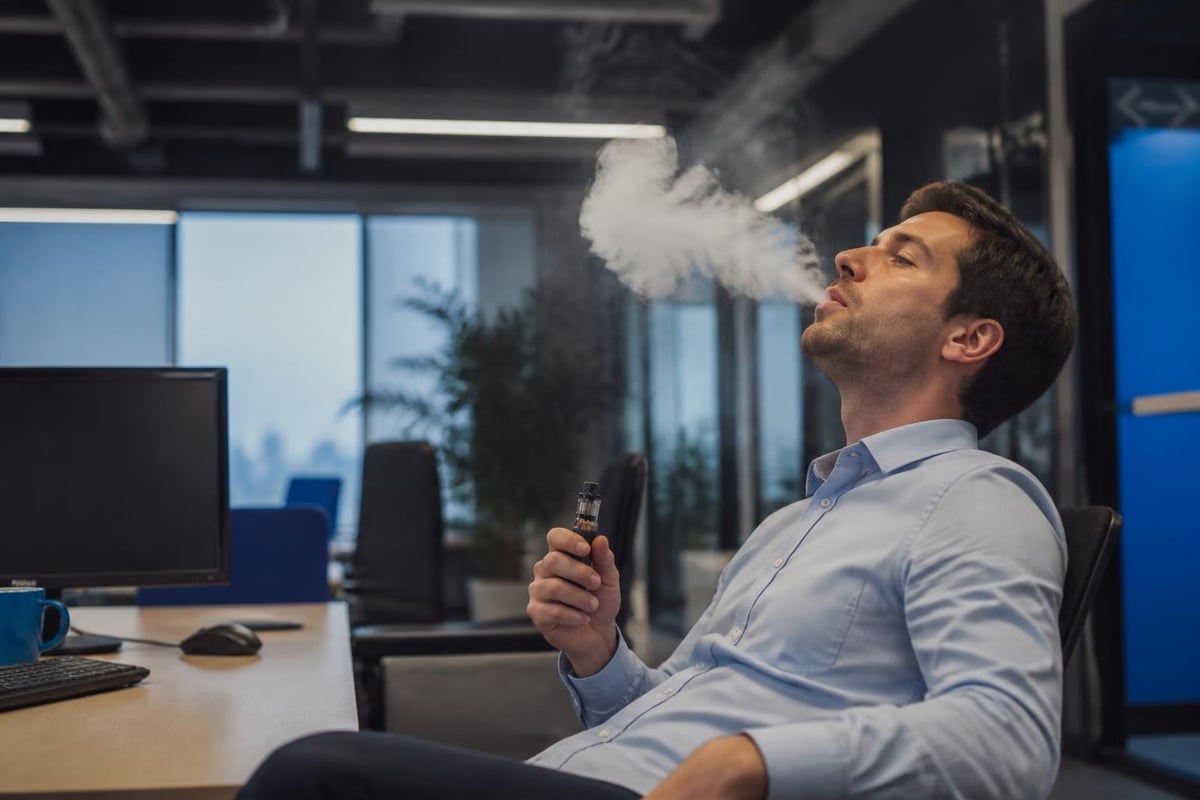
Recent data shows that approximately 5.6 million adults in the UK now use electronic cigarettes regularly, with a substantial portion of these individuals spending significant time in workplace environments. Unlike traditional cigarettes, which produce unmistakable smoke and odour, vaping devices emit aerosol clouds that dissipate quickly, making detection and enforcement considerably more challenging for employers.
The World Health Organization has published comprehensive guidance on e-cigarettes and their regulation, highlighting the need for workplaces to develop clear policies. Many employees perceive vaping as harmless or significantly less intrusive than smoking, leading to informal use in toilets, stairwells, and even at desks in open plan offices.
Why Traditional Smoking Policies Fall Short
Most organisations developed their smoking policies decades ago, long before electronic cigarettes existed. These policies typically address combustible tobacco products and designate specific outdoor smoking areas. However, applying these same frameworks to vaping in workplaces often creates confusion and inconsistent enforcement.
Key differences between smoking and vaping that impact policy:
- Vaping produces no lasting odour on clothing or breath
- Aerosol dissipates within seconds to minutes, leaving minimal evidence
- Devices range from discreet pod systems to large, cloud producing models
- Users can exhale into clothing or sleeves to minimise visible vapour
- Battery powered devices activate silently, unlike the distinctive sound of a lighter
These characteristics mean employees can vape in toilets or secluded areas with minimal risk of detection, even when policies explicitly prohibit the practice. The challenge intensifies in facilities with poor ventilation or where multiple employees vape throughout the day.
Health and Safety Considerations in Occupied Spaces
Whilst vaping eliminates many of the harmful combustion products found in cigarette smoke, the aerosol is not harmless water vapour. Research from the Environmental Protection Agency demonstrates that secondhand electronic cigarette aerosol contains particulate matter, nicotine, volatile organic compounds, and other substances that can affect indoor air quality.
A peer reviewed study published in Scientific Reports examined how ventilation systems and room dynamics affect aerosol behaviour. The findings revealed that standard office HVAC systems, designed for normal occupancy loads, may struggle to maintain optimal air quality when multiple individuals vape indoors regularly.
Occupational Exposure in High Vaping Environments
Certain workplace settings face elevated exposure risks. Research published in PMC analysing occupational assessment in vape shops measured airborne nicotine and particulate matter levels, revealing concentrations significantly above baseline in poorly ventilated retail environments. Whilst most offices differ substantially from vape shops, the principles remain relevant.
| Air Quality Metric | Standard Office | High Vaping Use | Acceptable Threshold |
|---|---|---|---|
| PM2.5 (µg/m³) | 5-15 | 45-120 | <35 |
| Nicotine (µg/m³) | <1 | 8-35 | No established limit |
| VOCs (ppb) | 50-200 | 300-800 | <500 |
These measurements demonstrate why vaping in workplaces cannot simply be dismissed as inconsequential, particularly in enclosed spaces with limited air exchange.
Legal Framework and Employer Obligations
Unlike traditional smoking, which faces comprehensive legislative restrictions across the UK, vaping occupies a grey area in many jurisdictions. The smoking ban enacted in 2007 does not explicitly cover electronic cigarettes, leaving employers with significant discretion in crafting their own policies.
However, this discretion comes with responsibility. Employers have a duty of care under health and safety legislation to provide a safe working environment. This obligation extends to managing indoor air quality and protecting non-vaping employees from unwanted exposure to aerosols and chemicals.
Creating Enforceable Vaping Policies
The Society for Human Resource Management offers comprehensive guidance on developing smoke and vape free workplace policies. Effective policies share several common characteristics that distinguish them from ineffective ones.
Essential elements of robust workplace vaping policies:
- Clear scope definition specifying all covered areas, including toilets, stairwells, car parks, and company vehicles
- Explicit inclusion of electronic cigarettes using multiple terms like e-cigarettes, vaping devices, and nicotine delivery systems
- Designated vaping areas if permitted, with specific boundaries and ventilation requirements
- Progressive disciplinary procedures outlining consequences for policy violations
- Communication plan ensuring all employees, contractors, and visitors understand expectations
- Review schedule committing to regular policy updates as technology and regulations evolve
Many organisations struggle with enforcement, particularly in facilities with limited supervision or numerous secluded areas. This challenge has driven increased interest in technology based solutions that can detect vaping activity objectively and alert designated personnel in real time.
Technology Solutions for Detection and Compliance
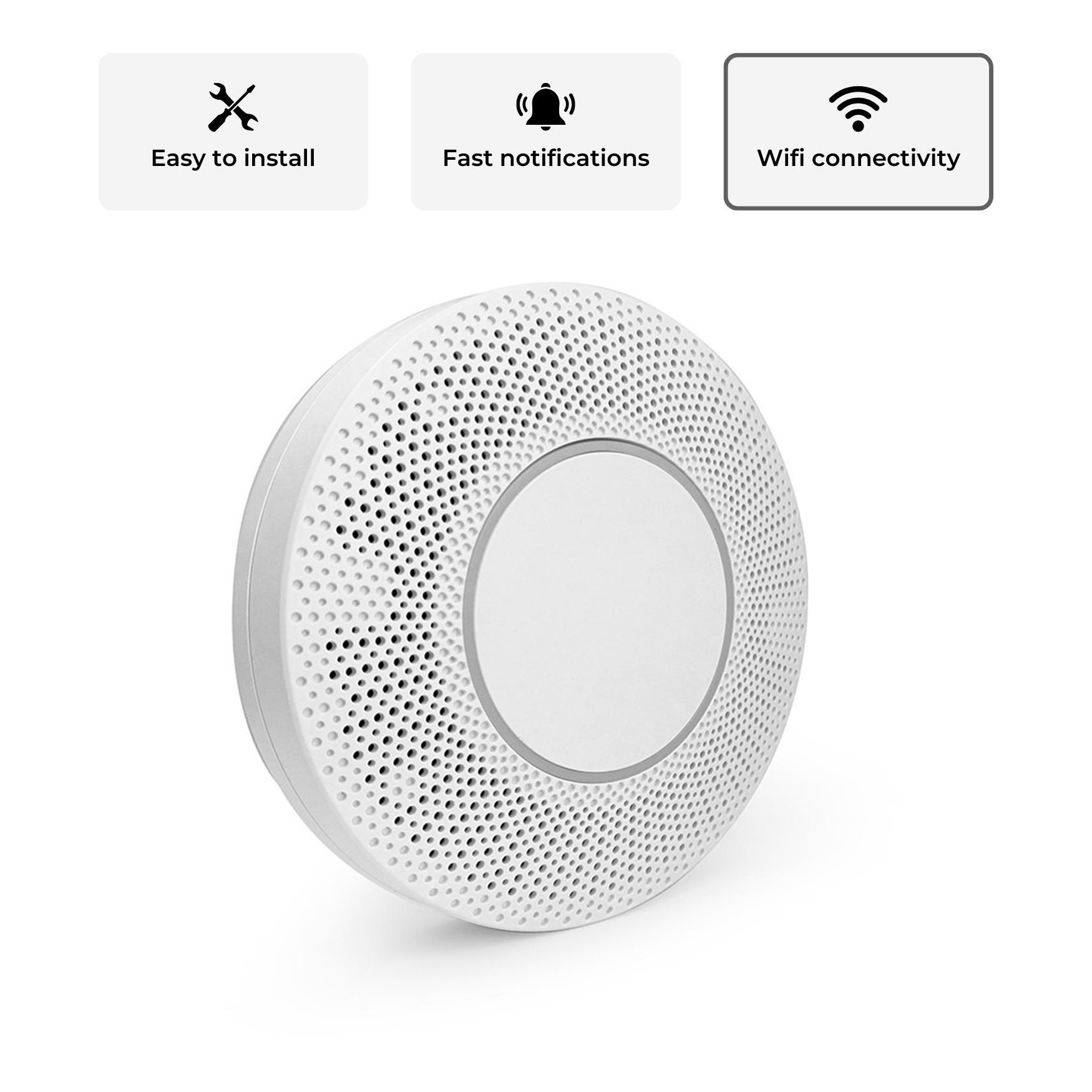
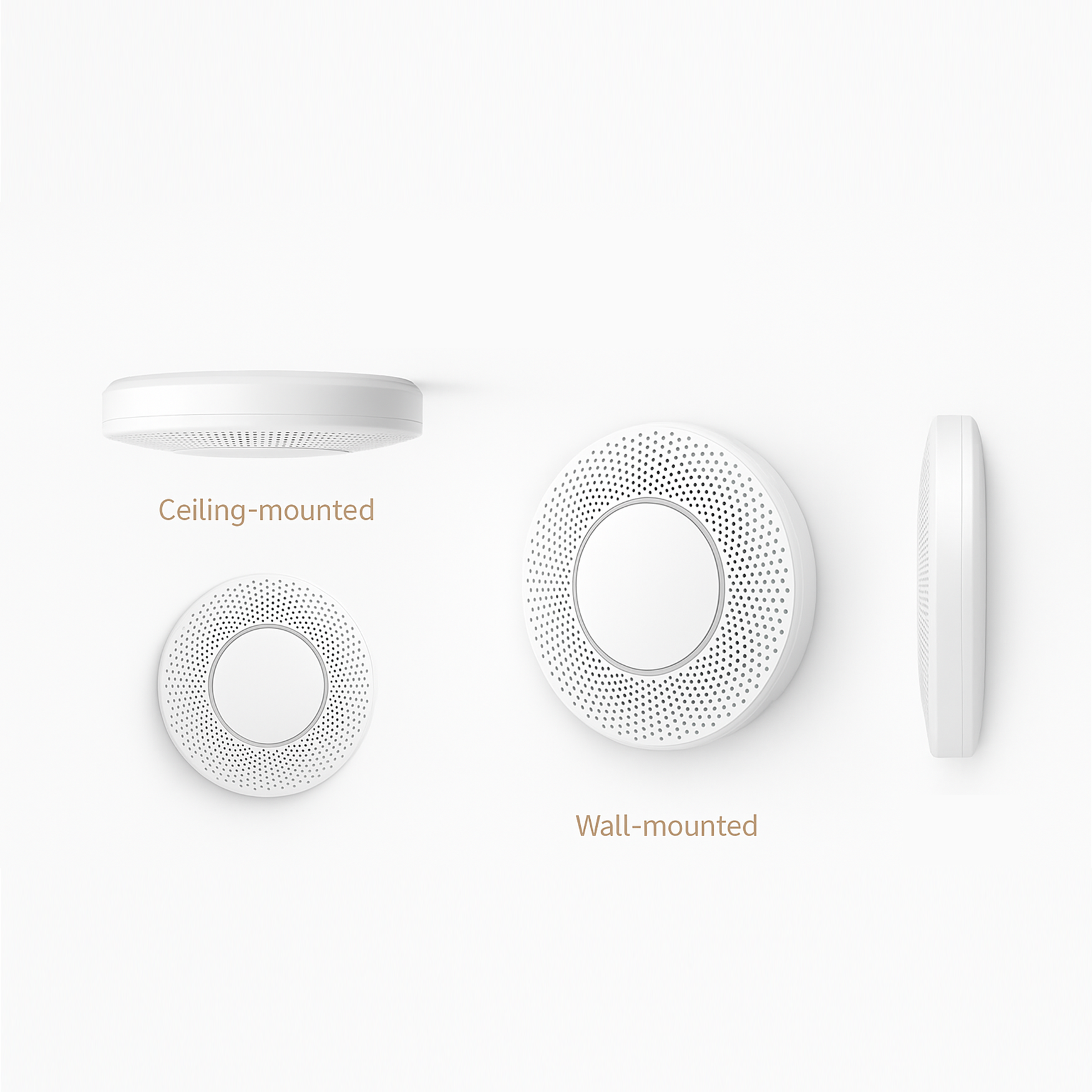
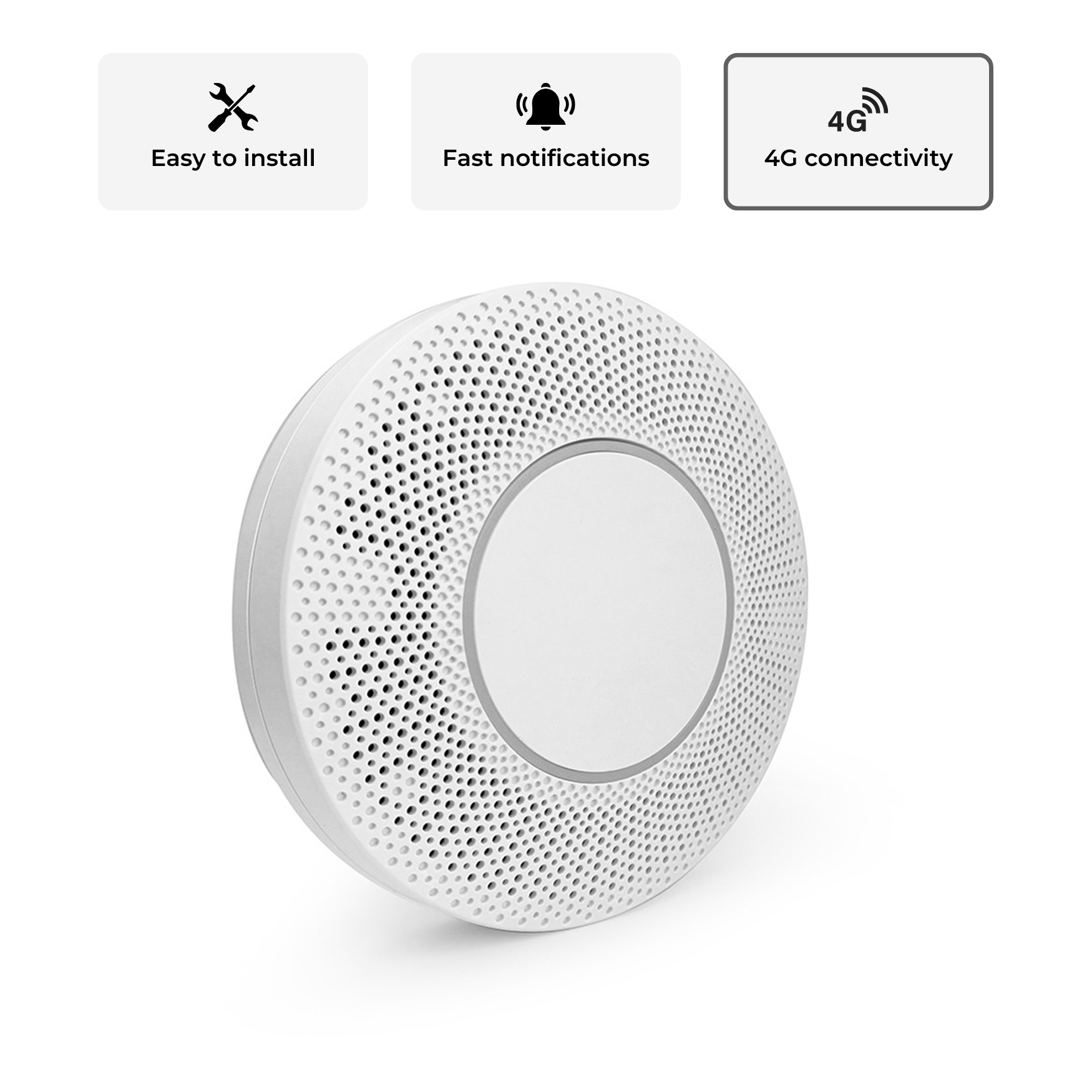
As vaping in workplaces becomes more sophisticated and discreet, manual monitoring and enforcement prove increasingly impractical. Advanced detection systems now offer a reliable alternative, using sensors that identify the chemical signatures and particulate patterns unique to vaping aerosols.
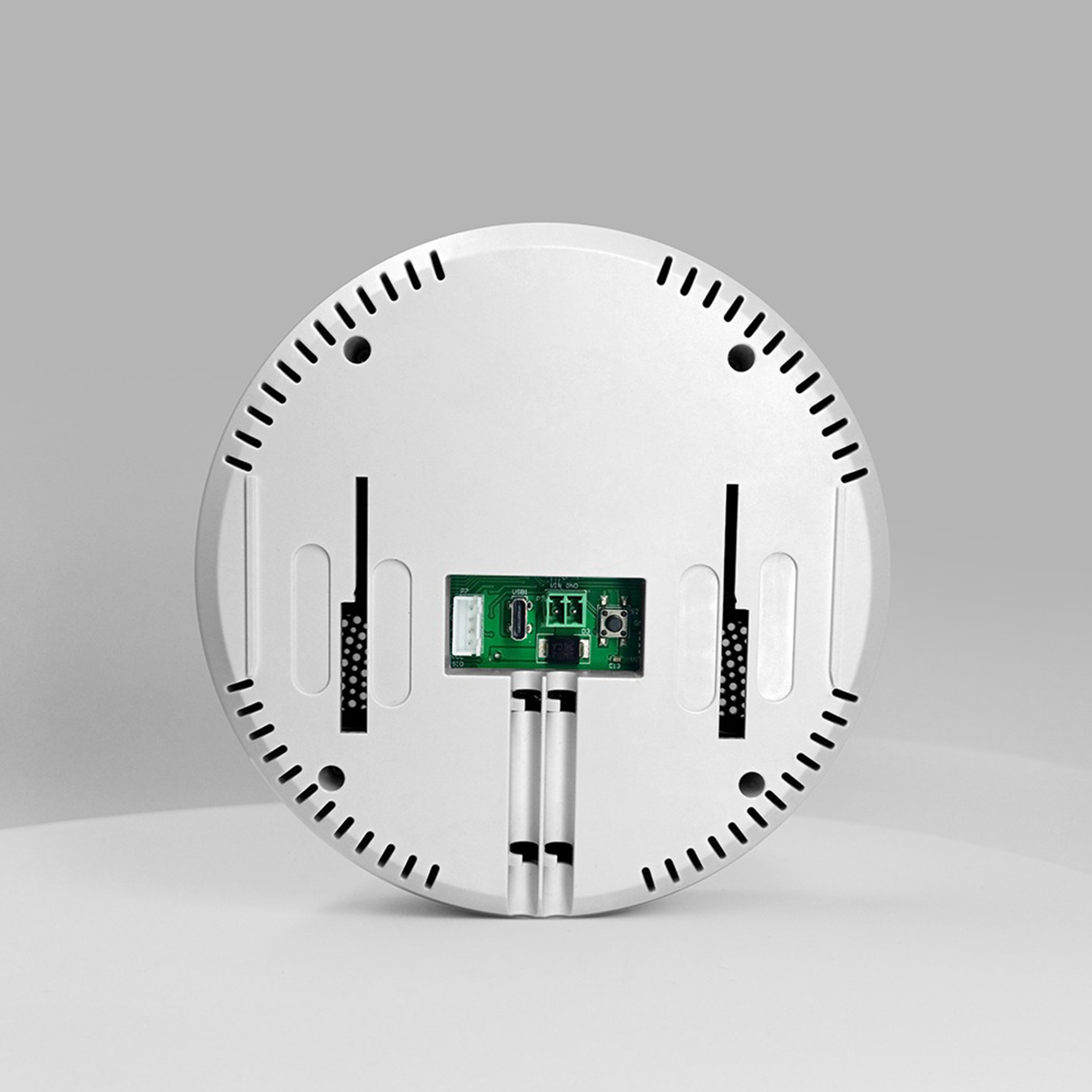
Modern vape detection systems combine multiple sensor types to achieve high accuracy whilst minimising false alarms. These systems typically monitor for nicotine, propylene glycol, vegetable glycerin, and characteristic particulate matter profiles that distinguish vaping from other aerosol sources like air fresheners or cleaning products.

How Detection Technology Works in Practice
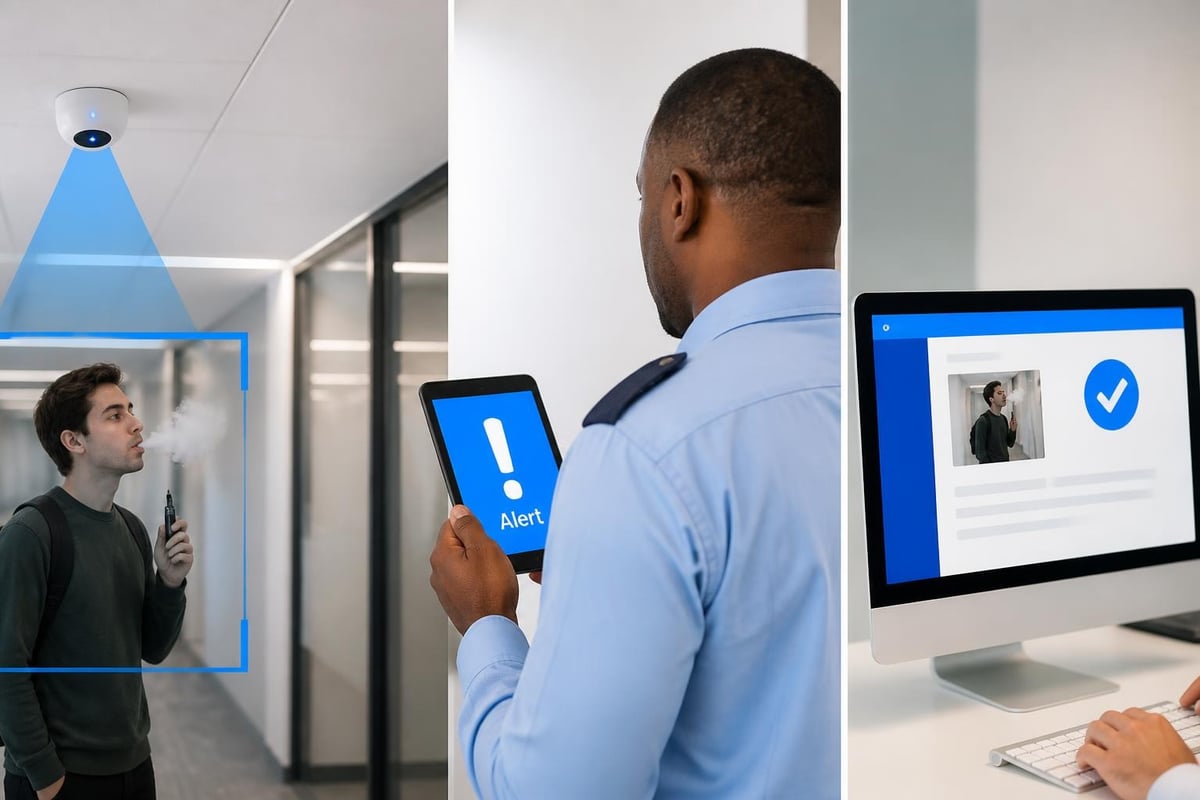
Professional grade detection systems deploy strategically in toilets, changing rooms, stairwells, and other areas where employees might attempt to vape unobserved. When a device detects vaping aerosol, it sends instant alerts to designated staff via smartphone notifications, email, or integration with existing building management systems.
| Detection Method | Accuracy | Response Time | False Alarm Rate |
|---|---|---|---|
| Visual inspection | 30-40% | Hours to days | N/A |
| Odour complaints | 15-25% | Hours | High |
| Sensor technology | 85-95% | 5-30 seconds | <2% |
| Combined approach | 90-98% | 5-30 seconds | <1% |
For organisations operating across multiple sites, centralised monitoring dashboards provide visibility into vaping incidents, trends, and compliance metrics. This data proves invaluable for refining policies, targeting education efforts, and demonstrating due diligence to regulators or insurers.
Employee Perspectives and Workplace Culture
Understanding employee attitudes towards vaping in workplaces is crucial for developing policies that balance health objectives with morale and retention. Research from Truth Initiative reveals complex and sometimes contradictory views among workers.
Non-vaping employees overwhelmingly support restrictions on workplace vaping, citing concerns about secondhand exposure, air quality, and professional atmosphere. However, even many vapers acknowledge the appropriateness of limitations, particularly in shared spaces and customer facing areas.
Addressing the "Harm Reduction" Argument
Some employees who switched from smoking to vaping argue that workplace restrictions undermine their harm reduction efforts. They contend that forcing vapers to use the same outdoor smoking areas as smokers increases temptation to relapse.
This argument warrants consideration, but it must be balanced against broader organisational responsibilities. Employers can accommodate harm reduction goals through:
- Separate, designated vaping areas distinct from smoking zones
- Flexible break policies allowing reasonable vaping time without formal breaks
- Access to cessation support programmes for both smoking and vaping
- Clear communication emphasising that restrictions protect all employees, not punishment
Transparency in policy rationale reduces resistance and improves voluntary compliance. When employees understand the air quality, liability, and equity concerns driving restrictions on vaping in workplaces, they more readily accept and follow guidelines.
Industry Specific Considerations and Challenges
Different sectors face unique challenges when managing workplace vaping. Manufacturing facilities with existing ventilation systems designed for industrial processes may handle vaping aerosols more effectively than modern, tightly sealed office buildings optimised for energy efficiency.
The National Cancer Institute's progress report documents how smokefree workplace protections increasingly include electronic cigarettes across various industries. Healthcare settings, educational institutions, and public sector organisations lead this trend, often implementing comprehensive bans that treat vaping identically to smoking.
Hospitality and Customer Facing Environments
Restaurants, hotels, and retail spaces face additional complexities. Customer expectations, brand image, and competitive positioning all influence policy decisions. Some establishments permit vaping where smoking is prohibited, viewing it as a customer amenity. Others enforce identical restrictions, prioritising air quality and non-vaping patron comfort.
Factors influencing customer facing vaping policies:
- Local cultural norms and competitor practices
- Customer demographic profiles and preferences
- Ventilation capacity and architectural constraints
- Insurance requirements and liability concerns
- Brand positioning as health conscious or permissive
For organisations in the leisure and retail sectors, implementing detection technology for leisure and retail provides objective enforcement whilst allowing staff to focus on customer service rather than policy policing.
Implementation Strategies and Best Practices
Successfully managing vaping in workplaces requires more than a written policy. Implementation determines whether guidelines achieve their intended objectives or exist only as ignored documents in employee handbooks.
Phase One: Assessment and Planning
Begin by auditing current conditions. Where do employees currently vape? How frequently? What areas present the highest risk for undetected vaping? Engage stakeholders from facilities, HR, health and safety, and employee representatives to ensure comprehensive perspective.
- Survey employees to understand current vaping prevalence and attitudes
- Inspect facilities to identify high risk areas with poor visibility or ventilation
- Review existing policies for gaps, ambiguities, or outdated language
- Benchmark competitors and similar organisations for policy approaches
- Consult legal counsel to ensure compliance with employment law and health regulations
This foundation ensures your policy addresses actual conditions rather than theoretical scenarios.
Phase Two: Policy Development and Communication
Draft clear, specific language that leaves no room for misinterpretation. Avoid vague terms like "reasonable use" or "appropriate areas" without defining them precisely. Specify every location, every device type, and every consequence.
Effective communication reaches every employee through multiple channels. Email announcements, staff meetings, poster campaigns, and updates to digital employee resources all play roles in achieving awareness.
Phase Three: Technology Deployment and Training
For organisations implementing detection technology, strategic sensor placement maximises coverage whilst optimising budget. Toilets, changing rooms, and stairwells typically receive priority, followed by conference rooms and enclosed offices if budget permits.
Staff training ensures appropriate response to vaping incidents. Designated responders need clear protocols for approaching employees, documenting incidents, and escalating repeat violations. Consistency in enforcement prevents perceptions of unfairness that undermine policy credibility.
Measuring Success and Ongoing Optimisation
Effective workplace vaping management is not a one time project but an ongoing process requiring measurement, analysis, and refinement. Organisations should establish baseline metrics before policy implementation, then track progress over time.
Key performance indicators for vaping policies:
- Number of detected or reported vaping incidents per month
- Employee satisfaction scores related to air quality and workplace environment
- Voluntary compliance rate measured through sensor data
- Time required for incident response and resolution
- Policy awareness measured through employee surveys
- Air quality measurements in high risk areas
For organisations using office vaping detection systems, analytics dashboards provide rich data for continuous improvement. Patterns in incident timing, location, and frequency inform targeted interventions rather than blanket enforcement.
Supporting Employee Health Beyond Enforcement
Whilst detection and discipline play necessary roles in managing vaping in workplaces, the most successful organisations complement enforcement with genuine support for employees who want to quit or reduce their vaping.
Cessation programmes offering nicotine replacement therapy, counselling, or prescription medications demonstrate organisational commitment to employee health rather than mere compliance. Many employees appreciate this support, viewing it as evidence that policies aim to help rather than punish.
Partnerships with occupational health providers, employee assistance programmes, or specialised cessation services can provide these resources without requiring HR teams to develop expertise in addiction treatment. The investment often yields returns through reduced absenteeism, improved productivity, and enhanced employee satisfaction.
Managing vaping in workplaces effectively requires balancing employee freedoms, health protection, regulatory compliance, and practical enforceability. Clear policies, appropriate technology, consistent enforcement, and genuine support for vaping cessation create environments where all employees can work comfortably and productively. Vape Guardian provides the advanced detection technology and expert support UK organisations need to implement effective vaping policies whilst maintaining positive workplace culture. Whether you operate offices, leisure facilities, or educational settings, professional detection systems deliver the objective enforcement and comprehensive monitoring essential for long term compliance success.



Share:
School Bathroom Vaping: Detection, Prevention & Solutions