

School bathroom vaping has emerged as one of the most persistent challenges facing educational institutions across the United Kingdom in 2026. Students have increasingly turned to school toilets as secluded spaces for vaping, creating significant health, safety, and disciplinary concerns for staff and leadership teams. The concealed nature of these incidents, combined with the difficulty of monitoring private spaces whilst respecting student privacy, has forced schools to rethink their approach to prevention and detection.
Understanding the Scale of School Bathroom Vaping
The prevalence of school bathroom vaping has grown substantially over recent years, with evidence suggesting that toilets have become the primary location for student e-cigarette use during school hours. Research indicates that educators across secondary schools consistently report bathrooms as hotspots for vaping activity, far exceeding other areas of school premises.
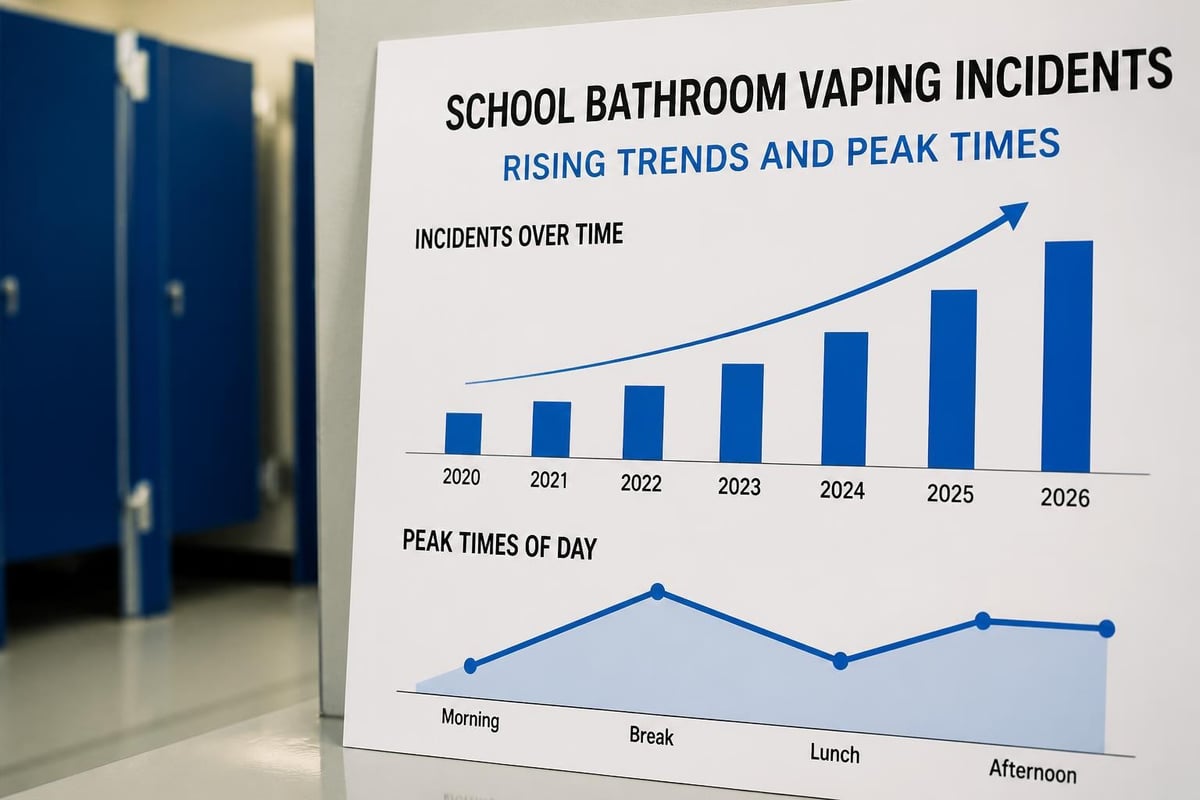
Why Bathrooms Become Vaping Hotspots
Several factors contribute to the concentration of vaping activity in school toilets:
- Privacy and seclusion from direct adult supervision
- Limited CCTV coverage due to legitimate privacy protections
- Quick access during transitions between lessons
- Peer influence and social clustering in confined spaces
- Minimal detection risk compared to corridors or classrooms
The enclosed environment of school bathrooms also means that aerosol particles linger longer, potentially exposing non-vaping students to secondhand vapour when they use the facilities. This raises questions about air quality and the rights of students who choose not to vape.
The Impact on School Operations
School bathroom vaping creates ripple effects throughout educational institutions. Staff members report spending significant time investigating incidents, monitoring toilet areas, and managing disciplinary procedures. Studies examining school administrator perspectives reveal that bathroom monitoring has become a substantial operational burden, diverting resources from educational priorities.
Many schools have resorted to increased bathroom patrols, sign-in systems, or even limiting access during certain periods. These measures, whilst well intentioned, can disrupt normal school operations and create tension between maintaining order and providing appropriate facilities.
Detection Challenges and Traditional Approaches
Identifying school bathroom vaping presents unique obstacles compared to other policy violations. Traditional supervision methods prove inadequate when students deliberately choose isolated locations during peak periods when staff are stretched across multiple responsibilities.
Limitations of Conventional Monitoring
Standard detection methods face several barriers:
- Visual confirmation requires presence at the exact moment of use
- Vapour dissipates quickly, leaving minimal evidence
- Privacy regulations restrict constant adult presence in toilets
- Student lookouts warn others when staff approach
- Denial remains easy without concrete evidence
Schools relying solely on staff patrols often find themselves in reactive positions, responding to complaints from other students or discovering evidence after the fact. This approach proves both resource intensive and largely ineffective at preventing incidents.
| Detection Method | Effectiveness | Staff Time Required | Privacy Concerns |
|---|---|---|---|
| Staff patrols | Low to moderate | High | Moderate |
| Student reports | Moderate | Moderate | Low |
| Physical evidence | Low | Low | Low |
| Technology sensors | High | Low | Moderate |
Technology Solutions for Bathroom Vaping Detection
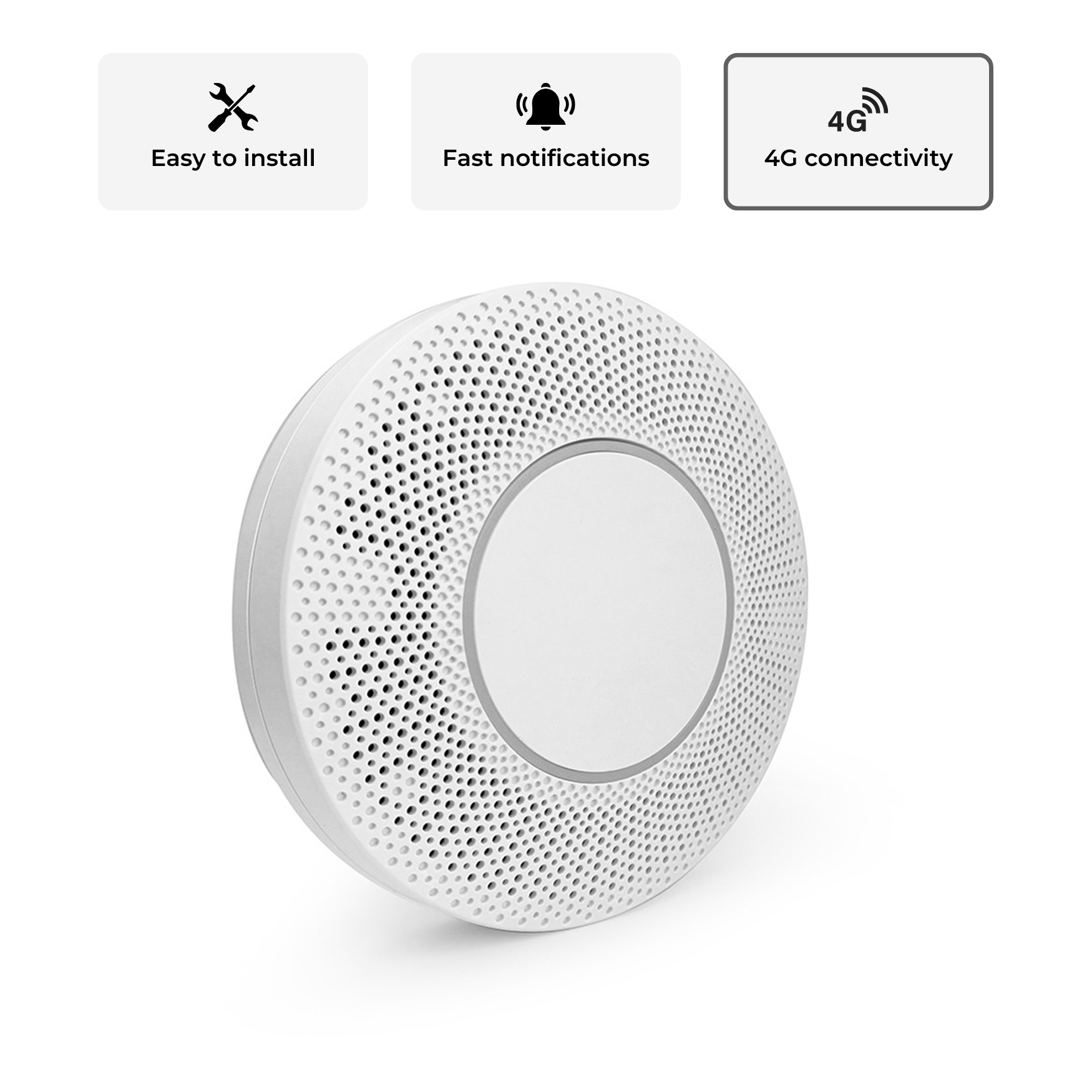
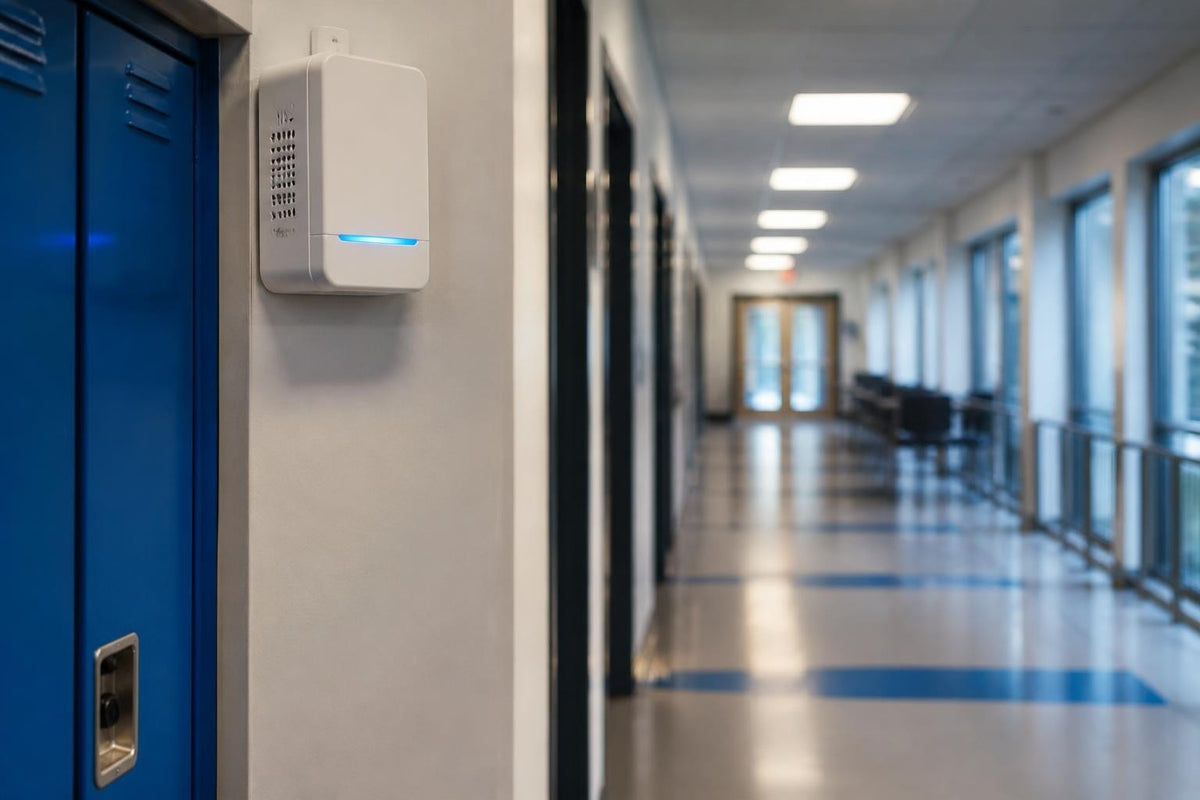
Advanced detection systems have emerged as practical solutions to the school bathroom vaping challenge. Modern sensors can identify vaping aerosols and chemical signatures without visual surveillance, addressing both effectiveness and privacy concerns simultaneously.
Schools implementing technology based detection report several advantages. Real time alerts enable staff to respond whilst incidents are occurring, rather than investigating after students have dispersed. The presence of detection systems also serves as a deterrent, reducing overall incident frequency once students understand monitoring is in place.
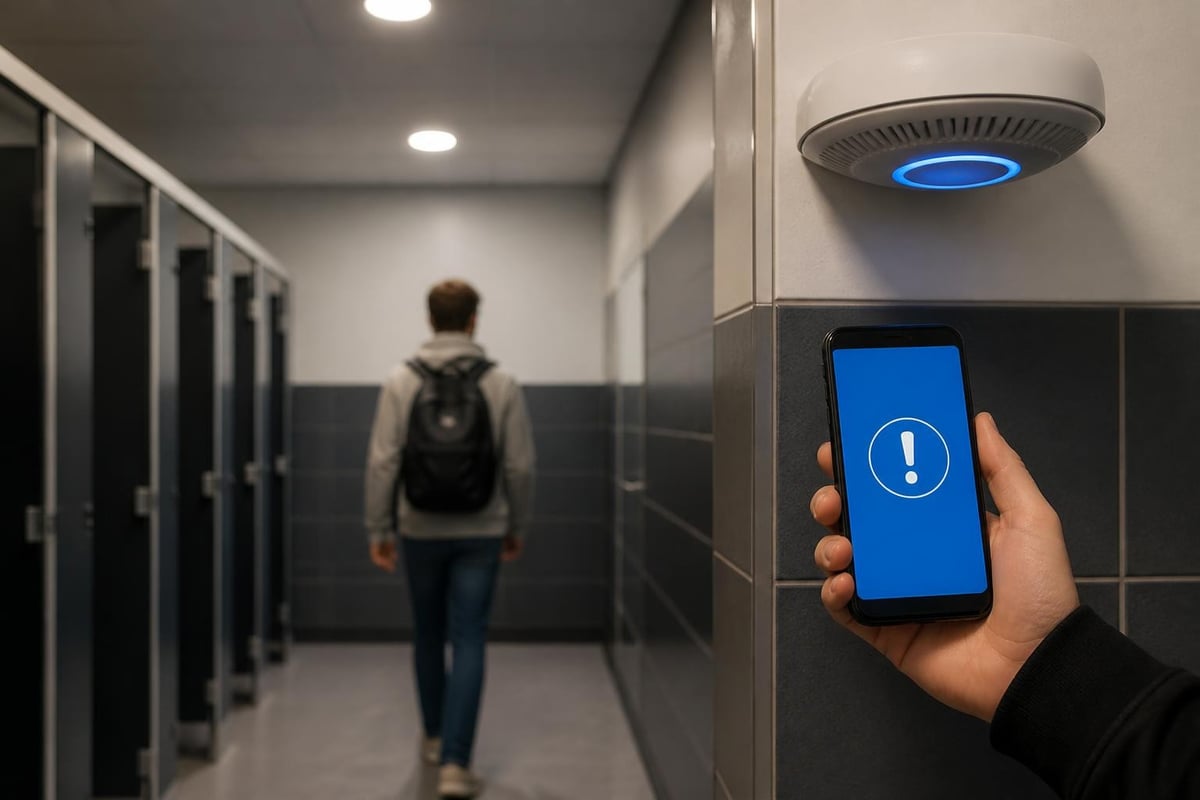
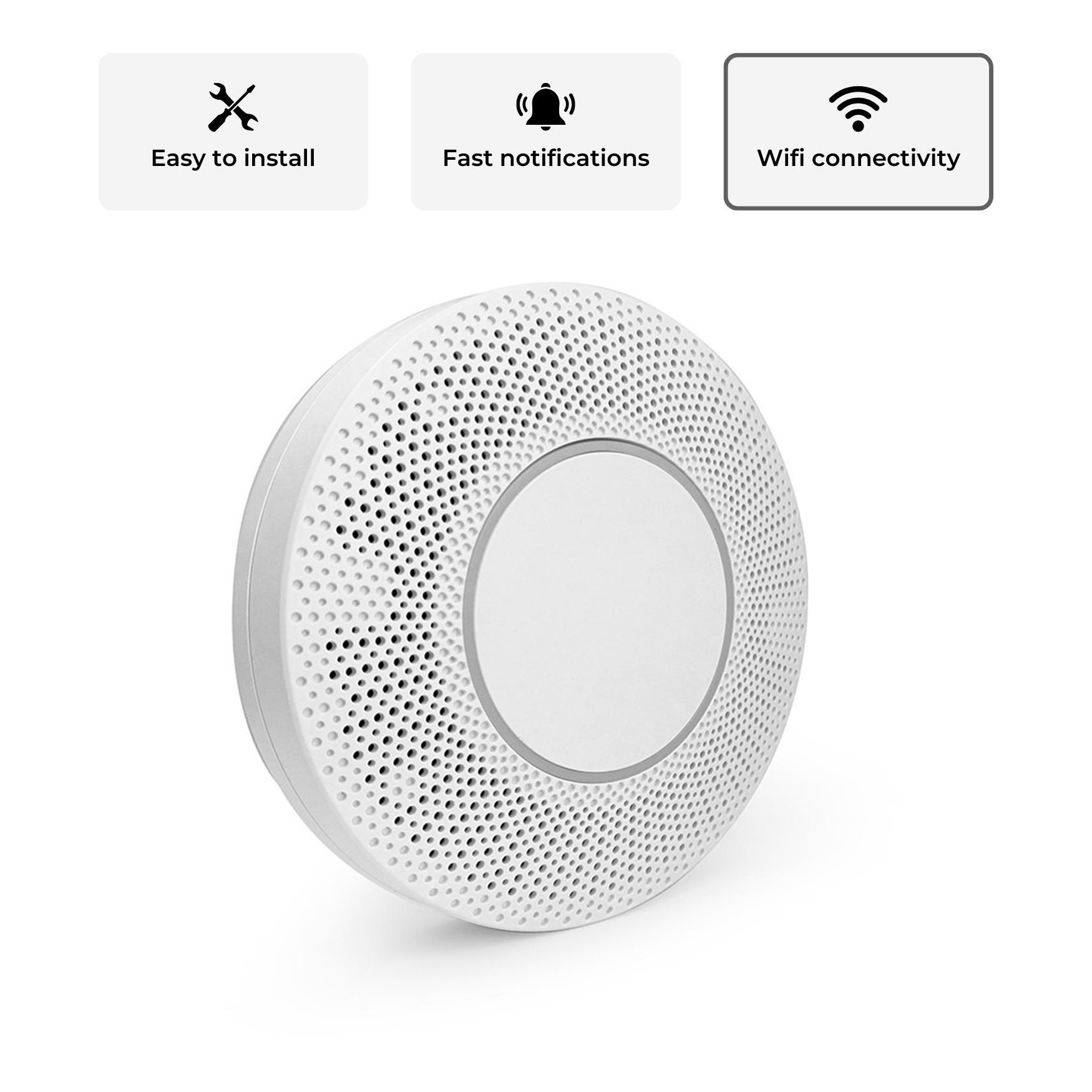
Comprehensive solutions like the Vape Detection System go beyond basic monitoring by also detecting indicators of other prohibited activities, including substances and antisocial behaviour patterns. This multi-layered approach provides schools with broader situational awareness whilst maintaining focus on vaping prevention.

Selecting Appropriate Detection Technology
When evaluating detection systems for school bathroom vaping, educational leaders should consider several critical factors:
Accuracy and reliability determine whether alerts represent genuine incidents or false positives that waste staff time. Advanced algorithms distinguish between vaping aerosols and other airborne particles such as deodorants or cleaning products.
Response protocols ensure alerts reach appropriate staff members instantly through mobile notifications or integrated platforms. Clear escalation procedures help maintain consistent responses across different shifts and staff members.
Data privacy compliance remains paramount, particularly given the sensitive nature of bathroom monitoring. Systems should collect only necessary information and comply with UK data protection requirements and school policies.
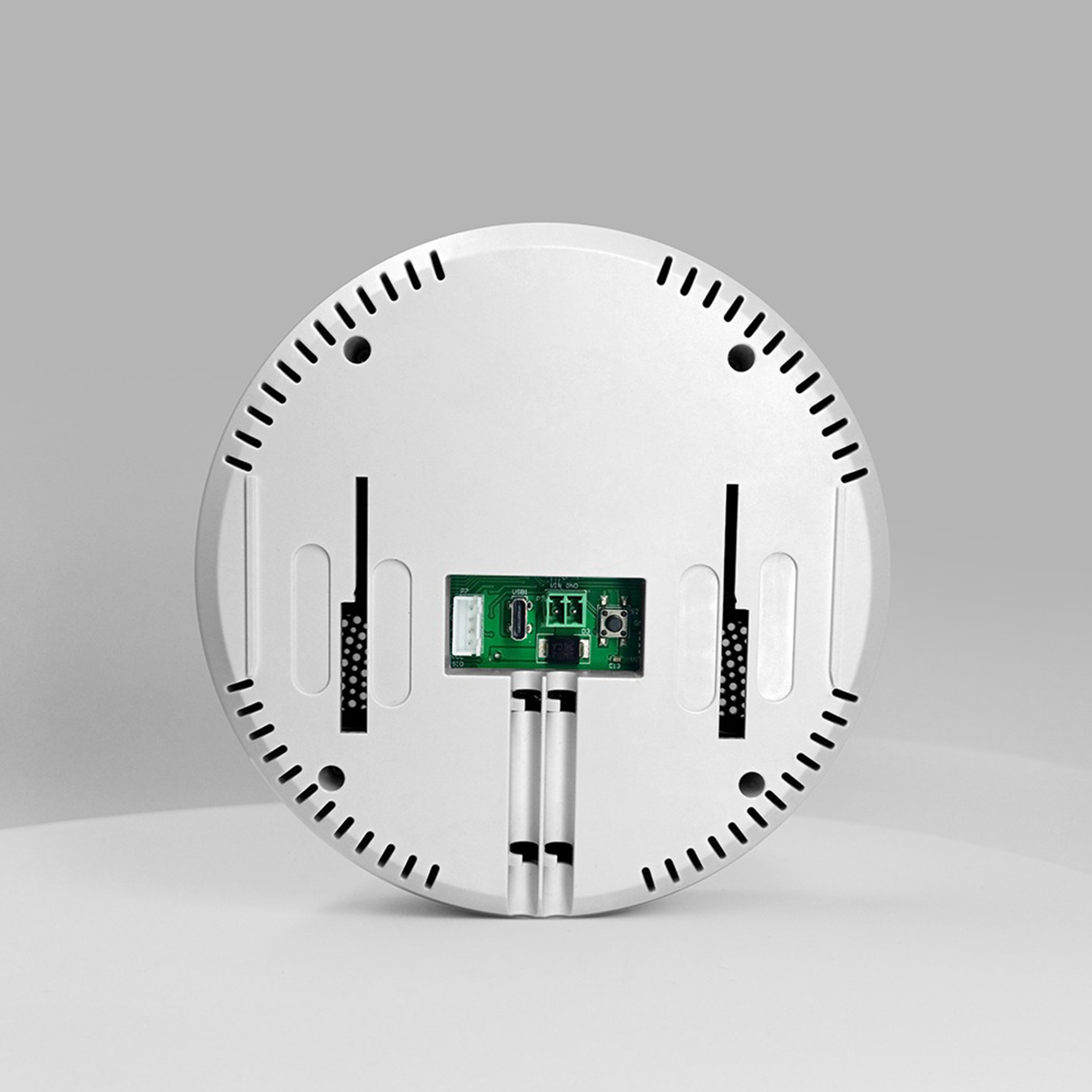
Installation flexibility affects how quickly schools can deploy solutions across multiple toilet facilities without extensive renovation or infrastructure changes.
Balancing Detection with Student Privacy Rights
The implementation of school bathroom vaping detection technologies raises legitimate questions about surveillance, privacy, and the appropriate boundaries of institutional monitoring. Civil liberties organisations have developed frameworks for evaluating whether surveillance measures are proportionate to the problems they address.
Schools must navigate competing priorities: protecting student health and maintaining safe environments whilst respecting reasonable privacy expectations in toilet facilities. Transparent communication about what technologies detect and how data is used helps build trust and understanding.
Best Practices for Ethical Implementation
Responsible deployment of vaping detection in school bathrooms requires thoughtful planning:
- Communicate clearly with students, parents, and staff about system capabilities and limitations
- Focus on education alongside enforcement, using incidents as teaching opportunities
- Establish fair procedures for investigating alerts and applying consequences
- Review data practices regularly to ensure compliance with privacy regulations
- Involve stakeholders including governors, parent representatives, and student councils
These principles help schools maintain proportionate responses that address vaping whilst preserving the dignity and rights of all students. Detailed analysis of school surveillance technologies highlights both the potential benefits and the importance of safeguards.
Developing Comprehensive Prevention Strategies
Technology detection forms one component of effective responses to school bathroom vaping, but sustainable solutions require broader approaches. Prevention strategies addressing underlying motivations prove more impactful than enforcement alone.
Educational Interventions
Evidence based education helps students understand the genuine health implications of vaping. Many young people underestimate the nicotine content of e-cigarettes or believe vaping is harmless compared to traditional smoking. Authoritative research on e-cigarette health consequences provides schools with credible information for prevention programmes.
Effective education acknowledges student perspectives whilst presenting factual information about addiction, lung health, and long term effects. Peer led programmes often resonate more effectively than adult delivered messages.
Policy and Culture Development
School policies addressing vaping should be clear, consistent, and widely understood. Research into school staff experiences with e-cigarettes reveals that inconsistent enforcement undermines prevention efforts and creates confusion about expectations.
Strong school cultures that emphasise wellbeing, healthy choices, and mutual respect naturally discourage vaping behaviour. When students feel connected to their school community and supported by adults, they are less likely to engage in risky behaviours including bathroom vaping.
Role Specific Considerations for School Staff
Different members of the school community have distinct responsibilities and perspectives regarding school bathroom vaping. Designated safeguarding leads must consider whether vaping patterns indicate broader welfare concerns, whilst property managers focus on installation logistics and maintenance.
Leadership Team Responsibilities
Senior leadership teams establish the strategic direction for vaping prevention, allocate resources, and ensure policies align with broader school values. Their visible commitment signals to students and staff that addressing bathroom vaping is an institutional priority.
Headteachers often field parent concerns about both student vaping and the measures implemented to address it. Clear communication about the rationale for detection systems and how they fit within holistic prevention strategies helps maintain community support.
Frontline Staff Engagement
Teachers and support staff who respond to alerts need clear protocols and appropriate training. Effective systems minimise disruption to their primary educational roles whilst enabling swift, consistent responses when incidents occur.
Support staff including premises teams play crucial roles in maintaining detection equipment and ensuring systems function reliably across all toilet facilities. Regular testing and maintenance prevent the gaps in coverage that students quickly identify and exploit.
Measuring Success and Adjusting Approaches
Schools implementing bathroom vaping detection should establish clear metrics for evaluating effectiveness. Simply counting alerts provides limited insight; more meaningful measures examine changes in overall vaping prevalence, student attitudes, and policy compliance.
Key Performance Indicators
Effective assessment frameworks track multiple dimensions:
| Metric Category | Example Indicators | Data Sources |
|---|---|---|
| Incident frequency | Alerts per week, repeat offenders | Detection system logs |
| Student behaviour | Self-reported vaping rates | Anonymous surveys |
| Staff confidence | Perceived control over vaping | Staff feedback sessions |
| Air quality | Particulate measurements | Environmental monitoring |
| Educational impact | Knowledge of vaping risks | Pre/post assessments |
Regular review of these metrics enables schools to identify trends, evaluate whether interventions are working, and adjust strategies based on evidence rather than assumptions.

Adapting to Evolving Challenges
The landscape of youth vaping continues to change, with new products, flavours, and delivery methods appearing regularly. Schools must remain adaptable, updating their knowledge and approaches as the market evolves. Resources like Vape Guardian's education hub provide current information about emerging trends and effective responses.
Collaboration with other schools, local authorities, and public health agencies helps institutions share effective practices and avoid duplicating effort. Multi-academy trusts can implement consistent approaches across multiple settings whilst allowing individual schools flexibility to address their specific contexts.
Supporting Students Who Vape
Whilst preventing school bathroom vaping remains important, schools must also support students who have developed nicotine dependencies. Punitive approaches alone rarely address the underlying addiction or the social and emotional factors driving vaping behaviour.
Intervention and Support Pathways
Effective student support includes:
- Initial conversations that explore why students vape and what functions it serves
- Referrals to cessation support through school nurses or external health services
- Monitoring and follow up to acknowledge progress and address setbacks
- Family engagement to ensure consistent messages and support at home
- Alternative coping strategies for stress, social pressure, or other triggers
Schools report greater long term success when they position themselves as partners in helping students quit rather than simply enforcers of rules. This approach requires time, resources, and staff training but addresses root causes more effectively than repeated sanctions.
The Role of Parents and Carers
Many parents remain unaware of the extent of school bathroom vaping or underestimate their own child's involvement. Schools can support families by providing information about signs of vaping, health implications, and strategies for conversations at home.
Parent workshops, informational materials, and opportunities for questions help build shared understanding between home and school. When parents and educators present consistent messages and expectations, students receive clearer guidance about acceptable behaviour.
Future Directions in Vaping Prevention
As we look ahead in 2026, schools continue to refine their approaches to bathroom vaping based on accumulating evidence and technological advances. Integration of detection systems with broader school safety and wellbeing platforms enables more holistic monitoring and response.
Artificial intelligence and machine learning may enhance detection accuracy whilst reducing false alerts, making systems more reliable and less burdensome for staff. Predictive analytics could identify patterns indicating when and where incidents are most likely, enabling proactive rather than reactive positioning of resources.
Policy developments at national and local levels will continue to shape school responses. Recent regulatory changes affecting vape product availability and marketing may influence youth access and appeal, potentially easing some pressures on educational institutions.
The ongoing challenge for schools remains balancing immediate incident management with long term prevention, individual privacy with collective safety, and enforcement with education. Those institutions that thoughtfully integrate technology, policy, culture development, and student support are best positioned to create environments where bathroom vaping becomes increasingly rare.
School bathroom vaping presents complex challenges requiring multifaceted solutions that respect student privacy whilst protecting health and safety. By combining effective detection technology with comprehensive education, clear policies, and genuine support for students, schools can create environments where vaping incidents decline and all students can access facilities without exposure to harmful aerosols. Vape Guardian provides the reliable detection systems and dedicated support that UK schools need to address bathroom vaping effectively, with real time alerts and comprehensive monitoring that empowers staff to respond swiftly whilst maintaining focus on their educational mission.




Share:
UK Vaping Laws: Complete 2026 Guide for Businesses
Vaping in Workplaces: Policy, Detection & Compliance