
Selecting the right vape detection technology for your facility represents a significant investment in safety, compliance, and environmental quality. With numerous manufacturers offering varied specifications, features, and pricing models, the challenge lies not in finding options but in making an informed choice. To compare vape detection systems effectively, decision makers must understand the underlying technologies, evaluate real world performance metrics, and align capabilities with their specific operational requirements. This comprehensive guide provides the framework needed to assess competing solutions and identify the system best suited to your environment.
Understanding Core Detection Technologies
When you compare vape detection systems, the foundational technology determines everything from accuracy to maintenance requirements. Most modern systems employ one of three primary sensor approaches, each with distinct advantages and limitations.
Particulate Matter Sensors
Particulate matter detection forms the basis of many vape detection solutions. These sensors identify microscopic particles expelled during vaping, measuring particle concentration and size distribution. The technology excels at detecting aerosol clouds but requires calibration to distinguish vaping particles from other airborne contaminants.
Key characteristics include:
- Real time particle counting capabilities
- Sensitivity to particles in the 0.3 to 10 micron range
- Potential for false positives from dust or cleaning products
- Lower initial cost compared to chemical sensors
Environmental factors significantly impact particulate sensor performance. Humidity, ventilation rates, and ambient dust levels all influence detection accuracy, making proper installation location crucial.
Chemical Vapour Sensors
Chemical detection represents a more sophisticated approach. These systems identify specific compounds present in vape aerosols, including propylene glycol, vegetable glycerin, and various flavouring agents. This specificity reduces false alarms whilst providing higher confidence in positive detections.
Advanced chemical sensors can even distinguish between different substances, enabling detection of drug use concealed in vaping devices. This capability proves particularly valuable in education settings where students may attempt to vape prohibited substances.
Hybrid Detection Systems
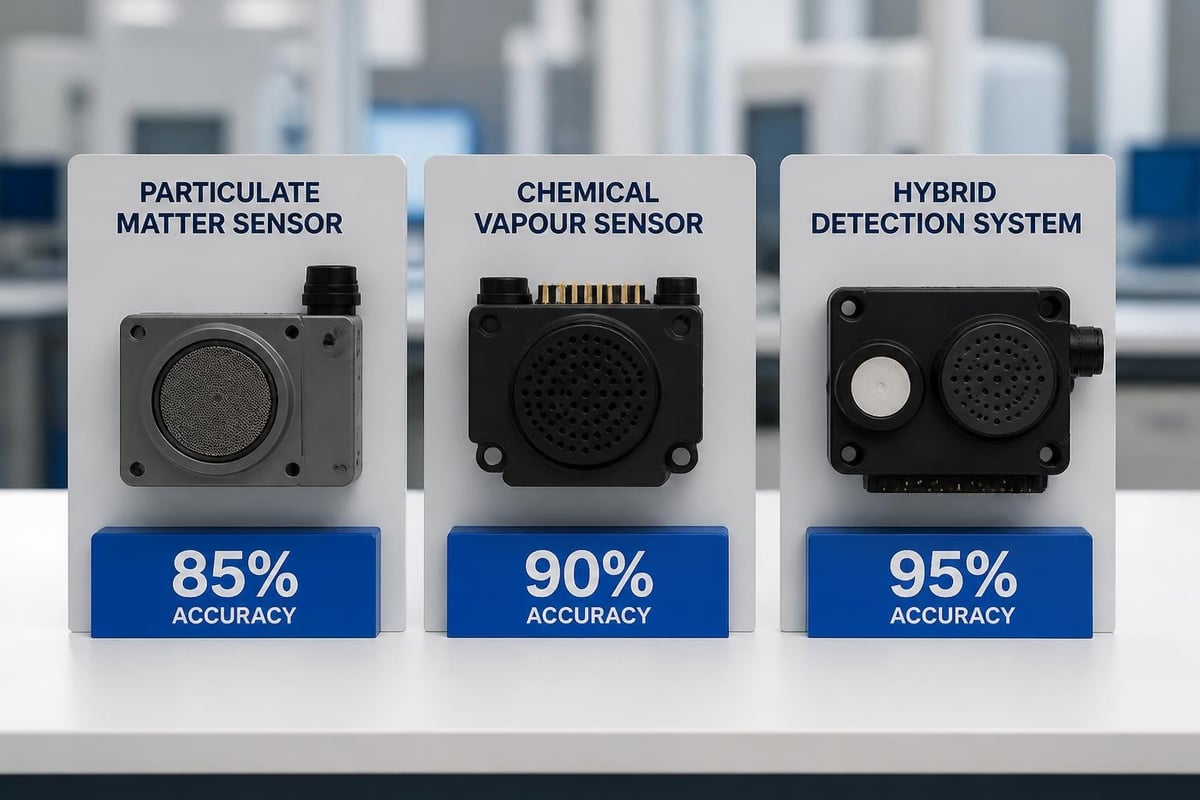
The most reliable solutions combine multiple sensor types. Hybrid systems cross reference particulate and chemical data, dramatically reducing false positives whilst maintaining high detection rates. When you compare vape detection systems using hybrid technology against single sensor alternatives, the performance difference becomes immediately apparent.
| Sensor Type | Detection Speed | Accuracy | False Positive Rate | Relative Cost |
|---|---|---|---|---|
| Particulate Only | 5-15 seconds | 75-85% | Moderate to High | Low |
| Chemical Only | 10-30 seconds | 85-95% | Low to Moderate | Moderate |
| Hybrid System | 5-20 seconds | 92-99% | Very Low | Higher |
Evaluating Coverage and Installation Requirements
Detection range and installation flexibility vary considerably between manufacturers. Understanding these parameters ensures adequate coverage without over provisioning.
Coverage Area Specifications
Manufacturers typically specify coverage in square metres or cubic metres. However, these figures assume ideal conditions: moderate ventilation, standard ceiling heights, and minimal obstructions. Real world coverage often falls 20 to 40 percent below published specifications.
When positioning sensors, consider:
- Room geometry and airflow patterns
- Ventilation system design and air exchange rates
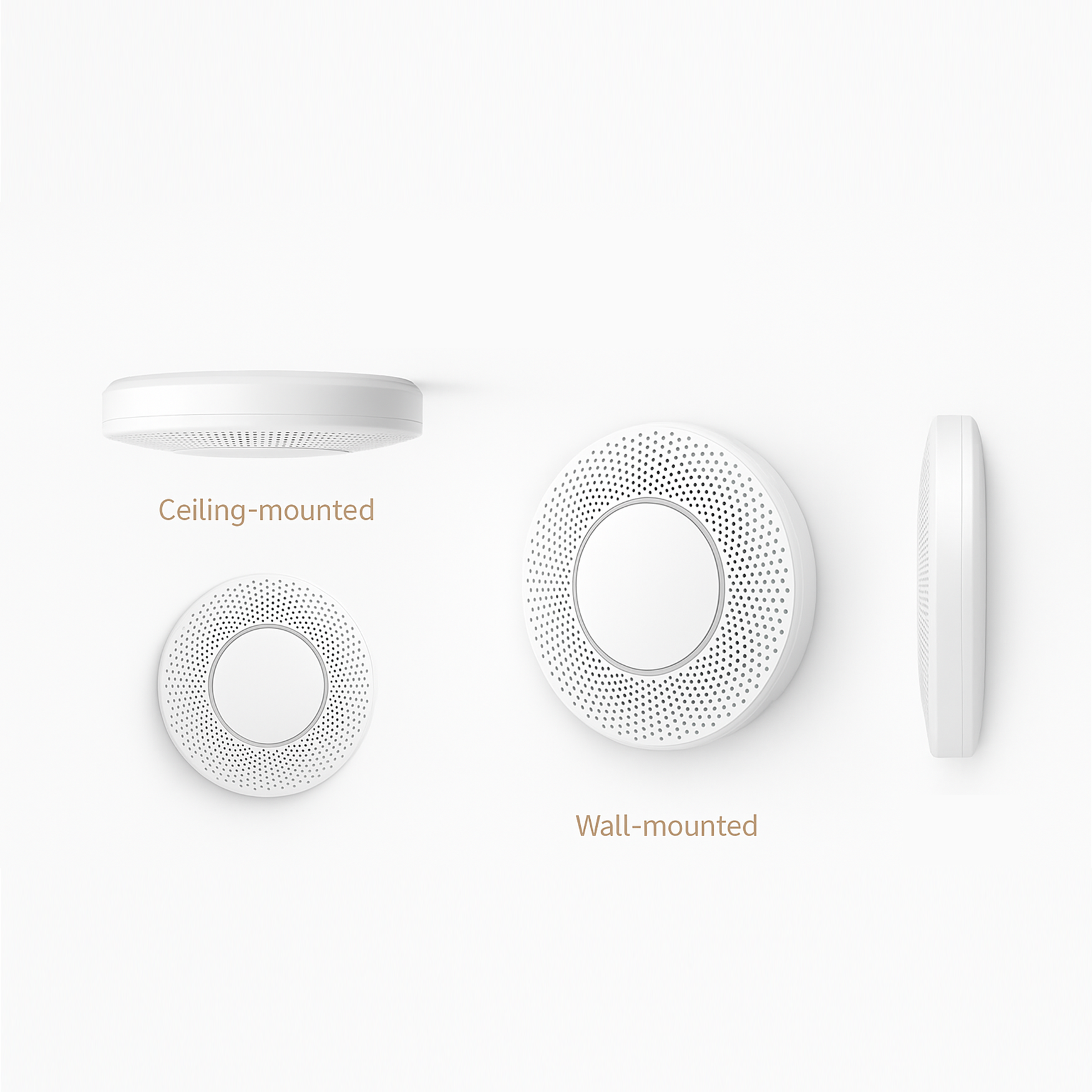
- Ceiling height and mounting surface materials
- Proximity to doors, windows, and HVAC vents
- Presence of partitions or other physical barriers
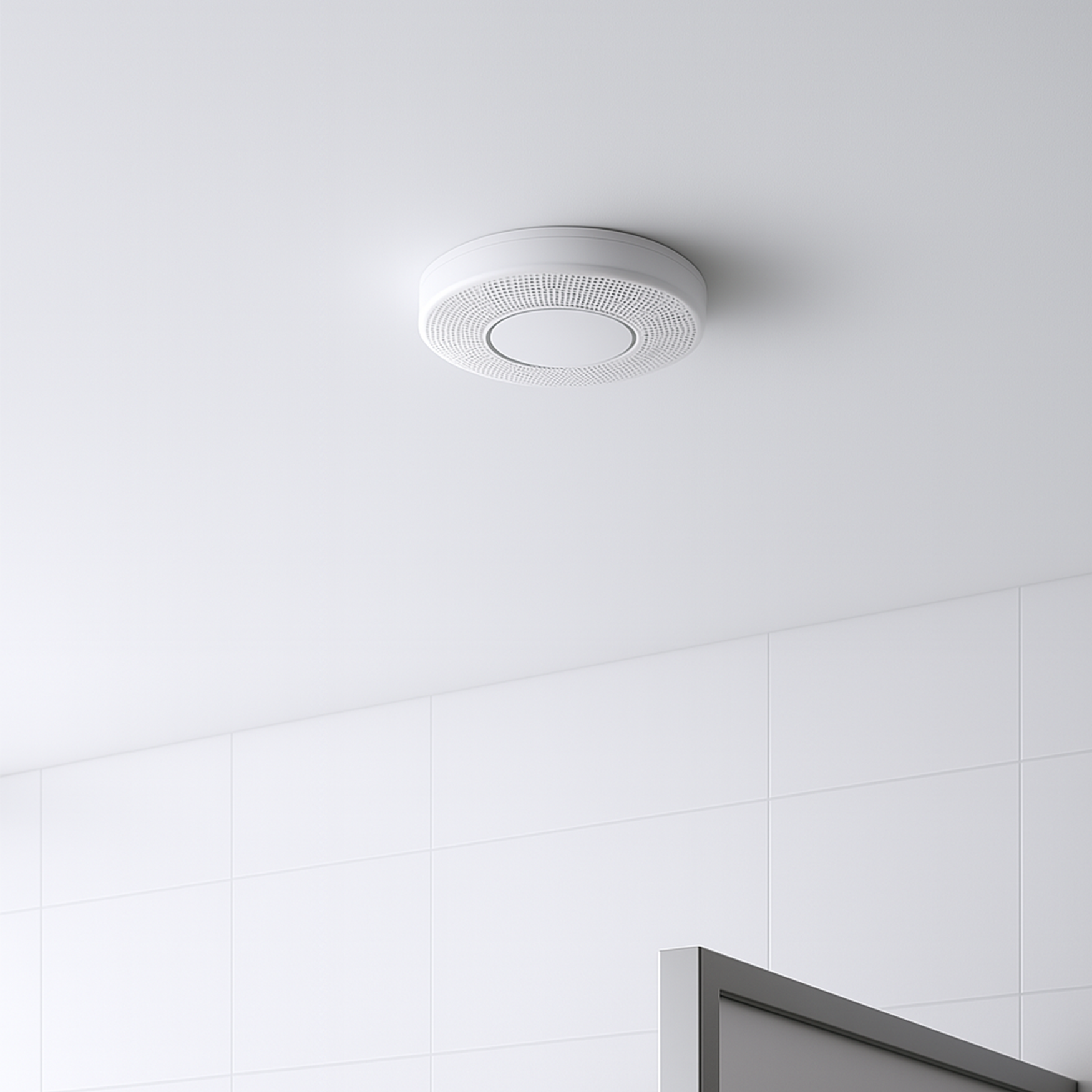
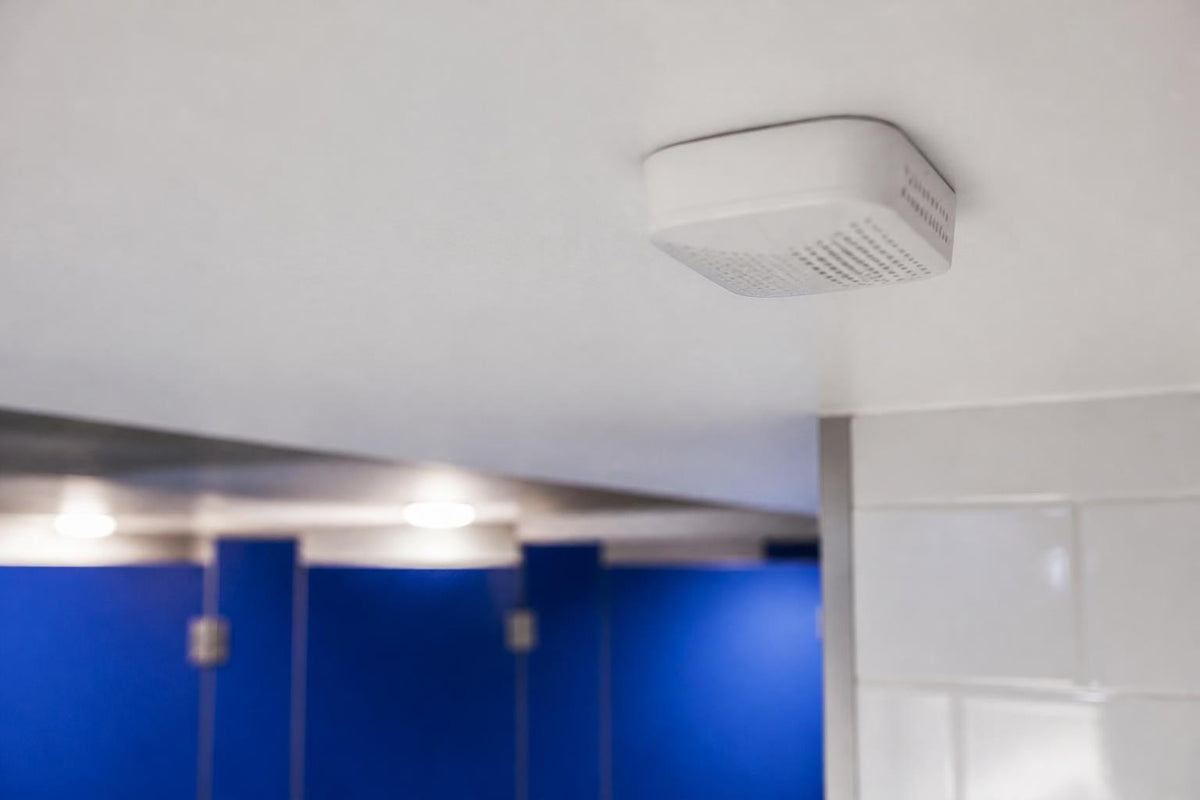
Schools and offices benefit from understanding how detection systems work in challenging spaces like bathrooms and changing rooms, where privacy requirements and ventilation complicate sensor placement.
Installation and Power Requirements
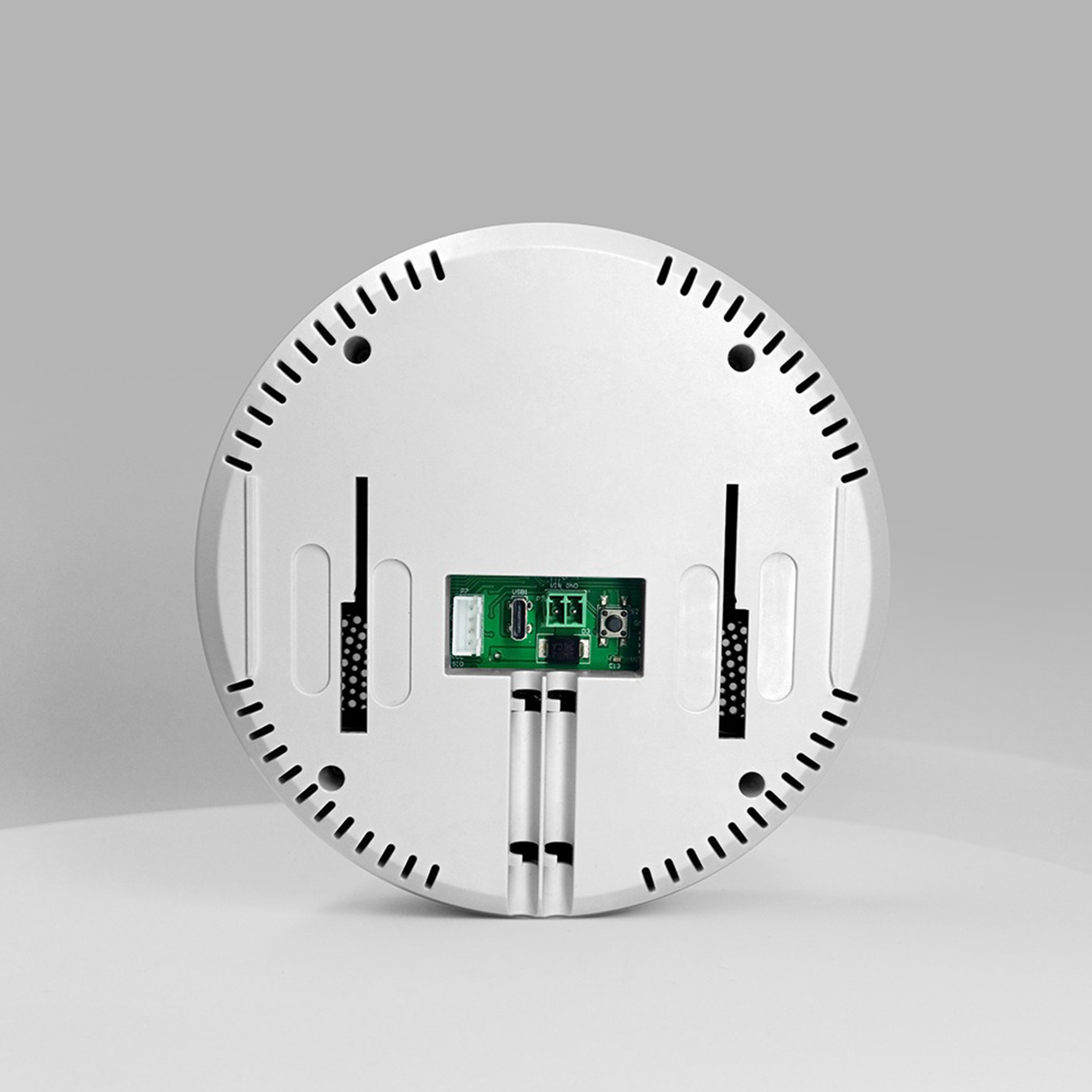
Power delivery represents a practical consideration often overlooked during initial evaluation. Battery powered sensors offer installation flexibility but require regular maintenance. Mains powered units eliminate battery replacement but necessitate electrical work and may limit placement options.
Installation comparison:
- Hardwired systems: Permanent installation, reliable power, higher installation cost, limited repositioning
- Battery operated: Simple installation, location flexibility, ongoing battery costs, potential for power related failures
- Power over Ethernet: Single cable for power and data, clean installation, requires network infrastructure
Connectivity and Integration Capabilities
Modern vape detection extends beyond standalone sensors. System connectivity determines how alerts reach administrators and how detection data integrates with existing security infrastructure.
Alert and Notification Systems
When you compare vape detection systems, examine notification flexibility carefully. Basic systems trigger audible alarms or flashing lights at the sensor location. More sophisticated solutions send real time alerts via multiple channels.
Advanced notification features include:
- SMS text messages to designated staff members
- Email alerts with event details and timestamps
- Push notifications through dedicated mobile applications
- Integration with existing security monitoring platforms
- Escalation protocols for repeated violations
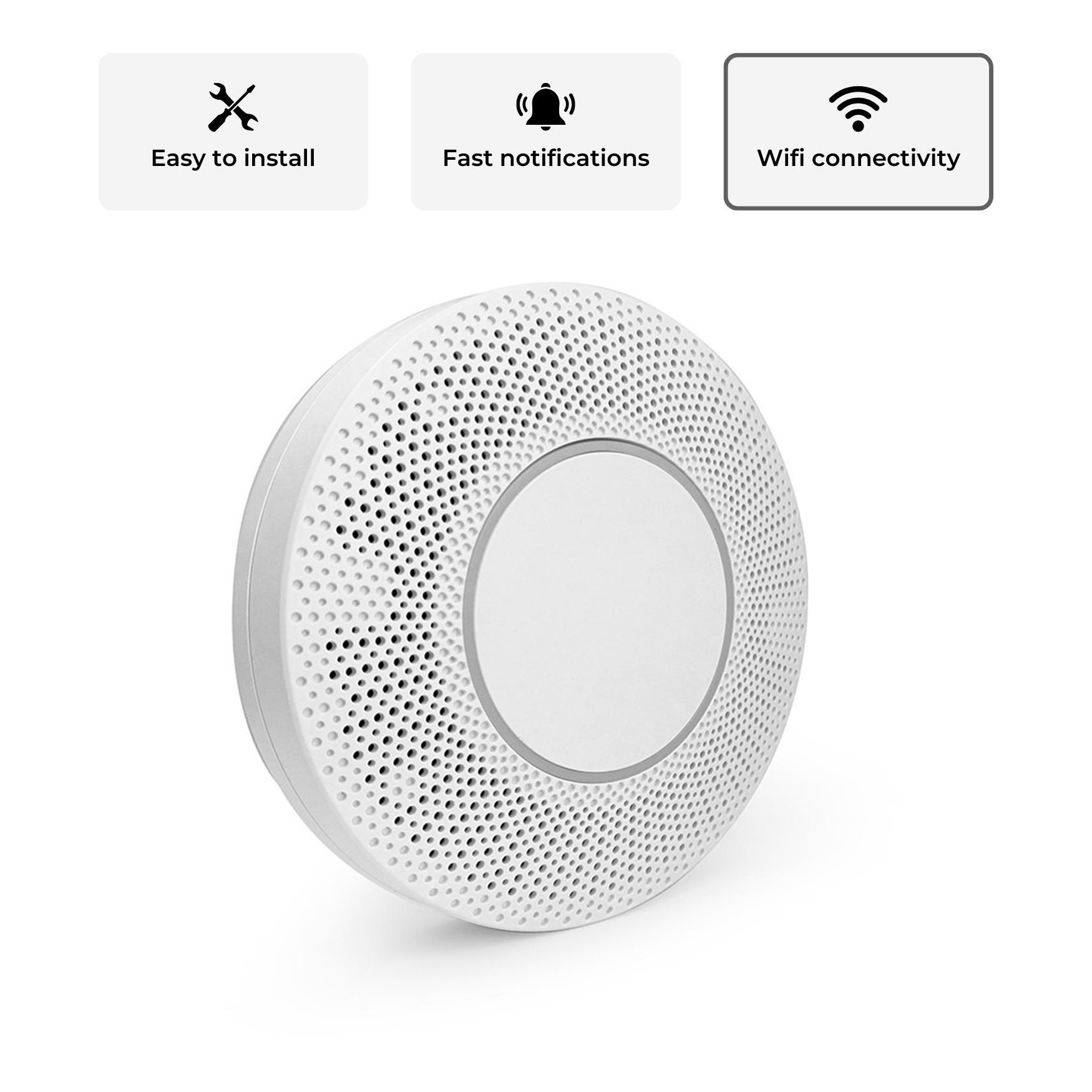
The Vape Detection System from Vape Guardian provides comprehensive alert capabilities alongside anti social behaviour monitoring, creating a unified approach to facility safety. This integrated solution delivers real time notifications whilst maintaining detailed event logs for compliance documentation.
Network Architecture Options
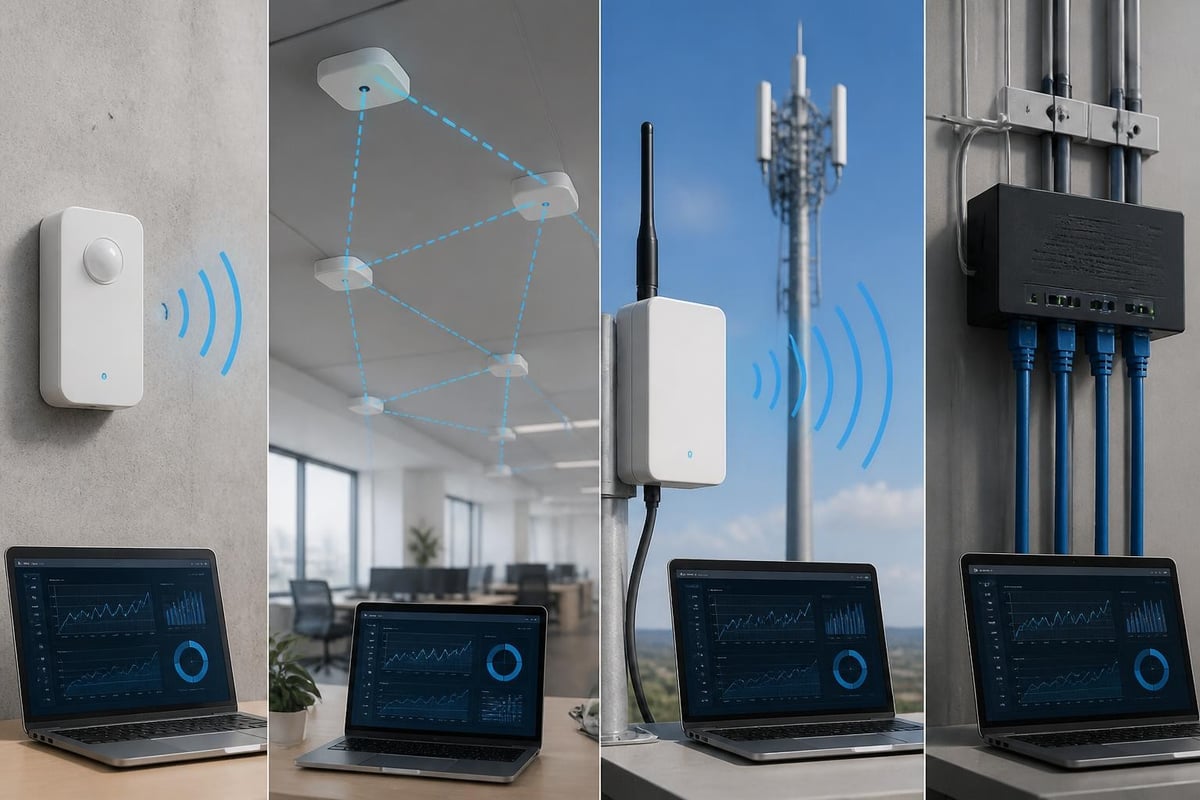
Network connectivity architecture impacts both initial deployment and long term scalability. Standalone sensors operate independently, suitable for small installations but challenging to manage at scale. Networked systems enable centralised monitoring and configuration management.
| Network Type | Best For | Advantages | Limitations |
|---|---|---|---|
| Standalone | Single room monitoring | Simple setup, no network needed | No central management |
| WiFi Connected | Existing WiFi infrastructure | Easy integration, flexible | Network security considerations |
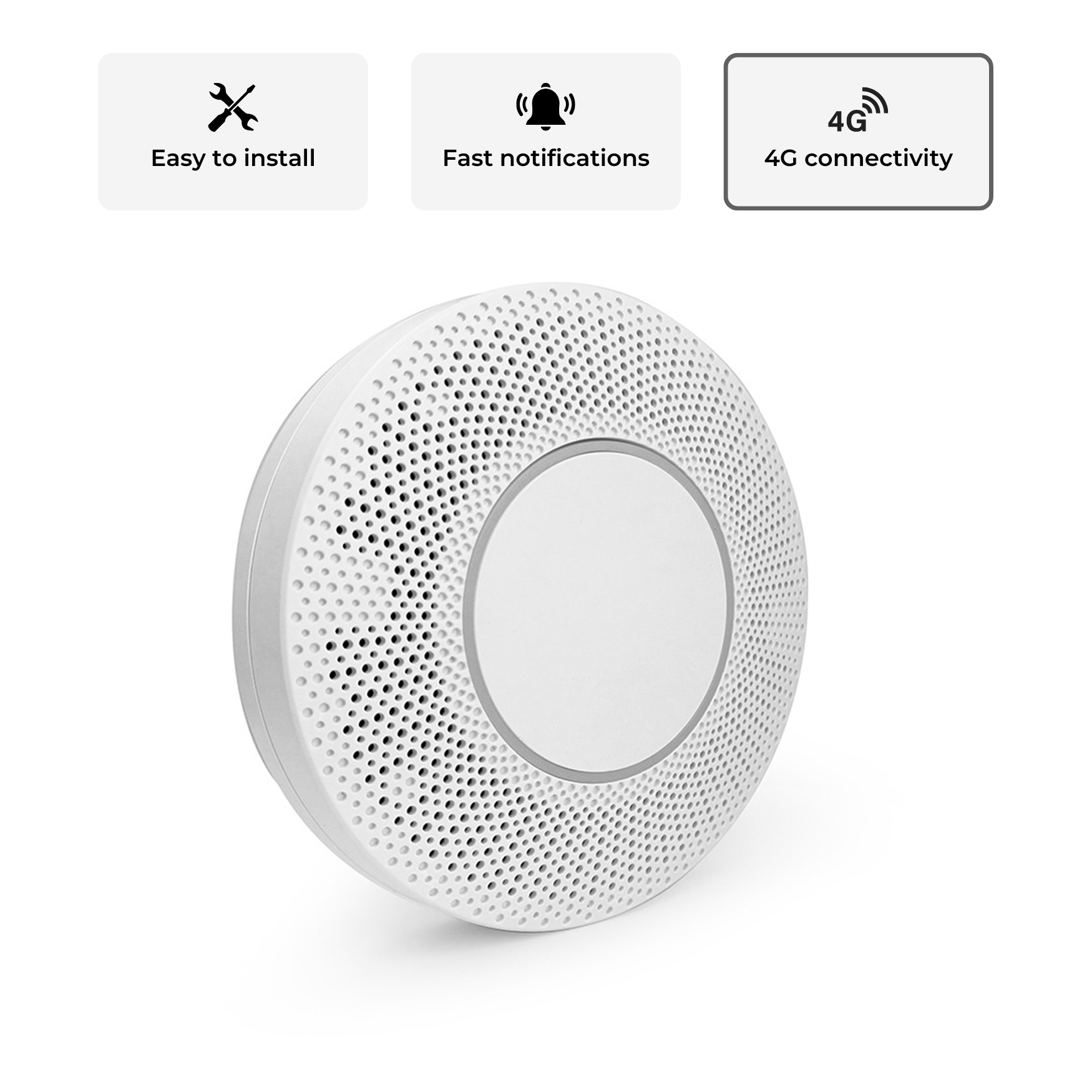
| Cellular/4G | Remote locations | Independent operation | Ongoing connectivity costs |
| Wired Ethernet | Large installations | Reliable, secure | Installation complexity |
Cloud based management platforms increasingly dominate the market. These systems store detection data remotely, provide web based dashboards, and enable remote sensor configuration. However, they introduce subscription costs and require stable internet connectivity.
Performance Metrics and Reliability Factors
Published specifications tell only part of the story. Real world performance depends on environmental conditions, maintenance protocols, and sensor calibration accuracy.
Detection Accuracy and Speed
Speed matters when deterring violations. A system that detects vaping 60 seconds after occurrence provides limited deterrent value compared to one alerting within 10 seconds. When you compare vape detection systems, prioritise response time alongside accuracy.
Critical performance indicators:
- Time to first detection following vape aerosol release
- Detection confidence level and probability scoring
- False positive rate under normal operational conditions
- False negative rate with various vaping devices and techniques
- Recovery time between successive detection events
Independent testing data proves more reliable than manufacturer claims. Seek case studies, third party evaluations, and references from similar installations.
Environmental Adaptability
Temperature extremes, humidity variations, and air quality fluctuations challenge sensor performance. Industrial grade sensors withstand harsher conditions than consumer oriented alternatives.
Schools face particular challenges with vaping in bathroom environments, where high humidity and cleaning product vapours can trigger false alarms in poorly designed systems. Understanding the differences between vape detectors and smoke detectors helps clarify why purpose built vape detection proves more effective than repurposed fire safety equipment.
Maintenance Requirements and Lifespan
Sensor maintenance directly impacts total cost of ownership. Chemical sensors may require periodic replacement of sensing elements. Particulate sensors need regular cleaning to maintain accuracy. Battery powered units demand systematic battery replacement programmes.
Expected sensor lifespan typically ranges from three to seven years, depending on technology and environmental exposure. Factor replacement costs into long term budget projections.
Cost Analysis and Return on Investment
Price represents just one component of total ownership cost. To properly compare vape detection systems, evaluate all financial implications across the expected service life.
Initial Investment Components
Upfront costs include more than sensor purchase prices. Comprehensive budgeting accounts for:
- Hardware costs per sensor unit
- Installation labour and materials
- Network infrastructure upgrades if required
- Management software licensing
- Staff training and system familiarisation
- Initial configuration and testing
Volume discounts significantly reduce per unit costs for large deployments. When equipping multiple facilities, negotiate package pricing rather than purchasing incrementally.
Ongoing Operational Expenses
Recurring costs accumulate over time, sometimes exceeding initial capital outlay. Monthly and annual expenses include:
| Expense Category | Typical Annual Cost | Frequency |
|---|---|---|
| Software subscriptions | £50-£150 per sensor | Monthly/Annual |
| Cellular connectivity | £60-£120 per sensor | Monthly |
| Battery replacements | £20-£40 per sensor | 6-12 months |
| Sensor calibration | £30-£80 per sensor | 12-24 months |
| Technical support | £100-£500 system wide | Annual |
Calculating Return on Investment
Quantifying return on investment requires identifying tangible and intangible benefits. Direct savings come from reduced cleaning costs, decreased property damage, and lower insurance premiums. Indirect benefits include improved air quality, enhanced compliance, and reduced liability exposure.
Educational institutions implementing anti vaping solutions report measurable improvements in student health outcomes and reduced disciplinary incidents. Offices experience increased productivity and decreased absenteeism when vaping violations decline.
Feature Comparison Framework
Standardising your evaluation process ensures consistent, objective comparisons. Create a scoring matrix addressing your specific priorities.
Essential Features Checklist
When you compare vape detection systems, certain capabilities qualify as mandatory whilst others provide added value. Distinguish between essential requirements and desirable enhancements.
Must have features:
- Reliable detection of common vaping devices
- Immediate alert delivery to responsible personnel
- Tamper resistant housing and anti vandalism design
- Compliance with relevant safety certifications
- Manufacturer warranty and support commitments
Value added features:
- Air quality monitoring beyond vape detection
- Integration with access control systems
- Occupancy sensing and people counting
- Sound level monitoring for disturbances
- Temperature and humidity tracking
Customisation and Scalability
Adaptability matters for growing organisations or evolving requirements. Systems offering flexible configuration accommodate changing needs without complete replacement.
Evaluate whether systems allow:
- Individual sensor sensitivity adjustment
- Custom alert thresholds and notification rules
- Integration with third party platforms via APIs
- Addition of sensors without infrastructure overhaul
- Remote configuration updates and firmware upgrades

Vendor Selection Criteria
Technical specifications matter, but vendor reliability and support quality prove equally critical for long term success.
Manufacturer Reputation and Track Record
Established manufacturers demonstrate sustained commitment to product development and customer support. Research company history, funding stability, and market presence.
When reviewing potential suppliers, investigate:
- Years in business and industry experience
- Customer retention rates and reference availability
- Product development roadmap and innovation history
- Financial stability and ownership structure
- Industry certifications and compliance standards
The comprehensive comparison of detection systems reveals significant variation in vendor capabilities and specialisations. Some focus exclusively on education, whilst others serve diverse commercial markets.
Support Infrastructure and Training
Technical support quality becomes crucial when issues arise. Compare support offerings across vendors, noting availability, response times, and expertise levels.
Support evaluation criteria:
| Support Element | Basic Level | Premium Level |
|---|---|---|
| Availability | Business hours | 24/7/365 |
| Response time | 24-48 hours | 1-4 hours |
| Support channels | Email only | Phone, email, chat |
| Training provision | Documentation | On site training |
| Software updates | Annual | Continuous |
Warranty and Service Level Agreements
Warranty terms vary considerably between manufacturers. Standard warranties typically cover 12 to 36 months, whilst extended coverage requires additional payment. Service level agreements define response times, uptime guarantees, and remediation procedures for system failures.
Regulatory Compliance and Privacy Considerations
Detection systems must align with applicable regulations whilst respecting privacy rights. Different jurisdictions impose varying requirements on monitoring equipment.
Data Protection Requirements
Sensors collecting information about individuals trigger data protection obligations under UK GDPR. Understand what data systems collect, how long they retain it, and who can access it.
Privacy compliant implementations:
- Conduct data protection impact assessments before deployment
- Implement appropriate technical and organisational measures
- Provide clear signage informing occupants of monitoring
- Establish data retention and deletion policies
- Limit access to detection data on a need to know basis
Industry Specific Regulations
Certain sectors face additional compliance requirements. Schools must balance student safety with privacy rights. Healthcare facilities navigate patient confidentiality rules. Workplaces must comply with employment law and union agreements.
Office environments implementing vape detection should consult employment counsel regarding monitoring policies and employee notification requirements. Clear policies prevent disputes and ensure compliant operation.
Making the Final Decision
After thorough evaluation, synthesise findings into actionable recommendations. Successful implementation depends on matching system capabilities to operational requirements whilst staying within budget constraints.
Creating Your Comparison Matrix
Document evaluation results in a standardised format enabling objective comparison. Weight criteria according to your priorities, assign scores to each system, and calculate overall ratings.
Effective matrices include:
- Technical specifications with minimum acceptable thresholds
- Cost projections covering five year ownership period
- Vendor assessment scoring support and reliability factors
- Feature alignment measuring fit with specific requirements
- Risk analysis identifying potential implementation challenges
Pilot Testing Recommendations
Before full scale deployment, conduct pilot installations in representative environments. Testing reveals real world performance issues and validates vendor claims.
Pilot programmes should:
- Run for minimum 30 to 60 days
- Include diverse environmental conditions
- Involve end users in evaluation
- Document all detection events and false alarms
- Compare results against alternative systems when possible
Leisure and retail environments benefit from understanding sector specific applications, with tailored solutions for leisure facilities addressing unique challenges in these settings.
Implementation Planning
Successful deployment requires careful planning beyond equipment selection. Develop comprehensive implementation plans addressing installation sequencing, staff training, policy development, and communication strategies.
Implementation timeline components:
- Pre installation site surveys and preparation
- Phased rollout schedule minimising disruption
- Staff training on system operation and alert response
- Occupant communication and signage installation
- Initial calibration and testing period
- Performance monitoring and adjustment phase
Advanced Considerations for Large Deployments
Organisations managing multiple facilities face additional complexity when they compare vape detection systems. Centralised management, standardisation benefits, and enterprise support requirements influence decision making.
Multi Site Management Capabilities
Enterprise deployments demand unified visibility across all locations. Cloud platforms enabling single dashboard monitoring streamline operations and reduce administrative overhead.
Evaluate whether systems support:
- Consolidated reporting across all facilities
- Centralised configuration management
- Role based access control for distributed teams
- Automated compliance reporting generation
- Cross site analytics and trending
Integration with Existing Infrastructure
Standalone detection systems provide limited value compared to integrated solutions. Modern facilities operate numerous systems including access control, video surveillance, building automation, and visitor management.
When you compare vape detection systems for large installations, prioritise open architecture and standard integration protocols. API availability, webhook support, and compatibility with common platforms like building management systems expand functionality and future proof investments.
Schools implementing comprehensive safety programmes appreciate solutions addressing multiple concerns simultaneously, combining vape detection with broader anti social behaviour monitoring capabilities.
Selecting the optimal vape detection system requires balancing technical performance, cost considerations, and operational fit. By systematically evaluating sensor technologies, connectivity options, vendor capabilities, and total ownership costs, organisations can identify solutions delivering maximum value for their specific requirements. Vape Guardian provides advanced detection technology backed by dedicated UK based support, helping schools, offices, and leisure facilities create safer environments through reliable sensors and comprehensive monitoring capabilities. Contact Vape Guardian today to discuss how tailored detection solutions can address your facility's unique challenges.

Share:
Toilet Vaping Prevention: Strategies & Detection Solutions
Pupil Vaping Detection: Monitoring Student Health & Safety