

Vaping in schools has escalated from an occasional concern to a widespread challenge facing educational institutions across the United Kingdom. With the rise in underage vaping incidents, schools are actively seeking effective measures to protect students from the health risks associated with e-cigarette use. A comprehensive school anti vaping solution requires more than simply enforcing rules; it demands a multi-layered approach combining detection technology, educational initiatives, clear policies, and community engagement. This article explores the components of an effective vaping prevention strategy tailored for UK schools in 2026.
Understanding the Scale of School Vaping
Recent data reveals that vaping among school-aged children has reached concerning levels. Studies indicate that approximately one in five secondary school students have tried vaping, with many developing regular usage patterns. The accessibility of disposable vapes and appealing flavours has contributed significantly to this trend.
The problem extends beyond health concerns. Vaping disrupts classroom environments, creates peer pressure dynamics, and often correlates with other behavioural issues. Research on adolescent substance use demonstrates how peer influence accelerates adoption rates within school settings, making early intervention critical.
Why Traditional Disciplinary Approaches Fall Short
Relying solely on punishment when students are caught vaping proves ineffective for several reasons:
- Students become more secretive rather than stopping the behaviour
- Suspensions remove educational opportunities without addressing underlying motivations
- Disciplinary records may impact future prospects disproportionately
- The approach fails to educate students about health risks
A modern school anti vaping solution must balance accountability with education, providing students with the knowledge and support needed to make healthier choices.
Core Components of an Effective School Anti Vaping Solution
Advanced Detection Technology
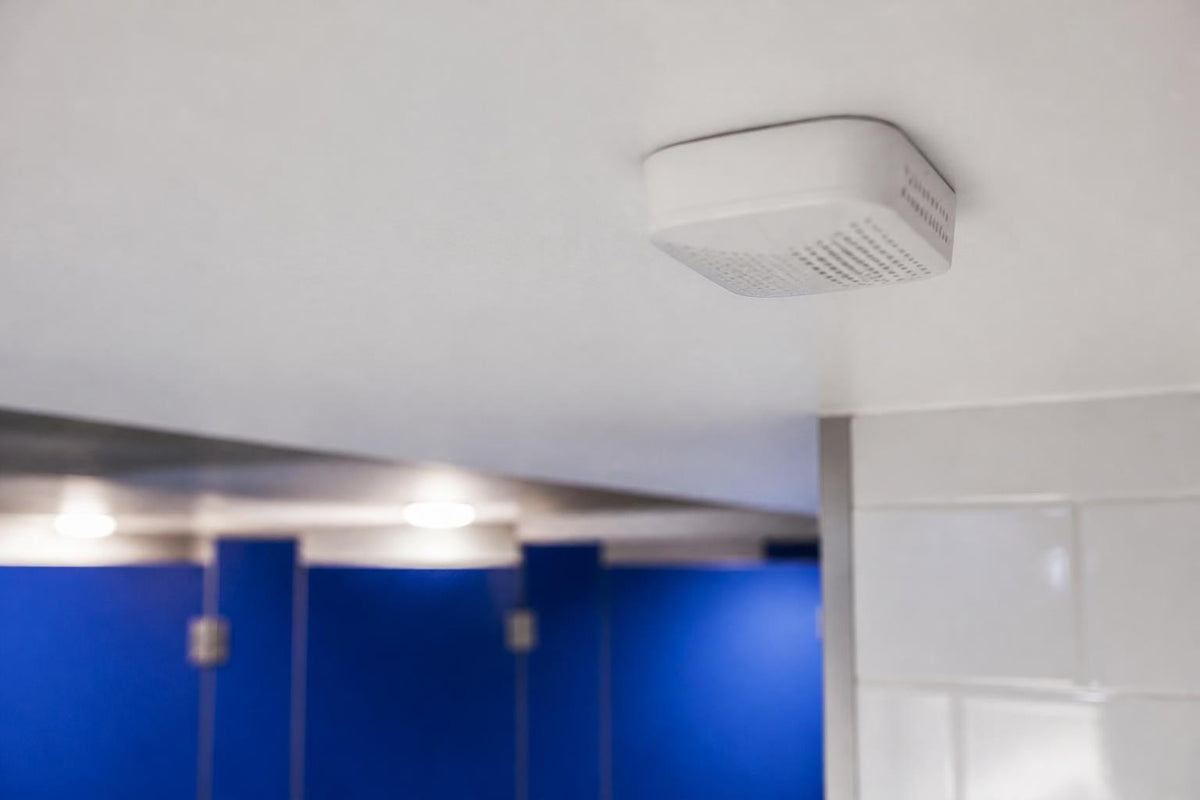
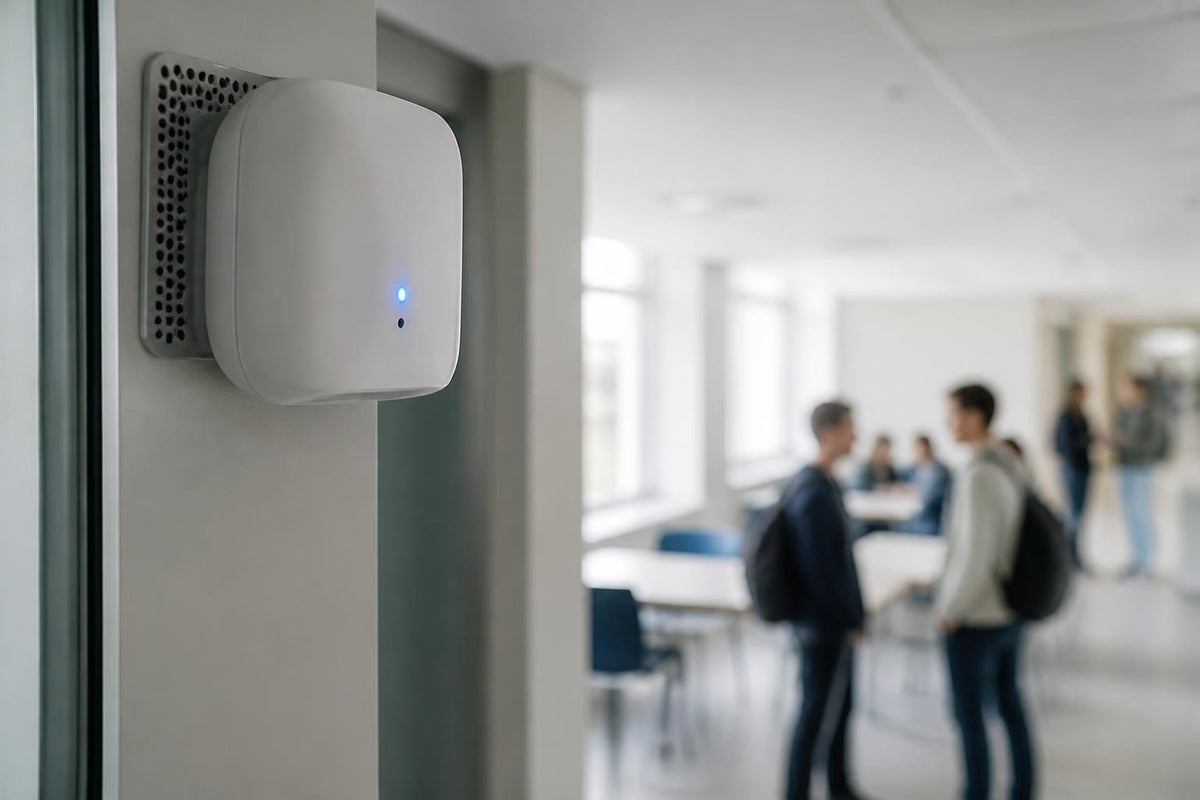
Detection systems represent a crucial element in any comprehensive prevention strategy. Modern vaping detection sensors can identify vape aerosols in real-time, providing immediate alerts to school staff. These systems monitor washrooms, changing rooms, and other areas where students might attempt to vape discreetly.
The Vape Detection System combines sophisticated sensors with air quality monitoring to detect not only vaping but also potential drug use and anti-social behaviour. By installing these sensors in strategic locations, schools gain visibility into areas traditionally difficult to supervise whilst respecting student privacy.
Detection technology serves multiple purposes within a school anti vaping solution framework. Beyond identifying individual incidents, aggregated data reveals patterns, helping administrators understand when and where vaping occurs most frequently. This information guides targeted interventions and resource allocation.
| Detection Feature | Benefit | Implementation Consideration |
|---|---|---|
| Real-time alerts | Immediate staff response | Requires designated responders |
| Pattern analysis | Identifies high-risk times/locations | Monthly data review recommended |
| Multi-substance detection | Broader safety coverage | Staff training on appropriate responses |
| Privacy-compliant | No video/audio recording | Communicates respect for students |
Educational Programmes and Interventions
Education forms the foundation of lasting behaviour change. Rather than simply telling students not to vape, effective programmes explain the science behind nicotine addiction, the specific health risks of vaping, and strategies for resisting peer pressure.
The CATCH My Breath programme offers an evidence-based curriculum specifically designed for students in years 5 through 12. This peer-led teaching approach has demonstrated measurable success in reducing students' likelihood of starting or continuing vaping.
Tier-2 interventions target students already caught vaping. The Xavier University X-Vaping Program provides modular educational courses as alternatives to suspension, addressing the specific needs of students who have already engaged with vaping products.
For schools in specific regions, programmes like YVAPE in California offer free educational support with phone coaching, demonstrating how regional resources can complement school-based efforts. UK schools can adapt similar models to their local context.
Clear Policies and Consistent Enforcement
A robust school anti vaping solution requires unambiguous policies that students, parents, and staff understand thoroughly. These policies should outline:
- What constitutes a vaping violation
- Where the no-vaping rule applies
- Consequences for first and subsequent offences
- Support available to students struggling with nicotine addiction
- Parent notification procedures
The Lafayette Parish School System's approach demonstrates how enhanced enforcement, including random classroom screenings, can deter vaping whilst maintaining an educational focus. Their strategy combines detection with clear disciplinary consequences, creating accountability.
Consistency remains paramount. When enforcement varies between staff members or situations, students quickly identify loopholes. Regular staff training ensures everyone applies policies uniformly.
Building a Comprehensive Prevention Strategy
Assessment and Planning
Before implementing any school anti vaping solution, conduct a thorough assessment of your current situation:
- Survey students anonymously about vaping prevalence and attitudes
- Review existing policies for gaps or ambiguities
- Identify physical locations where vaping most commonly occurs
- Evaluate current staff capacity for monitoring and intervention
- Examine budget available for technology and programmes
This baseline assessment informs which components of a comprehensive solution your school should prioritise. Schools with higher vaping rates might emphasise detection and intervention, whilst those with emerging problems could focus on prevention education.

Stakeholder Engagement
Successful implementation requires buy-in from multiple stakeholder groups. Each plays a distinct role in creating a vape-free school environment.
Students need to understand both the 'why' behind policies and their role in creating a healthier school culture. Student councils can champion anti-vaping initiatives, making them peer-driven rather than purely adult-imposed.
Parents and guardians must receive clear communication about school policies and signs of vaping to watch for at home. Parent education sessions can equip families to reinforce school messages.
Teaching staff require training on identifying vaping devices, responding to incidents appropriately, and integrating prevention messages into existing curricula where relevant.
Support staff, including caretakers and lunchroom supervisors, often observe student behaviour in less formal settings and need inclusion in monitoring efforts.
Integration with Existing Health Initiatives
A school anti vaping solution works most effectively when integrated with broader health and wellbeing programmes rather than operating as an isolated initiative. The Tobacco Use Prevention Education programme exemplifies this approach, addressing vaping within the context of overall substance use prevention.
Schools can incorporate vaping prevention into:
- Personal, Social, Health and Economic (PSHE) education
- Science curricula when discussing respiratory health
- Physical education when addressing athletic performance
- Digital literacy programmes that examine marketing tactics
This integration reinforces messages across multiple touchpoints, increasing their impact and normalising health-focused conversations.
Technology Implementation Best Practices
Selecting the Right Detection System
Not all vaping detection systems offer equivalent capabilities. When evaluating options for your school anti vaping solution, consider these factors:
- Detection accuracy: Can the system distinguish between vaping aerosols and other airborne particles?
- Alert mechanisms: How quickly do designated staff receive notifications, and through what channels?
- Coverage area: How many sensors are required for comprehensive monitoring?
- Installation requirements: Does implementation require significant building modifications?
- Data management: What insights does the system provide beyond individual incident alerts?
- Support and maintenance: What ongoing support does the provider offer?
Schools implementing vape detection technology report that careful placement of sensors in washrooms, locker rooms, and other unsupervised areas yields the best results. Consulting with providers who understand educational settings ensures optimal configuration.
Privacy and Legal Considerations
Detection technology must comply with data protection regulations, particularly the UK GDPR and Data Protection Act 2018. Key principles include:
- Sensors should detect substances, not record video or audio
- Data collection should be proportionate to the legitimate aim
- Students and parents should be informed about monitoring measures
- Retention policies should align with legal requirements
Transparent communication about why and how technology is deployed builds trust rather than creating a surveillance atmosphere. Position detection as one component of a caring, comprehensive approach to student wellbeing.
Educational Approaches That Work
Age-Appropriate Messaging
The most effective school anti vaping solution tailors educational content to developmental stages. Younger students respond to concrete information about immediate health effects, whilst older students engage more with long-term consequences and critical analysis of marketing tactics.
Years 5-7 focus areas:
- What vaping is and how it differs from smoking
- Immediate physical effects (breathing difficulties, headaches)
- Recognising and resisting peer pressure
- Understanding that vaping is not intended for children
Years 8-10 focus areas:
- Nicotine addiction mechanisms and withdrawal
- Long-term health risks specific to adolescent development
- Analysing vaping industry marketing strategies
- Skills for supporting friends who want to quit
Years 11-13 focus areas:
- Advanced understanding of addiction neuroscience
- Policy and regulatory landscape
- Leadership in creating vape-free environments
- Quitting strategies and support resources
Peer Education Models
Research consistently demonstrates that young people respond more receptively to messages delivered by peers than adults. Training student leaders to facilitate discussions about vaping creates authentic conversations and reduces the perception of adult lecturing.
The peer education model employed by programmes like CATCH My Breath empowers students to become health advocates within their communities. These students often reach peers whom traditional approaches miss.
Selecting diverse peer educators ensures messaging reaches different student groups. Athletes might influence sports-focused students, whilst arts students connect with creative peers. This diversity strengthens the overall impact of your school anti vaping solution.

Intervention Strategies for Students Who Vape
Progressive Discipline with Educational Components
When students violate vaping policies, responses should be proportionate and focused on behaviour change. A progressive discipline framework might include:
| Offence | Consequence | Educational Component |
|---|---|---|
| First | Parent contact, detention | Mandatory health education session |
| Second | Suspension (1-2 days) | Complete online prevention course |
| Third | Extended suspension | Referral to cessation support services |
| Fourth+ | Formal review, possible exclusion | Family meeting with support services |
This structure maintains accountability whilst prioritising education. The Texas Department of State Health Services' approach offers free online courses that schools can incorporate into their disciplinary procedures, providing structured learning as an alternative to purely punitive measures.
Cessation Support Services
Students who vape regularly often struggle with nicotine addiction and require specialist support to quit successfully. A comprehensive school anti vaping solution includes clear pathways to cessation resources.
Schools can establish partnerships with:
- NHS Stop Smoking Services that increasingly address vaping
- School nurses trained in adolescent addiction support
- Local public health departments offering youth programmes
- Online cessation tools designed specifically for young people
Creating a non-judgemental environment where students feel comfortable seeking help is crucial. Confidential self-referral options encourage students to access support before problems escalate.
Addressing Underlying Factors
Students often turn to vaping for reasons beyond curiosity or peer pressure. Understanding these motivations enables more effective interventions:
- Stress management: Students may vape to cope with academic pressure or anxiety
- Social connection: Vaping sometimes serves as a way to fit in or bond with peers
- Identity exploration: Some students use vaping as part of establishing independence
- Existing mental health concerns: Vaping rates are higher among students with anxiety or depression
Connecting students with appropriate support services addresses root causes rather than just symptoms. School counsellors play a vital role in this aspect of a comprehensive prevention strategy.
Engaging Parents and Carers
Communication Strategies
Parents and carers are essential partners in any school anti vaping solution. However, many adults underestimate vaping prevalence or lack knowledge about modern vaping products. Effective parent engagement includes:
- Regular updates through newsletters, emails, or parent portals about school initiatives
- Educational workshops helping parents identify vaping devices and understand health risks
- Clear policy communication ensuring parents understand rules and consequences
- Partnership messaging framing prevention as a collaborative effort
- Resource provision offering materials parents can use for home conversations
The Tomball Independent School District's campaign demonstrates how schools can provide parents with comprehensive educational materials whilst maintaining clear expectations about consequences.
Supporting Difficult Conversations
Many parents feel ill-equipped to discuss vaping with their children, particularly if they lack technical knowledge about devices or health effects. Schools can support parents by providing:
- Conversation starters and suggested questions
- Fact sheets about vaping health risks specific to adolescents
- Guidance on setting clear expectations without damaging trust
- Information about warning signs that a child might be vaping
- Resources for supporting a child who wants to quit
Just as educational technology supports student learning, resources that enhance parent knowledge create consistency between school and home messages. Platforms like Sam&Me demonstrate how digital tools can support parents in their children's overall wellbeing and development, complementing school efforts across various aspects of student health and success.
Measuring Success and Adjusting Approaches
Key Performance Indicators
To determine whether your school anti vaping solution achieves intended outcomes, establish clear metrics:
- Incident rates: Track number of vaping violations over time
- Detection data: Analyse patterns in when and where vaping occurs
- Student surveys: Measure changes in vaping prevalence and attitudes
- Programme participation: Monitor engagement with educational initiatives
- Cessation success: Track students who successfully quit with school support
- Policy awareness: Assess student and parent understanding of rules
Regular review of these indicators reveals what's working and where adjustments are needed. Quarterly analysis allows for timely modifications rather than waiting for annual reviews.
Continuous Improvement Cycle
Effective prevention requires ongoing refinement. Establish a review process that:
- Collects data from multiple sources (sensors, surveys, incident reports)
- Analyses trends and patterns quarterly
- Solicits feedback from students, staff, and parents
- Identifies successful elements and areas needing adjustment
- Implements modifications based on evidence
- Communicates changes to all stakeholders
This iterative approach ensures your school anti vaping solution evolves with changing circumstances, student needs, and emerging evidence about effective practices. Case studies from schools implementing comprehensive programmes demonstrate how data-driven refinement strengthens outcomes over time.
Creating a Culture of Health
Beyond Compliance to Values
The most successful school anti vaping solution efforts shift from mere rule enforcement to cultivating a health-focused school culture. When students internalise health as a core value rather than simply following rules to avoid punishment, behaviour change becomes sustainable.
Strategies for building this culture include:
- Celebrating health achievements and milestones
- Integrating wellness into school identity and messaging
- Providing positive alternatives to vaping for stress relief
- Highlighting student athletes and leaders who reject vaping
- Creating student-led health campaigns
- Recognising classes or year groups with declining vaping rates
This positive framing motivates students toward health rather than away from punishment.
Long-Term Sustainability
Implementing a comprehensive prevention programme requires initial investment of time, resources, and energy. Ensuring sustainability involves:
- Leadership commitment: Senior leaders must champion initiatives beyond initial launch
- Staff capacity building: Ongoing training keeps prevention skills current
- Budget allocation: Sustainable funding for technology, programmes, and resources
- Community partnerships: External organisations provide expertise and support
- Policy integration: Embedding prevention into standard school operations
- Knowledge transfer: Documenting processes ensures continuity despite staff changes
Schools that view vaping prevention as an ongoing commitment rather than a temporary initiative achieve more substantial, lasting results.
Navigating Challenges and Resistance
Common Implementation Obstacles
Even well-designed school anti vaping solution strategies encounter challenges. Anticipating these obstacles enables proactive problem-solving:
Student resistance: Some students view anti-vaping efforts as authoritarian overreach. Counter this by involving students in programme design and emphasising health benefits over rule enforcement.
Resource constraints: Comprehensive programmes require investment. Prioritise high-impact elements first, then expand as resources allow. Grant funding and partnerships can supplement school budgets.
Staff capacity: Teachers already face substantial demands. Integrate prevention into existing structures rather than adding entirely new requirements. Brief, focused training sessions respect time constraints.
Parental pushback: Occasionally, parents object to monitoring or disciplinary approaches. Transparent communication about safety rationale and privacy protections addresses most concerns.
Rapidly changing products: Vaping technology evolves quickly. Regular updates to staff and students about new devices and trends maintain programme relevance.
Adapting to Your School Context
No single school anti vaping solution fits every educational setting perfectly. Consider your school's unique characteristics:
- Size: Larger schools may require more sensors and structured programmes, whilst smaller schools can leverage closer relationships
- Demographics: Tailor messaging to your student population's cultural backgrounds and experiences
- Existing resources: Build on current health initiatives rather than starting from zero
- Community context: Urban, suburban, and rural schools face different challenges and access different resources
- Vaping prevalence: Schools with higher rates need intensive intervention, whilst those with emerging problems can focus on prevention
Successful implementation adapts evidence-based practices to local realities rather than rigidly following prescribed approaches.
Supporting Specific Student Populations
Students with Special Educational Needs
Students with SEND may face unique challenges related to vaping prevention and cessation. Effective support includes:
- Visual aids and simplified materials for students with learning disabilities
- Additional sensory alternatives for students who vape for sensory regulation
- Close collaboration with SEND coordinators to integrate prevention into individual plans
- Modified disciplinary approaches considering individual circumstances
- Enhanced parental partnership for students requiring additional support
Inclusive programme design ensures all students benefit from your school anti vaping solution.
Vulnerable and At-Risk Groups
Certain student populations face elevated vaping risks and require targeted support:
- Students with mental health concerns often use vaping as a coping mechanism
- Those with previous substance use involvement may be more susceptible
- Students experiencing trauma or adverse childhood experiences
- Young people in care or from chaotic home environments
- Students facing peer rejection or social isolation
Multi-agency approaches connecting education, health, and social services provide comprehensive support for these students. For resources on supporting at-risk students, the Casa Grande Alliance programmes offer evidence-based curricula alongside support for students facing suspension.
Implementing a comprehensive school anti vaping solution requires coordinated effort across detection technology, education, policy enforcement, and community engagement. By combining these elements thoughtfully and adapting to your school's unique context, you create an environment that protects student health whilst supporting those struggling with nicotine addiction. Vape Guardian provides the advanced detection technology and dedicated support that schools need to address vaping effectively, helping educational institutions across the UK create safer, healthier learning environments for all students.







Share:
Prevent Vaping in School Bathrooms: Proven Solutions
School Behaviour Monitoring System: A Complete Guide