
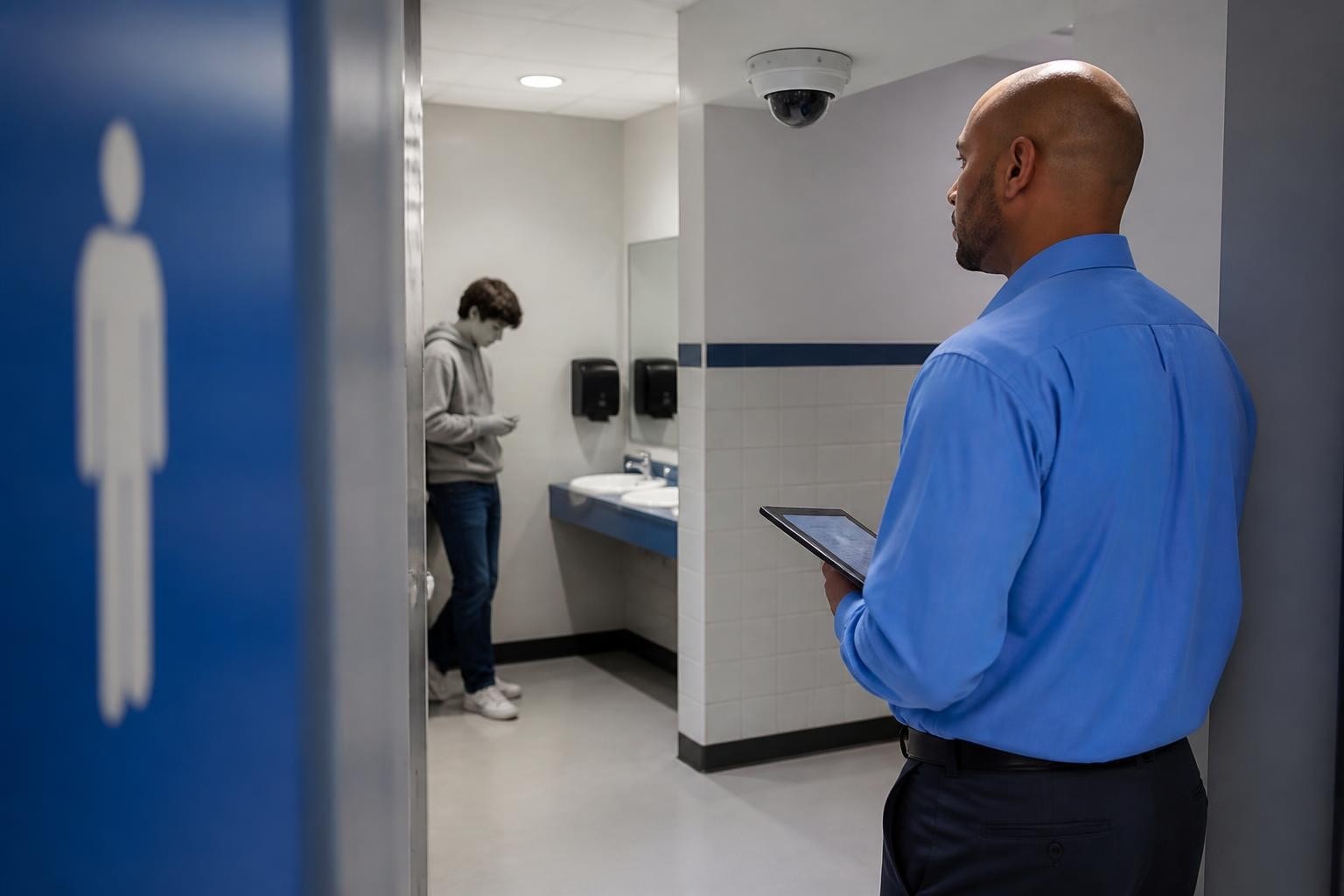
School bathrooms have become hotspots for vaping incidents, presenting significant challenges for educators and administrators across the United Kingdom. As vaping devices become smaller and more discreet, traditional supervision methods prove inadequate for monitoring these private spaces. The issue extends beyond simple rule breaking, affecting air quality, student health, and the overall learning environment. Understanding how to prevent vaping in school bathrooms requires a comprehensive approach that combines technology, policy, and education.
Understanding the Scope of Bathroom Vaping
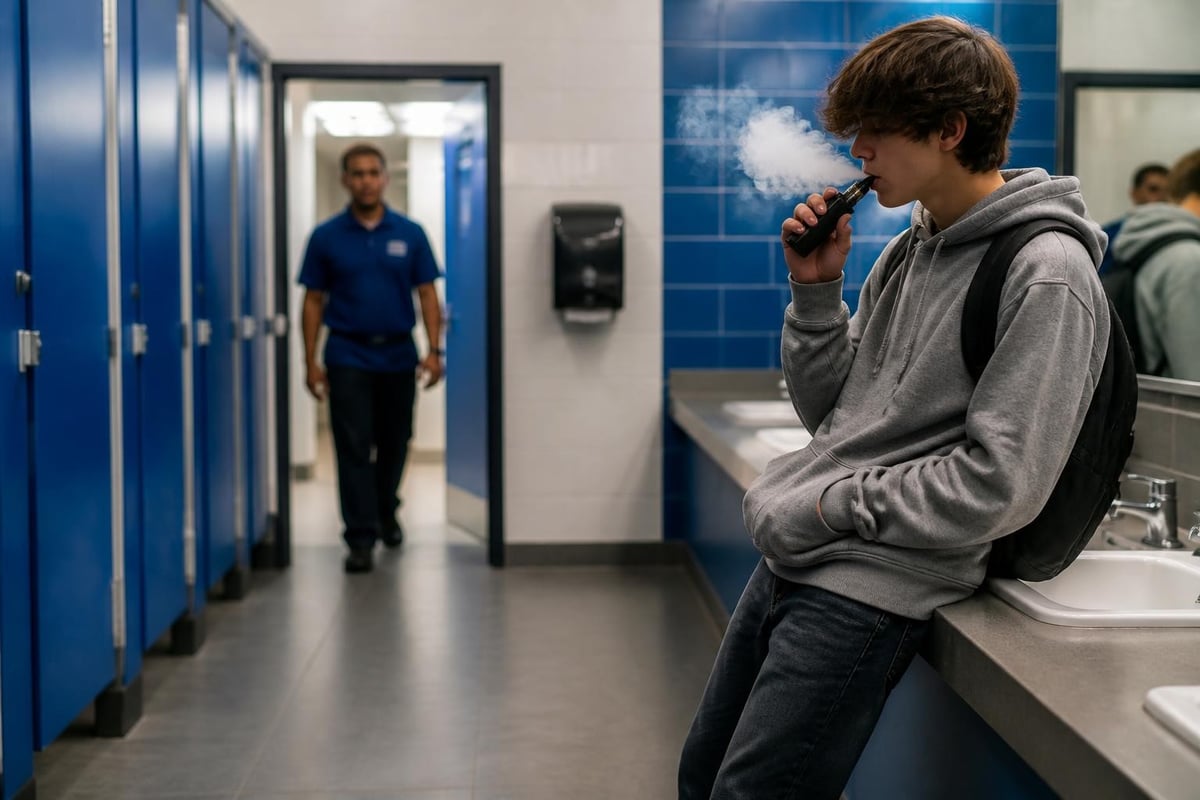
The prevalence of vaping in school toilets has escalated dramatically over recent years. Students perceive bathrooms as safe zones where they can use e-cigarettes without detection, leading to concentrated incidents during break periods and between lessons.
Research indicates that bathroom facilities represent the most common location for vaping incidents within educational settings. The privacy these spaces afford makes them attractive to students seeking to conceal their behaviour from staff members. Additionally, the transient nature of bathroom use complicates monitoring efforts, as students can quickly enter, vape, and leave before detection occurs.
Why Traditional Methods Fall Short
Conventional supervision techniques struggle to address bathroom vaping effectively. Physical monitoring raises privacy concerns, whilst sporadic checks fail to catch the majority of incidents. Staff members cannot maintain constant presence in toilets without violating student dignity and creating an oppressive atmosphere.
Visual inspections after the fact rarely identify perpetrators, and the dissipating nature of vapour makes evidence collection challenging. Many schools have attempted increasing patrol frequency, yet this resource intensive approach yields limited results whilst diverting staff from educational duties.
Technology Solutions for Detection
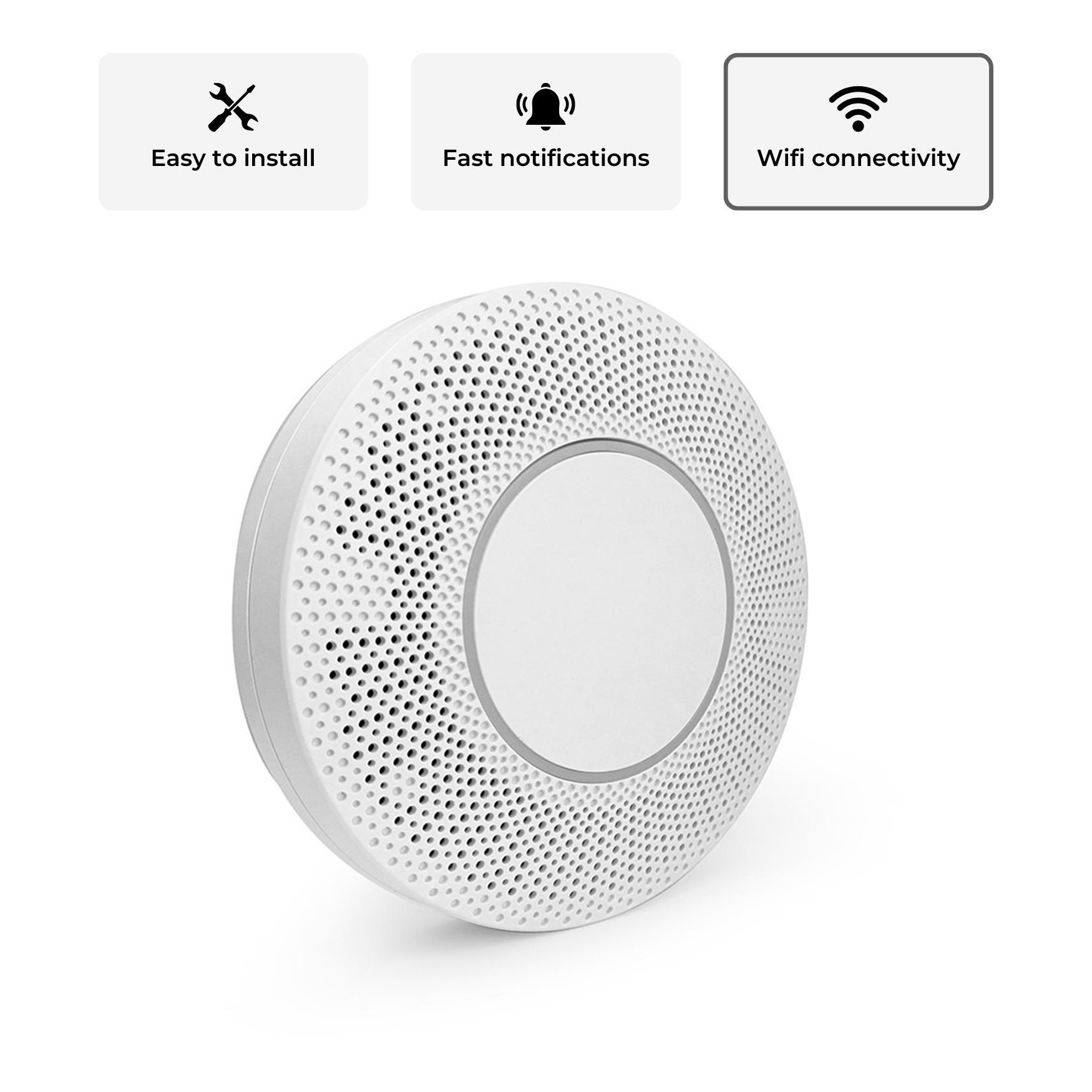
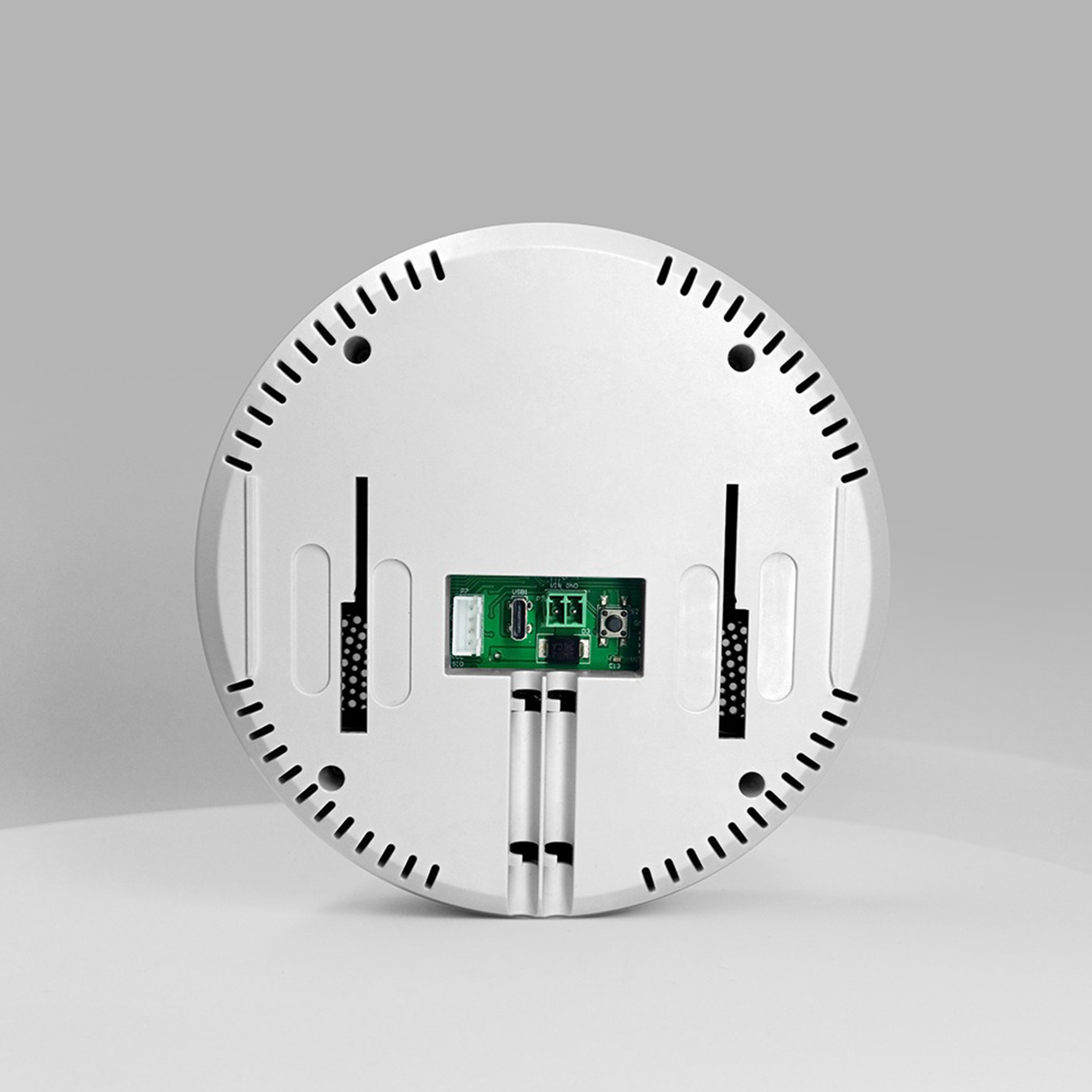
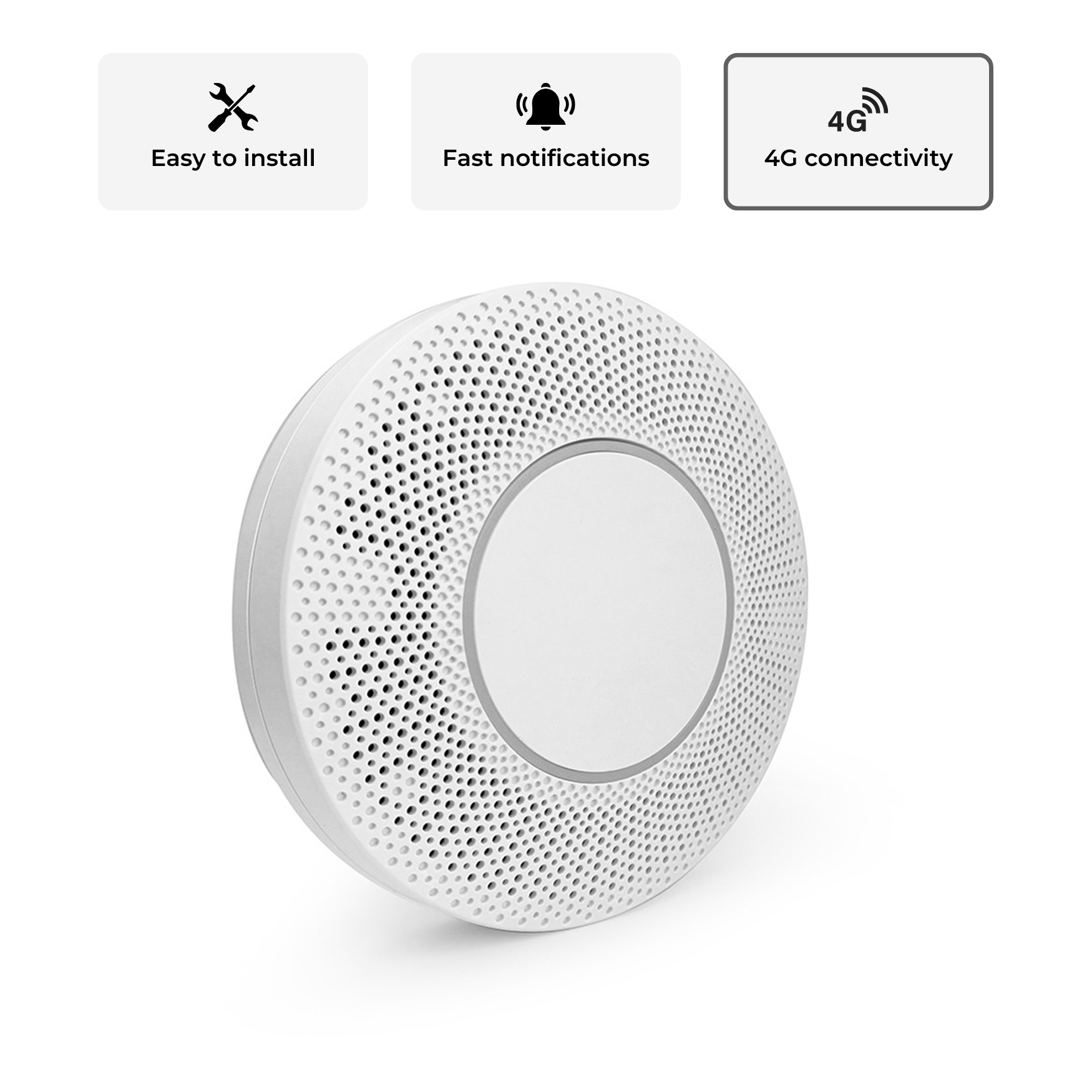
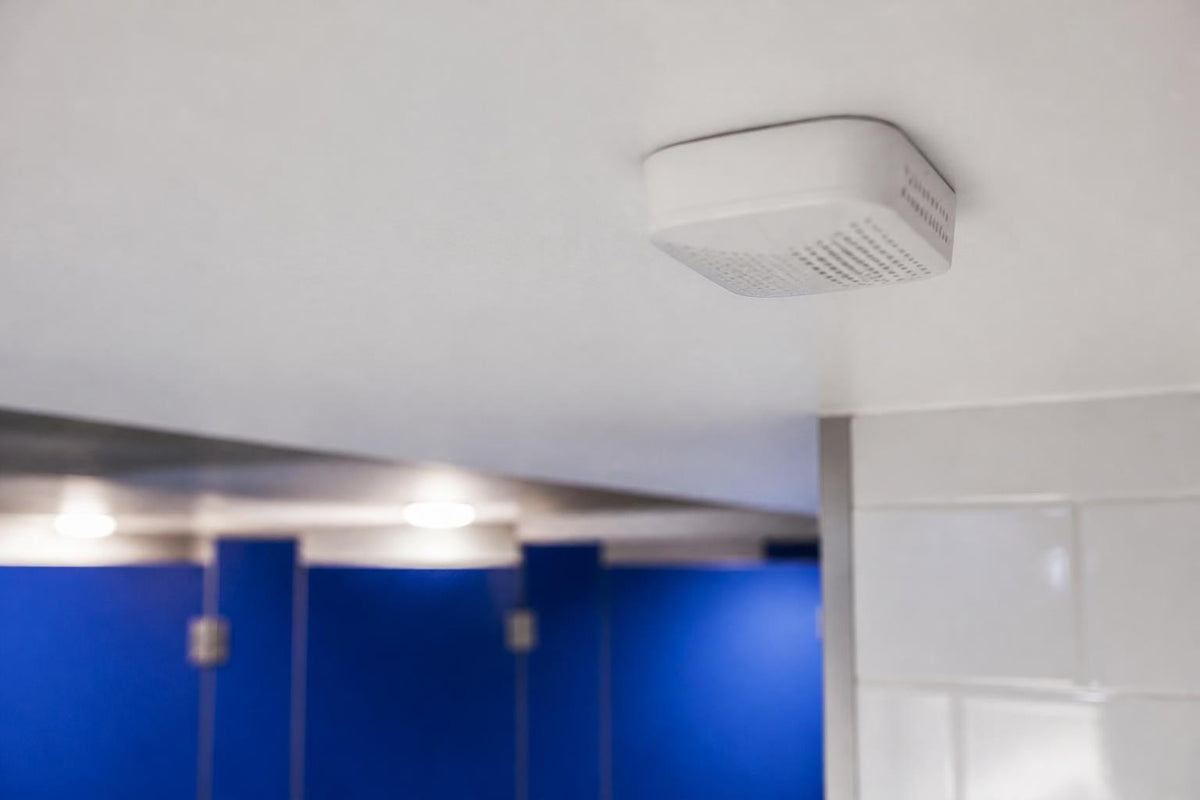
Advanced sensor technology has emerged as a game changing tool to prevent vaping in school bathrooms. These sophisticated devices monitor air quality continuously, detecting the chemical signatures present in vape aerosols without compromising student privacy through cameras or recording devices.
Modern vape detection systems analyse particulate matter and volatile organic compounds in real time. When vaping occurs, sensors trigger immediate alerts to designated staff members, enabling swift intervention. This technology represents a proactive approach that identifies incidents as they happen rather than discovering evidence after the fact.
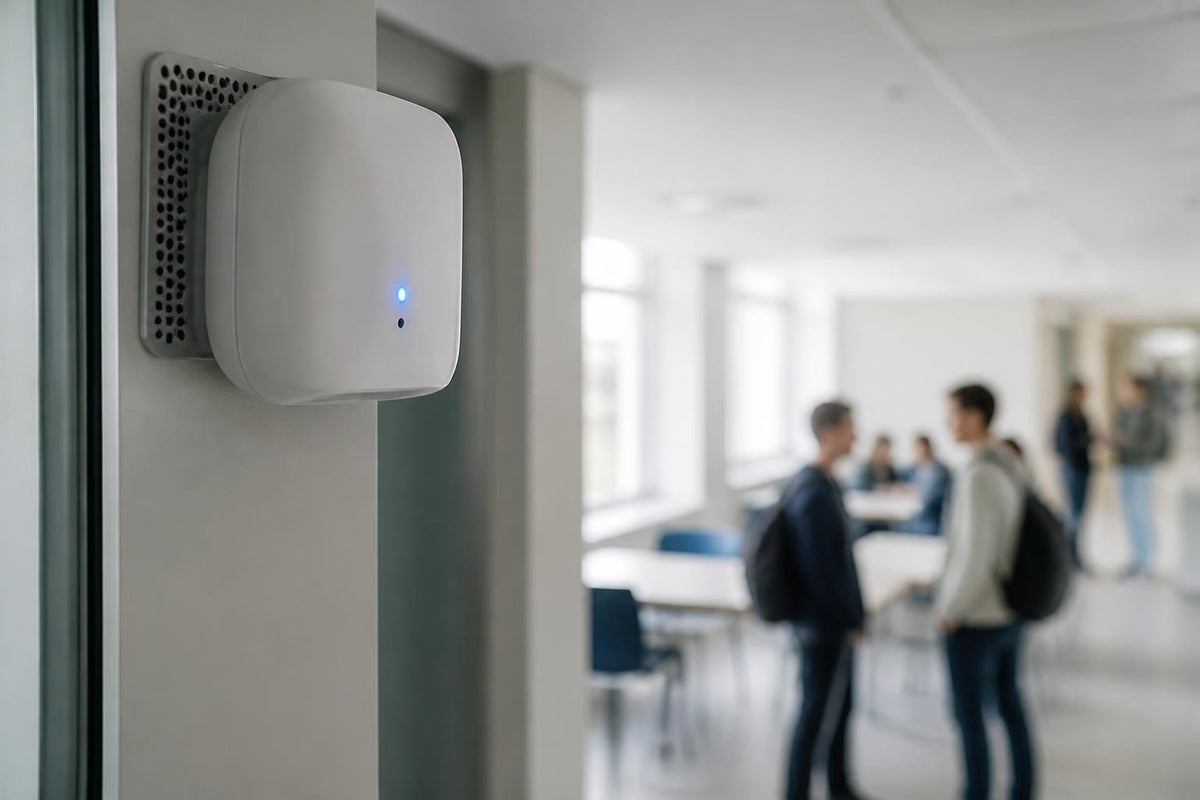
The Vape Detection System offers comprehensive monitoring capabilities that extend beyond vaping detection to identify other concerning substances and behaviours. These systems integrate seamlessly with existing school infrastructure, providing actionable intelligence whilst respecting student privacy rights. Installation in strategic locations ensures comprehensive coverage without creating an invasive surveillance environment.

Implementation Considerations
| Factor | Requirement | Benefit |
|---|---|---|
| Placement | High traffic bathrooms first | Maximum coverage with minimum units |
| Connectivity | Reliable network access | Immediate alert delivery |
| Sensitivity | Adjustable threshold settings | Reduced false positives |
| Integration | Compatibility with existing systems | Streamlined operations |
Schools must consider several factors when deploying detection technology. Optimal sensor placement maximises coverage whilst minimising costs, with priority given to facilities experiencing the highest incident rates. Network connectivity ensures alerts reach appropriate personnel immediately, enabling timely responses that catch violators and deter future incidents.
Calibration settings require careful adjustment to balance sensitivity with practical operation. Overly sensitive configurations generate false alarms that desensitise staff, whilst insufficient sensitivity allows incidents to pass undetected. Professional installation and ongoing maintenance ensure systems perform reliably throughout the academic year.
Policy Development and Enforcement
Effective policies form the foundation of efforts to prevent vaping in school bathrooms. Clear, consistently enforced rules establish expectations whilst outlining consequences for violations. Schools must develop comprehensive anti-vaping policies that address both possession and use of vaping devices.
Successful policies incorporate progressive discipline approaches that escalate consequences for repeat offenders. Initial violations might warrant educational interventions and parental notification, whilst subsequent incidents result in more severe penalties including suspension or required counselling.
Essential Policy Components
Documentation and Communication
- Written policies distributed to students and parents
- Annual acknowledgement forms requiring signatures
- Regular reminders through multiple channels
- Inclusion in student handbooks and codes of conduct
Clear Consequences
- First offence: Educational intervention and parental contact
- Second offence: Detention and mandatory counselling session
- Third offence: Suspension and substance abuse assessment
- Ongoing violations: Potential exclusion proceedings
Support Structures
- Access to cessation resources for students struggling with addiction
- Confidential reporting mechanisms for concerned peers
- Counselling services for underlying issues driving vaping behaviour
Enforcement consistency proves crucial for policy effectiveness. When staff members apply rules selectively or inconsistently, students perceive unfairness and lose respect for regulations. Regular training ensures all personnel understand procedures and apply them uniformly across the student population.
Environmental Design Strategies
Physical modifications to bathroom facilities can significantly reduce vaping incidents. Strategic design changes eliminate opportunities whilst making detection easier, complementing technological and policy approaches.
Bathroom design considerations include improved ventilation systems that rapidly clear air whilst maintaining comfort. Enhanced airflow reduces the appeal of bathrooms as vaping locations by minimising the time vapour lingers. Additionally, better ventilation supports air quality monitoring technology by preventing accumulation that might trigger false alarms.
Structural modifications might include:
- Removing stall doors in certain facilities to increase visibility
- Installing motion activated lighting that alerts to occupancy
- Reducing the number of entry points to control access
- Creating sight lines that allow casual observation without intrusion
- Positioning staff areas adjacent to high risk facilities
Balancing Safety and Privacy
Schools must navigate the delicate balance between creating safe environments and respecting student privacy. Building to recommended safety standards ensures facilities meet legal requirements whilst supporting monitoring efforts.
Transparent design elements that maintain privacy for intended purposes whilst eliminating hiding spots represent optimal solutions. Partial height partitions, for example, provide adequate privacy for toilet use whilst preventing complete concealment that enables vaping and other prohibited behaviours.

Educational Initiatives and Awareness
Prevention efforts must address the root causes driving students to vape. Comprehensive educational programmes inform students about health risks, challenge misconceptions, and provide tools for resisting peer pressure.
Effective education extends beyond scare tactics to present factual information about vaping's impact on developing bodies. Students respond better to honest discussions acknowledging why peers vape whilst explaining genuine health concerns. Educational resources specifically designed for schools provide age appropriate content that resonates with young people.
Programme Elements
Health Education
- Short term effects: respiratory irritation, nicotine dependence, impaired concentration
- Long term risks: lung damage, cardiovascular problems, potential gateway to other substances
- Chemical composition of vape liquids and aerosols
- Comparison with traditional tobacco products
Social Resistance Training
- Techniques for refusing offers from peers
- Understanding and countering marketing tactics
- Identifying triggers and developing coping strategies
- Building self esteem independent of peer approval
Interactive Approaches
- Guest speakers including medical professionals and former users
- Small group discussions facilitated by trained staff
- Anonymous question submission allowing honest enquiry
- Peer led initiatives amplifying student voices
Research demonstrates that sustained, repeated exposure to educational messages proves more effective than one off assemblies. Integrating anti-vaping content across the curriculum reinforces key messages whilst demonstrating institutional commitment to student wellbeing.
Parental Engagement and Communication
Parents serve as crucial partners in efforts to prevent vaping in school bathrooms. Many remain unaware of the extent of youth vaping or struggle to identify signs their children might be using e-cigarettes.
Schools should provide resources helping parents recognise vaping devices, which increasingly resemble everyday objects like USB drives or pens. Educational sessions for parents cover discussion strategies that encourage openness rather than defensive reactions.
| Communication Method | Purpose | Frequency |
|---|---|---|
| Newsletter updates | Share incident trends and prevention efforts | Monthly |
| Parent workshops | Educate on risks and recognition | Termly |
| Individual consultations | Address specific concerns | As needed |
| Online resources | Provide accessible reference materials | Continuous |
Transparent communication about school policies and detection methods builds trust whilst deterring violations. When parents understand the comprehensive approach schools employ, they can reinforce messages at home and monitor for concerning behaviours.
Staff Training and Protocols
Comprehensive staff development ensures personnel possess the knowledge and skills necessary to prevent vaping in school bathrooms effectively. Training should encompass technical aspects of detection systems, legal considerations, and appropriate intervention techniques.
Guidance for different educational roles helps staff understand their specific responsibilities within the broader prevention framework. Teachers, support staff, and administrators each play distinct roles requiring tailored preparation.
Training Topics
Technical Competency
- Operating detection systems and responding to alerts
- Documenting incidents thoroughly for disciplinary proceedings
- Recognising vaping devices and paraphernalia
- Understanding system limitations and optimal use
Legal and Ethical Considerations
- Student privacy rights and search protocols
- Confidentiality requirements for health information
- Proper evidence handling and chain of custody
- Discrimination avoidance in enforcement
Intervention Techniques
- De-escalation strategies for confronting students
- Appropriate questioning methods that elicit truthful responses
- Referral processes for students requiring additional support
- Communication with parents and guardians
Regular refresher sessions maintain competency whilst updating staff on evolving vaping trends and device technologies. As manufacturers develop new products designed to evade detection, ongoing education ensures staff remain informed and effective.
Multi Layered Prevention Framework
The most successful approaches to prevent vaping in school bathrooms employ multiple strategies simultaneously. No single intervention proves sufficient; rather, combining technology, policy, education, and environmental modifications creates a comprehensive deterrent.
Implementing a multi-faceted approach addresses the issue from numerous angles, making it increasingly difficult for students to vape without consequences. This layered strategy also demonstrates institutional commitment, sending clear messages about the seriousness with which schools regard vaping.
Technology Layer
- Advanced detection sensors providing real-time alerts
- Data analytics identifying patterns and high-risk periods
- Integration with incident management systems
Policy Layer
- Clear, written expectations and consequences
- Consistent enforcement across all student groups
- Regular review and updating as needed
Education Layer
- Age-appropriate health curriculum content
- Peer influence resistance training
- Parent and community engagement initiatives
Environmental Layer
- Strategic facility design modifications
- Enhanced supervision during peak times
- Improved ventilation and air quality
Support Layer
- Cessation resources for students wanting to quit
- Counselling for underlying behavioural issues
- Alternative activities addressing root causes
This framework requires coordination across departments and sustained commitment from leadership. Schools that approach prevention systematically report significantly better outcomes than those relying on isolated interventions.
Monitoring and Continuous Improvement
Effective prevention requires ongoing assessment and adjustment. Schools must regularly evaluate their approaches, identifying what works and modifying ineffective elements. Data collected through detection systems provides valuable insights into incident patterns, helping administrators allocate resources strategically.
Key performance indicators include:
- Total number of confirmed vaping incidents
- Response time from detection to intervention
- Recidivism rates among students caught vaping
- Student survey responses regarding perceived prevalence
- Air quality measurements in monitored facilities
Quarterly reviews of this data inform tactical adjustments, such as repositioning sensors, modifying supervision schedules, or intensifying education efforts during identified high-risk periods. Case studies from schools successfully addressing vaping provide valuable benchmarks and implementation ideas.
Student Feedback Integration
Including student perspectives in evaluation processes yields important insights that adult-only assessments might miss. Anonymous surveys asking about vaping prevalence, motivations, and perceptions of school responses help administrators understand the student experience and identify gaps in current approaches.
Focus groups with student leadership organisations can generate innovative prevention ideas whilst building buy-in for implementation. When students contribute to solution development, they become stakeholders in success rather than mere subjects of enforcement.
Legal and Compliance Considerations
Schools must navigate various legal requirements when implementing measures to prevent vaping in school bathrooms. Understanding these obligations ensures prevention efforts remain compliant whilst protecting student rights.
Privacy legislation governs surveillance capabilities, restricting the use of cameras in toilet facilities regardless of vaping concerns. Detection technology that monitors air quality without capturing images or audio respects these legal boundaries whilst providing effective monitoring.
Search and seizure protocols require careful adherence to established procedures. Staff members must understand when they possess legal authority to search students or belongings and when such actions exceed their remit. Documentation of reasonable suspicion and proper procedure following protects both students and institutions.
Health information generated through vaping incidents carries confidentiality requirements under data protection regulations. Schools must establish secure systems for storing incident reports and limit access to personnel with legitimate educational interests. Sharing information with parents requires balancing transparency with student privacy rights, particularly for older pupils.
Creating Cultural Change
Long-term success in preventing vaping requires shifting school culture to make such behaviour socially unacceptable among students. Whilst enforcement and detection deter some incidents, cultural norms exert powerful influence on adolescent choices.
Peer-led campaigns carry particular weight with students who might dismiss adult-delivered messages. Training student ambassadors to share anti-vaping messages through channels their peers find credible amplifies prevention efforts. Social media campaigns, student-created content, and informal conversations often reach students more effectively than formal presentations.
Celebrating smoke-free, vape-free environments as positive aspects of school culture rather than merely enforcing prohibitions shifts the narrative. Highlighting health, athletic performance, academic achievement, and financial savings associated with not vaping creates positive associations with desired behaviours.
Recognition programmes acknowledging classes or year groups maintaining vape-free records foster healthy competition and collective responsibility. When peer groups hold each other accountable, individual students face social pressure supporting rather than undermining institutional goals.
Resource Allocation and Budgeting
Implementing comprehensive strategies to prevent vaping in school bathrooms requires financial investment. Decision-makers must balance costs against the substantial benefits of reduced incidents, including improved air quality, better student health outcomes, and enhanced learning environments.
| Investment Category | Approximate Cost Range | ROI Considerations |
|---|---|---|
| Detection technology | £800 - £2,000 per unit | Long-term monitoring, multiple violations prevented |
| Staff training | £500 - £2,000 annually | Improved enforcement, consistent application |
| Educational materials | £300 - £1,000 per term | Preventative impact, reduced future incidents |
| Facility modifications | £1,000 - £10,000+ | Permanent deterrent, multipurpose safety benefits |
Exploring available funding sources helps schools implement prevention measures within budget constraints. Some jurisdictions offer grants specifically for vaping prevention technology, whilst others include such expenses within broader health and safety allocations.
The cost of inaction often exceeds prevention investment. Vaping incidents consume staff time through investigations, disciplinary proceedings, and communication with families. Health consequences may require nurse involvement, outside referrals, or accommodations affecting educational delivery. Property damage from altered or damaged detection systems adds further expenses.
Addressing vaping in school bathrooms demands coordinated efforts combining technology, policy, education, and environmental design. By implementing comprehensive prevention frameworks and maintaining consistent enforcement, schools create healthier, safer environments conducive to learning. Vape Guardian delivers advanced detection solutions specifically designed for educational settings, providing the technological foundation schools need to identify incidents immediately and respond effectively. Contact our team today to discover how our systems can support your prevention strategy and protect your students.




Share:
School Spice Detector: Modern Protection Solutions
School Anti Vaping Solution: A Comprehensive Guide for 2026