
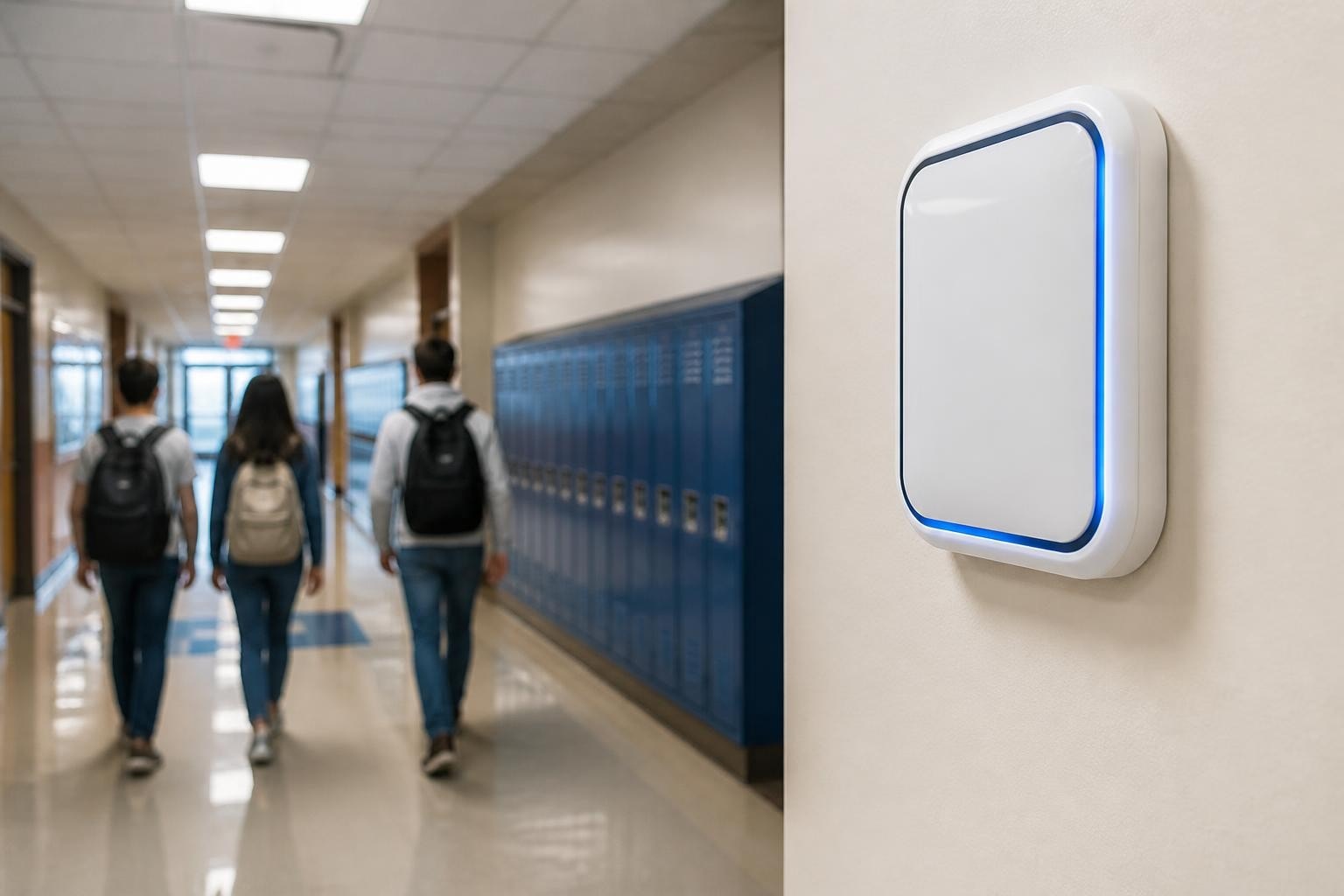
Educational institutions across the United Kingdom face mounting challenges in maintaining safe, healthy environments for students and staff. Among the most pressing concerns in 2026 is the detection of synthetic cannabinoids, commonly known as "spice," which pose significant health risks to young people. A school spice detector represents a critical component of modern safeguarding strategies, combining advanced sensor technology with real-time monitoring capabilities to identify these dangerous substances before they can cause harm. As schools implement comprehensive substance detection systems, understanding the capabilities, limitations, and practical applications of these technologies becomes essential for educational leaders, safeguarding teams, and facility managers.
Understanding Synthetic Cannabinoids in Educational Settings
Synthetic cannabinoids have emerged as a particularly dangerous category of substances in schools. Unlike traditional cannabis, these chemical compounds are manufactured to mimic THC effects whilst often producing far more severe and unpredictable reactions. The challenge for educational institutions lies in the constantly evolving chemical compositions manufacturers use to evade detection and regulation.
Key characteristics of synthetic cannabinoids include:
- Rapidly changing chemical formulations
- Extreme potency compared to natural cannabis
- Unpredictable health effects ranging from anxiety to seizures
- Easy concealment in everyday objects
- Difficult detection through visual inspection alone
The substances often appear as dried plant material sprayed with synthetic chemicals, making them virtually indistinguishable from herbal teas or potpourri. This deceptive appearance creates significant challenges for school staff who rely on visual identification. Students may not fully understand the dangers they face, viewing these substances as safer alternatives to traditional drugs whilst exposing themselves to potentially life-threatening risks.

Research into detection methodologies continues to advance rapidly. Educational institutions partnering with academic research on anomaly detection have improved their understanding of how chemical sensors can identify unusual atmospheric compositions. These insights translate directly into more effective detection protocols within school environments.
Chemical Detection Mechanisms
A school spice detector operates through sophisticated chemical analysis technology. Modern sensors employ multiple detection methods simultaneously to identify the presence of synthetic cannabinoids and other prohibited substances. These systems analyse air quality continuously, searching for specific chemical markers associated with synthetic drugs.
The detection process involves several technological layers:
| Detection Method | Function | Sensitivity Level |
|---|---|---|
| Electrochemical sensors | Identify specific chemical compounds | High for targeted substances |
| Photoionization detection | Measure volatile organic compounds | Moderate to high |
| Infrared spectroscopy | Analyse molecular structures | Very high precision |
| Particle detection | Identify airborne particulates | High for smoke and vapour |
Most advanced systems integrate these technologies with machine learning algorithms that improve detection accuracy over time. The systems learn to distinguish between false positives from legitimate sources (cleaning products, air fresheners) and genuine threats. This continuous improvement proves invaluable in educational settings where resources must be allocated efficiently.
Implementation Strategies for Educational Institutions
Successfully deploying a school spice detector requires careful planning and strategic placement. Schools must balance comprehensive coverage with budgetary constraints whilst ensuring the technology integrates seamlessly into existing infrastructure. The implementation process typically follows a phased approach, beginning with high-risk areas and expanding based on data and incidents.
Priority locations for detector placement include:
- Student toilets and changing facilities where privacy provides opportunity for substance use
- Secluded corridors and stairwells away from regular supervision
- Storage areas and utility rooms that students might access
- Common areas with high student traffic during breaks
- Areas identified through incident reporting or staff observations
The vaping education hub for schools provides valuable resources for understanding broader substance detection challenges. Whilst primarily focused on vaping, many detection principles apply equally to synthetic cannabinoid identification, particularly regarding sensor placement and alert protocols.
Integration with Existing Systems
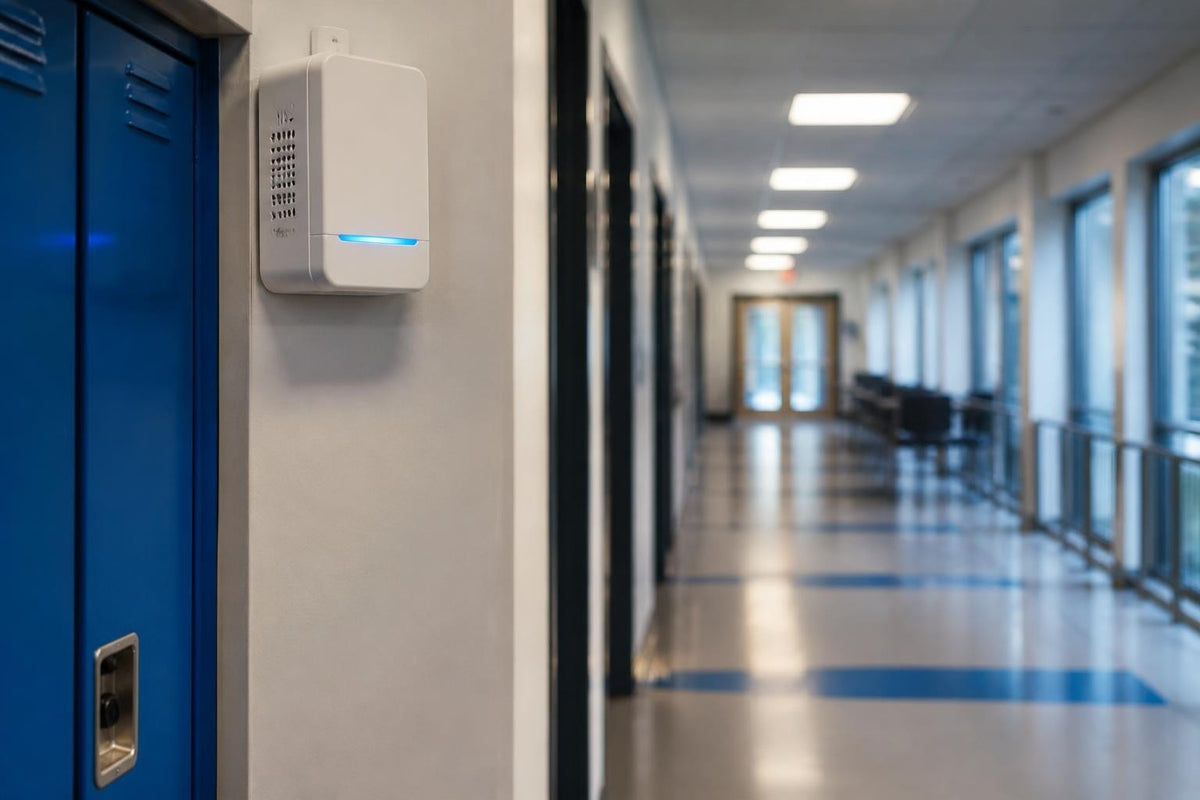
Modern school spice detector solutions rarely operate in isolation. The most effective implementations integrate with broader security and monitoring infrastructure already present in educational facilities. This integration maximises the value of technology investments whilst streamlining response protocols for staff.
Integration points typically include building management systems, security camera networks, and communication platforms. When a detector identifies potential synthetic cannabinoid use, the system can automatically trigger alerts to designated safeguarding staff, log the incident with timestamp and location data, and even activate nearby cameras for visual verification. This coordinated response enables faster intervention and more comprehensive incident documentation.
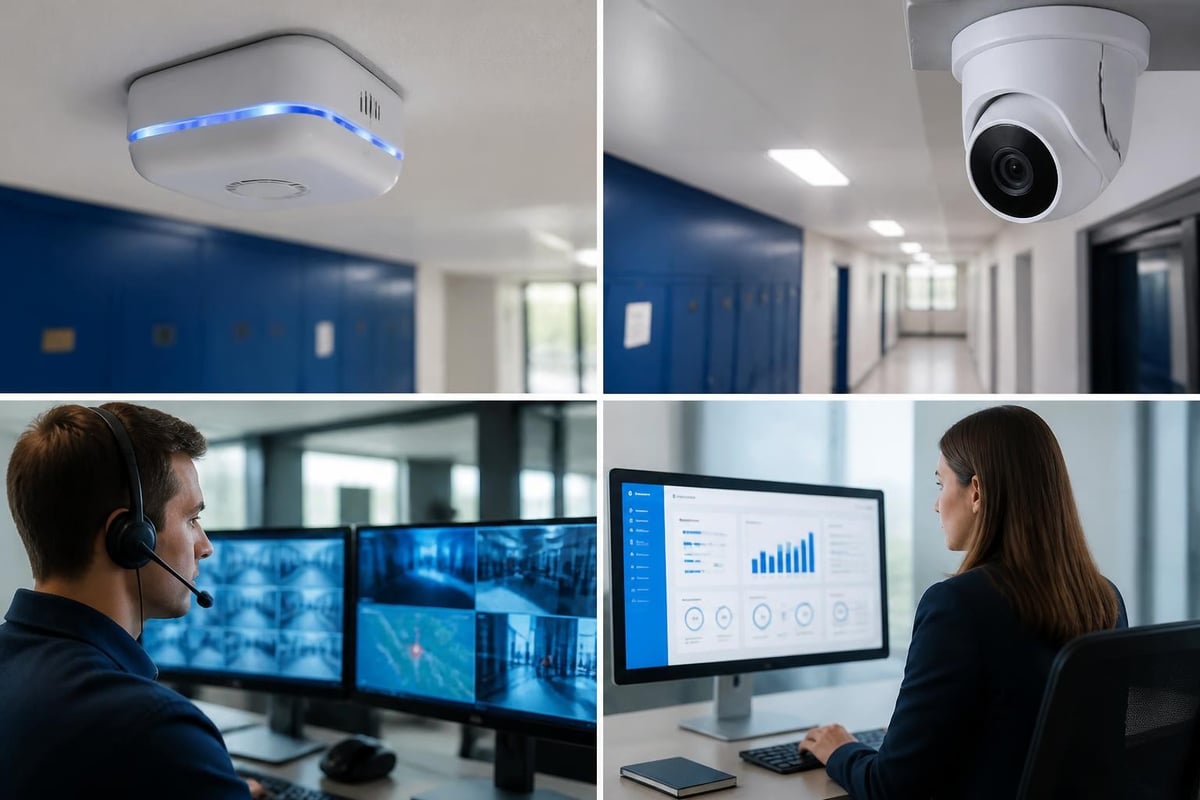
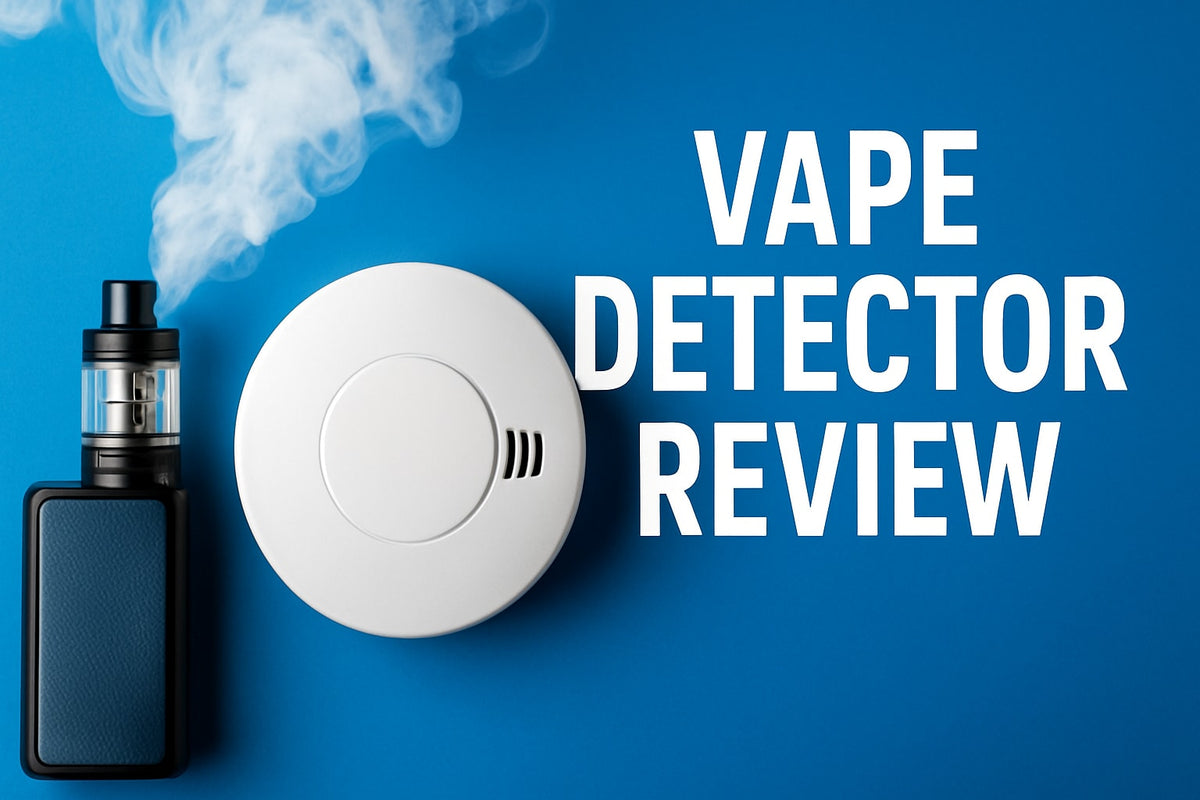
Many schools implementing comprehensive substance detection find that starting with vape detection systems provides an excellent foundation. These advanced sensors detect not only vaping substances but also other chemical anomalies, including synthetic cannabinoids. The multi-threat detection capability makes them particularly valuable in educational settings where multiple substance concerns exist simultaneously.

Staff Training and Response Protocols
Technology alone cannot protect students from synthetic cannabinoid risks. Schools must develop comprehensive training programmes ensuring staff understand how to respond when a school spice detector triggers an alert. Effective protocols balance student welfare with disciplinary requirements whilst maintaining confidentiality and following safeguarding procedures.
Essential training components include:
- Understanding detector capabilities and limitations
- Recognising genuine alerts versus false positives
- Following safeguarding protocols when responding to incidents
- Documenting incidents accurately for legal compliance
- Supporting affected students through appropriate referral pathways
The designated safeguarding lead plays a crucial role in coordinating responses to substance detection alerts. This individual must understand the technology, legal requirements, and pastoral support systems to ensure each incident receives appropriate attention. Regular training updates keep staff current on evolving substance trends and detection capabilities.
Creating Effective Alert Response Systems
When a school spice detector identifies potential synthetic cannabinoid use, the response must be swift but measured. Rushing to confront students without proper preparation can escalate situations unnecessarily or compromise evidence needed for effective intervention. Schools benefit from establishing tiered response protocols that match the severity and context of each alert.
| Alert Level | Indicators | Response Protocol |
|---|---|---|
| Low priority | Single brief detection, no pattern | Increased monitoring, no immediate intervention |
| Medium priority | Multiple detections, specific location pattern | Staff verification, discrete investigation |
| High priority | Strong detection signal, repeated incidents | Immediate response, safeguarding involvement |
Response protocols should account for the possibility of medical emergencies. Synthetic cannabinoids can cause severe adverse reactions requiring immediate medical attention. Staff responding to alerts must assess student wellbeing first, prioritising health and safety over disciplinary concerns. Many schools maintain emergency response cards in strategic locations, providing quick reference guides for staff unfamiliar with synthetic cannabinoid symptoms.
Legal and Compliance Considerations
Educational institutions deploying a school spice detector must navigate complex legal frameworks governing surveillance, data protection, and student rights. The UK's regulatory environment requires careful attention to privacy legislation whilst maintaining schools' duty of care responsibilities. Balancing these sometimes competing interests demands thoughtful policy development and transparent communication with stakeholders.
The General Data Protection Regulation (GDPR) applies to all data collected through detection systems. Schools must clearly document the legal basis for monitoring, typically falling under legitimate interests or vital interests categories. Privacy impact assessments help institutions identify and mitigate risks to student privacy whilst maintaining effective safeguarding capabilities.
Communicating with Stakeholders
Transparency about detection capabilities builds trust and demonstrates commitment to student safety. Schools should communicate clearly with parents, students, and governors about why technology is being deployed, what it detects, and how information will be used. This communication prevents misunderstandings and builds community support for safety initiatives.
Effective communication strategies include:
- Publishing clear policies on school websites explaining detection technology purpose and scope
- Including information in student handbooks and induction materials
- Presenting to parent groups and governance bodies before implementation
- Providing regular updates about effectiveness and incident trends
- Creating feedback mechanisms for community concerns
The multi academy trusts implementation guide offers insights into coordinating substance detection policies across multiple schools. Whilst focused on vaping, many governance and communication principles apply equally to synthetic cannabinoid detection programmes. Consistent approaches across trust schools create clarity for students, parents, and staff.
Evaluating Technology Effectiveness
Schools investing in a school spice detector system must establish metrics for measuring effectiveness. These measurements go beyond simple detection counts to assess broader impacts on school culture, student behaviour, and overall safety. Comprehensive evaluation ensures resources deliver meaningful benefits and identifies opportunities for improvement.
Key performance indicators include:
- Number of synthetic cannabinoid incidents detected versus previous years
- Response time from alert to staff intervention
- Student survey data on perceived safety and substance availability
- Reported health incidents related to synthetic cannabinoid use
- Cost per incident prevented based on intervention outcomes
The implementation of vape detectors in educational settings demonstrates evaluation methodologies applicable to synthetic cannabinoid detection. Schools tracking metrics over time can identify trends, assess technology return on investment, and make data informed decisions about expanding or modifying their detection programmes.
Continuous Improvement Through Data Analysis
Modern detection systems generate substantial data about substance use patterns within schools. Analysing this information reveals valuable insights into when, where, and how students attempt to use synthetic cannabinoids. These insights inform everything from supervision schedules to facility design improvements.

Schools should establish regular review cycles examining detection data alongside other safeguarding indicators. Patterns emerging from this analysis might reveal previously unrecognised risk factors or the effectiveness of specific interventions. For example, increased detections following specific events might indicate peer group influences requiring targeted pastoral support.
Addressing Student Privacy Concerns
Deploying a school spice detector inevitably raises questions about student privacy and the appropriate balance between safety and autonomy. Educational leaders must thoughtfully address these concerns, demonstrating how detection technology protects rather than punishes students. The conversation extends beyond legal compliance to ethical considerations about trust, development, and the school's role in young people's lives.
Privacy advocates sometimes express concern about normalising surveillance in educational settings. Schools can address these concerns by limiting data retention to what is necessary, restricting access to authorised personnel only, and using detection as a gateway to support rather than simply punishment. When students understand that technology exists primarily to keep them safe, resistance typically diminishes.
Building a Supportive Rather Than Punitive Culture
The most successful school spice detector implementations occur within broader cultures prioritising student wellbeing over punishment. Detections should trigger conversations about health, choices, and support needs rather than automatic exclusions. This approach encourages students to seek help when they or their peers face substance challenges.
Schools might consider restorative approaches when responding to detections, focusing on understanding underlying causes and addressing unmet needs. Students using synthetic cannabinoids often face challenges including mental health concerns, peer pressure, or trauma. Detection provides an opportunity for intervention that might otherwise never occur until a crisis develops.
Future Developments in Detection Technology
The field of substance detection continues advancing rapidly. Emerging technologies promise even more sophisticated capabilities for identifying synthetic cannabinoids and other threats in educational settings. Schools planning investments in a school spice detector should consider how current systems might integrate with future innovations to maximise long term value.
Anticipated developments include:
| Technology | Capability | Timeline |
|---|---|---|
| Artificial intelligence analysis | Predictive pattern recognition | Currently deploying |
| Miniaturised sensors | Broader coverage at lower cost | 2027-2028 |
| Multi-spectrum detection | Simultaneous identification of numerous substances | 2028-2029 |
| Biological marker detection | Non-invasive health screening | Research phase |
The integration of deep learning methods for anomaly detection represents particularly promising development. These systems learn normal environmental baselines for each location, making them exceptionally sensitive to any deviation that might indicate substance use. As algorithms improve, false positive rates decrease whilst detection sensitivity increases.
Cost Benefit Analysis for Educational Institutions
Budget conscious schools must carefully evaluate whether investing in a school spice detector represents sound financial stewardship. The analysis extends beyond purchase and installation costs to include ongoing maintenance, staff training, and system monitoring. However, the benefits including prevented incidents, reduced health emergencies, and improved learning environments often justify the investment.
Financial considerations include:
- Initial hardware purchase and installation costs
- Subscription fees for monitoring services and software updates
- Staff time for system management and alert response
- Training programme development and delivery
- Integration with existing security infrastructure
Against these costs, schools should weigh prevented incidents that might otherwise result in ambulance callouts, police involvement, exclusions, and associated administrative burden. A single serious synthetic cannabinoid incident can consume substantial staff time and resources whilst potentially exposing the school to liability concerns. Prevention through detection often proves more cost effective than reactive incident management.
The case studies from educational institutions provide valuable insights into real world returns on investment. Schools implementing comprehensive detection systems report not only reduced substance incidents but also improved student perceptions of safety and staff confidence in their safeguarding capabilities.
Supporting Students Beyond Detection
Whilst a school spice detector provides crucial early warning capabilities, technology represents only one component of comprehensive student support. Schools must develop robust pathways connecting detection to intervention, treatment referral, and ongoing pastoral care. The goal extends beyond catching students using substances to helping them overcome challenges and make healthier choices.
Effective support pathways typically include immediate welfare assessment, parent or guardian notification following established protocols, referral to specialist substance misuse services when appropriate, ongoing pastoral monitoring and check ins, and integration with broader mental health and wellbeing support. These pathways ensure that detection serves as the beginning rather than the end of the school's response.
Many students experimenting with synthetic cannabinoids lack understanding of the serious risks these substances pose. Educational interventions following detection incidents provide opportunities to share accurate information about health effects, legal consequences, and safer choices. When delivered supportively rather than judgementally, these conversations can significantly influence future behaviour.
Coordinating with External Agencies
Schools rarely manage synthetic cannabinoid concerns in isolation. Effective responses typically involve coordination with police, health services, local authority safeguarding teams, and specialist substance misuse organisations. A school spice detector can provide valuable evidence supporting multi-agency interventions when students face serious substance challenges.
Building strong relationships with external agencies before incidents occur streamlines responses when detections happen. Schools should establish clear protocols for when and how to involve external partners, ensuring all stakeholders understand their roles and responsibilities. Regular multi-agency meetings create opportunities to share intelligence about emerging substance trends and coordinate community responses.
The contact information for coordination enables schools to access specialist guidance when implementing detection systems. Expert consultation helps educational institutions avoid common implementation pitfalls whilst maximising the value of their technology investments. This support proves particularly valuable for schools new to substance detection technology.
Modern school spice detector technology empowers educational institutions to protect students from dangerous synthetic cannabinoids whilst creating safer learning environments. By combining advanced sensor capabilities with comprehensive support pathways and thoughtful implementation strategies, schools can address substance challenges effectively. Vape Guardian offers sophisticated detection solutions designed specifically for educational settings, with expertise in identifying not only vaping but also synthetic cannabinoids and other substances. Our UK based team provides comprehensive support from initial consultation through installation, training, and ongoing monitoring, ensuring schools have the tools and knowledge needed to safeguard their communities effectively.




Share:
Bathroom Incident Detection System: Complete 2026 Guide
Prevent Vaping in School Bathrooms: Proven Solutions