
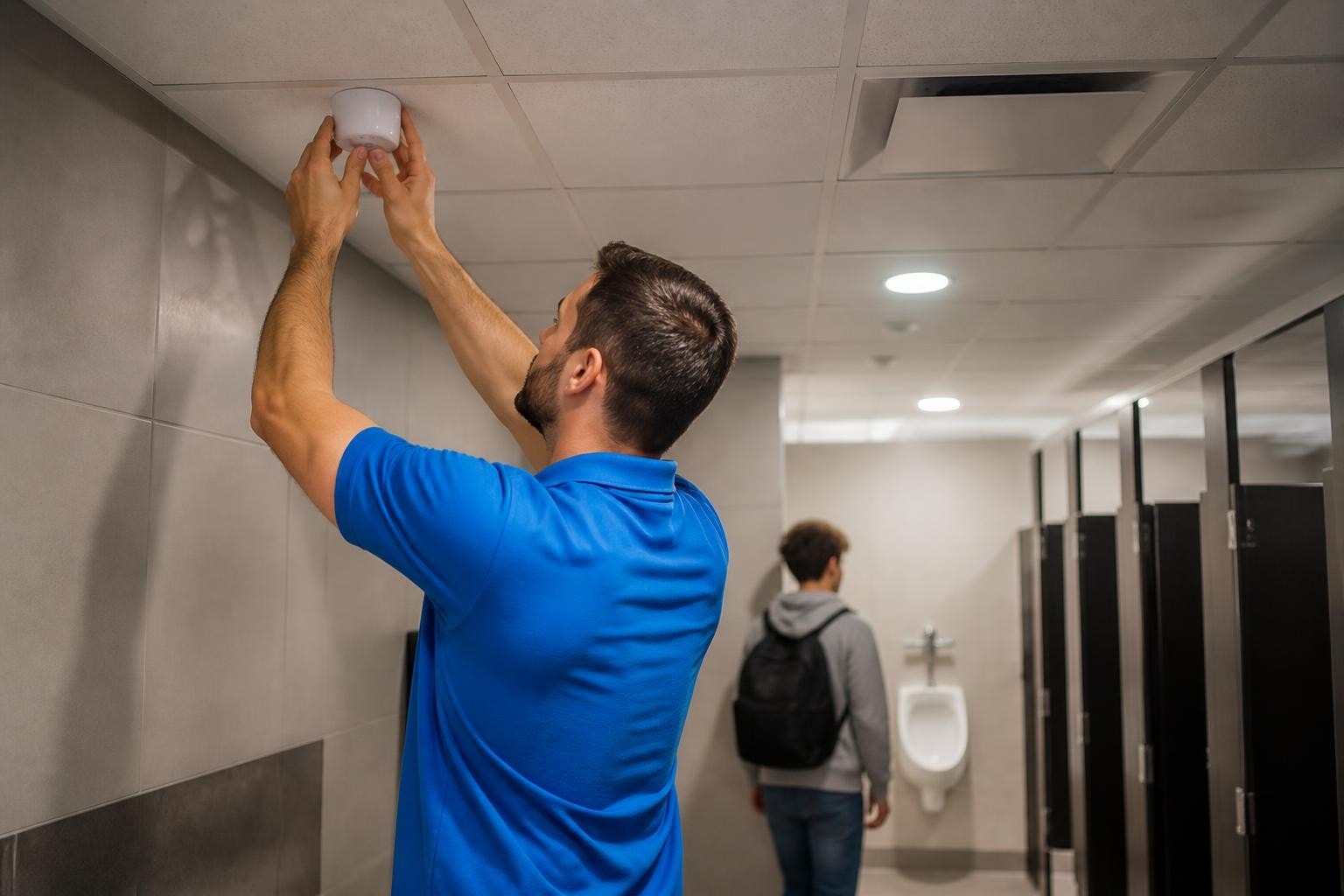
Bathrooms have become a focal point in the ongoing challenge of managing vaping in schools, workplaces, and public venues. These private spaces offer an attractive environment for individuals seeking to vape discreetly, away from direct supervision. As vaping continues to rise in popularity, particularly among young people, organisations must implement comprehensive bathroom vaping prevention strategies that balance privacy concerns with health and safety obligations. Understanding the multifaceted approach required to address this issue is essential for creating safer, healthier environments across all sectors.
Understanding the Bathroom Vaping Challenge
The privacy afforded by bathroom facilities creates unique difficulties for administrators and facility managers. Unlike open spaces where visual monitoring is feasible, bathrooms require solutions that respect individual privacy whilst detecting prohibited activities.
Why Bathrooms Attract Vaping Activity
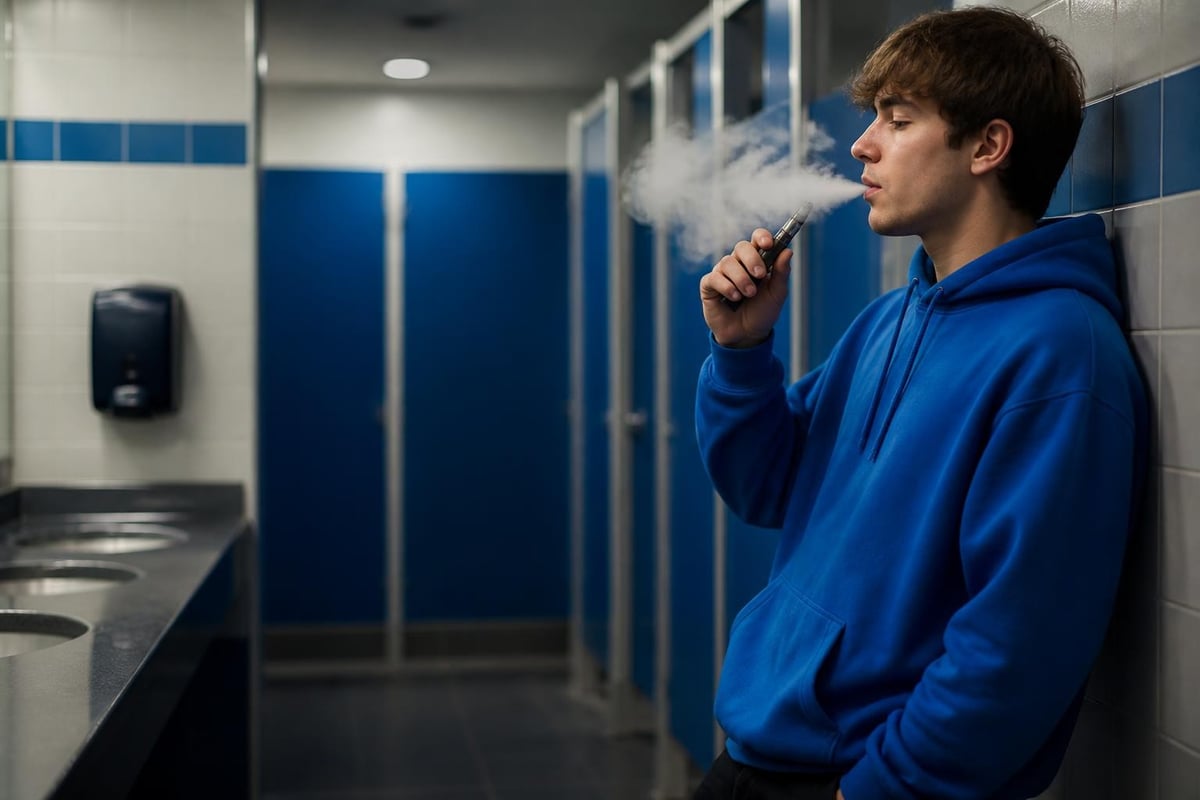
Several factors make bathrooms a preferred location for covert vaping. The enclosed nature provides a sense of security from observation, whilst ventilation systems create the illusion that vapour will quickly dissipate. Many individuals believe that standard bathroom exhaust fans will eliminate evidence, though research shows standard ventilation is insufficient to eliminate nicotine aerosol exposure.
The perception of privacy is perhaps the strongest draw. Users assume that without cameras or direct supervision, their activities will go undetected. This false sense of security has made bathroom vaping prevention a priority for organisations committed to maintaining smoke-free and vape-free environments.
Legal and Health Considerations
Understanding the legal framework surrounding indoor vaping is crucial for developing effective bathroom vaping prevention policies. The regulatory landscape has evolved significantly as health research continues to reveal the risks associated with secondhand vapour exposure.
Regulatory Framework
Indoor vaping regulations vary by jurisdiction, but many regions have extended smoking bans to include electronic cigarettes. In the UK, whilst there is no blanket ban on vaping in all enclosed public spaces, individual organisations retain the right to prohibit vaping on their premises. Schools, healthcare facilities, and many workplaces have implemented comprehensive vaping bans that explicitly include bathrooms.
The legal authority to enforce bathroom vaping prevention policies stems from an organisation's duty of care to protect health and maintain safe environments. Employers and educational institutions bear responsibility for ensuring that all individuals on their premises are not exposed to potentially harmful substances.
Health and Safety Implications
Secondhand vapour exposure presents genuine health concerns that justify robust bathroom vaping prevention measures. Aerosols from electronic cigarettes contain nicotine, ultrafine particles, and various chemicals that can affect air quality. In enclosed bathroom spaces, these substances can linger and affect subsequent users, creating an exposure risk even after the vaping individual has departed.
For schools specifically, the reasons behind indoor vaping bans extend beyond health to include developmental concerns. Nicotine exposure during adolescence can impact brain development, making bathroom vaping prevention in educational settings particularly critical.
Technology Solutions for Detection
Modern technology offers sophisticated approaches to bathroom vaping prevention that address privacy concerns whilst providing reliable detection capabilities. These solutions have transformed how organisations monitor and respond to vaping incidents.
Advanced Sensor Technology
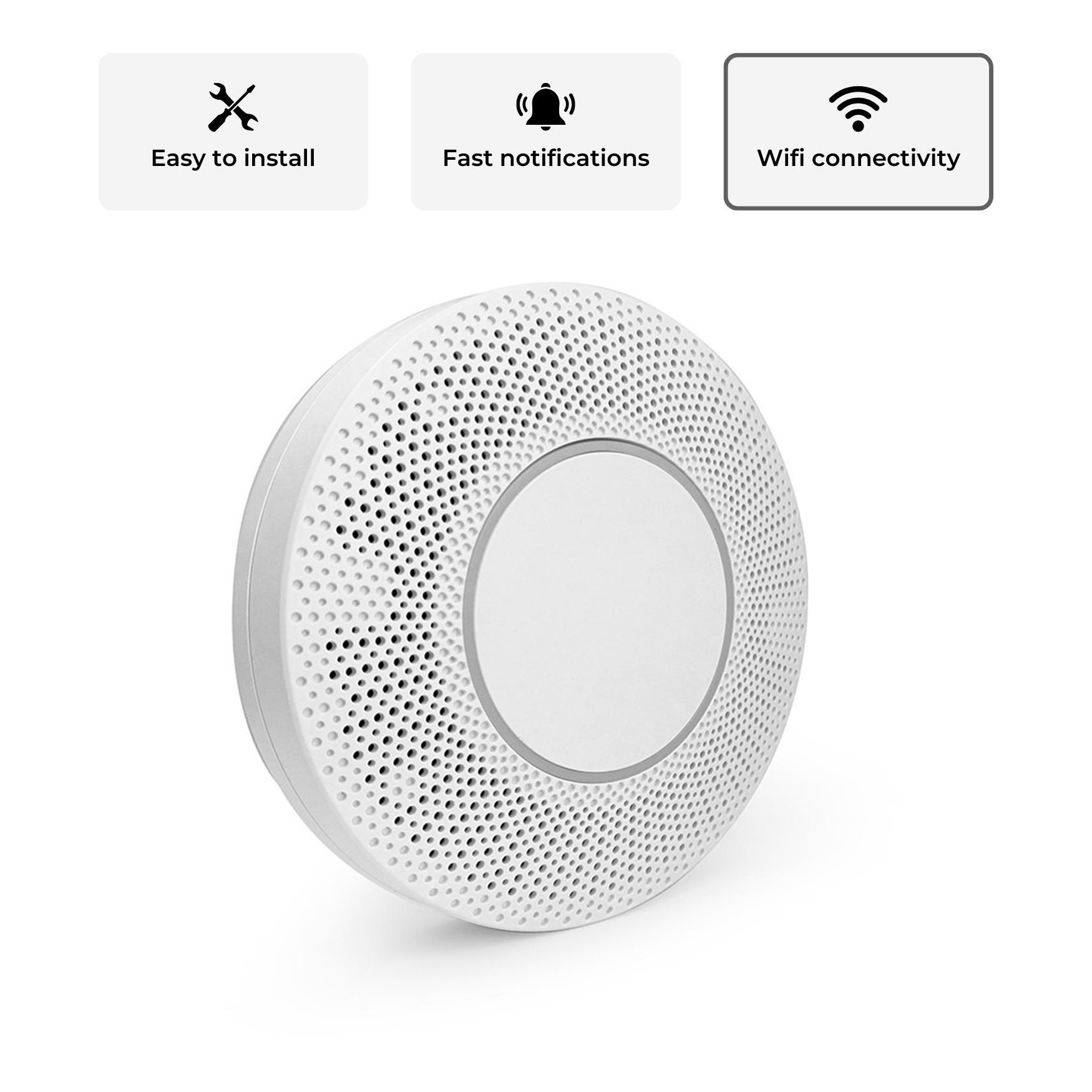
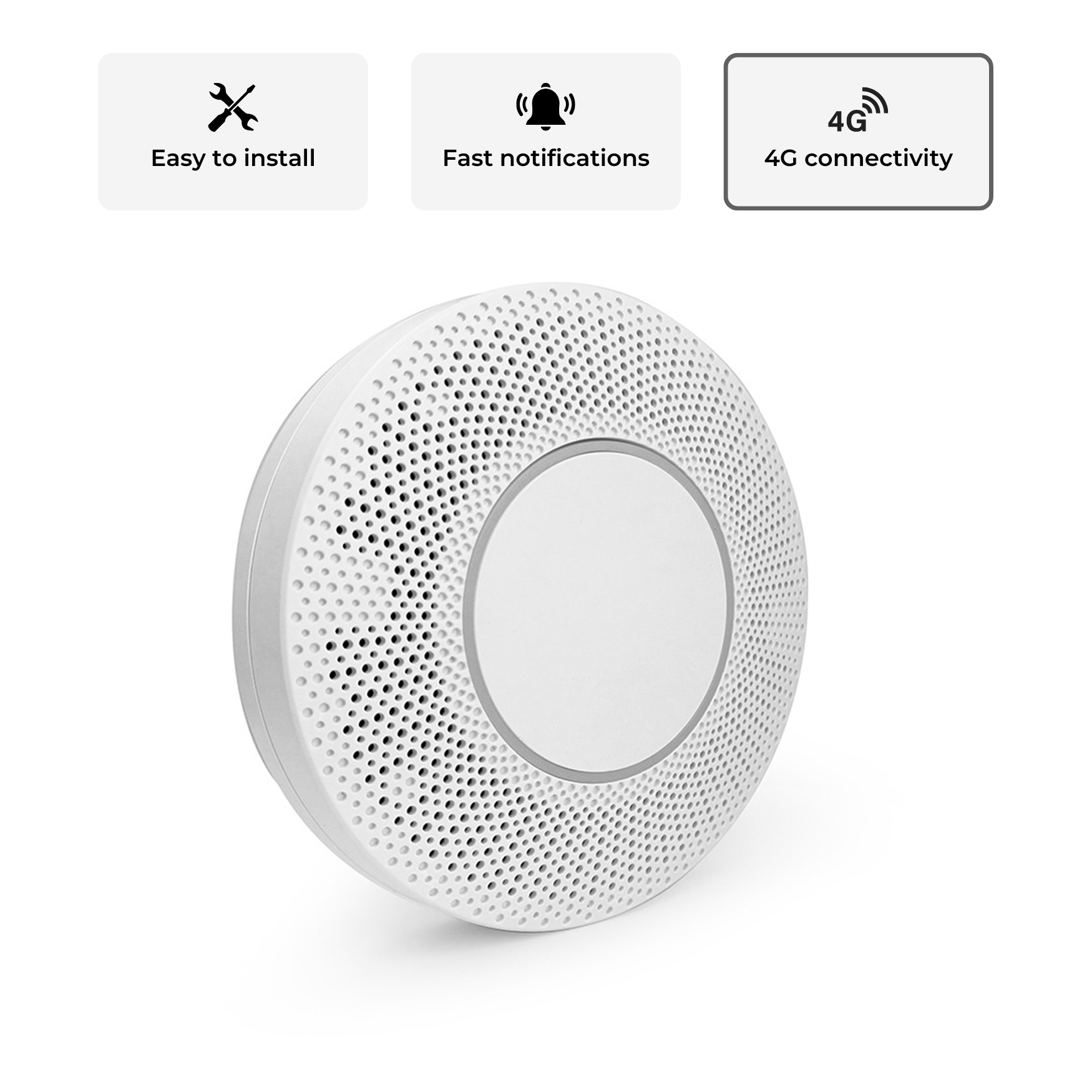
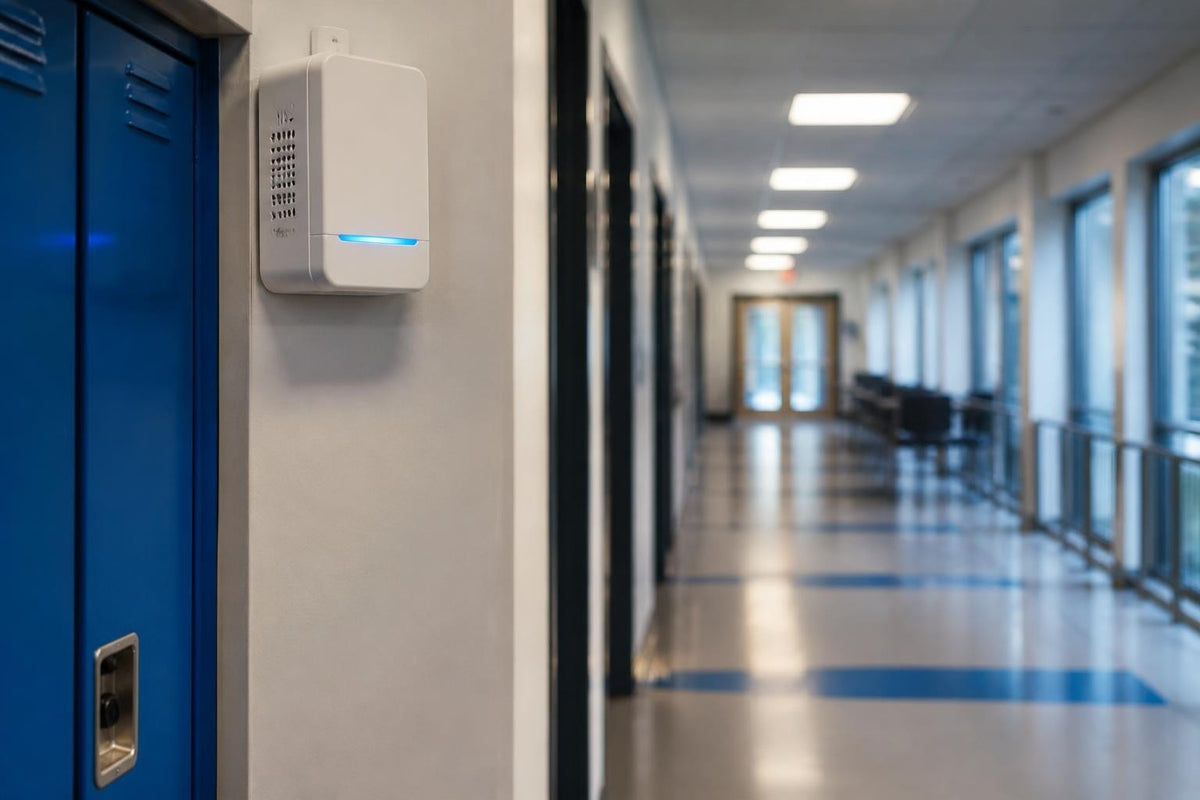
Purpose-built vape detection systems represent the most effective technological solution for bathroom vaping prevention. These devices use specialised sensors to identify the chemical signatures unique to vaping aerosols, triggering immediate alerts when vaping is detected. Unlike cameras, which raise privacy concerns in bathroom settings, sensor technology monitors air quality without visual surveillance.
The Vape Detection System combines vaping detection with monitoring for other concerning behaviours, providing comprehensive oversight of bathroom environments. These systems can differentiate between vaping aerosols and other airborne substances, reducing false alarms whilst maintaining high detection accuracy.

Integration with Existing Infrastructure
Modern detection systems integrate seamlessly with existing facility management platforms. Real-time alerts can be routed to designated staff members via mobile applications, enabling swift responses to incidents. This integration capability enhances bathroom vaping prevention by ensuring that detection translates into timely intervention.
| Feature | Benefit | Implementation Consideration |
|---|---|---|
| Real-time alerts | Immediate notification to staff | Requires reliable network connectivity |
| Multi-substance detection | Identifies vaping, THC, and other substances | Calibration for specific environments |
| Tamper alerts | Notifies when devices are interfered with | Secure mounting locations required |
| Data analytics | Tracks patterns and trends | Privacy policy compliance necessary |
Schools have reported significant success with these technologies. Bathroom vape detectors have helped cut down student vaping incidents, demonstrating the practical effectiveness of technology-based bathroom vaping prevention.
Policy Development and Implementation
Technology alone cannot solve the bathroom vaping prevention challenge. Comprehensive policies that clearly articulate expectations, consequences, and support mechanisms form the foundation of successful prevention programmes.
Creating Effective Policies
A robust bathroom vaping prevention policy should address several key components:
- Clear definitions: Specify that electronic cigarettes, vape pens, and all similar devices are prohibited
- Scope: Explicitly include bathrooms and all other facility areas
- Consequences: Outline progressive disciplinary measures for violations
- Support services: Detail resources available for individuals seeking to quit vaping
- Detection methods: Inform users that detection technology is in use
Transparency is essential. Organisations should communicate their bathroom vaping prevention policies clearly through multiple channels, ensuring all stakeholders understand the rules and rationale behind them.
Education and Awareness
Prevention extends beyond prohibition. Educational initiatives help individuals understand the health risks associated with vaping and the importance of maintaining vape-free environments. For schools, resources available through vaping education programmes can support comprehensive prevention efforts.
Educational components should address:
- Health risks of vaping and nicotine addiction
- Environmental impact of secondhand vapour exposure
- Legal and disciplinary consequences of policy violations
- Available cessation resources and support services
- The role of peer influence and strategies for resistance
Detection and Response Protocols
Establishing clear protocols for responding to vaping incidents ensures consistent enforcement and supports successful bathroom vaping prevention outcomes. These procedures should balance accountability with support, particularly in educational settings.
Identifying Vaping Activity
Beyond technological detection, staff should be trained to recognise signs of vaping in bathrooms. Physical indicators include unusual sweet or fruity odours, residue on surfaces, and discarded vape components. Behavioural patterns such as frequent bathroom visits or groups congregating in facilities may also warrant attention.
Visual cues to watch for:
- Unfamiliar sweet, fruity, or minty scents
- Vapour clouds or haze in the air
- Residue on mirrors, sinks, or walls
- Discarded cartridges or device components
- Students or staff spending excessive time in facilities
Response Procedures
When vaping is detected, swift and consistent responses reinforce bathroom vaping prevention policies. Response protocols should specify:
- Immediate action: Who responds to alerts and within what timeframe
- Documentation: How incidents are recorded and reported
- Investigation: Process for determining responsibility
- Consequences: Application of disciplinary measures according to policy
- Follow-up: Support services offered and monitoring of repeat behaviours
For organisations using best practices for handling vaping alerts, consistency in application helps establish credibility and supports long-term behaviour change.
Installation and Strategic Placement
The effectiveness of technology-based bathroom vaping prevention depends significantly on proper installation and strategic sensor placement. Thoughtful deployment maximises detection capability whilst minimising maintenance requirements.
Optimal Sensor Locations
Sensors should be positioned to maximise air sampling whilst being protected from tampering or water damage. Typical placement locations include:
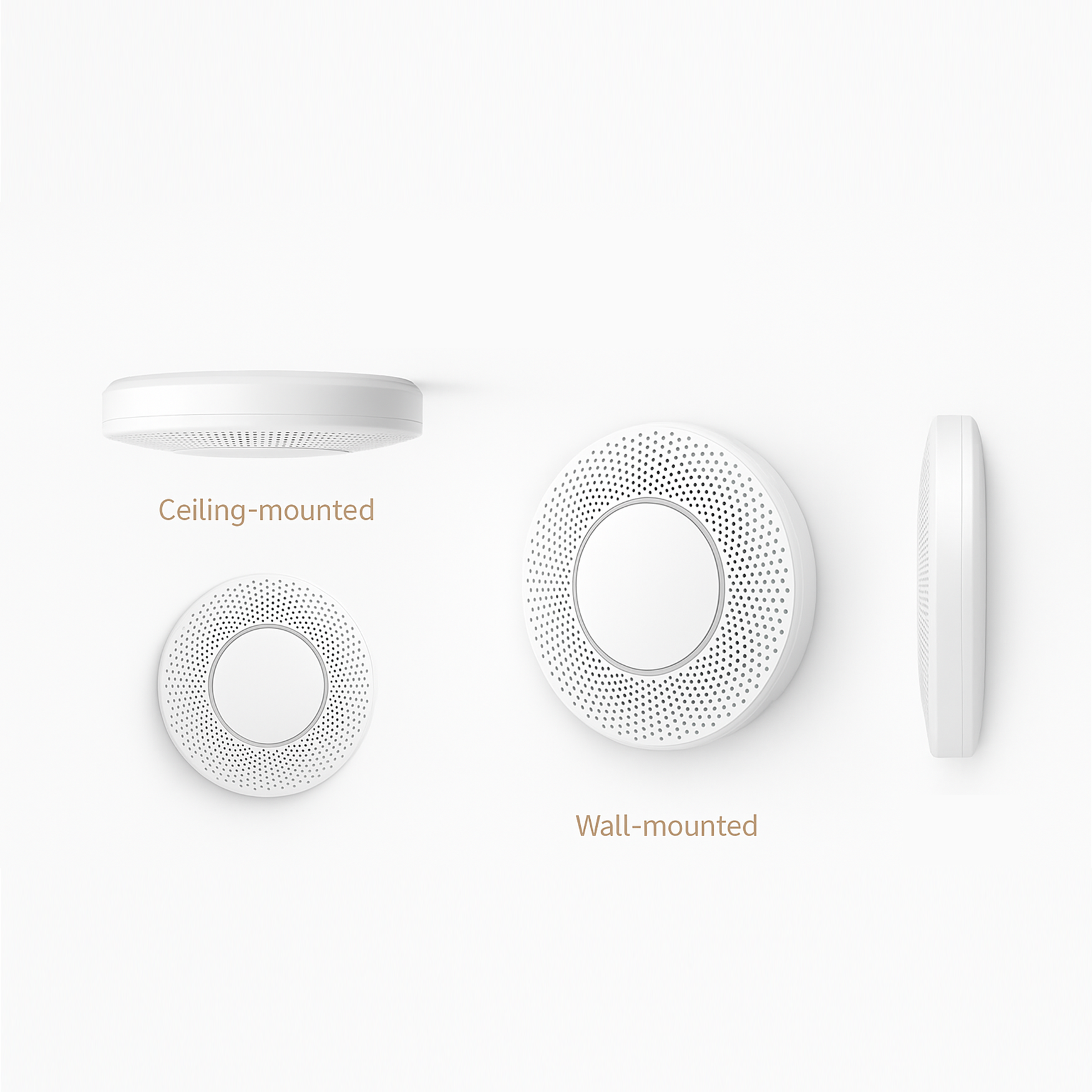
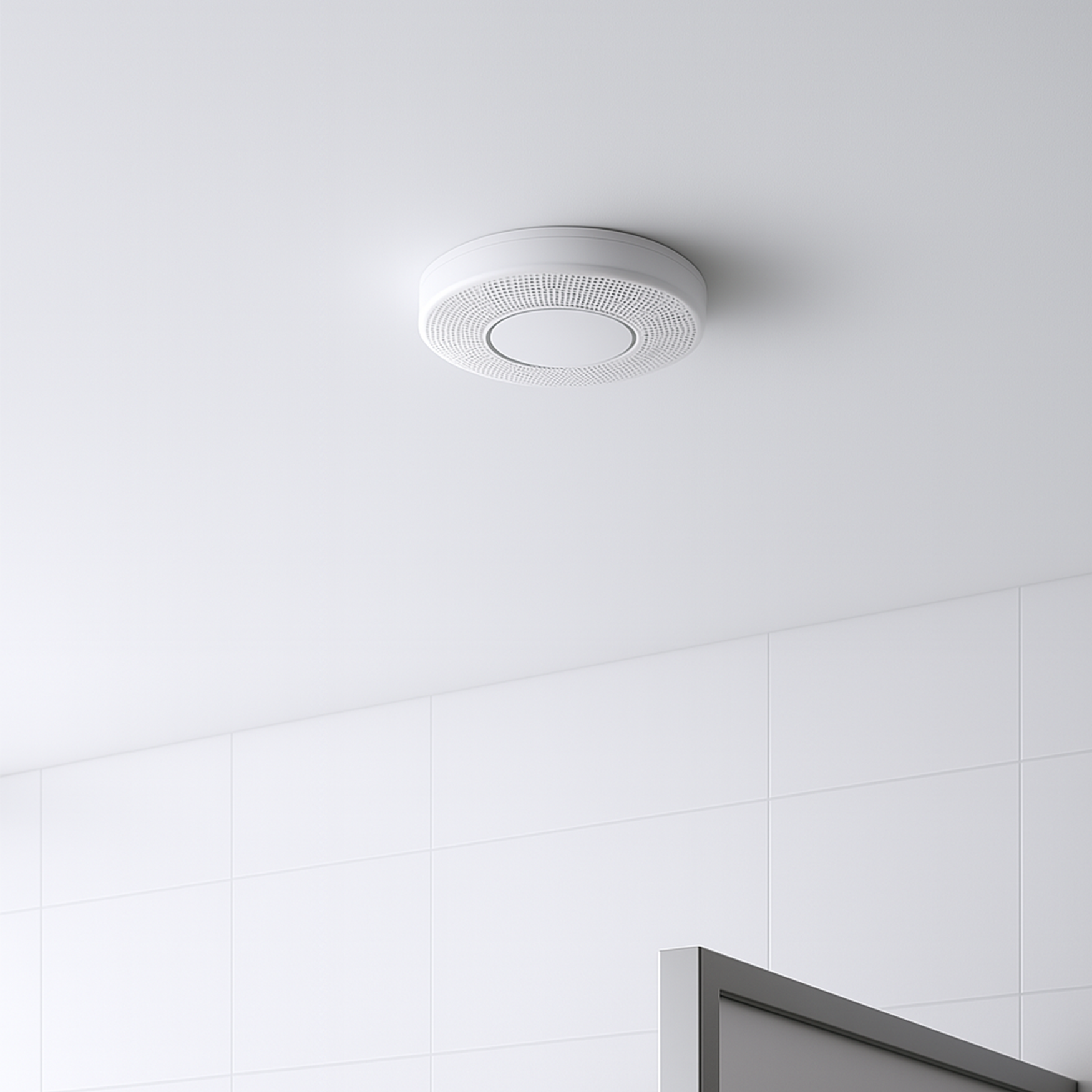
- Ceiling-mounted positions near ventilation intake
- High wall locations away from direct water exposure
- Areas with good air circulation patterns
- Positions that avoid obstruction from fixtures or partitions
Key placement considerations:
| Factor | Recommendation | Rationale |
|---|---|---|
| Height | 2.4-3 metres from floor | Optimal air sampling, reduces tampering risk |
| Proximity to ventilation | Within 1 metre of air return | Captures aerosols before dissipation |
| Coverage area | One sensor per enclosed space | Ensures comprehensive detection |
| Accessibility | Reachable for maintenance | Facilitates battery changes and cleaning |
Installation Best Practices
Professional installation ensures sensors function optimally and integrate properly with alert systems. Detailed guidance for vape detectors in bathrooms emphasises the importance of considering facility-specific factors such as ceiling height, ventilation configuration, and network connectivity.
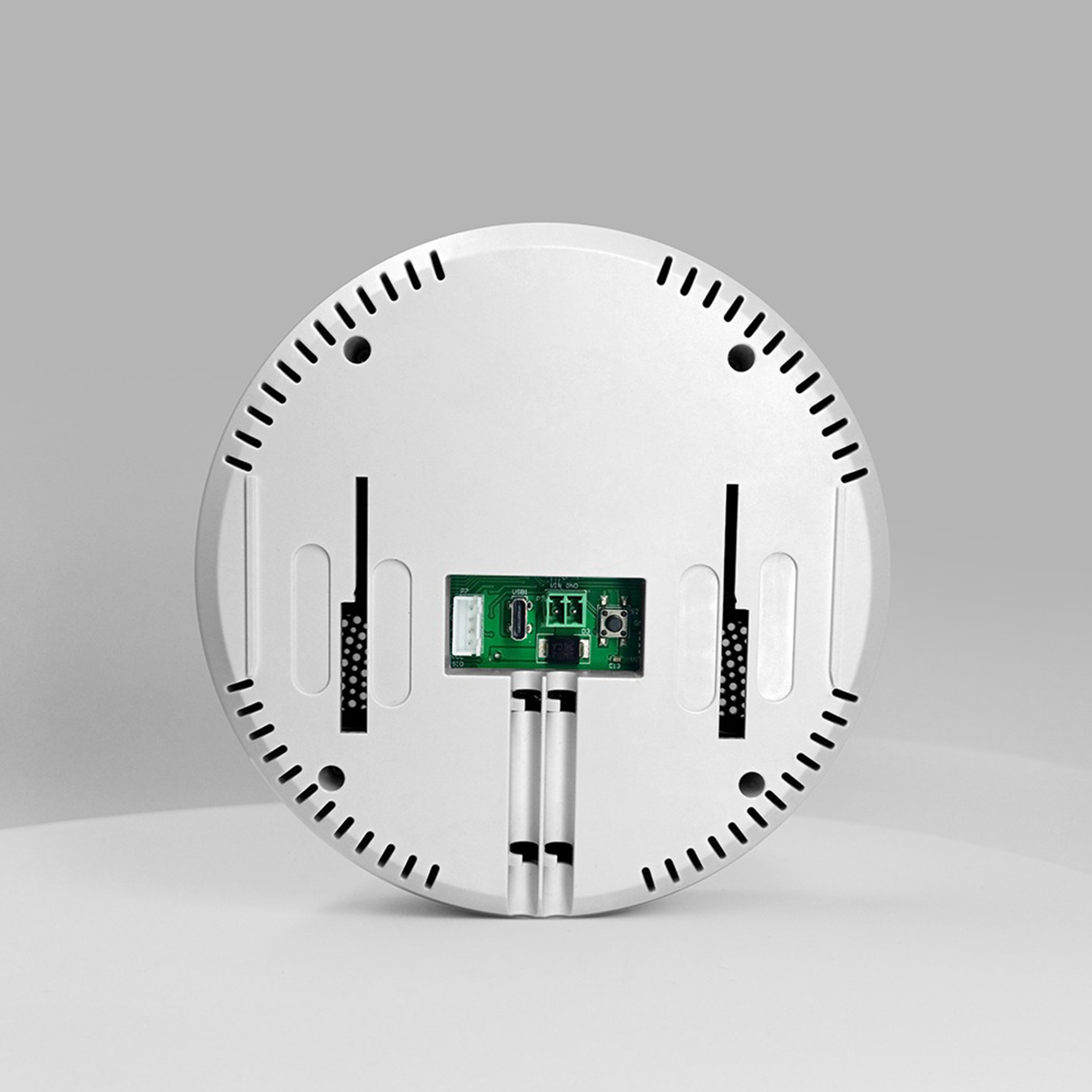
Power supply options include hardwired connections to building electrical systems or battery-powered units. Hardwired installations offer continuous operation without battery maintenance but require electrical work. Battery-powered sensors provide flexibility in placement but necessitate regular battery replacement schedules.
Maintenance and System Optimisation
Ongoing maintenance ensures bathroom vaping prevention systems continue operating effectively over time. Regular attention to sensors, alerts, and data analysis supports sustained prevention outcomes.
Routine Maintenance Requirements
Detection systems require periodic maintenance to maintain accuracy and reliability:
- Monthly: Visual inspections for physical damage or tampering
- Quarterly: Sensor calibration checks and cleaning
- Biannually: Battery replacement for non-hardwired units
- Annually: Comprehensive system review and firmware updates
Documentation of maintenance activities creates accountability and helps identify patterns such as repeated tampering in specific locations, which may indicate the need for additional bathroom vaping prevention measures.
Data Analysis and Continuous Improvement
Modern detection systems generate valuable data that can inform prevention strategies. Analysis of detection patterns reveals:
- High-incident locations requiring enhanced monitoring
- Peak times for vaping activity suggesting supervision adjustments
- Effectiveness of interventions through trend analysis
- Resource allocation needs based on incident frequency
This evidence-based approach transforms bathroom vaping prevention from reactive enforcement to proactive management. Organisations can adjust policies, increase awareness efforts in targeted demographics, or reassess technology placement based on actual usage patterns.
Addressing Privacy and Ethical Considerations
Balancing effective bathroom vaping prevention with privacy rights requires careful consideration and transparent communication. Organisations must navigate these concerns thoughtfully to maintain trust whilst protecting health and safety.
Privacy Protection Measures
Unlike visual surveillance, sensor-based detection systems respect privacy by monitoring only air quality indicators. They cannot capture images, record conversations, or identify specific individuals. This distinction is crucial for ethical bathroom vaping prevention implementation.
Organisations should clearly communicate:
- What data is collected (air quality indicators, timestamps, location)
- What data is not collected (images, audio, personal identifiers)
- How data is stored and protected
- Who has access to detection information
- Retention periods for incident data
Privacy-preserving monitoring approaches demonstrate that effective detection need not compromise individual privacy rights when properly implemented.
Building Stakeholder Trust
Transparency builds acceptance of bathroom vaping prevention measures. Involving stakeholders in policy development, clearly explaining the health and safety rationale, and demonstrating respect for privacy concerns all contribute to successful implementation.
For schools, engaging parents, students, and staff in discussions about vaping prevention creates shared ownership of solutions. In workplaces, consulting employee representatives and clearly articulating the business case for vape-free environments supports policy acceptance.
Multi-Environment Applications
Bathroom vaping prevention strategies must be adapted to suit different organisational contexts. Whilst core principles remain consistent, specific approaches vary across educational, workplace, and leisure settings.
Educational Institutions
Schools face unique challenges given the prevalence of youth vaping. Comprehensive bathroom vape detector guides for schools emphasise the importance of combining detection technology with education, counselling services, and progressive disciplinary approaches.
Educational environments benefit from:
- Integration with existing safeguarding frameworks
- Collaboration with parents and families
- Access to cessation support programmes
- Age-appropriate education about vaping risks
- Consistent enforcement across all school areas
Resources available through vape detection for education provide sector-specific guidance aligned with educational priorities and regulatory requirements.
Workplace Settings
Offices and commercial facilities implement bathroom vaping prevention to maintain healthy work environments and comply with smoke-free workplace obligations. Workplace strategies typically emphasise:
- Clear communication of policies during onboarding
- Designated outdoor vaping areas where permitted
- Employee assistance programmes for cessation support
- Consistent enforcement regardless of position or tenure
Workplace vape detection solutions address the specific needs of commercial environments, including integration with building management systems and HR processes.
Leisure and Hospitality Venues
Restaurants, hotels, entertainment venues, and other leisure facilities must balance customer experience with health and safety obligations. Bathroom vaping prevention in these settings requires:
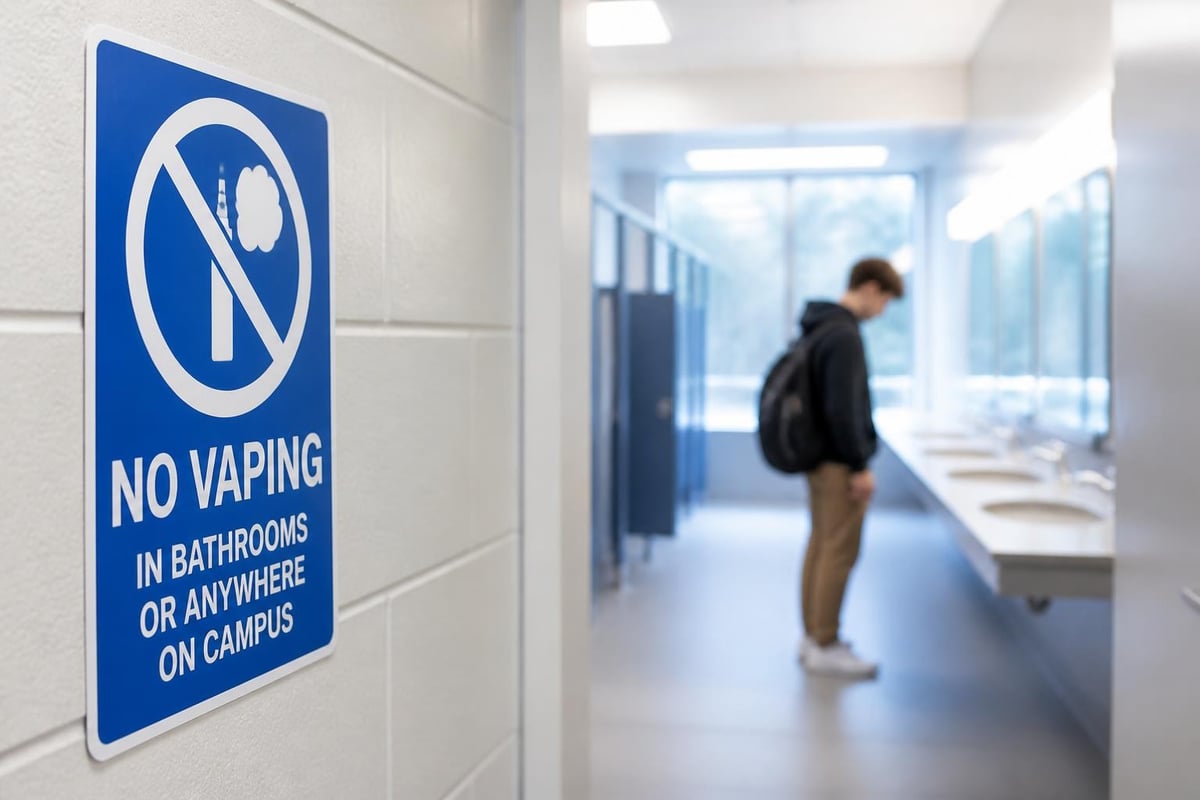
- Visible signage communicating vaping policies
- Staff training for tactful policy enforcement
- Quick response to customer concerns about secondhand exposure
- Technology solutions that minimise disruption to patron experience
Leisure sector applications prioritise discrete detection and professional customer interaction to maintain positive experiences whilst upholding vaping prohibitions.
Cost Considerations and Return on Investment
Implementing bathroom vaping prevention systems requires financial investment, but the return extends beyond simple cost recovery to encompass health, compliance, and reputational benefits.
Implementation Costs
Budget considerations for bathroom vaping prevention include:
| Cost Category | Typical Range | Frequency |
|---|---|---|
| Detection sensors | £300-£800 per unit | One-time purchase |
| Installation | £100-£300 per sensor | One-time |
| Network infrastructure | £0-£500 per location | One-time if needed |
| Monitoring software | £0-£50 per sensor monthly | Ongoing subscription |
| Maintenance | £50-£150 annually per sensor | Annual |
Organisations can explore various sensor options to identify solutions matching their budgets and requirements.
Value Beyond Cost
The return on bathroom vaping prevention investment manifests in multiple ways:
- Health protection: Reduced exposure to harmful substances for building occupants
- Compliance assurance: Demonstration of duty of care obligations
- Incident reduction: Decreased vaping violations requiring staff intervention
- Behavioural change: Deterrent effect leading to policy adherence
- Data insights: Evidence base for policy refinement and resource allocation
For schools specifically, creating vape-free environments supports learning by eliminating disruptions, reducing peer pressure to vape, and demonstrating institutional commitment to student wellbeing. These benefits justify bathroom vaping prevention investments as strategic priorities rather than discretionary expenses.
Integration with Broader Wellness Initiatives
Effective bathroom vaping prevention functions best as one component of comprehensive health and wellness programmes. This integrated approach addresses the root causes of vaping behaviour whilst creating supportive environments for behaviour change.
Holistic Health Promotion
Organisations should position bathroom vaping prevention within broader wellness contexts:
- Smoking and vaping cessation programmes
- Mental health and stress management resources
- Physical fitness and healthy lifestyle initiatives
- Substance abuse education and support services
This holistic framing helps individuals understand vaping policies not as punitive measures but as expressions of institutional commitment to wellbeing. It also provides pathways for individuals struggling with nicotine dependence to access support.
Cultural Change and Norm Shifting
Long-term success in bathroom vaping prevention requires cultural shifts that make vaping socially unacceptable. Organisations can foster these changes through:
- Leadership modelling of vape-free behaviours
- Celebration of milestones in reducing vaping incidents
- Peer education programmes where individuals support each other
- Recognition of successful cessation efforts
- Regular communication reinforcing the value of vape-free environments
Cultural change takes time but produces sustainable results that extend beyond any single prevention tactic. When vaping becomes genuinely inconsistent with organisational values and social norms, bathroom vaping prevention becomes self-reinforcing.
Overcoming Implementation Challenges
Despite best intentions, organisations often encounter obstacles when implementing bathroom vaping prevention programmes. Anticipating these challenges and planning appropriate responses increases the likelihood of successful outcomes.
Common Implementation Barriers
Resistance to bathroom vaping prevention initiatives can emerge from various sources:
- Budget constraints: Competing priorities for limited resources
- Technical difficulties: Integration challenges with existing systems
- Privacy concerns: Stakeholder apprehension about monitoring
- Enforcement inconsistency: Variable application of consequences
- Cultural resistance: Opposition to perceived overreach
Addressing these barriers requires strategic planning, stakeholder engagement, and commitment to transparent communication. Organisations that acknowledge concerns, provide evidence supporting their approaches, and demonstrate flexibility in implementation typically achieve better acceptance.
Strategies for Success
Proven approaches to overcome implementation challenges include:
- Starting with pilot programmes in high-priority areas
- Gathering baseline data to demonstrate impact over time
- Engaging champions who can advocate for the programme
- Providing comprehensive training for all staff involved in enforcement
- Reviewing and adjusting approaches based on feedback and outcomes
Persistence matters. Initial resistance often diminishes as stakeholders observe the positive impacts of bathroom vaping prevention efforts and as detection technology becomes normalised within the environment.
Effective bathroom vaping prevention requires a comprehensive approach combining technology, policy, education, and culture change. By implementing detection systems, establishing clear expectations, and supporting individuals in making healthier choices, organisations create safer environments that protect everyone's wellbeing. Vape Guardian offers the advanced detection technology and expert support needed to establish robust bathroom vaping prevention programmes tailored to your specific environment. Whether you manage a school, workplace, or leisure facility, professional solutions can help you achieve your health and safety objectives whilst respecting privacy and supporting behaviour change.


Share:
School Drug Detection Sensor Technology in 2026
VOC Monitor for Schools: A Complete Air Quality Guide 2026