
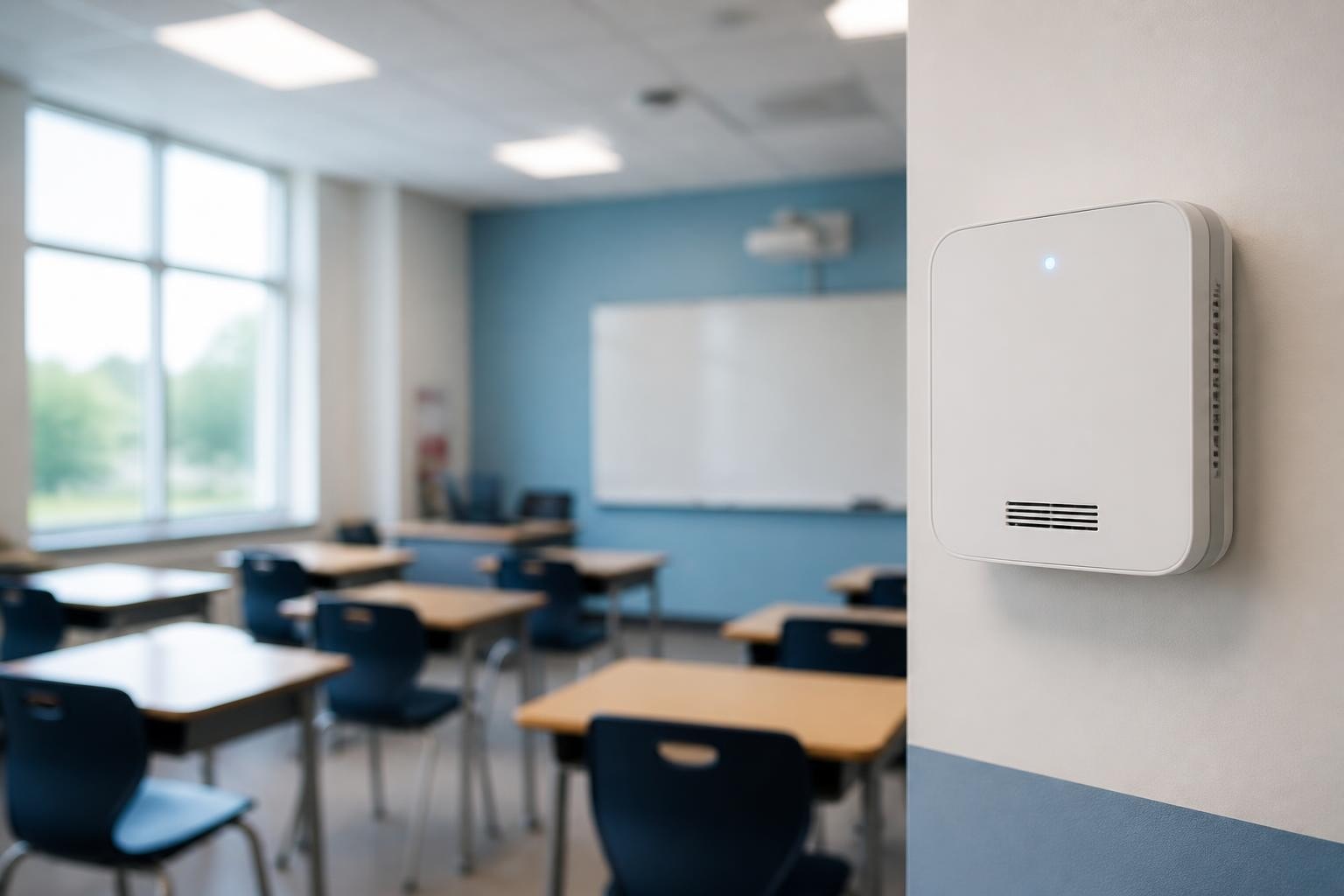
Educational institutions face mounting pressure to maintain safe, healthy environments for students and staff. Volatile organic compounds present unique challenges in school settings, originating from sources ranging from building materials and cleaning products to unauthorised vaping activity. A voc monitor for schools serves as a critical tool in identifying these airborne contaminants, enabling administrators to take swift action to protect occupant health whilst meeting regulatory requirements. This technology has evolved significantly in recent years, offering sophisticated detection capabilities that extend far beyond basic air quality measurements.
Understanding VOC Exposure in Educational Settings
Volatile organic compounds represent a broad category of carbon-based chemicals that readily evaporate at room temperature. In school environments, these substances originate from numerous sources, creating a complex air quality landscape that requires continuous monitoring.
Common VOC Sources in Schools
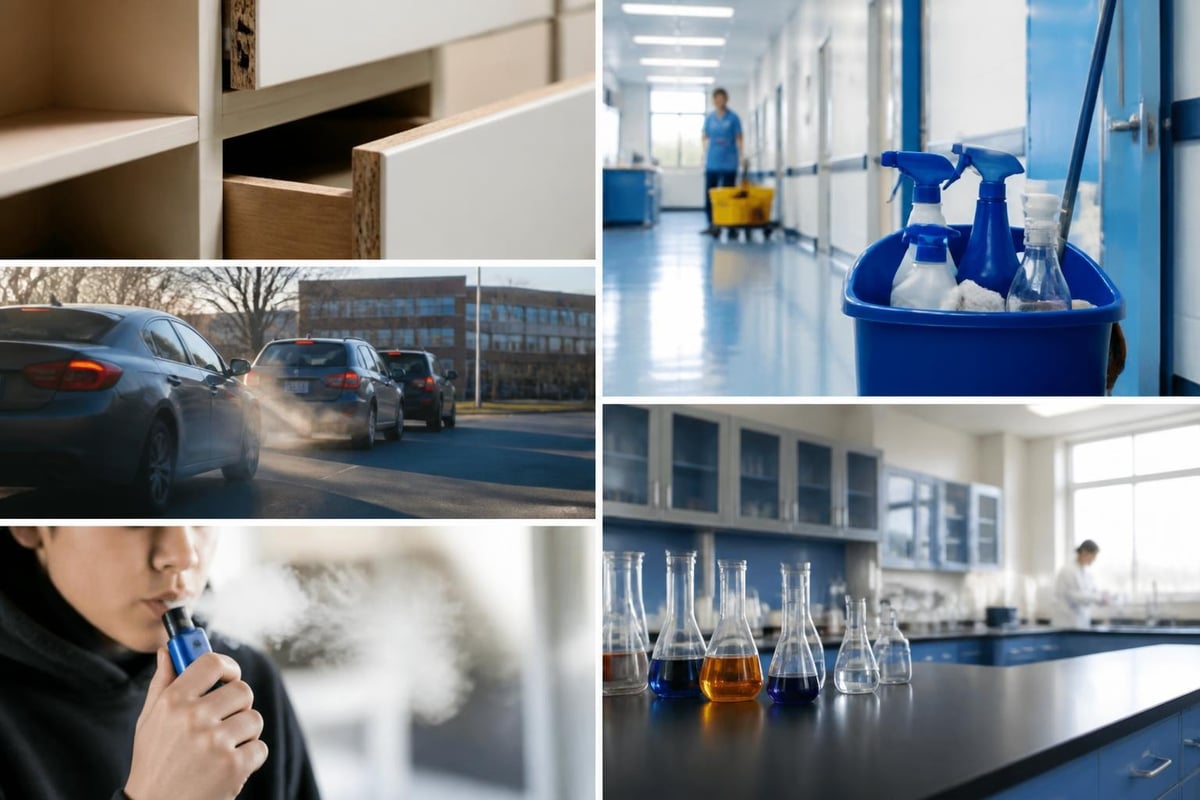
Educational facilities harbour multiple VOC emission points that contribute to overall indoor air quality concerns. Building materials such as paints, adhesives, and floor coverings release formaldehyde and other compounds throughout their lifespan. Cleaning products used daily in classrooms, corridors, and toilets introduce additional chemicals into the air. Research has shown that portable classrooms often exhibit different VOC concentration patterns compared to traditional buildings, highlighting the importance of tailored monitoring approaches.
Student activities contribute significantly to VOC levels as well. Art supplies, science laboratory experiments, and personal care products all release compounds into shared spaces. Perhaps most concerning for modern schools, unauthorised vaping introduces a range of harmful chemicals including propylene glycol, vegetable glycerin, and various flavouring compounds into the air. These vaping incidents pose serious health risks that require immediate detection and intervention.
Key VOC sources include:
- Building materials and furnishings
- Cleaning and maintenance products
- Traffic emissions near roadside schools
- Laboratory chemicals and art supplies
- Vaping devices and e-cigarettes
- Personal care products
Health Implications for Students and Staff
Exposure to elevated VOC levels carries significant health consequences, particularly for developing children who spend substantial time in school buildings. Short-term effects include headaches, dizziness, eye irritation, and respiratory discomfort. Students with asthma or other pre-existing conditions often experience exacerbated symptoms in environments with poor air quality.
Long-term exposure presents more serious concerns. Studies examining VOC exposures across various microenvironments have documented links to neurological effects, liver and kidney damage, and potential carcinogenic risks. Children are particularly vulnerable due to their higher breathing rates relative to body weight and their ongoing physiological development.
The cognitive impact of poor air quality deserves particular attention in educational contexts. Research consistently demonstrates that elevated VOC concentrations impair concentration, reduce test performance, and increase absenteeism. A voc monitor for schools enables proactive identification of air quality issues before they significantly impact student learning outcomes.
Technology Behind Modern VOC Monitoring Systems
Contemporary air quality monitoring solutions employ sophisticated sensor technology to detect and quantify volatile organic compounds in real-time. Understanding these technological capabilities helps schools select appropriate systems for their specific needs.
Detection Methodologies and Accuracy
Modern VOC monitors typically utilise one of several detection technologies, each with distinct advantages. Metal oxide semiconductor sensors offer broad-spectrum VOC detection at affordable price points, making them suitable for continuous monitoring applications. Photoionisation detectors provide higher sensitivity and can distinguish between different compound classes, though at increased cost.
Electrochemical sensors excel at detecting specific VOCs with high precision, particularly useful when monitoring for known contaminants. The latest systems often combine multiple sensor types, creating comprehensive monitoring networks that capture diverse air quality parameters simultaneously.
Monitoring capabilities typically include:
- Total VOC concentration measurement
- Particulate matter detection (PM2.5 and PM10)
- Temperature and humidity tracking
- Carbon dioxide levels
- Specific compound identification
| Technology Type | Accuracy | Response Time | Cost | Best Application |
|---|---|---|---|---|
| Metal Oxide | Moderate | 30-60 seconds | Low | General monitoring |
| Photoionisation | High | 2-3 seconds | Medium-High | Research settings |
| Electrochemical | Very High | 10-30 seconds | Medium | Targeted detection |
| Multi-sensor | High | Variable | High | Comprehensive systems |
Advanced systems designed specifically for educational environments integrate vape detection capabilities alongside traditional air quality monitoring. These specialised solutions can differentiate between normal background VOCs and the distinctive chemical signatures produced by vaping devices.
Real-Time Alerts and Data Management
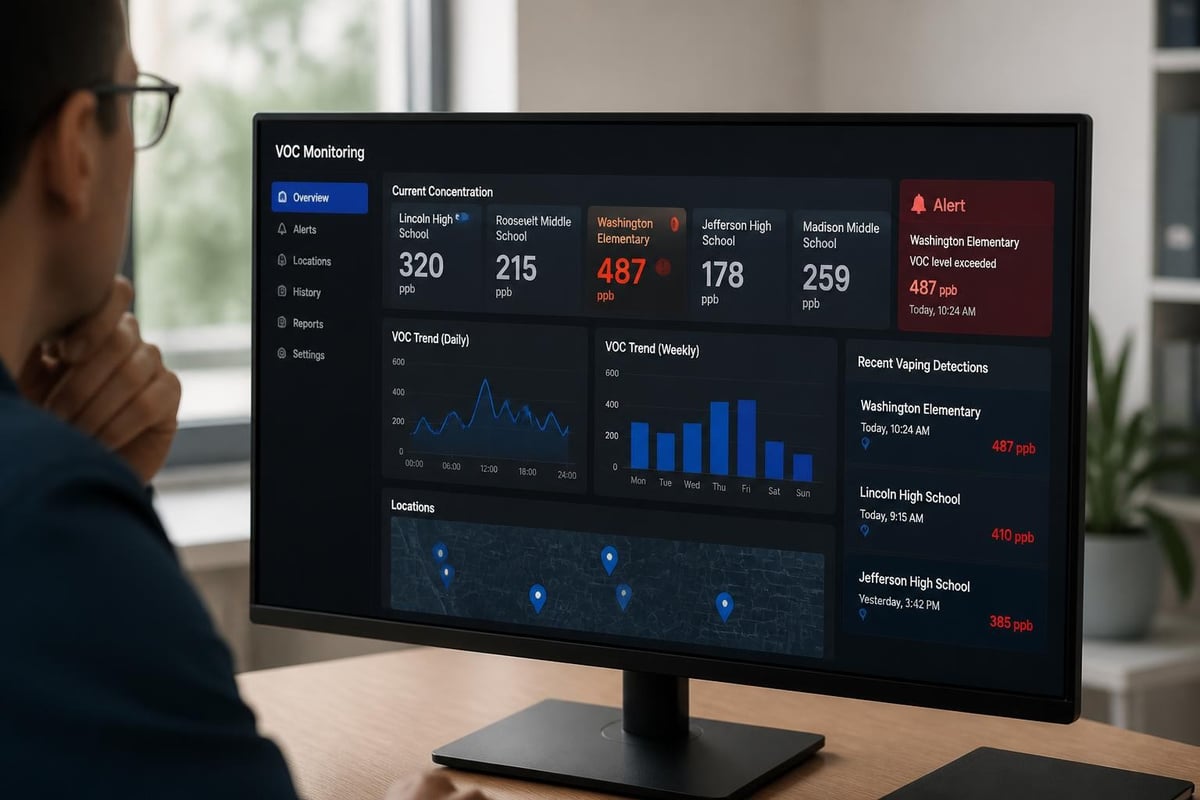
The true value of a voc monitor for schools lies not merely in detection but in intelligent response capabilities. Modern systems employ cloud-based platforms that process sensor data continuously, applying sophisticated algorithms to identify concerning patterns or threshold breaches.
When VOC levels exceed predetermined limits, automated alerts notify designated staff members via multiple channels including email, SMS, and dedicated mobile applications. This immediate notification enables rapid intervention, whether that involves increasing ventilation, investigating potential sources, or responding to unauthorised activity.
Historical data storage creates valuable longitudinal records that support compliance documentation, trend analysis, and evidence-based decision making. Schools can review patterns across days, weeks, or academic terms, identifying recurring issues that require systemic solutions rather than reactive responses.
Strategic Implementation in Educational Facilities
Deploying effective air quality monitoring requires thoughtful planning that considers building layouts, usage patterns, and institutional priorities. A systematic approach ensures comprehensive coverage whilst optimising resource allocation.
Identifying High-Priority Monitoring Locations
Not all school spaces present equal VOC risks or monitoring priorities. Toilets and changing rooms top the list for many institutions, particularly those addressing vaping concerns. These semi-private spaces provide opportunities for unauthorised activity whilst remaining difficult for staff to monitor directly through traditional supervision methods.
Studies examining schools near roadways have documented elevated VOC levels in classrooms facing traffic, suggesting the importance of monitoring in these locations. Laboratories, art rooms, and technology workshops warrant sensors due to their use of materials that release various compounds during normal activities.
Priority locations typically include:
- Student toilets and changing facilities
- Classrooms adjacent to busy roads
- Science laboratories and prep rooms
- Art and design technology spaces
- Staff rooms and offices
- Gymnasiums and sports facilities
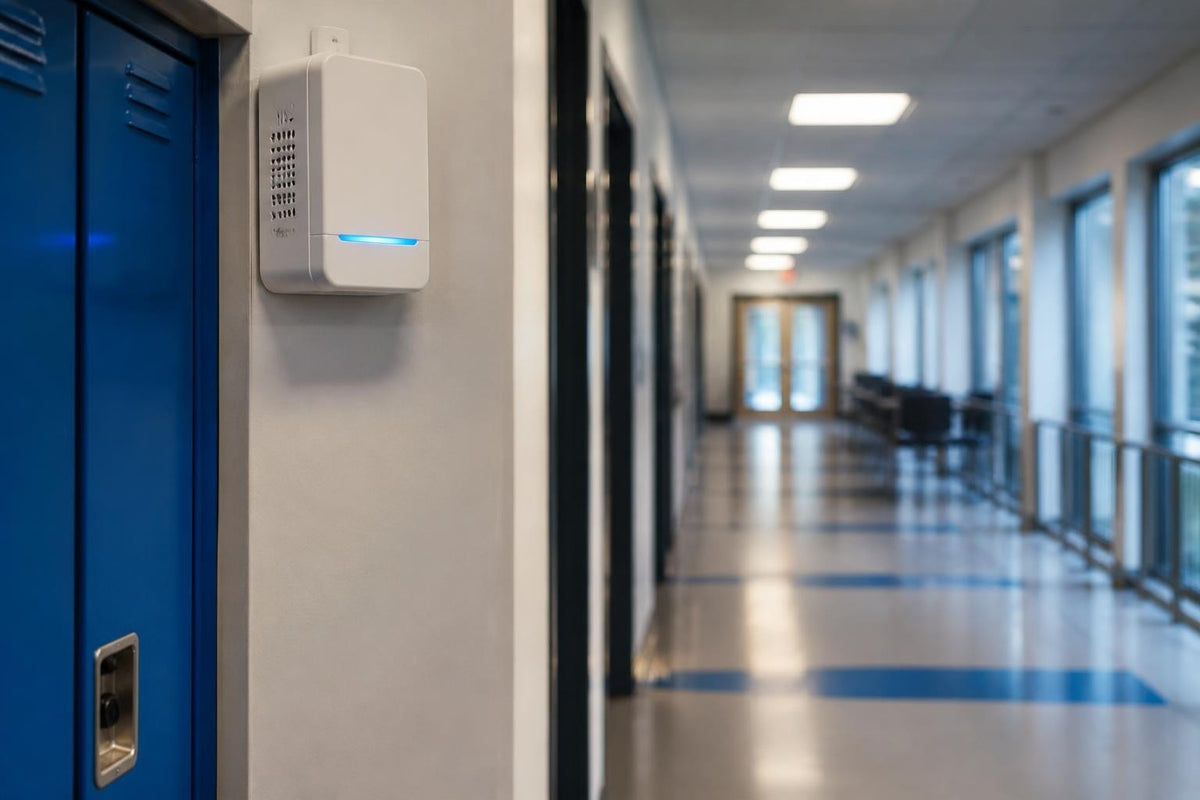
- Main corridors and assembly halls
Proper placement within each space maximises detection effectiveness. Installing sensors near ceiling level takes advantage of the tendency for many VOCs to rise with warm air, whilst avoiding positions near windows or ventilation outlets that might dilute readings.
Integration with Existing Infrastructure
Successful implementation requires harmonious integration with current building systems and management processes. Modern monitoring solutions offer flexible installation options accommodating various architectural configurations and connectivity constraints.
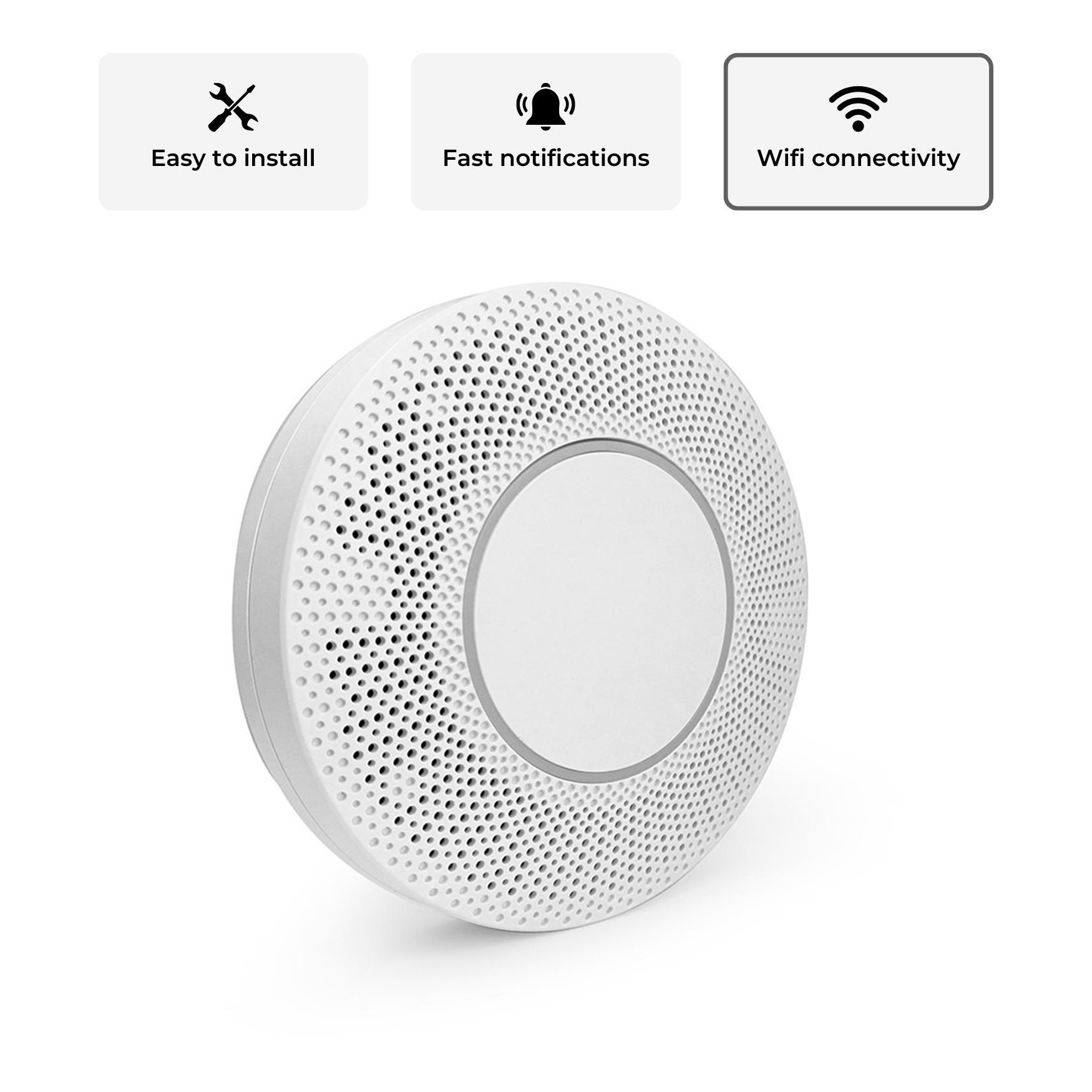
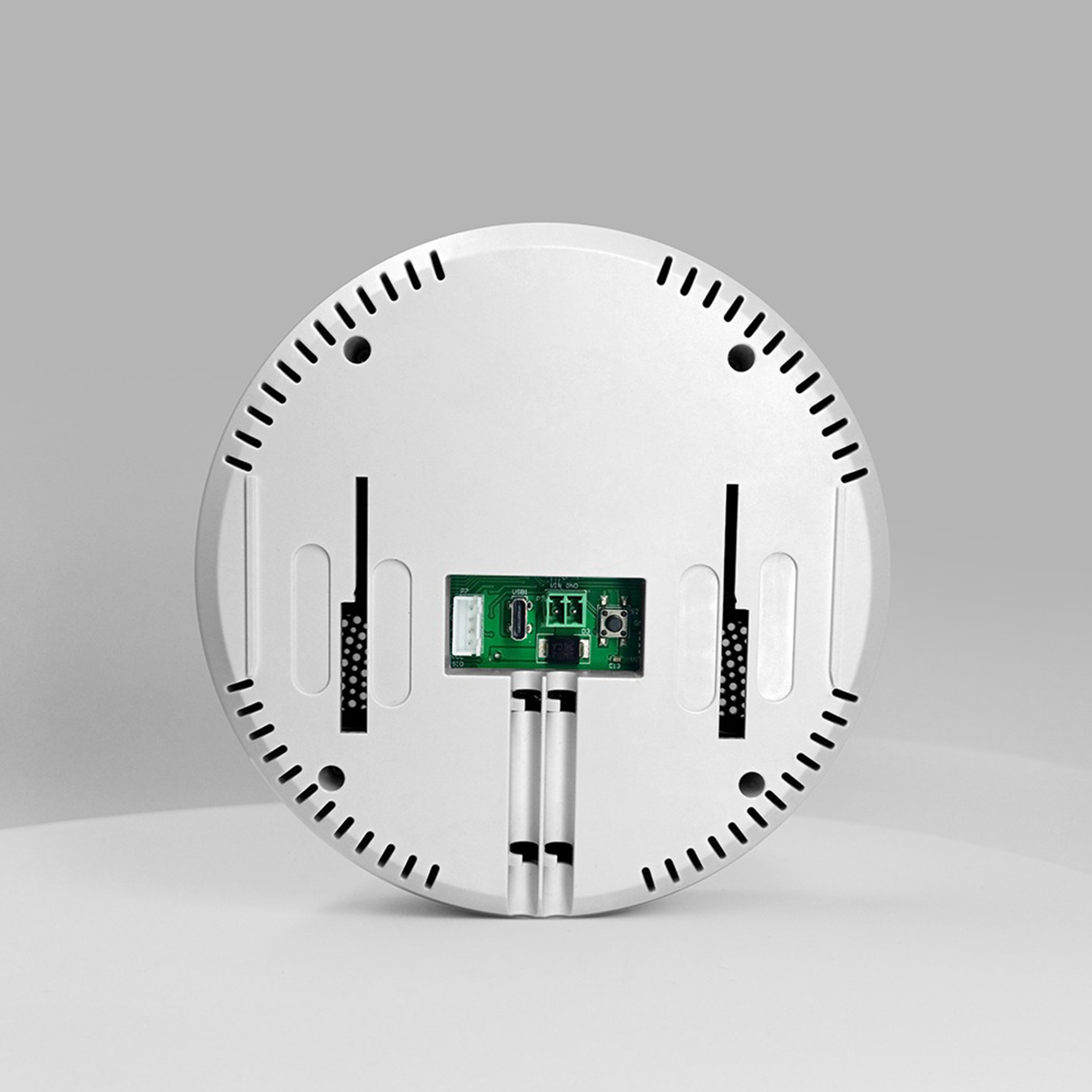
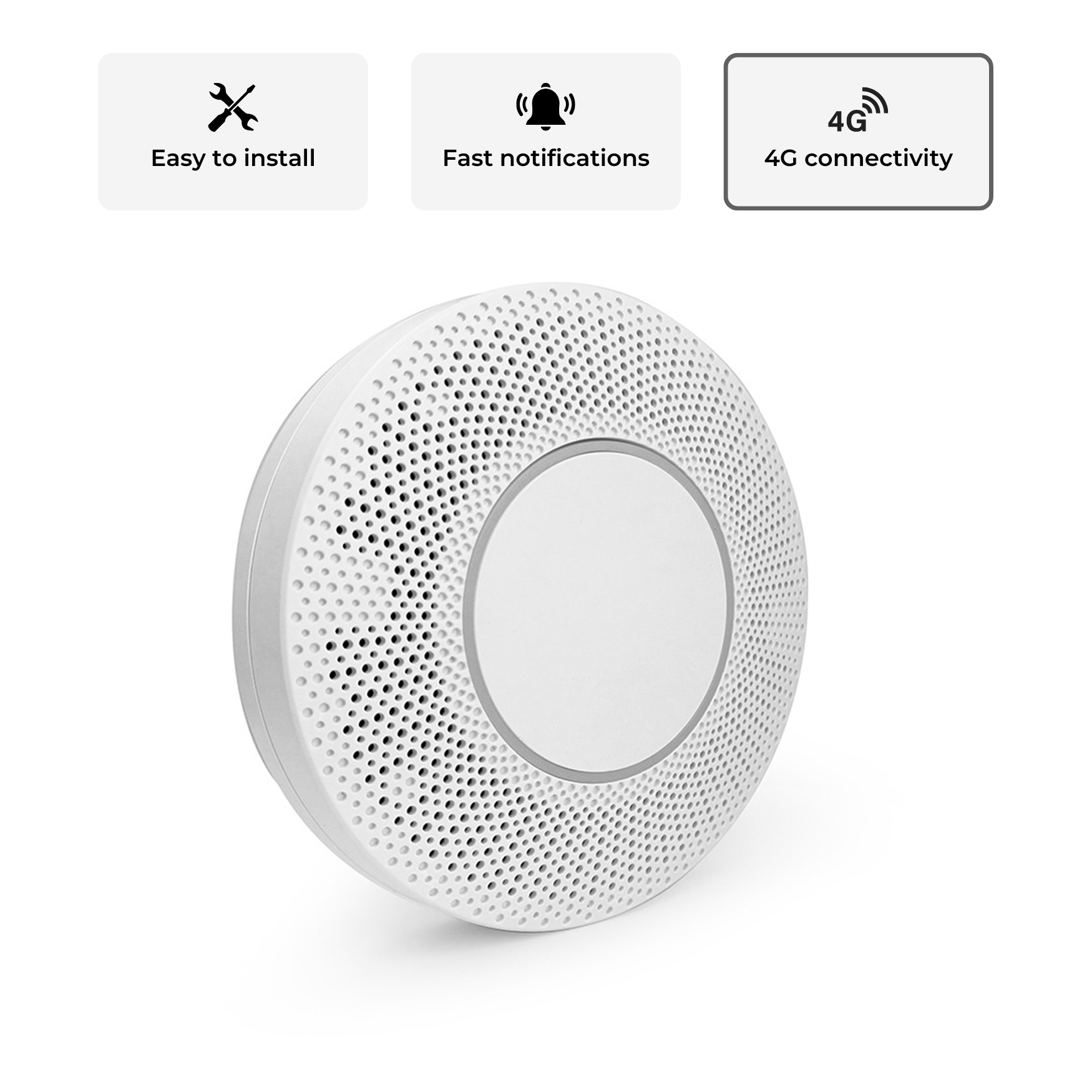
Wireless systems eliminate extensive cabling requirements, simplifying installation in historic buildings or spaces where running new wires proves impractical. Power over Ethernet options suit new construction or recently renovated facilities, providing both data connectivity and electrical supply through single cable runs.
The Vape Detection System exemplifies purpose-built technology designed specifically for educational environments. Beyond VOC monitoring, it detects vaping activity, drug use, and anti-social behaviour, providing comprehensive environmental awareness that supports both health and safety objectives.
Integration extends beyond hardware to encompass data systems and response protocols. Connecting monitoring platforms with existing building management systems creates unified oversight, whilst linking alerts to staff duty rosters ensures appropriate personnel receive notifications during different periods of the school day.
Compliance and Regulatory Considerations
Educational institutions operate within complex regulatory frameworks governing indoor air quality, health and safety, and safeguarding responsibilities. Appropriate monitoring demonstrates due diligence whilst supporting compliance with multiple statutory requirements.
UK Health and Safety Requirements
The Health and Safety at Work Act 1974 establishes employer duties to ensure safe working environments, extending to schools as employers of teaching and support staff. The Control of Substances Hazardous to Health Regulations 2002 specifically address exposure to hazardous substances, including many VOCs used in educational activities.
Local authorities and academy trusts increasingly recognise air quality monitoring as essential infrastructure supporting these obligations. Documented evidence of VOC levels provides objective data demonstrating compliance or identifying areas requiring remediation. This documentation proves particularly valuable during inspections or investigations following health complaints.
Recent guidance from the Department for Education acknowledges schools' growing challenges with vaping, encouraging robust detection and response measures. A voc monitor for schools supports implementation of effective vape-free policies through reliable evidence gathering.
Building Performance Standards
Green building certifications and performance standards increasingly incorporate air quality requirements. BREEAM (Building Research Establishment Environmental Assessment Method) assessments award credits for indoor air quality monitoring and management strategies.
Research comparing conventional and high-performance school buildings demonstrates that well-designed facilities with appropriate monitoring systems achieve significantly lower VOC exposures. Schools pursuing WELL Building Standard certification or similar frameworks find comprehensive air quality monitoring essential for meeting required benchmarks.
| Standard | VOC Requirements | Monitoring Expectations | Compliance Benefits |
|---|---|---|---|
| BREEAM | Indoor air quality credits | Continuous monitoring recommended | Enhanced building rating |
| WELL Building | Specific VOC thresholds | Mandatory ongoing measurement | Health certification |
| Local Authority | Varies by region | Increasingly expected | Regulatory compliance |
| DfE Guidance | General air quality | Encouraged for vape detection | Safeguarding support |
Responding to Detection Events
Monitoring systems deliver maximum value when coupled with clear response protocols that translate data into effective action. Developing these procedures requires collaboration between leadership, facilities teams, and safeguarding personnel.
Immediate Intervention Procedures
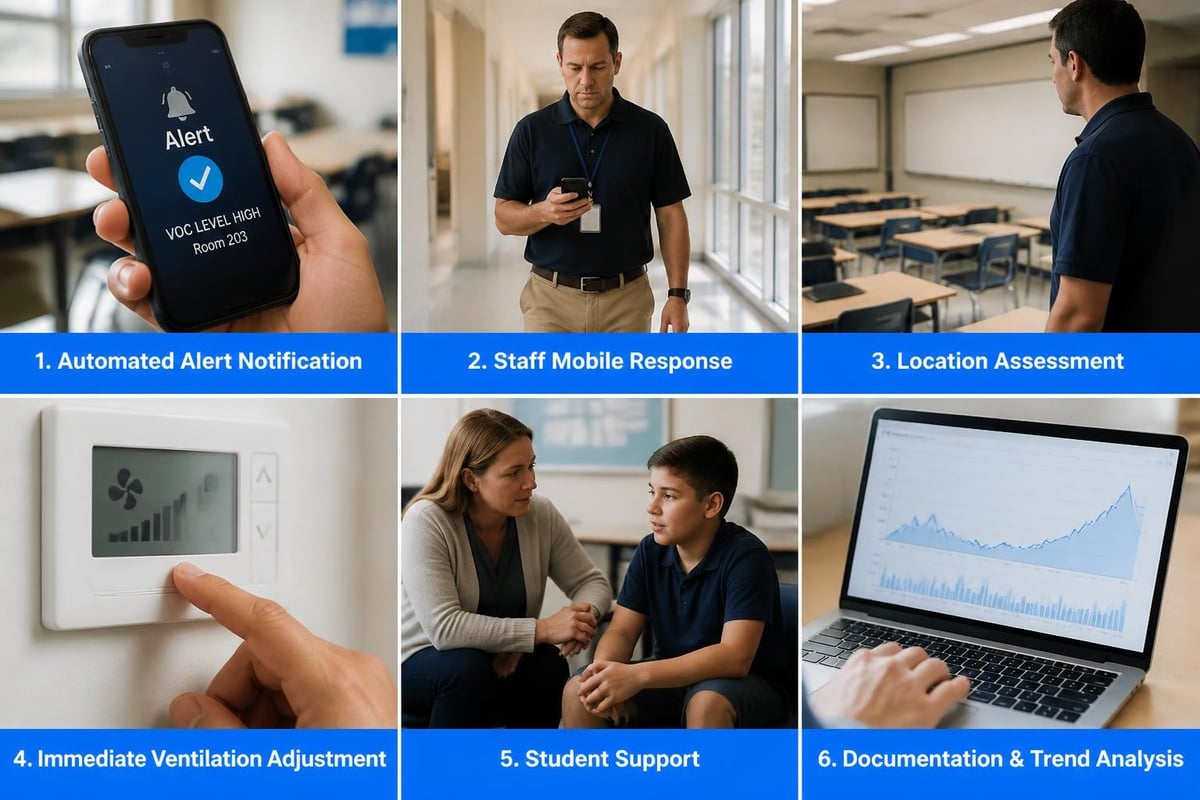
When a voc monitor for schools triggers an alert indicating elevated levels, rapid assessment determines appropriate responses. For general air quality concerns, increasing ventilation often provides immediate relief whilst investigation identifies the source. Opening windows, activating mechanical ventilation systems, or relocating occupants may prove necessary depending on severity.
Vaping-specific alerts require different protocols focused on safeguarding and behaviour management. Designated staff members receive notifications enabling discrete attendance at the location to identify individuals involved and provide appropriate support or sanctions consistent with school policies.
Effective response procedures include:
- Immediate ventilation increase in affected spaces
- Staff attendance at alert locations within set timeframes
- Student welfare checks for individuals exposed to high levels
- Documentation of incidents for pattern analysis
- Communication with parents when students are involved
- Facilities inspection to identify ongoing sources
Long-Term Air Quality Improvement
Data from continuous monitoring informs strategic improvements extending beyond incident response. Identifying spaces with persistently elevated VOC levels prompts investigation into building fabric issues, ventilation deficiencies, or usage patterns requiring modification.
Schools have successfully used monitoring data to justify investment in improved ventilation systems, replacement of high-emission materials, or changes to cleaning product selections. Evidence-based approaches prove particularly effective when seeking funding from governing bodies or local authorities for capital improvements.
Analysis of personal exposure patterns in school children emphasises the importance of addressing both outdoor and indoor sources. Monitoring data helps schools understand the relative contribution of external factors like traffic pollution versus internal sources, enabling targeted mitigation strategies.
Cost Considerations and Return on Investment
Financial planning for air quality monitoring systems requires understanding both initial expenditure and ongoing operational costs. The investment delivers returns through multiple channels including health protection, compliance support, and operational efficiency.
System Costs and Budgeting
Entry-level VOC monitoring solutions start around £200-£400 per sensor unit, suitable for schools requiring basic coverage of high-priority spaces. Comprehensive systems incorporating vape detection, multi-parameter measurement, and advanced analytics typically range from £800-£1,500 per monitoring point.
Installation costs vary significantly based on building characteristics and chosen technology. Wireless systems minimise labour requirements, whilst networked solutions may necessitate professional installation. Schools should budget £100-£300 per sensor for installation in typical circumstances.
Subscription fees for cloud-based data management and alert services typically run £50-£150 annually per sensor. These ongoing costs provide access to software updates, data storage, and technical support that maintain system effectiveness over time.
| Cost Component | Budget Range | Frequency | Notes |
|---|---|---|---|
| Sensor Hardware | £200-£1,500 | One-time | Varies by capability |
| Installation | £100-£300 | One-time | Lower for wireless systems |
| Software/Platform | £50-£150 | Annual | Per sensor subscription |
| Maintenance | £30-£80 | Annual | Calibration and servicing |
| Training | £200-£500 | One-time | Staff familiarisation |
Quantifiable Benefits and Savings
The return on investment from a voc monitor for schools manifests through diverse channels. Reduced absenteeism due to improved air quality translates directly to better educational outcomes and lower disruption costs. Schools typically receive funding based on attendance, making even modest improvements financially significant.
Addressing vaping early prevents escalation into more serious substance issues requiring intensive intervention. The cost of counselling services, parental engagement meetings, and external agency involvement far exceeds preventive monitoring expenses.
Compliance with health and safety regulations through documented monitoring reduces liability exposure. In the event of staff or student health claims related to air quality, comprehensive historical data demonstrates institutional responsibility and may significantly reduce settlement costs or legal expenses.
Facilities management benefits include optimised maintenance scheduling based on actual air quality data rather than arbitrary timetables. Identifying specific VOC sources enables targeted remediation, avoiding wasteful replacement of systems or materials not contributing to problems.
Staff Training and Stakeholder Engagement
Technology alone cannot deliver optimal outcomes without appropriate human capacity. Comprehensive training programmes and stakeholder communication ensure monitoring systems integrate effectively into institutional culture and practice.
Building Internal Expertise
Designated staff members require thorough training in system operation, data interpretation, and response protocols. This typically includes facilities managers responsible for building systems, safeguarding leads addressing student welfare concerns, and senior leaders with ultimate accountability for site safety.
Training programmes should cover technical aspects including sensor placement principles, alert configuration, and basic troubleshooting alongside interpretive skills for understanding data patterns and trends. Many providers offer initial training as part of installation packages, with ongoing support through online resources and periodic refresher sessions.
Essential training topics include:
- System operation and dashboard navigation
- Interpreting VOC readings and alert thresholds
- Response procedures for different alert types
- Data analysis for identifying trends
- Basic maintenance and troubleshooting
- Documentation and compliance reporting
Communication with Parents and Governors
Transparent communication about air quality monitoring builds confidence amongst stakeholders whilst demonstrating institutional commitment to health and safety. Governing bodies appreciate data-driven approaches to complex challenges like vaping, particularly when supporting policy decisions or resource allocation.
Parents value reassurance that schools actively monitor and manage air quality affecting their children's health and learning. Communications might highlight monitoring implementation through newsletters, website updates, or parent forum presentations, emphasising both health protection and behaviour management benefits.
Sharing aggregated data demonstrating improved air quality or reduced vaping incidents provides concrete evidence of programme effectiveness. This transparency strengthens community support and may prove valuable when seeking funding for expanded monitoring coverage or complementary initiatives.
Future Developments in School Air Quality Monitoring
The field of environmental monitoring continues evolving rapidly, with emerging technologies promising enhanced capabilities for educational applications. Understanding likely developments helps schools plan investments that remain relevant and valuable over extended timeframes.
Artificial Intelligence and Predictive Analytics
Next-generation systems increasingly incorporate machine learning algorithms that identify subtle patterns invisible to human analysis. These AI-powered platforms learn normal VOC baselines for specific spaces and times, flagging anomalies that might indicate developing issues before they become significant.
Predictive capabilities enable proactive maintenance scheduling based on deteriorating air quality trends rather than reactive responses to acute problems. Schools can address ventilation system inefficiencies or building envelope failures at optimal times, minimising disruption whilst controlling costs.
Integration of multiple data streams including weather patterns, occupancy levels, and building system performance creates comprehensive environmental intelligence. This holistic approach supports sophisticated decision making about everything from cleaning schedules to capital improvement priorities.
Enhanced Vape Detection Capabilities
As vaping devices evolve, detection technology advances in parallel. Current research focuses on identifying specific compounds associated with different substance types, enabling differentiation between nicotine vaping, THC consumption, and other substances requiring distinct responses.
Sensor miniaturisation and cost reduction will likely make comprehensive coverage increasingly affordable, allowing monitoring in spaces currently deemed too costly to instrument. This expansion creates more complete environmental awareness, reducing blind spots where unauthorised activity might occur undetected.
Integration with other security and behaviour management systems promises coordinated responses to incidents. Future platforms might automatically trigger camera systems to record areas where vaping is detected or integrate with access control systems to identify individuals present during alert events.
Implementing a voc monitor for schools represents a strategic investment in student health, regulatory compliance, and institutional effectiveness. By understanding the technology, planning thoughtful deployment, and developing robust response protocols, educational institutions create safer environments that support learning whilst demonstrating responsible stewardship. Vape Guardian offers purpose-built solutions designed specifically for schools, combining sophisticated VOC detection with vape identification and anti-social behaviour monitoring to protect students and staff through reliable, real-time environmental awareness.




Share:
Bathroom Vaping Prevention: Strategies for Safer Spaces
Vaping Sensor Technology: How Detection Systems Work