
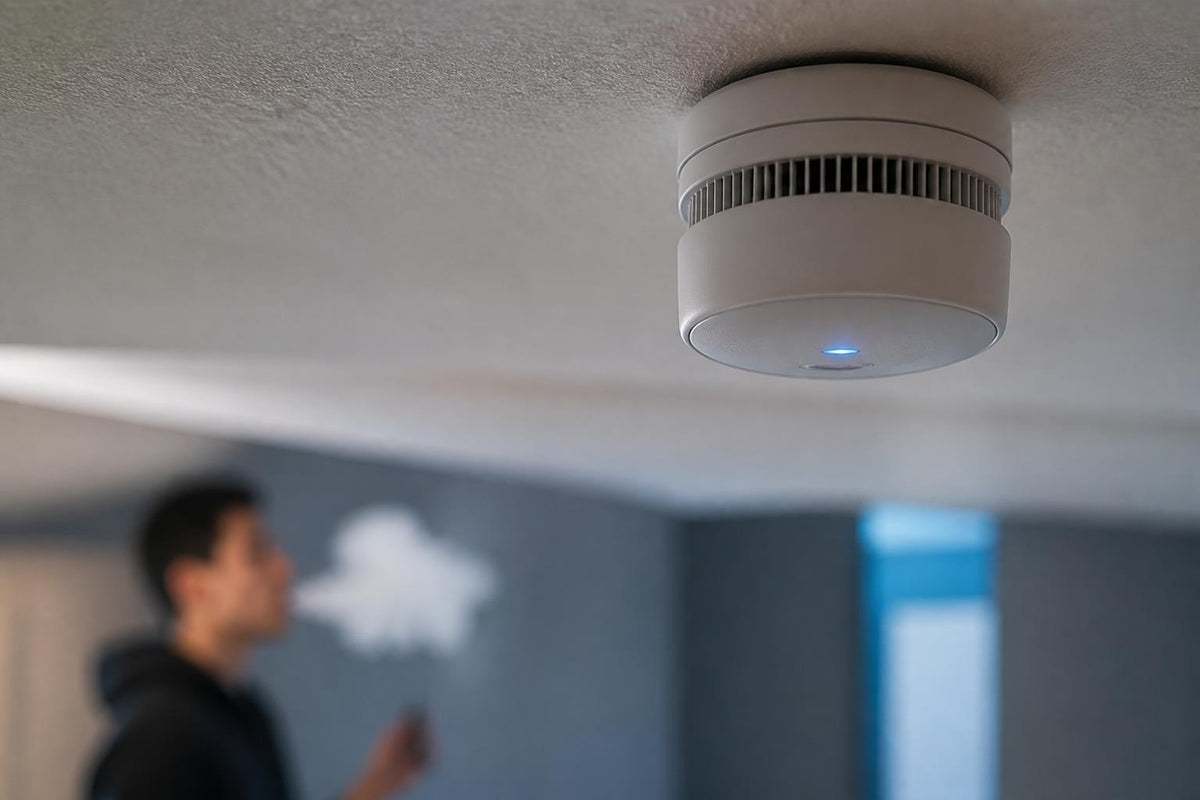
The rise of vaping across the United Kingdom has created unprecedented challenges for schools, workplaces, and public facilities. As traditional smoke detectors fail to identify vaping aerosols, a new generation of detection technology has emerged to address this gap. A vaping sensor represents a sophisticated monitoring device designed to identify the unique chemical signatures and particulate matter released by electronic cigarettes, providing real-time alerts to facility managers and safeguarding officers. Understanding how these sensors work, their deployment strategies, and their role in creating safer environments has become essential for organisations committed to compliance and wellbeing.
Understanding Vaping Sensor Technology
Modern vaping sensors employ multiple detection methodologies to identify vaping activity with high accuracy. Unlike conventional smoke detectors that rely solely on optical smoke chambers, these advanced systems analyse air quality across several dimensions simultaneously.
Multi-Spectral Optical Detection
At the core of most vaping sensor systems lies multi-spectral optical technology. Research published in MDPI Sensors 2024 demonstrates how multi-spectral sensors combined with machine learning algorithms can size-bin and quantify particulate matter from electronic cigarette aerosols. These sensors emit light at various wavelengths, then measure how particles scatter that light. The pattern and intensity of scattering reveal both particle size and concentration.
E-cigarette aerosols produce distinct optical signatures that differ markedly from conventional smoke, water vapour, or airborne dust. A vaping sensor equipped with optical detection can differentiate between these signatures, reducing false positives whilst maintaining sensitivity to genuine vaping events.
Chemical Signature Analysis
Beyond optical detection, advanced vaping sensors incorporate chemical analysis capabilities. Propylene glycol and vegetable glycerine, the primary base liquids in most vape formulations, create measurable changes in air composition when aerosolised. Sensors equipped with volatile organic compound (VOC) detection can identify these substances at parts-per-million concentrations.
The Scientific Reports study on particle formation mechanisms reveals how refill liquid chemistry drives new particle formation, creating physicochemical signals that sensors can exploit for detection. This research underpins the chemical detection strategies employed in contemporary vaping sensor platforms.
Deployment Considerations for Vaping Sensors
Successful implementation of vaping detection technology requires careful planning around placement, environmental factors, and integration with existing systems.
Strategic Placement Principles
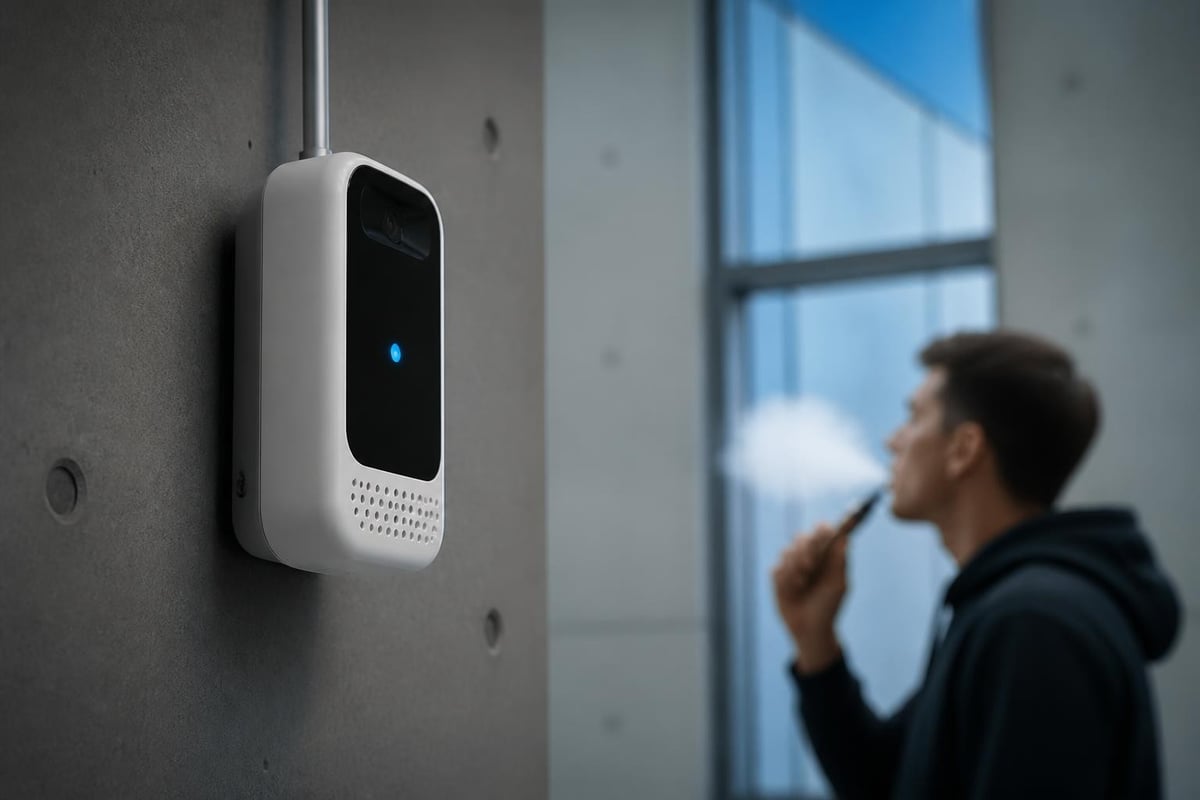
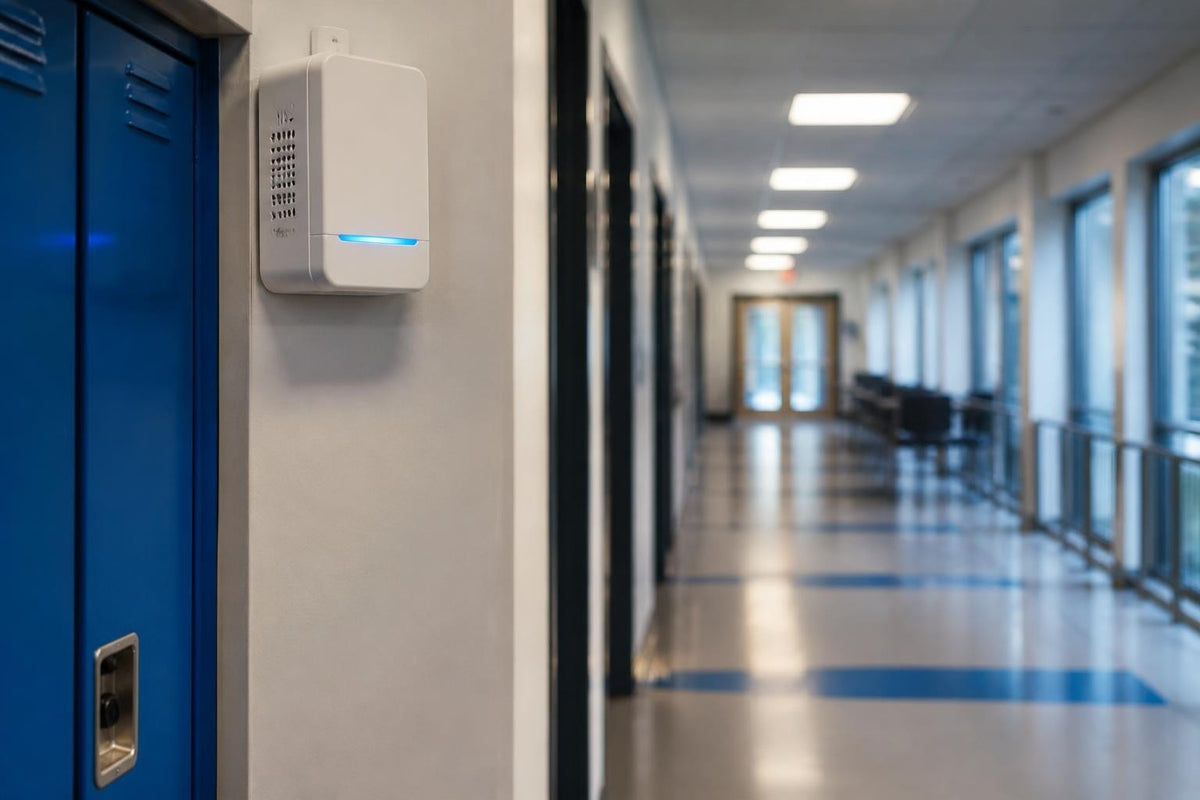
A vaping sensor delivers optimal performance when positioned in locations where vaping incidents are most likely to occur. In educational settings, this typically means toilets, changing rooms, and secluded corridors. Research from PMC on smart vape detection deployments in schools covers IoT integration, false-positive sources, and operational workflow considerations for real-world use.
| Location Type | Recommended Height | Coverage Area | Special Considerations |
|---|---|---|---|
| Toilets | 2.4-2.7 metres | 15-20 square metres | Moisture resistance essential |
| Corridors | 2.7-3.0 metres | 30-40 square metres | Air flow patterns matter |
| Offices | 2.4-2.7 metres | 25-35 square metres | HVAC integration advised |
| Changing Rooms | 2.4-2.7 metres | 15-25 square metres | Privacy compliance required |
Environmental conditions significantly influence sensor performance. Spaces with high humidity, extreme temperature fluctuations, or strong chemical odours from cleaning products may require calibration adjustments or specialised sensor models.
Network Integration and Connectivity
Modern vaping sensors function as part of broader IoT ecosystems, transmitting alerts to central monitoring platforms. Understanding network and connectivity requirements ensures reliable operation across diverse facility types.
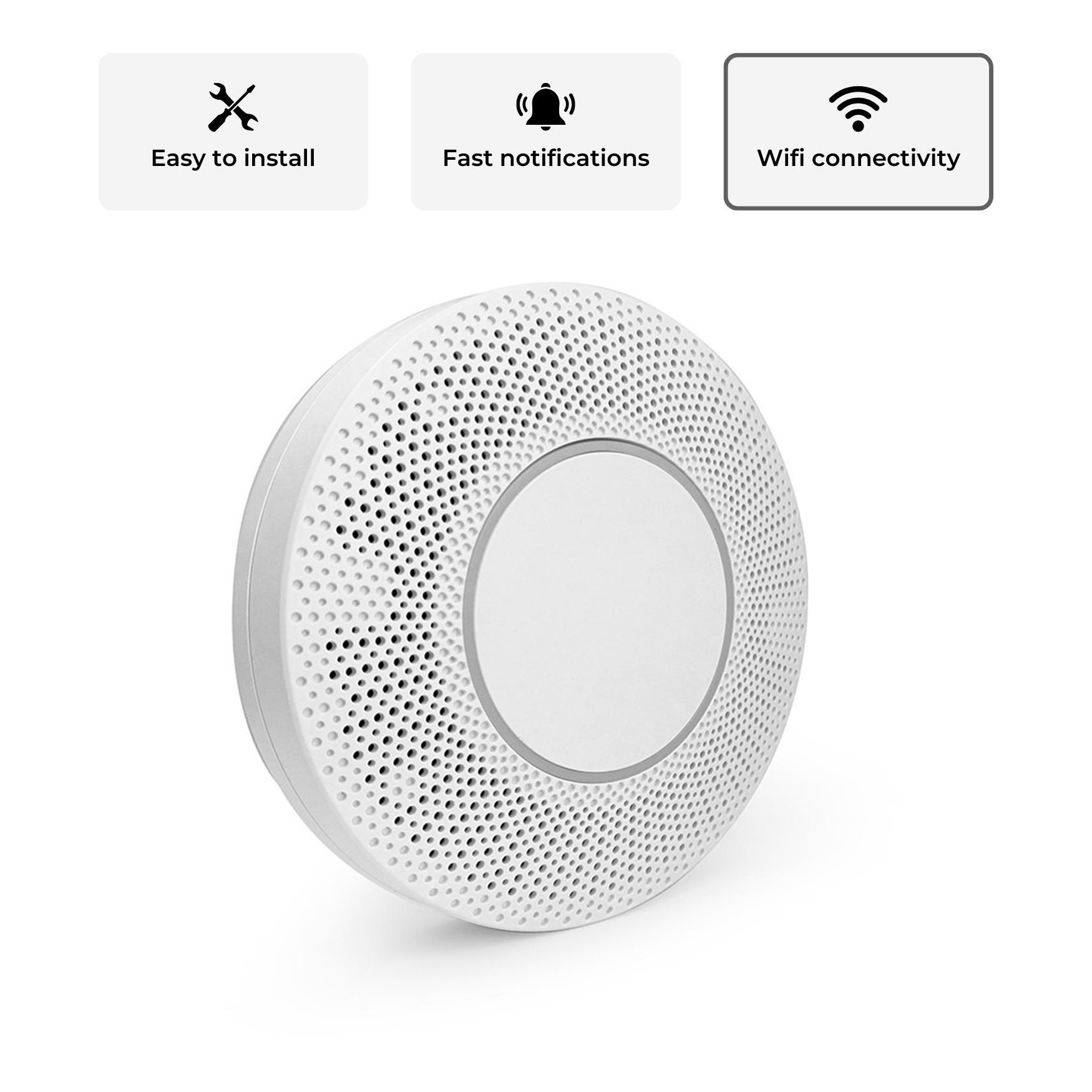
Wi-Fi connectivity offers the most straightforward installation path in buildings with robust wireless infrastructure. Sensors connect to existing networks, eliminating the need for additional cabling whilst enabling real-time data transmission to cloud platforms.
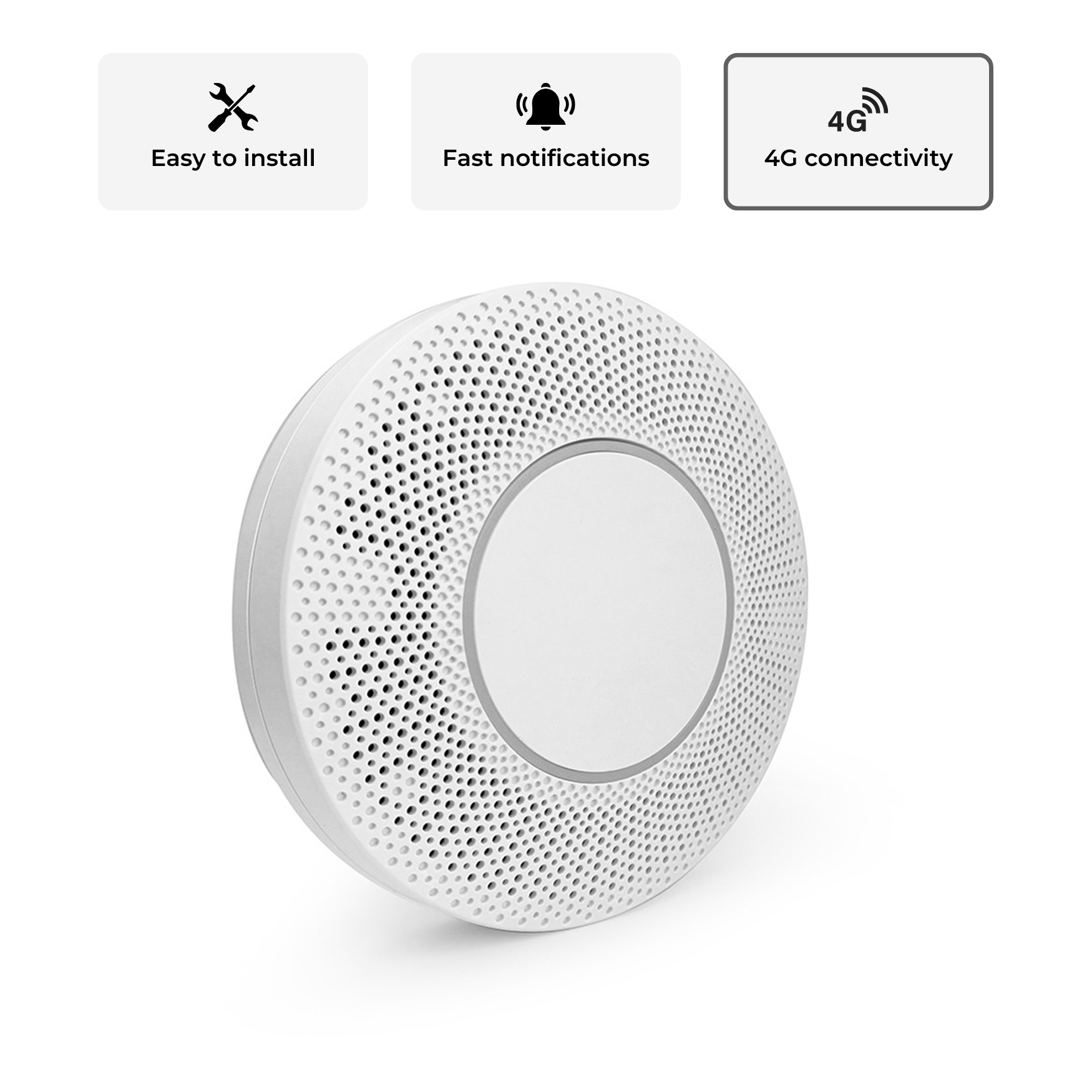
4G cellular connectivity provides an alternative for locations lacking reliable Wi-Fi or where network security policies restrict device connections. This approach ensures uninterrupted monitoring even during network outages or maintenance periods.
Technical Specifications and Performance Metrics
Evaluating vaping sensor performance requires understanding key technical specifications and how they translate to real-world detection capabilities.
Sensitivity and Selectivity
A high-quality vaping sensor balances sensitivity (ability to detect low concentrations) with selectivity (ability to distinguish vaping from other aerosols). Settings configured too sensitively generate excessive false positives from hairspray, deodorant, or cleaning products. Settings too conservative may miss actual vaping events.
Research in PLOS ONE examining e-cigarette device power and settings shows how particle number concentration and size distribution vary with device parameters. This variability means sensors must detect across a range of aerosol characteristics to capture the full spectrum of vaping devices and behaviours.
Response Time and Alert Protocols
Response time measures how quickly a vaping sensor identifies an incident and transmits an alert. Leading systems achieve detection within 5 to 15 seconds of vaping activity, enabling intervention whilst the event is still in progress.
Alert protocols determine who receives notifications and through what channels:
- Push notifications to mobile applications
- Email alerts to designated staff members
- Integration with building management systems
- Automatic logging for compliance documentation
The Vape Detection System combines hardware sensors with sophisticated software to deliver multi-channel alerts whilst maintaining detailed event logs. This comprehensive approach ensures incidents are addressed promptly whilst creating an audit trail for safeguarding and compliance purposes.

Application Environments and Sector-Specific Needs
Different sectors face unique challenges when implementing vaping sensor technology, requiring tailored approaches to deployment and management.
Educational Settings
Schools represent the primary deployment environment for vaping sensors across the United Kingdom. The World Health Organization report on electronic nicotine delivery systems provides global surveillance data highlighting the prevalence of youth vaping, underscoring the urgency of effective detection in educational contexts.
Vape detectors for education must address specific requirements including safeguarding compliance, age-appropriate intervention protocols, and integration with pastoral care frameworks. Sensors in schools serve not merely as enforcement tools but as components of broader health and wellbeing strategies.
Key considerations for educational deployment include:
- Privacy protection and GDPR compliance
- Integration with existing safeguarding procedures
- Staff training on alert response protocols
- Student education programmes alongside detection technology
Workplace and Office Environments
Offices deploying vaping sensors typically focus on maintaining air quality standards and supporting smoke-free policies. Vape detection for offices requires balancing employee privacy expectations with organisational duty of care responsibilities.
Workplace sensors often integrate with broader building management systems, contributing data to overall environmental monitoring dashboards. This integration enables facilities teams to correlate vaping incidents with HVAC performance and air quality metrics.
Leisure and Retail Spaces
Venues such as cinemas, restaurants, and shopping centres face unique challenges around customer experience and regulatory compliance. Leisure and retail applications prioritise discreet detection and rapid staff notification to enable polite intervention before situations escalate.

Installation and Configuration Best Practices
Proper installation and configuration maximise vaping sensor effectiveness whilst minimising maintenance requirements and false alerts.
Physical Installation Guidelines
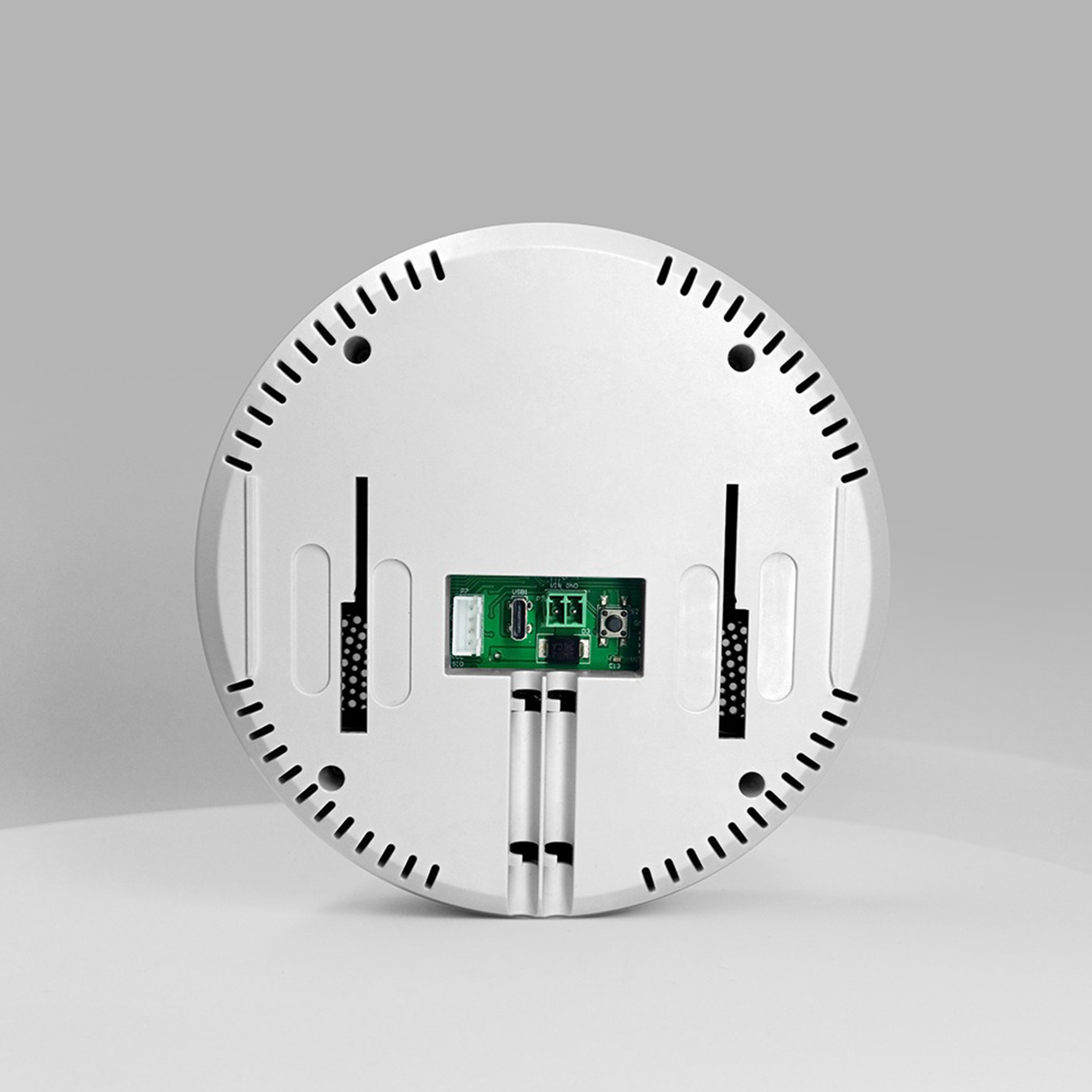
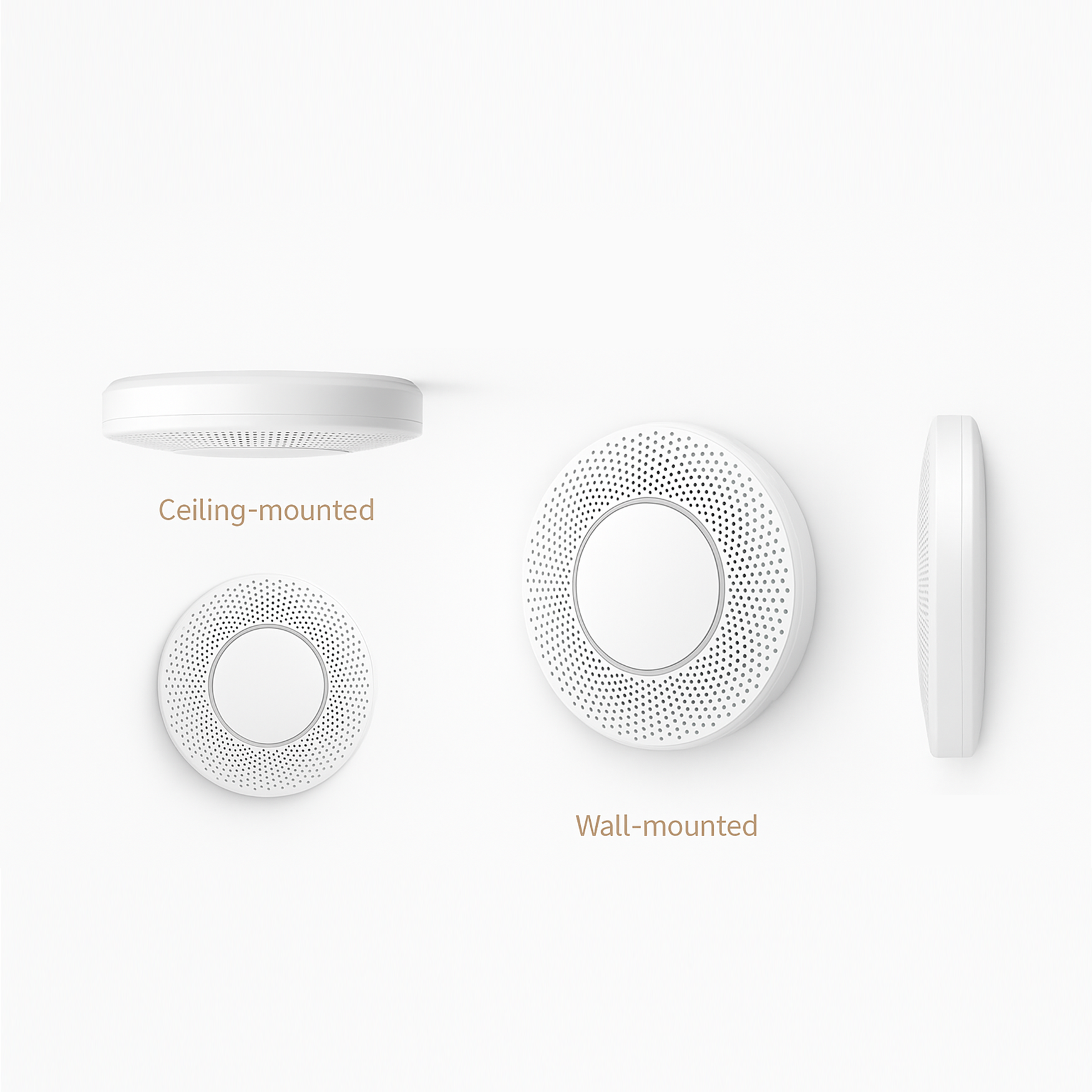
A vaping sensor typically mounts to ceilings or high walls using standard electrical boxes or surface mounting plates. Installation height affects detection range and sensitivity, with optimal positioning varying by room dimensions and air circulation patterns.
Installation checklist:
- Verify power supply availability (PoE or mains voltage)
- Confirm network connectivity at installation location
- Assess environmental factors (humidity, temperature extremes)
- Identify potential false-positive sources nearby
- Plan cable routing to maintain aesthetic standards
Detailed set up instructions guide installers through device-specific requirements, ensuring proper commissioning from the outset.
Calibration and Testing Protocols
Initial calibration establishes baseline environmental readings against which the vaping sensor compares ongoing measurements. This process typically involves a 24 to 48 hour learning period during which the sensor samples normal air quality patterns.
Testing protocols should verify:
- Detection sensitivity across representative vaping devices
- False-positive rejection from common aerosols
- Alert transmission reliability across all configured channels
- Battery backup functionality (where applicable)
- Tamper detection and anti-vandalism features
Regular testing, ideally quarterly, ensures continued accuracy as environmental conditions evolve and sensor components age.
Data Management and Privacy Considerations
Vaping sensors generate substantial data streams requiring thoughtful management approaches that balance operational needs with privacy obligations.
Data Collection and Storage
Modern vaping sensors capture timestamps, location identifiers, air quality readings, and detection event details. This data supports several organisational objectives including incident response, trend analysis, and compliance reporting.
Storage duration and access controls must align with GDPR requirements and organisational data protection policies. Many organisations adopt a tiered approach, retaining detailed event data for 30 to 90 days whilst preserving anonymised aggregate statistics for longer-term trend analysis.
Privacy Protection Mechanisms
A vaping sensor operates without cameras or audio recording, focusing exclusively on air quality metrics. This design choice inherently protects individual privacy whilst still enabling effective detection.
Privacy safeguards include:
- No personally identifiable information in sensor data
- Role-based access controls limiting who views alerts
- Transparent communication with staff and students about sensor presence
- Data minimisation principles governing retention periods
Understanding best practice for handling vaping alerts ensures privacy considerations extend beyond technology to encompass response protocols and documentation practices.
Maintenance and Operational Management
Sustained performance requires regular maintenance and proactive management of vaping sensor networks.
Routine Maintenance Requirements
| Maintenance Task | Frequency | Duration | Responsible Party |
|---|---|---|---|
| Visual inspection | Monthly | 5 minutes per sensor | Facilities staff |
| Filter cleaning | Quarterly | 15 minutes per sensor | Trained technician |
| Calibration verification | Quarterly | 30 minutes per sensor | Specialist or supplier |
| Firmware updates | As released | Variable (often remote) | IT team or supplier |
| Full system testing | Annually | 1-2 hours per sensor | Specialist technician |
Proactive maintenance prevents degraded performance and extends sensor lifespan. Many organisations establish service contracts with suppliers to ensure consistent maintenance delivery.
Performance Monitoring and Optimisation
Monitoring platforms aggregated from multiple vaping sensors reveal patterns that inform optimisation strategies. High false-positive rates at specific locations may indicate environmental factors requiring attention or configuration adjustments. Conversely, locations with unexpectedly low detection rates may warrant placement review.
Performance metrics to track include:
- Detection events per location per week
- False-positive rate by sensor and location type
- Alert response times by responsible staff
- System uptime and connectivity reliability
- Battery life and power consumption (for wireless units)
Integration with Broader Safety Systems
A vaping sensor delivers maximum value when integrated into comprehensive safety and wellbeing frameworks rather than operating as an isolated technology.
Multi-Hazard Detection Capabilities
Advanced sensors detect not only vaping but also other environmental concerns including excessive noise, unusual temperature fluctuations, and air quality degradation from any source. This multi-hazard approach provides organisations with holistic environmental monitoring from a single hardware platform.
Some vaping sensors incorporate motion detection and sound analysis, enabling identification of concerning behaviours beyond substance use. These capabilities support anti-bullying initiatives and general security objectives whilst maintaining privacy standards.
Incident Response Workflows
Effective incident response workflows connect vaping sensor alerts to appropriate staff members equipped with clear intervention protocols. In educational settings, this often involves pastoral care teams rather than disciplinary authorities, reflecting a supportive rather than punitive approach.
Designated safeguarding leads play crucial roles in managing vaping incidents, particularly when they reveal broader wellbeing concerns requiring specialist support. Integration between detection systems and safeguarding management platforms streamlines documentation and ensures consistent response quality.

Future Developments in Vaping Sensor Technology
The vaping sensor field continues evolving rapidly, with several emerging trends likely to reshape detection capabilities and deployment models.
Machine Learning and Artificial Intelligence
Machine learning algorithms increasingly underpin vaping sensor operation, continuously refining detection accuracy based on accumulated data. These systems learn to distinguish genuine vaping events from environmental noise with improving precision, reducing false positives whilst maintaining high sensitivity.
Future systems may predict vaping likelihood based on patterns in environmental data, enabling preemptive interventions. Such predictive capabilities would represent a significant advance over purely reactive detection models.
Miniaturisation and Cost Reduction
Ongoing component miniaturisation enables more discreet sensor designs that integrate seamlessly into existing fixtures. As production scales increase and component costs decrease, vaping sensors become accessible to smaller organisations and more comprehensive coverage becomes economically viable for larger facilities.
Enhanced Chemical Specificity
Next-generation sensors may identify specific substances within vaping aerosols, distinguishing nicotine-containing products from cannabis derivatives or other substances. This specificity would enable more nuanced responses calibrated to the particular substance detected and associated health risks.
Regulatory Compliance and Policy Frameworks
Deploying vaping sensors intersects with various regulatory frameworks governing workplace health, educational safeguarding, and data protection.
Smoke-Free Policy Enforcement
Many organisations have extended traditional smoke-free policies to encompass vaping, creating regulatory frameworks within which sensors operate. A vaping sensor provides objective evidence supporting policy enforcement whilst removing the burden of constant human surveillance.
Policy frameworks should clearly communicate sensor presence, detection capabilities, and consequences for policy violations. Transparency builds understanding and acceptance amongst those subject to monitoring.
Health and Safety Obligations
Employers and educational institutions bear legal obligations to maintain safe environments free from harmful exposures. Vaping sensors contribute to discharge of these duties by identifying incidents that may compromise air quality or expose non-users to aerosol constituents.
Documentation generated by sensor systems provides evidence of due diligence in meeting health and safety obligations, potentially offering protection in liability scenarios.
Cost-Benefit Analysis and Return on Investment
Organisations evaluating vaping sensor deployment must weigh acquisition and operational costs against tangible and intangible benefits.
Direct and Indirect Costs
| Cost Category | One-Time | Ongoing Annual |
|---|---|---|
| Hardware purchase | £400-£800 per sensor | £0 |
| Installation labour | £100-£300 per sensor | £0 |
| Network infrastructure | £0-£2,000 (if upgrades needed) | £0 |
| Software licensing | £0-£500 | £200-£600 per sensor |
| Maintenance and calibration | £0 | £100-£200 per sensor |
| Training and support | £500-£2,000 | £200-£500 |
Costs vary significantly based on deployment scale, facility characteristics, and chosen technology platform. Subscription models may spread costs more evenly across time whilst including ongoing support and updates.
Quantifiable Benefits
Benefits include reduced staff time spent on vaping surveillance, decreased maintenance costs from vaping-related facility damage, and improved compliance with smoke-free policies. Educational settings report reduced vaping incidents following sensor deployment, translating to fewer safeguarding interventions and disciplinary proceedings.
Air quality improvements benefit all building occupants, potentially reducing respiratory complaints and supporting general wellbeing objectives. These health benefits, whilst difficult to quantify precisely, represent substantial value.
Understanding vaping sensor technology empowers organisations to create safer, healthier environments through evidence-based detection and intervention. From optical particle analysis to chemical signature identification, these sophisticated systems deliver reliable monitoring whilst respecting privacy and supporting broader safeguarding objectives. Whether you manage a school, office, or leisure facility, implementing effective vaping detection represents a proactive step towards compliance and duty of care. Vape Guardian provides advanced detection solutions tailored to UK organisations, combining proven sensor technology with dedicated support to help you address vaping challenges confidently and effectively.



Share:
VOC Monitor for Schools: A Complete Air Quality Guide 2026
Vaping Sensors for Schools: Complete Guide 2026