
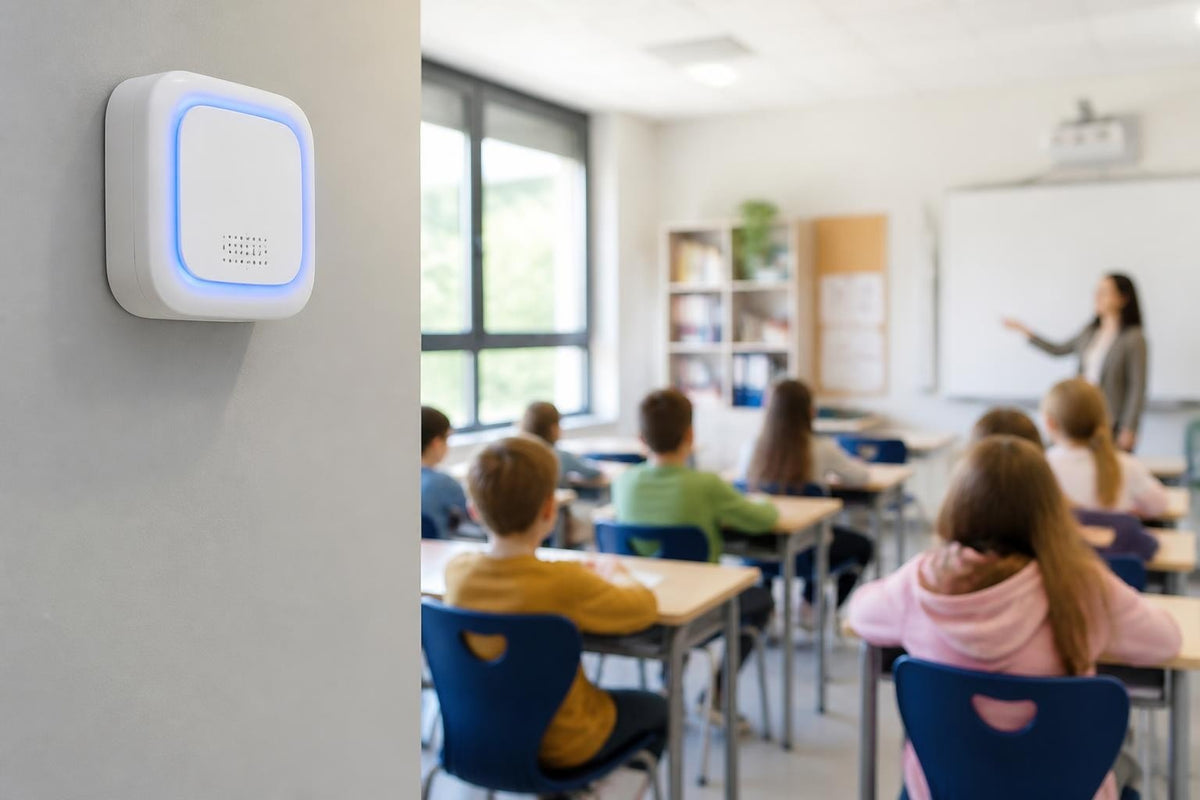
Schools across the United Kingdom face an unprecedented challenge: youth vaping has escalated from an isolated concern to a widespread behavioural and health issue affecting pupils of all ages. Traditional supervision methods struggle to address vaping in concealed locations such as toilets, changing rooms, and stairwells. As educational institutions seek proactive solutions to safeguard student wellbeing and maintain compliance with smoke-free policies, vaping sensors for schools have emerged as a critical technological intervention. These sophisticated detection systems combine air quality monitoring with real time alerting capabilities, enabling schools to respond swiftly and effectively to vaping incidents whilst gathering data to inform broader prevention strategies.
Understanding Vaping Detection Technology in Educational Settings
Modern vaping sensors for schools employ multiple detection methodologies to identify the unique chemical signatures associated with e-cigarette aerosols. Unlike conventional smoke detectors that respond primarily to combustion particles, specialised vape detection systems analyse particulate matter concentrations, volatile organic compounds, and changes in air composition that occur when students use electronic nicotine delivery systems.
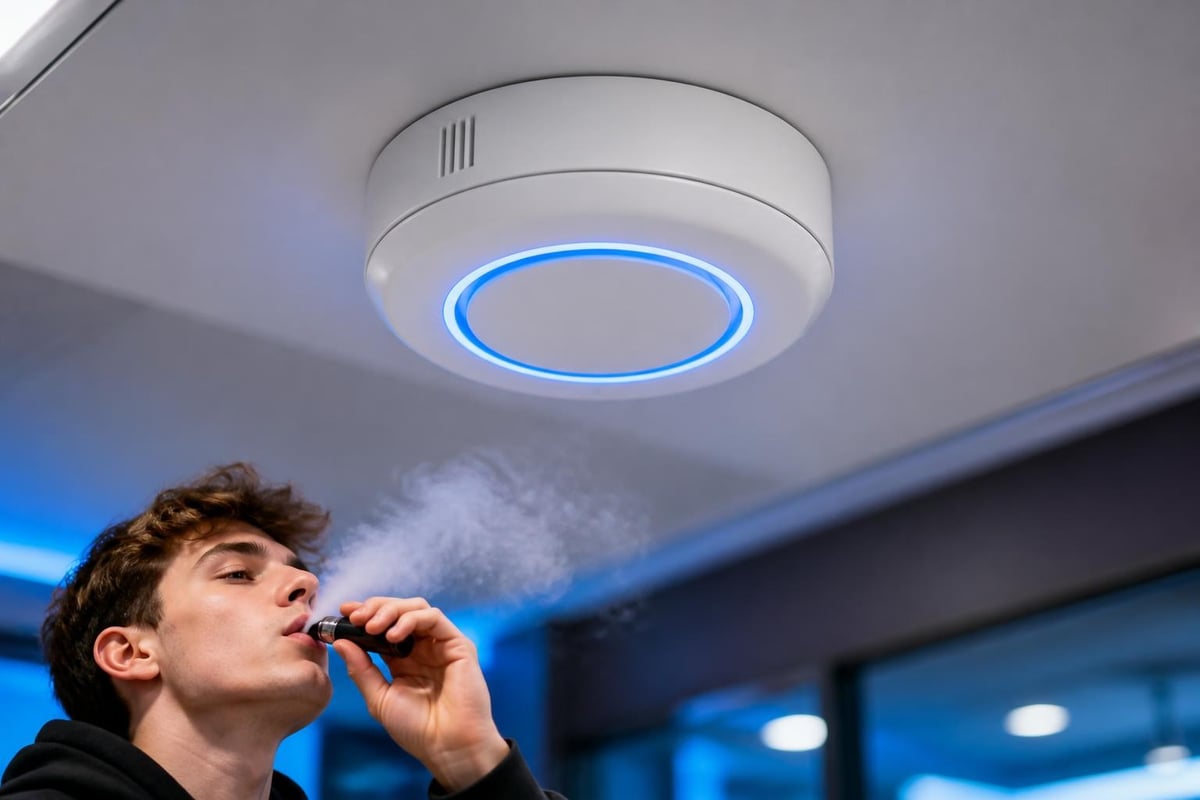
The technology draws upon principles originally developed for environmental monitoring and industrial air quality applications. A multi-sensor vape detection deployment study documented how schools successfully implemented systems combining PM2.5 sensors with VOC detectors to achieve reliable identification of vaping events whilst minimising false positives from aerosol sprays or cleaning products.
Core Detection Components
Particulate Matter Sensors
These components measure microscopic particles suspended in the air, typically focusing on PM2.5 and PM10 ranges. Vaping aerosols produce distinctive particulate patterns that differ from ordinary dust or ambient pollution.
Volatile Organic Compound Analysis
VOC sensors detect the chemical compounds present in vape liquids and aerosols, including propylene glycol, vegetable glycerine, and flavouring agents. This layer of detection significantly improves accuracy.
Environmental Baseline Monitoring
Advanced systems continuously monitor temperature, humidity, and normal air quality variations to establish location-specific baselines. This contextual awareness reduces false alarms triggered by legitimate activities.
Implementation Strategies for Maximum Effectiveness
Successfully deploying vaping sensors for schools requires strategic planning that extends beyond simply installing hardware. Schools must consider placement priorities, integration with existing safeguarding protocols, and staff training to ensure the technology delivers measurable improvements in student safety.
Optimal Sensor Placement
| Location Type | Priority Level | Considerations |
|---|---|---|
| Student toilets | Critical | High incident rates; privacy-compliant positioning required |
| Changing rooms | Critical | Enclosed spaces with limited supervision |
| Stairwells | High | Common vaping locations; acoustic monitoring beneficial |
| Storage areas | Medium | Occasional misuse; budget-dependent deployment |
| Outdoor shelters | Medium | Weather-resistant units necessary |
Research indicates that restroom facilities account for approximately 65-70% of school vaping incidents, making these locations the highest priority for sensor deployment. However, comprehensive coverage requires attention to transition spaces where students congregate between lessons.
The Vape Detection System addresses these implementation challenges through multi-sensor technology that detects not only vaping but also identifies potential drug use and anti-social behaviour. This comprehensive approach maximises the return on investment whilst supporting broader safeguarding objectives.

Integration with School Management Systems
Effective vaping sensors for schools operate as part of a broader ecosystem rather than isolated devices. Integration points include:
-
Real Time Alert Routing: Notifications must reach designated staff members immediately, typically through mobile applications, email, or SMS systems.
-
Incident Documentation: Automated logging creates an evidence trail for safeguarding records and demonstrates due diligence in compliance reviews.
-
Data Analytics Dashboards: Aggregated incident data reveals patterns by time, location, and frequency, informing targeted intervention strategies.
-
Escalation Protocols: Clear workflows ensure appropriate responses, from initial verification through to parental notification and support referrals.
Schools implementing these technologies should consult guidance on handling vaping alerts to establish consistent, proportionate responses that prioritise student welfare alongside policy enforcement.
Regulatory Context and Compliance Considerations
Educational institutions in the United Kingdom operate within a comprehensive regulatory framework governing student health, safety, and safeguarding. Vaping sensors for schools support compliance with multiple statutory requirements whilst addressing emerging challenges not fully anticipated when many regulations were drafted.
Smoke-Free Legislation and School Policies
The Health Act 2006 and subsequent regulations established smoke-free requirements for enclosed public spaces, including schools. Whilst e-cigarettes initially fell outside these provisions, most schools have extended their tobacco policies to encompass all nicotine delivery devices. Detection technology provides objective evidence of policy violations and demonstrates institutional commitment to maintaining compliant environments.
Indoor Air Quality Standards
Beyond vaping-specific concerns, schools maintain responsibility for providing healthy indoor environments. The OSHA guidance on indoor air quality outlines principles applicable to educational settings, emphasising ventilation, contaminant control, and ongoing monitoring. Vaping sensors for schools contribute to broader air quality management by identifying pollution sources and validating ventilation effectiveness.
The U.S. Green Building Council's IAQ toolkit provides model policy language that integrates vape-free school policies with comprehensive indoor air quality management plans, offering templates adaptable to UK educational contexts.

Addressing Implementation Challenges and Limitations
Whilst vaping sensors for schools offer substantial benefits, educational leaders must acknowledge certain limitations and implementation challenges to set realistic expectations and design effective programmes.
Technical Limitations
Environmental Interference
Aerosol products, cleaning chemicals, and even strong perfumes can trigger sensors calibrated to detect VOCs. Schools mitigate this through:
- Scheduling cleaning activities outside school hours
- Using low-VOC cleaning products in monitored areas
- Adjusting sensitivity thresholds based on location-specific baselines
- Implementing verification protocols before disciplinary action
A Public Health Ontario evidence review examined detector effectiveness and identified these interference patterns as the primary source of false positives, recommending calibration periods of 2-4 weeks to optimise performance.
Detection Range Constraints
Sensors monitor defined coverage areas, typically 10-15 square metres depending on ventilation conditions. Large toilet blocks may require multiple units, and outdoor areas present particular challenges due to air dispersion.
Privacy and Student Rights Considerations
Deploying surveillance technology in schools raises legitimate questions about proportionality and student privacy. Best practice includes:
- Transparent communication with students, parents, and staff about sensor capabilities and limitations
- Clear signage indicating monitored areas
- Privacy-compliant positioning that avoids cubicle interiors
- Robust data protection protocols governing alert information storage and access
- Regular reviews to ensure ongoing proportionality
The NASA INSTEP project provides technical context on sensor network capabilities and limitations, helping schools understand what these systems can and cannot detect.
Integrating Detection with Prevention and Support
Technology alone cannot resolve youth vaping challenges. The most successful school programmes combine vaping sensors for schools with comprehensive prevention education, early intervention protocols, and support pathways for students struggling with nicotine dependence.
Multi-Tiered Prevention Frameworks
Universal Prevention
All students receive age-appropriate education about vaping risks, industry marketing tactics, and skills for resisting peer pressure. Resources available through the vaping education hub for schools support curriculum integration and staff training.
Targeted Intervention
Students identified through sensor alerts or other means receive proportionate responses focused on understanding and behaviour change rather than purely punitive measures. This might include:
- Individual conversations with pastoral staff
- Parental engagement and home-school partnerships
- Referral to school nursing services for health education
- Connection with external cessation support services
Intensive Support
For students demonstrating nicotine dependence, schools provide or facilitate access to specialist support. A randomised trial of a school-based vaping prevention eHealth intervention demonstrated that digital prevention programmes significantly reduced vaping uptake when implemented alongside detection and enforcement measures.
Staff Training and Role Clarity
Effective implementation of vaping sensors for schools requires clear role definitions and comprehensive training across multiple staff groups:
| Role | Key Responsibilities | Training Needs |
|---|---|---|
| Designated Safeguarding Lead | Policy oversight; serious incident management | Safeguarding implications; escalation protocols |
| Pastoral staff | First response; student conversations | Motivational interviewing; harm reduction approaches |
| Facilities management | Sensor installation; maintenance | Technical operation; troubleshooting |
| IT administrators | System integration; data security | Network configuration; GDPR compliance |
| Senior leadership | Strategic oversight; policy review | Data interpretation; resource allocation |
Resources tailored to specific roles, such as guidance for headteachers and senior leadership teams, ensure all stakeholders understand their contributions to successful implementation.
Measuring Impact and Return on Investment
Schools investing in vaping sensors for schools require evidence that these systems deliver tangible improvements in student safety, policy compliance, and overall school climate. Robust evaluation frameworks measure both quantitative outcomes and qualitative impacts.
Key Performance Indicators
Incident Frequency and Trends
- Total vaping detections per week/month
- Incident rates by location and time of day
- Changes in detection frequency over time
- Comparison with pre-installation baseline data
Response Effectiveness
- Average time from detection to staff response
- Percentage of alerts verified as genuine vaping incidents
- False positive rate and contributing factors
- Resolution outcomes for identified students
Broader School Climate Indicators
Beyond direct detection metrics, schools should monitor:
- Student and staff perceptions of safety and air quality
- Maintenance costs related to vaping damage (staining, odours, device disposal)
- Disciplinary incident rates for vaping-related violations
- Engagement with support services by students using nicotine products
A mixed-methods study of K-12 administrator perspectives found that schools valuing both quantitative detection data and qualitative feedback from staff and students developed the most effective and sustainable vaping response programmes.
Cost-Benefit Analysis Framework
Initial investment in vaping sensors for schools typically includes:
- Hardware procurement (sensors, connectivity equipment)
- Installation and configuration
- Staff training and policy development
- Ongoing subscription fees for cloud platforms and support
Benefits manifest across multiple dimensions:
Direct Financial Benefits
- Reduced maintenance and cleaning costs
- Decreased vandalism and property damage
- Lower insurance premiums through demonstrated risk management
Regulatory and Reputational Benefits
- Enhanced compliance with safeguarding duties
- Demonstrated commitment to student health
- Positive differentiation in school choice decisions
Educational Outcomes
- Improved learning environments free from vaping disruption
- Better student health supporting attendance and attainment
- Staff time redirected from reactive discipline to proactive education
Technical Specifications and Selection Criteria
Schools evaluating vaping sensors for schools must assess multiple technical factors to ensure selected systems meet operational requirements whilst offering scalability and long-term support.
Essential Technical Capabilities
Detection Accuracy
Systems should demonstrate verified detection rates above 90% for actual vaping events whilst maintaining false positive rates below 5%. Request independent testing data and case study evidence from similar educational environments.
Connectivity Options
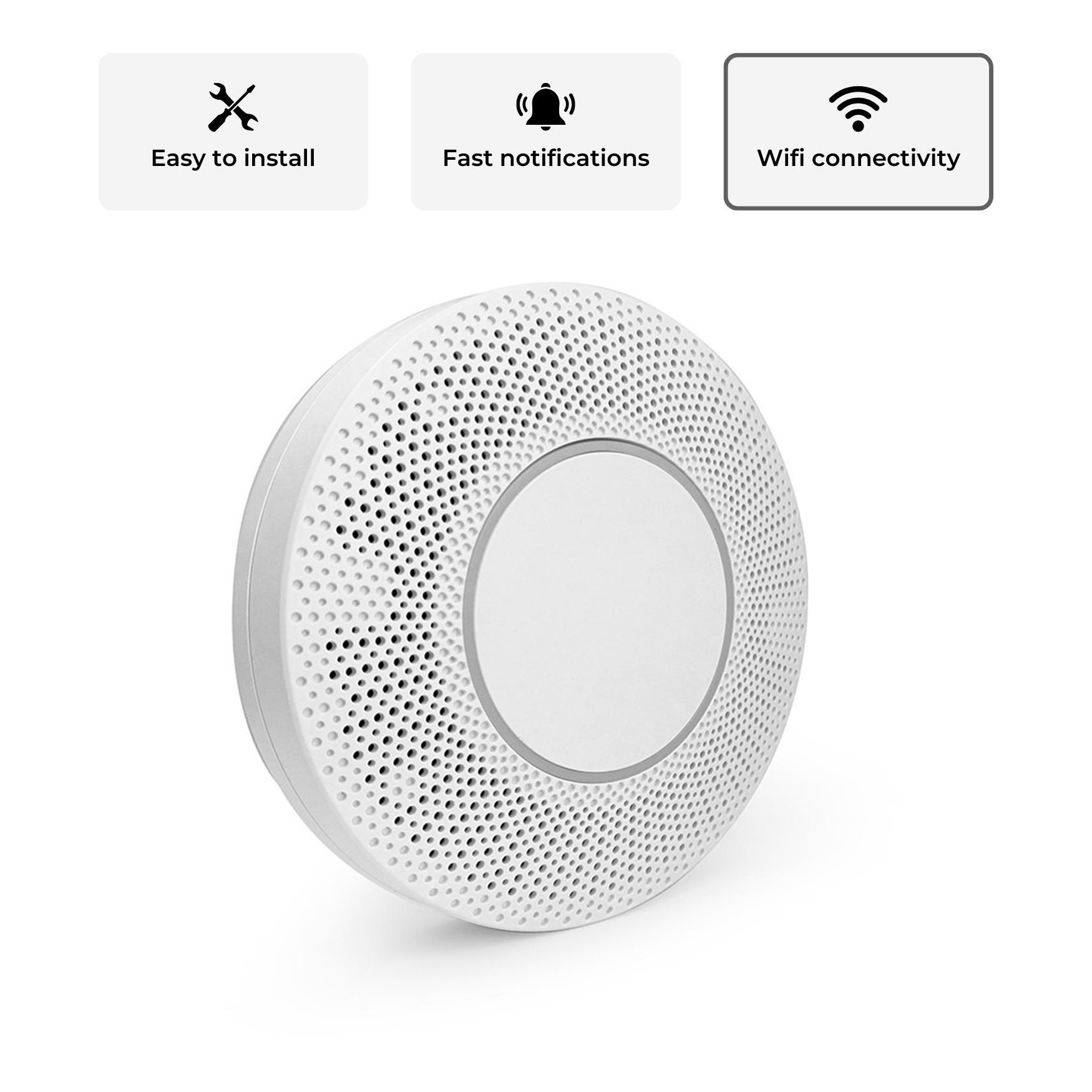
- WiFi Integration: Seamless connection to existing school networks with enterprise-grade security
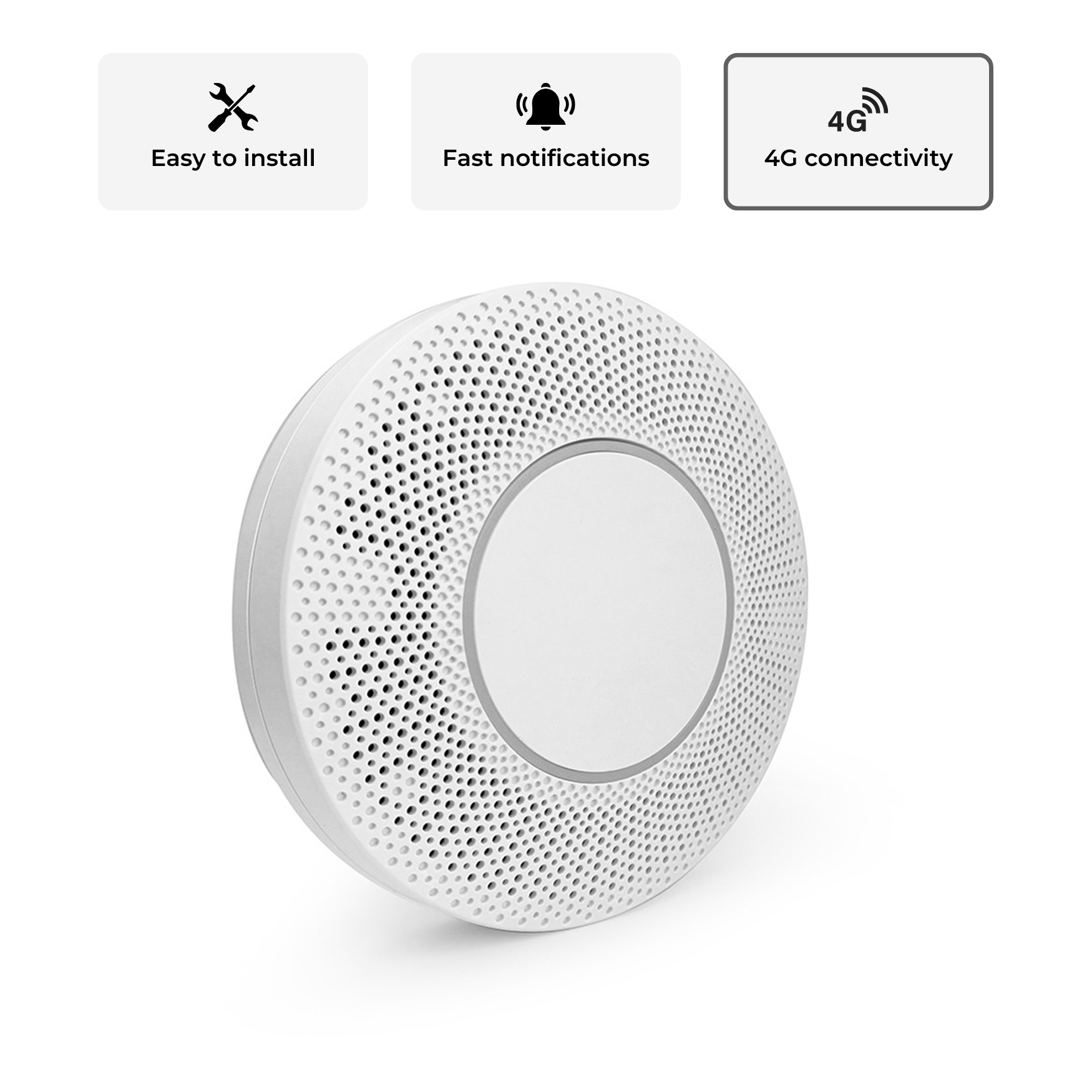
- 4G/5G Cellular: Backup connectivity for locations with unreliable WiFi or high-security network restrictions
- Hybrid Systems: Automatic failover between connection types ensures continuous monitoring
Detailed guidance on network and connectivity requirements helps IT administrators prepare infrastructure for successful deployment.
Alert Delivery Methods
Multiple notification channels ensure alerts reach appropriate personnel regardless of location or device availability:
- Mobile application push notifications
- Email alerts with incident details and timestamp
- SMS messages for critical priority alerts
- Integration with existing school communication platforms
Scalability and Multi-Site Deployment
Multi-academy trusts and local authorities deploying vaping sensors for schools across multiple sites benefit from centralised management capabilities:
- Unified Dashboard: Single interface for monitoring all locations
- Standardised Policies: Consistent alert thresholds and response protocols
- Aggregated Reporting: Trust-wide or authority-wide trend analysis
- Bulk Configuration: Efficient onboarding of new sites
Resources for multi-academy trusts and local authorities address the unique considerations of large-scale implementations.
Future Developments in School Vaping Detection
The field of vaping sensors for schools continues to evolve rapidly, with emerging technologies and methodologies promising enhanced capabilities and broader applications.
Artificial Intelligence and Machine Learning
Next-generation systems employ AI algorithms to:
- Distinguish between vaping devices and other aerosol sources with greater precision
- Identify patterns indicating organised vaping activities or substance sharing
- Predict high-risk times and locations based on historical data
- Automatically adjust sensitivity thresholds based on environmental learning
Expanded Detection Capabilities
Beyond nicotine vaping, advanced sensors increasingly detect:
- Cannabis vaping devices and THC concentrations
- Synthetic cannabinoid aerosols
- Other substance misuse indicators
- Acoustic signatures associated with anti-social behaviour
Integration with Wider School Safety Ecosystems
Future implementations will likely integrate vaping detection with:
- General air quality monitoring for pollution, CO2, and allergens
- Occupancy sensing for emergency evacuation and capacity management
- Environmental controls that automatically increase ventilation upon detection
- Student wellbeing platforms that coordinate multiple intervention data streams
Vaping sensors for schools represent a powerful tool for educational institutions committed to protecting student health, maintaining compliant environments, and responding proactively to emerging behavioural challenges. When implemented as part of comprehensive prevention and support programmes, these technologies deliver measurable improvements in air quality, incident response, and overall school climate. Vape Guardian provides advanced detection solutions specifically designed for educational settings, combining reliable multi-sensor technology with dedicated UK-based support to help schools create safer, healthier learning environments.




Share:
Vaping Sensor Technology: How Detection Systems Work
Vaping Bathroom Sensors: Protect Your Space in 2026