
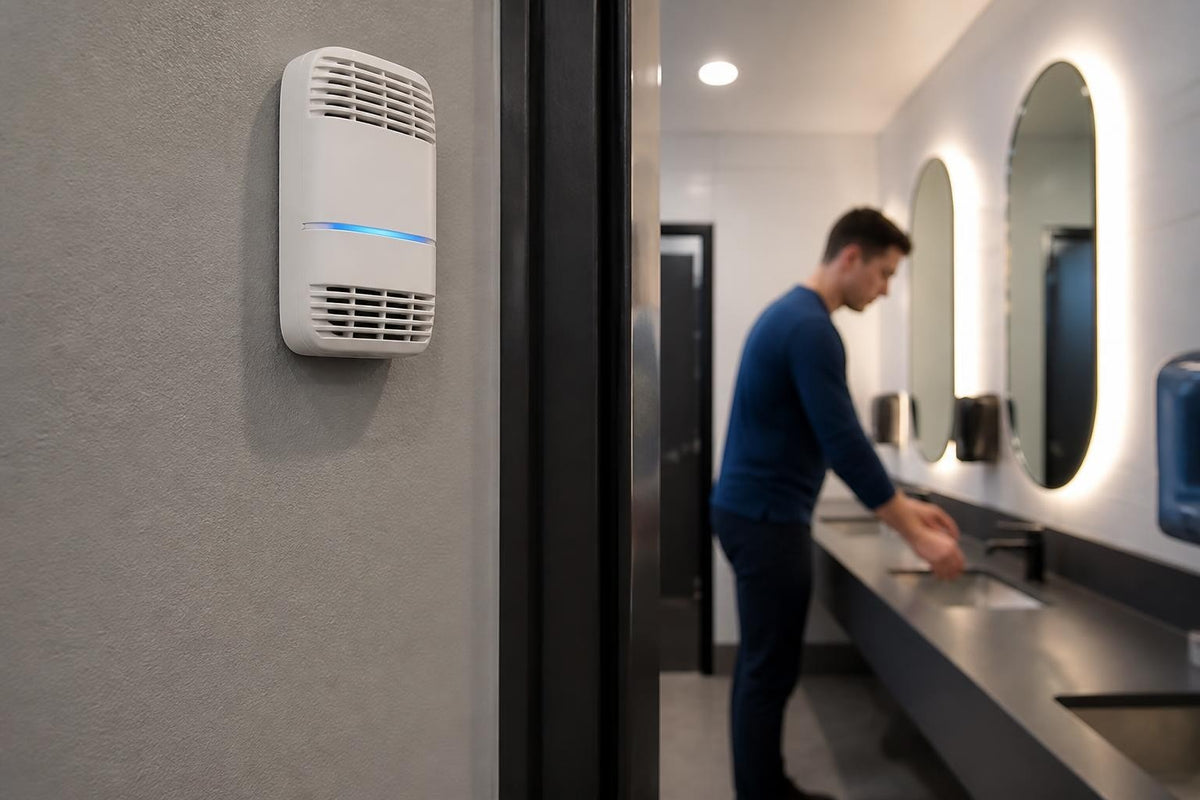
Vaping in enclosed spaces has become a persistent challenge for facility managers, headteachers, and property supervisors across the United Kingdom. Bathrooms and washrooms, in particular, present unique monitoring difficulties due to their privacy requirements and limited visibility. Vaping bathroom sensors offer a sophisticated solution to this problem, combining advanced air quality monitoring with discrete detection capabilities that respect individual privacy whilst maintaining safe, compliant environments. These devices have evolved significantly in recent years, now offering real-time alerts, data analytics, and integration with building management systems to create comprehensive monitoring solutions.
Understanding Vaping Bathroom Sensors Technology
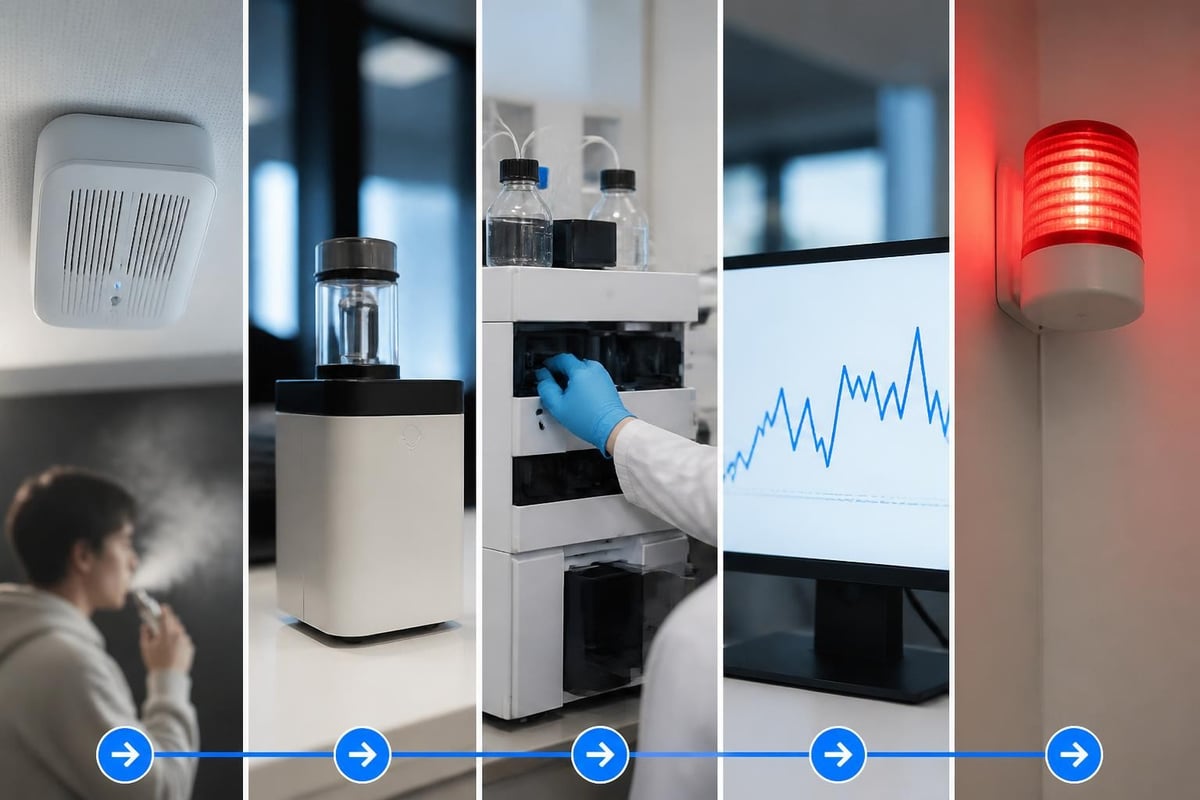
Modern vaping bathroom sensors employ a combination of detection methods to identify e-cigarette aerosols in washroom environments. Unlike traditional smoke detectors that respond primarily to combustion particles, these specialised devices analyse the unique chemical signatures and particulate matter produced by vaping devices.
The core technology relies on multiple sensor types working in concert. Particulate matter sensors measure the concentration of fine particles suspended in the air, typically in the PM2.5 and PM10 ranges. These microscopic particles are abundant in e-cigarette aerosols and provide one of the primary indicators of vaping activity. Chemical sensors detect specific volatile organic compounds (VOCs) commonly found in vape liquids, including propylene glycol, vegetable glycerine, and various flavouring compounds.
Sensor Placement and Coverage
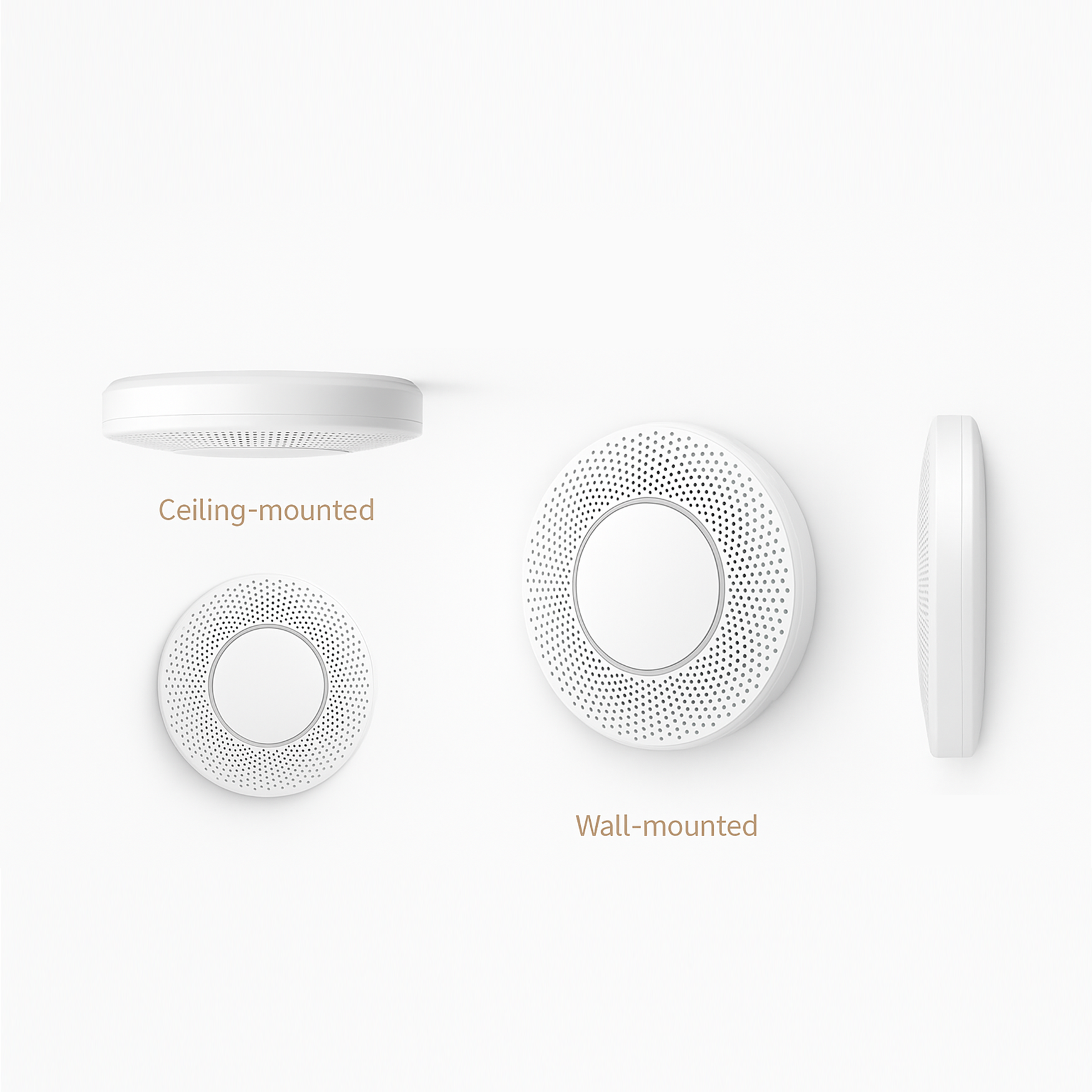
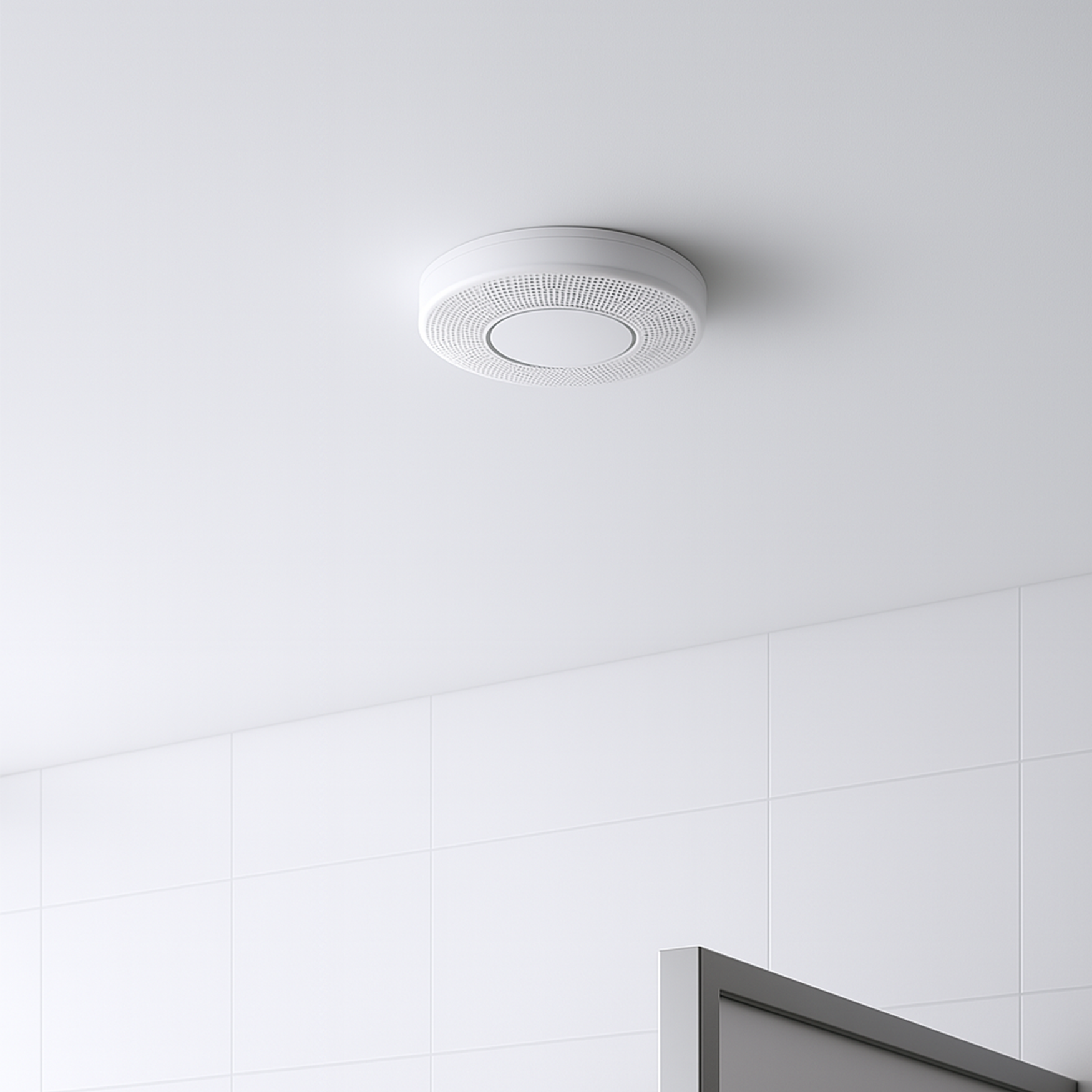
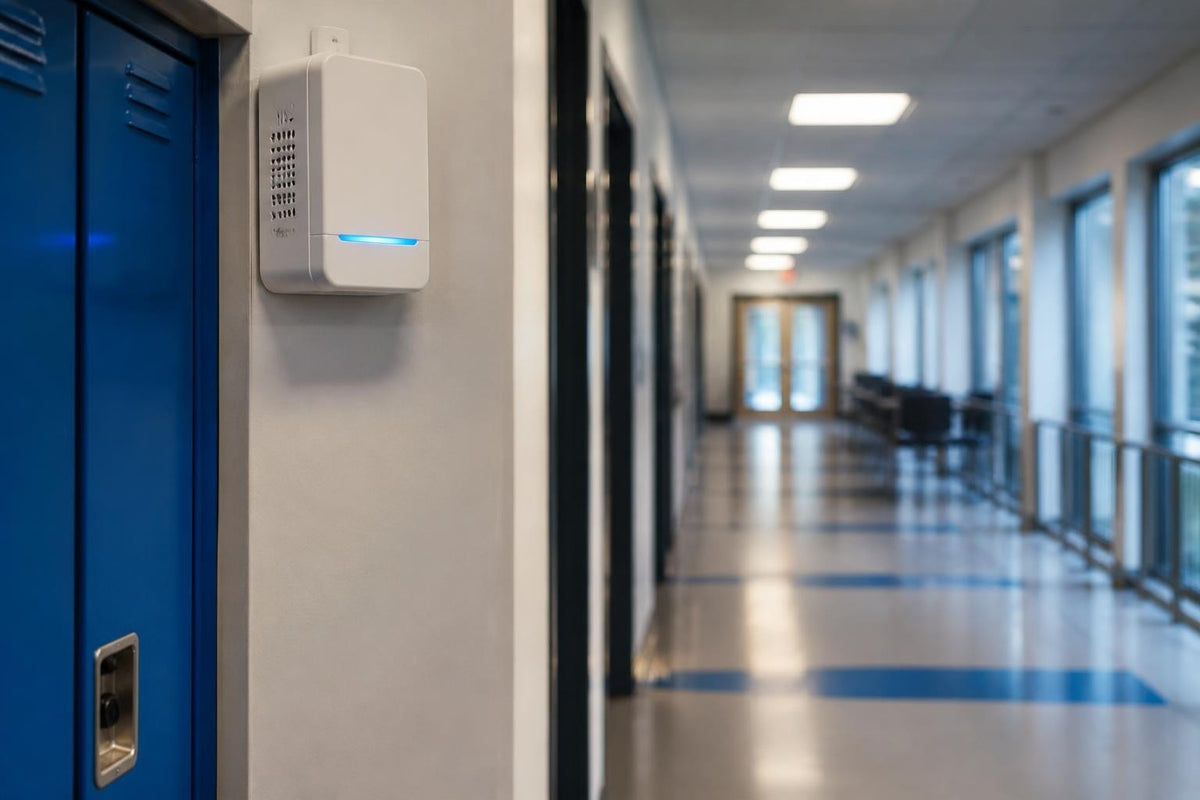
Strategic placement of vaping bathroom sensors ensures optimal detection whilst minimising false positives. Most facilities install sensors near ceiling vents or in central locations where air circulation patterns naturally draw aerosols. The EPA outlines concerns about secondhand electronic cigarette aerosol and indoor air quality, emphasising the importance of proper monitoring in enclosed spaces.
Bathroom environments present unique challenges for sensor deployment:
- High humidity from showers and hand washing can affect certain sensor types
- Air fresheners and cleaning products may contain VOCs that require calibration
- Temperature fluctuations demand sensors with wide operational ranges
- Privacy requirements necessitate audio and video-free monitoring solutions
Effective coverage typically requires one sensor per standard washroom or one sensor for every two to three toilet cubicles in larger facilities. Schools implementing vaping detection in educational settings often find that high-traffic areas demand more frequent monitoring intervals.
Detecting Vaping Versus Other Activities
Distinguishing vaping from legitimate bathroom activities represents a critical function of advanced vaping bathroom sensors. Early generation devices suffered from high false positive rates, triggering alerts for aerosol sprays, steam from hot water, or even excessive perfume application. Contemporary sensors incorporate sophisticated algorithms that analyse multiple data streams simultaneously.
| Detection Factor | Vaping Signature | Non-Vaping Activity |
|---|---|---|
| Particle size distribution | Concentrated in 0.1-1.0 μm range | Broader distribution or different peaks |
| VOC profile | Specific glycerol compounds | Variable chemical signatures |
| Concentration duration | Sudden spike followed by gradual decline | Rapid dispersal or sustained presence |
| Temperature change | Minimal impact | Often correlates with humidity |
These differentiation capabilities reduce unnecessary interventions and build confidence in the system amongst staff and facility managers. The technology examines the rate of particulate accumulation, the specific chemical fingerprint, and the temporal pattern of detection events.
Real Time Alert Systems
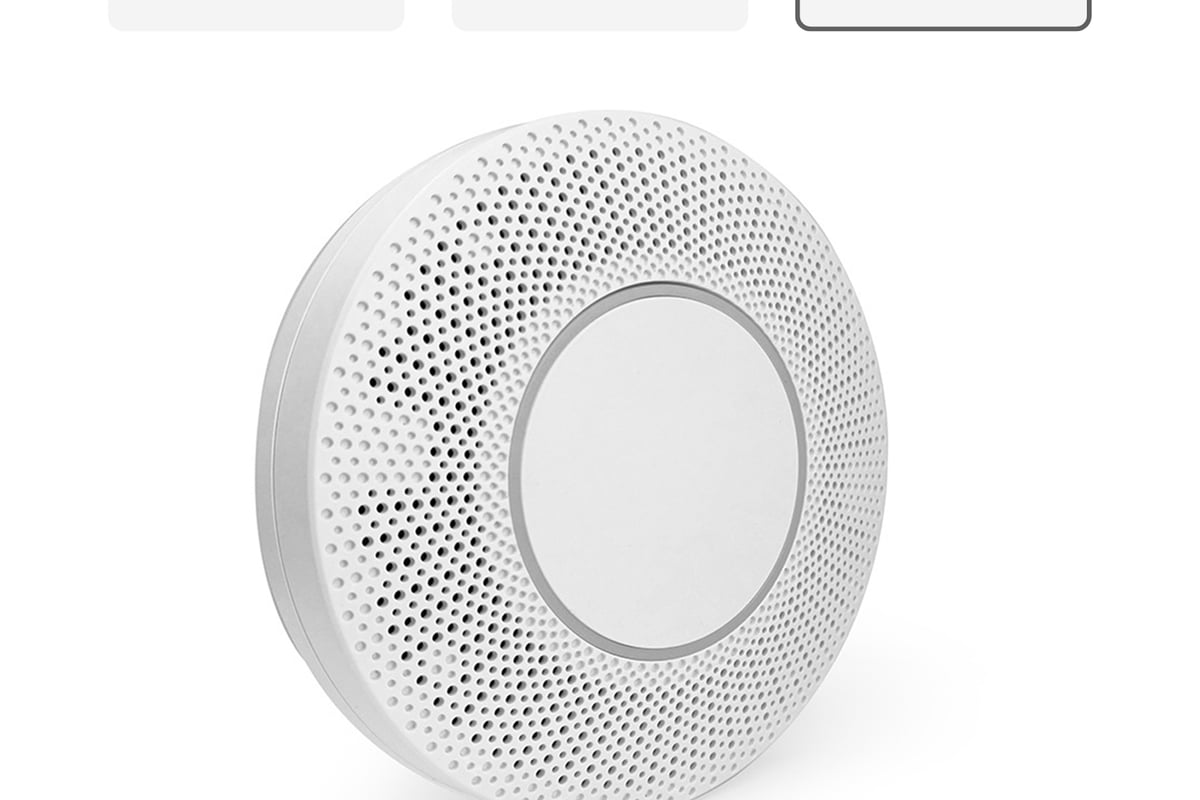
When vaping bathroom sensors identify activity exceeding preset thresholds, they transmit alerts through various channels. Modern systems support SMS notifications, email alerts, and integration with facility management software. The Vape Detection System provides real-time monitoring capabilities that enable rapid response to incidents whilst maintaining detailed records for compliance and pattern analysis.
Alert protocols typically include:
- Immediate notification to designated staff members via mobile devices
- Location identification specifying which washroom triggered the sensor
- Severity assessment based on concentration levels and duration
- Historical context comparing the event to baseline patterns
- Response tracking allowing staff to log actions taken
This multi-layered approach ensures appropriate responses whilst maintaining comprehensive documentation. Educational institutions particularly value these features, as best practices for handling vaping alerts emphasise both immediate intervention and long-term behavioural analysis.
Applications Across Different Sectors
Vaping bathroom sensors serve diverse environments, each with distinct requirements and compliance considerations. Schools face regulatory pressures to maintain vape-free premises whilst supporting student wellbeing. Commercial offices balance employee privacy with workplace health standards. Leisure facilities and hospitality venues must consider customer experience alongside safety obligations.
Educational Settings
Schools and universities represent the largest deployment sector for vaping bathroom sensors. Research published in peer-reviewed studies on smart vape detection demonstrates measurable reductions in vaping incidents following sensor installation, with some institutions reporting decreases of 60-70% within the first academic term.
Educational environments benefit from sensors that integrate with existing safeguarding protocols. Detection systems can trigger interventions aligned with pastoral care approaches rather than purely disciplinary responses. Senior leadership teams increasingly view these technologies as tools for student support rather than simple enforcement mechanisms.
Privacy considerations remain paramount in educational contexts. The legal analysis of vape detectors in schools examines constitutional boundaries and reasonable expectations, providing frameworks for compliant implementation.
Commercial and Office Environments
Office deployments prioritise discrete monitoring that respects employee privacy whilst maintaining healthy indoor air quality. Many organisations incorporate vaping bathroom sensors as part of broader wellness initiatives and environmental health programmes.
Corporate installations often emphasise data collection for compliance reporting rather than individual incident response. Aggregate data helps facilities managers understand usage patterns, optimise ventilation systems, and demonstrate adherence to health and safety regulations.

Installation and Operational Considerations
Deploying effective vaping bathroom sensors requires careful planning beyond simply mounting devices on walls. Successful installations consider ventilation patterns, sensor calibration, network connectivity, and ongoing maintenance protocols.
Technical Requirements
Most contemporary sensors require reliable network connectivity for real-time alerts and data synchronisation. Options include:
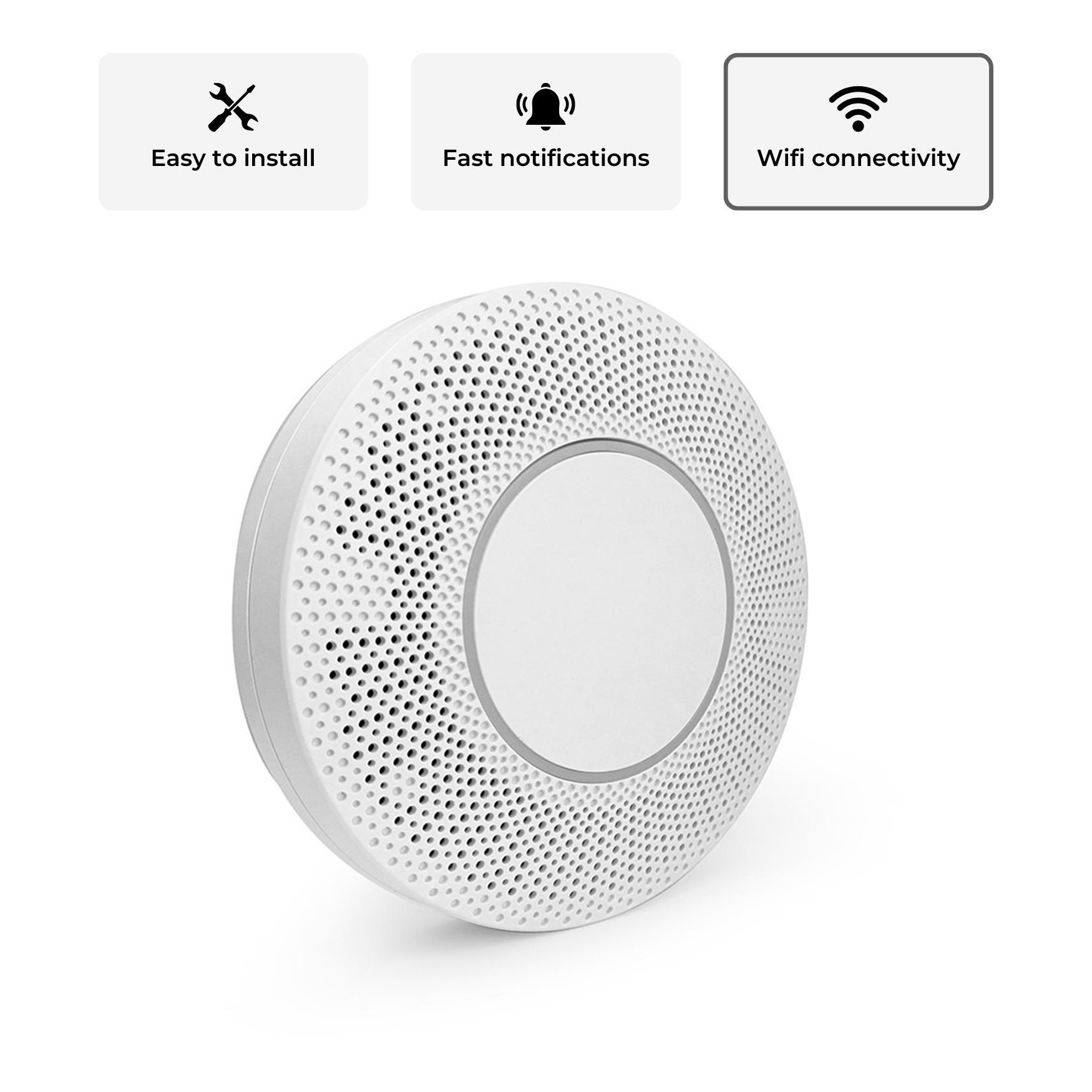
- Wi-Fi connectivity utilising existing building networks
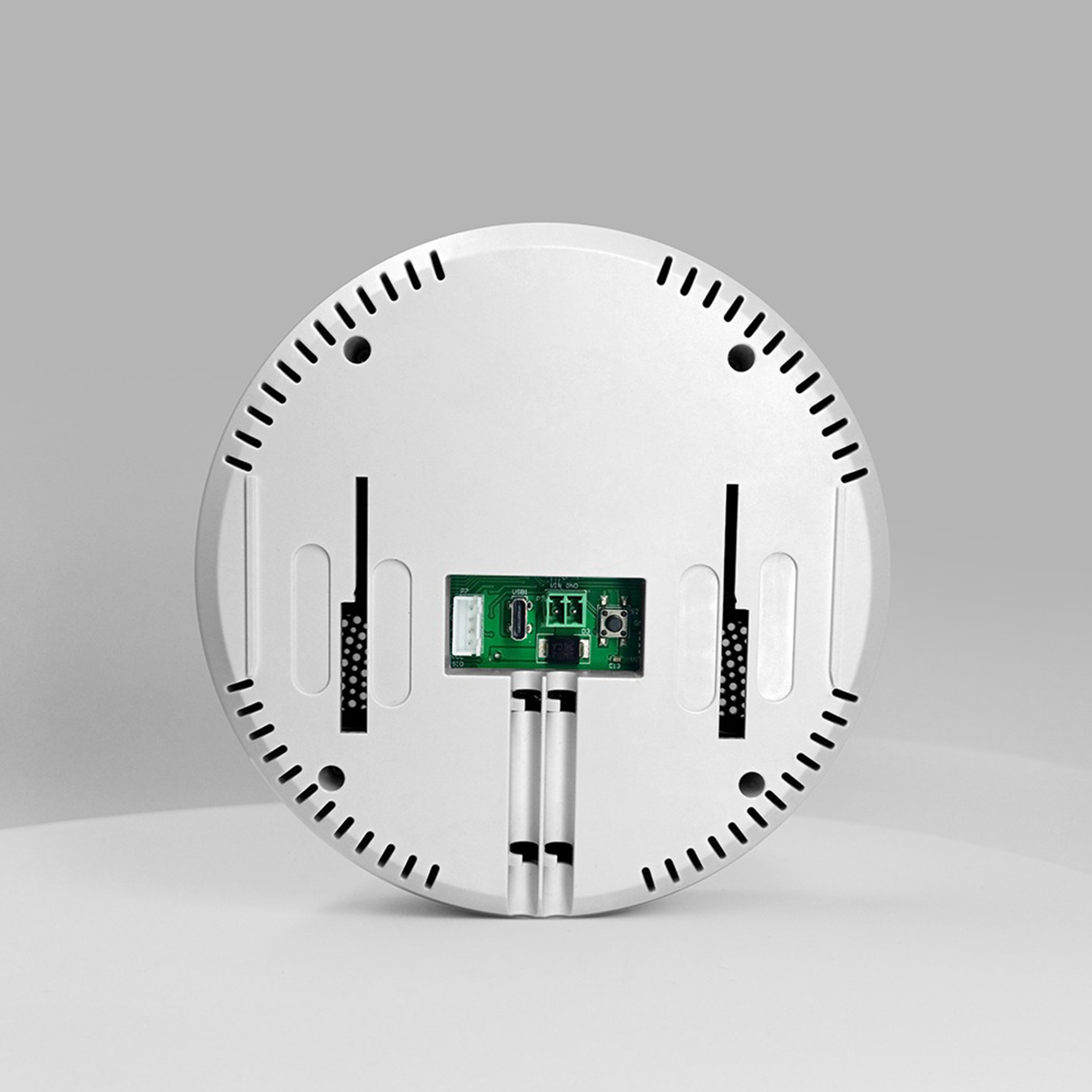
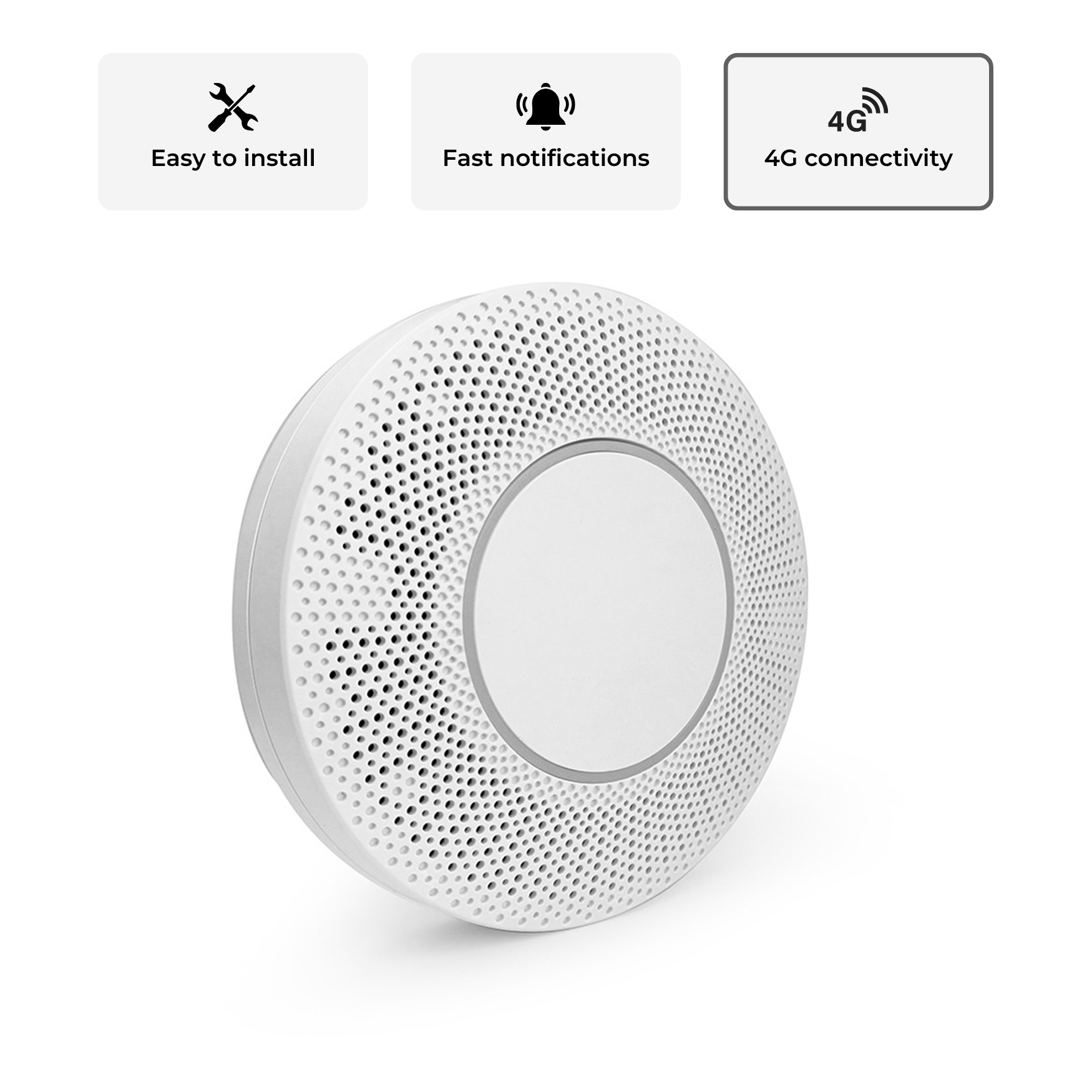
- Cellular connectivity via 4G or 5G modules for standalone operation
- Ethernet connections in facilities with comprehensive wired infrastructure
- Mesh networking creating sensor-to-sensor communication in large deployments
Power requirements vary by model, with some units operating on mains electricity and others utilising long-life batteries. Battery-powered units offer installation flexibility but demand regular replacement schedules. Understanding ventilation impacts on aerosol dispersion helps optimise sensor positioning relative to air circulation patterns.
Calibration and Baseline Establishment
New vaping bathroom sensors require an initial calibration period during which they establish baseline readings for the specific environment. This learning phase typically spans one to two weeks, during which the system catalogues normal air quality variations, cleaning schedules, and usage patterns.
Calibration factors include:
- Ambient particle levels during typical non-vaping periods
- Chemical signatures from cleaning products and air fresheners
- Humidity ranges throughout daily and seasonal cycles
- Temperature variations affecting sensor sensitivity
- Peak usage times when legitimate aerosols may be present
Facilities with unique characteristics, such as swimming pools in leisure centres or chemical laboratories in schools, require customised calibration profiles. The ASHRAE position documents provide technical guidance on indoor environmental health standards applicable to various building types.
Data Analytics and Pattern Recognition
Beyond immediate incident detection, vaping bathroom sensors generate valuable data for understanding long-term trends and optimising intervention strategies. Advanced systems employ machine learning algorithms that improve detection accuracy over time whilst identifying patterns invisible to manual observation.
Behavioural Insights
Aggregated sensor data reveals temporal patterns in vaping activity. Educational institutions frequently discover that incidents cluster around specific times, such as break periods or immediately before examinations. This intelligence enables targeted supervision and support interventions during high-risk periods.
Commercial facilities observe different patterns, often correlating with work schedules, stress periods, or specific events. Reporting on school surveillance technology highlights how data-driven insights inform policy decisions and resource allocation.
| Data Point | Actionable Insight | Implementation Example |
|---|---|---|
| Peak detection times | Schedule additional supervision | Position staff near monitored areas during break times |
| Repeat location patterns | Identify high-risk areas | Increase signage and deterrent messaging in specific washrooms |
| Frequency trends | Evaluate intervention effectiveness | Adjust educational programmes based on incident changes |
| User behaviour correlation | Support individual needs | Identify students requiring pastoral support |
Privacy and Data Protection
Responsible deployment of vaping bathroom sensors necessitates robust data protection practices aligned with GDPR and UK data protection legislation. Unlike video surveillance, these sensors collect environmental data rather than personally identifiable information, offering privacy advantages whilst maintaining effectiveness.
Best practice protocols include:
- Transparent communication about sensor presence and purpose
- Limited data retention aligned with legitimate operational needs
- Access controls restricting data review to authorised personnel
- Regular audits ensuring compliance with privacy policies
- Clear signage informing occupants about environmental monitoring
Educational institutions must balance detection capabilities with legal and constitutional considerations, ensuring that monitoring practices respect student rights whilst maintaining safe environments.
Integration with Broader Safety Systems
Modern vaping bathroom sensors function as components within comprehensive facility safety ecosystems rather than isolated devices. Integration capabilities extend their value beyond vaping detection to encompass air quality monitoring, occupancy management, and emergency response coordination.
Air Quality Monitoring
Many sensors simultaneously track additional environmental parameters:
- Carbon dioxide levels indicating ventilation adequacy
- Temperature and humidity for comfort and mould prevention
- Nitrogen dioxide from combustion sources
- Total VOC concentrations beyond vaping-specific compounds
This multi-parameter monitoring supports broader indoor air quality initiatives and provides context for interpreting vaping detection events. Facilities can identify whether poor ventilation contributes to elevated readings and address underlying environmental issues.
Emergency Response Integration
Advanced deployments connect vaping bathroom sensors to building management systems, enabling coordinated responses to various scenarios. Detection of unusual chemical signatures might indicate not only vaping but potentially more serious concerns requiring immediate attention.
Integration benefits include:
- Automated ventilation adjustments increasing air exchange rates upon detection
- Access control coordination for secure facility management
- Lighting system integration for incident documentation without cameras
- Alert escalation protocols routing notifications based on severity and response times
- Centralised monitoring dashboards providing facility-wide visibility
Schools implementing vape detection systems often discover additional applications for the technology, including monitoring for other prohibited substances or detecting maintenance issues through air quality anomalies.
Maintenance and Ongoing Optimisation
Sustaining effective vaping bathroom sensor performance requires regular maintenance schedules and periodic optimisation. Environmental conditions change seasonally, usage patterns evolve, and sensor components experience natural degradation requiring attention.
Routine Maintenance Tasks
Recommended maintenance protocols include:
- Monthly sensor inspection checking for physical damage or obstruction
- Quarterly calibration verification ensuring continued accuracy
- Annual component replacement for consumable elements like filters
- Software updates maintaining current detection algorithms
- Connectivity testing confirming reliable network performance
Facilities should establish clear maintenance responsibilities, often assigning tasks to property teams whilst engaging specialist support for technical calibration and software management. Understanding hardware specifications and requirements helps maintenance personnel identify potential issues before they compromise detection capabilities.
Performance Optimisation
Over time, facilities should review detection data to optimise sensor settings and placement. This iterative refinement process considers:
False positive reduction adjusting sensitivity thresholds based on actual incident verification
Coverage gap identification adding sensors to areas with suspected but undetected activity
Alert fatigue mitigation tuning notification protocols to maintain staff responsiveness
Seasonal adjustments accounting for temperature and humidity variations
Usage pattern adaptation modifying monitoring intensity based on temporal trends
Educational institutions particularly benefit from term-by-term reviews, adjusting strategies as student populations change and behavioural patterns evolve. Multi-academy trusts implementing sensors across multiple sites often develop shared optimisation protocols informed by collective experience.
Effectiveness and Measurable Outcomes
Organisations deploying vaping bathroom sensors seek tangible evidence of return on investment and programme effectiveness. Multiple metrics demonstrate the value these systems provide across safety, compliance, and operational domains.
Incident Reduction Metrics
Primary success indicators include:
| Metric | Typical Improvement | Measurement Period |
|---|---|---|
| Detected vaping incidents | 60-75% reduction | First 6 months post-installation |
| Repeat offender rates | 40-50% decrease | Academic year or annual cycle |
| Staff intervention time | 30-40% reduction | Quarterly assessment |
| Facility damage costs | 20-35% savings | Annual comparison |
These improvements stem from both deterrent effects (users avoiding monitored areas) and early intervention (preventing escalation of initial experimentation). Case studies from educational deployments document significant behavioural changes following sensor installation.
Compliance and Documentation Benefits
Beyond immediate incident reduction, vaping bathroom sensors provide audit trails demonstrating proactive safety measures. Schools satisfy regulatory requirements, whilst commercial facilities document due diligence for insurance and liability purposes.
Documentation capabilities support:
- Health and safety audits with timestamped environmental data
- Policy compliance verification showing enforcement consistency
- Trend reporting for governance bodies and stakeholders
- Incident investigation providing objective evidence
- Resource allocation justification through usage pattern analysis
Media coverage, including reporting on implementation experiences, has increased stakeholder expectations for comprehensive vaping prevention programmes, making documented detection capabilities increasingly valuable for institutional reputation.
Selecting Appropriate Vaping Bathroom Sensors
Choosing suitable sensors for specific environments requires evaluating technical capabilities against operational requirements and budget constraints. The market offers diverse options with varying sophistication levels, detection methods, and integration capabilities.
Key Selection Criteria
Procurement decisions should consider:
Detection technology evaluating the sensor types and algorithms employed
Alert mechanisms assessing notification options and integration capabilities
Installation requirements understanding power, connectivity, and mounting needs
Maintenance demands calculating ongoing operational costs
Scalability ensuring systems accommodate future expansion
Support availability confirming responsive technical assistance
Data management reviewing analytics capabilities and privacy compliance
Educational buyers should review vape detector options specifically designed for schools, whilst commercial facilities may prioritise different feature sets aligned with workplace requirements.
Total Cost Considerations
Comprehensive cost analysis extends beyond initial hardware purchases to encompass installation, ongoing monitoring, maintenance, and personnel time. Typical cost components include:
- Hardware acquisition covering sensors, mounting hardware, and accessories
- Installation labour for mounting, network configuration, and calibration
- Subscription fees for cloud-based monitoring and analytics platforms
- Maintenance contracts ensuring regular servicing and component replacement
- Training costs preparing staff to respond effectively to alerts
- System administration managing users, reviewing data, and optimising settings
Organisations should project three to five year total ownership costs when comparing alternatives, recognising that higher initial investments often deliver lower long-term expenses through reliability and reduced maintenance requirements.
Vaping bathroom sensors have evolved into sophisticated tools that protect indoor air quality, support compliance obligations, and enable data-driven facility management across educational, commercial, and leisure environments. By combining multiple detection technologies with intelligent analytics, these systems provide reliable monitoring whilst respecting privacy and operational constraints. Whether your priority is reducing student vaping incidents, maintaining workplace health standards, or documenting safety compliance, effective sensor deployment delivers measurable value and peace of mind. Vape Guardian offers comprehensive vaping detection solutions tailored to your specific environment, backed by responsive support and proven technology that creates safer spaces for everyone.


Share:
Vaping Sensors for Schools: Complete Guide 2026
Sensors to Detect Vaping: Technology & Implementation