
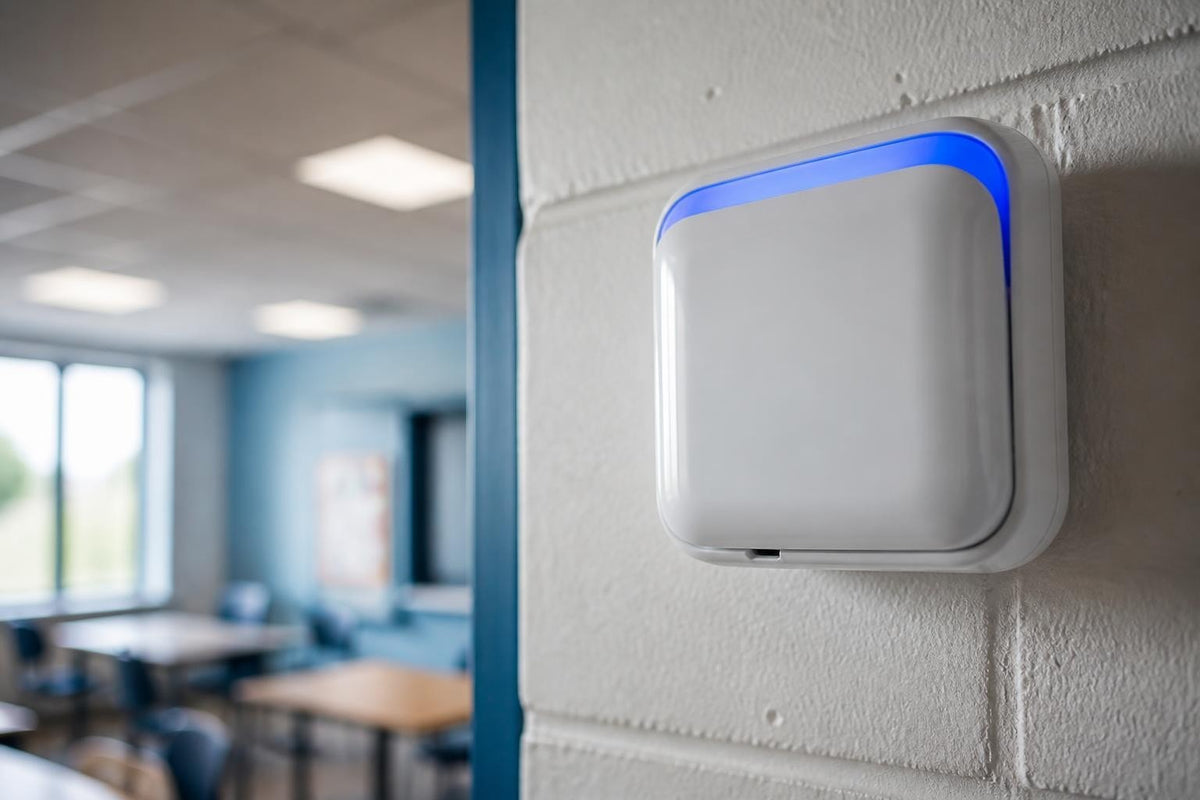
The growing prevalence of vaping in schools, workplaces, and public spaces has created an urgent need for effective detection solutions. As traditional smoke detectors prove inadequate for identifying e-cigarette aerosols, organisations across the UK are turning to specialised sensors to detect vaping and maintain safer, healthier environments. These sophisticated devices combine multiple sensing technologies to identify the unique chemical signatures and particulate patterns associated with vaping activity, offering real-time alerts and comprehensive monitoring capabilities that transform how institutions address this modern challenge.
Understanding the Science Behind Vaping Detection
Sensors to detect vaping operate on fundamentally different principles than conventional smoke detectors. E-cigarette aerosols contain distinct chemical compounds, including propylene glycol, vegetable glycerin, nicotine, and various flavouring agents, each producing identifiable signatures when released into the air. Modern detection systems leverage this chemical uniqueness through multiple sensing methodologies.
Particulate matter sensors form the foundation of most vaping detection systems. These devices measure the concentration and size distribution of airborne particles, with vaping typically producing particles in the 0.3 to 2.5 micrometre range. A field study of real-world vape detection deployment in secondary schools demonstrated how particulate matter based sensors successfully identified vaping incidents when combined with pattern recognition algorithms.
Chemical Signature Detection Methods
Beyond particle counting, advanced sensors to detect vaping employ chemical analysis techniques. Electrochemical sensors respond to specific volatile organic compounds present in e-cigarette vapour. These components detect changes in electrical conductivity when target molecules interact with sensor surfaces, providing highly selective identification of vaping related chemicals.
Research into analytical methods for quantifying nicotine in e-cigarette aerosols has revealed the precise chemical markers that distinguish vaping from other indoor activities. Whilst laboratory grade spectrometry remains the gold standard for chemical identification, practical field sensors adapt these principles into compact, affordable units suitable for continuous monitoring.
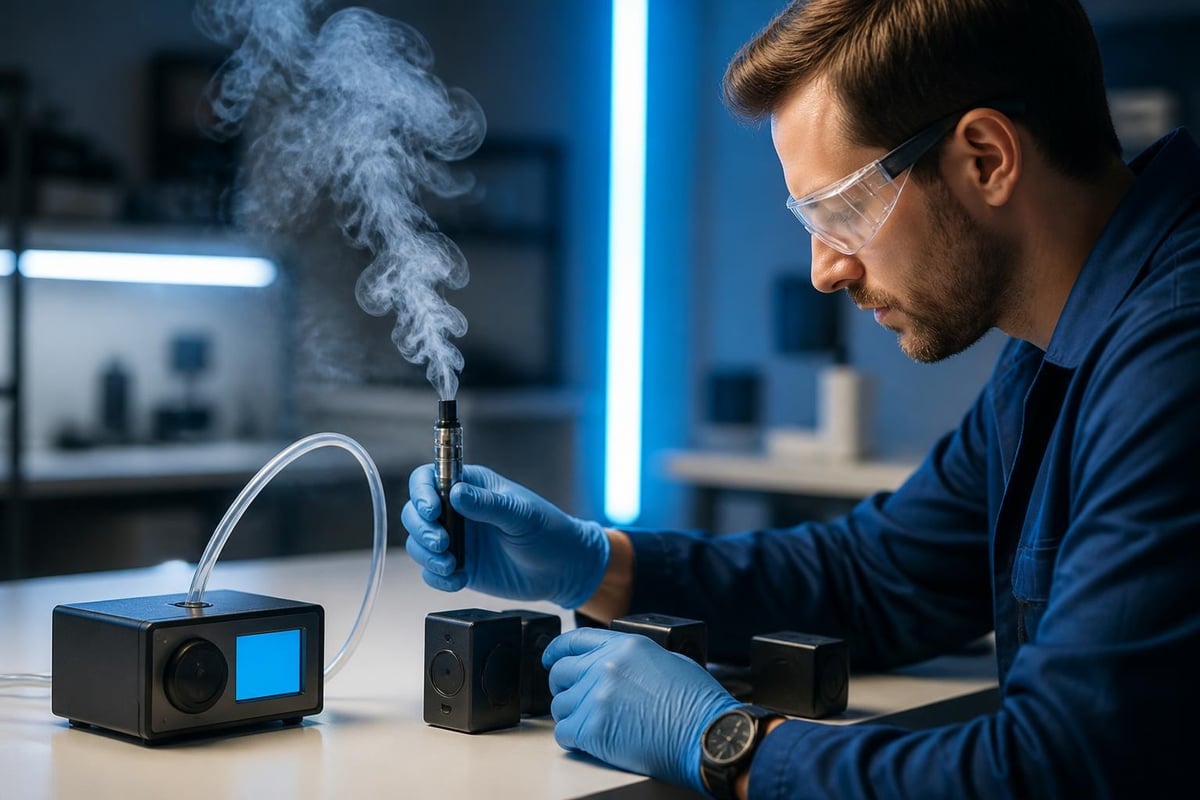
Key Technologies in Modern Vaping Detection Systems
The most effective sensors to detect vaping integrate multiple technologies to minimise false positives whilst maintaining high sensitivity. This multi-modal approach ensures reliable detection across varying environmental conditions and vaping device types.
| Technology Type | Detection Method | Primary Advantage | Typical Application |
|---|---|---|---|
| Optical Particle Counter | Light scattering measurement | High sensitivity to aerosol size | Primary detection layer |
| Electrochemical Sensor | Chemical compound reaction | Specific VOC identification | Confirmation layer |
| Air Quality Monitor | Multiple gas detection | Broad environmental context | Baseline establishment |
| Acoustic Sensor | Sound pattern recognition | Device-specific identification | Enhanced verification |
Particulate Matter Monitoring
Optical particle counters represent the most widely deployed technology in sensors to detect vaping. These devices project a laser beam through an air sample, measuring scattered light to determine particle concentration and size distribution. The distinctive aerosol profile from vaping devices creates recognisable patterns that algorithms can distinguish from cooking, cleaning products, or ambient dust.
According to a comprehensive review of detection technologies for indoor hazardous air pollutants, optical sensors offer the optimal balance between cost, sensitivity, and reliability for continuous monitoring applications. Their ability to provide real-time data enables immediate alerting when vaping activity occurs.
Volatile Organic Compound Detection
Electrochemical and metal oxide semiconductor sensors detect the volatile organic compounds released during vaping. Propylene glycol and vegetable glycerin, the primary constituents of e-liquid, produce distinctive VOC signatures when heated and aerosolised. These sensors complement particulate monitoring by providing chemical confirmation of vaping rather than other aerosol sources.
Modern sensors to detect vaping often incorporate arrays of VOC sensors, each tuned to different chemical families. This multi-gas approach enhances specificity whilst reducing false alarms from perfumes, hand sanitisers, or cleaning products that might trigger single-sensor systems.
Deployment Strategies for Educational Settings
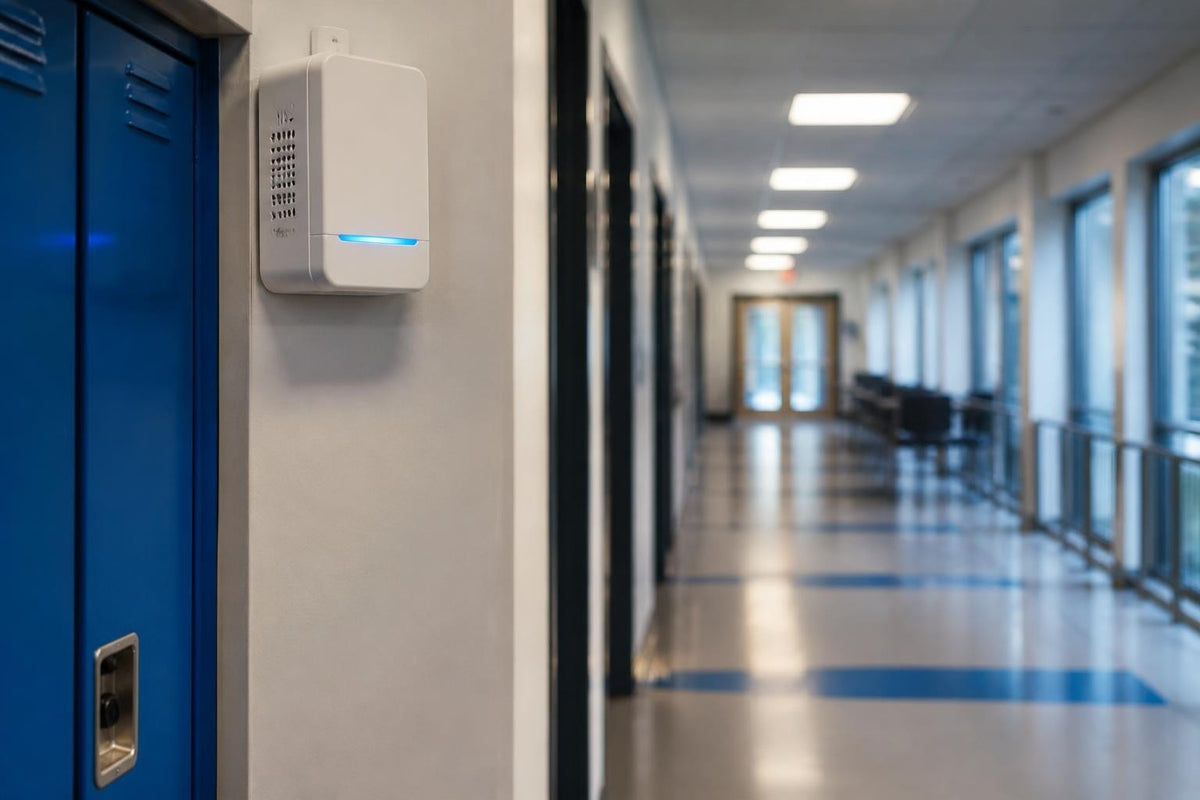
Schools represent the primary deployment environment for sensors to detect vaping, with bathroom facilities requiring particular attention. The privacy-sensitive nature of these spaces demands sensors that detect without visual monitoring, making environmental sensing the ideal solution.
Strategic placement maximises detection effectiveness whilst managing installation costs:
- High-risk areas first: Install sensors in bathrooms, changing rooms, and secluded corridors where vaping typically occurs
- Coverage optimisation: Position sensors to account for air flow patterns and ventilation system dynamics
- Integration points: Connect sensors to existing alert systems, enabling immediate staff notification
- Network infrastructure: Ensure reliable connectivity for real-time data transmission and remote monitoring
- Environmental baseline: Allow sensors to learn normal environmental patterns before activating alerts
The Vape Detection System combines advanced particulate and chemical sensing with intelligent software that learns each environment's unique baseline, reducing false positives whilst maintaining high sensitivity to genuine vaping incidents. This integrated approach proves particularly valuable in schools, where diverse activities generate varying air quality signatures throughout the day.

Establishing Effective Alert Protocols
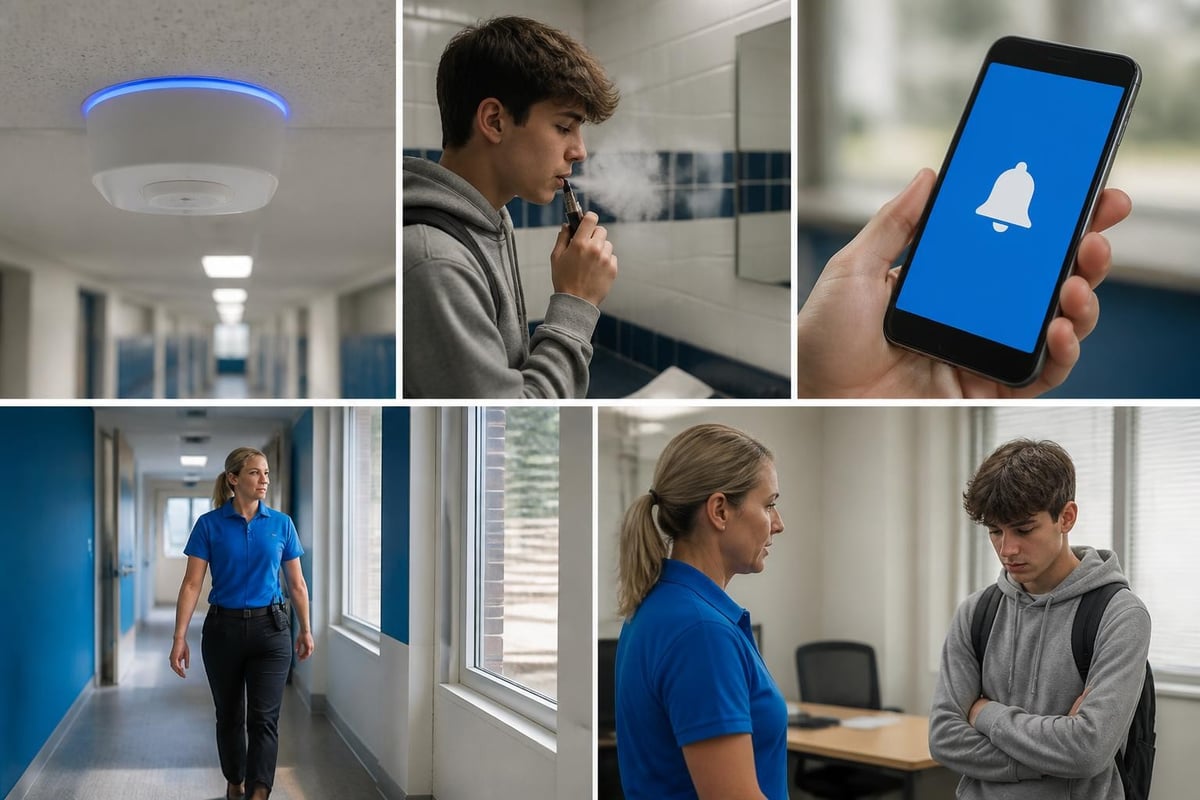
Sensors to detect vaping deliver maximum value when paired with clear response procedures. Immediate alerts to designated staff members enable timely intervention, whilst logged data provides evidence for policy enforcement and pattern analysis.
Effective alert systems feature:
- Tiered notifications based on detection confidence levels
- Location-specific routing to staff members responsible for particular areas
- Escalation procedures for repeated incidents
- Privacy-compliant logging that records environmental data without visual surveillance
- Remote acknowledgement allowing staff to confirm receipt and response
Educational institutions implementing comprehensive vape-free policies find that visible sensor installations combined with clear communication about detection capabilities create significant deterrent effects, reducing incidents before they occur.
Workplace and Commercial Applications
Whilst educational settings receive considerable attention, sensors to detect vaping serve equally important functions in workplaces, hospitality venues, and commercial properties. The hidden health risks of vaping in office environments extend beyond the individuals vaping to affect colleagues through secondhand aerosol exposure.
Office deployments typically focus on:
- Shared facilities: Bathrooms, break rooms, and informal gathering spaces
- Compliance zones: Areas where health and safety regulations prohibit vaping
- Client-facing spaces: Reception areas and meeting rooms requiring maintained air quality
- Outdoor perimeters: Entrances and designated areas requiring monitoring
Air Quality Integration
Modern sensors to detect vaping often incorporate comprehensive air quality monitoring, tracking parameters including PM2.5, PM10, carbon dioxide, temperature, and humidity. This holistic approach provides facilities managers with complete environmental insight, supporting both vaping detection and general indoor air quality optimisation.
The EPA Air Sensor Toolbox offers authoritative guidance on selecting and deploying air quality sensors, including considerations for performance verification and data interpretation. Understanding these principles ensures organisations choose sensors meeting appropriate performance standards for their applications.
Performance Standards and Validation
Not all sensors to detect vaping deliver equivalent performance. Evaluating detection capabilities requires understanding the metrics that define sensor effectiveness and the testing protocols that verify manufacturer claims.
Critical Performance Metrics
| Metric | Definition | Typical Target | Importance |
|---|---|---|---|
| Sensitivity | Minimum detectable aerosol concentration | 10-50 μg/m³ | Ensures early detection |
| Specificity | Ability to distinguish vaping from other sources | >90% accuracy | Reduces false positives |
| Response Time | Delay between vaping event and alert | <60 seconds | Enables timely intervention |
| False Positive Rate | Incorrect alerts per monitoring period | <1% daily | Maintains staff trust |
| Coverage Area | Effective monitoring radius | 15-25 m² | Determines installation density |
The EPA's sensor performance targets and testing protocols establish expectations for particulate matter sensors that inform vaping detection capabilities. Sensors claiming vaping detection should demonstrate performance against these established benchmarks.
Real-World Testing Considerations
Laboratory validation provides baseline performance data, but real-world effectiveness depends on environmental factors including ventilation rates, background particle levels, and temperature variations. Organisations deploying sensors to detect vaping should conduct field trials in representative environments before full-scale installation.
Testing protocols should include:
- Controlled vaping events using various device types and e-liquid compositions
- Environmental interference tests with common aerosol sources present
- Alert verification confirming notification systems function correctly
- Coverage mapping identifying sensor effective range in actual spaces
- Seasonal validation accounting for heating, cooling, and ventilation changes
Integration with Monitoring Platforms
Standalone sensors to detect vaping provide limited value compared to integrated monitoring systems that collect, analyse, and visualise detection data. Cloud-based platforms transform individual sensor alerts into actionable intelligence supporting policy enforcement and environmental management.
Comprehensive monitoring platforms offer:
- Real-time dashboards displaying current status across all monitored locations
- Historical trend analysis revealing patterns in vaping activity
- Automated reporting for compliance documentation and stakeholder communication
- Alert management interfaces enabling staff response tracking
- Environmental correlation identifying conditions associated with increased vaping
Data Privacy and Compliance
Whilst sensors to detect vaping monitor environmental conditions rather than individuals, organisations must address privacy considerations in their deployment. Unlike video surveillance, environmental sensors detect activities without identifying specific individuals, offering a privacy-respectful approach to policy enforcement.
UK institutions implementing detection systems should ensure compliance with data protection regulations, establishing clear policies regarding data retention, access controls, and usage limitations. Transparency about monitoring practices, including informing students, employees, or visitors about sensor presence, supports ethical deployment whilst maintaining deterrent effects.
Schools seeking comprehensive approaches to tackling vaping challenges find that combining detection technology with education programmes and supportive intervention strategies delivers superior outcomes compared to enforcement alone.
Cost Considerations and Return on Investment
Investment in sensors to detect vaping requires evaluating both direct costs and broader organisational impacts. Whilst hardware and installation represent obvious expenses, the return on investment extends beyond simple cost recovery to encompass health benefits, policy compliance, and reputational protection.
Direct Cost Components
Initial deployment costs for sensors to detect vaping include:
- Hardware: Sensor units ranging from £200 to £800 per device depending on capabilities
- Installation: Electrical work, mounting, and network connectivity
- Software subscriptions: Cloud platform access and data storage
- Integration: Connecting sensors to existing alert and monitoring systems
- Training: Staff education on system operation and response protocols
Organisations typically require one sensor per 15 to 25 square metres in high-risk areas, with lower-risk spaces monitored at reduced density or excluded entirely based on risk assessment.
Quantifying Benefits
The return on investment from sensors to detect vaping manifests through multiple channels:
- Reduced enforcement costs: Automated detection replaces labour-intensive manual monitoring
- Decreased property damage: Early intervention prevents damage from concealed vaping in bathrooms and facilities
- Health protection: Reduced secondhand aerosol exposure lowers health risks for non-vaping individuals
- Compliance assurance: Documented monitoring demonstrates duty of care and policy enforcement
- Deterrent effects: Visible sensor presence reduces vaping incidents
Educational institutions exploring vape detector costs and ROI calculations find that comprehensive analysis reveals positive returns within 12 to 24 months for most deployment scenarios.
Future Developments in Detection Technology
The field of sensors to detect vaping continues evolving as manufacturers refine existing technologies and develop novel detection approaches. Understanding emerging trends helps organisations plan deployments that remain effective as vaping devices and behaviours change.
Emerging Sensor Technologies
Next-generation sensors to detect vaping incorporate:
- Machine learning algorithms that improve detection accuracy through pattern recognition
- Multi-spectral optical analysis distinguishing aerosol types by particle composition
- Miniaturised mass spectrometry enabling chemical identification in compact formats
- Networked sensor arrays providing spatial tracking of aerosol dispersion
- Predictive analytics identifying high-risk times and locations before incidents occur
Adapting to Device Evolution
As vaping devices evolve, sensors to detect vaping must adapt to new aerosol formulations, particle size distributions, and usage patterns. Temperature-controlled devices, alternative heating methods, and changing e-liquid compositions require sensors with sufficient flexibility to detect diverse vaping signatures.
The most effective systems employ adaptive algorithms that continuously learn from new detection events, updating their recognition patterns without requiring manual reconfiguration. This machine learning approach ensures long-term effectiveness despite evolving vaping technology.
Implementation Best Practices
Successful deployment of sensors to detect vaping extends beyond hardware installation to encompass policy development, staff training, and continuous improvement processes. Organisations achieving optimal results follow structured implementation frameworks that address technical, operational, and cultural dimensions.
Pre-Deployment Planning
Effective implementations begin with thorough planning:
- Risk assessment: Identify locations where vaping occurs most frequently
- Stakeholder engagement: Involve staff, students, or employees in policy development
- Clear objectives: Define specific goals for detection system deployment
- Resource allocation: Secure budget for hardware, installation, and ongoing operation
- Policy framework: Establish consequences for detected vaping that balance enforcement with support
Exploring comprehensive sensor collections provides insight into available options suited to different environments and deployment scales.
Operational Excellence
Maintaining effective detection requires ongoing attention:
- Regular sensor calibration and maintenance to ensure consistent performance
- Alert response protocol refinement based on operational experience
- Data analysis to identify patterns and optimise sensor placement
- Periodic performance testing to verify continued effectiveness
- Staff training updates incorporating lessons learned
Organisations committed to creating vape-free environments find that sustained focus on operational excellence delivers superior long-term outcomes compared to install-and-forget approaches.
Addressing Common Challenges
Deploying sensors to detect vaping presents challenges that organisations must anticipate and address. Understanding common obstacles and proven solutions accelerates successful implementation.
False Positive Management
The most frequent operational challenge involves false positive alerts triggered by non-vaping aerosol sources. Cooking activities, cleaning products, perfumes, and hair styling products can generate particles or VOCs that activate sensitive detection systems.
Mitigation strategies include:
- Baseline learning periods allowing sensors to establish normal environmental patterns
- Multi-sensor confirmation requiring agreement between different detection methods
- Adjustable sensitivity thresholds customised to specific environments
- Temporal filtering ignoring brief spikes characteristic of benign sources
- Location-specific tuning recognising that bathrooms differ from corridors or classrooms
Technical Infrastructure Requirements
Sensors to detect vaping require reliable network connectivity for real-time alerting and data collection. Facilities with limited WiFi coverage in bathrooms or poor cellular signals face deployment challenges requiring infrastructure investment.
Solutions include:
- Extending network infrastructure to monitoring locations
- Implementing local alert systems with periodic data synchronisation
- Utilising mesh networking among sensor units
- Deploying standalone sensors with integrated cellular connectivity
- Upgrading facility networking as part of broader modernisation initiatives
Understanding evidence-based best practices for bathroom deployment helps organisations navigate technical and operational challenges specific to these privacy-sensitive spaces.
Regulatory and Policy Considerations
The legal and regulatory landscape surrounding vaping continues evolving, with implications for detection system deployment. UK organisations must navigate changing regulations whilst maintaining effective monitoring programmes.
Current UK Regulatory Environment
Recent developments in UK vaping legislation affect how educational institutions and workplaces approach detection and enforcement. Understanding legal obligations and permitted responses ensures organisations deploy sensors to detect vaping within appropriate regulatory frameworks.
Key considerations include:
- Age verification requirements for vaping products
- Designated smoking and vaping area regulations
- Workplace health and safety obligations
- Educational duty of care responsibilities
- Data protection compliance for monitoring systems
Enforcement and Support Balance
Effective vaping policies balance enforcement with support for individuals seeking to reduce or cease vaping. Sensors to detect vaping provide evidence enabling interventions that range from educational conversations to formal disciplinary actions, depending on organisational policy and individual circumstances.
Progressive approaches combine detection with:
- Counselling and support services for individuals struggling with nicotine dependence
- Educational programmes explaining vaping health risks
- Alternative stress management resources
- Graduated response protocols matching consequences to severity and frequency
- Recognition and positive reinforcement for compliance
Sensors to detect vaping represent a transformative technology for organisations committed to maintaining healthier, safer environments in 2026. By combining multiple detection modalities, intelligent algorithms, and comprehensive monitoring platforms, these systems provide reliable identification of vaping activity whilst respecting privacy and supporting balanced policy enforcement. Whether you're addressing underage vaping in schools, maintaining compliance in workplaces, or protecting air quality in public spaces, Vape Guardian offers proven detection solutions backed by expert support and continuous innovation to help you create truly vape-free environments.




Share:
Vaping Bathroom Sensors: Protect Your Space in 2026
Vaping Detectors for Schools: A 2026 Implementation Guide