
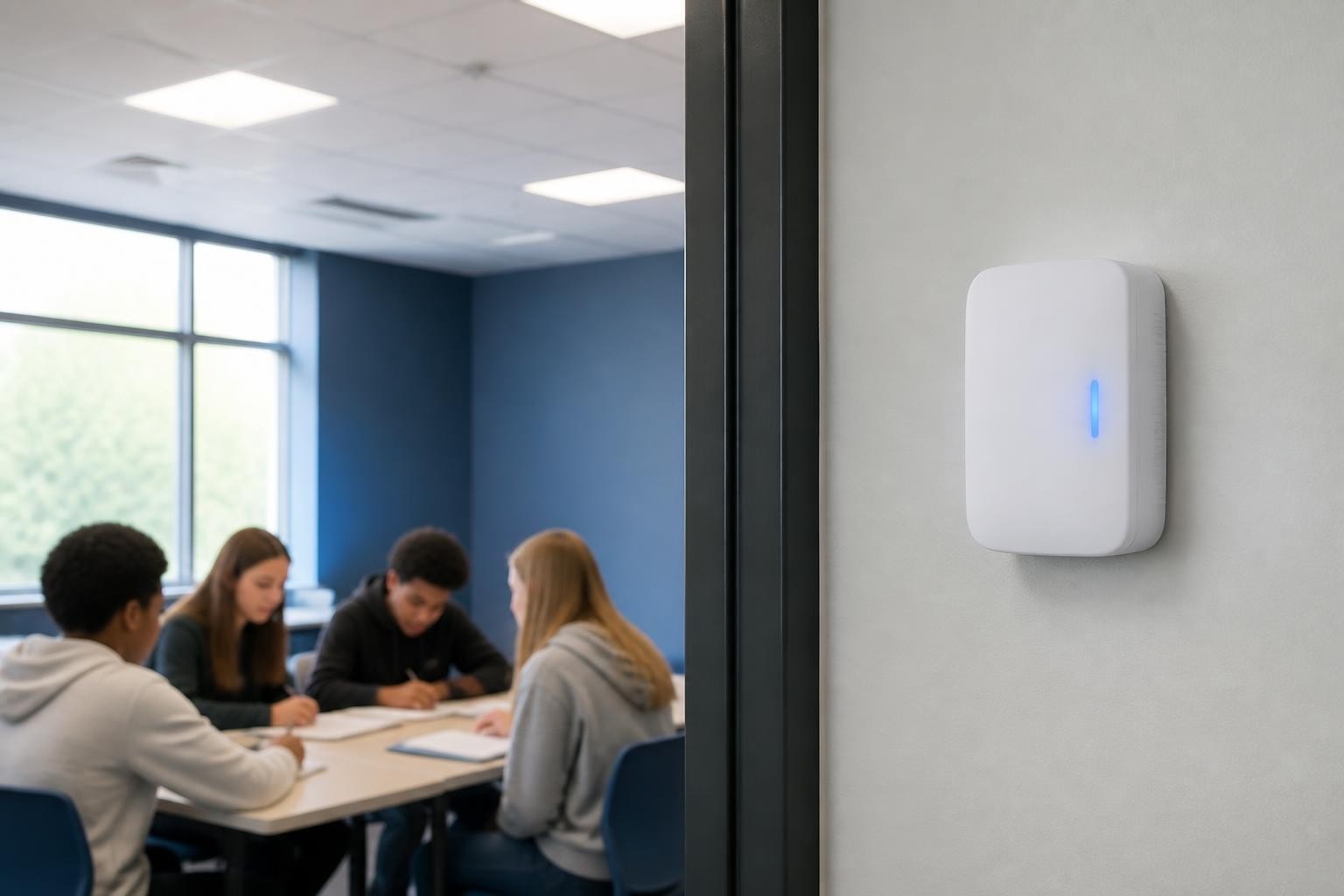
Educational institutions across the United Kingdom face mounting pressure to maintain safe, compliant environments whilst balancing student wellbeing with privacy concerns. A school drug detection sensor represents one of the most significant technological advances in campus security, offering real-time monitoring capabilities that help administrators respond swiftly to substance use incidents. These sophisticated devices detect various substances, from illegal drugs to vaping aerosols, providing educators with actionable intelligence to protect students and maintain regulatory compliance.
Understanding School Drug Detection Sensor Technology
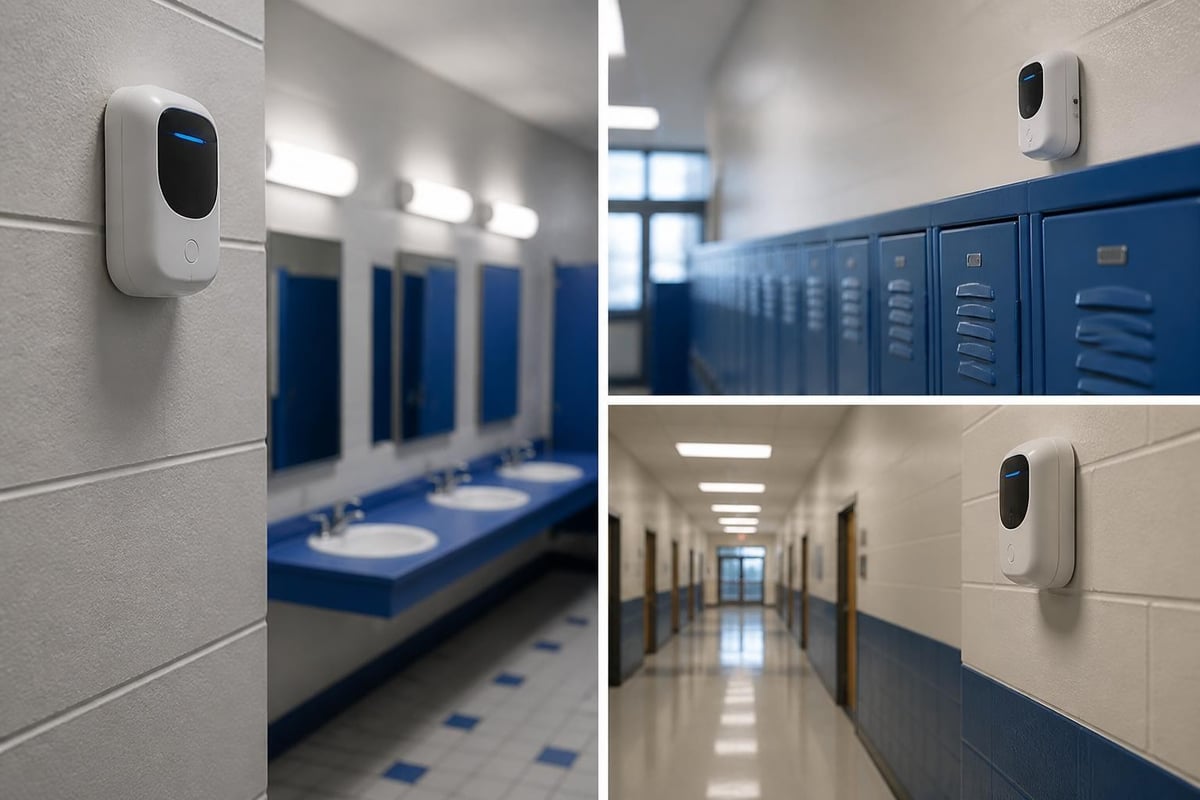
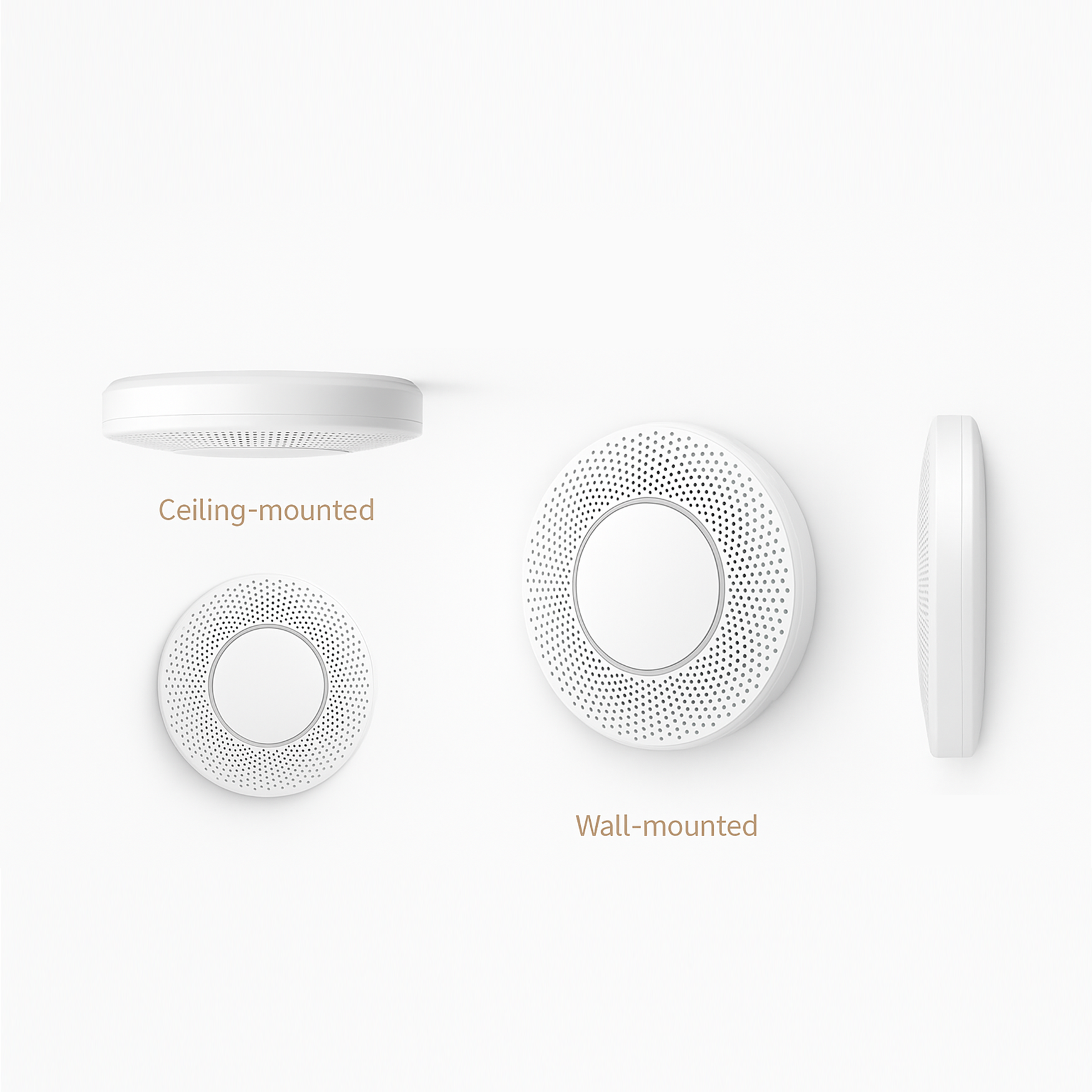
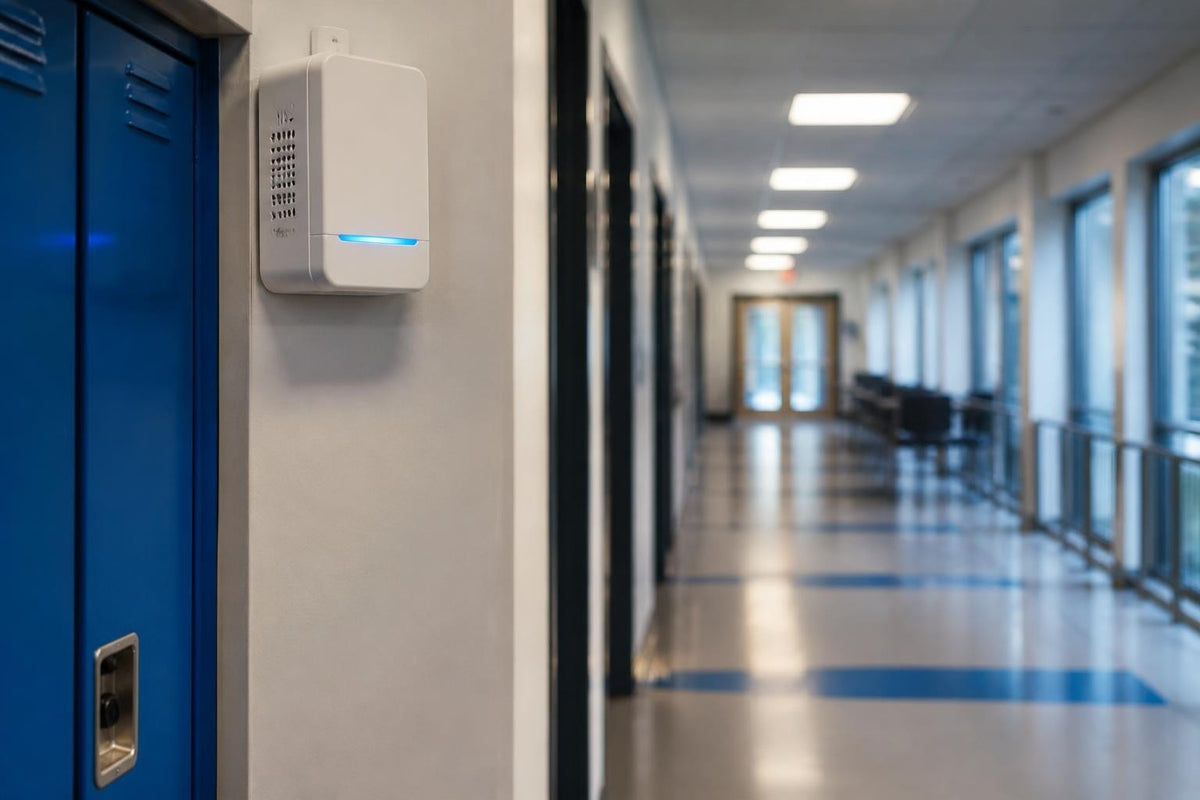
Modern sensor technology has evolved considerably beyond simple smoke detectors. Today's school drug detection sensor systems employ multiple detection methods, including particulate analysis, chemical signature recognition, and air quality monitoring. These devices typically mount discreetly in washrooms, changing rooms, and other areas where supervision is limited yet substance use incidents commonly occur.
Core Detection Methods
Advanced sensors utilise laser-based particulate counting to identify microscopic particles released during drug use or vaping. When substances are consumed, they release distinct chemical signatures into the surrounding air. The sensor captures air samples continuously, analysing them against a database of known substance profiles.
Key detection capabilities include:
- Cannabis and synthetic cannabinoid recognition
- Cocaine and methamphetamine identification
- Vaping aerosol detection across multiple formulations
- Alcohol vapour monitoring
- Anomalous air quality changes indicating unknown substances
The precision of these systems has improved dramatically since early prototypes. Researchers at the University of California, Santa Barbara developed portable cocaine sensor technology that demonstrated real-time detection capabilities, laying groundwork for current educational applications.
Integration With School Infrastructure
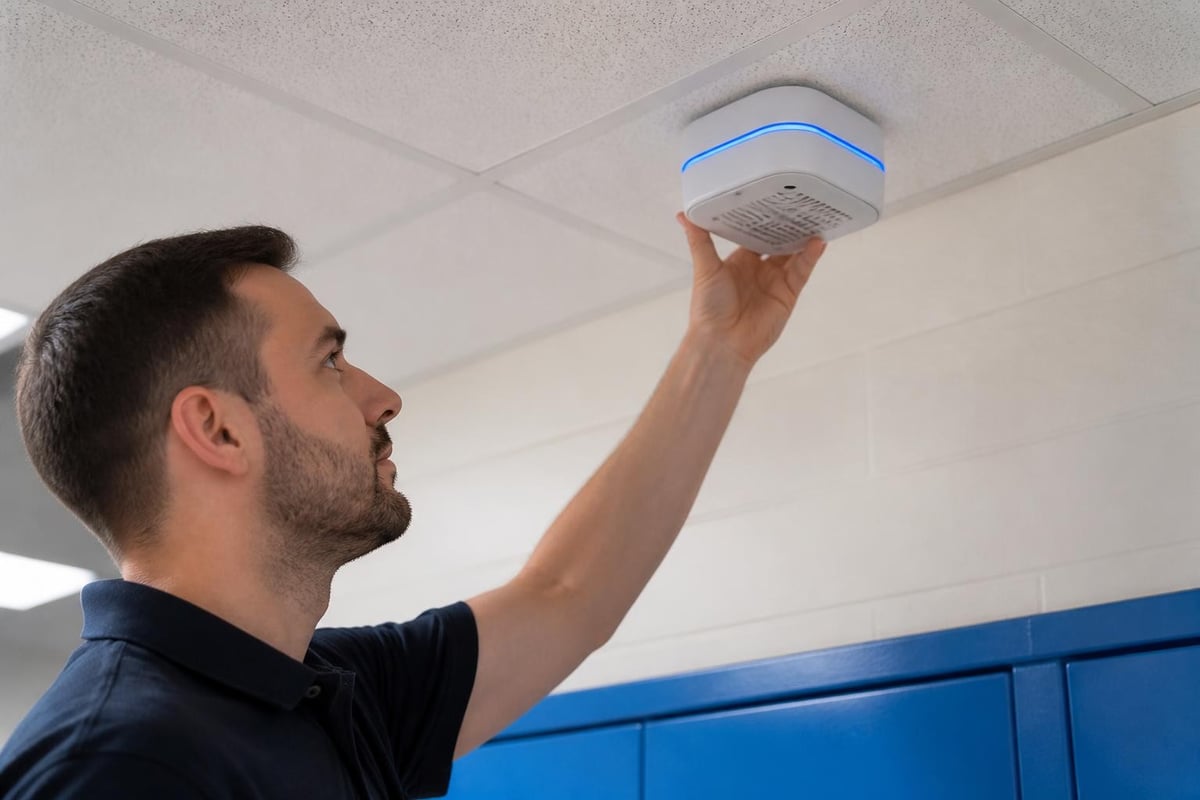
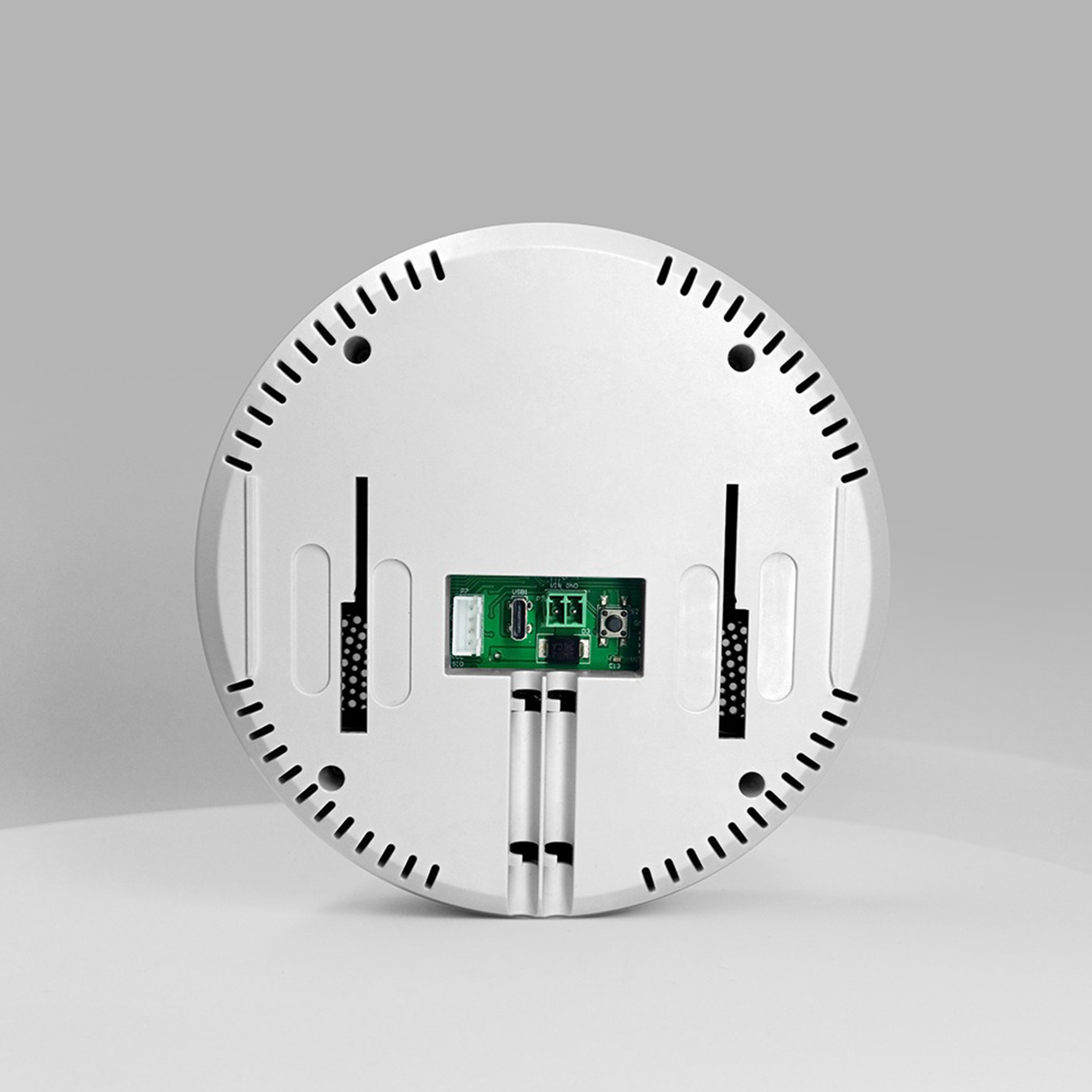
Installation requires careful planning to maximise coverage whilst minimising false positives. Most facilities position sensors in enclosed spaces where ventilation is limited and substance use is more likely to occur undetected. The devices connect to existing network infrastructure, enabling immediate alerts to designated staff members.
| Integration Aspect | Consideration | Benefit |
|---|---|---|
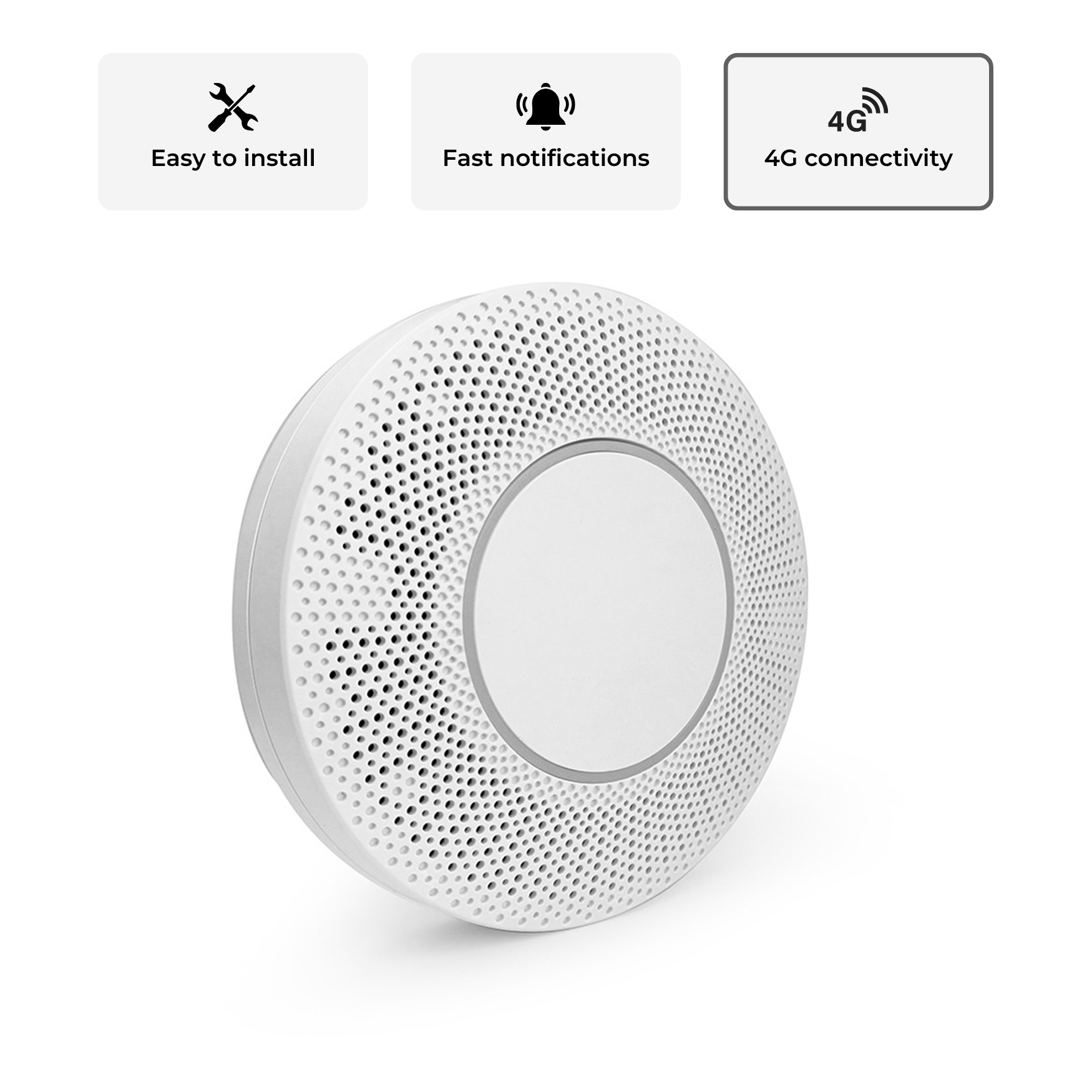
| Network Connectivity | WiFi or cellular options | Remote monitoring capabilities |
| Power Supply | Mains or battery backup | Continuous operation assurance |
| Alert Routing | Mobile and desktop notifications | Rapid response coordination |
| Data Storage | Cloud-based archives | Compliance documentation |
Schools must also consider placement height, air flow patterns, and proximity to potential interference sources. Professional installation teams typically conduct site surveys to identify optimal sensor locations based on facility layout and historical incident patterns.
Regulatory Compliance and Legal Frameworks
Educational institutions operate within complex regulatory environments that govern student surveillance and substance testing. The implementation of a school drug detection sensor system must align with data protection legislation, safeguarding requirements, and local authority guidance.
Legal Requirements for Student Monitoring
Schools possess a duty of care to protect students from harm, including substance abuse. However, this responsibility must balance against privacy rights and proportionate intervention. New Jersey administrative code provides detailed procedures for examining students suspected of being under the influence, offering a framework that many UK institutions adapt to their contexts.
When implementing detection technology, administrators should:
- Develop clear policies outlining sensor use and alert response protocols
- Communicate transparently with parents and students about monitoring systems
- Establish review processes for data retention and access
- Document decision-making rationales for sensor placement
- Create appeal mechanisms for students identified through sensor alerts
Transparency proves essential for maintaining trust whilst exercising appropriate oversight. Schools that openly discuss their use of a school drug detection sensor tend to experience better community acceptance and more effective deterrence.
Data Protection Considerations
The General Data Protection Regulation (GDPR) applies to information gathered through detection systems. Schools must justify data collection as necessary for legitimate interests, ensure appropriate security measures, and limit retention periods to what is reasonably required for safeguarding purposes.
Essential compliance measures include:
- Privacy impact assessments before deployment
- Data processing agreements with sensor providers
- Clear retention schedules aligned with safeguarding policies
- Staff training on handling sensitive information
- Regular audits of access logs and alert responses
Many institutions appoint a designated safeguarding lead to oversee sensor data management, ensuring consistent application of policies and appropriate escalation of concerns. Vape Guardian's education resources provide guidance for schools navigating these regulatory complexities.
Practical Implementation Strategies
Successful deployment of a school drug detection sensor requires more than simply installing hardware. Educational leaders must develop comprehensive programmes that combine technology with policy, education, and support services.
Pre-Implementation Planning
Before purchasing equipment, schools should conduct thorough needs assessments. This involves analysing incident reports, consulting with students and staff, reviewing existing policies, and identifying resource requirements. Stakeholder engagement at this stage builds consensus and helps address concerns proactively.
A typical planning timeline spans three to six months and includes:
- Budget allocation and funding source identification
- Technical specifications development
- Vendor evaluation and selection
- Policy drafting and consultation
- Staff training programme design
- Student and parent communication strategy
Installation and Configuration
Professional installation ensures optimal performance and reduces false alerts. Vape Guardian's detection systems offer comprehensive installation support, including site surveys, device configuration, and staff training. The technology detects not only vaping but also drug use and antisocial behaviour, providing schools with multifaceted protection.

Technical teams configure alert thresholds based on environmental baselines, adjusting sensitivity to account for cleaning products, perfumes, and other legitimate sources of airborne particles. This calibration period typically requires two to three weeks of monitoring and refinement.
| Deployment Phase | Duration | Key Activities |
|---|---|---|
| Site Assessment | 1-2 weeks | Facility mapping, ventilation analysis |
| Installation | 3-5 days | Physical mounting, network connection |
| Calibration | 2-3 weeks | Baseline establishment, threshold tuning |
| Staff Training | Ongoing | Alert response, data interpretation |
Response Protocols
Alerts from a school drug detection sensor trigger predetermined response procedures. These protocols should emphasise student welfare whilst maintaining appropriate consequences for policy violations. Effective approaches combine immediate intervention with longer-term support.
When an alert occurs, designated staff members receive notifications via mobile applications or desktop software. The responding adult approaches the situation with a focus on safety rather than punishment, assessing whether medical attention is required before addressing disciplinary matters.
Many schools adopt tiered response frameworks:
- Initial response: Welfare check and immediate safety assessment
- Investigation: Review sensor data, interview relevant individuals
- Intervention: Apply appropriate consequences based on school policy
- Support: Connect students with counselling, education, or treatment resources
- Follow-up: Monitor ongoing behaviour and adjust support as needed
Resources like those available through Emmadavisbooks.com help teenagers develop coping strategies and emotional resilience, addressing root causes that may contribute to substance experimentation.
Impact on School Culture and Student Behaviour
Research indicates that visible commitment to substance-free environments influences student choices. The presence of a school drug detection sensor communicates institutional priorities whilst providing deterrence against risky behaviour.
Behavioural Changes
Schools report measurable reductions in substance-related incidents following sensor deployment. The technology creates accountability in spaces that previously lacked supervision, encouraging students to make healthier choices even when adults are not physically present.
However, technology alone cannot solve complex issues surrounding adolescent substance use. Comprehensive approaches integrate detection capabilities with education programmes, mental health support, and positive school culture initiatives. Students need to understand not just that they will be caught but why substance avoidance benefits their wellbeing and future prospects.
Student Perspectives
Engaging students in conversations about safety technology fosters understanding and reduces resistance. Many young people appreciate schools taking concrete steps to protect their health, particularly when they witness peers struggling with substance issues.
Transparent communication addresses common concerns:
- Privacy worries: Explain that sensors detect substances, not individuals, and that data serves protective rather than punitive purposes
- Fairness questions: Clarify how alert investigation procedures ensure accurate identification before consequences apply
- Effectiveness doubts: Share data on incident reduction and improved response times
Schools that involve student councils in policy development often achieve better acceptance and more effective implementation. Young people contribute valuable insights about where problems occur and what messages resonate with their peers.
Integration With Broader Safety Systems
Modern school security encompasses multiple overlapping technologies. A school drug detection sensor functions most effectively when coordinated with other monitoring systems, creating comprehensive situational awareness for administrators.
Multi-Layered Approaches
Educational facilities increasingly adopt integrated platforms that combine vaping detection, air quality monitoring, sound analysis for aggressive behaviour, and traditional security cameras. This convergence enables faster response times and more complete understanding of incidents.
For example, if a sensor detects substance use in a washroom, administrators can correlate the alert with access control data showing who entered the area, review any audio anomalies indicating conflict or distress, and check air quality metrics for ventilation issues that might affect other students. Vape Guardian's comprehensive solutions provide this type of integrated monitoring capability.
Benefits of integration include:
- Reduced false positives through cross-verification
- Faster incident resolution via correlated data
- Improved resource allocation based on pattern analysis
- Enhanced evidence quality for serious investigations
- Streamlined staff training across multiple systems
Policy Frameworks
Just as alcohol sensor device policies establish clear protocols for detection and response, comprehensive drug monitoring requires documented procedures. These frameworks should address device usage, alert handling, disciplinary processes, data management, and regular review mechanisms.
Strong policies incorporate input from legal advisors, safeguarding experts, technology specialists, and community representatives. They anticipate potential challenges, establish clear authority structures, and provide flexibility for individual circumstances whilst maintaining consistent standards.

Technical Specifications and Performance Metrics
Understanding the capabilities and limitations of a school drug detection sensor helps administrators set realistic expectations and measure success accurately.
Detection Parameters
Modern sensors identify substances through multiple indicators. Chemical analysis detects specific molecular signatures associated with drugs, whilst particulate counting measures aerosol density and composition. Advanced algorithms combine these inputs to distinguish between legitimate air quality variations and genuine substance use events.
| Performance Metric | Typical Range | Significance |
|---|---|---|
| Detection Sensitivity | 0.01-100 µg/m³ | Minimum concentration triggering alerts |
| Response Time | 5-30 seconds | Delay between substance release and notification |
| False Positive Rate | <2% | Frequency of incorrect alerts requiring investigation |
| Coverage Area | 100-200 m² | Effective monitoring zone per device |
| Operating Temperature | 0-40°C | Environmental conditions for reliable function |
Schools should establish baseline performance metrics before deployment, then track improvement over time. Key indicators include incident frequency, response times, disciplinary outcomes, and student feedback.
Maintenance Requirements
Like any sophisticated technology, detection sensors require regular maintenance to ensure accurate performance. Most systems include self-diagnostic capabilities that alert administrators to calibration drift, sensor degradation, or connectivity issues.
Recommended maintenance schedules typically involve:
- Weekly: Visual inspection and alert log review
- Monthly: Sensor cleaning and connectivity verification
- Quarterly: Calibration check and firmware updates
- Annually: Professional service and performance audit
Proper maintenance extends equipment lifespan whilst maintaining detection accuracy. Schools should budget for ongoing support contracts that include technical assistance, replacement parts, and periodic upgrades as detection technology advances.
Training and Professional Development
Technology effectiveness depends heavily on user competence. Staff members responsible for responding to alerts from a school drug detection sensor need comprehensive training covering technical operation, legal obligations, student welfare, and effective intervention techniques.
Staff Preparation Programmes
Initial training should occur before sensor activation, ensuring all relevant personnel understand their roles and responsibilities. Sessions typically cover:
- System architecture and alert generation processes
- Mobile application navigation and notification management
- Response protocols and safety procedures
- Documentation requirements and evidence handling
- Student support resources and referral pathways
- Privacy obligations and data protection compliance
Ongoing professional development maintains skills and addresses emerging challenges. Schools might schedule quarterly refresher sessions, share case studies from actual incidents, and invite external experts to discuss best practices.
Role-Specific Training Needs
Different staff members require different competency levels. Designated safeguarding leads need comprehensive knowledge of system capabilities, legal frameworks, and intervention strategies. In contrast, teaching staff may need only basic awareness of how the technology supports school safety efforts.
Support staff who maintain the technology require technical training covering installation, troubleshooting, and routine maintenance. Administrative personnel managing data access and retention need expertise in information governance and GDPR compliance. Vape Guardian's education hub offers role-specific resources addressing these varied requirements.
Cost Considerations and Return on Investment
Budget constraints influence technology adoption decisions. Understanding the total cost of ownership for a school drug detection sensor system helps administrators make informed choices and secure necessary funding.
Initial Investment Components
Upfront costs extend beyond hardware purchases. Schools must account for installation labour, network infrastructure upgrades, staff training, policy development, and initial communication campaigns. Typical expenditure ranges from £2,000 to £5,000 per sensor, with most facilities requiring multiple units for adequate coverage.
Budget categories include:
- Hardware acquisition (sensors, mounting brackets, power supplies)
- Professional installation and configuration services
- Software licensing and cloud platform subscriptions
- Staff training programmes and materials
- Policy development and legal consultation
- Parent and student communication resources
Some institutions leverage grant funding, safety improvement budgets, or parent-teacher association contributions to offset costs. Multi-academy trusts may negotiate volume discounts by standardising technology across multiple facilities.
Ongoing Operational Expenses
Annual operating costs typically range from 15% to 25% of initial investment. These recurring expenses cover software subscriptions, maintenance contracts, calibration services, and periodic upgrades. Schools should also budget for staff time dedicated to alert response, data management, and system administration.
However, return on investment extends beyond financial metrics. Reduced substance abuse incidents improve student health outcomes, decrease disciplinary proceedings, enhance school reputation, and create more productive learning environments. These benefits, whilst difficult to quantify precisely, justify the investment for most institutions.
Future Developments in Detection Technology
Innovation continues to advance school drug detection sensor capabilities. Emerging technologies promise improved accuracy, expanded substance libraries, and enhanced integration with broader educational systems.
Artificial Intelligence Applications
Machine learning algorithms increasingly power detection systems, enabling more sophisticated pattern recognition and reduced false positives. These systems learn from historical data, identifying subtle indicators that might escape traditional analysis methods.
AI-enhanced sensors can distinguish between one-time incidents and emerging patterns suggesting persistent problems. They might recognise that alerts concentrated in specific locations at particular times indicate systematic issues requiring different interventions than isolated incidents.
Predictive Analytics
Future systems may move beyond reactive detection toward predictive intervention. By analysing trends across multiple data sources including attendance records, behavioural reports, and social dynamics, advanced platforms could identify students at elevated risk before substance use begins.
This proactive approach aligns with broader educational priorities around early intervention and preventative support. Rather than simply catching rule violations, technology helps schools address underlying factors contributing to risky behaviour.
Substance Library Expansion
Detection capabilities continue expanding as researchers identify chemical signatures for new substances. Synthetic drugs, novel psychoactive substances, and emerging vaping formulations present ongoing challenges that technology providers address through regular database updates.
Schools benefit from selecting systems with automatic update capabilities, ensuring their school drug detection sensor remains effective against evolving threats without requiring manual intervention or hardware replacement.
Modern educational environments require sophisticated approaches to student safety that balance protection with privacy, deterrence with support, and technology with human judgement. A school drug detection sensor provides valuable capabilities for identifying substance use in areas where direct supervision proves impractical, enabling faster intervention and more effective support for struggling students. Vape Guardian delivers comprehensive detection solutions specifically designed for educational settings, combining advanced sensor technology with dedicated support to help schools create safer, healthier learning environments where every student can thrive.



Share:
School Facilities Monitoring: Modern Solutions for 2026
Bathroom Vaping Prevention: Strategies for Safer Spaces