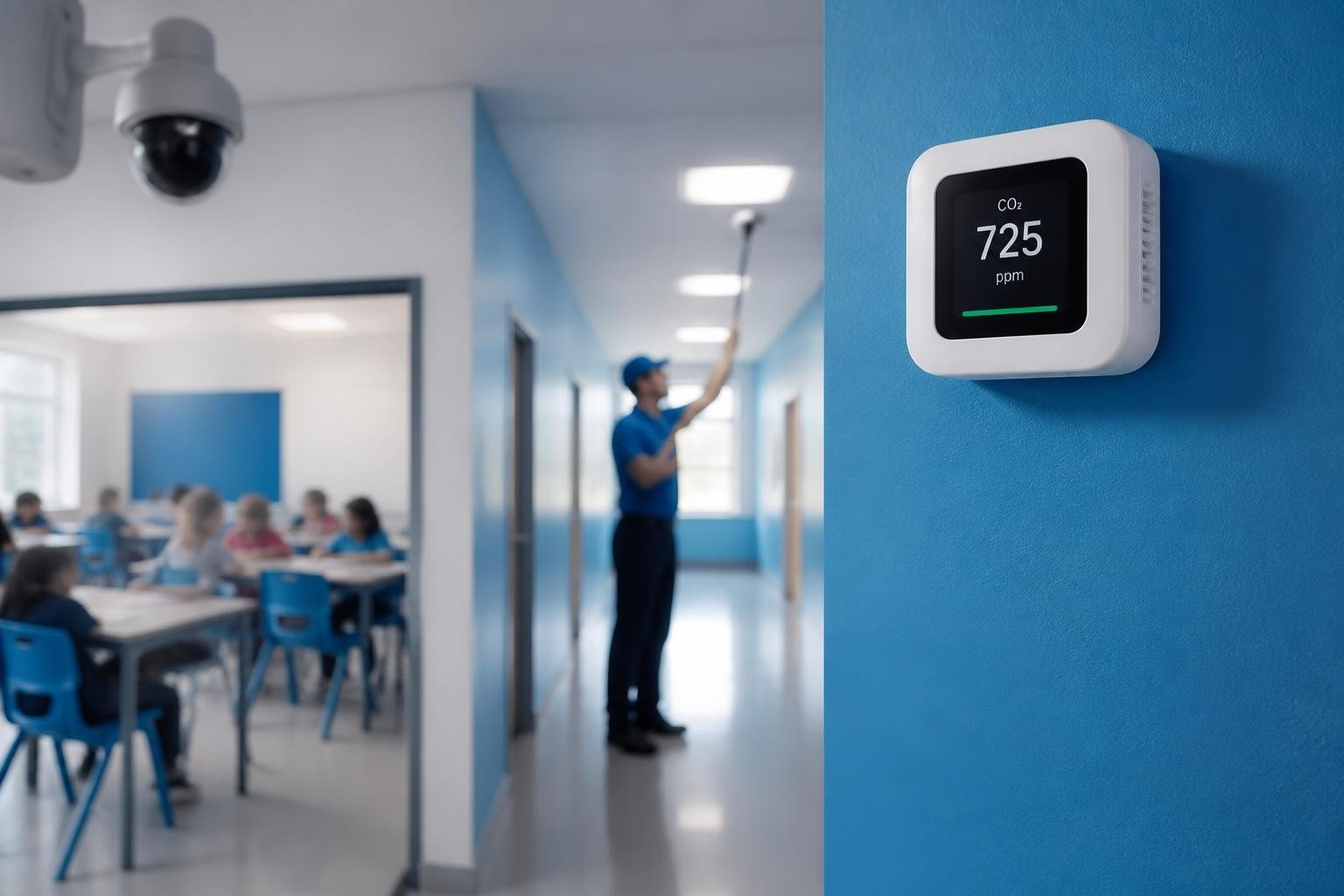
Educational institutions face unprecedented challenges in maintaining safe, efficient learning environments whilst managing increasingly complex infrastructure. School facilities monitoring has evolved from basic maintenance schedules to sophisticated, integrated systems that track everything from air quality to energy consumption, security threats to structural integrity. As schools embrace digital transformation in 2026, understanding how to implement and optimise monitoring systems has become essential for administrators, facility managers, and safeguarding teams across the United Kingdom.
The Evolution of School Facilities Monitoring
Traditional facilities management relied heavily on reactive maintenance, paper based logs, and periodic inspections that often missed critical issues until they became expensive problems. Modern school facilities monitoring represents a fundamental shift towards proactive, data driven approaches that prevent problems before they escalate.
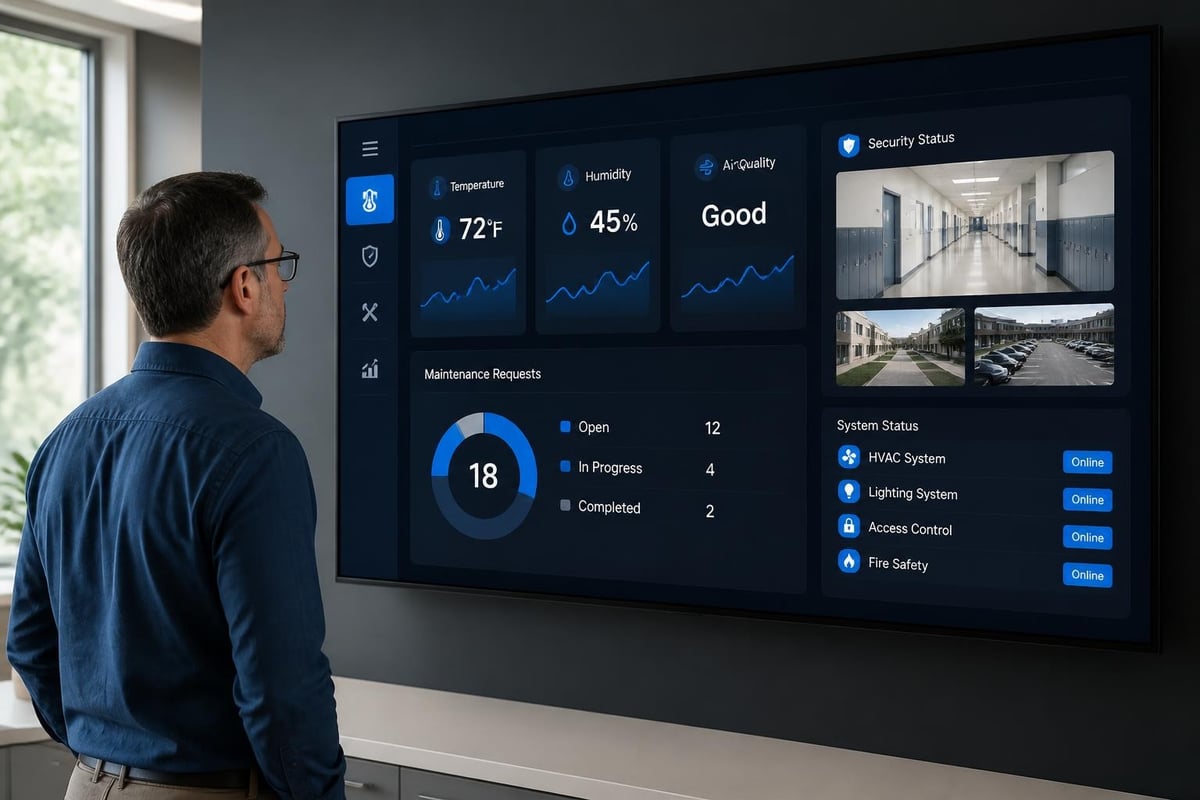
Today's monitoring systems integrate multiple sensors and software platforms to provide real time visibility across entire campuses. These systems track environmental conditions, detect safety threats, monitor energy usage, and flag maintenance needs automatically. The result is not merely cost savings but measurably safer environments for students and staff.
Key Components of Modern Monitoring Systems
A comprehensive school facilities monitoring infrastructure typically includes several interconnected elements:
- Environmental sensors tracking temperature, humidity, air quality, and pollutants
- Security systems including CCTV, access control, and threat detection
- Energy monitoring for utilities consumption and efficiency optimization
- Maintenance tracking for equipment servicing and structural inspections
- Emergency alert systems for rapid response coordination
Each component generates valuable data that, when properly analysed, reveals patterns and opportunities for improvement. Schools implementing effective facilities management practices report significant reductions in emergency repairs, improved regulatory compliance, and enhanced student wellbeing outcomes.
Air Quality and Environmental Monitoring in Educational Settings
Indoor air quality directly impacts student concentration, attendance rates, and overall academic performance. School facilities monitoring systems now routinely measure carbon dioxide levels, particulate matter, volatile organic compounds, and other indicators of environmental health.
The importance of comprehensive air quality monitoring has intensified following increased awareness of airborne health risks. Schools must balance proper ventilation with energy efficiency whilst ensuring classrooms remain conducive to learning.
Detecting Modern Threats to Air Quality
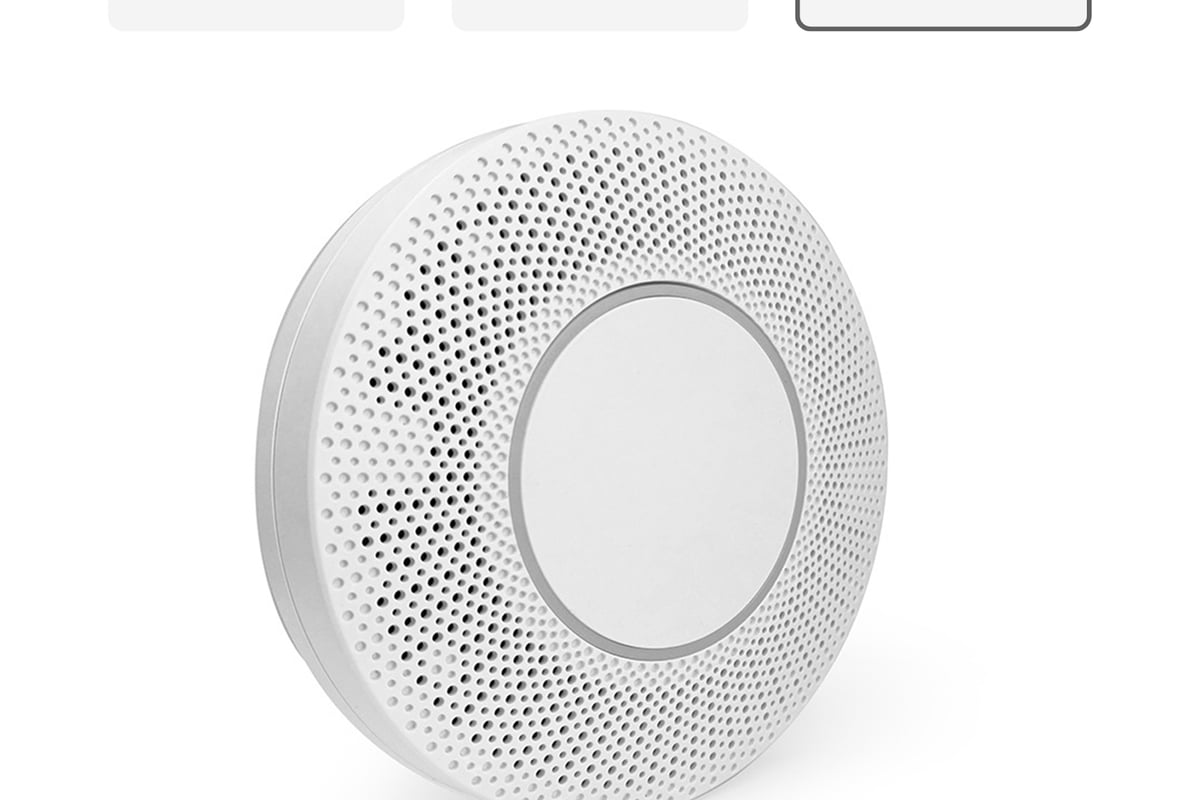
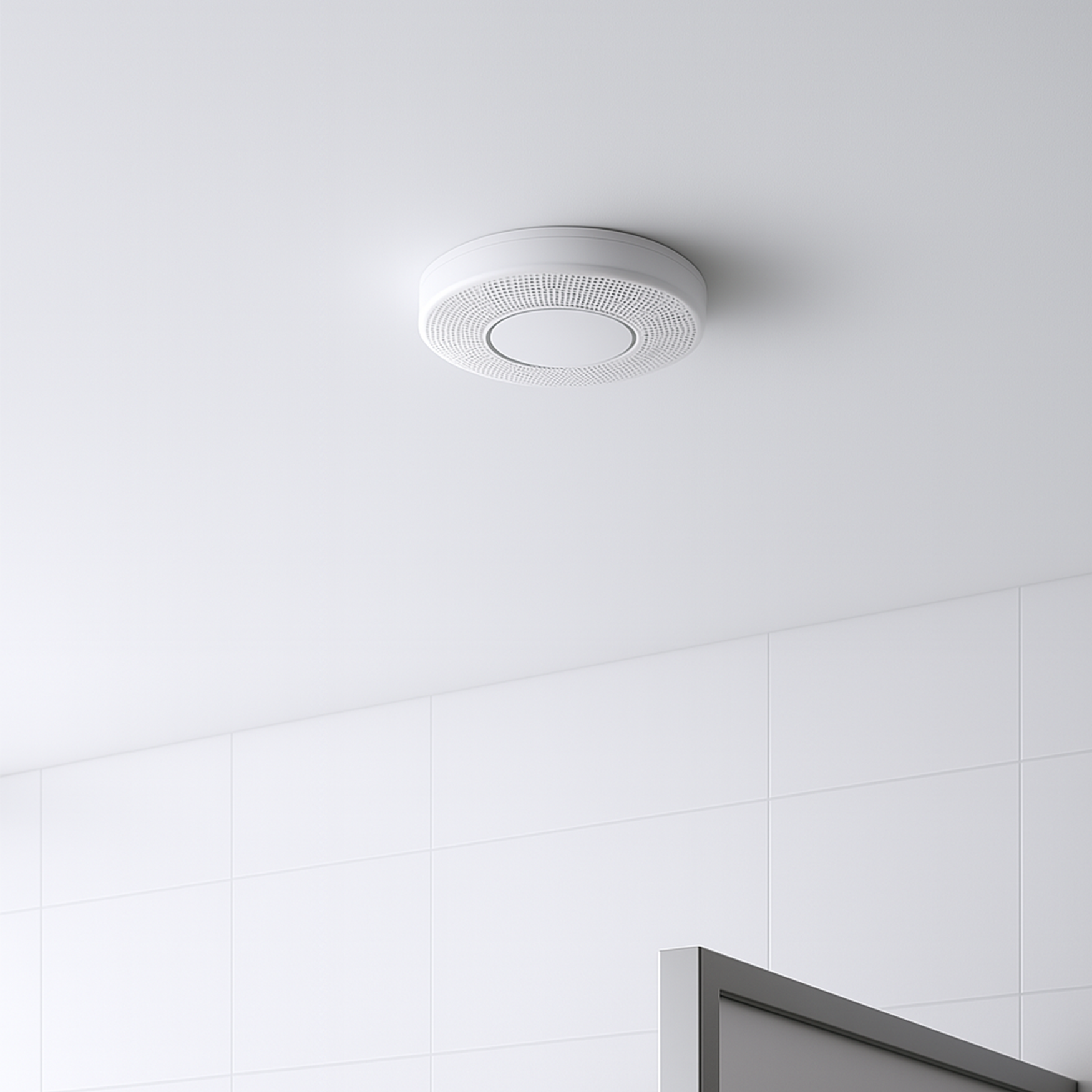
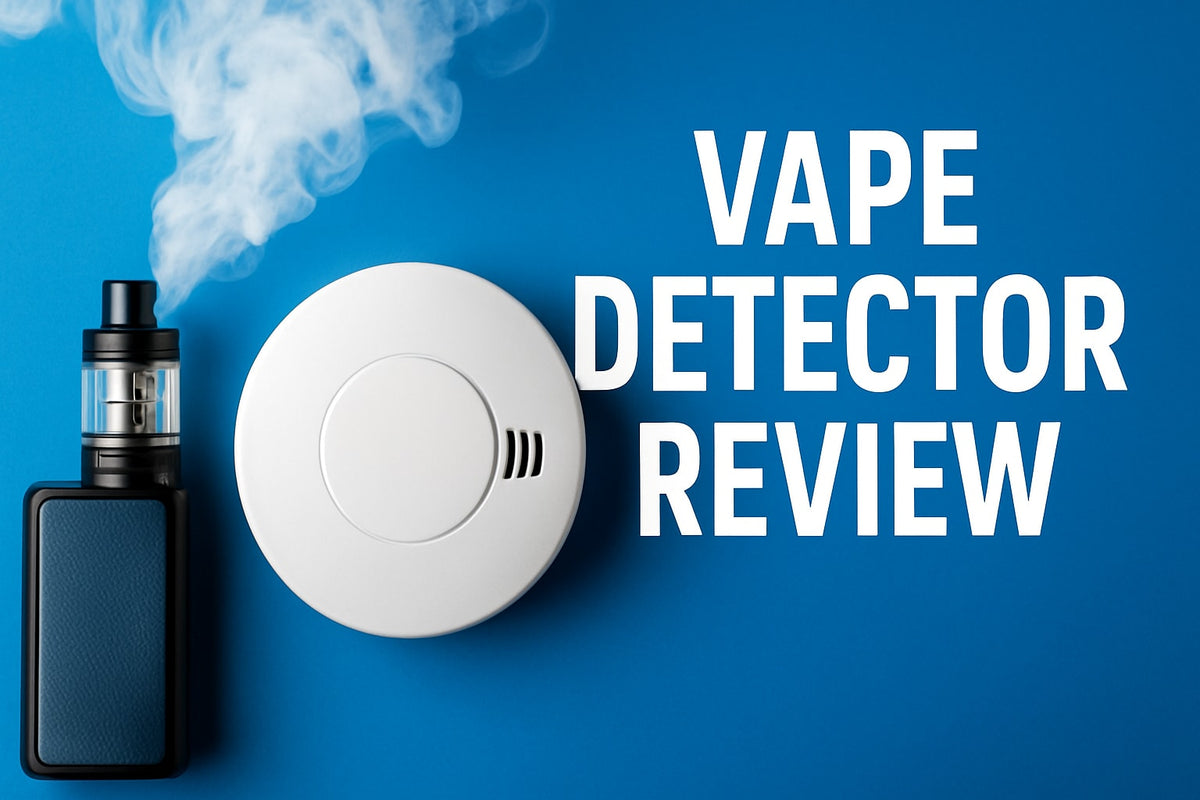
Beyond traditional environmental concerns, schools face emerging challenges including vaping and substance use in toilets, changing rooms, and other unsupervised spaces. Advanced monitoring systems can identify these activities through sophisticated air quality analysis that detects specific chemical signatures.
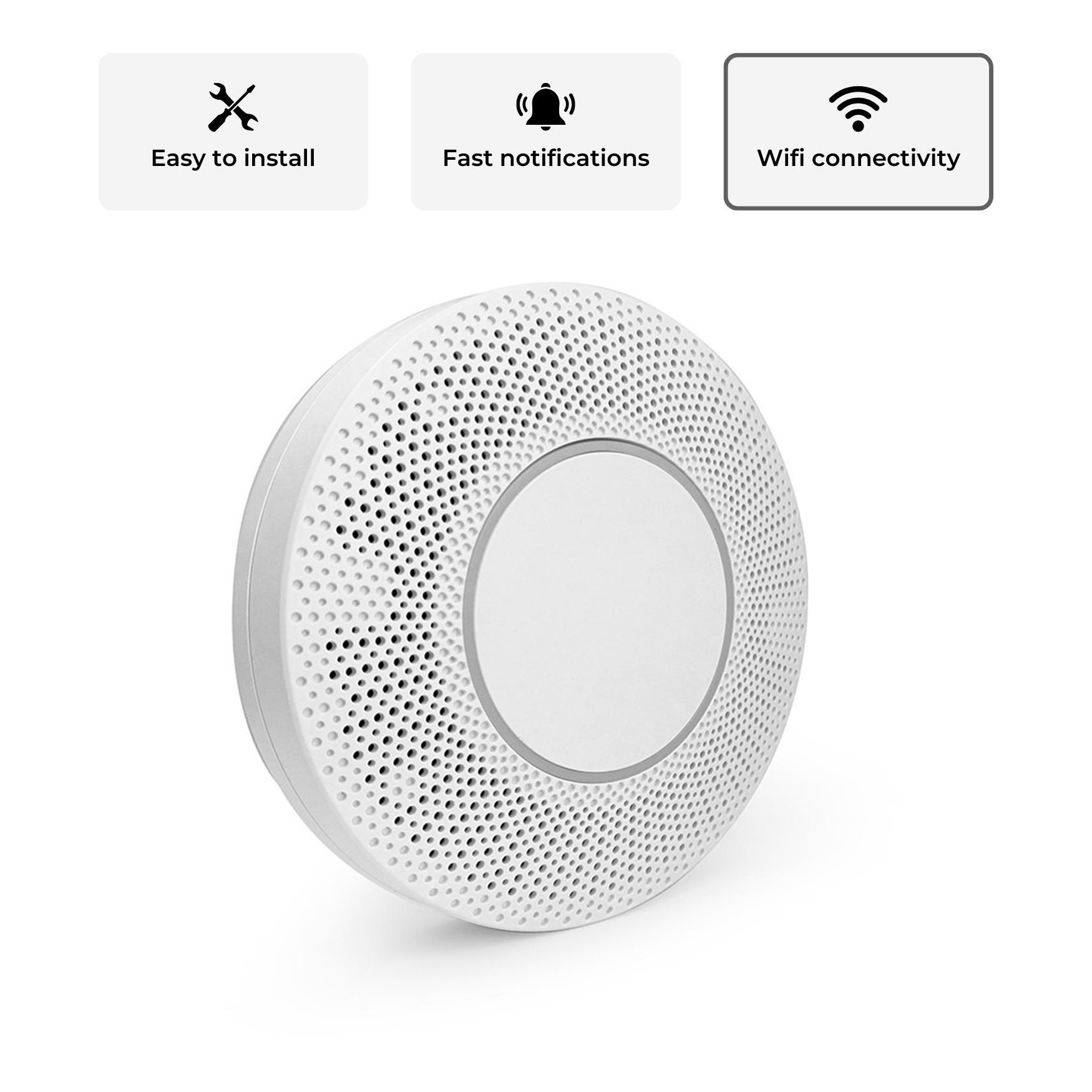
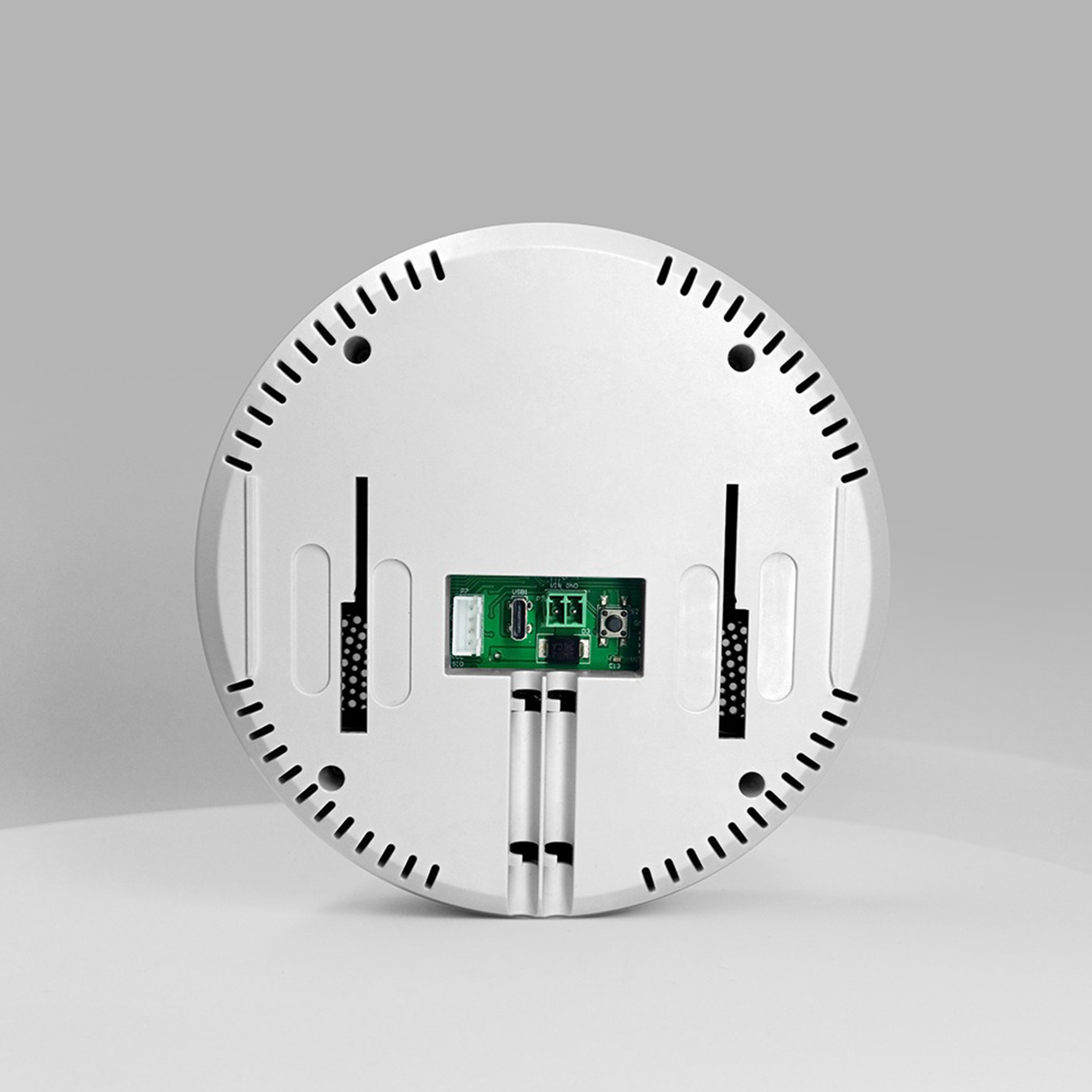
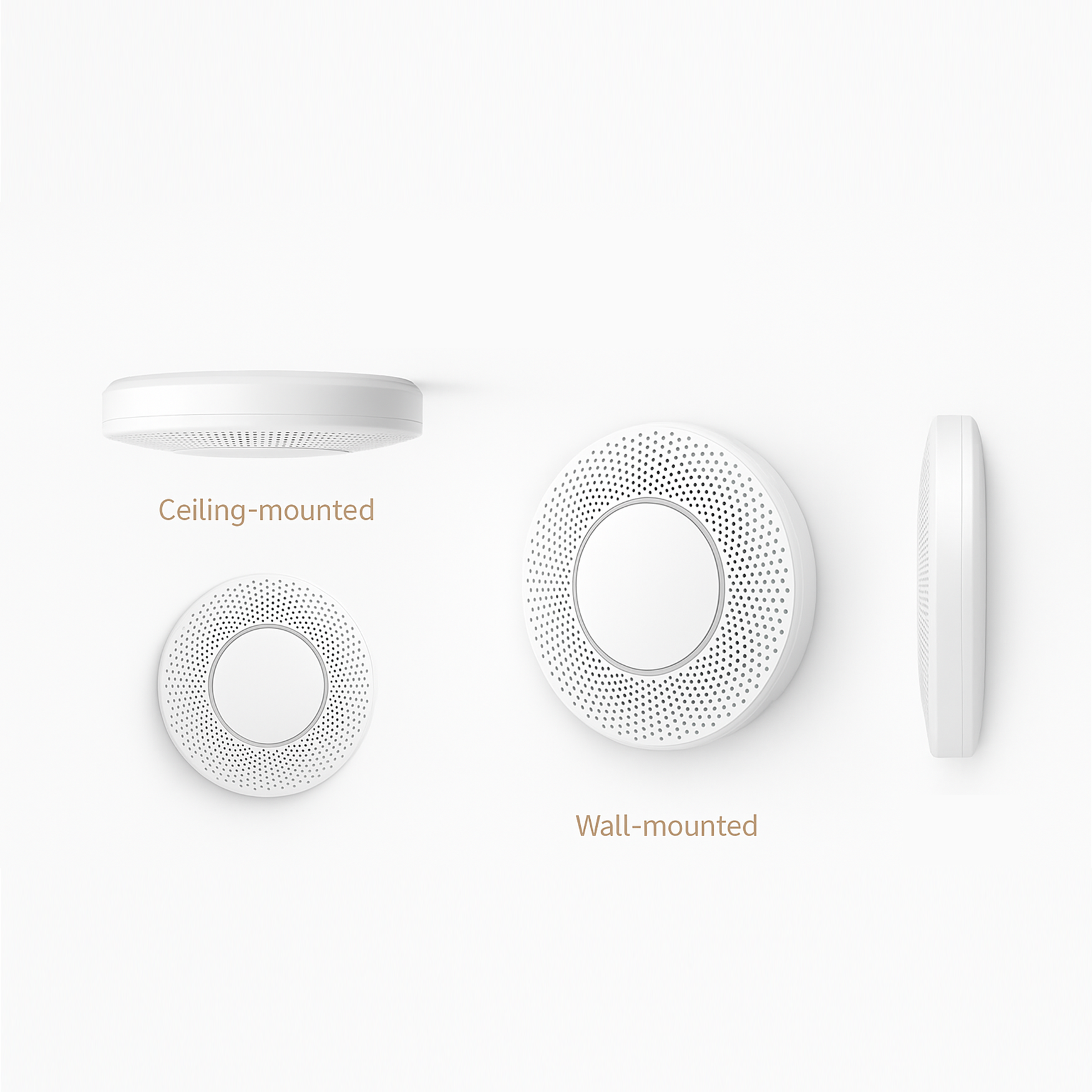
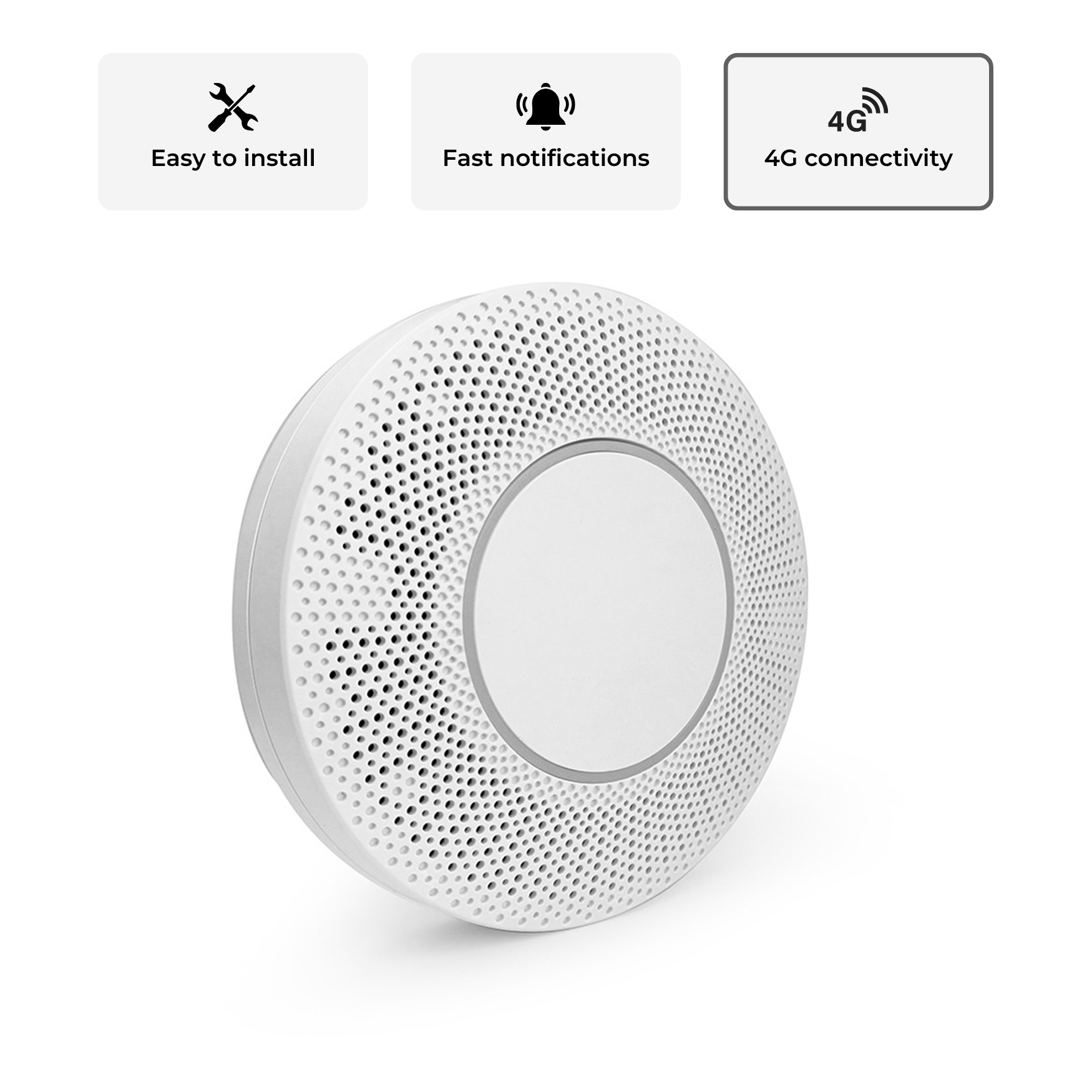
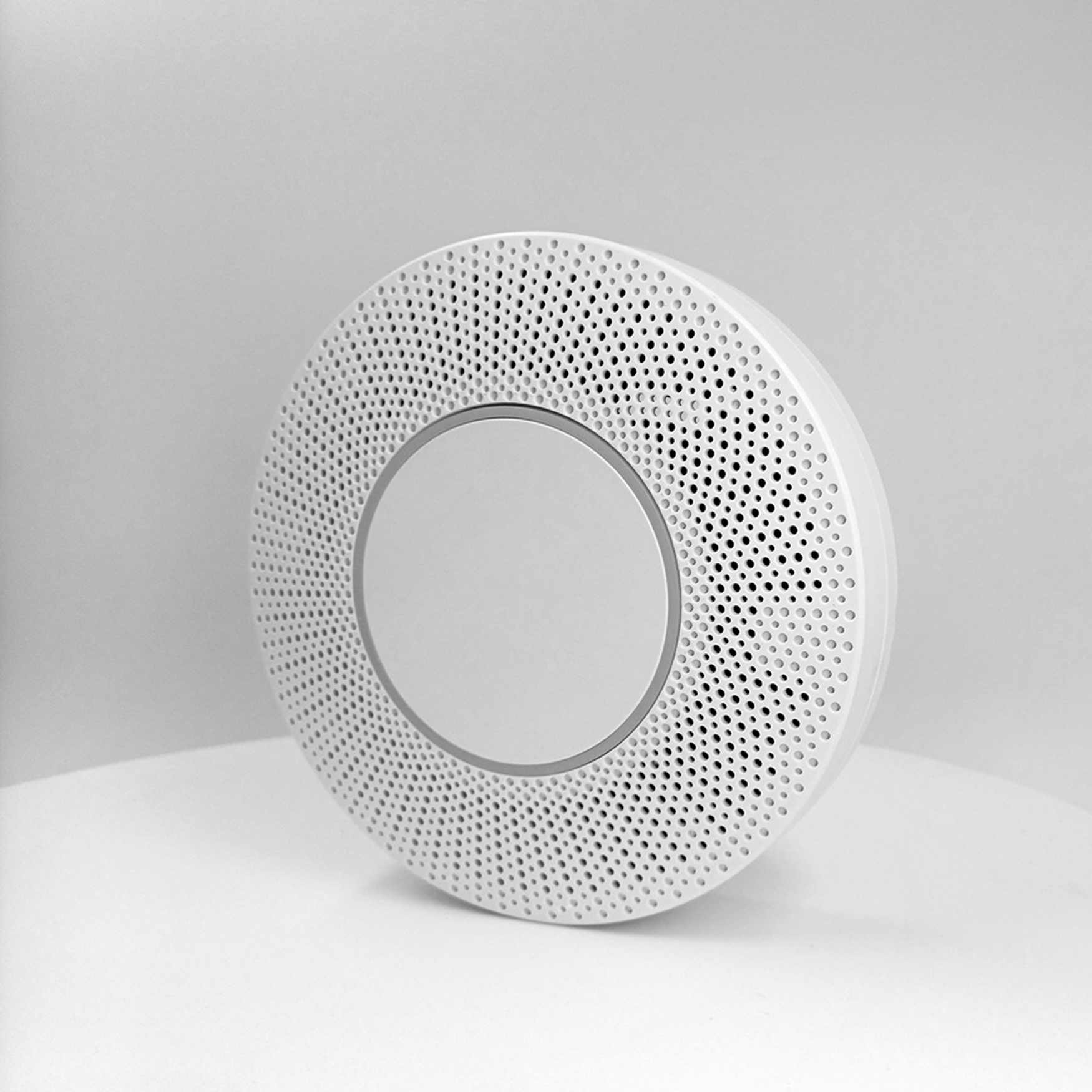
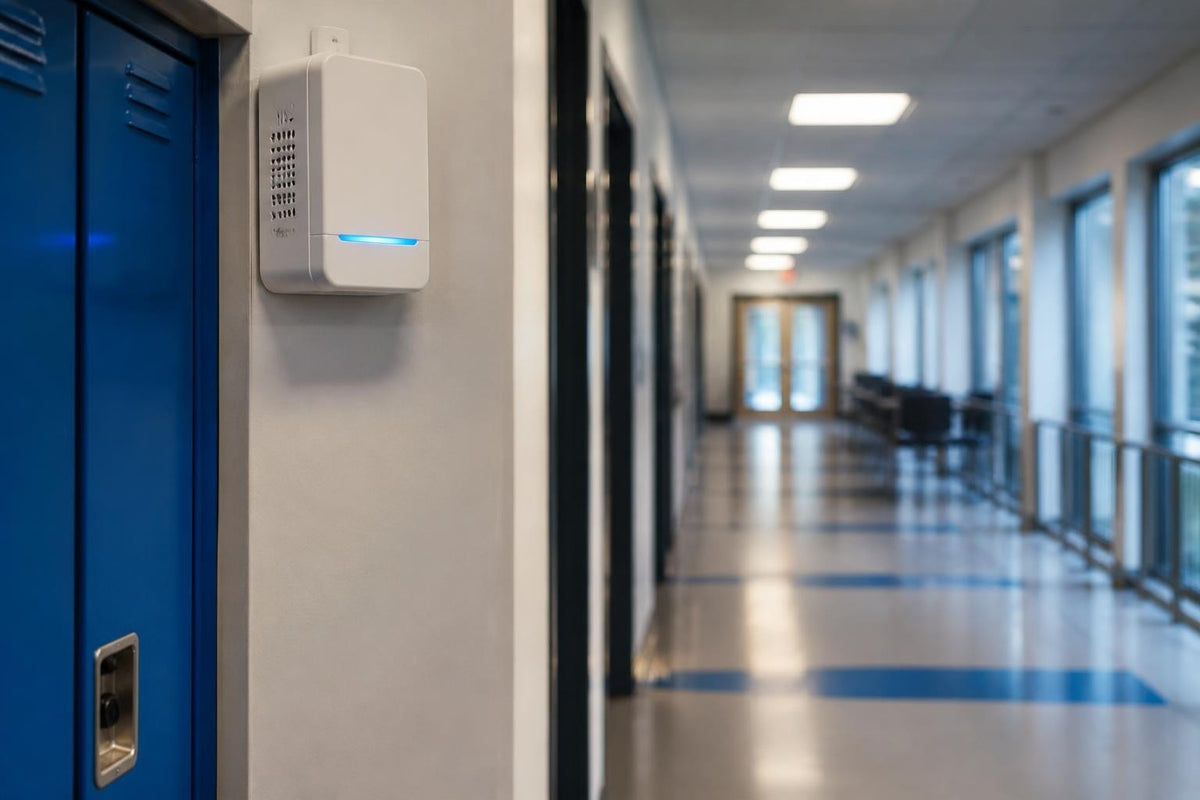
For schools seeking robust solutions, the Vape Detection System offers specialised monitoring technology designed specifically for educational environments. These systems provide real time alerts when vaping, drug use, or antisocial behaviour occurs in monitored areas, enabling staff to respond promptly whilst maintaining appropriate student privacy standards.
| Environmental Factor | Optimal Range | Monitoring Frequency | Impact on Learning |
|---|---|---|---|
| Carbon Dioxide | 600-1000 ppm | Continuous | Concentration, alertness |
| Temperature | 18-21°C | Continuous | Comfort, performance |
| Relative Humidity | 40-60% | Continuous | Health, equipment longevity |
| Particulate Matter (PM2.5) | <12 μg/m³ | Continuous | Respiratory health |
| Volatile Organic Compounds | Minimal detection | Continuous | Headaches, fatigue |
Schools prioritising environmental monitoring often discover unexpected correlations between air quality metrics and student outcomes. One secondary school in Manchester identified that afternoon classroom temperatures consistently exceeded comfortable levels, contributing to decreased engagement during final lessons. After implementing continuous monitoring and automated climate controls, both attendance and test scores improved measurably.
Security and Safety Monitoring Integration
Physical security remains paramount in school facilities monitoring strategies. Modern approaches integrate multiple security layers into unified monitoring platforms that provide comprehensive situational awareness.
CCTV and Visual Monitoring Best Practices
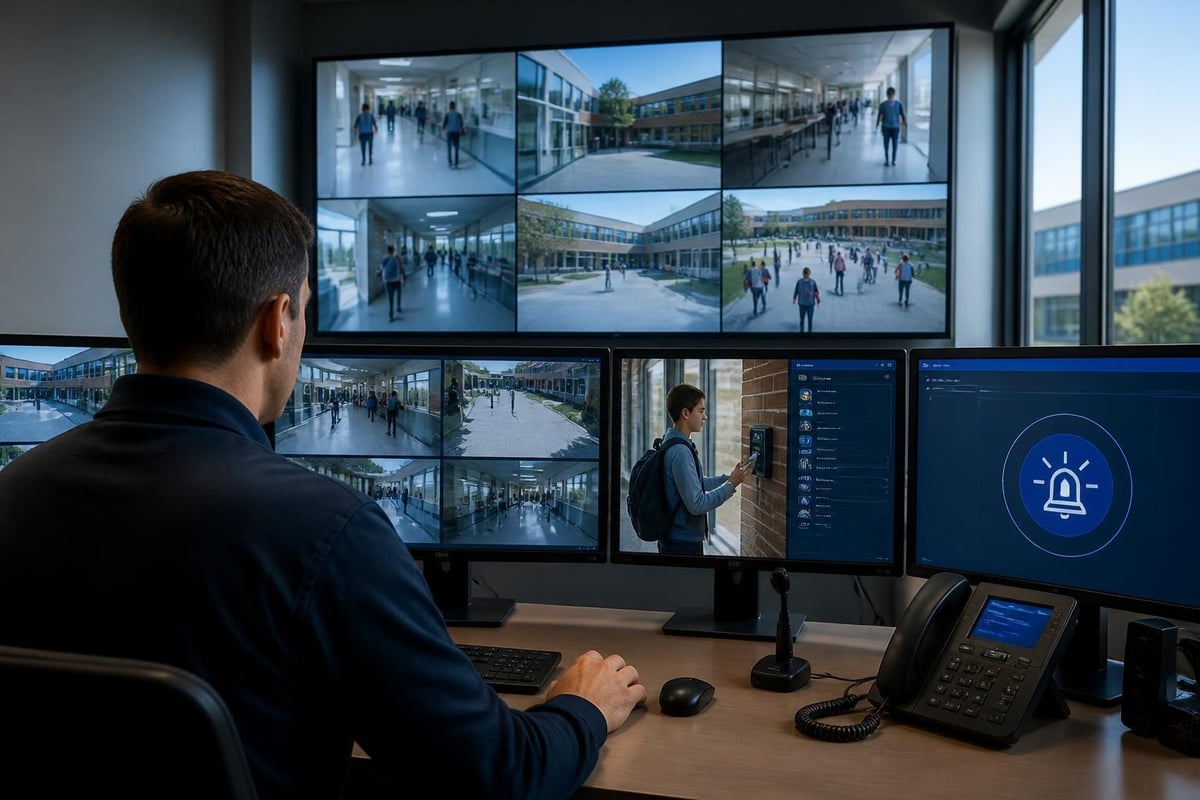
Video surveillance forms a cornerstone of school security infrastructure. However, effective CCTV monitoring requires thoughtful implementation that balances security needs with privacy considerations and resource constraints.
Best practices include:
- Strategic camera placement covering entrances, corridors, and outdoor spaces
- Adequate coverage overlap eliminating blind spots without excessive redundancy
- Regular health monitoring ensuring cameras function properly and maintain clear images
- Integrated access control linking visual data with entry point monitoring
- Secure storage and retention complying with data protection regulations
Schools must develop clear policies governing who accesses monitoring systems, how long data is retained, and under what circumstances footage may be reviewed. Transparency with parents and students about monitoring practices builds trust whilst maintaining necessary security protocols.
Energy Efficiency and Sustainability Monitoring
Educational budgets face constant pressure, making energy efficiency increasingly critical. School facilities monitoring systems provide granular visibility into consumption patterns, enabling targeted interventions that reduce costs whilst supporting environmental sustainability goals.
Natural Resources Canada offers valuable guidance through their best practices for school facility managers, emphasising the importance of continuous monitoring and regular energy audits.
Implementing Energy Tracking Systems
Effective energy monitoring begins with establishing baseline consumption data across different building systems:
- Heating, ventilation, and air conditioning (HVAC) typically accounting for 40-60% of school energy use
- Lighting systems representing 20-30% of consumption
- IT infrastructure including computers, servers, and interactive displays
- Kitchen and catering equipment in schools providing meal services
- Specialist equipment in science labs, workshops, and sports facilities
Smart meters and submetering provide detailed breakdowns showing exactly where and when energy is consumed. This visibility enables schools to identify wasteful practices, optimise scheduling, and justify investments in energy efficient upgrades through clear return on investment calculations.
One academy trust in Birmingham implemented comprehensive energy monitoring across twelve schools, discovering that buildings left climate control systems running at full capacity throughout weekends and holidays. Simple scheduling adjustments reduced annual energy costs by £127,000 whilst maintaining comfortable environments during occupied periods.
Maintenance and Asset Management
Proactive maintenance prevents minor issues from becoming major disruptions. School facilities monitoring systems track equipment performance, schedule preventive servicing, and flag potential failures before they occur.
Preventive Maintenance Scheduling
Rather than waiting for equipment to fail, schools implementing monitoring based maintenance follow systematic schedules informed by actual usage data and performance metrics. Maintaining school physical resources through structured programmes ensures facilities remain safe and functional whilst extending asset lifespans.
Benefits of monitored preventive maintenance:
- Reduced emergency repair costs through early problem identification
- Extended equipment lifespan via timely servicing and replacement
- Improved safety outcomes by addressing hazards proactively
- Better budget predictability through planned expenditure
- Minimised disruption to educational activities
| Asset Type | Monitoring Parameters | Service Interval | Typical Lifespan |
|---|---|---|---|
| Boilers | Temperature, pressure, efficiency | 6 months | 15-20 years |
| Air Handling Units | Airflow, filter condition | 3 months | 20-25 years |
| Fire Alarms | System functionality, battery health | 1 month | 10-15 years |
| Emergency Lighting | Illumination levels, battery charge | 1 month | 5-10 years |
| Playground Equipment | Structural integrity, wear patterns | 3 months | 10-15 years |
Digital maintenance management systems integrated with monitoring platforms automatically generate work orders when service intervals approach or when sensor data indicates potential issues. Facilities teams receive prioritised task lists ensuring critical maintenance never gets overlooked amidst daily operational demands.
Data Integration and Analytics
The true power of school facilities monitoring emerges when disparate data streams converge into unified analytics platforms. Correlation analysis reveals insights impossible to identify when examining individual systems in isolation.
For example, integrating environmental monitoring with attendance data might reveal that specific classrooms with poor air quality experience higher absence rates. Combining security system data with maintenance records could identify patterns suggesting equipment tampering or unauthorised access attempts.
Choosing the Right Monitoring Platform
Schools selecting facilities monitoring solutions should evaluate platforms against several critical criteria:
- Integration capabilities ensuring compatibility with existing systems
- Scalability accommodating future expansion and additional monitoring types
- User accessibility providing appropriate interfaces for different staff roles
- Mobile functionality enabling monitoring and alerts on smartphones and tablets
- Reporting flexibility generating compliance documentation and performance analytics
- Support and training ensuring staff can effectively utilise system capabilities
The California Department of Education provides resources on technology integration within school facilities planning, emphasising the importance of strategic alignment between monitoring systems and educational objectives.
Many schools benefit from phased implementation approaches, beginning with priority areas such as safeguarding or energy management before expanding to comprehensive whole site monitoring. This staged approach manages upfront costs whilst building staff competency and demonstrating value to governing bodies.
Compliance and Regulatory Requirements
Schools operate within complex regulatory frameworks governing health and safety, data protection, environmental standards, and safeguarding obligations. School facilities monitoring systems play crucial roles in demonstrating compliance and maintaining required documentation.
Documentation and Audit Trails
Automated monitoring creates comprehensive audit trails proving compliance with various regulations:
- Health and Safety Executive (HSE) requirements for temperature controls, ventilation, and hazard management
- Data Protection Act 2018 governing collection and storage of monitoring data
- Building Regulations concerning energy efficiency and environmental performance
- Ofsted inspection standards related to safeguarding and premises safety
- Fire Safety Order requiring regular testing and maintenance of safety systems
Schools leveraging monitoring data for compliance reporting reduce administrative burden whilst ensuring accuracy and completeness. When inspectors request evidence of safety protocols or maintenance schedules, digital systems provide instant access to verified records spanning months or years.
Stakeholder Communication and Transparency
Effective school facilities monitoring extends beyond technical implementation to encompass clear communication with all stakeholders. Parents, governors, staff, and students deserve understanding of how monitoring systems protect their interests whilst respecting privacy boundaries.
Key communication principles include:
- Explaining monitoring purposes and benefits in accessible language
- Clarifying what is monitored, where, and by whom
- Describing data retention policies and access controls
- Outlining how monitoring findings inform school improvements
- Providing regular updates on facilities performance and initiatives
Schools that excel at facilities monitoring often publish annual reports highlighting key metrics such as energy reduction percentages, maintenance response times, and environmental quality improvements. These transparent communications build confidence in leadership whilst demonstrating responsible stewardship of resources.
The Facilitron guide to school facility management emphasises governance structures that ensure monitoring systems serve educational missions rather than becoming ends unto themselves.
Staff Training and System Adoption
Technology investments deliver returns only when staff understand and consistently utilise available tools. Comprehensive training programmes ensure school facilities monitoring systems integrate seamlessly into daily operations.
Role Specific Training Approaches
Different staff members interact with monitoring systems in distinct ways requiring tailored training:
| Staff Role | System Interaction | Training Focus |
|---|---|---|
| Facilities Manager | Full platform access, analytics review | Advanced features, reporting, optimisation strategies |
| Maintenance Technician | Work order management, sensor data | Practical troubleshooting, preventive maintenance protocols |
| Safeguarding Lead | Security alerts, incident review | Response procedures, data privacy, escalation pathways |
| Site Supervisor | Daily monitoring, basic troubleshooting | System overview, alert management, routine checks |
| Senior Leadership | Performance dashboards, compliance reports | Strategic interpretation, budget implications, governance |
Regular refresher training keeps skills current as systems evolve and new features become available. Schools often designate monitoring system champions within departments who receive advanced training and provide peer support, reducing dependency on external technical assistance.
Future Developments in School Facilities Monitoring
The trajectory of school facilities monitoring points towards increasingly intelligent, autonomous systems requiring minimal human intervention for routine operations. Artificial intelligence and machine learning algorithms will predict maintenance needs, optimise energy consumption, and identify subtle patterns indicating emerging issues.
Integration with broader smart building technologies will enable facilities to self regulate, automatically adjusting environmental conditions based on occupancy patterns, weather forecasts, and energy pricing fluctuations. Schools will benefit from these advances through reduced operational costs and enhanced environmental performance.
Understanding vape detection technology for educational settings illustrates how specialised monitoring capabilities continue expanding to address evolving challenges facing schools. As new threats emerge and regulatory requirements evolve, monitoring systems will adapt to provide appropriate responses.
The schools investing today in flexible, scalable monitoring infrastructure position themselves to adopt future innovations seamlessly, protecting both current investments and long term operational efficiency.
School facilities monitoring represents a fundamental shift towards proactive, data informed management that enhances safety, efficiency, and educational outcomes across every aspect of campus operations. By integrating environmental sensing, security systems, maintenance tracking, and energy management into unified platforms, schools gain unprecedented visibility into their physical infrastructure whilst demonstrating compliance with increasingly complex regulatory frameworks. For educational institutions seeking comprehensive monitoring solutions that address modern challenges including vaping detection and air quality management, Vape Guardian provides specialised technology designed specifically for schools, helping create safer learning environments through advanced detection capabilities and real time alerting systems that support safeguarding teams in protecting student wellbeing.

Share:
Commercial Vape Detector: Complete Guide for 2026
School Drug Detection Sensor Technology in 2026