
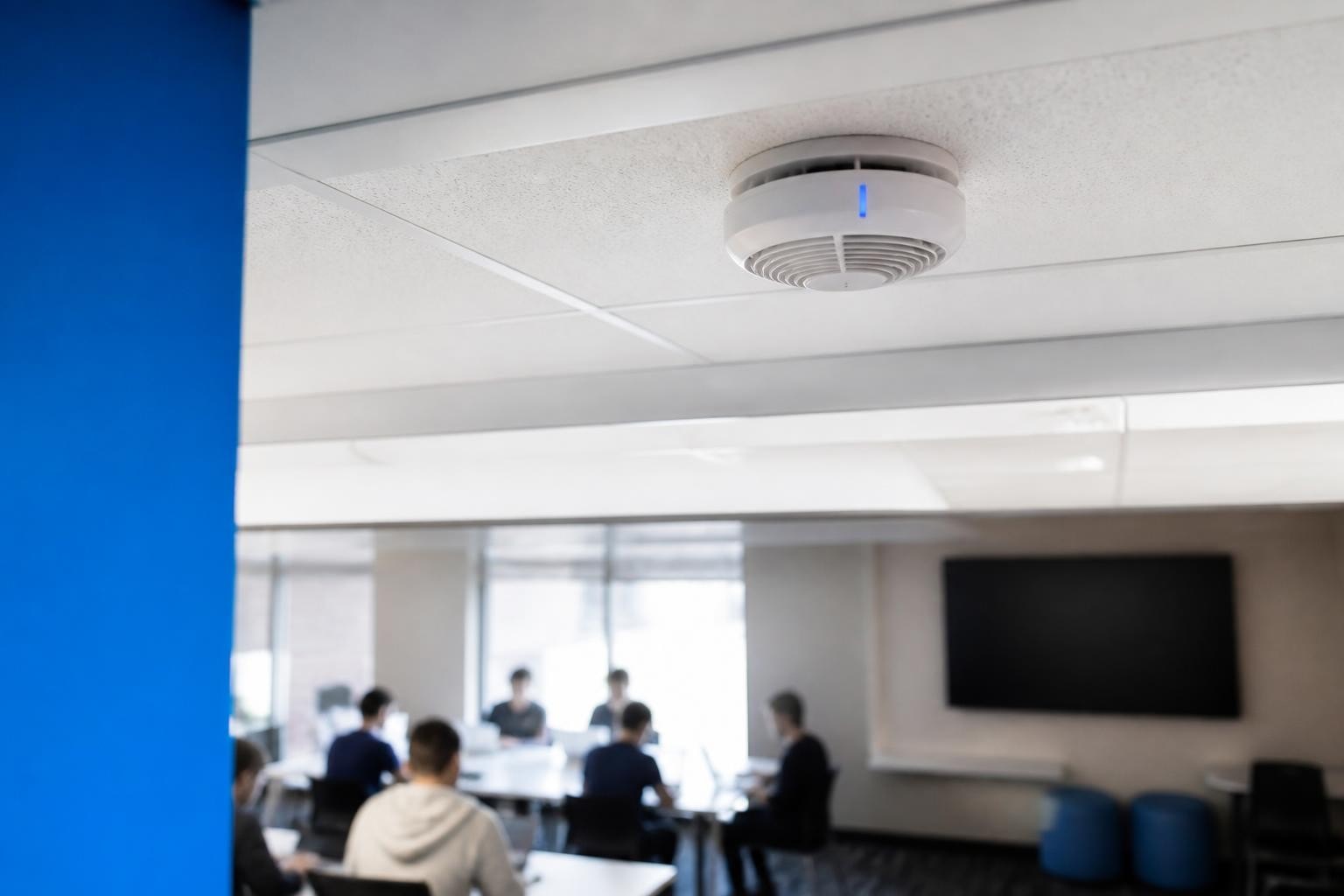
The prevalence of vaping in public and private spaces has created significant challenges for businesses, educational institutions, and facility managers. As electronic cigarettes become increasingly discreet and difficult to detect through traditional means, organisations require sophisticated technology to maintain safe, compliant environments. A commercial vape detector offers a practical solution, combining advanced sensor technology with real time monitoring capabilities to identify vaping incidents before they become widespread problems. Understanding the technology, applications, and implementation strategies for these systems is essential for any organisation committed to maintaining air quality standards and enforcing no vaping policies.
Understanding Commercial Vape Detector Technology
Modern commercial vape detectors operate through sophisticated sensor arrays that identify specific chemical compounds associated with vaping products. Unlike simple smoke detectors, these devices distinguish between traditional cigarette smoke, water vapour, and the distinct aerosols produced by electronic cigarettes.
The technology typically employs particulate matter sensors that measure air quality changes at a molecular level. When someone uses a vaping device, it releases a combination of propylene glycol, vegetable glycerin, nicotine, and flavouring compounds into the air. A commercial vape detector recognises these specific chemical signatures and differentiates them from other airborne substances.
Multi Sensor Approach
Effective detection systems utilise multiple sensor types working in concert:
- Chemical sensors that identify specific compounds in vaping aerosols
- Particulate sensors measuring microscopic particles suspended in air
- Air quality monitors tracking overall environmental changes
- Sound detection capabilities identifying the distinctive noise of vaping devices
This multi layered approach ensures accurate detection whilst minimising false positives that could undermine trust in the system.
Key Features of Commercial Grade Systems
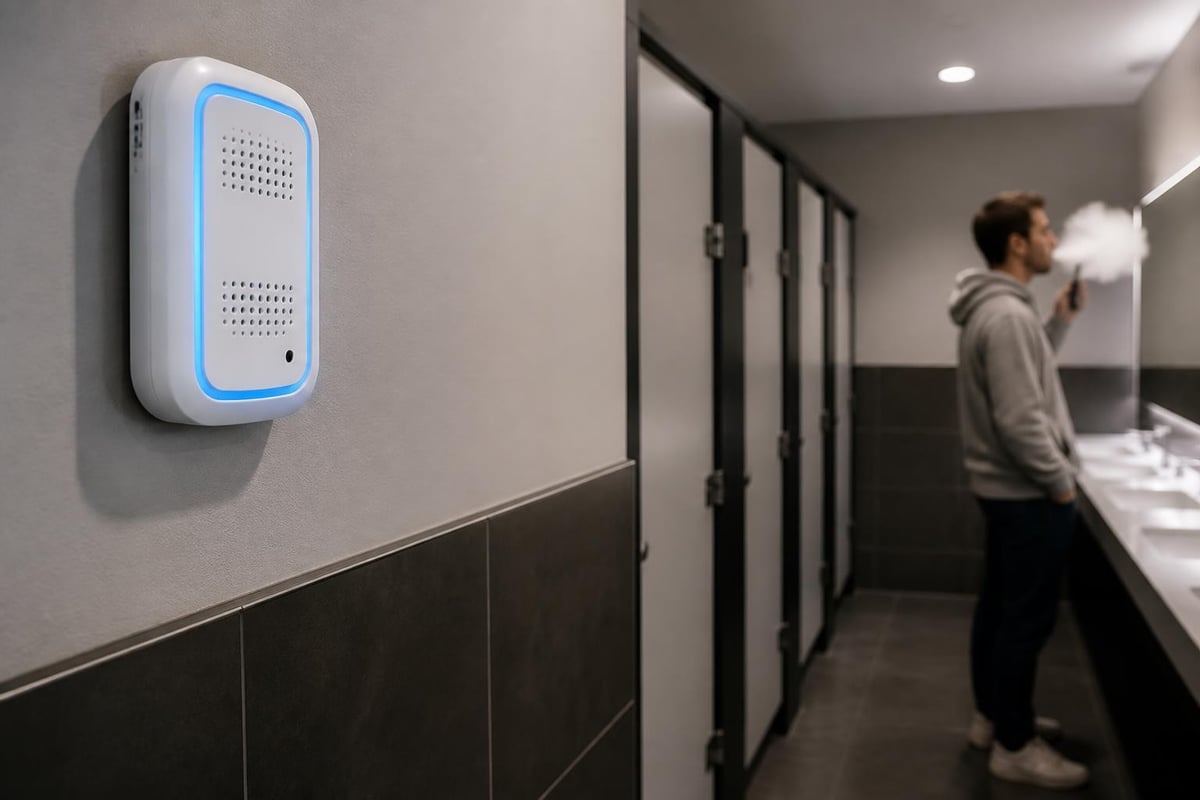
When evaluating options for your facility, several critical features distinguish professional commercial vape detector systems from basic consumer models. The operational mechanisms of vape detectors vary significantly based on deployment environment and specific organisational needs.
Real Time Alert Capabilities
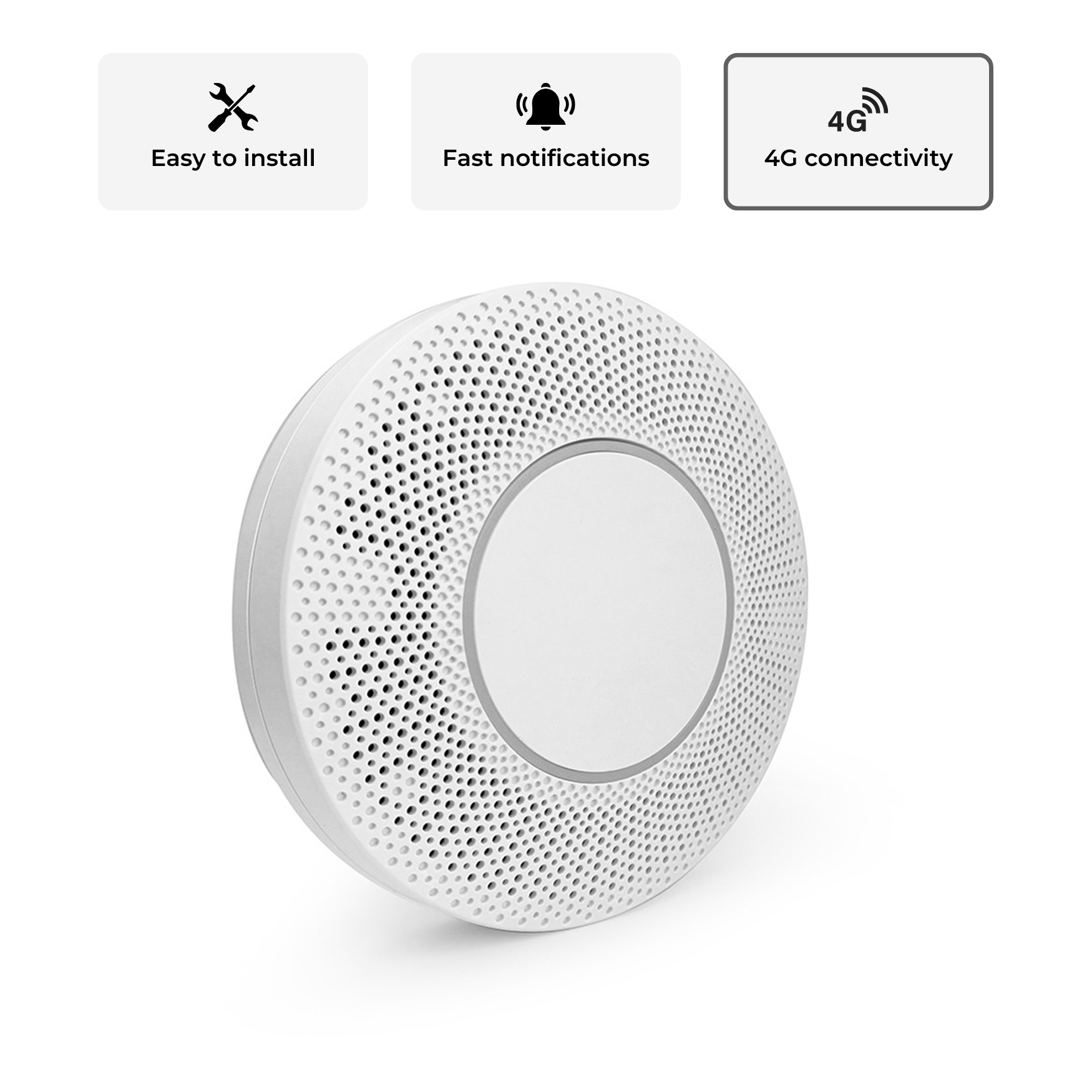
Immediate notification systems form the cornerstone of effective vape detection. When a device identifies vaping activity, alerts should reach designated personnel within seconds through multiple channels including email, SMS, and mobile applications. This rapid response capability allows staff to address incidents whilst they occur rather than discovering evidence hours later.
Geographic specificity matters considerably in larger facilities. The system should identify not just that vaping occurred but precisely where, enabling targeted responses without disrupting entire buildings or campuses.
| Feature | Basic System | Commercial System | Enterprise System |
|---|---|---|---|
| Alert Speed | 2-5 minutes | 30-60 seconds | 10-30 seconds |
| Location Accuracy | Room level | Zone specific | Precise location |
| Alert Channels | Email only | Email, SMS | Email, SMS, App, Dashboard |
| Data Retention | 30 days | 90 days | Unlimited with archiving |
Integration and Connectivity
Professional installations require seamless integration with existing building management systems and security infrastructure. A commercial vape detector should communicate effectively with access control systems, CCTV networks, and facility management platforms.
Cloud based monitoring offers significant advantages for organisations managing multiple locations. Centralised dashboards provide oversight across entire portfolios whilst maintaining granular control at individual facility level. This architecture proves particularly valuable for educational institutions managing multiple buildings or campuses.
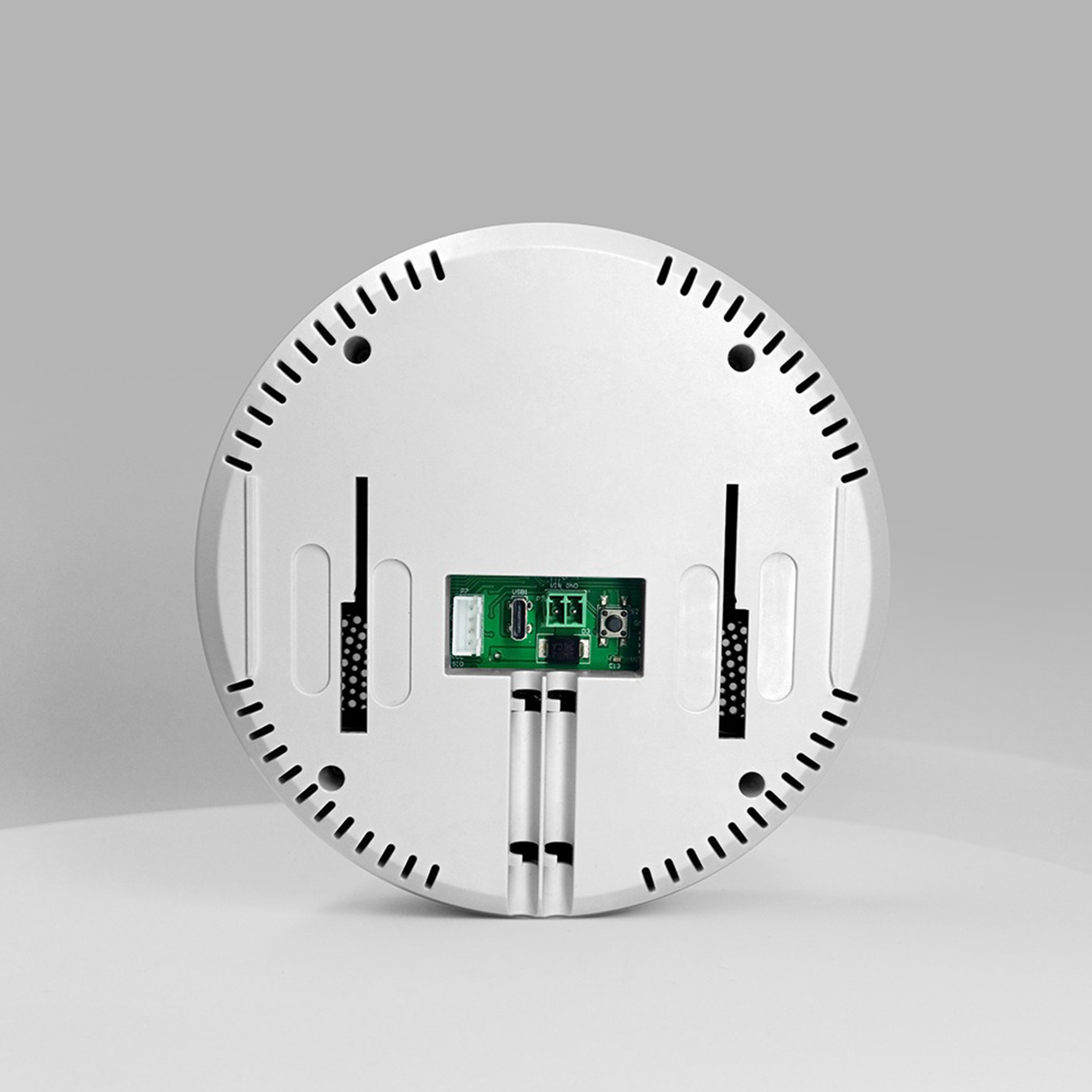
The Vape Detection System combines advanced hardware with intuitive software, offering comprehensive monitoring that extends beyond vaping to include drug use and antisocial behaviour detection through integrated sensors and intelligent analytics.

Applications Across Different Sectors
Commercial vape detectors serve diverse industries, each with unique requirements and regulatory considerations. Understanding sector specific applications helps organisations maximise return on investment whilst addressing particular challenges.
Educational Institutions
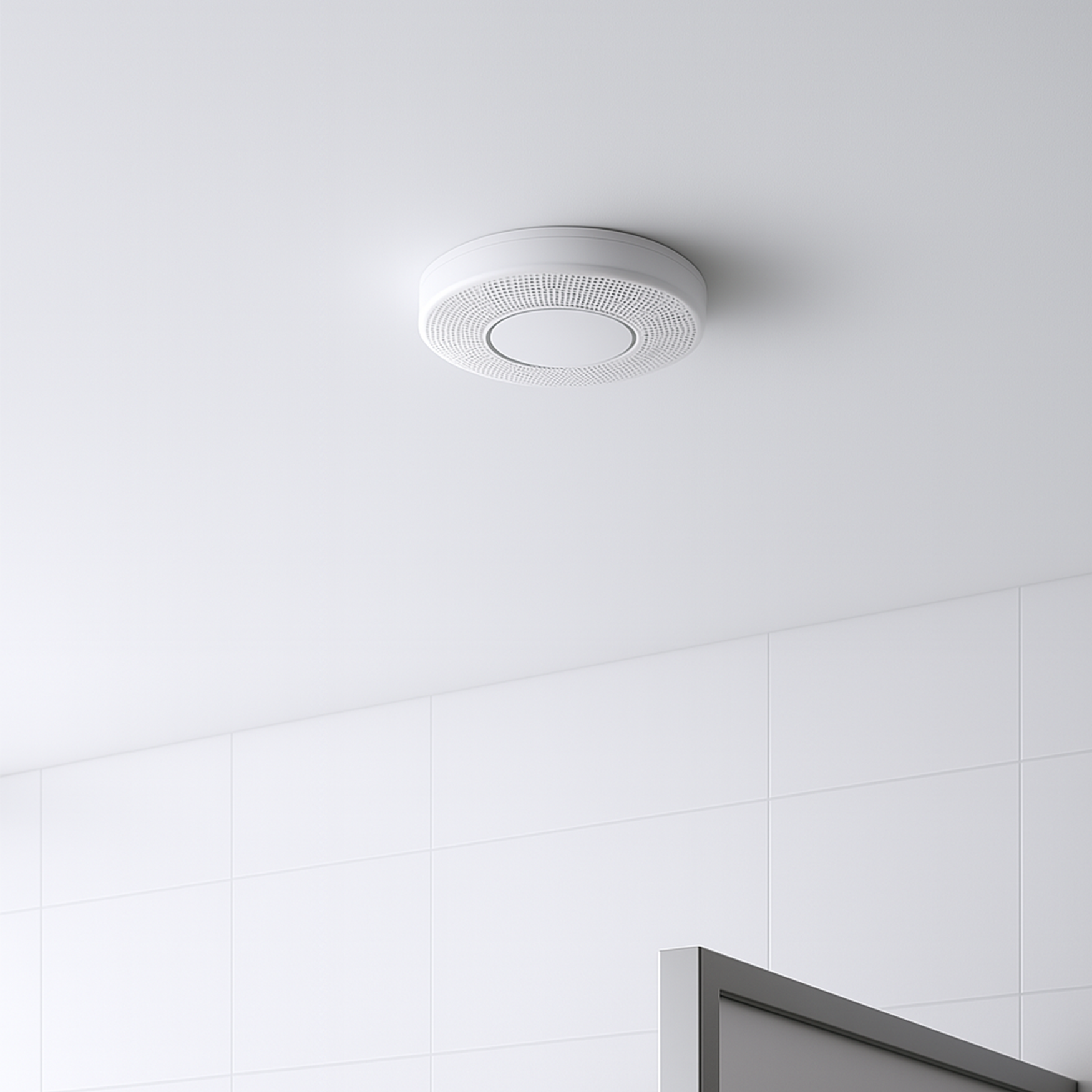
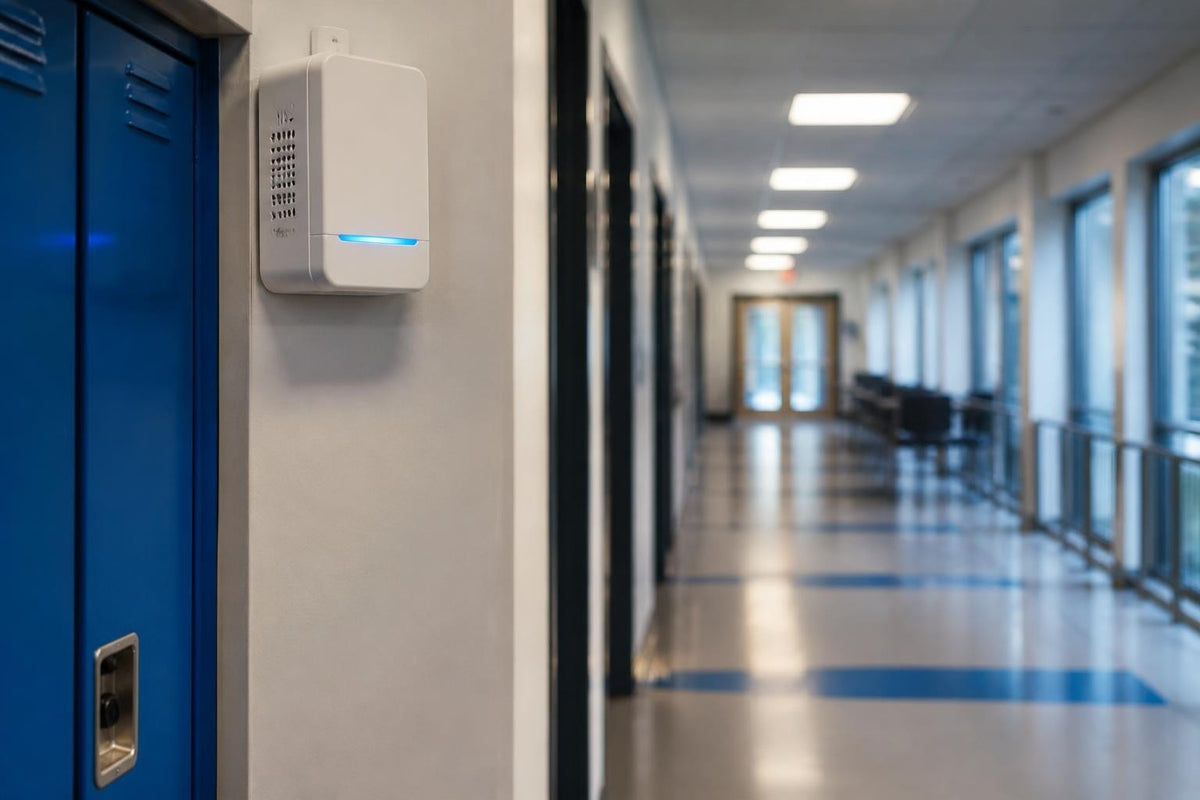
Schools and universities face mounting pressure to address youth vaping whilst respecting student privacy. Detection systems installed in toilets, changing rooms, and other areas where supervision proves difficult provide discrete monitoring without invasive camera surveillance.
The technology supports safeguarding responsibilities by identifying not just vaping but also potential bullying situations through sound detection capabilities. When integrated with broader student welfare programmes, these systems contribute to comprehensive health and safety strategies.
Implementation in educational settings requires careful consideration of data protection regulations and student privacy rights. Systems must balance effective monitoring with appropriate limitations on data collection and retention.
Commercial Office Environments
Modern workplaces increasingly adopt strict no smoking and no vaping policies to maintain air quality and support employee health. A commercial vape detector helps offices enforce these policies consistently without requiring constant supervision of break rooms and toilet facilities.
Professional environments benefit from discrete detection that addresses policy violations without creating confrontational situations. Automated alerts allow management to address issues privately and professionally whilst maintaining clear documentation of incidents.
Hospitality and Leisure Facilities
Hotels, sports centres, and entertainment venues face particular challenges balancing customer experience with facility protection. Vaping in hotel rooms creates cleaning challenges and potential damage, whilst sports facilities must maintain air quality for athletic performance.
Detection systems in these environments often integrate with booking systems and customer management platforms. When a device identifies vaping in a hotel room, for example, the alert can include guest information and booking details, streamlining response and potential charging for policy violations.
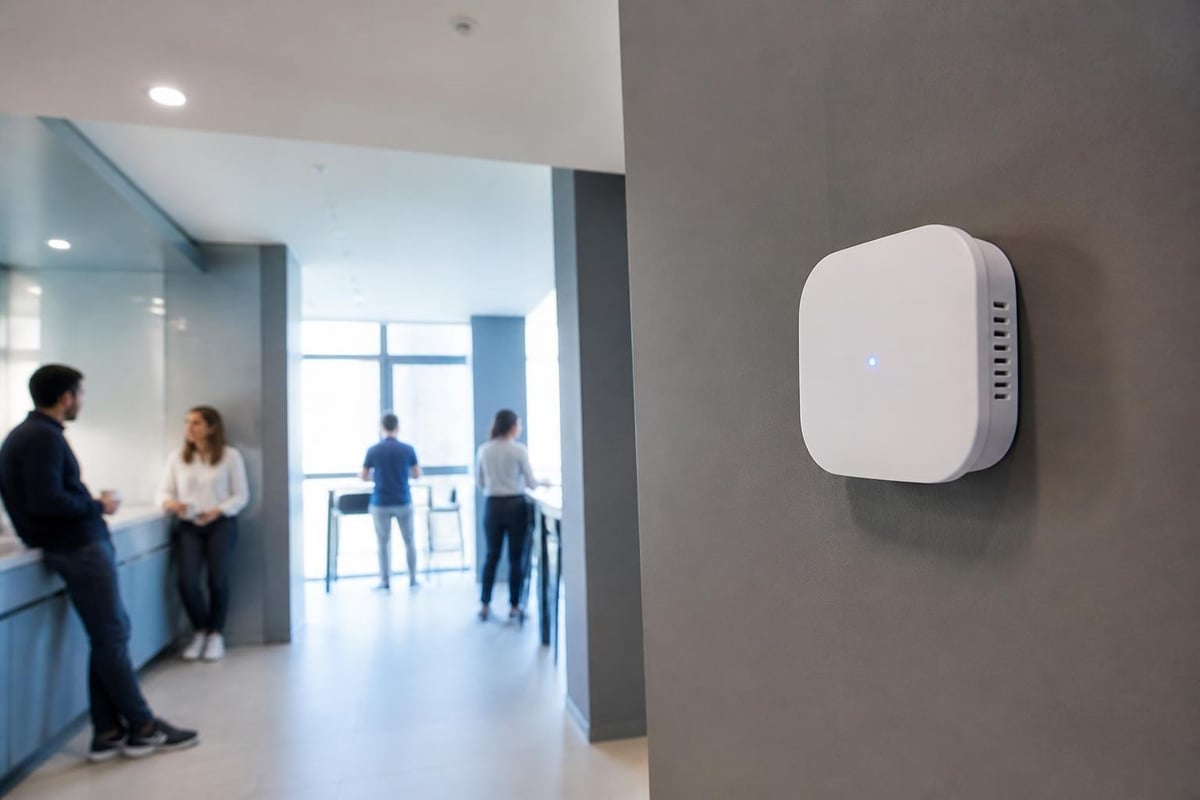
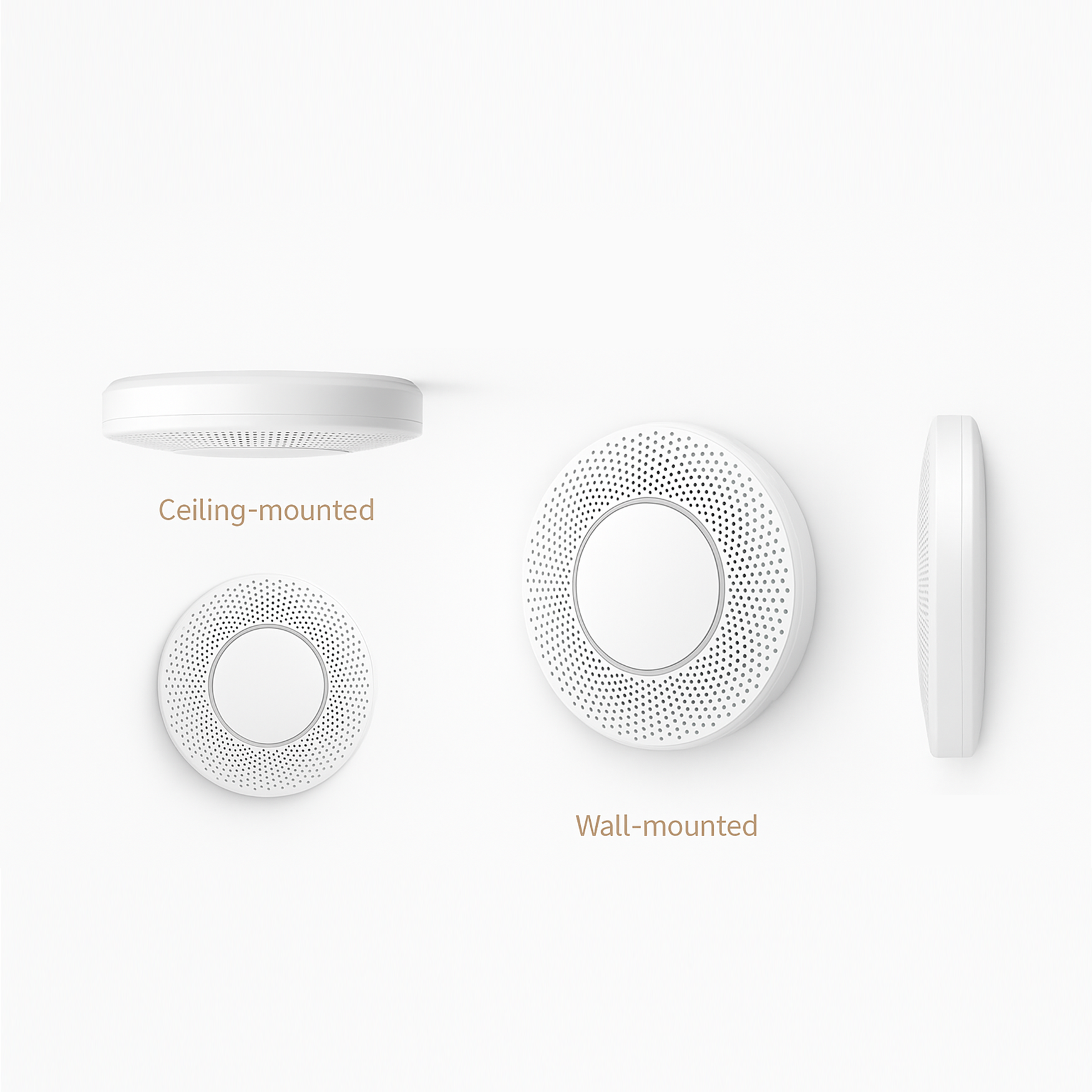
Leisure and retail applications often prioritise discrete operation and aesthetic integration. Modern commercial vape detectors feature compact designs that blend seamlessly with contemporary interior design whilst maintaining powerful detection capabilities.
Installation and Deployment Considerations
Successful implementation requires careful planning beyond simply purchasing equipment. Optimal placement, network infrastructure, and staff training all contribute to system effectiveness.
Strategic Sensor Placement
Identifying high risk areas requires understanding both facility layout and human behaviour patterns. Toilets and changing rooms typically rank as priority locations due to privacy expectations that make them attractive for violations. However, other areas merit consideration:
- Building entrances and exits where people congregate
- Stairwells and corridors offering temporary privacy
- Storage areas and plant rooms with limited supervision
- Car parks and loading areas adjacent to buildings
- Break rooms and designated smoking areas to prevent migration indoors
Air flow patterns significantly impact detection effectiveness. Sensors positioned near ventilation intake points may trigger alerts for outdoor vaping, whilst those near exhaust points might miss incidents entirely. Professional installation accounts for HVAC systems and natural air circulation.
Network Requirements
Reliable connectivity forms the foundation of effective monitoring. Whether deploying WiFi connected units or systems utilising cellular data, network stability directly impacts alert reliability and system responsiveness.
WiFi deployments offer advantages in buildings with robust existing infrastructure but require careful consideration of network security and bandwidth allocation. Dedicated VLANs for detection systems prevent conflicts with other building systems whilst maintaining appropriate isolation.
Cellular connectivity provides independence from building networks, particularly valuable in older facilities or areas with WiFi coverage gaps. Modern 4G and 5G networks offer sufficient bandwidth for real time monitoring and alert transmission.
Compliance and Regulatory Frameworks
Organisations deploying commercial vape detector systems must navigate various regulatory requirements depending on jurisdiction and sector. Understanding these obligations ensures compliant implementation whilst avoiding potential legal challenges.
Data Protection Considerations
Detection systems collect various data points that may constitute personal information under GDPR and similar regulations. Time stamps, location data, and patterns of use all require appropriate handling and protection.
Privacy impact assessments should precede deployment, particularly in environments serving vulnerable populations such as schools or healthcare facilities. These assessments identify potential privacy risks and establish appropriate safeguards.
Data retention policies must balance operational needs with privacy principles. Whilst incident documentation supports policy enforcement and provides evidence for disciplinary proceedings, indefinite retention of all detection data exceeds reasonable necessity.
The technology's role in detecting antisocial behaviour and drug use alongside vaping raises additional considerations regarding data sensitivity and access controls.
Workplace and Educational Policies
Effective deployment requires clear policies communicated to all stakeholders before system activation. Staff, students, or building users should understand:
- Where detection systems operate
- What activities trigger alerts
- How the organisation responds to incidents
- Appeal processes for disputed violations
- Data handling and privacy protections
Transparency regarding detection capabilities builds trust and demonstrates organisational commitment to fair implementation. Whilst specific sensor locations need not be publicised, general awareness of monitored areas proves essential.
Evaluating Commercial Vape Detector Performance
Measuring system effectiveness requires establishing clear metrics and maintaining consistent evaluation processes. Organisations investing in detection technology should track both technical performance and broader impact on vaping behaviour.
Technical Performance Metrics
| Metric | Target Range | Monitoring Frequency |
|---|---|---|
| Detection Accuracy | >95% | Monthly testing |
| False Positive Rate | <5% | Weekly review |
| Alert Response Time | <60 seconds | Continuous monitoring |
| System Uptime | >99.5% | Real time tracking |
| Sensor Calibration Status | 100% current | Quarterly verification |
Regular testing validates continued accuracy and identifies maintenance requirements before they impact performance. Simulated vaping incidents using controlled aerosol releases confirm sensors maintain specification performance.
Behavioural Impact Assessment
Beyond technical metrics, organisations should evaluate whether detection systems achieve intended behaviour change. Declining incident rates over time suggest effective deterrence, whilst static or increasing violations may indicate implementation issues.
Qualitative feedback from staff and building users provides valuable insights into system impact on facility culture and perceptions of safety. Anonymous surveys can reveal whether detection creates intended security feelings or generates resentment and workarounds.
Comparative analysis between monitored and unmonitored areas, where applicable, helps isolate detection system impact from broader trends affecting vaping behaviour. This data supports evidence based decisions about system expansion or modification.
Maintenance and System Longevity
Sustaining detection effectiveness requires ongoing maintenance and periodic system updates. Unlike passive smoke detectors requiring only battery changes, commercial vape detectors benefit from regular attention ensuring continued accuracy.
Routine Maintenance Schedules
Monthly checks should verify basic functionality including alert transmission, sensor responsiveness, and connectivity status. Quick tests using calibration aerosols confirm detection capabilities remain within specification.
Quarterly maintenance involves more thorough assessment including physical inspection of sensors, cleaning of detection chambers, and verification of all alert pathways. This schedule identifies developing issues before they compromise system effectiveness.
Annual servicing by qualified technicians ensures long term reliability through comprehensive system evaluation, sensor recalibration, and firmware updates implementing latest detection algorithms.
Software and Firmware Updates
Detection technology continuously evolves as manufacturers refine algorithms and vaping products introduce new formulations. Regular software updates ensure systems maintain effectiveness against emerging products and techniques.
Cloud connected systems typically receive automatic updates, though organisations should maintain awareness of changes affecting functionality or data handling. Legacy systems requiring manual updates need scheduled attention preventing obsolescence.
Cost Considerations and Return on Investment
Understanding the total cost of ownership helps organisations make informed purchasing decisions and justify investment to stakeholders. Beyond initial hardware costs, several factors influence overall expenditure.
Upfront Investment Components
- Hardware units priced per sensor depending on capabilities and features
- Installation costs including labour and any necessary infrastructure modifications
- Software licensing for monitoring platforms and management systems
- Integration expenses connecting with existing building management systems
- Training programmes ensuring staff can effectively operate and respond to alerts
Ongoing Operational Costs
Monthly or annual expenses typically include:
- Cloud platform subscriptions for monitoring and data storage
- Cellular data plans for units using mobile connectivity
- Replacement sensors and calibration equipment
- Technical support and maintenance contracts
- Software updates and feature enhancements
Calculating Value Delivered
ROI analysis should consider both direct savings and indirect benefits. Direct savings include reduced cleaning costs, avoided property damage, and decreased insurance premiums in some cases. Organisations in regulated industries may avoid compliance penalties through demonstrated vaping control.
Indirect benefits prove harder to quantify but often exceed direct savings. Improved air quality supports health and productivity. Effective policy enforcement demonstrates organisational commitment to safety, enhancing reputation with parents, customers, or employees. Reduced vaping incidents may correlate with broader improvements in facility culture and behavioural standards.
Educational institutions implementing comprehensive detection report significant decreases in overall disciplinary incidents, suggesting systems contribute to broader improvements in student behaviour and school climate. Research into e-cigarette prevalence highlights the scale of vaping challenges organisations face.
Selecting the Right Commercial Vape Detector
With numerous options available, choosing appropriate systems requires careful evaluation of organisational needs against product capabilities. No single solution suits all applications, making thorough assessment essential.
Critical Selection Criteria
Detection sensitivity must align with environment and enforcement philosophy. Highly sensitive systems detect minimal vapour traces but may trigger in adjacent spaces or from residual aerosols on clothing. Less sensitive configurations reduce false positives but might miss incidents in large, well ventilated spaces.
Scalability matters for growing organisations or those planning phased deployments. Systems easily expanded without replacing infrastructure or migrating to different platforms offer long term value and flexibility.
User interface design affects staff adoption and effective system utilisation. Intuitive dashboards with clear alert presentation and straightforward configuration reduce training requirements and support consistent operation across multiple administrators.
Vendor support quality varies dramatically between suppliers. Responsive technical support, comprehensive documentation, and regular product updates indicate committed manufacturers likely to provide long term value.
Questions for Potential Suppliers
Before committing to any commercial vape detector system, organisations should seek clear answers to:
- What detection technologies does the system employ and how do they work together?
- How does the system distinguish vaping from other airborne substances?
- What infrastructure requirements exist for installation and operation?
- How quickly do alerts reach designated recipients and through what channels?
- What data does the system collect, how is it stored, and who can access it?
- What warranty coverage and technical support come standard, and what costs extra?
- How frequently does the system require maintenance and what does this involve?
- Can the system integrate with our existing building management or security platforms?
Requesting demonstrations with actual testing using vaping devices provides valuable insight into real world performance beyond manufacturer specifications.
Future Developments in Detection Technology
The vaping detection sector continues evolving as manufacturers refine existing capabilities and develop novel approaches to identifying violations. Staying informed about emerging trends helps organisations plan upgrades and future deployments.
Artificial Intelligence Integration
Machine learning algorithms increasingly enhance detection accuracy by learning to distinguish genuine vaping incidents from environmental conditions that might trigger sensors. These systems analyse patterns in sensor data, recognising signatures associated with different vaping products and techniques.
AI powered analytics also identify behavioural patterns suggesting organised evasion attempts or areas requiring additional monitoring. Predictive capabilities may eventually forecast high risk periods based on historical incident data and environmental factors.
Enhanced Multi Threat Detection
Modern commercial vape detectors increasingly incorporate capabilities beyond vaping identification. Sound analysis detects aggressive behaviour, bullying, or vandalism through unusual noise patterns. Air quality sensors identify various concerning substances including cannabis, cleaning chemicals at dangerous concentrations, and other airborne threats.
This evolution toward comprehensive environmental monitoring positions detection systems as integral components of broader facility safety and security infrastructure rather than single purpose vaping sensors.
Improved Discretion and Aesthetics
As detection technology matures, manufacturers increasingly prioritise visual integration with building environments. Sensors designed to match existing fixtures, incorporate into lighting systems, or disguise as standard building components reduce visual impact whilst maintaining functionality.
Smaller form factors enabled by miniaturised sensors and more efficient processing allow installation in previously unsuitable locations, extending monitoring coverage without aesthetic compromise.
Commercial vape detector technology represents a practical solution for organisations struggling to enforce no vaping policies whilst respecting privacy and maintaining welcoming environments. By understanding the technology, carefully planning deployment, and selecting appropriate systems for specific needs, facilities can effectively address vaping challenges whilst supporting broader health and safety objectives. Vape Guardian specialises in advanced detection and air quality monitoring solutions tailored to schools, offices, and leisure spaces throughout the UK, offering reliable technology backed by dedicated support to help organisations create safer, healthier environments through effective vaping incident prevention and real time monitoring capabilities.


Share:
How to Detect Vaping Indoors: Expert Detection Methods
School Facilities Monitoring: Modern Solutions for 2026