

Vaping has become increasingly prevalent across the United Kingdom, with millions of adults using electronic cigarettes regularly. As these devices have grown in popularity, so too has the challenge of detecting their use in indoor environments where it may be prohibited or unwanted. Unlike traditional tobacco smoking, vaping produces vapour rather than smoke, making it more discreet and harder to identify through conventional means. Understanding how to detect vaping indoors has become essential for educational institutions, workplaces, leisure facilities, and even residential settings where maintaining air quality and enforcing policies are paramount concerns.
Understanding the Fundamentals of Indoor Vaping Detection
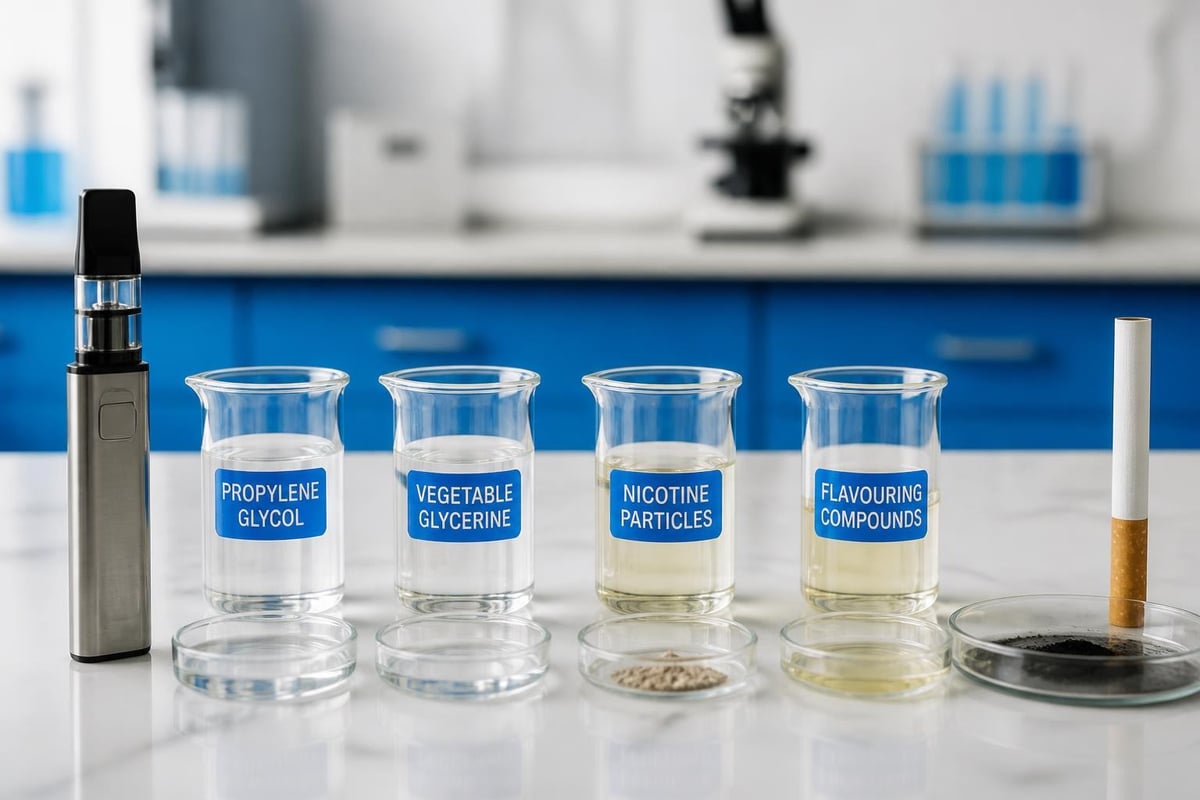
Detecting vaping indoors requires a comprehensive understanding of what vaping actually produces and how it differs from other airborne substances. Electronic cigarettes generate an aerosol containing various particles, including propylene glycol, vegetable glycerine, nicotine, and flavouring compounds. These substances behave differently from traditional smoke, dissipating more quickly whilst leaving distinct chemical signatures in the air.
The challenge lies in the fact that vape aerosol can appear virtually invisible in certain lighting conditions and disperses rapidly in well-ventilated spaces. This makes visual detection alone unreliable for consistent monitoring. Furthermore, users have developed techniques to minimise vapour production, such as holding the aerosol in their lungs longer before exhaling or exhaling into clothing to muffle the cloud.
Physical Signs and Visual Indicators
When learning how to detect vaping indoors, recognising physical evidence remains a fundamental skill. Whilst the aerosol itself may be fleeting, vaping often leaves behind telltale signs that trained observers can identify.
Common visual indicators include:
- Thin, white vapour clouds that dissipate quickly but may be visible in certain lighting
- Condensation patterns on windows, mirrors, or glass surfaces in frequently used areas
- Residue on surfaces that feels slightly oily or sticky to the touch
- Discarded vape devices, cartridges, or packaging in bins or hidden locations
- USB chargers or cables that may be used for device charging
The signs of vaping extend beyond just the visible vapour. Many facilities find that regular inspections of common areas, particularly toilets, changing rooms, and secluded corners, reveal physical evidence even when active vaping isn't witnessed. This approach requires staff training and consistent vigilance to be effective.
Olfactory Detection Methods
One of the most accessible methods for how to detect vaping indoors involves using your sense of smell. Whilst vaping doesn't produce the acrid smoke smell associated with traditional cigarettes, it does create distinctive aromatic signatures that trained individuals can recognise.
Identifying Vape Flavour Profiles
Modern electronic cigarettes come in hundreds of flavour varieties, from fruit and dessert flavours to mint and tobacco blends. Each produces a unique scent profile that lingers in the air for varying durations.
| Flavour Category | Scent Characteristics | Persistence Duration |
|---|---|---|
| Fruit Flavours | Sweet, artificial fruit aromas | 5 to 15 minutes |
| Dessert Flavours | Vanilla, caramel, or baked goods | 10 to 20 minutes |
| Mint/Menthol | Sharp, cooling scent | 15 to 30 minutes |
| Tobacco Flavours | Less distinctive, subtle sweetness | 5 to 10 minutes |
The challenge with olfactory detection is that scents can be masked by air fresheners, perfumes, or other strong odours. Additionally, individual sensitivity to different scents varies considerably, making this method subjective and potentially inconsistent. Many educational institutions have found that whilst smell detection can alert staff to potential vaping, it cannot provide the reliable evidence needed for policy enforcement.
Training Staff to Recognise Vaping Odours
Successful olfactory detection requires proper training. Staff members need exposure to various vape flavour profiles to develop recognition skills. Regular refresher sessions help maintain this capability, particularly as new flavour profiles enter the market throughout 2026.

Technological Solutions for Vaping Detection
Modern technology has revolutionised how to detect vaping indoors, offering sophisticated solutions that provide real-time alerts and objective evidence. These systems have become increasingly popular across schools, offices, and public facilities throughout the United Kingdom.
How Specialised Vape Detectors Function
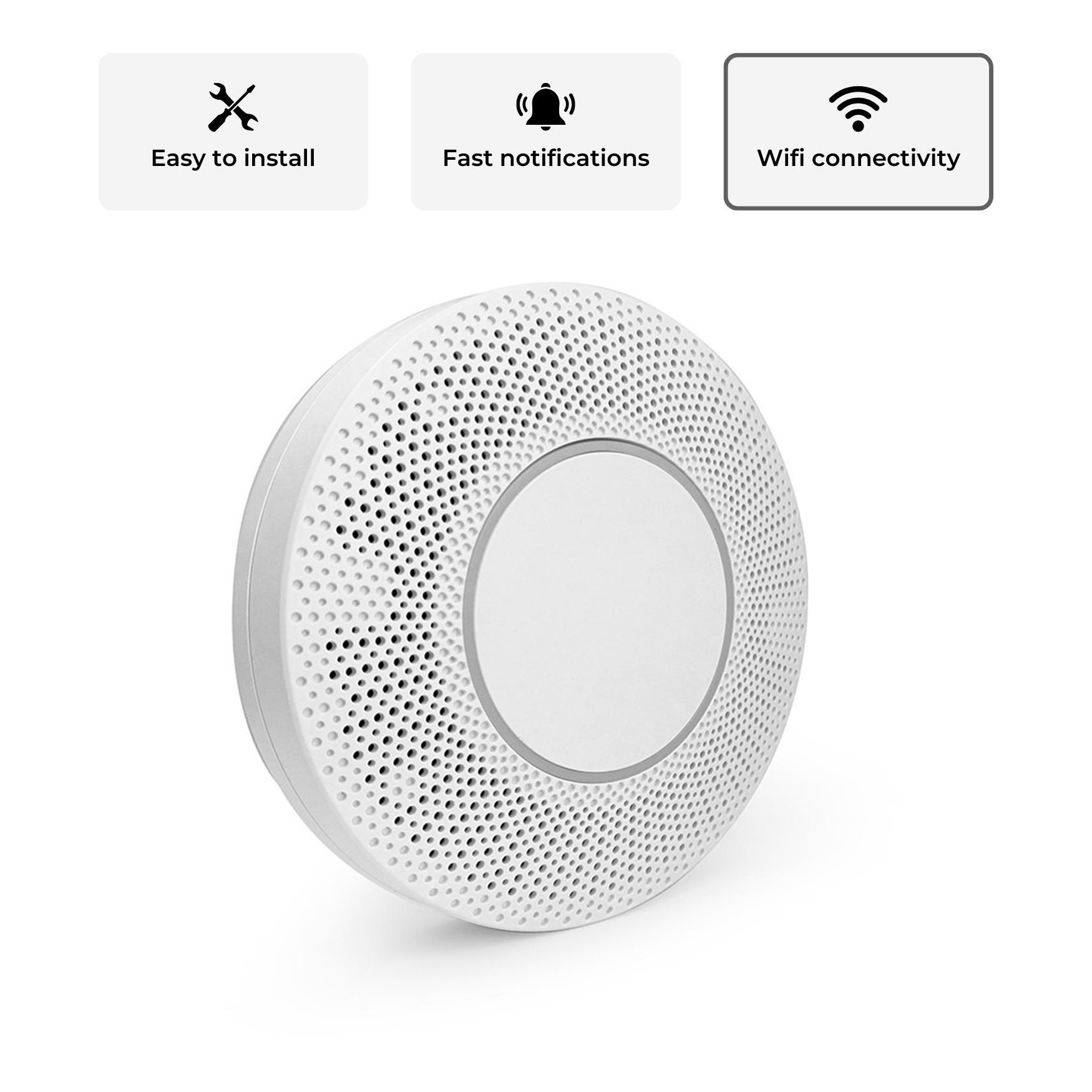
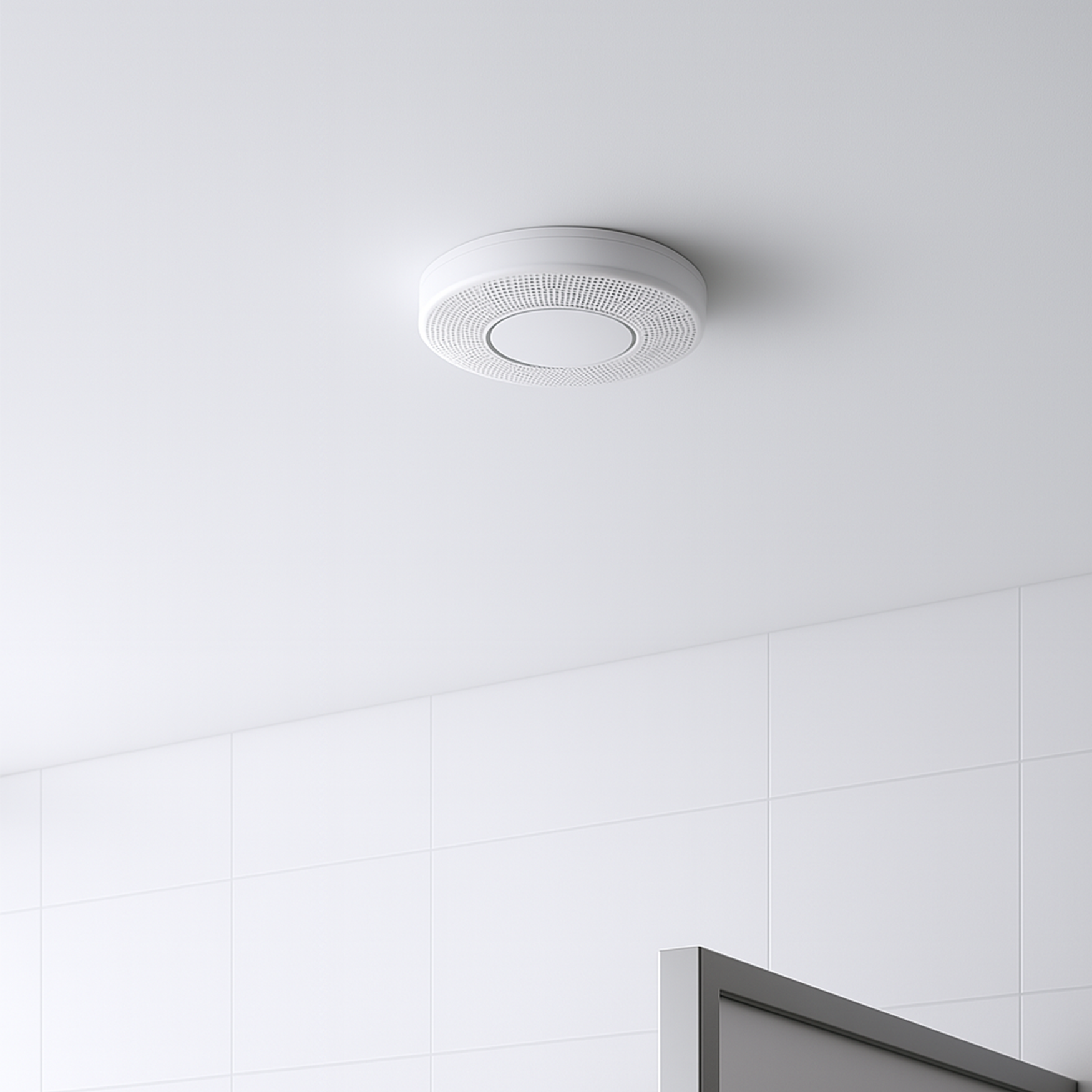
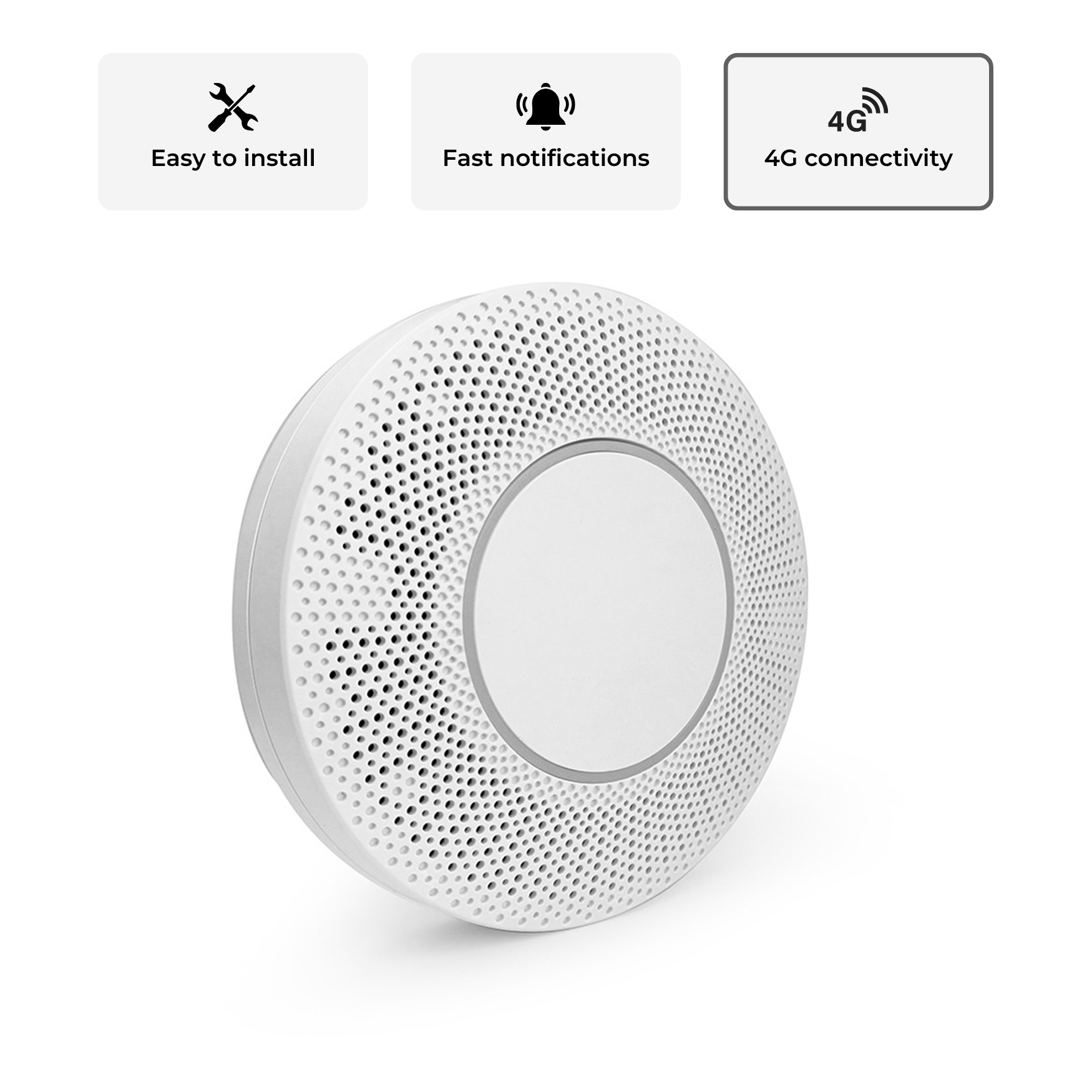
Dedicated vape detection systems utilise advanced sensor technology to identify the specific chemical compounds present in vape aerosol. These devices can distinguish between vaping, traditional smoking, and other airborne substances such as cleaning products or aerosol sprays. Understanding how vape detectors work helps facilities make informed decisions about implementation.
Key technological capabilities include:
- Particulate matter sensors that detect aerosol density
- Chemical sensors that identify propylene glycol and vegetable glycerine
- Air quality monitoring that tracks changes in atmospheric composition
- Sound detection that can identify the characteristic sounds of vaping devices
- Temperature and humidity sensors that detect environmental changes
For organisations seeking reliable solutions, the Vape Detection System offers comprehensive monitoring capabilities that go beyond simple detection. These advanced systems can identify not only vaping but also other concerning activities, providing facilities with a complete safety monitoring solution that delivers instant alerts when incidents occur.

Installation and Placement Strategies
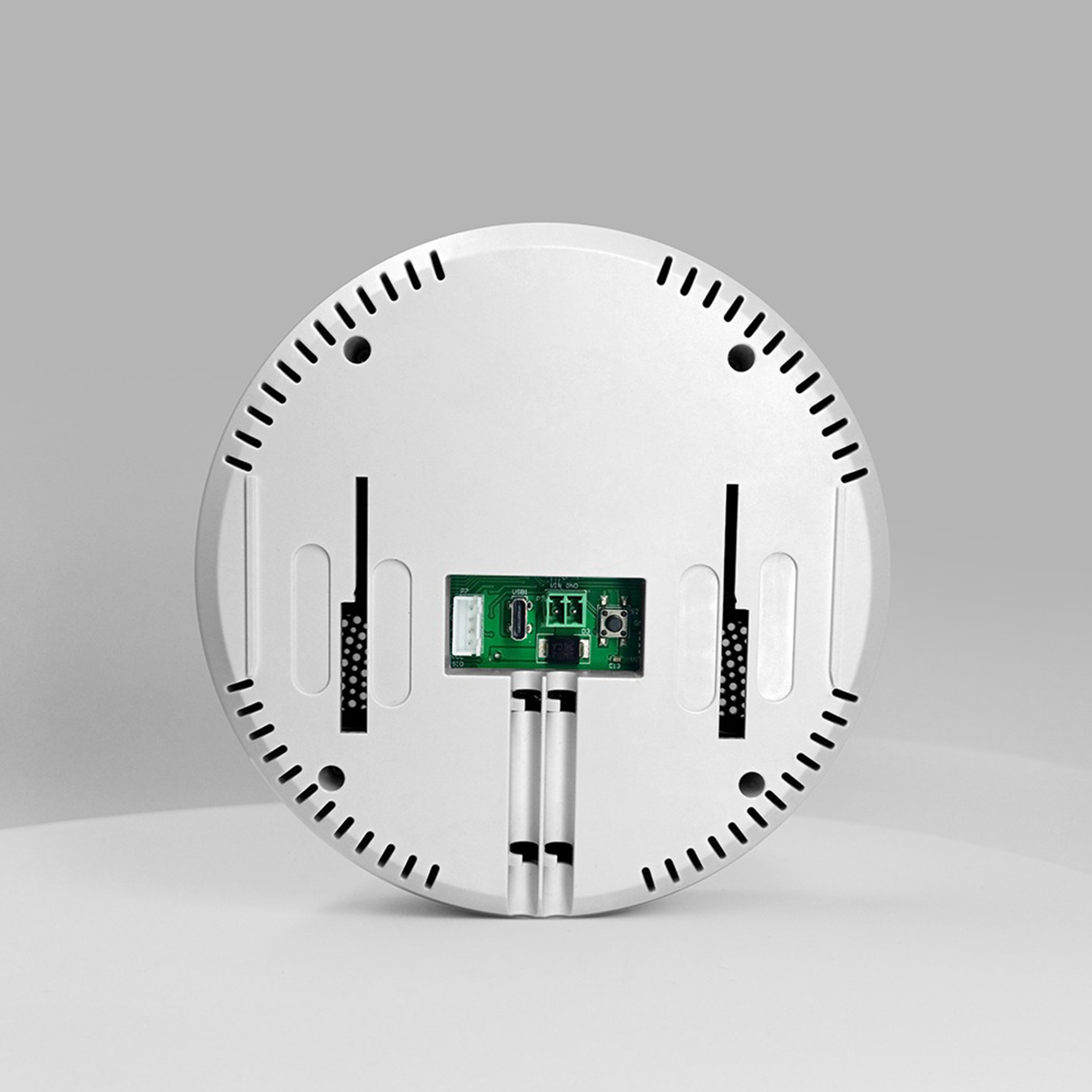
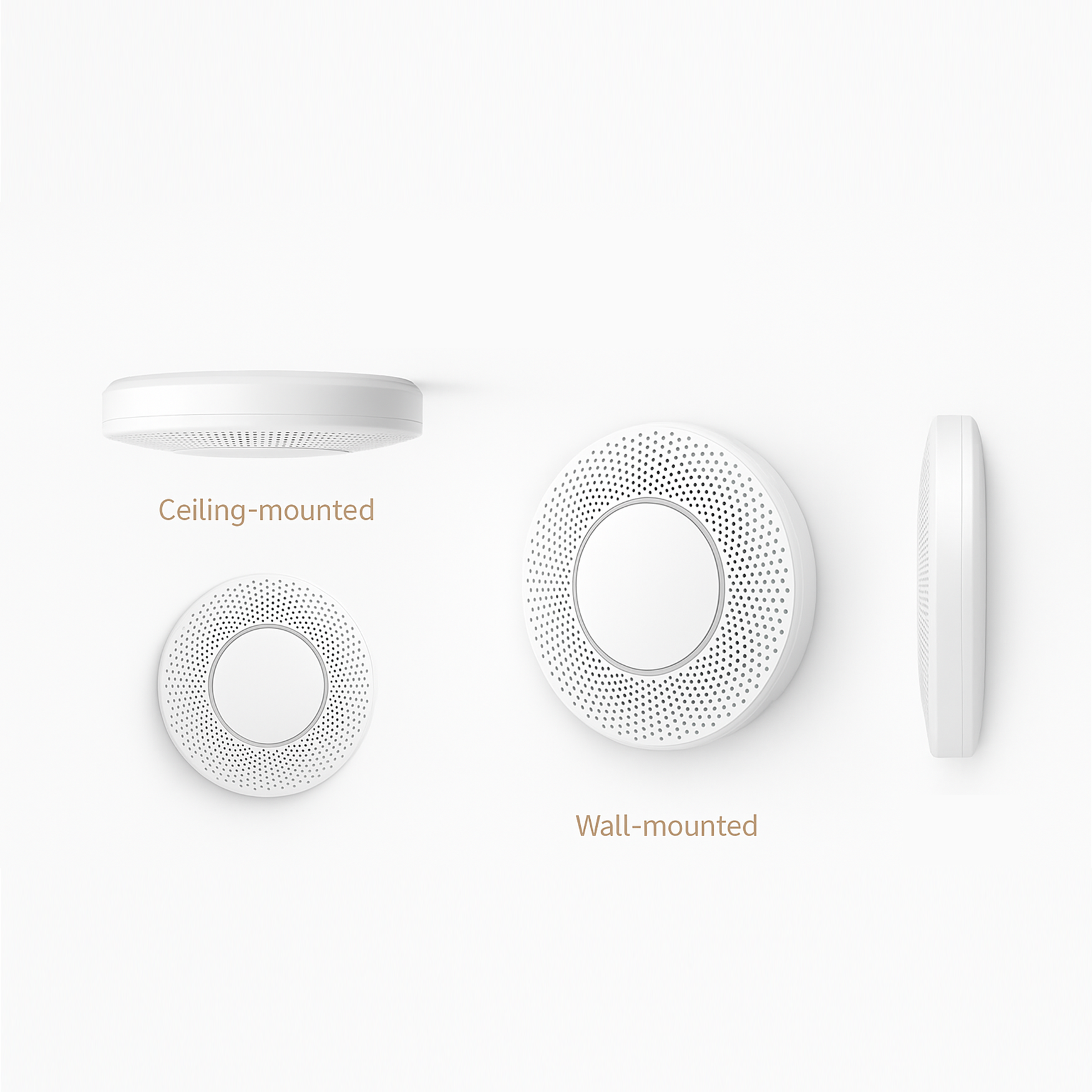
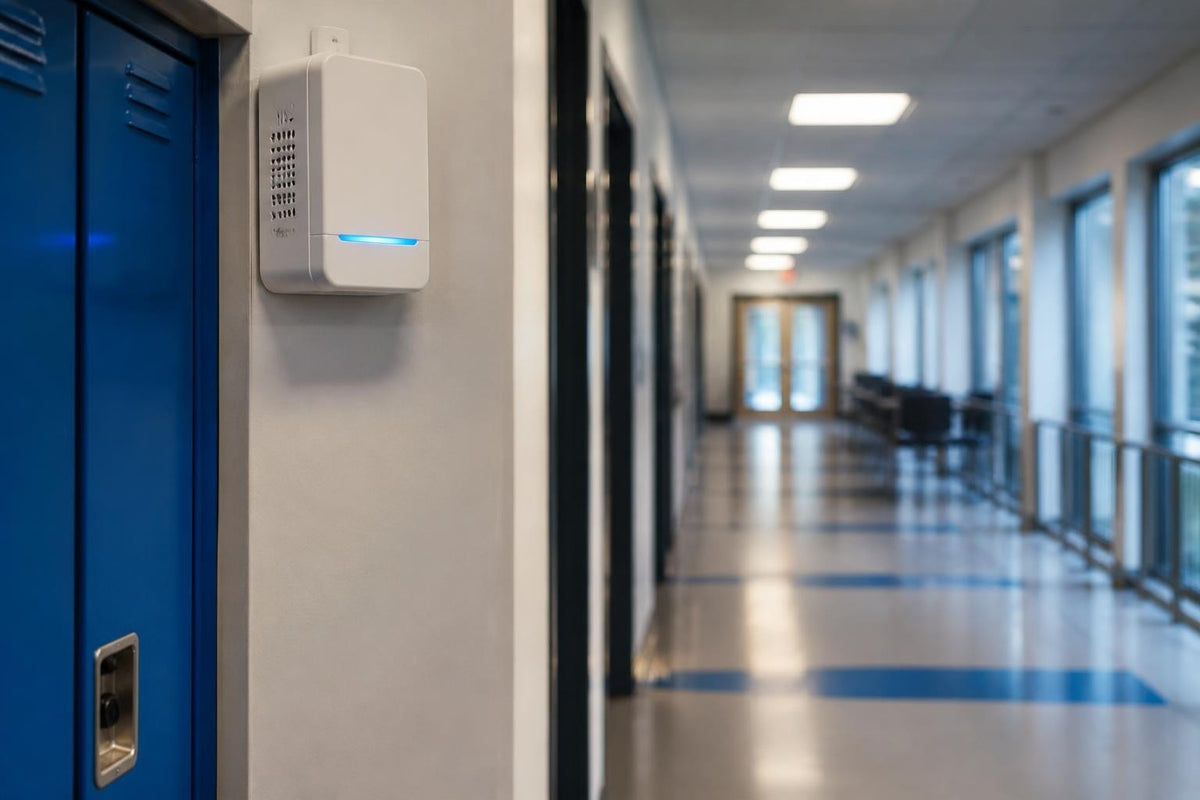
Effective technological detection requires strategic sensor placement. High-risk areas such as toilets, changing rooms, stairwells, and secluded corners should receive priority coverage. However, facilities must balance comprehensive monitoring with privacy considerations and legal requirements regarding surveillance.
Air Quality Monitoring as a Detection Method
Beyond dedicated vape detectors, general air quality monitoring systems can provide valuable information about potential vaping activity. These systems track various environmental parameters that change when vaping occurs indoors.
Parameters That Indicate Vaping Activity
- Particulate Matter Concentration: Vaping significantly increases PM2.5 and PM10 levels
- Volatile Organic Compounds (VOCs): Elevated VOC levels indicate aerosol presence
- Humidity Changes: Vaping can temporarily increase local humidity
- Air Pressure Variations: Closed spaces show measurable pressure changes
- Carbon Dioxide Levels: Whilst not directly related, CO2 monitoring helps identify occupancy patterns
Many office environments have implemented air quality monitoring as part of broader workplace wellness initiatives, discovering that these systems also provide insights into vaping activity. The data collected over time can reveal patterns and help identify problem areas requiring additional intervention.
Behavioural Observation and Pattern Recognition
Understanding how to detect vaping indoors also involves recognising the behavioural patterns associated with vaping activity. Trained observers can identify suspicious behaviours that warrant closer investigation.
Common Vaping Behaviours to Monitor
Individuals who vape indoors often exhibit predictable patterns. They may make frequent trips to toilets or other secluded areas, spending longer than typical durations. Groups of people congregating in areas away from supervision may indicate social vaping activity.
Behavioural indicators include:
- Prolonged toilet visits, particularly by the same individuals
- Hand-to-mouth gestures characteristic of vaping
- Attempting to conceal objects in pockets or bags
- Gathering in poorly ventilated or secluded areas
- Leaving windows open in unusual locations or weather conditions
Educational facilities have found that combining behavioural observation with technological detection provides the most comprehensive approach. Resources such as best practice guidelines for handling vaping alerts help staff respond appropriately when suspicious behaviour is identified.
Integration of Detection Methods with Smoke Alarms
A common question when considering how to detect vaping indoors involves whether standard smoke detectors can identify vaping activity. The answer is complex and depends on several factors, including detector type and vaping intensity.
Smoke Detector Types and Vaping Sensitivity
| Detector Type | Vaping Sensitivity | False Alarm Risk |
|---|---|---|
| Ionisation | Low to moderate | Low |
| Photoelectric | Moderate to high | Moderate |
| Dual sensor | Moderate | Low to moderate |
| Heat-based | Very low | Very low |
Research on whether vapor can set off smoke detectors demonstrates that whilst possible, it's not a reliable detection method. Photoelectric detectors are most likely to respond to dense vape clouds, but this typically requires heavy vaping in close proximity to the device. Relying solely on smoke alarms for vaping detection leaves significant gaps in coverage and provides no proactive alerts.
Residential Detection Strategies
How to detect vaping indoors in residential settings presents unique challenges compared to institutional environments. Homeowners and landlords require different approaches that respect privacy whilst protecting property and ensuring lease compliance.
Home-Based Detection Approaches
Residential detection often relies more heavily on physical evidence and less on technological monitoring. Parents concerned about underage vaping or landlords enforcing no-smoking policies need practical methods that can be implemented without extensive infrastructure.
Methods for detecting vaping in residential settings include regular inspection of bedrooms and bathrooms, monitoring online purchase histories, and maintaining open communication about household rules. Portable air quality monitors offer a less invasive technological option for concerned homeowners.
Policy Development and Enforcement Considerations
Effective detection requires more than just identifying vaping activity. Facilities must develop comprehensive policies that outline expectations, consequences, and procedures for handling detected incidents.
Creating Enforceable Vaping Policies
- Define prohibited areas clearly: Specify exactly where vaping is not permitted
- Establish detection methods: Document which detection approaches will be used
- Outline consequences: Create progressive discipline procedures
- Provide support resources: Offer cessation support for those who want to quit
- Train all stakeholders: Ensure staff, students, and employees understand policies
Leisure and retail facilities face particular challenges in balancing customer experience with policy enforcement. Clear signage, staff training, and consistent application of policies help create environments where vaping detection leads to positive outcomes rather than confrontation.
Future Developments in Vaping Detection Technology
As we progress through 2026, detection technology continues to evolve. Artificial intelligence and machine learning are being integrated into detection systems, improving accuracy and reducing false positives. Future developments may include more sophisticated chemical analysis, improved integration with building management systems, and enhanced data analytics capabilities.
Emerging Technologies and Trends
The next generation of detection systems will likely incorporate multiple sensing modalities, providing even more reliable identification of vaping activity. Integration with existing security infrastructure allows for comprehensive facility monitoring through unified platforms. These advancements will make it easier for organisations to understand how to detect vaping indoors whilst minimising operational burden.
Understanding the relationship between traditional tobacco products and vaping helps contextualise detection challenges. Resources like Cigarette Nearby demonstrate the ongoing market for traditional smoking products, highlighting why comprehensive detection systems must often address both traditional smoking and vaping to create truly smoke-free environments.
Staff Training and Response Protocols
Technology alone cannot solve vaping detection challenges. Human oversight, proper training, and effective response protocols remain essential components of any successful detection programme.
Developing Comprehensive Training Programmes
Effective training should cover identification techniques, appropriate response procedures, and de-escalation strategies. Staff must understand not only how to detect vaping indoors but also how to address it professionally and consistently when detected. Regular refresher training ensures skills remain current as products and user behaviours evolve.
Training should address:
- Physical signs and sensory indicators
- Technology operation and alert response
- Communication strategies with individuals caught vaping
- Documentation requirements for policy enforcement
- Support resources for cessation assistance
Organisations can benefit from consulting with specialist providers who offer guidance on implementing comprehensive detection and response programmes tailored to specific facility needs.
Measuring Detection Programme Effectiveness
Implementing detection methods is only valuable if facilities can measure their effectiveness and make data-driven improvements. Regular assessment helps organisations understand whether their approach to how to detect vaping indoors is achieving desired outcomes.
Key Performance Indicators for Detection Programmes
| Metric | Measurement Method | Target Range |
|---|---|---|
| Detection Rate | Incidents identified vs estimated activity | >70% |
| False Positive Rate | False alerts vs total alerts | <10% |
| Response Time | Alert to staff response duration | <5 minutes |
| Repeat Incidents | Repeat offenders vs total incidents | <20% |
| Policy Compliance | Surveys and observational data | >85% |
The integration of detailed analytics from platforms similar to comprehensive detection systems allows facilities to track trends, identify problem areas, and demonstrate return on investment. This data-driven approach supports continuous improvement and helps justify resource allocation for detection programmes.
Detecting vaping indoors requires a multifaceted approach combining physical observation, technological solutions, and comprehensive policies. From recognising visual signs and distinctive scents to implementing advanced sensor systems, facilities have numerous tools available for identifying unauthorised vaping activity. Vape Guardian specialises in providing cutting-edge detection technology and expert guidance to help schools, offices, and leisure facilities create safer, healthier environments through reliable real-time monitoring and dedicated support services.


Share:
School Bathroom Vape Detector: Complete 2026 Guide
Commercial Vape Detector: Complete Guide for 2026