
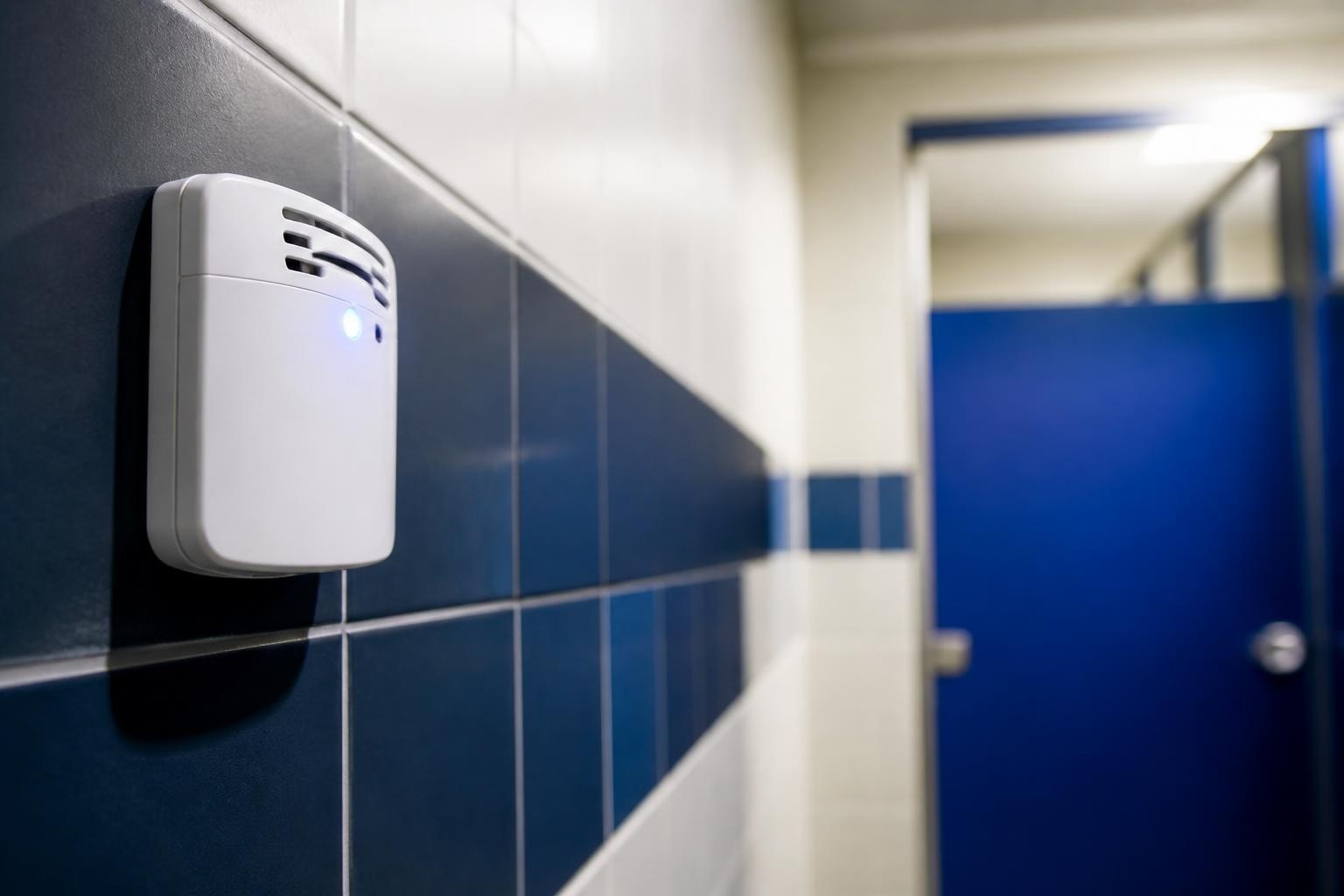
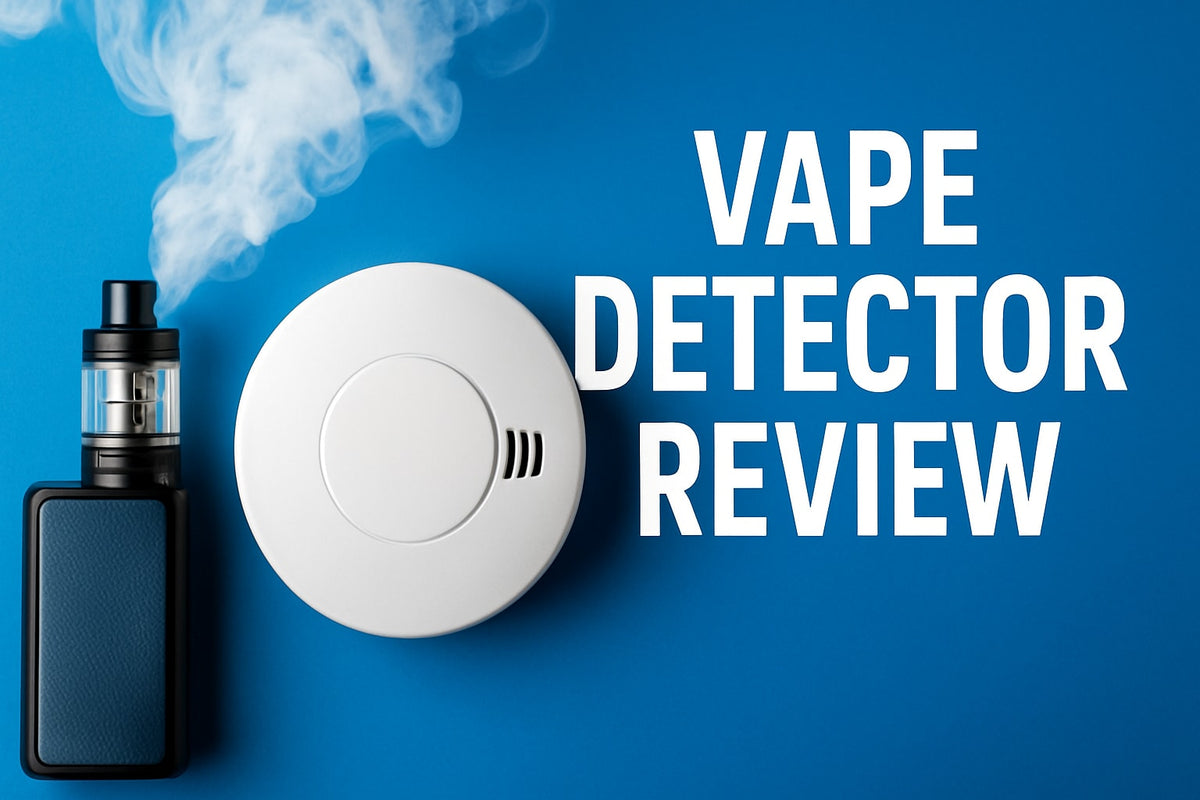
Vaping in school bathrooms has become one of the most persistent challenges facing educational institutions across the United Kingdom. Students frequently retreat to toilets and changing facilities to use e-cigarettes, believing these spaces provide privacy and anonymity. The rise of discreet vaping devices and flavoured products has intensified this problem, prompting schools to seek technological solutions that can monitor these areas without invading student privacy. A school bathroom vape detector represents a sophisticated response to this ongoing issue, combining sensor technology, air quality monitoring, and automated alerting systems to help safeguard students and maintain compliance with institutional policies.
Understanding School Bathroom Vape Detection Technology
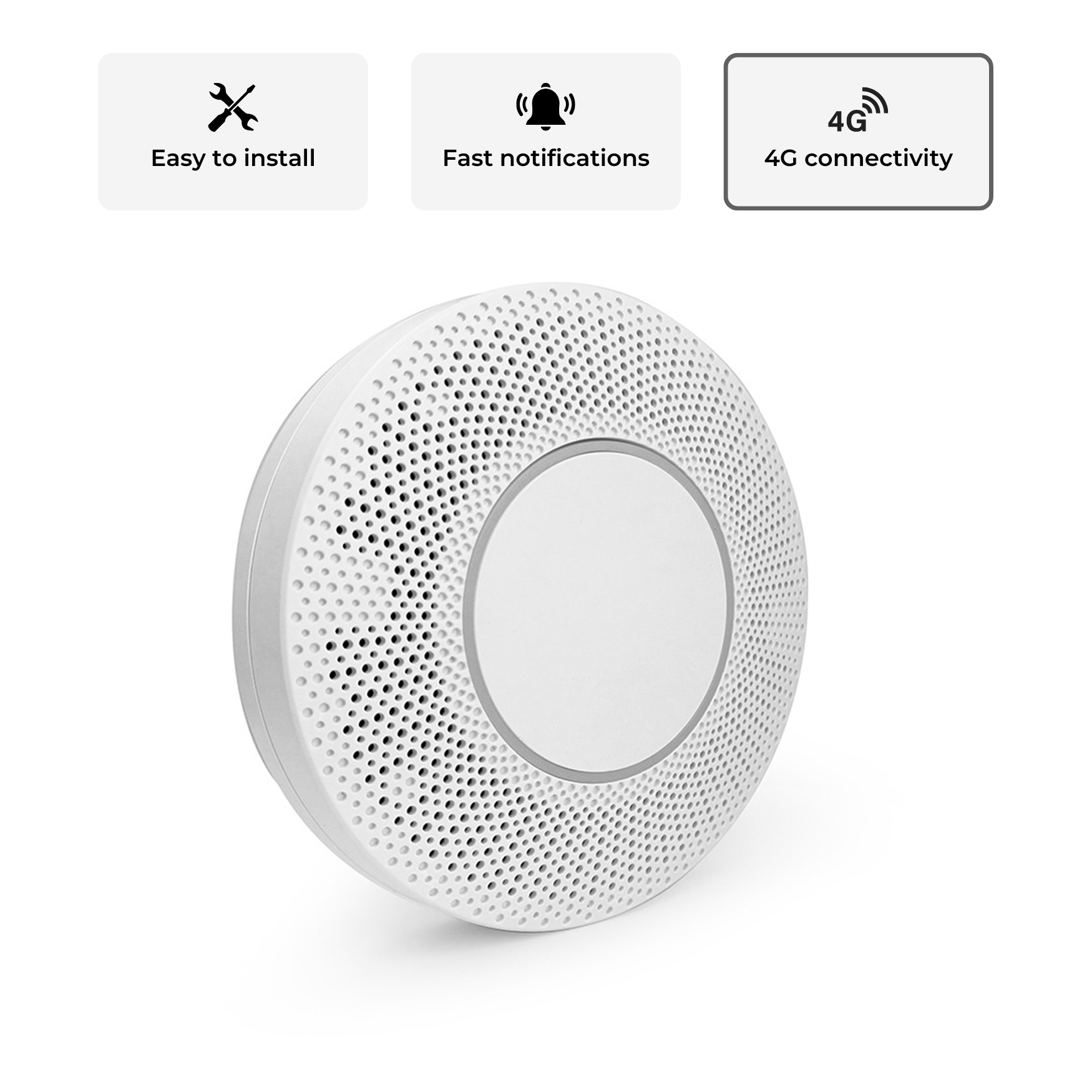
Modern vape detection systems work fundamentally differently from traditional smoke detectors. Rather than responding to smoke particles alone, these devices employ advanced sensors that identify specific chemical signatures associated with vaping aerosols.
How Detection Systems Identify Vaping Activity
A school bathroom vape detector analyses air composition continuously, searching for volatile organic compounds commonly found in e-cigarette vapour. These sensors can distinguish between normal bathroom activities and vaping incidents by monitoring particulate matter concentrations, THC, and other substances.
The technology operates through multiple sensor arrays working simultaneously:
- Particulate matter sensors that detect PM2.5 and PM10 levels
- Chemical sensors identifying specific compounds in vape aerosols
- Air quality monitors establishing baseline environmental conditions
- Acoustic sensors detecting sounds associated with vaping or tampering
When a school bathroom vape detector identifies suspicious readings, it cross references multiple data points to reduce false positives. This multi sensor approach ensures accuracy whilst minimising disruption from everyday bathroom use.
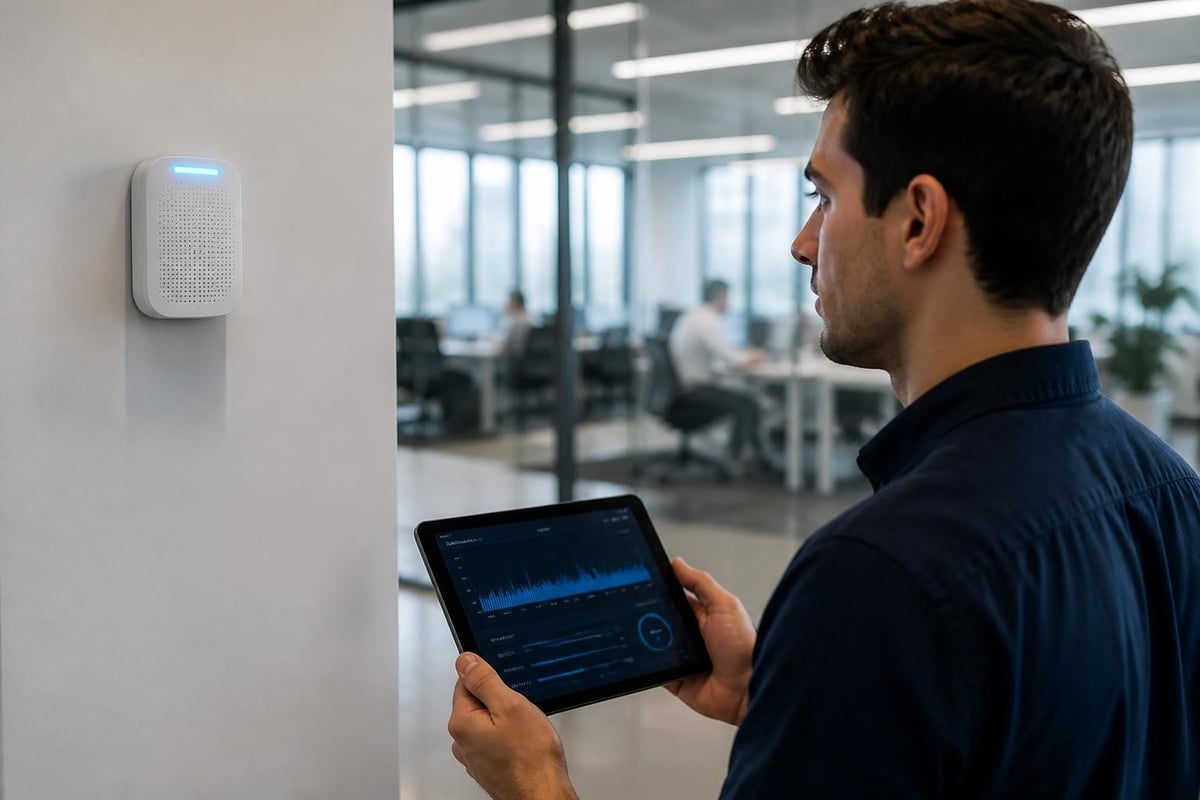
Real Time Alerting and Response Capabilities
Detection systems provide immediate notifications when vaping is identified. Administrators receive alerts through various channels including mobile applications, email notifications, and desktop dashboards.
The best vape detection systems for schools offer customisable alert protocols that allow institutions to tailor responses based on severity, location, and time of day. This flexibility enables schools to implement graduated responses rather than one size fits all interventions.
| Alert Type | Response Time | Recipient Options |
|---|---|---|
| Immediate SMS | Under 30 seconds | Designated staff members |
| Email notification | 1-2 minutes | Administration team |
| Dashboard update | Real time | Monitoring personnel |
| Incident log | Automatic | Record keeping systems |
Strategic Placement for Maximum Effectiveness
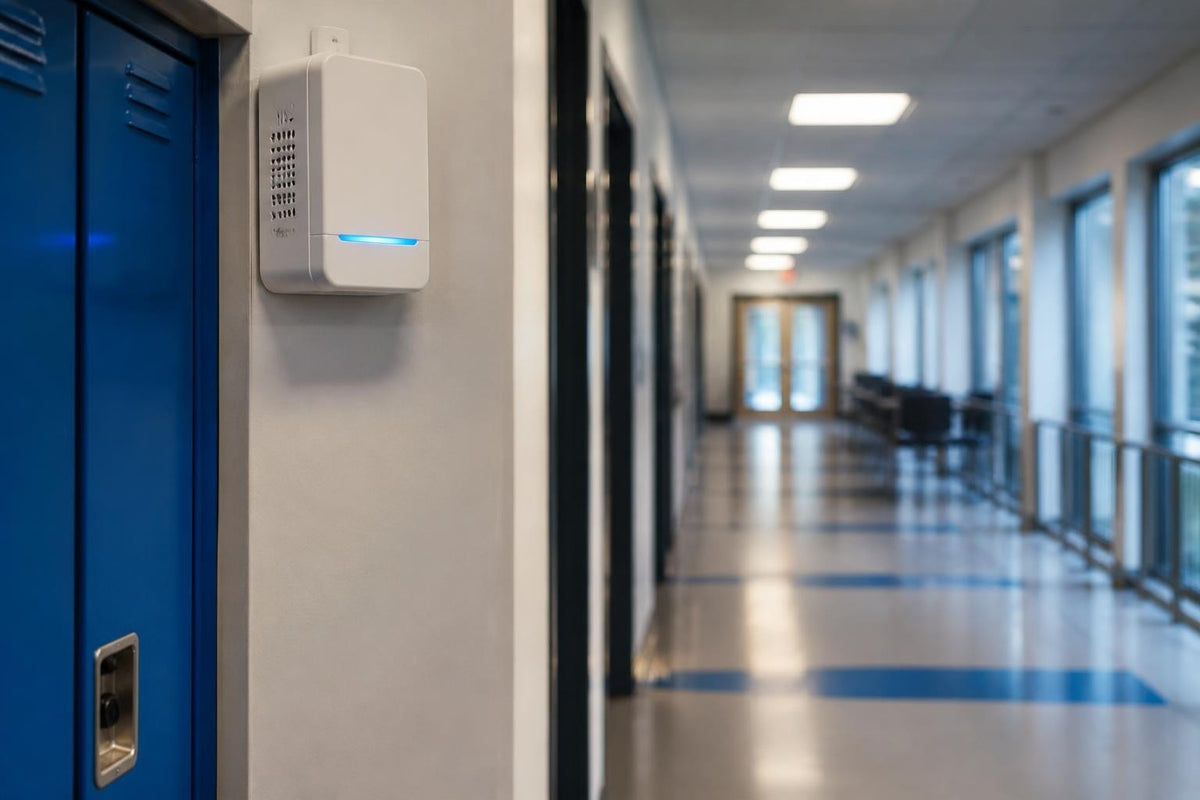
Installing a school bathroom vape detector requires careful consideration of bathroom layouts, student traffic patterns, and detection coverage areas. Proper placement maximises effectiveness whilst ensuring student privacy remains protected.
Optimal Installation Locations
Bathrooms present unique monitoring challenges due to privacy requirements and varying architectural designs. Detection devices should be positioned to monitor air quality throughout the facility without intruding on individual stalls or changing areas.
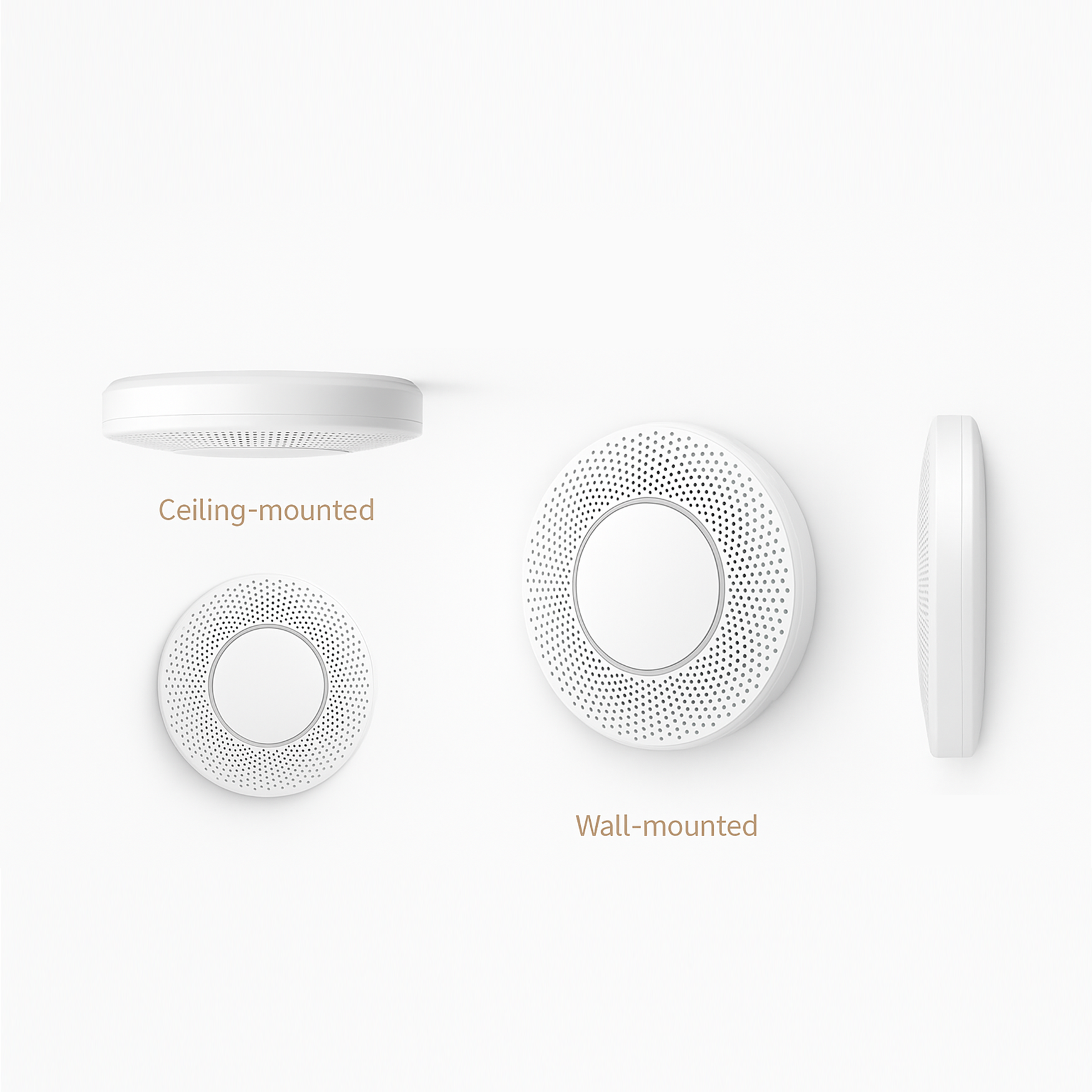
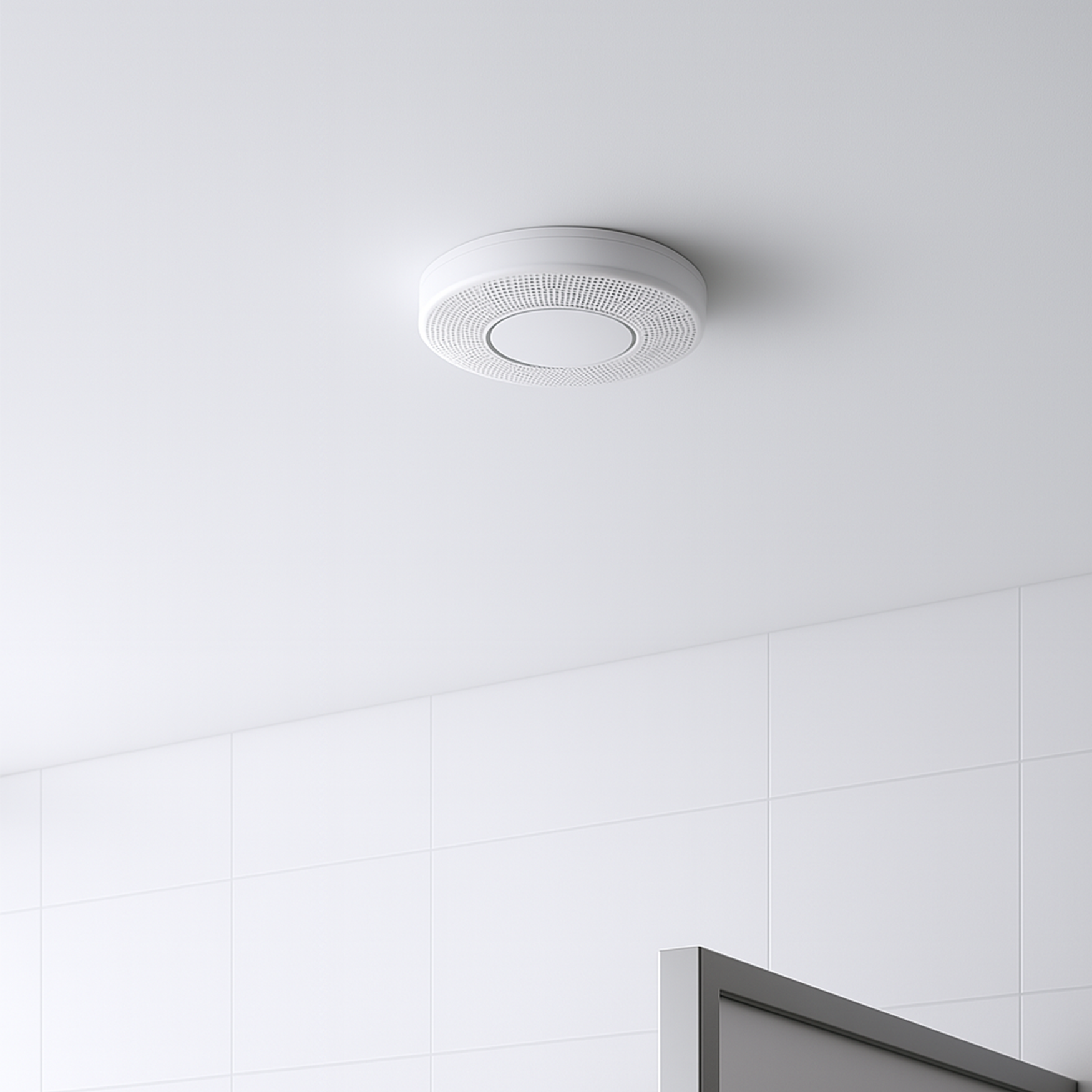
Ceiling mounted installations typically provide the broadest coverage, as vape aerosols rise naturally. Positioning devices near ventilation systems or central areas captures airborne particles before they dissipate.
Key placement considerations include:
- Distance from ventilation outlets to prevent dilution
- Coverage radius of individual sensors
- Height relative to typical vaping locations
- Accessibility for maintenance and battery replacement
- Tamper resistance and physical security
Schools implementing toilet vaping prevention strategies often find that comprehensive coverage requires multiple units in larger facilities. This ensures no blind spots exist where students might attempt to evade detection.
Addressing Privacy and Compliance Concerns
Unlike video surveillance, a school bathroom vape detector respects student privacy whilst providing necessary oversight. These systems detect environmental changes rather than recording visual or audio information about individuals.
Educational institutions must balance safeguarding responsibilities with student rights to privacy. Detection technology offers this balance by monitoring air quality indicators without capturing personally identifiable information. According to research on school interventions, technology based approaches can effectively reduce e-cigarette use when implemented alongside comprehensive education programmes.
Integration with Comprehensive Anti Vaping Strategies
A school bathroom vape detector functions most effectively as part of a broader approach to addressing student vaping. Technology alone cannot solve behavioural challenges without supportive policies, education, and intervention programmes.
Combining Detection with Education Initiatives
Schools experiencing the greatest success in reducing vaping incidents pair detection technology with robust educational campaigns. Students need to understand both the health implications of vaping and the consequences of violating school policies.
Effective programmes include:
- Age appropriate health education about vaping risks
- Clear communication about detection capabilities
- Transparent disciplinary procedures
- Support services for students struggling with nicotine dependence
- Parental engagement and communication strategies
When students understand that bathrooms are monitored by a school bathroom vape detector, the deterrent effect often proves as valuable as the detection itself. This transparency creates an environment where students make informed choices rather than simply attempting to avoid consequences.

Policy Development and Enforcement Protocols
Detection technology requires clear policies governing its use and the consequences of violations. Schools must establish procedures that address first time offenders differently from repeat violations whilst maintaining consistency and fairness.
Essential policy components:
- Definition of vaping violations and prohibited substances
- Graduated consequences for repeated incidents
- Appeal procedures for contested violations
- Data retention and privacy protections
- Parental notification protocols
Staff training ensures consistent enforcement and appropriate responses to alerts. Teachers and administrators need guidance on interpreting detection system notifications and implementing established consequences.
Measuring Impact and Return on Investment
Educational institutions investing in vape detection technology should establish metrics for evaluating programme effectiveness. Understanding both immediate impacts and longer term trends helps justify ongoing investment and refine implementation strategies.
Quantifiable Outcomes and Success Metrics
A school bathroom vape detector generates data that allows schools to track incident patterns, identify high risk times and locations, and measure behavioural changes over time. This information proves invaluable for resource allocation and programme refinement.
| Metric Category | Measurement Approach | Typical Timeframe |
|---|---|---|
| Incident frequency | Detected violations per week | Monthly review |
| Location patterns | Hotspot identification | Quarterly analysis |
| Time based trends | Peak violation periods | Ongoing monitoring |
| Repeat offenders | Individual student tracking | Academic year |
| System reliability | False positive rates | Continuous assessment |
Schools typically observe the most significant behavioural changes during the first three months following installation. The Vape Detection System provides comprehensive analytics that help administrators understand these patterns and adjust their approaches accordingly.
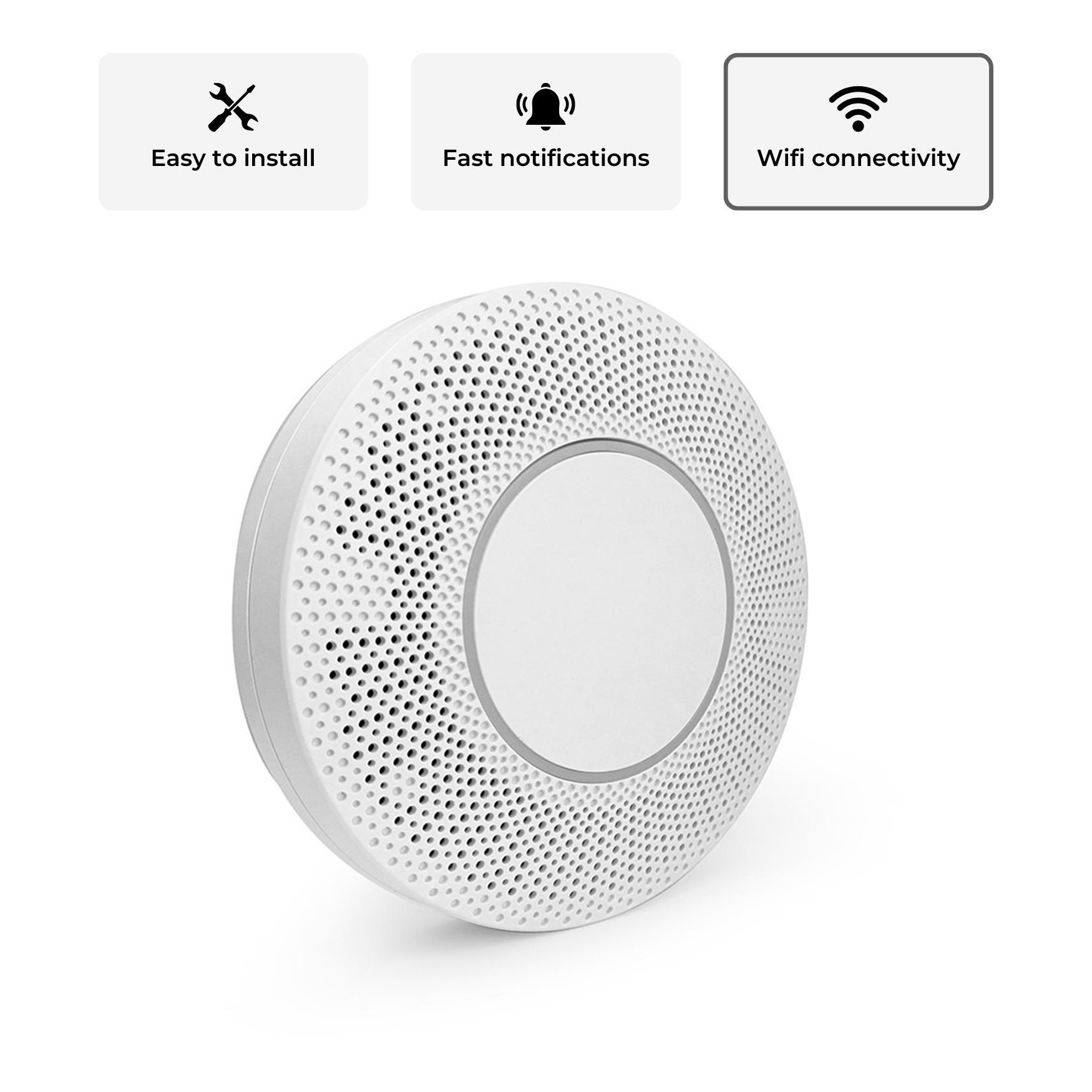
This advanced technology combines multiple detection capabilities including vape identification, THC detection, and monitoring for anti social behaviour, offering schools a complete solution for maintaining safe bathroom environments.

Cost Benefit Analysis for Educational Institutions
Initial investment in detection technology represents a significant expense for many schools. However, the costs of unaddressed vaping often exceed equipment expenditures when accounting for staff time, disciplinary proceedings, health consequences, and potential liability issues.
Schools should consider both direct and indirect costs:
Direct costs include:
- Equipment purchase or subscription fees
- Installation and configuration
- Staff training and development
- Ongoing maintenance and support
Indirect benefits include:
- Reduced staff time investigating incidents
- Decreased bathroom vandalism and maintenance
- Improved air quality for all students
- Enhanced compliance with safeguarding responsibilities
- Protection against liability from inadequate supervision
Technical Specifications and Selection Criteria
Selecting an appropriate school bathroom vape detector requires understanding technical capabilities, reliability factors, and support infrastructure. Not all detection systems offer equivalent performance or features suitable for educational environments.
Essential Features for School Applications
Educational institutions have unique requirements that differ from commercial or residential applications. A school bathroom vape detector must withstand potential tampering, operate reliably in high humidity environments, and integrate with existing school systems.
Critical technical specifications include:
- Detection sensitivity calibrated for bathroom environments
- Response time under 30 seconds for immediate alerting
- Battery life or power options suitable for installation locations
- Tamper resistance including physical security and alert capabilities
- Environmental tolerance for humidity and temperature fluctuations
Systems should also offer straightforward integration with school networks and administrative platforms. Compatibility with existing infrastructure reduces implementation complexity and ongoing management burden.
Reliability and False Positive Management
The credibility of any detection system depends on accuracy. Frequent false positives undermine staff confidence and waste administrative resources, whilst missed detections allow prohibited behaviour to continue undetected.
Quality detection systems employ sophisticated algorithms that differentiate between vaping aerosols and other airborne particles. This discrimination capability proves essential in bathroom environments where aerosol products, cleaning chemicals, and humidity create complex air quality conditions.
Schools should evaluate potential systems based on:
- Documented false positive rates in similar environments
- Calibration options for specific facility conditions
- Regular software updates improving detection accuracy
- Technical support responsiveness for troubleshooting
- User reviews from comparable educational institutions
Implementation Best Practices and Common Challenges
Successfully deploying a school bathroom vape detector involves more than simply mounting devices on ceilings. Thoughtful implementation addresses stakeholder concerns, anticipates technical challenges, and establishes sustainable management procedures.
Stakeholder Communication and Transparency
Students, parents, and staff all require clear information about detection technology, its purpose, and how it operates. Transparency builds trust and enhances compliance whilst reducing concerns about privacy or surveillance.
Effective communication strategies include:
- Parent information sessions explaining technology and policies
- Student assemblies discussing health risks and detection capabilities
- Staff briefings on response procedures and alert management
- Governing body updates on programme effectiveness
- Regular reports demonstrating impact and outcomes
When stakeholders understand that a school bathroom vape detector protects student health rather than simply punishing behaviour, they typically offer stronger support for implementation.
Overcoming Technical and Operational Obstacles
Schools frequently encounter challenges during implementation that require problem solving and adaptation. Common issues include:
Network connectivity limitations in bathroom locations may require WiFi extensions or alternative communication methods. Older buildings with limited power access might necessitate battery powered units with regular maintenance schedules.
Environmental factors also influence system performance. Bathrooms with inadequate ventilation may show elevated baseline readings that require adjusted sensitivity thresholds. Facilities serving younger students might experience different usage patterns than those in secondary schools, affecting optimal placement and configuration.
Addressing these challenges proactively during planning stages prevents frustration and ensures systems operate effectively from initial deployment.
Future Developments in Detection Technology
Vape detection technology continues evolving as manufacturers incorporate new sensors, improve algorithms, and expand capabilities beyond simple vaping identification. Understanding emerging trends helps schools make informed decisions about current investments and future upgrades.
Expanding Detection Capabilities
Modern systems increasingly monitor multiple environmental factors beyond vaping detection. Air quality monitoring, noise level tracking, and occupancy sensing provide comprehensive facility oversight that supports various institutional objectives.
The latest generation of detection devices can identify:
- Multiple substance types including THC and synthetic compounds
- Bullying indicators through sound pattern recognition
- Overcrowding situations that may indicate unsafe gatherings
- Air quality degradation requiring ventilation adjustments
This expanded functionality transforms a school bathroom vape detector from a single purpose security device into a comprehensive environmental monitoring system supporting student wellbeing across multiple dimensions.
Artificial Intelligence and Predictive Analytics
Machine learning algorithms are enhancing detection accuracy whilst reducing false positives. These systems learn from historical data to understand normal environmental patterns for specific locations and times, enabling more nuanced threat assessment.
Predictive analytics help schools anticipate high risk periods and allocate supervision resources more effectively. By identifying patterns in violation data, administrators can implement preventative measures rather than merely responding to incidents after they occur.
Integration with broader school management systems allows detection data to inform comprehensive approaches to helping schools tackle vaping through evidence based interventions tailored to specific student populations and facility characteristics.
School bathroom vape detectors represent essential tools for educational institutions committed to protecting student health and maintaining safe learning environments. By combining advanced sensor technology with comprehensive policies and educational initiatives, schools can effectively address vaping whilst respecting student privacy. Vape Guardian delivers reliable detection systems specifically designed for educational settings, offering UK schools the technology and support needed to create vape free environments that prioritise student wellbeing and compliance with safeguarding responsibilities.


Share:
Vape Sensors UK: Advanced Detection Technology Guide 2026
How to Detect Vaping Indoors: Expert Detection Methods