
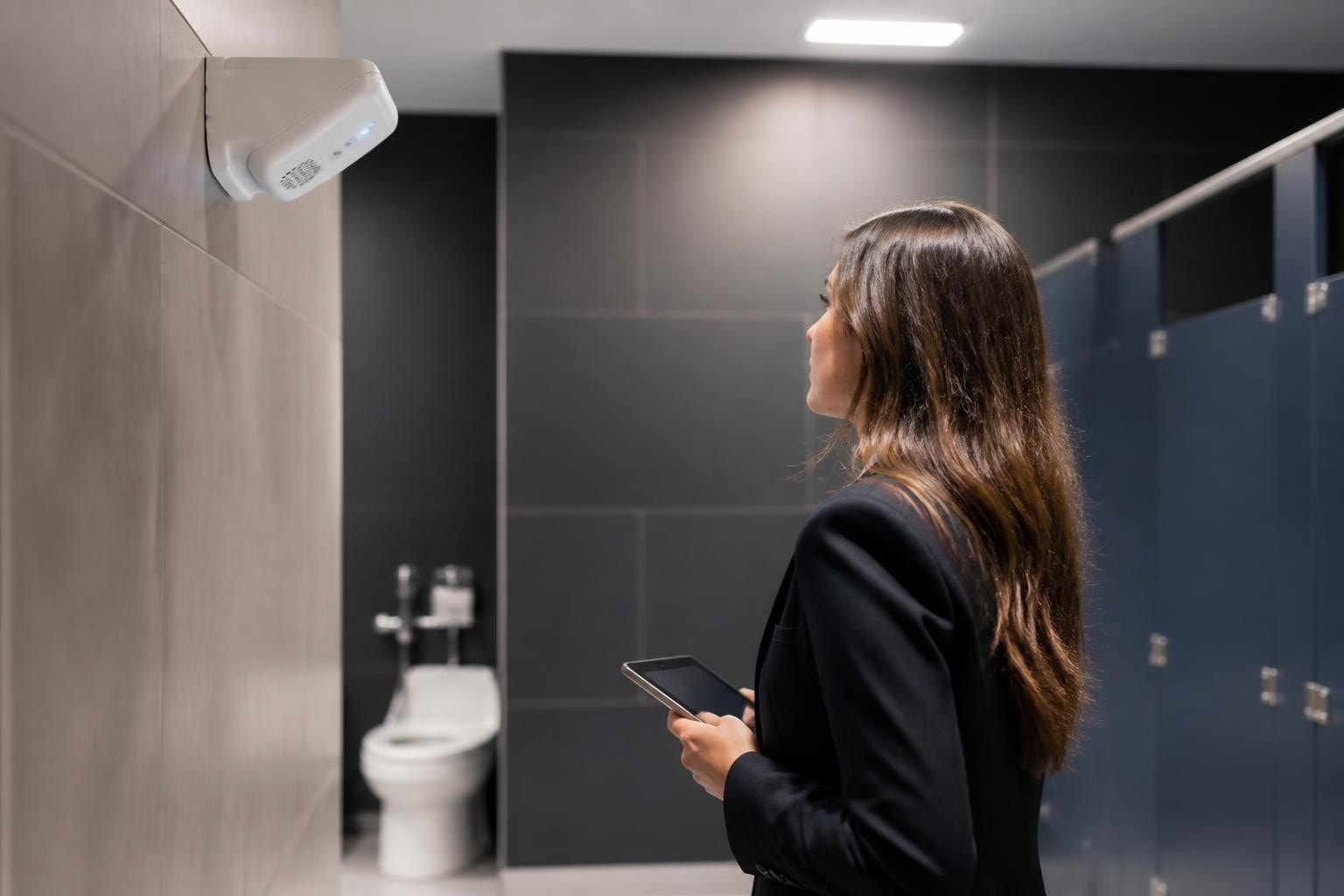
Toilets and washrooms have become the primary locations where individuals attempt to vape discreetly, presenting significant challenges for schools, offices, and public facilities. The enclosed nature of these spaces, combined with privacy expectations and limited supervision, creates an environment where vaping can occur undetected. Addressing this issue requires a comprehensive approach that combines technology, policy development, and environmental design to create effective toilet vaping prevention strategies. As vaping rates continue to rise amongst young people and employees, organisations must implement robust measures to protect health, maintain compliance, and preserve the integrity of their facilities.
Understanding the Toilet Vaping Challenge
The preference for toilet facilities as vaping locations stems from several practical factors that make traditional monitoring difficult. Privacy laws prohibit camera installation in washrooms, creating supervision blind spots that individuals exploit. The ventilation systems present in most toilet facilities help disperse vapour quickly, whilst the acoustics and enclosed spaces provide auditory privacy for those attempting to conceal their activities.
Schools face particularly acute challenges with toilet vaping prevention, as students have identified these spaces as safe havens from teacher supervision. According to reports of infrastructural damage from flushed vape devices, some institutions have been forced to replace entire toilet systems due to students disposing of vaping equipment inappropriately. This behaviour creates costly maintenance issues and environmental hazards.
The Impact on Facilities and Health
Toilet vaping prevention extends beyond mere policy compliance. The concentrated nature of vaping in enclosed washroom spaces creates several problems:
- Air quality degradation affecting subsequent users and triggering respiratory sensitivities
- Residue accumulation on surfaces, mirrors, and fixtures requiring intensive cleaning
- Plumbing complications from discarded devices and cartridges
- Fire hazards from battery malfunctions in confined spaces
- Normalisation of vaping behaviour amongst peers who witness the activity
The chemical composition of vape aerosols contains particulates and volatile organic compounds that linger in poorly ventilated toilet spaces. Even after the visible vapour dissipates, these substances remain airborne and settle on surfaces, creating potential health exposures for subsequent users.

Detection Technology for Washroom Environments
Modern toilet vaping prevention relies heavily on specialised detection systems designed for privacy sensitive environments. These solutions monitor air quality and detect specific chemical signatures associated with vaping without using cameras or violating personal privacy.
Vape detection systems for bathrooms utilise advanced sensor arrays to identify the presence of nicotine, THC, and other substances commonly found in vaping products. The technology operates continuously, providing real time alerts when vaping is detected, enabling rapid intervention.
How Detection Systems Work
Detection devices employ multiple sensing technologies to create comprehensive monitoring:
| Technology Type | Detection Capability | Response Time |
|---|---|---|
| Particulate sensors | Aerosol density and size distribution | 5-10 seconds |
| Chemical sensors | Specific compounds (nicotine, THC) | 10-15 seconds |
| Air quality monitors | Overall environmental changes | Continuous |
| Sound detection | Anomalous noises indicating concealment | Instant |
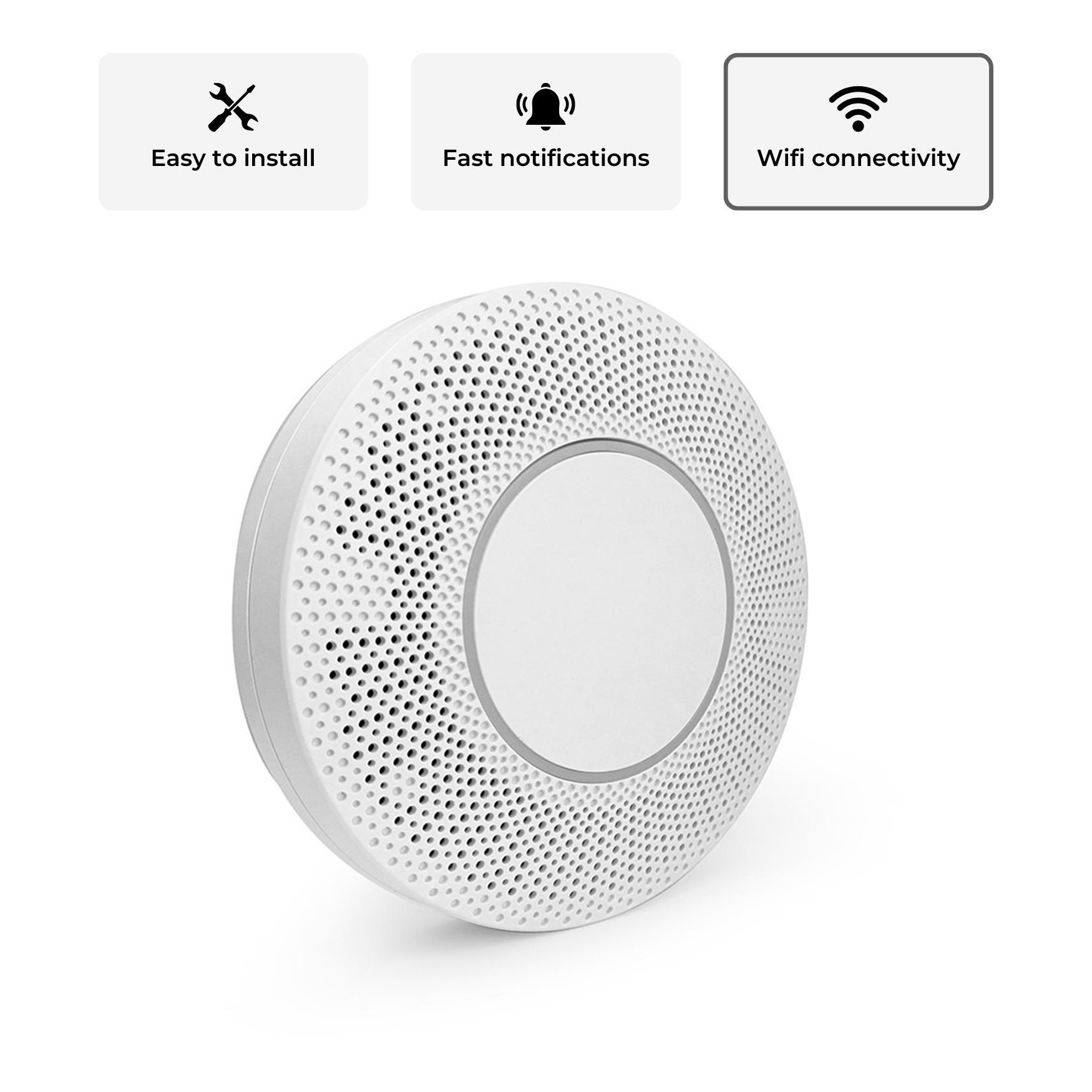
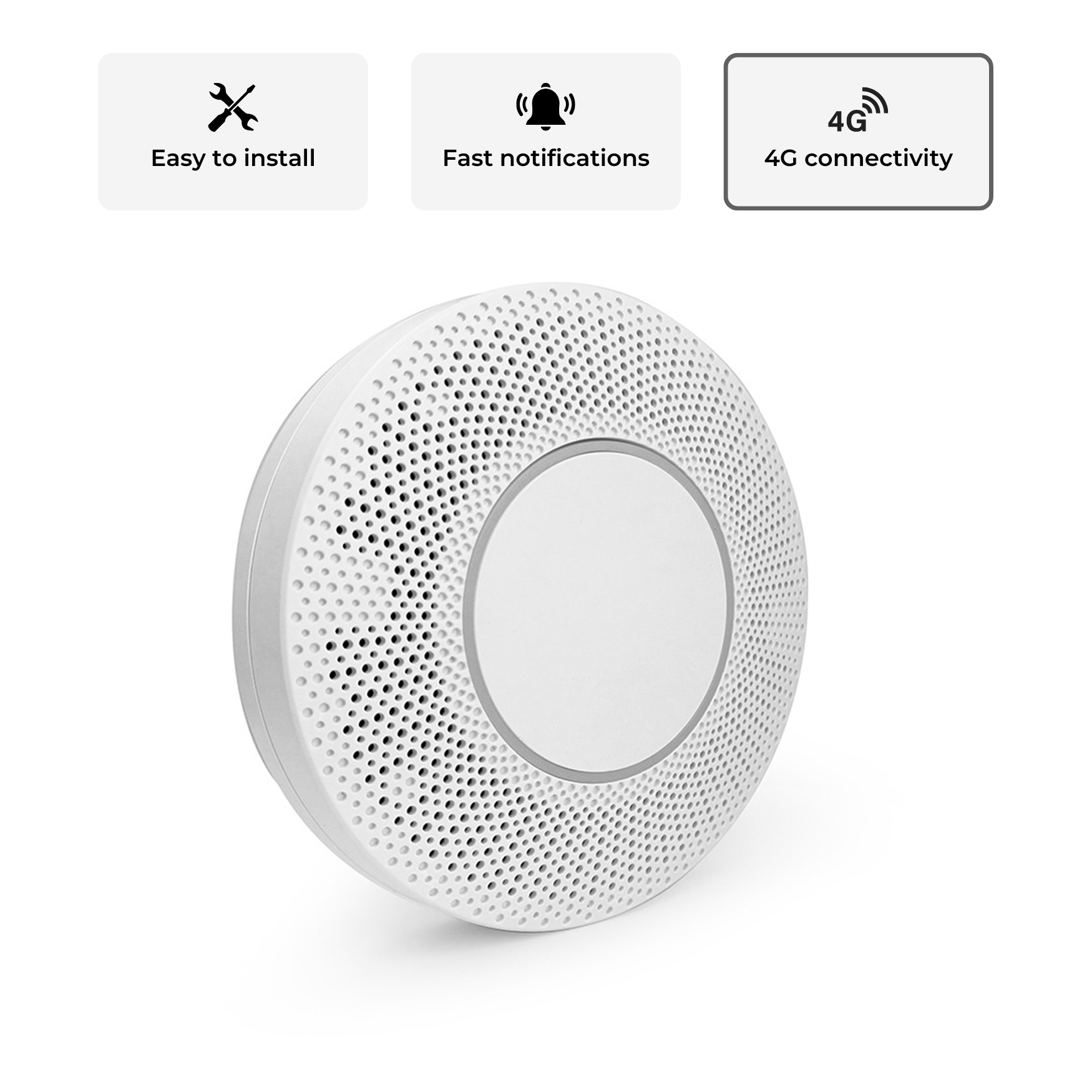
These systems integrate with facility management platforms, sending immediate notifications to designated staff members via smartphone applications or central monitoring stations. The Vape Detection System combines hardware sensors with intelligent software to identify not only vaping but also other concerning behaviours, providing comprehensive washroom monitoring whilst respecting privacy requirements.
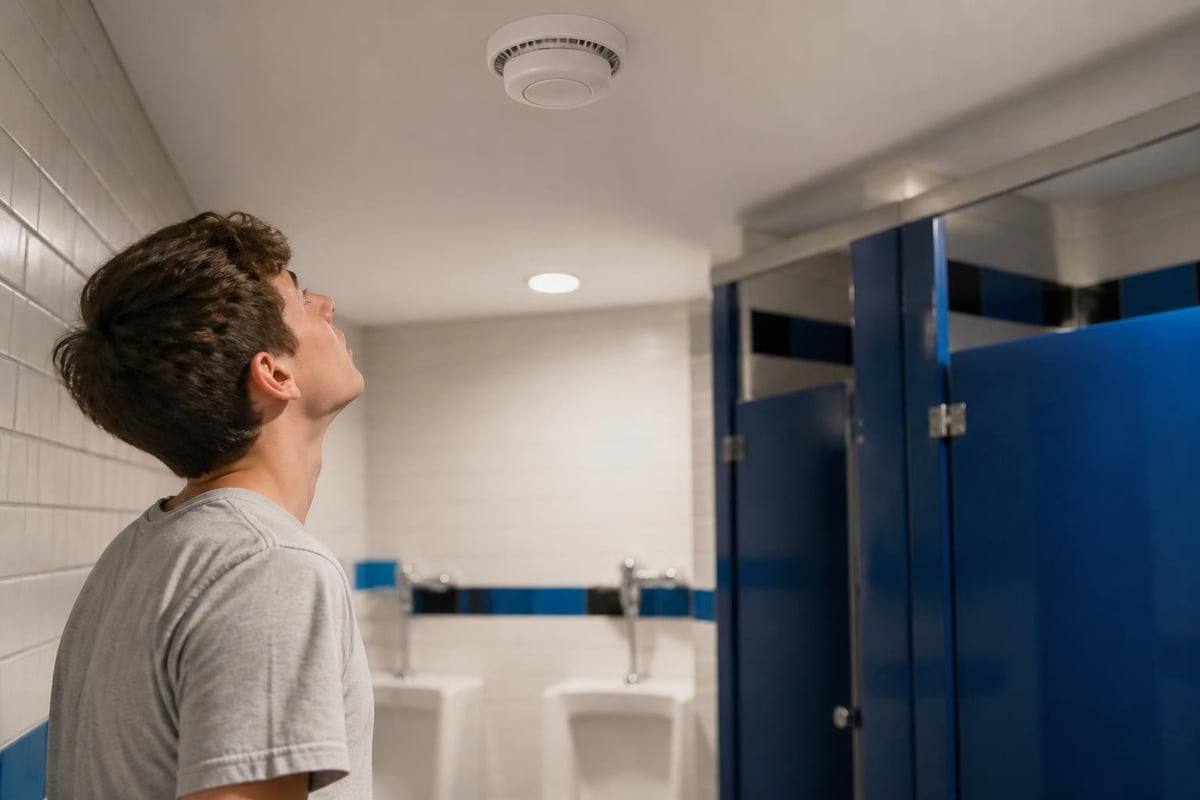
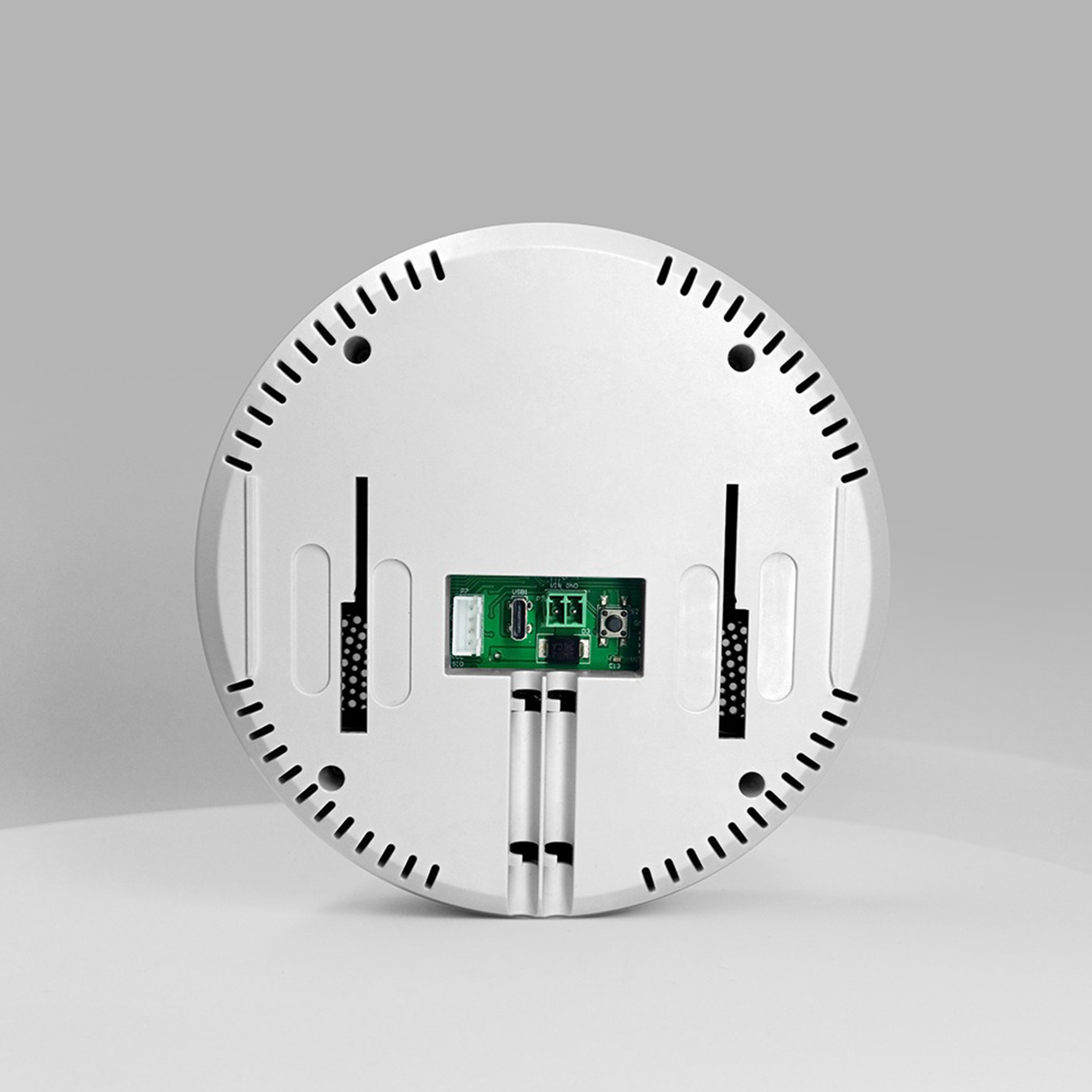
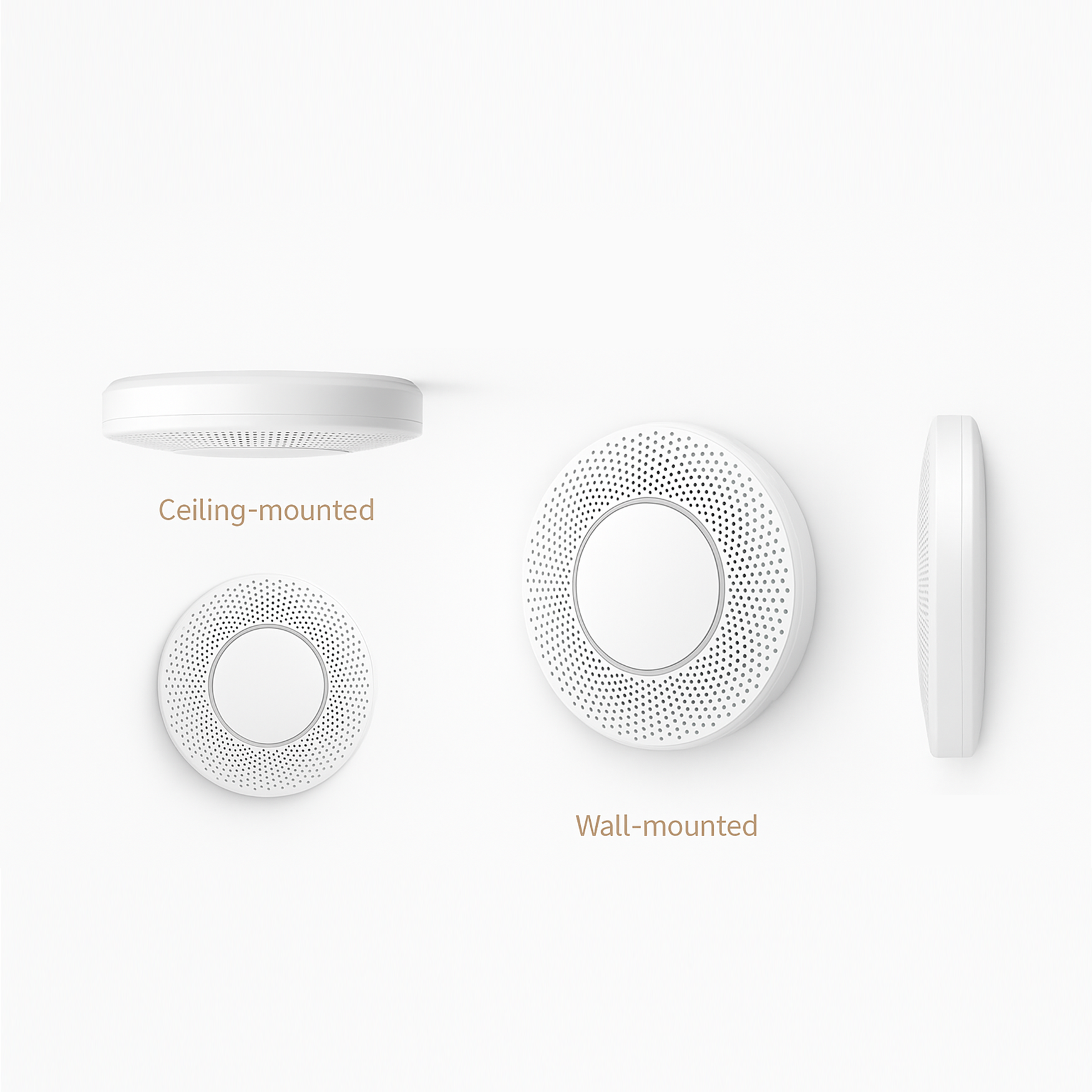
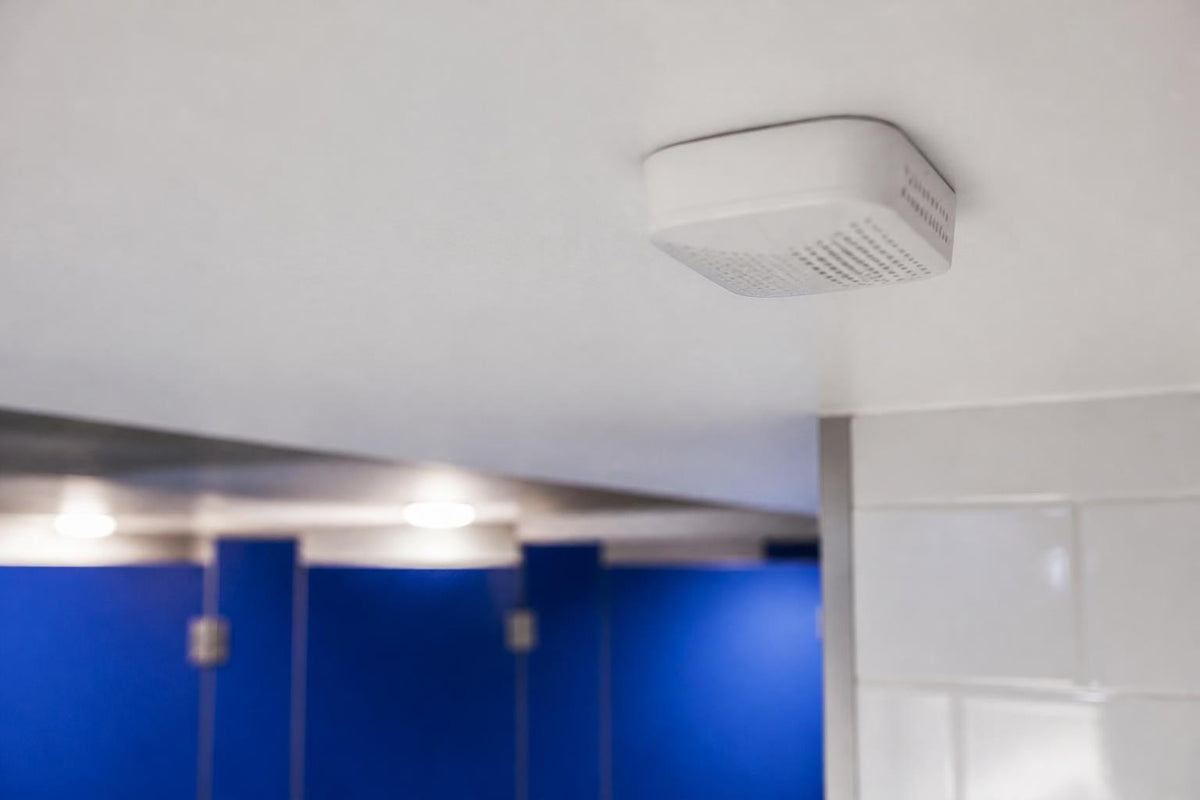
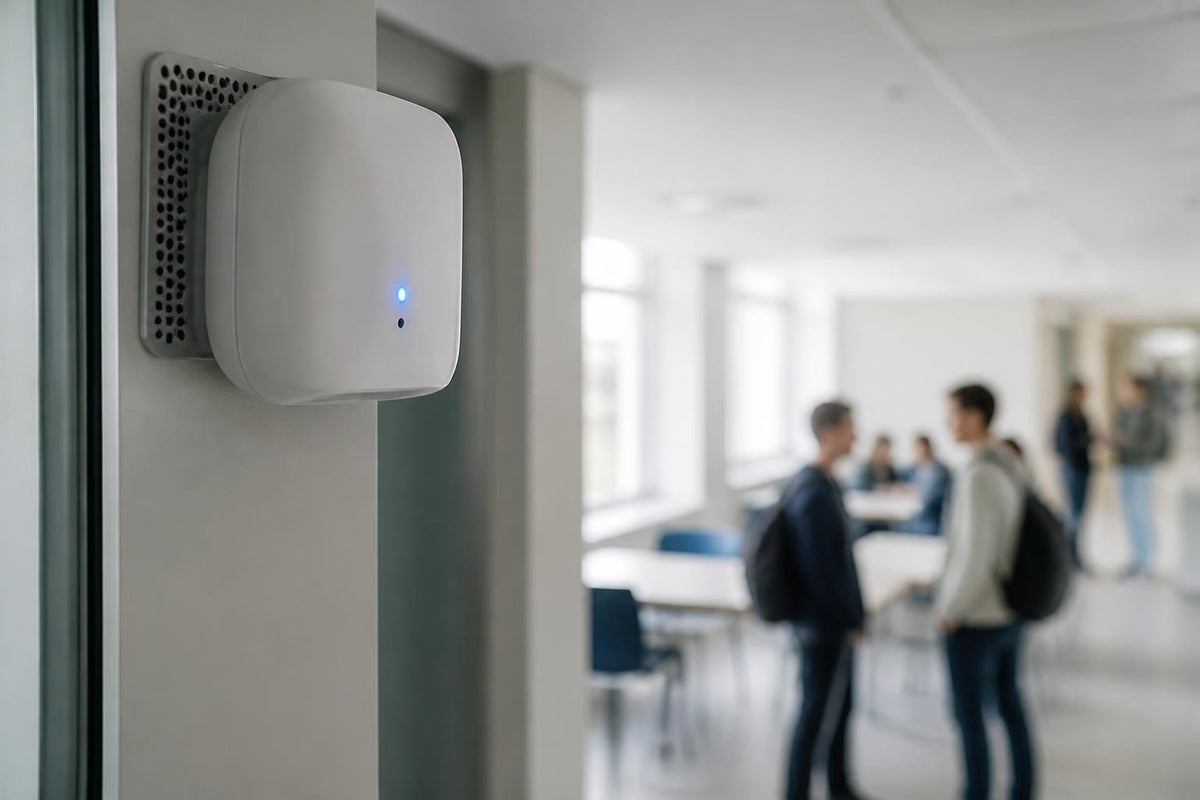
Implementation of detection technology should consider placement strategy to maximise effectiveness. Sensors positioned near ventilation intakes capture aerosols before dispersion, whilst multiple units in larger facilities ensure complete coverage. Installation typically requires minimal structural modification, with devices mounted on ceilings or high walls to prevent tampering.
Policy Development and Communication
Effective toilet vaping prevention requires clear policies that communicate expectations, consequences, and the rationale behind monitoring measures. Organisations must develop comprehensive frameworks that address both prevention and response.
Essential Policy Components
A robust toilet vaping prevention policy should include:
- Clear definitions of prohibited behaviours and substances
- Explicit consequences with progressive disciplinary measures
- Detection technology disclosure explaining monitoring methods
- Privacy protections clarifying what is and isn't monitored
- Support resources for individuals struggling with addiction
- Parental involvement protocols for educational settings
Communication of these policies must reach all stakeholders through multiple channels. Schools implementing anti vaping solutions have found success with assemblies, written materials, digital communications, and visible signage in washroom areas. Transparency about detection capabilities serves as both deterrent and educational tool.
The policy framework should align with broader organisational health and safety initiatives, demonstrating how toilet vaping prevention contributes to overall wellbeing. For educational institutions, integration with safeguarding policies reinforces the protective intent rather than purely punitive approach.

Environmental Design and Deterrence
Physical modifications to washroom spaces can significantly enhance toilet vaping prevention efforts by making the environment less conducive to concealment and detection evasion.
Design Strategies
Strategic environmental design incorporates several evidence based approaches:
- Enhanced ventilation systems that rapidly clear aerosols whilst triggering monitoring alerts
- Improved lighting reducing shadowed areas where individuals feel concealed
- Occupancy sensors tracking usage patterns and identifying anomalous behaviour
- Material selection for surfaces that resist residue accumulation
- Layout optimisation reducing blind spots and isolated areas
Some facilities have implemented open design concepts with reduced full height partitions, though this must balance privacy requirements with monitoring objectives. The goal is creating environments where individuals feel observed without violating reasonable privacy expectations.
Signage plays a crucial role in toilet vaping prevention through environmental design. Clear, visible notices about detection capabilities and consequences serve as constant reminders. However, messaging should avoid overly punitive language that may alienate users, instead emphasising health protection and community responsibility.
Staff Training and Response Protocols
Technology and policy prove ineffective without properly trained personnel capable of responding appropriately to detection alerts and suspected violations. Comprehensive staff development ensures consistent, fair enforcement of toilet vaping prevention measures.
Training Programme Elements
| Training Component | Target Audience | Frequency |
|---|---|---|
| Alert response procedures | All monitoring staff | Initial + quarterly refreshers |
| Conversation techniques | Supervisory personnel | Initial + annual updates |
| Technology operation | Facilities managers | Initial + as needed |
| Policy understanding | All staff members | Annual mandatory training |
| Support referrals | Student services/HR | Initial + ongoing cases |
Best practices for handling vaping alerts emphasise calm, professional responses that prioritise safety and support over confrontation. Staff should understand how to verify alerts, approach individuals discretely, and document incidents according to established protocols.
Response procedures must account for varying severity levels. First time incidents may warrant educational conversations and parental notification, whilst repeated violations or distribution activities require escalated consequences. Consistency in application prevents perceptions of unfair treatment that undermine toilet vaping prevention efforts.
Integration with Broader Vaping Prevention
Toilet specific measures prove most effective when integrated into comprehensive organisational approaches to vaping prevention. Washroom monitoring represents one component of layered strategies addressing the issue across all environments.
Educational institutions should connect toilet vaping prevention with curriculum content addressing substance use, health impacts, and decision making skills. Workplace programmes benefit from wellness initiatives that provide smoking cessation support and alternative stress management resources.
Multi Location Monitoring
Comprehensive coverage extends beyond toilets to other areas where vaping may occur:
- Changing rooms and locker facilities
- Stairwells and seldom used corridors
- Outdoor smoking areas where vaping may be prohibited
- Vehicle parks where individuals retreat for privacy
- Storage rooms and utility spaces
Vape detectors for education settings and office environments should form interconnected networks providing holistic visibility into vaping patterns. This data reveals trends, identifies high risk times and locations, and enables targeted intervention strategies.
The integration of toilet vaping prevention technology with broader air quality monitoring serves dual purposes. Facilities gain insights into ventilation effectiveness, cleaning needs, and potential maintenance issues whilst maintaining vaping surveillance. This multi purpose approach maximises return on investment in detection systems.
Addressing Privacy and Legal Considerations
Privacy concerns represent the most significant challenge in toilet vaping prevention, requiring careful navigation of legal requirements and ethical obligations. Organisations must implement monitoring that respects individual rights whilst protecting community health.
Privacy Protection Measures
Effective toilet vaping prevention maintains privacy through several mechanisms:
- Sensor only monitoring without video or audio recording capabilities
- Chemical signature detection rather than personal identification
- Limited data retention with automatic deletion after designated periods
- Access controls restricting who can view detection records
- Transparent disclosure informing users about monitoring presence
Legal frameworks vary by jurisdiction, but general principles require proportionate responses to legitimate concerns. The presence of detection technology must be clearly communicated through signage and policy documents. Individuals should understand what is monitored, how data is used, and who accesses information.
Consultation with legal advisers ensures toilet vaping prevention measures comply with data protection regulations, employment law, and educational safeguarding requirements. Documentation of decision making processes, risk assessments, and stakeholder consultation demonstrates due diligence in balancing competing interests.
Handling Vaping Products and Disposal
Proper management of confiscated vaping devices forms an essential component of toilet vaping prevention strategies. Devices contain batteries and chemical substances requiring careful handling to prevent safety incidents and environmental contamination.
Whilst some may search for niche vaping products through sources like specialty vape suppliers, mainstream devices confiscated in schools and workplaces require established disposal protocols. Staff should receive training on safe handling procedures, particularly regarding battery risks and liquid nicotine hazards.
Disposal Best Practices
Organisations should establish clear procedures for managing confiscated items:
- Secure storage in designated containers away from heat sources
- Documentation of confiscation details for disciplinary records
- Battery safety preventing short circuits and thermal events
- Hazardous waste protocols for liquid disposal
- Partnership with disposal services for environmentally responsible processing
The consequences of flushing vape devices include plumbing blockages, chemical contamination of water systems, and fire hazards from lithium batteries. Education about proper disposal methods should accompany toilet vaping prevention policies, providing individuals with alternatives to concealment or improper disposal.
Monitoring Effectiveness and Continuous Improvement
Successful toilet vaping prevention requires ongoing evaluation and refinement based on performance data and stakeholder feedback. Organisations should establish metrics for assessing programme effectiveness and identifying improvement opportunities.
Key Performance Indicators
| Metric | Measurement Method | Target Outcome |
|---|---|---|
| Detection incidents | Alert frequency and location data | Declining trend over time |
| Response times | Duration from alert to staff intervention | Under 3 minutes average |
| Repeat violations | Individual incident tracking | Less than 10% recidivism |
| Air quality improvements | Sensor data comparison | 25% reduction in poor readings |
| Stakeholder satisfaction | Surveys and feedback sessions | 80% positive ratings |
Regular review of detection data reveals patterns informing resource allocation and intervention strategies. Spikes in activity at specific times may indicate supervision gaps requiring adjustment. Concentration in particular facilities suggests environmental factors enabling concealment.
Feedback mechanisms should engage all stakeholders in toilet vaping prevention evaluation. Student voice in educational settings provides insights into peer culture and programme perception. Employee input in workplaces identifies implementation challenges and improvement suggestions. Parent and community perspectives ensure alignment with broader expectations.
Technology Integration and Future Developments
Advancements in sensing technology, artificial intelligence, and data analytics continue enhancing toilet vaping prevention capabilities. Modern systems offer increasingly sophisticated detection and predictive capabilities.
Vape detection and air quality monitoring solutions now incorporate machine learning algorithms that distinguish between different substances and reduce false positive alerts. This precision enables more targeted responses and builds confidence in system reliability.
The potential for AI models to detect vaping behaviours extends beyond physical substance detection to pattern recognition and intervention prediction. Future systems may identify individuals at risk of developing vaping habits based on usage patterns, enabling proactive support before problems escalate.
Integration with building management systems creates comprehensive facility monitoring. Toilet vaping prevention sensors communicate with ventilation controls, automatically increasing air exchange rates when vaping is detected. This responsive environmental control minimises exposure for subsequent users whilst maintaining energy efficiency.
Smoke Alarm Considerations
The interaction between vaping and fire detection systems represents an often overlooked aspect of toilet vaping prevention. Vaping can trigger smoke alarms in public places, including toilets, creating false emergencies that disrupt operations and waste emergency service resources.
Modern vape detection systems help prevent these false alarms by identifying vaping before aerosol density reaches smoke detector thresholds. Early intervention stops individuals before their activity triggers building wide alerts. This capability proves particularly valuable in hotels, offices, and educational facilities where fire alarm activations cause significant disruption.
Facilities should calibrate smoke detection sensitivity in washroom areas when implementing toilet vaping prevention measures. Coordination between vape detection and fire safety systems ensures comprehensive protection without excessive false alarms undermining confidence in emergency systems.
Supporting Behaviour Change
Effective toilet vaping prevention extends beyond detection and punishment to supporting individuals in changing behaviour. Programmes that combine monitoring with education and support services achieve better long term outcomes than purely enforcement based approaches.
Educational initiatives should address the specific appeal of toilet vaping, helping individuals understand health risks, legal implications, and alternative coping strategies. For young people, peer led programmes often prove more effective than adult directed messaging.
Support resources might include:
- Cessation programmes providing structured quitting support
- Counselling services addressing underlying stress or mental health concerns
- Alternative activities offering positive outlets and community connection
- Family involvement engaging parents as partners in behaviour change
- Follow up systems maintaining contact and accountability
The goal of toilet vaping prevention should ultimately be creating environments where individuals choose not to vape rather than simply cannot vape undetected. This requires addressing motivations, providing alternatives, and building cultures that support healthy choices.
Comprehensive toilet vaping prevention combines detection technology, clear policies, environmental design, and supportive interventions to address vaping in washroom facilities effectively. By implementing layered strategies that respect privacy whilst protecting health, organisations create safer environments for all users. Vape Guardian provides the advanced detection systems, expert guidance, and ongoing support needed to develop effective toilet vaping prevention programmes tailored to your specific requirements, helping you maintain healthy, compliant facilities whilst supporting individuals in making positive choices.



Share:
School Behaviour Monitoring System: A Complete Guide
Compare Vape Detection Systems: Complete Guide 2026