
Educational institutions face mounting pressure to create safe, supportive learning environments while managing increasingly complex behavioural challenges. A school behaviour monitoring system provides the framework, technology, and processes necessary to track, analyse, and respond to student conduct issues systematically. From traditional paper-based tracking to advanced digital platforms integrating real-time detection capabilities, these systems empower staff to identify patterns, allocate resources effectively, and intervene before minor issues escalate into serious incidents. With safeguarding concerns, anti-social behaviour, and substance misuse on the rise, implementing a comprehensive monitoring approach has become essential for educational leaders committed to student wellbeing and academic success.
Understanding the Foundation of Behaviour Monitoring Systems
A school behaviour monitoring system encompasses the strategies, tools, and workflows that staff use to document, review, and act upon student conduct throughout the academic year. At its core, the system creates a centralised repository of behavioural data, replacing fragmented records with a unified view accessible to authorised personnel. This consolidated approach enables educators to spot trends that might otherwise remain hidden, such as repeated incidents in specific locations, times of day, or involving particular student groups.
The most effective systems balance consistency with flexibility, establishing clear categories for different behaviour types whilst allowing nuance in recording context and severity. Schools typically classify incidents across multiple tiers, from minor infractions requiring simple redirection to serious violations demanding immediate intervention and external agency involvement.
Key Components of Effective Systems
Modern behaviour monitoring relies on several interconnected elements working in harmony:
- Clear incident definitions that ensure all staff classify behaviours consistently
- Streamlined reporting processes reducing administrative burden on teachers
- Real-time alert mechanisms for urgent situations requiring immediate response
- Data visualisation dashboards presenting trends in accessible formats
- Integration capabilities connecting with attendance, academic, and safeguarding systems
- Role-based access controls protecting student privacy whilst ensuring relevant staff have necessary information
Technology has transformed how schools implement these components, moving from paper forms and spreadsheets to sophisticated platforms capable of generating automated reports and identifying risk factors. According to research on behaviour monitoring systems, establishing clear indicators and defined review cycles proves essential for surfacing trends and hotspots that require intervention.
Building a Privacy-Preserving Approach
Student privacy remains paramount when implementing any school behaviour monitoring system. Educational institutions must balance the need for comprehensive oversight with obligations under data protection legislation, ensuring that monitoring activities never compromise student rights or create surveillance-heavy atmospheres that undermine trust. Studies on privacy-preserving monitoring demonstrate that effective systems can maintain robust oversight whilst safeguarding sensitive information through encryption, access controls, and anonymisation techniques.
Transparency with students, parents, and staff about what data gets collected, how it's used, and who can access it builds confidence in the system. Clear policies should outline retention periods, circumstances triggering data sharing with external agencies, and procedures for students and families to review records. This openness transforms monitoring from a potentially adversarial process into a collaborative effort supporting student development.
Establishing Appropriate Data Boundaries
| Data Type | Collection Rationale | Access Level | Retention Period |
|---|---|---|---|
| Minor incidents | Pattern identification | Class teachers, year heads | Current academic year |
| Moderate violations | Intervention planning | Senior leadership, pastoral team | Three years |
| Serious safeguarding concerns | Statutory obligations | Designated safeguarding lead, relevant agencies | As legally required |
| Environmental detections | Preventative action | Site management, designated staff | Six months |
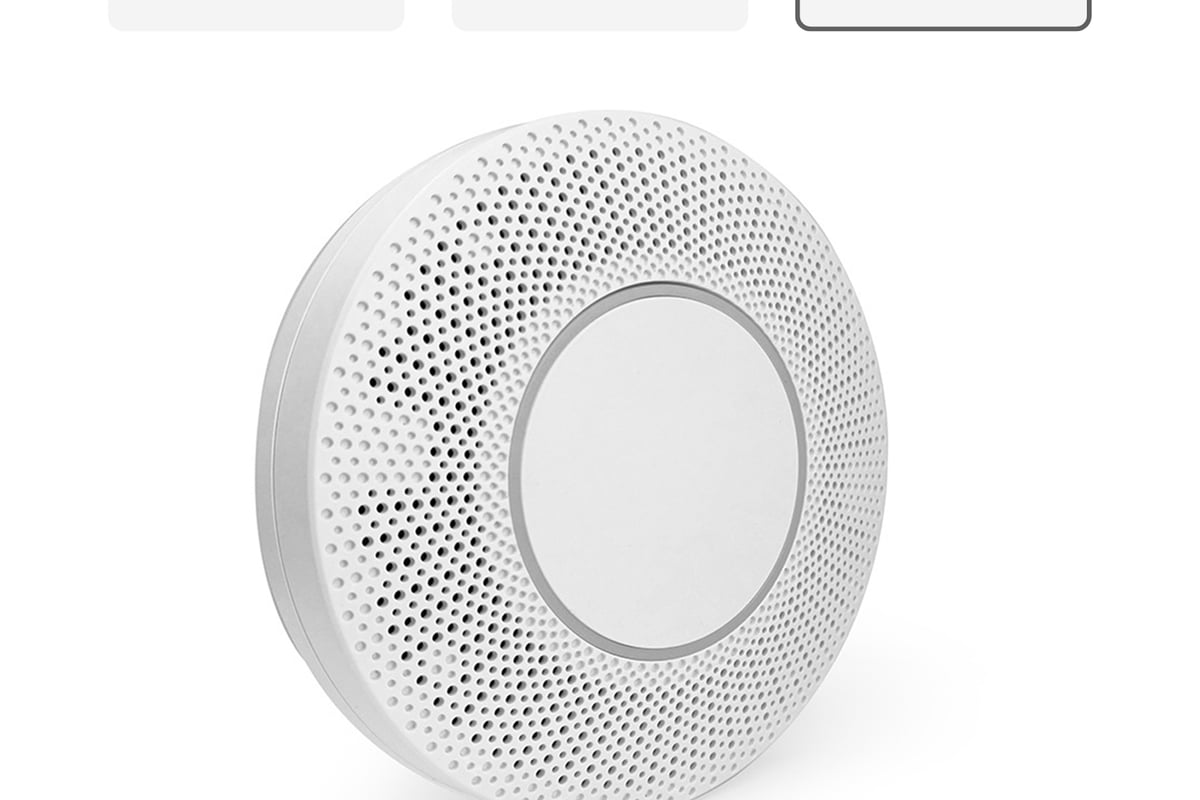
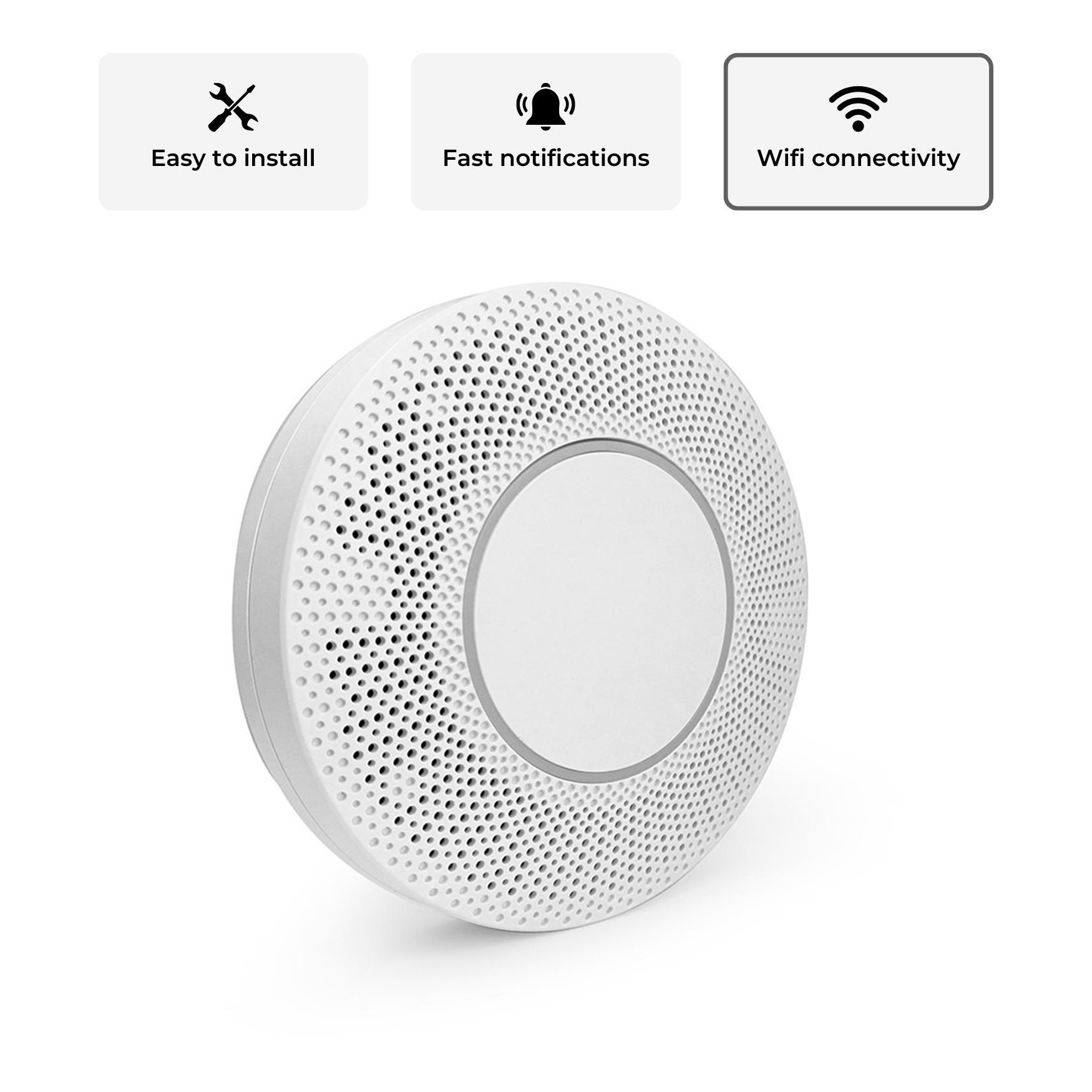
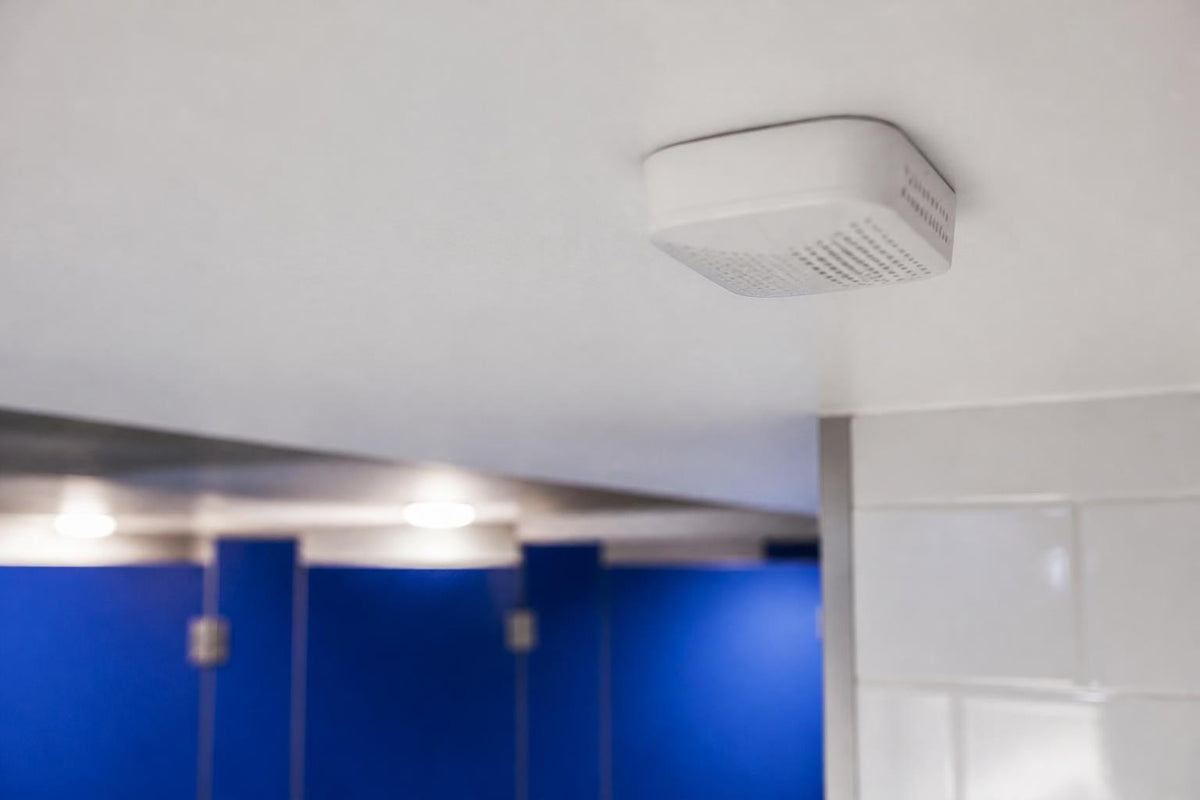
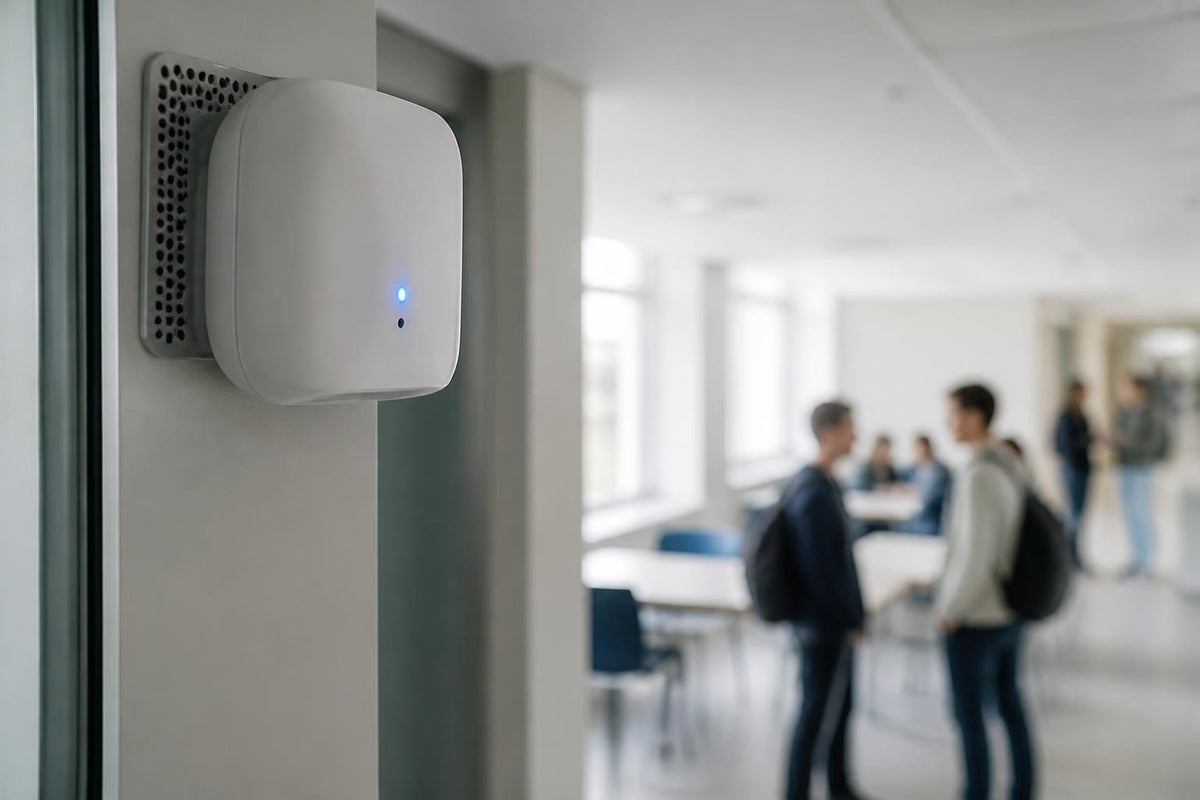
Schools implementing environmental monitoring technologies must be particularly thoughtful about data handling. For instance, facilities using vape detection systems to identify substance misuse in toilets and changing areas collect location-based alerts rather than identifying specific individuals, preserving privacy whilst enabling targeted intervention.
These technologies complement traditional behaviour tracking by providing objective evidence of concerning activities in areas with limited supervision. When alerts indicate potential vaping, drug use, or anti-social behaviour, staff can respond immediately rather than discovering issues after significant time has elapsed.
Implementing Tiered Intervention Frameworks
A school behaviour monitoring system reaches its full potential when paired with structured intervention protocols that match response intensity to behaviour severity. The Positive Behavioral Interventions and Supports (PBIS) framework offers a proven model, organising interventions across three tiers. Universal strategies at Tier 1 support all students through clear expectations and positive reinforcement. Tier 2 interventions, such as the Check-In/Check-Out system, provide additional structure for students showing early warning signs. Tier 3 delivers intensive, individualised support for students with persistent or severe behavioural challenges.
Your school behaviour monitoring system should seamlessly connect behaviour data with these intervention tiers, automatically flagging students who meet criteria for additional support. For example, a student receiving three Tier 1 redirections within a week might trigger a notification to their form tutor, prompting a brief check-in conversation. Five incidents in a fortnight could initiate a Tier 2 intervention such as a mentoring relationship or targeted skill-building group.
Creating Actionable Review Cycles
Regular data review transforms raw incident records into strategic insights. Effective schools establish multiple review rhythms operating at different time scales:
- Daily briefings addressing immediate concerns and coordinating same-day responses
- Weekly pattern analysis identifying emerging trends requiring prompt action
- Half-termly deep reviews examining cohort-level data and intervention effectiveness
- Annual comprehensive audits informing policy updates and resource allocation
Each review level should have defined participants, clear decision-making authority, and established protocols for implementing recommendations. The Massachusetts EWIS framework demonstrates how monitoring attendance, behaviour, and course performance throughout the year enables proactive identification of students requiring additional support.
Documentation from these reviews should feed back into the school behaviour monitoring system, creating a continuous improvement loop. When analysis reveals that incidents spike in particular locations, for instance, schools might increase supervision, modify physical spaces, or install detection technologies to deter problematic behaviours before they occur.
Selecting Appropriate Technology Platforms
The digital platform underpinning your school behaviour monitoring system significantly influences adoption, usability, and ultimate effectiveness. Schools must evaluate solutions against multiple criteria, prioritising systems that integrate smoothly with existing infrastructure whilst remaining intuitive enough for consistent staff use without extensive training. Practical guidance on tracking systems emphasises creating shared behaviour categories and making the reporting process as frictionless as possible.
| Platform Feature | Importance | Implementation Considerations |
|---|---|---|
| Mobile accessibility | Critical | Staff need to record incidents immediately, wherever they occur |
| Automated reporting | High | Reduces administrative burden, ensures consistent review cycles |
| Integration APIs | High | Connects behaviour data with MIS, attendance, and safeguarding systems |
| Customisable workflows | Medium | Allows tailoring to school-specific policies and intervention models |
| Parent portal access | Medium | Enables transparency whilst requiring careful privacy configuration |
| Predictive analytics | Emerging | AI-driven insights show promise but require careful ethical evaluation |
Cost considerations extend beyond initial licensing fees to encompass implementation support, ongoing training, technical assistance, and potential integration expenses. Many schools underestimate the change management effort required, assuming that purchasing software automatically translates into transformed practice.

Emerging Technologies in Behaviour Monitoring
Innovation continues reshaping what's possible within school behaviour monitoring systems. Internet of Things (IoT) devices now enable real-time monitoring of student engagement and emotional states, potentially identifying distress or disengagement before it manifests in disruptive behaviour. Whilst these capabilities offer intriguing possibilities, schools must carefully weigh benefits against privacy implications and the risk of creating overly surveillance-focused environments.
Environmental monitoring represents another technological frontier. Advanced sensors can detect vaping, elevated noise levels indicating conflicts, or unusual gatherings suggesting unauthorised activities. These systems generate alerts based on environmental conditions rather than identifying specific individuals, offering a privacy-conscious approach to preventing issues in traditionally difficult-to-monitor spaces such as toilets, changing rooms, and isolated corridors.
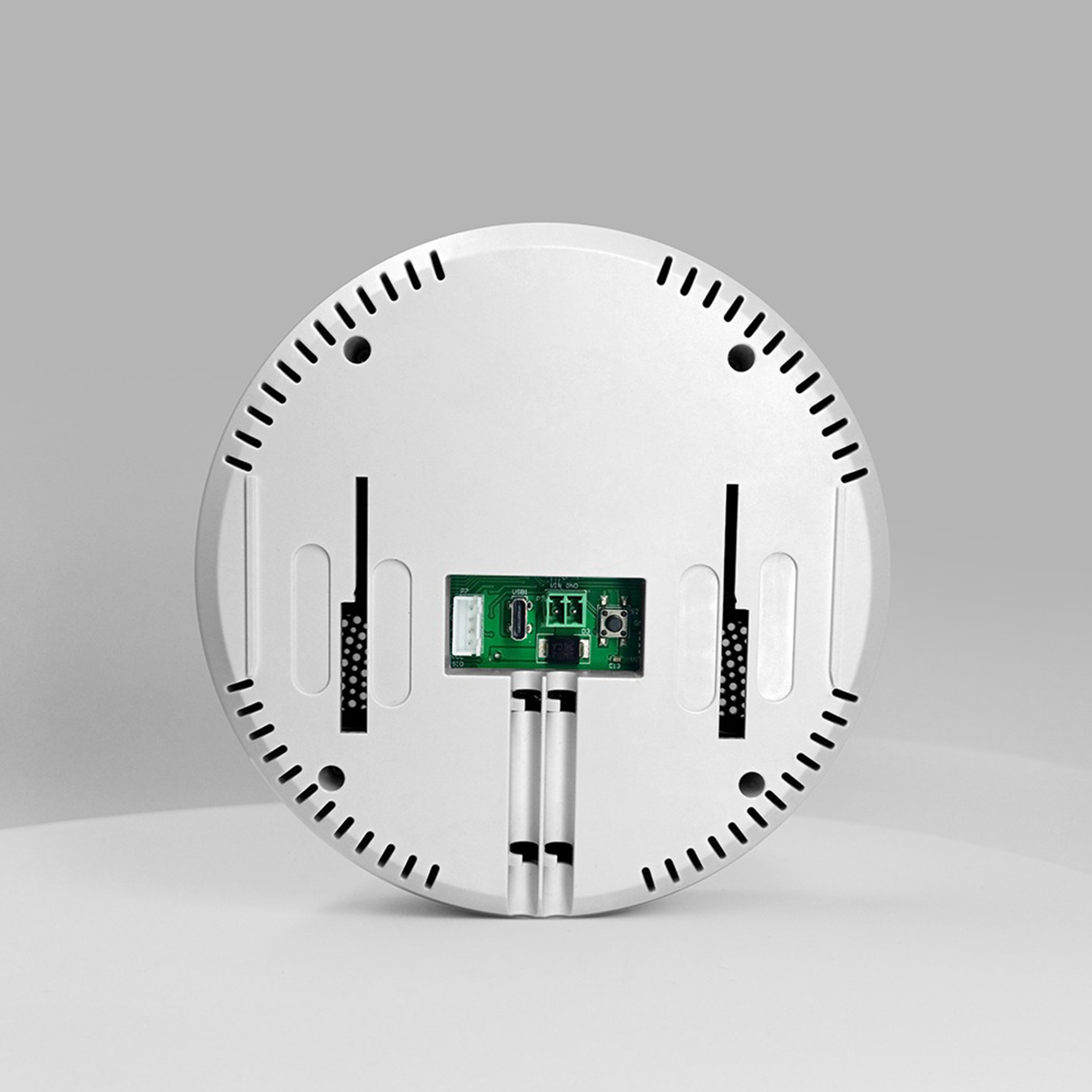
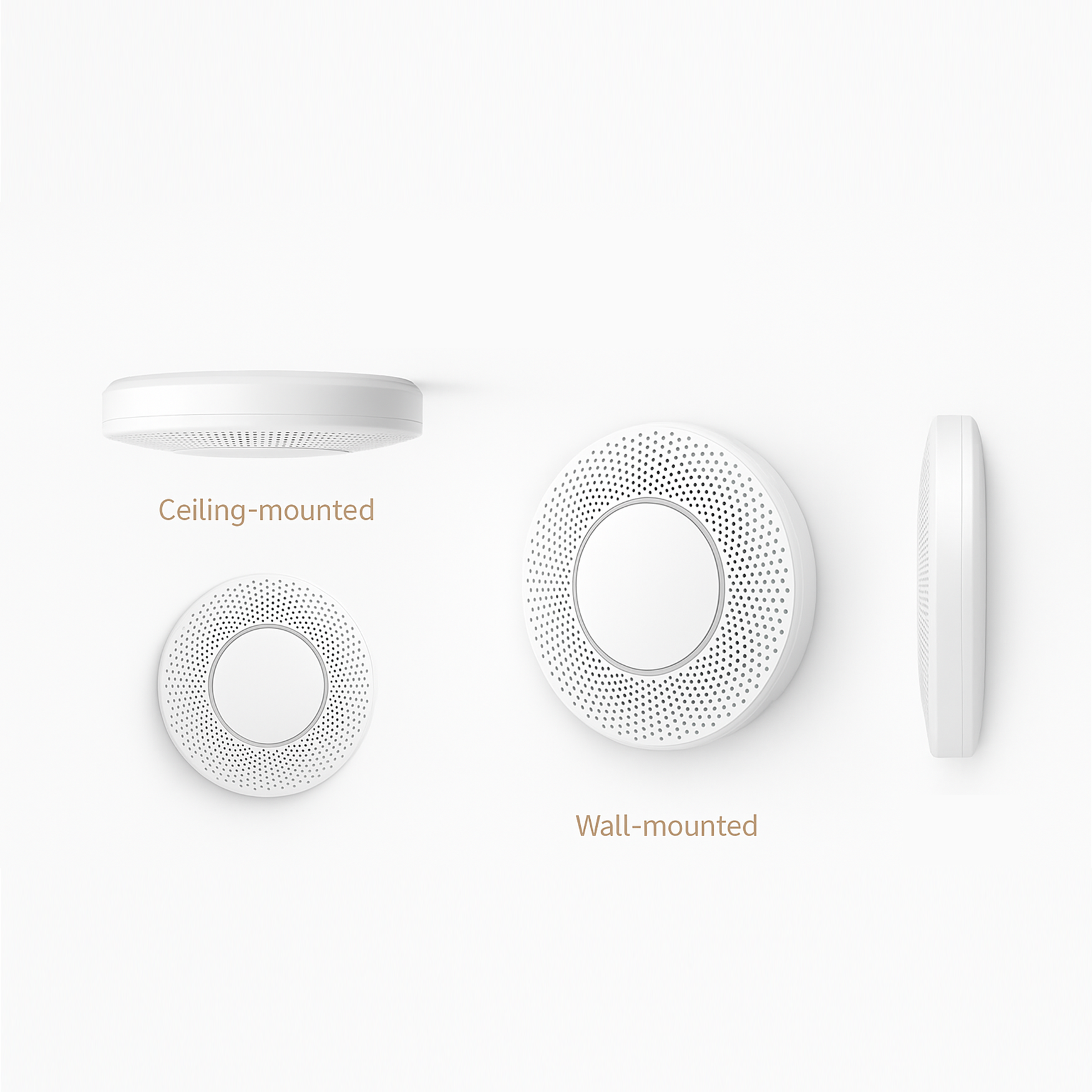
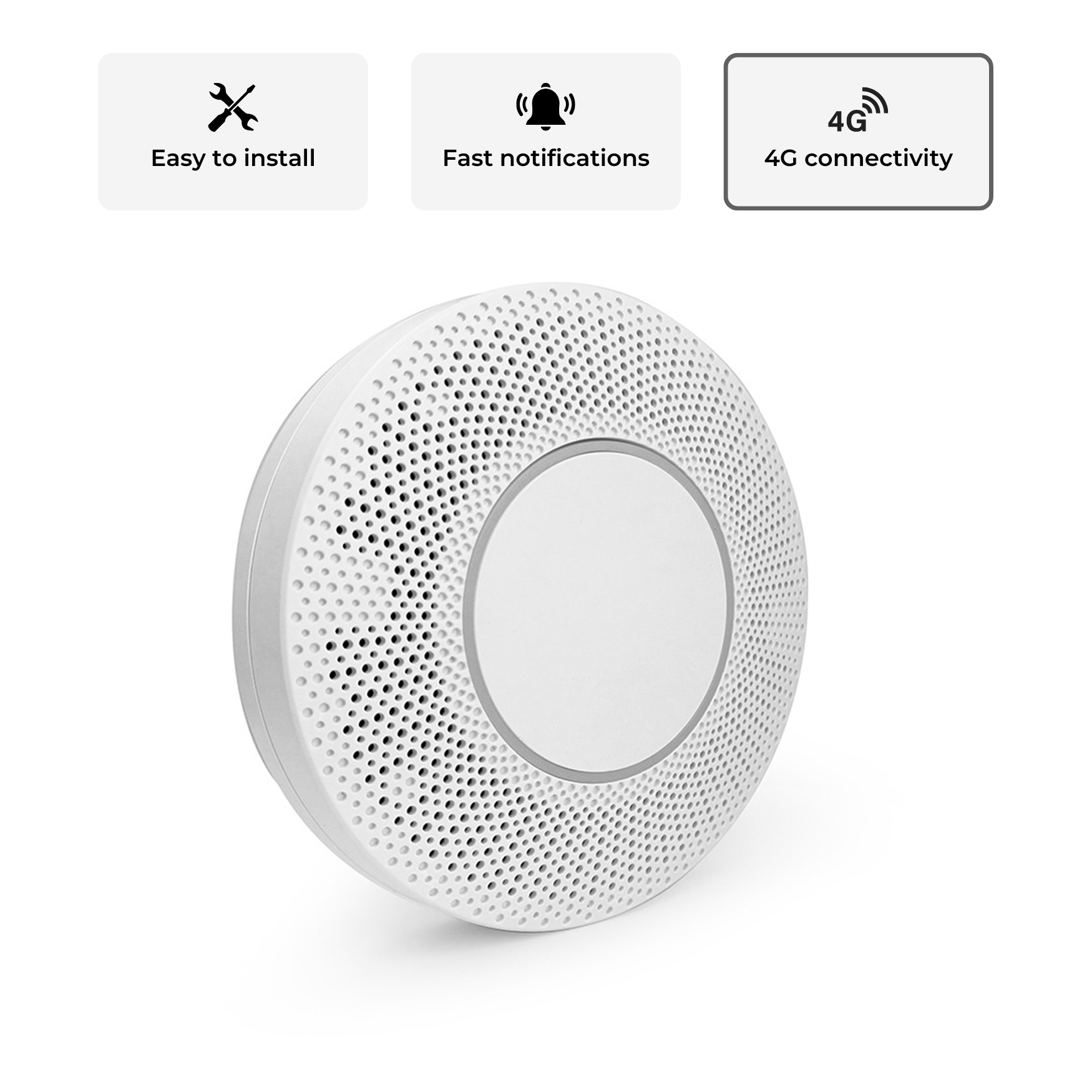
The Vape Detection System exemplifies this approach, using sophisticated sensors to identify vape substances, drug use indicators, and acoustic signatures associated with anti-social behaviour. When integrated with the broader school behaviour monitoring system, these alerts provide valuable data points for understanding where and when concerning activities occur, enabling targeted prevention strategies.
Training Staff for Consistent Implementation
Technology and frameworks mean little without consistent, competent implementation by the educators who interact with students daily. Comprehensive staff training ensures that everyone understands what behaviours to record, how to classify incidents appropriately, and when situations require immediate escalation versus standard documentation. Training must extend beyond initial system orientation to include ongoing professional development addressing common challenges, clarifying edge cases, and reinforcing the connection between consistent data collection and improved student outcomes.
Role-specific training acknowledges that different staff members interact with the school behaviour monitoring system in distinct ways:
- Class teachers need quick, mobile-friendly recording options that don't disrupt instructional time
- Pastoral staff require analytical tools for identifying students needing additional support
- Senior leaders must interpret trend data to inform strategic decisions
- Designated safeguarding leads need immediate alerts for serious concerns and seamless pathways for external referrals
- Support staff including lunchtime supervisors and site managers should understand reporting expectations and procedures
Resources supporting different roles within educational settings, such as guidance for designated safeguarding leads and senior leadership teams, demonstrate the importance of tailored communication addressing each stakeholder's specific responsibilities and concerns.
Addressing Implementation Challenges
Common obstacles undermine school behaviour monitoring system effectiveness, but proactive strategies can mitigate these risks:
Inconsistent recording practices emerge when staff perceive the system as bureaucratic overhead rather than supportive infrastructure. Regular feedback showing how data drives positive changes encourages buy-in. Streamlined interfaces reducing reporting to seconds rather than minutes removes friction.
Data quality issues arise from unclear definitions or inadequate training. Periodic inter-rater reliability checks, where staff independently classify sample scenarios then compare results, identify areas needing clarification. Regular category reviews ensure classifications remain relevant as behavioural trends evolve.
Alert fatigue occurs when systems generate excessive notifications, causing staff to ignore genuine concerns. Carefully calibrated thresholds, intelligent filtering, and clear escalation protocols ensure alerts remain meaningful and actionable.
Measuring System Effectiveness and Impact
A school behaviour monitoring system should demonstrably improve student outcomes, staff workload efficiency, and overall school climate. Robust evaluation frameworks track both process measures (system utilisation, data quality, response timeliness) and outcome measures (incident trends, intervention success rates, stakeholder satisfaction). Baseline data collection before implementation enables meaningful comparison, whilst ongoing monitoring reveals whether the system delivers anticipated benefits.
Key Performance Indicators
Effective evaluation examines multiple dimensions:
- Incident frequency trends across different behaviour types, times, and locations
- Intervention response times from initial report to action implementation
- Student progression measuring whether targeted interventions reduce repeat incidents
- Staff confidence in identifying concerning behaviours and accessing appropriate support
- Parent satisfaction with communication and transparency around conduct issues
- Resource allocation efficiency ensuring intervention efforts focus on highest-need areas
Research on social behaviour analysis in monitoring systems highlights the importance of understanding group dynamics and environmental factors influencing conduct, suggesting that evaluation should examine contextual patterns alongside individual student data.
Schools should establish regular reporting rhythms that communicate findings to all stakeholders. Governors need high-level summaries demonstrating policy effectiveness and regulatory compliance. Staff require detailed breakdowns informing practice adjustments. Parents deserve accessible updates showing how the school creates safe, supportive learning environments. Students themselves benefit from age-appropriate information about behaviour expectations and support available when they struggle.
Integrating with Broader School Improvement Efforts
The most successful school behaviour monitoring system implementations recognise that conduct management cannot exist in isolation from other aspects of school life. Behaviour patterns often correlate strongly with attendance irregularities, academic struggles, safeguarding concerns, and wellbeing challenges. Siloed systems addressing each area independently miss crucial connections that integrated approaches reveal.
Many schools now adopt comprehensive early warning indicator systems examining multiple data streams simultaneously. When a student shows deteriorating attendance, declining grades, and increasing behavioural incidents, the combined pattern suggests more serious underlying issues than any single indicator might reveal. Automated correlation analysis can flag these multi-factor risk profiles, prompting holistic assessment and coordinated intervention.
Cross-System Integration Benefits
| Integration Point | Benefits Realised | Implementation Approach |
|---|---|---|
| Attendance tracking | Identifies correlation between absences and conduct issues | Shared student identifiers, unified data warehouse |
| Academic performance | Reveals whether behavioural interventions improve learning outcomes | Common reporting dashboards, linked case management |
| Safeguarding systems | Ensures behaviour concerns flagged to designated leads | Automated alerts for specific incident types, secure data sharing |
| Wellbeing assessments | Connects conduct issues with mental health and social-emotional needs | Integrated student profiles, coordinated support planning |
| Environmental sensors | Links location-based detections with incident patterns | API connections, geospatial analysis capabilities |
Educational institutions can explore case studies demonstrating how integrated approaches combining traditional behaviour tracking with environmental monitoring create more comprehensive oversight, particularly for challenging issues like substance misuse that students often conceal from direct observation.
Communication systems represent another critical integration point. When the school behaviour monitoring system connects with parent communication platforms, automated notifications can inform families of incidents whilst staff focus on student support rather than administrative tasks. Similarly, integration with staff communication tools ensures relevant personnel receive timely alerts without requiring constant system monitoring.
Adapting Systems for Different Educational Settings
Whilst core principles remain constant, effective school behaviour monitoring system implementation varies across educational contexts. Primary schools serving younger children emphasise positive reinforcement and skill-building, recording behaviours to identify children needing additional social-emotional support rather than focusing on punitive measures. Secondary schools managing adolescent challenges require more sophisticated classification systems distinguishing between typical developmental testing of boundaries and concerning conduct requiring intervention.
Special educational needs settings demand exceptional flexibility, recognising that behaviours stemming from disabilities or developmental differences require understanding and support rather than traditional disciplinary responses. These schools often implement highly individualised behaviour plans, using monitoring systems to track progress toward specific goals and evaluate intervention effectiveness.
Multi-academy trusts and large school groups face unique implementation challenges, balancing consistency across sites with responsiveness to local contexts. Guidance for multi-academy trusts addresses these complexities, suggesting approaches that establish common frameworks whilst allowing individual schools appropriate autonomy. Centralised data aggregation enables trust-level analysis identifying systemic patterns and sharing effective practices across schools, whilst decentralised reporting workflows respect each site's operational independence.
Alternative provision settings supporting students excluded from mainstream education often encounter the most challenging behaviours, requiring robust monitoring systems that maintain detailed records supporting students' eventual reintegration. These contexts demand exceptional staff training, rapid response protocols, and strong external agency connections.
Future Directions in Behaviour Monitoring
The evolution of school behaviour monitoring systems continues accelerating as technology advances and educational practice develops. Artificial intelligence and machine learning offer potential for identifying risk patterns humans might miss, predicting which students require preventative intervention before issues escalate. However, these powerful capabilities raise significant ethical questions about bias, transparency, and the appropriate role of algorithmic decision-making in educational contexts affecting children's futures.
Wearable technology and biometric monitoring represent another frontier, potentially detecting stress, anxiety, or physiological states associated with aggression before behavioural incidents occur. Whilst such capabilities could enable unprecedented preventative intervention, concerns about privacy, consent, and the psychological impact of constant monitoring require careful consideration before implementation.
The increasing sophistication of environmental monitoring technologies continues expanding what schools can detect and prevent. Beyond current vaping and noise monitoring capabilities, emerging sensors may identify other concerning substances, detect weapons, or recognise acoustic signatures associated with bullying and conflict. Integration of these detection capabilities with traditional behaviour tracking creates comprehensive oversight systems, though schools must continually evaluate whether enhanced monitoring genuinely improves outcomes or simply creates more surveilled, less trusting environments.
Student voice and participation in system design represents an often-overlooked opportunity. Including young people in developing behaviour expectations, monitoring processes, and intervention approaches increases buy-in whilst ensuring systems remain developmentally appropriate and respectful. Some schools experiment with student-accessible dashboards showing aggregated behaviour data, fostering collective responsibility for school climate.
Implementing an effective school behaviour monitoring system requires thoughtful planning, appropriate technology, comprehensive training, and ongoing refinement based on outcome data. By establishing clear processes, respecting privacy, integrating multiple data sources, and connecting monitoring with meaningful intervention, schools create safer environments where all students can thrive. Vape Guardian supports educational institutions in this mission through advanced detection technology that identifies vaping, drug use, and anti-social behaviour, providing the real-time environmental monitoring capabilities that complement traditional behaviour tracking and enable truly comprehensive oversight.



Share:
School Anti Vaping Solution: A Comprehensive Guide for 2026
Toilet Vaping Prevention: Strategies & Detection Solutions